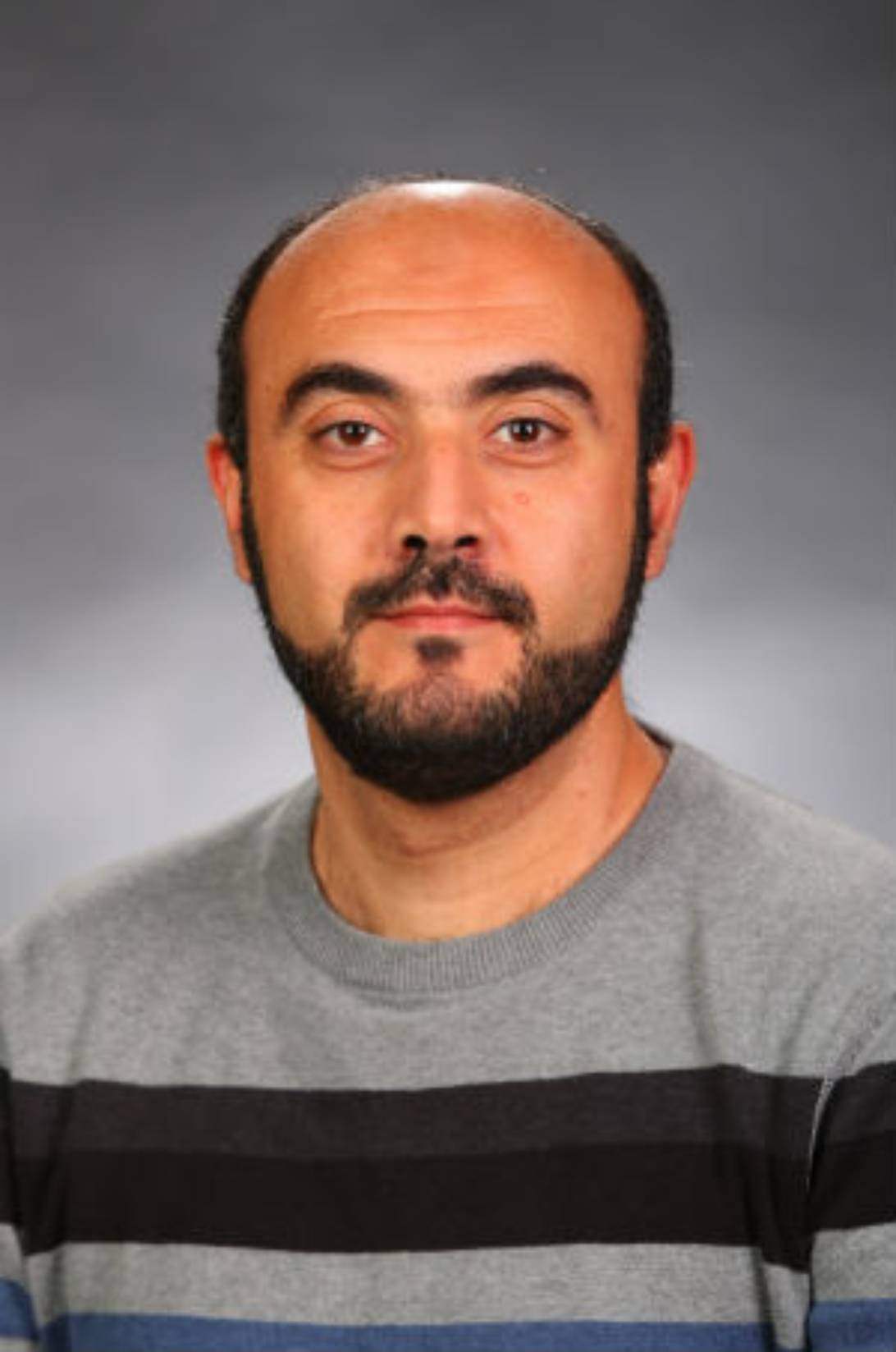
Wieland Schwinger serves as Associate Professor in the Department of Cooperative Information Systems at Johannes Kepler University Linz (JKU), where he leads research at the intersection of information systems and critical infrastructure protection. His work addresses urgent challenges in operational technology monitoring for industrial control systems, energy data governance across European markets, and volunteer coordination during disasters. Current projects include iREDUCE (2025-2026), where he serves as Principal Investigator developing intelligent alarm flood reduction systems for critical infrastructure. His research program centers on three interconnected pillars: semantic relationship awareness frameworks for operational technology monitoring, data governance solutions for fragmented European energy markets, and goal-oriented recommender systems for crisis volunteering. Recent publications demonstrate consistent innovation in translating theoretical advances—particularly in data spaces and semantic modeling—into practical applications for smart cities and critical infrastructure. This work bridges computer science with energy engineering and social computing, yielding deployable solutions for urban microgrids and disaster response systems. Prof. Schwinger's 2024-2025 publications reveal a strategic focus on data accessibility challenges in critical domains, with 60% addressing operational technology monitoring through semantic frameworks and digital shadows. His energy governance research tackles European market fragmentation through comparative analysis of regulatory models, while volunteering systems explore novel data space integrations. These outputs reflect an interdisciplinary methodology combining empirical validation with framework development, consistently targeting real-world implementation in Austrian and European contexts. He received dual recognition in 2025 for sustained scholarly impact: SoSyM Most Influential (theme section) Paper award (September 2025) Ten-year most influential theme section paper award (October 2025) These honors specifically acknowledge his foundational work on model-to-model transformation languages, demonstrating research influence extending over a decade. As an active grant recipient, Prof. Schwinger currently leads the FFG-funded iREDUCE project (€ project value) and contributes to Civolunteer and FFG-KIRAS CERTIFIER initiatives. His project portfolio shows strong continuity in critical infrastructure research since 2021, with increasing leadership responsibilities including Principal Investigator roles. International engagement includes the ASEA-UNINET network for disaster management and European energy governance collaborations, supported by both FFG and EU funding mechanisms like Erasmus+. Research activities occur within JKU's Department of Cooperative Information Systems, where Prof. Schwinger collaborates closely with colleagues including Kapsammer, Retschitzegger, and Pröll. The group maintains strong industry ties through FFG projects with Austrian critical infrastructure operators, focusing on deployable monitoring solutions and data governance frameworks. Students gain hands-on experience with industrial datasets and real-time operational technology environments, preparing them for careers at the technology-policy interface in critical sectors.