معرفی
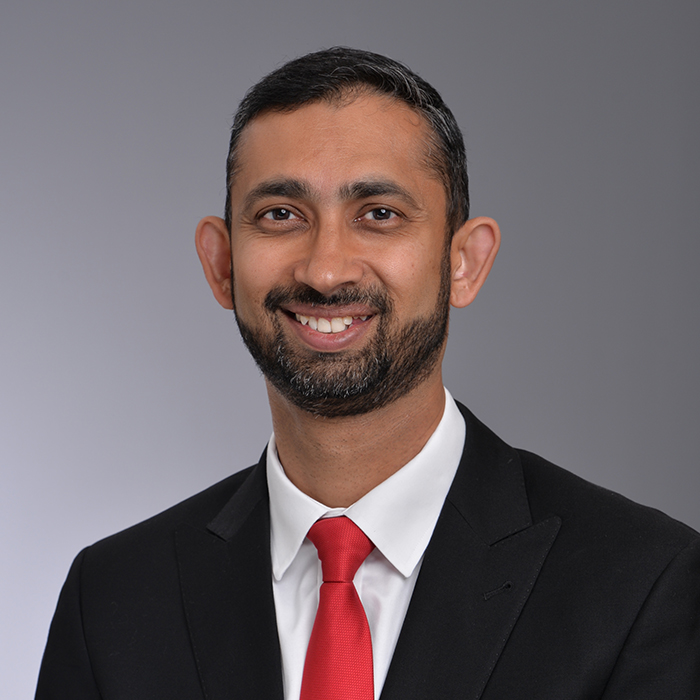
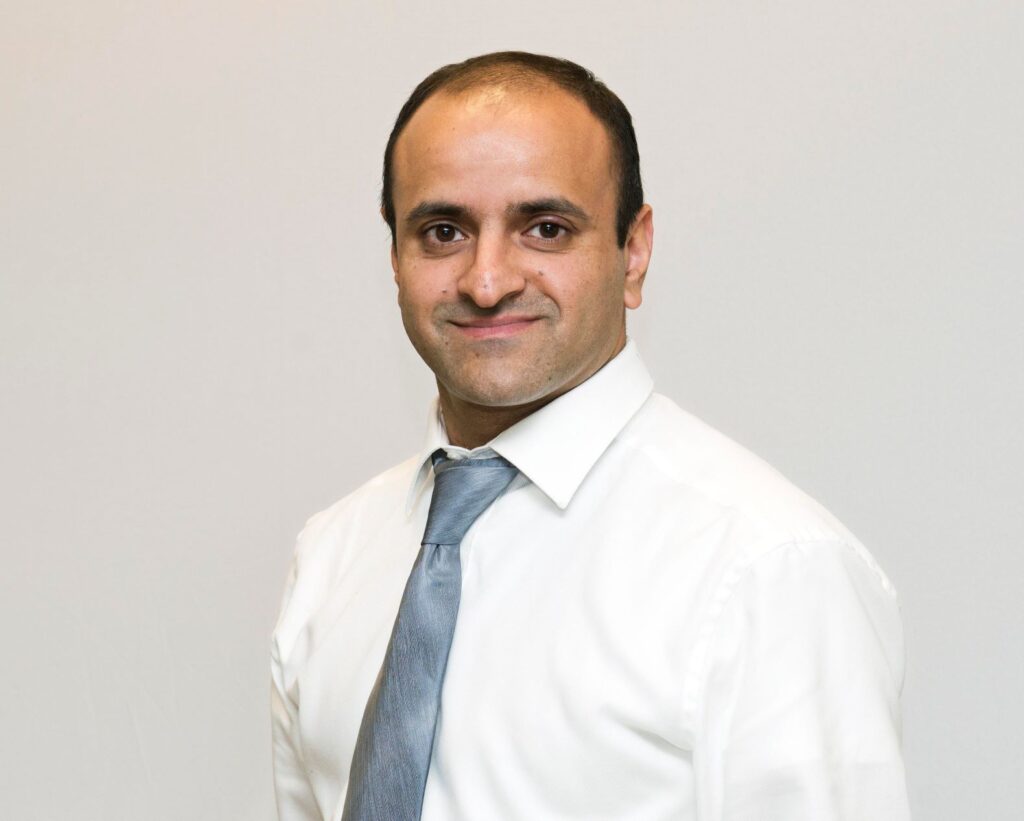
Dr. Sagar Raina serves as an Associate Professor of Information Technology in the Division of Math and Information Technology at Mount Saint Mary College, New York, where he teaches courses spanning web programming, computer architecture, operating systems, and specialized cybersecurity domains including ethical hacking and mobile application security. Holding a DSc in Information Technology from Towson University and prior industry experience as a software developer, he bridges academic theory with practical security applications.
His educational credentials include:
- DSc in Information Technology from Towson University
- MS in Applied Information Technology from Towson University
- BE in Information Technology from the University of Mumbai, India
Dr. Raina's research pioneers empirical approaches to cybersecurity education, with signature work using eye-tracking technology to analyze cognitive load during secure coding exercises. He develops innovative pedagogical frameworks like the Security Injections 2.0 modules that integrate segmentation, instant feedback, and auto-grading into programming curricula. His investigations span cybersecurity learning materials, IoT security education, and human-computer interaction dynamics in educational contexts, consistently advancing evidence-based teaching methodologies.
Analysis of his publication trajectory reveals a strategic evolution from foundational secure coding modules toward sophisticated experimental designs using biometric measurements. His work consistently targets high-impact venues including SIGCSE, IEEE ISI, and ACM ETRA, demonstrating interdisciplinary rigor at the intersection of cybersecurity, education, and human factors research.
His scientific recognition includes:
- NSA-funded CLARK project leadership ($14,893 grant as Sub-PI)
- CyberEd Workshop 2019 travel award
- Multiple graduate travel awards during doctoral studies
As Sub-PI for the NSA/Towson University-funded CLARK project, Dr. Raina developed cybersecurity learning infrastructure while maintaining active collaborations with researchers including Bernard, Taylor, and Kaza. His work operates within dynamic research teams focused on educational cybersecurity innovation, though no dedicated physical laboratory is specified in available materials.