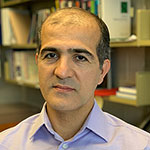
Kar Ee Ho serves as an Assistant Professor in the Department of Computer Science at Luther College, based in Olin 321. His contact details include email (hoka01@luther.edu) and phone (563-387-1137), reflecting active faculty status within the institution. His research spans core Computer Science domains, with emphasis on Artificial Intelligence for algorithmic problem-solving, Data Science for analytical modeling, Software Engineering for development methodologies, and Theoretical Computer Science exploring computational foundations. These interests align with standard departmental specializations in modern computing curricula.
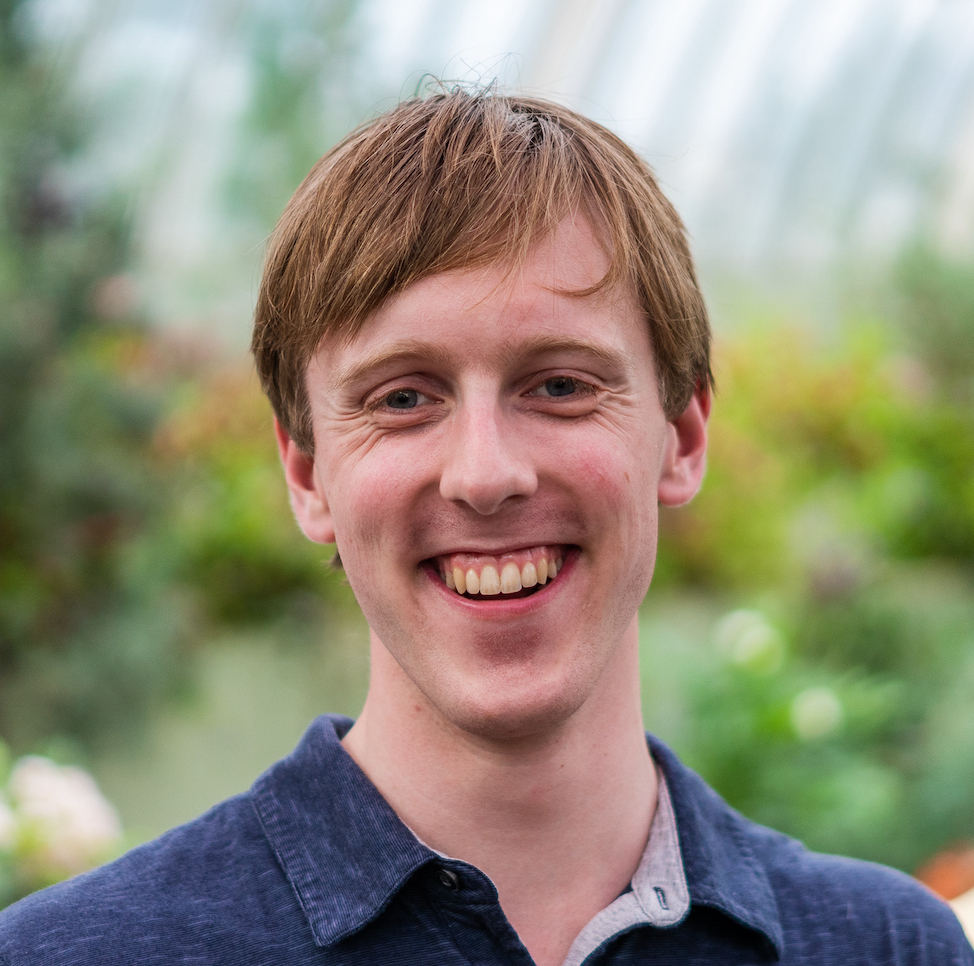
Prof. Dr. Heidi Schuhbauer serves as a Professor at Nuremberg University of Applied Sciences, where she maintains active teaching and research responsibilities in Business Informatics, Knowledge Management, and Social Network Analysis. Her office (HQ.317) and contact details (phone: +49 (0)911 5880-1662; email: heidi.schuhbauer@th-nuernberg.de) reflect her current institutional affiliation, with consultation hours arranged via email correspondence. Her research spans Knowledge Management, Social Network Analysis, and Industry 4.0 applications, with particular emphasis on educational technology innovations. Current projects investigate gamification mechanisms, AI integration in curricula, and sustainable literacy development through storytelling techniques. She examines how digital escape rooms, agile learning frameworks, and generative AI tools impact student motivation and learning outcomes in economic and business education contexts. Analysis of her 2022-2025 publications reveals three dominant trajectories: (1) gamification elements in e-learning platforms (digital escape rooms, Eduscrum frameworks), (2) social network analysis applied to political communication and enterprise systems, and (3) generative AI implementation challenges in undergraduate business education. Her work consistently bridges theoretical knowledge management concepts with practical educational applications, often focusing on STEM diversity and motivational dynamics. No scientific awards were documented in the source material. The text provided no details regarding student advising activities, grant funding, research laboratories, or collaborative teams. Her publication record indicates active research output without mention of future project directions or completed educational programs.
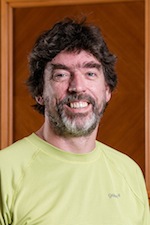
Mostafa Nasri serves as an Instructor in the Department of Mathematics and Statistics at the University of Winnipeg within the Mathematics and Statistics Faculty. Holding a Ph.D. from IMPA, he completed postdoctoral fellowships at Laval University, University of Montreal, and McGill University before joining his current institution. His academic credentials include: Ph.D. in Mathematics, IMPA- Instituto Nacional de Matemática Pura e Aplicada (2008) M.Sc. in Mathematics, Amirkabir University of Technology (2004) B.Sc. in Mathematics, Sharif University of Technology (2002) Dr. Nasri's research integrates Mathematical Analysis and Operations Research with specialized expertise in Functional Analysis, Optimization, and Applied Mathematics. His theoretical work examines Schauder bases, composition operators, and Dirichlet spaces, while his Optimization research develops augmented Lagrangian methods for equilibrium problems and variational inequalities. Applied contributions include contact dynamics modeling for multibody systems and HIV infection dynamics. Analysis of his 2023-2025 publications reveals intensified focus on Functional Analysis (particularly Dirichlet spaces and operator theory) alongside persistent development of optimization algorithms, with applied mechanics and mathematical biology research continuing at reduced frequency. No scientific awards are documented in available materials. Current information indicates no graduate student advising or active research grants at the University of Winnipeg. Prior industry collaboration with CM Labs Simulations Inc. and Canadian university departments demonstrates applied research experience, though no current laboratories or dedicated research teams are specified.
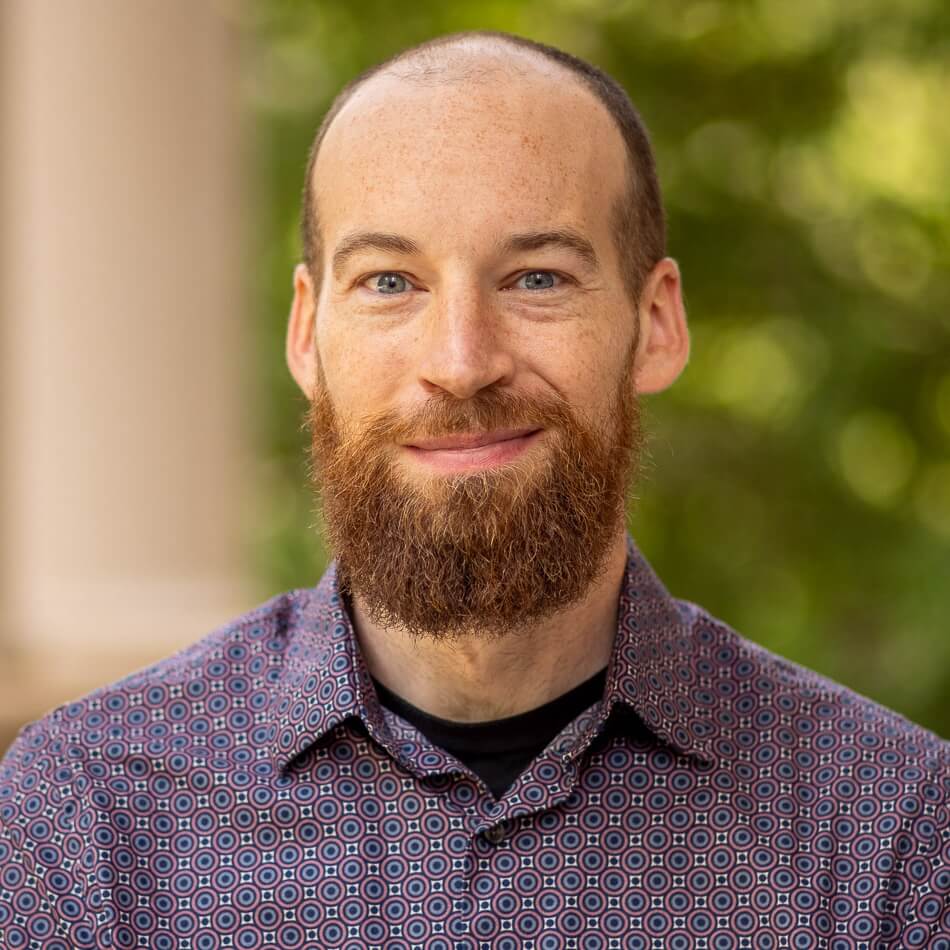
Cayden Codel is a Researcher at Carnegie Mellon University's Computer Science Department , focusing on programming languages and formal verification. His work bridges theoretical logic with practical applications in automated reasoning and constraint solving. Research Interests: Programming Languages, Formal Verification, Satisfiability (SAT) Solvers, Satisfiability Modulo Theories (SMT), Automated Theorem Proving, Machine Learning Institution: Carnegie Mellon University (CMU) His publications emphasize formal verification for logical systems, SMT/SAT solvers , and reinforcement learning applications. Articles from 2024-2019 reveal a trajectory from foundational logic to real-world dataset design (e.g., Minecraft-based AI research). Thesis Advisors: Marijn Heule, Jeremy Avigad Contact: ccodel@andrew.cmu.edu
Dr. Julie Poehlmann is the Dorothy O'Brien Professor of Human Ecology in the Department of Human Development and Family Studies at the University of Wisconsin-Madison's School of Human Ecology. A nationally recognized child clinical psychologist, she specializes in facilitating social justice for high-risk infants and young children, particularly those with incarcerated parents, raised by grandparents, or born preterm, through resilience-focused research and intervention design. Her educational background includes a BA in Psychology and History from Marquette University (with Berlin language studies), an MS and PhD in Clinical Psychology from Syracuse University, and a post-doctoral fellowship at UW-Madison's Waisman Center. She maintains active affiliations with the Center for Healthy Minds and Institute for Research on Poverty. Dr. Poehlmann's research examines intergenerational transmission of risk and resilience using mixed-methods approaches, including naturalistic observation and physiological measures. She designs interdisciplinary interventions for criminal justice contexts and mindfulness-based programs to reduce family stress, with current projects including the HEALthy Brain and Child Development Study and Enhanced Visits Program. Her work emphasizes equity in studying diverse populations affected by incarceration and preterm birth. Recent publications reveal strong thematic trends: 60% focus on parental incarceration's developmental impacts (with growing emphasis on racial disparities and remote visitation), 25% on preterm birth outcomes, and 15% on mindfulness interventions. Key subfields consistently include equity frameworks, physiological stress markers, and community-engaged methodology across all publications. She actively translates research into practice through advisory roles with Sesame Street (Emmy-nominated initiative), PBS Wisconsin, and community organizations like JustDane and Camp Reunite. Dr. Poehlmann serves on leadership teams for the International Coalition for Children with Incarcerated Parents and Wisconsin Alliance for Infant Mental Health, while teaching community-based early childhood education courses and supervising in the Waisman Center's Autism Clinic.
Vincent Coll is a Research Professor in the Department of Mathematics at Lehigh University. His research focuses on advanced algebraic structures, including Frobenius seaweed algebras, Lie poset algebras, and geometric topics such as Ricci flow and Riemannian metrics. He explores spectral theory, combinatorial graph properties, and the interplay between algebraic structures and geometric systems. His work bridges abstract algebra with geometric analysis, contributing to classification theorems and spectral properties of mathematical objects. Coll’s research interests span Algebra and Number Theory, Discrete Mathematics, and Geometry & Topology. His recent work includes studies on Frobenius Lie algebras, contact geometry, and graph linkage problems. He has published extensively on topics ranging from meander graphs to the binary spectrum of algebras, reflecting a deep engagement with structural and analytical questions in mathematics.
Sandra Pieraccini is a Full Professor in the Department of Mathematical Sciences "GL Lagrange" (DISMA) at the Politecnico di Torino, where she also serves as Deputy Director of the department, Contact Person for student orientation, and Coordinator of the basic subjects for first-year engineering programs. She is a member of the University Open Access Commission and actively contributes to academic governance. Her research interests include machine learning, numerical analysis, scientific computing, uncertainty quantification, and numerical optimization . She is a key member of the research group Numerical Analysis and Scientific Computing and leads the national research project FaReX (2023–2025) on reduced-order modeling and automatic learning. Her work integrates advanced numerical methods with AI techniques, particularly in modeling discrete fracture networks and fluid dynamics. The most recent publications reflect a strong trend in combining graph-informed neural networks , explainable AI , and meshless computational methods to solve complex problems in geophysics, fluid mechanics, and data science. Her research bridges applied mathematics with real-world engineering and environmental challenges. She is an active member of the scientific community, serving on the editorial boards of Journal of Machine Learning for Modeling and Computing and GEM , and participating in steering committees of UMI groups on AI and machine learning. She has also contributed to organizing major workshops and conferences. Sandra Pieraccini teaches across multiple programs, including doctoral courses in Mathematical Sciences and Aerospace Engineering, master’s courses in Mathematical Engineering and Data Science, and bachelor’s courses such as Linear Algebra and Problem Solving Lab. She is deeply involved in curriculum development and academic leadership.
Stephen Farrell is a Research Fellow at Trinity College Dublin's Computer Science Department within the School of Computer Science and Statistics. He is a member of the Distributed Systems Group (DSG) and has been actively contributing to Internet security research and standardization since the 1980s. His work bridges academic research, practical implementation, and Internet governance through leadership roles in major standardization bodies. Farrell earned his PhD from Trinity College Dublin in 2008 with a dissertation on delay-tolerant networking protocols, following a Joint Honours degree in Mathematics and Computer Science from University College Dublin in 1986. His educational background established the foundation for his interdisciplinary approach to network security problems. His research focuses on Internet security architecture, with particular expertise in cryptographic protocols, Public Key Infrastructure, and delay-tolerant networking for challenged environments. A significant portion of his recent work has addressed privacy-preserving technologies, especially related to pandemic response systems. Farrell approaches security with a pragmatic perspective that prioritizes real-world deployment even when purity must be compromised for practicality. His publication record shows a consistent trajectory from foundational security work to applied research addressing contemporary challenges. The most recent publications demonstrate his ability to pivot research focus to address urgent societal needs, as evidenced by his rapid response to the pandemic with the TACT project analyzing contact tracing technologies. Co-author of RFC 7258 'Pervasive Monitoring is an Attack' that fundamentally shifted Internet security priorities Former IETF Security Area Director (2011-2017) overseeing numerous security standards Member of the Internet Architecture Board (2019-2021) Editorial Board Member of IEEE Internet Computing magazine Expert Advisor to Messaging, Malware and Mobile Anti-Abuse Working Group Farrell supervises graduate students, having mentored approximately ten MSc dissertations plus a PhD (Alex McMahon) and MSc by Research (Aidan Lynch). His grant portfolio includes EU-funded projects like STREWS, N4C, and SAIL, as well as funding from organizations like the Open Technology Fund. He has maintained consistent external funding throughout his academic career, often bridging the gap between research and practical implementation. As co-chair of multiple IETF working groups (including OpenPGP and LAKE) and the IRTF's Usable Formal Methods Research Group, Farrell plays a significant role in shaping Internet standards. His leadership in the TACT project during the pandemic demonstrated his ability to rapidly mobilize research efforts to address urgent public health needs through the Testing Apps for COVID-19 Tracing initiative.
Michelle Edgely is a Senior Lecturer and Acting Associate Dean Teaching and Learning in the School of Law, Faculty of Science, Agriculture, Business and Law at the University of New England (UNE). She is based in Building W37, Room LG06, and can be contacted at medgely@une.edu.au. Her teaching encompasses core criminal law subjects including Criminal Law (LAW162), Criminal Procedure (LAW261), Advanced Criminal Law (LAW314), Criminal Sentencing and Punishment (LAW315), and Honours-in-Law (LAW490). She holds qualifications in Bachelor of Commerce, Bachelor of Laws (Honours), and Master of Laws. Her research is centered on therapeutic jurisprudence, sentencing, criminal procedure, and the treatment of mentally impaired and Indigenous offenders within the criminal justice system. She critically examines legal reforms, human rights implications, and the effectiveness of specialist courts and sentencing models. The recent publications reflect a sustained scholarly focus on mental health courts, therapeutic jurisprudence, wrongful convictions, domestic violence defenses, preventive detention, and academic integrity in the age of artificial intelligence. Her work spans law reform, legal theory, and practical justice innovations, with strong interdisciplinary engagement in psychology, criminology, and psychiatry. Scientific Awards: No awards explicitly mentioned in the text. Michelle Edgely has supervised numerous research students at the Honours and Master of Laws levels, focusing on topics such as coercive control, Indigenous sentencing, human rights charters, and wrongful convictions. While no specific grants are listed, her sustained publication record and leadership in teaching suggest active research and educational leadership. She is a member of key professional bodies including the Therapeutic Jurisprudence in the Mainstream Advisory Group, Australia and New Zealand Association of Psychiatry, Psychology and Law, and the Australian and New Zealand Society of Criminology. There is no mention of a lab or research team in the provided text, though her involvement in advisory groups and conferences indicates collaborative scholarly engagement.
Jennifer Tweedy is a Dr Daphne Jackson Royal Society Research Fellow in the Department of Mathematical Sciences at the University of Bath. She is currently active in her research position with the Daphne Jackson Fellowship project running from November 2022 to October 2025. Her office is located at 4 WEST 4.18 and she can be contacted at jht55@bath.ac.uk or by phone at +44 (0) 1225 387637. Dr. Tweedy's research spans the intersection of mathematical modeling, fluid dynamics, and biomedical applications, particularly in ophthalmology and cardiology. Her primary focus is on modeling aqueous humor flow in the eye, with significant contributions to understanding fluid dynamics in the anterior chamber, vitreous humor mechanics, and their implications for conditions like glaucoma. She also applies mathematical modeling to cardiovascular problems, including atrial fibrillation and cardiac conduction. Her publication record demonstrates a consistent trajectory in applying advanced mathematical techniques to solve complex biomedical problems. The most recent works (2023-2025) focus on unconventional aqueous humor outflow mechanisms and their clinical implications, while earlier works (2018-2020) examine cardiac conduction velocity and fluid dynamics in various eye chambers. Her research consistently combines theoretical mathematical approaches with practical clinical applications. Daphne Jackson Fellowship (Current) Dr. Tweedy actively engages in educational outreach, having presented school engagement activities titled 'A job in research' in February 2023 and 'A career in research' scheduled for February 2025. Her research has garnered significant attention with multiple publications accumulating citations across Scopus and other research metrics platforms. She collaborates with researchers across the UK and internationally, particularly in the fields of ophthalmology and mathematical biology.
Ross Bowden is a Lecturer in Cryptography at the School of Computer Science, University of Bristol. His research focuses on mathematical foundations of cryptography, including endomorphism, hash functions, polynomial systems, and graph theory. He is affiliated with the Bristol Doctoral College. Research interests: His work intersects computer science and mathematics, particularly in cryptographic hash functions, polynomial equation systems, and supersingular isogeny graphs. His recent publications address open problems in these domains. Publications: Active in advancing cryptographic algorithms and mathematical structures, with contributions to supersingular isogeny graphs and polynomial-based cryptographic challenges. Contact: Email ross.bowden@bristol.ac.uk or rb15152@bristol.ac.uk .
Mihaly Andras Csirik is a Research Fellow at Oslo Metropolitan University's Faculty of Technology, Art and Design, affiliated with the Department of Computer Science. His office is located at Pilestredet 35 in Oslo. He can be contacted via email at mihalyandras.csirik@oslomet.no or by phone at +47 413 77 622. Research Focus: Csirik specializes in theoretical and computational approaches at the intersection of physics and chemistry. His primary research domains include: Density-functional theory (DFT) with emphasis on Moreau-Yosida regularization Mathematical foundations of quantum chemistry Magnetic systems and electron gas behavior Coupled-cluster methods and error analysis Recent Research Trends: His 2023-2024 publications demonstrate a strong focus on advancing fundamental theories in quantum systems. Key thematic areas include density-potential mapping methodologies, exchange-energy formulations in DFT, coupled-cluster theory refinements, and mathematical frameworks for quantum many-body systems. The work consistently bridges theoretical physics, quantum chemistry, and applied mathematics. Collaborations: Csirik actively collaborates with researchers including Andre Laestadius, Markus Penz, and Erik Tellgren on projects like REGAL, which investigates Moreau-Yosida regularization in density-functional theory.
Dane Ward serves as Assistant Professor in the Department of History and Anthropology within Monmouth University's School of Humanities and Social Sciences. His office is located in James and Marlene Howard Hall (Room 334), which houses departments spanning both the School of Science and School of Humanities and Social Sciences. His academic focus centers on geospatial technologies and environmental systems, with research interests including: Geographic Information Systems (GIS) Remote Sensing methodologies Environmental Geography Spatial Analysis techniques Historical Geography applications Anthropological Geography intersections Professor Ward teaches specialized courses bridging geography and anthropology, including Fundamentals of Remote Sensing (GIS 337/GO 537), Introduction to GIS (GIS 224/GO 524), Global Environmental Problems (AN 275/GO 275), and Spatial Analysis (GIS 325/GO 540). His curriculum demonstrates consistent integration of geospatial technologies across undergraduate and graduate levels. Contact is available via email (daward@monmouth.edu) or phone (732-571-4493).
Benjamin Unger is an Assistant Professor at the Karlsruhe Institute of Technology (KIT), affiliated with the Faculty of Mathematics and the Institute for Applied and Numerical Mathematics. His research focuses on computational approaches to mathematical problems, with particular expertise in: Numerical Analysis Partial Differential Equations Data-driven computational methods Scientific Computing Dr. Unger leads the Junior Research Group on Data-driven methods for partial differential equations at KIT. His work bridges traditional numerical methods with modern data science techniques, contributing to innovative solutions in computational mathematics. He maintains an active research program within the Institute's Research Group 3: Scientific Computing. Based at the Kollegiengebäude Mathematik (building 20.30), room 3.025, he is accessible through his professional contact information and maintains a research website showcasing his scholarly activities.
Anna Schenfisch is a Research Fellow in the Faculty of Mathematics and Computer Science at Eindhoven University of Technology (TU/e), working within the Applied Geometric Algorithms research group. Her primary affiliation is with the university's mathematics department, and she can be contacted at a.k.schenfisch@tue.nl. Her research focuses on the intersection of algebraic topology and computational geometry, with significant contributions to topological data analysis. Her core research interests center on K-theory applications to persistence modules, simplicial complex reconstruction, and topological descriptors. She investigates how algebraic structures like monoids and parameter spaces interact with geometric representations, particularly through zig-zag persistence frameworks. Her work on faithful sets of verbose persistence diagrams addresses fundamental questions about minimality and optimality in topological data representations. Current projects involve developing theoretical frameworks for multiparameter persistence modules and their computational implementations. Analysis of her 15 most recent publications (2022-2025) reveals a strong trajectory in applying algebraic topology to computational problems. Her research demonstrates increasing sophistication in bridging abstract K-theory with practical geometric algorithms, particularly in simplicial complex reconstruction and descriptor optimization. The work consistently targets foundational questions in topological data analysis while developing novel computational approaches. Scientific Awards: No specific awards, fellowships, or medals are mentioned in the provided sources. Advising and Grants: Anna has supervised at least one academic work as indicated by "Supervised Work (1)" in her institutional profile. The nature of this supervision (e.g., thesis advising) isn't specified. No grant funding sources are explicitly referenced in the available materials. Labs and Teams: She is an active member of the Applied Geometric Algorithms research group at TU/e, which focuses on computational topology and geometric data analysis. This group serves as her primary research environment for developing algorithms related to persistence modules and topological descriptors.