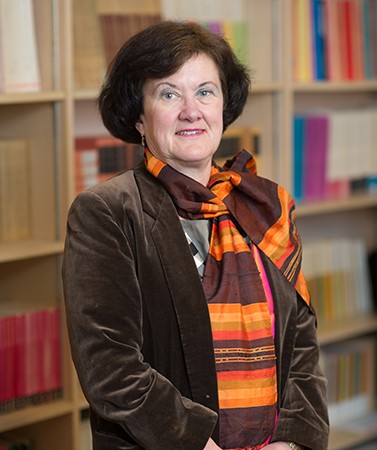
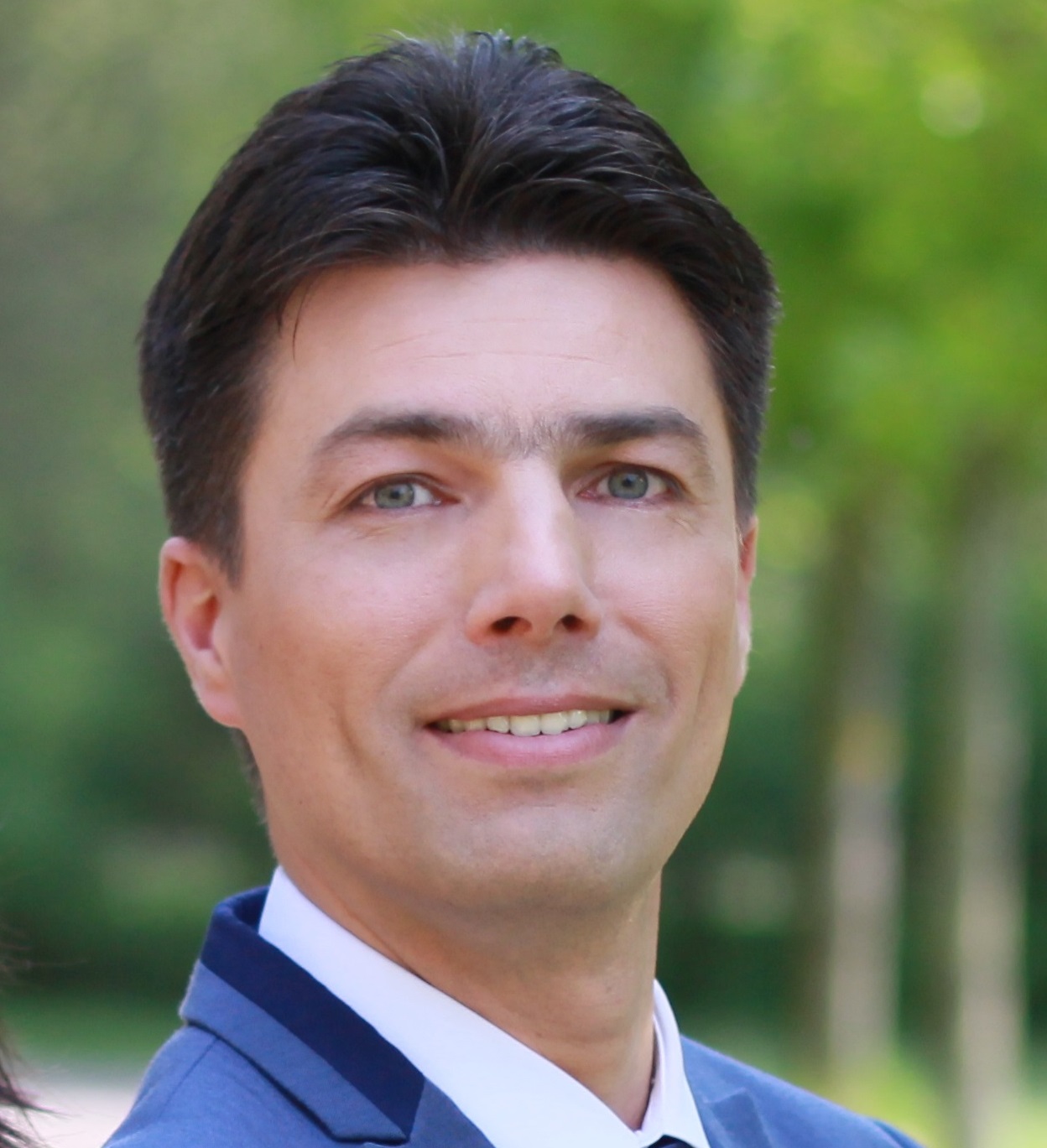
Millie Creighton is an Associate Professor in the Department of Anthropology at the University of British Columbia, affiliated with the Faculty of Arts. She specializes in socio-cultural anthropology with a focus on Japan, Japanese descent communities (Nikkei), Korea, and inter-Asian relations. Her research explores identity formation, consumerism, popular culture, gender dynamics, minority issues, and work-leisure intersections. Creighton’s academic journey includes studies on Japanese department stores' cultural commodification, Ainu identity movements, and the socio-cultural impacts of global phenomena like the Korean Wave. She has received the Canon Prize (1999) for her 1998 article on Japanese craft tourism. Her work critically examines transnational cultural flows, such as how Japanese consumers engage with Korean popular culture and how disasters like the 2011 Tohoku earthquake shape commemorative practices. She also investigates civil society activism around Japan’s Article 9 and post-disaster environmental advocacy. Key themes in her publications include the negotiation of identity through performance (e.g., taiko drumming), the role of nostalgia in consumer behavior, and the political dimensions of cultural representation in tourism and media. She teaches courses on Japanese popular culture, globalization, and ethnographic methods. Affiliations: Department of Anthropology, Faculty of Arts Key Awards: Canon Prize (1999) Research Foci: Identity, consumerism, inter-Asian relations, gender studies
Dr. Daniela Pirani is a Senior Lecturer in Marketing at the University of Liverpool Management School. Her research focuses on consumer culture, gender studies, and sustainability, with a particular emphasis on queer and feminist theory. She leads modules in Integrated Marketing Communications and Consumer Behaviour for postgraduate programs, reflecting her expertise in marketing pedagogy. Her research explores topics such as gendered consumption practices, the historical marketing of Italian breakfast traditions, and the intersection of sexuality with consumer behavior. Notable projects include a British Academy-funded study on the invention of commercial traditions and collaborative work on gender equality in marital rituals. She chairs the Feminist Reading Group, an interdisciplinary initiative fostering global scholarly dialogue. Dr. Pirani’s work has been published in journals like Business History , European Journal of Marketing , and Sociology , alongside contributions to edited volumes such as The SAGE Handbook of Consumer Culture . Her methodologies include archival research and critical qualitative approaches, addressing ethical dimensions of studying family consumption. She has reviewed for journals like Enterprise and Society and contributed to grant assessments for the AHRC.
Dr. Siobhan Magee is a Lecturer in Social Anthropology at the University of Edinburgh's School of Social and Political Science. She holds a PhD from Edinburgh and has held postdoctoral positions at the Institute for Advanced Studies in the Humanities and the Rijksuniversiteit Groningen. Her research focuses on kinship, marriage, gender, and material culture, with fieldwork conducted in Poland, the UK, and the US. She is currently completing a book on marriage in the US and exploring topics like children's biographies, philanthropy in higher education, and sun protection in Scotland. Teaching responsibilities include courses on the Anthropology of Sex and Reproduction, Kinship, and Ethnographies of the US. She coordinates the Kinship Hub and supervises undergraduate and postgraduate dissertations on themes like transnational relationships and inclusive education. Dr. Magee is a Fellow of the Higher Education Academy and has published extensively on topics ranging from Polish fur trade dynamics to graphic memoirs and legal marriage frameworks. Education: PhD, MSc, and BA in Social Anthropology from the University of Edinburgh. Research Themes: Kinship and relatedness, gender/sexuality, material culture, US political anthropology, and children's narratives. Current Projects: Philanthropy in universities, sun protection policies, and children's biographical literature. Her work bridges intimate relationships and broader socio-political contexts, emphasizing ethical and historical dimensions. She has contributed to academic journals like Cultural Anthropology and Current Anthropology , and her research has been featured in media including BBC Radio 4.
Igor Lorencin is Professor of New Testament at the Department of Theology, Friedensau Adventist University, Germany, and Coordinator of the Doctoral Program since 2024. Previously, he served as Lecturer in New Testament Studies at the same institution from 2015 to 2023, and held administrative roles including Dean at Adriatic Union College, Croatia (2013-2015). His academic credentials include: Diplom-Theologian (Dipl.-Theol.) from Friedensau Theological College, Germany (1994-1999) Doctor of Philosophy (Ph.D.) from Andrews University, Michigan, USA (1999-2007) Habilitation (Dr. habil.) from Debrecen Reformed Theological University, Hungary (2018-2023) Lorencin's research centers on New Testament studies with emphasis on early Christian rituals as frameworks for sustaining eschatological hope, social dynamics in early communities (particularly hospitality versus patronage in 3 John), and cosmic conflict in Mark's Gospel. His work integrates ritual theory, cognitive science, and social anthropology to analyze how embodied practices shaped early Christian identity and hope. He actively contributes to Seventh-day Adventist biblical theology, especially regarding apocalyptic literature and eschatology. Analysis of his 15 most recent publications (2009-2025) reveals consistent focus on ritual embodiment's role in maintaining Advent hope, with increasing attention to cognitive and emotional dimensions of ritual practice. Recent works (2023-2025) demonstrate methodological sophistication through interdisciplinary approaches combining biblical exegesis with ritual studies and social theory. As Doctoral Program Coordinator, Lorencin provides comprehensive student support up to doctoral level, including counseling and academic supervision. His teaching portfolio spans foundational Greek language instruction, advanced exegetical methods, specialized New Testament courses (including Revelation, Johannine literature, and ritual dynamics), and doctoral seminars. He has delivered guest lectures across Europe and North America, reflecting his international academic engagement.
Peter Nuttall serves as Associate Dean (International) at the University of Bath's School of Management within the Department of Management, Marketing, Business & Society. His office is located at 10 EAST 4.74 and he maintains an active research profile with 29 research outputs including articles, book chapters, and conference proceedings. Dr. Nuttall's research focuses on consumer behavior and practices of adolescents, with particular attention to adolescent expression of self through music consumption, social environments influencing adolescent choice, elective identity, and commitment to practice within social groups. His current projects examine style and subculture in small social groups organized around shared fashion and music, as well as ritual practices including adolescent experiences of the high school prom and its globalization. His research portfolio demonstrates significant impact with publications referenced in policy sources, picked up by news outlets, and cited across social media platforms. His 2019 article 'It's Not Easy Living a Sustainable Lifestyle' has received 112 citations and 854 downloads, indicating substantial scholarly engagement with his work on sustainable consumption dilemmas. Adolescence Psychology (100% relevance) Youth Social Sciences (70% relevance) Ritual Social Sciences (52% relevance) Secondary Schools Social Sciences (44% relevance) UK Social Sciences (32% relevance) Qualitative Research Psychology (27% relevance) Dr. Nuttall has successfully led research projects including 'Disadvantage and Ritual Excess: Examining Inclusion and Exclusion during Adolescent Transition' funded by The British Academy from 2012-2014. His work contributes to UN Sustainable Development Goals, particularly those related to sustainable consumption patterns and quality education. His research methodology emphasizes innovative approaches to gain deeper insights into adolescent behavior, frequently employing qualitative techniques including in-depth interviews.
Anne Meneley is a Professor in the Department of Anthropology at Trent University, Canada. She holds a PhD in Anthropology from New York University (1993) and an MA from the same institution. Her work focuses on sociocultural anthropology in the Middle East (Yemen, Palestine), with specializations in food studies, consumerism, walking, self-quantification, and human-nonhuman interactions in plant materialities. Education: BA, McGill University MA & PhD, Department of Anthropology, New York University Anthropologically, Meneley examines how olive oil circulates as both a material and symbolic good across Italy, Palestine, and the broader Mediterranean. Her research bridges ethnographic methods with analyses of international commodity flows, gender dynamics in the Arabian Peninsula, and the politics of academic collaboration. She has published extensively in journals like American Anthropologist , Current Anthropology , and Cultural Anthropology , with a focus on how quotidian practices like food consumption and walking reflect larger socio-political structures. Scientific awards include multiple SSHRC grants (2003-2026), Ford Foundation funding (2002-2003), and Trent University Merit Awards (2005, 2009, 2020). She has also served on editorial boards for Ethnos and American Anthropologist , and as a reviewer for SSHRC and international journals. Her advising spans postdoctoral fellows (FRQSC funded), PhD committees at Trent and the University of Toronto, and MA supervision. She has organized panels on topics like 'Circulation Interrupted' (2010 AAA) and 'Cosmopolitan Circulations of Emotions' (2007 AES), and conducted field research in Palestine (2006-2019), Yemen (1989-90, 1999), Italy (2000-2008), New York (2007, 2009, 2012, 2019, 2022), California (2007), and Toronto (2000-22).
Jennifer P. Mathews is a Professor of Anthropology in the Sociology and Anthropology Department at Trinity University, where she teaches courses in archaeology and biological anthropology. Her academic career is deeply rooted in Maya studies, with particular expertise in ancient and historical Maya archaeology, as well as issues of sustainability and tourism. She has received significant recognition for her teaching excellence, including the prestigious Dr. and Mrs. Z.T. Scott Faculty Fellowship (2019-20), the state-wide Piper Professor award (2020), and the Murchison Term Professorship (2023-2026). Dr. Mathews earned her Ph.D. and M.A. in anthropology, with a specialization in Maya archaeology, from the University of California at Riverside, and her undergraduate degree in anthropology from San Diego State University (1991). Since 1993, she has conducted extensive fieldwork and archival research in Mexico, establishing herself as a leading expert in Maya archaeology. Her research has evolved from focusing on ancient Maya studies—particularly roads, architecture, and site layouts—to examining the post-Colonial period of the Yucatan Peninsula (1850–1950), with particular attention to commodity extraction including sugarcane, chicle (the base for chewing gum), rum production, and avocados. Her scholarly output includes numerous journal articles, book chapters, and several edited books such as Quintana Roo Archaeology , Lifeways in the Northern Maya Lowlands , The Value of Things: Prehistoric to Contemporary Commodities in the Maya Region , and Construction of Maya Space: Causeways, Walls, and Open Areas from Ancient to Modern Times . She has also co-authored significant works like Chicle: The Chewing Gum of the Americas: From the Ancient Maya to William Wrigley and Bittersweet History: Sugarcane, Rum, Labor and Life on the Yucatán Peninsula . Currently, she is working on a book about the deep history of the avocado, tracing its journey from Mesoamerican origins to California in the nineteenth century. Her recent publications reveal a strong focus on historical archaeology of the Yucatan Peninsula, particularly examining how 19th century practices relate to contemporary issues. She explores topics ranging from chicle gum's role in popular culture to the preservation challenges facing archaeological sites amid modern development pressures. Her work consistently bridges ancient and modern contexts, demonstrating how historical practices inform current sustainability challenges. Dr. and Mrs. Z.T. Scott Faculty Fellowship (2019-20) Piper Professor award (2020) - a state-wide teaching award for superior teaching at the college level Murchison Term Professorship (2023-2026) Dr. Mathews actively engages with the community through collaborations with local institutions like the San Antonio Museum of Art (SAMA), where she teaches docents about ancient Mesoamerican cultures. Her students contribute research papers to museum collections and help develop e-Museum descriptions. She incorporates service learning into her courses, organizing projects that support causes like the San Antonio Food Bank, the San Antonio Zoo's primate conservation efforts, and Maya women artisans in Mesoamerica. Additionally, she has curated two significant exhibits: 'The Modern Maya: The Photographs of Macduff Everton' and 'Crafting Maya Identity.' Her academic affiliations span multiple interdisciplinary programs including Environmental Studies, Global Latinx Studies, Museum Studies, and the MAS: Mexico, the Americas, and Spain program.
Tobias Langner is a Professor at the Chair of Marketing, Schumpeter School of Business and Economics, University of Wuppertal. His work focuses on brand management, consumer attention in digital advertising, and behavioral research, utilizing advanced methods like mobile eye-tracking in real-life contexts. University: University of Wuppertal School: Schumpeter School of Business and Economics Department: Chair of Marketing Research Interests : Tobias Langner’s research explores attention dynamics in social media ads, brand routine videos, and the psychology of consumer engagement. His team uses experimental designs and biometric data to validate advertising effectiveness. Recent Article Trends : His 2025 work emphasizes scalable attention measurement (viewport logging), AI-driven advertising samples, and celebrity effects ("vampire effect"). Earlier 2024 studies examine swiping behavior, social media detox, and emotional appeals in non-profit contexts. Scientific Awards : Best Paper Award (2024) for co-authored work on incubation and creativity Best Student Paper Awards at ICORIA 2024 and AAA 2024 for studies on carousel ads and swiping behavior Advising and Labs : He has supervised PhD candidates like Stefan Rohrbach (summa cum laude) and Julian Felix Kopka (summa cum laude). His lab, one of the world’s most advanced brand labs, integrates qualitative, quantitative, and biometric methods (eye-tracking, viewport logging) for real-world advertising research.
Jessica Edlom serves as a PhD student and adjunct teacher at Karlstad University, actively contributing to strategic communication research within the global music industry. Her work bridges academic theory and practical industry challenges, with particular focus on digital transformation and fan-brand relationships. Her core research examines strategic communication practices, fan engagement dynamics, and transmedia marketing strategies in music. She investigates how artists like ABBA and Taylor Swift leverage phygital experiences to cultivate fan communities, exploring tensions between commercial imperatives and authenticity. Key interests include pandemic-era industry adaptation, value co-creation mechanisms, and the commodification of fan participation through choreographed engagement. Analysis of her publication timeline reveals a clear evolution from foundational studies on Nordic music branding (2017-2019) toward cutting-edge explorations of immersive technologies and fan experience design (2023-2025). Recurring thematic threads include the strategic mobilization of fan communities through social media, authenticity maintenance in digital branding, and industry adaptation to technological disruption. Her methodological approach frequently employs strategy-as-practice frameworks to uncover practitioner-level tensions in brand work.
Prof. Dr. Manuel Trummer is an Adjunct Professor and Senior Academic Councillor at the Chair of Comparative Cultural Studies at the University of Regensburg's Faculty of Languages, Literature and Cultural Studies. He holds a habilitation in media governance and rural development (2019) and a doctorate in Comparative Cultural Studies (2011). His research focuses on popular media, rural cultural analysis, and intangible cultural heritage. He leads the IKEL/BMEL-funded project on rural intangible heritage and serves on UNESCO's Expert Committee for Intangible Cultural Heritage. Education: Magister in Comparative Cultural Studies and Art History (2004), PhD in Rock Music & Devil Imagery (2011), Habilitation on media governance (2019) Key roles: Co-chair of the German Ethnological Society's Rural Cultural Analysis Commission, member of Bavarian Academy of Sciences (2015–2020) Research emphasizes media narratives of rurality, heritage politics, and Eastern European memory cultures. Recent work includes analyzing BR TV's rural imagery and editing Pop the Nation (2023). His projects bridge academic research with cultural institutions, including museum collaborations and policy advising. Notable awards include the 2015 Faculty Teaching Prize and Junge Kolleg membership (2014–2019). Active in interdisciplinary initiatives like the 'Faktizität der Welt' research group.
Laura Antona is an Assistant Professor (Education) of Human Geography at the London School of Economics and Political Science (LSE), Department of Geography and Environment. Her work bridges feminist political economy, urban geography, and critical migration studies with a focus on gender, violence, and labour in Southeast Asia and Europe. She holds a PhD from LSE, an MSc and BSc from University College London. Her research explores forced migrant removal experiences in Southeast Asia, carceral domesticities in Singapore's labour regime, and the legacy of forced migration in Cyprus. She co-leads an abolition domesticities project with Sneha Krishnan (University of Oxford) and has conducted ethnographic fieldwork across Southeast Asia for a decade. Her ESRC Postdoctoral Fellowship at Oxford supported this work. Key research areas: migration, domestic labour, gender violence, Southeast Asia Methodological innovations: drawing-based ethnography, spatial visualization Current projects: Singapore's migrant domestic workers, carceral geographies, Cypriot forced migration Publications appear in Transactions of the Institute of British Geographers, Annals of the American Association of Geographers, and Environment and Planning D. Awards include an ESRC Postdoctoral Research Fellowship (2018-2020). Teaching focuses on human geography theory and critical migration studies. Office in CKK 3.05, reachable via l.f.antona@lse.ac.uk.
David K. Johnson is a Professor of History at the University of South Florida, affiliated with the College of Arts and Sciences. He specializes in 20th-century U.S. history with a focus on gender, sexuality, and LGBTQ+ studies. His groundbreaking work includes The Lavender Scare (2004), which examines Cold War-era persecution of LGBTQ+ federal employees, and Buying Gay (2019), exploring the role of commerce in LGBTQ+ community formation. He holds a Ph.D. from Northwestern University (2000). His research has been recognized with three national book awards and inspired a PBS documentary. He co-founded USF’s LGBTQ Collections, preserving archival materials critical to queer history. Johnson has advised on LGBTQ+ historical sites for the National Park Service and contributed to legal briefs advancing civil rights protections. His teaching emphasizes linking historical analysis to contemporary issues like government roles, security vs. liberty, and social justice. Johnson’s scholarly awards include the Smithsonian’s postal history award and PROSE shortlist nods. He has appeared on CNN, PBS, and CBS Sunday Morning, and his writing features in the Washington Post and Foreign Policy .
Rachel Kranson is an Associate Professor at the University of Pittsburgh , where she serves as Director of the Jewish Studies Program and is affiliated with the Department of Religious Studies. Her academic work intersects modern Jewish history , Judaism in America , and gender/sexuality studies , with a focus on religious freedom, reproductive politics, and Jewish countercultural movements. PhD from New York University Core faculty member: Jewish Studies Program and Gender, Sexuality & Women's Studies Program Her research examines Holocaust memory , gendered religious practices , and Jewish identity formation in urban contexts . Recent publications analyze postwar American Jewish anxieties around materialism, youth activism, and reproductive ethics. A 2017 monograph on upward mobility in postwar America received an honorable mention from the Immigration and Ethnic History Society. Award highlights include a Pitt Seed Grant for the "Religyinz" project (2019-2020), fellowships from the American Jewish Historical Society (2018) and University of Michigan (2013-2014), and editorial leadership at the Journal of Jewish Identities. She co-organized a reproductive health conference in 2019 and contributed to scholarship on Jewish women's roles in mid-20th century America. Book Review Editor, Journal of Jewish Identities Dietrich School Faculty Research Award for reproductive health conference (2019)
Nacima Ourahmoune serves as Associate Professor of Marketing at KEDGE Business School, where she teaches luxury marketing and coordinates the Luxury and Brands track within the Grande École program. With over a decade of strategy and marketing consultancy experience, she bridges academic rigor with industry practice in consumer culture research. PhD from ESSEC/IAE Aix-en-Provence Master's in Marketing Research (Paris 1 Sorbonne) MBA in Luxury Branding Grande École Diploma (HEC Paris) Sciences Po Aix degree Her research interrogates consumer culture through branding and behavior lenses, with persistent focus on power dynamics, gender equity, social justice, and bodily experiences. She examines these themes across established and emerging markets, particularly investigating how luxury consumption intersects with feminist theory and decolonial frameworks. Her work challenges conventional marketing paradigms through transformative consumer research methodologies. Analysis of her 15 most recent publications reveals three dominant trajectories: (1) Inclusive and sustainable luxury innovation (25% of output), (2) Gender justice frameworks applied to marketing contexts (40%), and (3) Consumer behavior in culturally specific settings like Algerian women's movements and rural culinary spaces (35%). Her scholarship consistently connects micro-level consumer experiences to macro-level social structures, with increasing emphasis on decolonial perspectives since 2020. Nacima actively shapes marketing discourse through advisory roles with GENMAC, IFPASA American Research Foundation, Ownyourcash.fr (Paris), and WomWork (Algeria)—all organizations advancing women's entrepreneurship. Her media presence in national and international press amplifies research findings to broader audiences, particularly regarding gender equity in luxury markets and post-Arab Spring consumer culture. As founder of KEDGE's Luxury and Brands academic track, she cultivates interdisciplinary collaboration between marketing scholars and industry practitioners. Her leadership extends to feminist academic networks that challenge systemic sexism through research mobilization and curriculum development, reflecting her commitment to transforming both marketing practice and academic institutions.
Prof. Dr. Birgit Krawietz is a distinguished Professor at the Institute for Islamic Studies within the Department of History and Cultural Studies at the Free University of Berlin. Her academic work spans multiple disciplines within Islamic Studies, with particular focus on Islamic law, cultural history, and the intersection of religion with contemporary social practices. She actively supervises doctoral students and serves on important academic committees including as Chair of the Doctoral Committee of the Department of History and Cultural Studies and as a member of the Advisory Board of the Orient-Institut-Beirut (OIB). Her research interests encompass a diverse range of topics including Islamic normativity, Salafism, body and sport studies, and regional studies of the Arabian Gulf and Türkiye. Krawietz has established herself as a leading scholar examining how Islamic legal traditions interact with modern practices, particularly in areas like sports, medical ethics, and consumer culture. Her work often explores the tension between traditional Islamic jurisprudence and contemporary social transformations. Analysis of her recent publications reveals a consistent scholarly trajectory examining Islamic legal traditions through cultural and anthropological lenses. Her work demonstrates particular strength in analyzing bodily practices within Islamic contexts, from oil wrestling traditions in Turkey to medical ethics and sports regulations. She has made significant contributions to understanding how Islamic legal traditions adapt to modern contexts, particularly in the Gulf region where traditional practices intersect with rapid urbanization and globalization. Prof. Krawietz has supervised numerous doctoral projects covering diverse topics including Islamic jurisprudence regarding non-Muslims, theology in the Shafi'i school, and the recited Qur'an. Her academic leadership extends to organizing conferences and workshops, including upcoming events like the "South-South Comparativism" conference scheduled for June 2025. She has also served as co-editor for multiple significant publications that have shaped contemporary discourse in Islamic Studies. Her teaching portfolio demonstrates engagement with both foundational Islamic legal concepts and contemporary applications, including courses on human body modifications in Islamic jurisprudence, food regulations, and space construction in Islamic contexts. Her academic influence extends beyond Berlin through her membership in the Deutsche Arbeitsgemeinschaft Vorderer Orient (DAVO) and her participation in international scholarly networks.