Oliver Ahrend is a doctoral student and researcher at RWTH Aachen University, affiliated with the Chair of Methods for Model-based Development in Computational Engineering (MBD) and the Institute of General Mechanics (IAM). He holds an M.Sc. in Simulation Sciences from RWTH Aachen and a B.Eng. in Mechanical Engineering from Aalen University. His research focuses on bridging quantum computing and engineering applications, particularly in developing methods to apply quantum algorithms to real-world computational engineering problems. A key area of interest is the use of quantum computing in Gaussian processes and discrete-element simulations. Quantum Computing for Engineering Model-Based Development Simulation and Optimization Quantum Algorithms in Mechanics His recent work centers on quantum annealing techniques for particle matching in quasi-cyclic discrete-element simulations, presented at the 16th World Congress on Computational Mechanics in 2024. This reflects a growing trend in applying quantum computing to classical mechanical simulations. Oliver Ahrend has no listed scientific awards at this time. He has been actively involved in research and development projects, contributing to both academic and applied computational engineering. He has served as a research assistant at MBD and IAM from 2022 to 2024 before advancing to his current doctoral position. There is no mention of formal student advising or grant leadership. He is associated with the Chair of Methods for Model-based Development in Computational Engineering, where he contributes to advancing model-driven approaches in computational systems. His GitHub activity indicates engagement in symbolic quantum simulation, GPU computing, and educational quantum computing projects.
Rahul M. Kohli is an Associate Professor of Medicine in the Division of Infectious Diseases at the Perelman School of Medicine, University of Pennsylvania. He holds affiliations with multiple graduate groups including Pharmacology, Biochemistry and Molecular Biophysics, Cell and Molecular Biology, and Immunology. He is also the Co-Director of the Penn Measey Scholars in Molecular Medicine and Associate Program Director of the MD/PhD Program. Education: B.S. in Biochemistry, University of Michigan (1998) M.D. and Ph.D. (Biochemistry & Molecular Pharmacology), Harvard Medical School (2004) Dr. Kohli's research lies at the intersection of chemical biology, enzymology, epigenetics, and infectious diseases. His laboratory investigates DNA-modifying enzymes such as AID/APOBEC deaminases and TET oxygenases, which introduce chemical diversity into the genome through deamination, oxidation, and methylation of cytosine bases. His team also studies bacterial SOS response pathways governed by LexA/RecA, which contribute to antibiotic resistance and pathogen evolution. These areas are central to understanding immune defense mechanisms, epigenetic regulation, and antimicrobial strategies. The analysis of Dr. Kohli's recent publications reveals a strong focus on the mechanistic and biotechnological applications of DNA-modifying enzymes. His work spans epigenetics, genome editing, infectious disease, and cancer immunotherapy, with frequent use of biochemical assays, chemical probe development, and biological validation in microbial and mammalian systems. Key themes include the detection of 5-hydroxymethylcytosine, engineering of activity-based probes for TET enzymes, and modulation of bacterial stress responses to combat antibiotic resistance. Scientific awards and honors include: Penn Scholar in Molecular Medicine Francis C. Wood Endowed Chair, University of Pennsylvania Dr. Kohli is actively involved in mentoring through the MD/PhD Program and the Penn Measey Scholars initiative. His research is supported by extensive grants related to infectious diseases, epigenetics, and chemical biology, though specific grant details are not listed. He has contributed to high-impact collaborative studies, particularly in the development of epigenetic tools and therapeutic strategies involving TET2 in CAR T-cell therapy. He leads the Kohli Lab, which integrates chemical, biochemical, and biological methodologies to study diversity-generating pathways. The lab focuses on both fundamental enzyme mechanisms and their translational applications in biotechnology and medicine.
José Luís Silva is an Assistant Professor at the Department of Information Science and Technology (ISTA), University Institute of Lisbon (ISCTE-IUL), where he has been a faculty member since 2016. He is also a researcher at LARSyS and co-leader of the MEROP research team, with active participation in projects involving Airbus, the European Space Agency, and Mars analog missions (AMADEE-20, AMADEE-24). He is affiliated with ACM Europe Technology Policy Committee and IFIP TC 13 Working Group 13.2. PhD in Computer Engineering, MAP-i Consortium (2012) Postdoctoral Fellowship, IRIT, University of Toulouse (2013) Bachelor's in Systems and Computer Engineering, University of Minho (2007) His research focuses on Human-Robot Interaction , Interactive Systems , and Space Exploration , particularly in teleoperation interfaces, haptic feedback, and augmented reality for planetary exploration. He has advised over 25 Master’s and PhD students, with recent works emphasizing situation awareness, physiological adaptation, and pseudo-haptics in remote operations. His publications span top venues like IEEE Access, ACM HRI, and INTERACT, with recent trends highlighting adaptive interfaces , latency compensation , and immersive teleoperation . He has led work on predictive digital twins, emotion-aware UIs, and robot-agnostic augmented interfaces for Mars analog missions. ISCTE-IUL Scientific Awards Doctoral Prize, Fraunhofer Portugal Challenge José Luís Silva has supervised numerous graduate students and contributed to educational initiatives in programming and human-centered software engineering. He has also been involved in national and international research projects, including collaborations with Carnegie Mellon University, Georgia Tech, and Newcastle University. His work integrates human factors into robotic systems, particularly in extreme environments such as space. He leads the MEROP team, focusing on human-centered robotics and interactive computing systems.
Maria Pinto-Albuquerque is an Assistant Professor at Iscte - University Institute of Lisbon, affiliated with the Department of Information Science and Technology (ISTA) and ISTAR-Iscte Research Center. Her work bridges software engineering, cybersecurity, and human-centered computing, with a strong focus on security awareness and education. PhD in Computer Science, University of Lancaster, UK Master’s in Computer Science, Faculty of Sciences, University of Lisbon Bachelor’s in Applied Mathematics and Computing, Instituto Superior Técnico Her research explores the intersection between people and computer systems, particularly in cybersecurity awareness , security-usability alignment , and requirements engineering . She develops tools such as serious games and interactive platforms to improve secure system development practices among engineers and stakeholders. Her recent publications (2021–2024) highlight a consistent focus on cloud security training , secure coding education , and the use of gamification—including board games and digital challenges—to raise awareness in industry settings. Topics like AI-generated code (e.g., ChatGPT), low-code vulnerabilities, and hybrid work security are also emerging in her recent work. UK National Innovation in Cyber Award 2020 (for 'Decisions and Disruptions' game) Member of IEEE, British Computer Society, Iscte Alumni, Lancaster University Alumni Maria actively collaborates with international institutions such as the University of Bristol (UK), UniBW Munich (Germany), and Siemens Technology. She contributes to curriculum development and workforce training in secure software engineering, advising on pedagogical strategies and conducting industry-focused research. Her work includes designing and assessing cybersecurity challenges and automated training platforms. She leads and contributes to research in cybersecurity games, developer awareness, and secure cloud deployments, often in collaboration with teams across Europe. Her lab-based and field research integrates human factors into technical security solutions.
Alberto Giubilini is a Research Fellow in the Department of Management and Production Engineering (DIGEP) at Politecnico di Torino, where he also serves as an external lecturer and teaching assistant. He is a member of the Interdepartmental Center IAM@PoliTo – Integrated Additive Manufacturing, contributing to cutting-edge research in sustainable and advanced manufacturing technologies. His academic affiliations span multiple programs, including Mechanical Engineering, Materials Science, Automotive Engineering, and Design and Communication. His research is centered on additive manufacturing , with a strong emphasis on environmental sustainability and the use of biopolymers, bioresorbable composites, nanocellulose, and recycled polymers . Key technologies in his work include fused filament fabrication, selective laser sintering, twin-screw extrusion, and high-pressure homogenization. His expertise bridges materials science and industrial process engineering, particularly in polymer and metal additive manufacturing. The recent publications (2024–2025) highlight a clear trend toward sustainable material development and process optimization in 3D printing. His work explores biocomposite fabrication, energy efficiency in filament production, laser processing of reflective metals like copper, and simulation of metal printing distortions. These studies reflect a multidisciplinary approach combining materials innovation, process scalability, and environmental impact assessment. Alberto Giubilini actively contributes to teaching across various degree programs. He has served as a course collaborator in subjects such as Additive Manufacturing and Reverse Engineering , Additive Manufacturing Systems and Materials , and Advanced Computer-Aided Mold Design , demonstrating his commitment to engineering education. He is also a recipient of the Open Badge Learning to Teach (L2T), underscoring his pedagogical development. He is involved in the IAM@PoliTo research center, which fosters interdisciplinary collaboration in additive manufacturing, integrating materials, design, and production engineering. This environment supports innovation in both academic and industrial applications of 3D printing technologies.
Prof. Dr. E. (Bert) Otten is a Professor of NeuroMechanics and Prosthetics at the University of Groningen's Faculty of Medical Sciences, affiliated with the Center for Human Movement Sciences. He holds dual roles as a biophysicist and photographer, with expertise spanning biomechanics, movement control, and fine art photography. His work includes developing prosthetic technologies and biomechanical models, alongside photographic projects and software tools like NBody and Virtual Camera. Education & Research: Otten earned his PhD at Leiden University with a thesis on fish jaw mechanics (cum laude, 1990s), later becoming a guest scientist at Harvard University. His research focuses on prosthetics, human movement biomechanics, and neuro-mechanical systems. He has authored 115+ papers and holds two patents for human body extensions. Research Interests: Combines biomechanical studies with neuroscientific principles to improve prosthetic designs and gait rehabilitation. Key areas include: Biomechanics of human movement Prosthetic limb control systems Neural mechanisms of movement Amputee gait analysis Publications Trends: Recent work emphasizes prosthetic applications for lower limb amputees, gait initiation dynamics, and biomechanical modeling of multi-body systems, reflecting his interdisciplinary approach at the intersection of engineering and medicine. Awards: Recognized for originality in his early work with the national "Kok Award" (1990s). Also a Dutch National University Cycling Champion (1991). Advising & Labs: Supervised 21+ PhD students in topics ranging from jaw joint mechanics to prosthetic foot design. Active in the Center for Human Movement Sciences and collaborates with the Frank Mohr Institute for Arts and Emerging Media.
Dr. Alexander Bertrand is a Professor at the Faculty of Engineering Sciences , KU Leuven, heading the Dynamic Systems, Signal Processing and Data Analysis (STADIUS) division. He leads the Department of Electrical Engineering (ESAT) and contributes to Leuven.AI institute, with expertise spanning wireless sensor networks, brain-computer interfaces (BCI), and biomedical signal processing. Research Focus : Wireless acoustic/EEG sensor networks, distributed signal enhancement, adaptive filtering, neural decoding of auditory/visual attention, and AI-driven time series analysis. Key Projects : EEG-Linx platform for modular brain recordings (2025-2027) Calibration-free BCI systems (2025-2029) AI quality assessment for time series data (2024-2028) Wireless EEG patches for hearing technology (2024) Publications (2023-2025) demonstrate leadership in distributed signal processing , auditory attention BCI , and scalable sensor architectures , with applications in education, healthcare, and wearable tech. Teaching includes courses on digital signal processing, biomedical data analysis, and medical technology design.
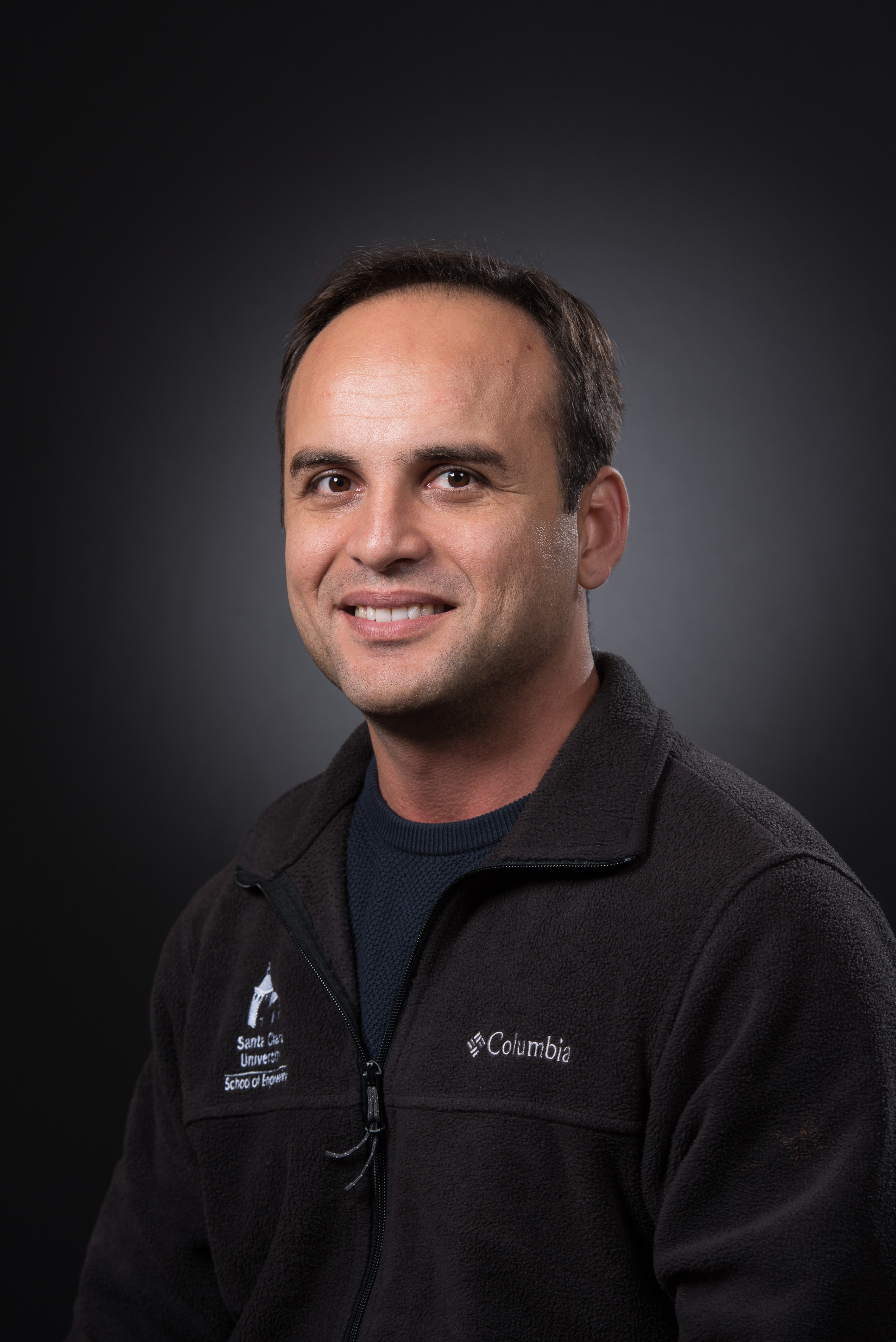
Dr. Emre Araci is an Associate Professor in the Department of Bioengineering at Santa Clara University , where he has conducted pioneering research in microfluidics and biowearables since 2015. His work bridges fluid physics , human biomechanics , and wearable sensor design , with applications in physical rehabilitation , sports medicine , and chronic disease management . Education : Ph.D. in Optical Sciences (University of Arizona, 2010), M.Sc. in Electrical Engineering (Ege University, 2002), B.S. in Electrical Engineering (Ege University, 1999) Dr. Araci specializes in capillaric circuits , human movement-driven micropumps , and skin-mountable biosensors . His lab develops mVLSI technology for automated biochemical analysis and implantable sensors for glaucoma monitoring. Recent work focuses on wireless data transfer and energy-efficient wearables that interface with smartwatches. Key publication trends include microfluidic device innovation , human-centric sensing , and medical diagnostics . His research has been cited in journals like Nature Medicine and Advanced Materials Technologies , with media coverage from Forbes and ABC7 . Scientific Awards : NSF CAREER Award (2021), Researcher of the Year (SCU School of Engineering, 2022) As founder of Smartlens Inc. , Dr. Araci has commercialized contact lens pressure sensors through Series A funding (2023). He mentors students in microfabrication , capillaric device design , and digital image correlation techniques, contributing to advancements in biomechanical sensing and fluidic automation .
Dr. Caroline H. Shiboski is a Professor in the Department of Stomatology at the University of California San Francisco (UCSF) School of Dentistry. She cares for adult and pediatric patients with oral mucosal diseases and other oral disorders, including inflammatory conditions (lichen planus, pemphigus, pemphigoid), infectious diseases (such as candidiasis and herpes virus infections), certain oral pain conditions (such as burning mouth syndrome), and the oral complications of graft-versus-host disease following stem cell transplants. She is also involved with the initial diagnosis of oral cancer and precancerous conditions, working closely with the head and neck surgery team for timely referral and treatment. Dr. Shiboski's educational background includes: Lycee Rabelais, Versailles Academy, France, BS, 1978, Biology, Math, Physics Universite R. Descartes, Paris V, France, DDS, 1984, General Dentistry University of California San Francisco, Certificate, 1991, Advanced General Dentistry University of California, Berkeley, MPH, 1992, Epidemiology University of California San Francisco, Certificate, 1993, Dental Public Health University of California San Francisco, Certificate, 1994, Dental Clinical Epidemiology University of California, Berkeley, PhD, 1997, Epidemiology University of California San Francisco, Certificate, 1998, Oral Medicine Dr. Shiboski's research primarily focuses on the oral manifestations of immune system dysfunction, oral cancer, and Sjögren's syndrome. Her work spans clinical investigations into oral mucosal diseases, epidemiological studies of oral conditions, and translational research connecting oral manifestations with systemic diseases. She has made significant contributions to understanding the oral complications of autoimmune disorders and has pioneered research on telemedicine applications in oral medicine, particularly during the COVID-19 pandemic. Analysis of Dr. Shiboski's recent publications (2021-2023) reveals a strong emphasis on Sjögren's syndrome research, with multiple studies examining genetic, epigenetic, and clinical aspects of this autoimmune disorder. Her work also demonstrates growing interest in telemedicine applications for oral disease management, reflecting adaptation to modern healthcare delivery challenges. Additionally, she continues to investigate oral cancer disparities and the intersection of oral health with systemic conditions. Dr. Shiboski has received numerous scientific awards throughout her career: Received High Honor for doctoral thesis titled "La prevention bucco-dentaire au Danemark" (1984) "Michele Bardet-Viatte Award" for best publication on Dental Health Promotion (1987) Dentist Scientist Award, Department of Stomatology, UCSF (2001) K23 award, Department of Stomatology, UCSF (2001) Diplomate of the American Academy of Oral Medicine (2001) Dean's Creativity fund Award (2003) Academic Senate New Investigator Award (2004) Teacher of the Year Award, Department of Stomatology, UCSF Dr. Shiboski has secured substantial research funding as Principal Investigator on multiple NIH grants, most notably serving as PI for the Sjögren's International Collaborative Clinical Alliance Next Generation Studies (SICCA-NextGen) from June 2020-May 2025 (NIH U01DE028891). Her extensive grant portfolio demonstrates consistent funding support for over 25 years, with projects spanning oral health outcomes in transplant recipients, HIV-positive women, and Sjögren's syndrome research. While specific students aren't listed in the provided information, her role as Teacher of the Year Award recipient and involvement in resident education through UCSF suggests active mentoring. Dr. Shiboski leads the Sjögren's International Collaborative Clinical Alliance (SICCA) research team, which has established a robust international network for studying Sjögren's syndrome. Her work with this consortium has generated significant insights into the genetic, clinical, and molecular aspects of this complex autoimmune disorder. The team has developed comprehensive clinical assessment protocols and biorepositories that have become valuable resources for the international research community studying autoimmune exocrinopathy.
Sinan DÖNMEZ is a Researcher at the Department of Mechanical Engineering, College of Engineering, Doğuş University. He earned his Ph.D. in 2023 from Marmara University, where he also completed his M.Sc. in 2012 and B.Sc. in 2005 from Gazi University's Faculty of Technical Education. Ph.D. (2023): Material Removal and Wear on Materials Using Carbon Nanotube Yarn, Marmara University M.Sc. (2012): Mechanical and Electrical Properties of Carbon Nanotube-Reinforced Polycarbonate Nanocomposites, Marmara University B.Sc. (2005): Mechanical Engineering, Gazi University His research focuses on Nanocomposites , Non-traditional Machining Methods , and 3D Printing Technologies . His publications explore advanced manufacturing techniques, including carbon nanotube applications in electrical discharge machining, optimization of wire EDM processes, and injection molding parameters affecting material conductivity. Dr. DÖNMEZ teaches courses such as Scientific Programming , Manufacturing Technology , and Computer-Aided Modeling and Analysis in both English and Turkish. His recent work highlights trends in nanomaterial integration for precision manufacturing and process optimization using machine learning (e.g., SVM for gamma-TiAl alloys).
Morgan Konnestad is an Associate Professor in the Department of Information and Communication Technology at the University of Agder's Faculty of Technology and Natural Sciences. He has been employed full-time at UiA since January 1, 1989, and holds a Master's degree in Marine Technology from NTNU with a focus on Computer-Aided Design and additional coursework from the ICT department. His career spans over three decades of dedicated service to the university, with significant contributions to multimedia education and technology. Education Background: Master of Science in Marine Technology from NTNU (Computer-Aided Design focus) Additional coursework from NTNU's Department of ICT University Pedagogics Program completed at UiA in 2006 Konnestad's research interests center on visual computing technologies and their educational applications. He has been responsible for Computer Graphics and CAD courses since joining UiA, later expanding into Video, DVD/Blu-ray Authoring, and e-learning material production. His work demonstrates a consistent focus on practical applications of digital media technologies in educational contexts, with particular emphasis on motion capture systems, 3D visualization, and emerging AR/VR technologies. He has developed numerous multimedia production techniques specifically tailored for academic use and student learning. Analysis of his recent publications (2014-2023) reveals a strong trajectory toward immersive technologies and collaborative learning environments. His work increasingly focuses on motion capture applications, AR/VR implementations in education, and interactive systems for specialized training. The publications show a clear evolution from technical demonstrations of multimedia capabilities toward research-oriented investigations of how these technologies enhance learning outcomes and professional training, particularly in emergency management contexts. Academic Supervision: Assistant supervisor for Maurice Isabwe's PhD completed in 2013 Konnestad actively contributes to the university's outreach efforts through numerous presentations at open house events, high schools, and educational institutions. He has been instrumental in demonstrating UiA's Motion Capture Laboratory capabilities, providing hands-on experiences that showcase the practical applications of multimedia technology. His work bridges academic research with real-world implementation, particularly through collaborations with regional businesses and emergency management stakeholders. Laboratory Focus: Konnestad has been a driving force behind UiA's Motion Capture Laboratory, developing demonstration protocols and practical applications that support both educational and research objectives. His work with this facility has enabled innovative approaches to multimedia production, 3D visualization, and interactive learning environments.
Prof. Dr. Hacı Ömer Beydoğan is a faculty member at the Faculty of Education , Department of Educational Sciences , Ahi Evran University , Turkey. Holding a PhD in Curriculum and Instruction from Atatürk University (1993), a Master’s in Classroom Education from Gazi University (1988), and a BA in Educational Sciences (1985), he has dedicated his career to teacher education and curriculum design. Key Roles : Professor (2013–present, Ahi Evran University) Chair of Department of Educational Sciences (2018–2021) Department Head (2004–2007) Research Interests : His work focuses on Curriculum and Instruction , Measurement and Evaluation in Education , and Educational Technologies . Notably, he has explored multimedia-based learning , peer assessment , and feedback mechanisms in teacher training. Publication Trends : Recent articles address scale development for educational assessment (2024), non-digital computer science education (2023), and drama-based language instruction (2022). Earlier works examine multimedia learning (2015), self-regulated learning (2015), and concept map applications (2010). Advising and Projects : He has supervised over 13 theses, including Lokman Çavdar’s 2025 PhD on teacher technology integration and Davut Yıldırım’s 2019 Master’s on augmented reality in preschool education . Active in projects like Development of the Student University Image Scale (2016) and Analysis of 5th Grade English Curricula (2019), his research bridges theory and practice in educational quality.
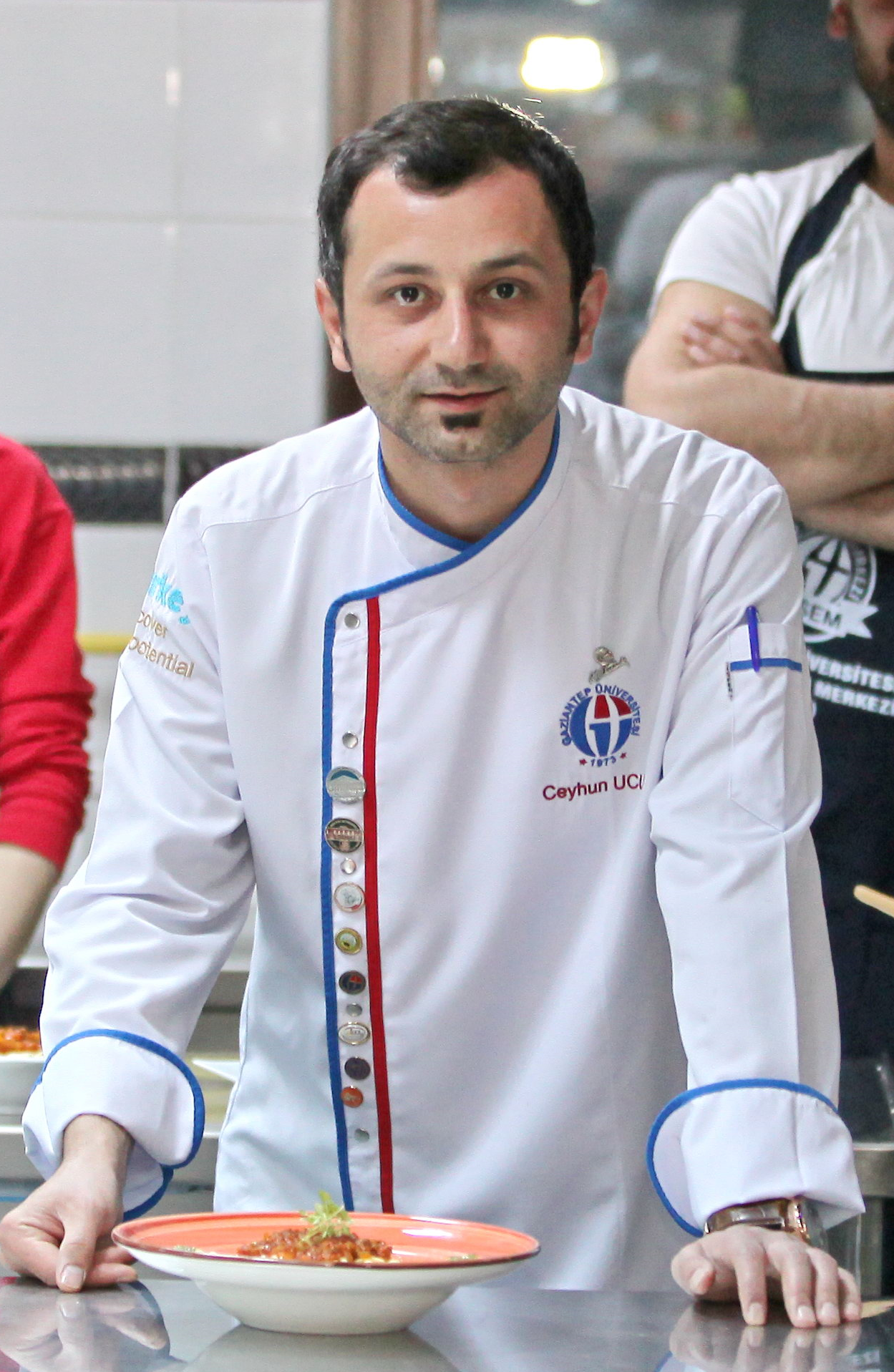
Ceyhun Uçuk is an Assistant Professor at Gaziantep University's Faculty of Tourism, Department of Gastronomy and Culinary Arts, with concurrent appointments at Tekirdağ Namık Kemal University, Istanbul Topkapi University, and Istanbul Gelişim University. His academic journey began with a B.A. in Gastronomy and Culinary Arts from Gaziantep University (2010-2014), followed by a Master's degree in the same field (2014-2017), and culminated with a Ph.D. from Nevşehir Hacı Bektaş Veli University (2019-2022). Dr. Uçuk's research spans the exciting intersection of gastronomy, neuroscience, and technology. His primary research interests include neurogastronomy, plate presentation techniques, gastrodiplomacy, and the application of artificial intelligence in culinary contexts. He has developed a distinctive research profile examining how visual presentation affects food perception, cross-cultural food acceptance, and the integration of technology in culinary innovation. His publication record demonstrates significant scholarly impact with 36 books and book chapters, 34 peer-reviewed articles, and 30 conference proceedings. Recent publications (2023-2025) reveal a strong focus on contemporary gastronomic challenges including sustainable food systems, neurogastronomy applications, food presentation psychology, and gastrodiplomacy. His work appears in both Turkish and international journals across food science, tourism, and interdisciplinary fields. Among his notable scientific achievements are the Public Scientific Publication Incentive Award (2022) and the Civil Society Organization Turkey&Tunus Relations Contribution Award (2022). He has successfully supervised multiple doctoral and master's theses, demonstrating strong mentorship capabilities in gastronomic research. Dr. Uçuk serves as the Domestic Erasmus Coordinator at Gaziantep University (2023-present) and previously held positions as Gastronomy and Culinary Arts Department Internship Coordinator (2022) and Disability Unit Responsible (2020). His active engagement with professional organizations includes membership in The International Society of Neurogastronomy and Slow Food International, reflecting his commitment to advancing gastronomic science and sustainability.
Nigar Kantarci Çarşibasi is an Assistant Professor at Üsküdar University, Faculty of Engineering and Natural Sciences, Department of Chemical Engineering . Her research focuses on bioinformatics, protein modeling, protein-protein interactions, computer-aided drug design , and molecular dynamics simulations . B.Sc. (2001), M.Sc. (2003), and Ph.D. (2009) in Chemical Engineering from Boğaziçi University. Academic career: Assistant Professor at Üsküdar University (2019–present), Research Assistant at Boğaziçi University (2003–2009). Her work integrates computational biology and chemical engineering , targeting Alzheimer's disease and cancer therapeutics . She employs molecular dynamics simulations , elastic network models , and pharmacophore modeling to study protein conformational changes and drug interactions. Recent publications analyze heat transfer in electrolyte solutions , multi-target drugs for Alzheimer's , and MDM2 protein inhibition for cancer. Her 14 peer-reviewed articles (Scopus and other indices) explore interdisciplinary themes linking chemistry, biology, and engineering . She supervises research projects on Alzheimer's and cancer funded by BAP and TÜBİTAK . Current projects include in silico formulation optimization for nutraceuticals and neuroprotective agent development .
Jürgen Ziegler is a Senior Full Professor at the Department of Computer Science and Applied Cognitive Science within the Faculty of Computer Science at the University of Duisburg-Essen. He leads the Interactive Intelligent Systems Group, focusing on human-computer interaction, recommender systems, and explainable AI. His work emphasizes transparency, user control, and interdisciplinary collaboration with industry partners. He earned his doctoral degree from the University of Stuttgart, specializing in formal user interface design methodology. Prior to his current role, he headed the Competence Center for Software Technology and Interactive Systems at the Fraunhofer Institute for Industrial Engineering (IAO) in Stuttgart. He also served as Editor-in-Chief of the journal i-com - Journal of Interactive Media from 2001 to 2021. Ziegler’s research bridges academic and industrial domains, with applications in e-commerce, health, social media, and automotive systems. He investigates how to make intelligent technologies more transparent and user-controllable, particularly in conversational recommender systems, personalized interfaces, and social media analytics. His work integrates visualization techniques and semantic data models to enhance user experience. His recent publications focus on multistakeholder evaluation frameworks, explainable AI, and the integration of conversational agents with traditional interfaces. These studies explore domains like health promotion, smart environments, and education, using methods such as knowledge graphs, generative AI, and interactive sliders for feature dependency visualization. Ziegler founded and co-chairs the German Special Interest Group on User-Centred Artificial Intelligence. He has contributed to funded projects like SPIDER, FairWays, and PAnalytics, which address polarization in social networks, interactive recommendation, and health support systems. His leadership roles include organizing international workshops on explainable user models and user-centered AI. He supervises PhD students and advises on projects related to recommender systems, mental models, and user interaction preferences. His team collaborates on multi-method approaches for transparent decision support and the development of tools for measuring user perception of recommendation transparency. Labs and teams under his direction include the Interactive Intelligent Systems Group, which develops demonstrators like AR-based shopping advisors and hybrid recommendation frameworks. His work emphasizes both theoretical advancements and practical implementations across diverse application scenarios.