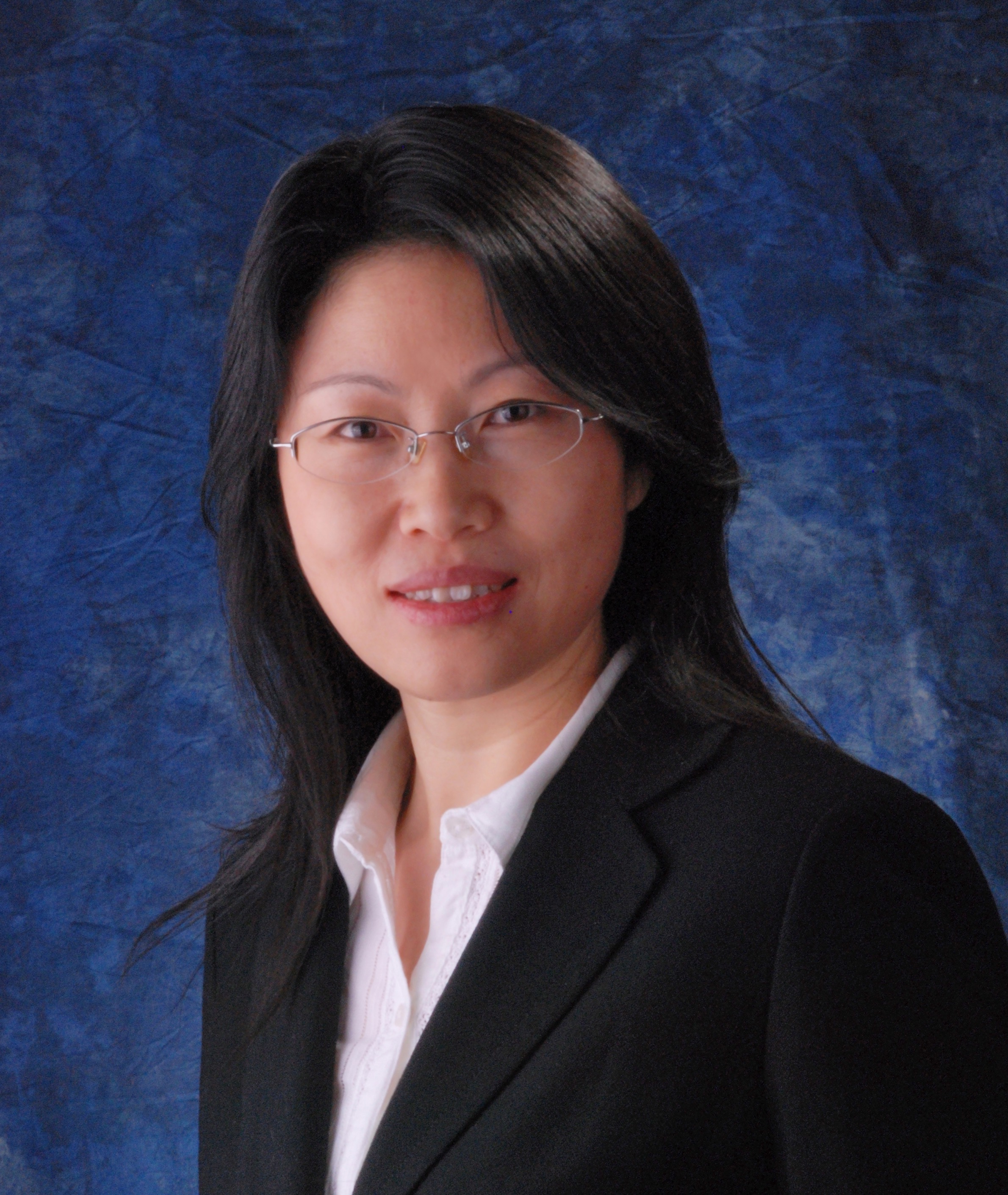
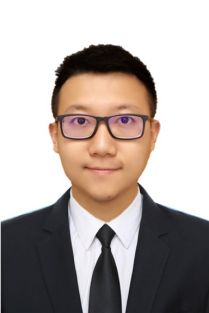
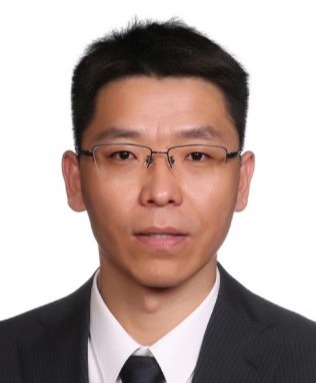
Zhan Ma is a Professor and PhD Advisor at the School of Electronic Science and Engineering, Nanjing University. He leads research in Neural Video Communication, Smart Cameras, and Computational Vision Models. His work focuses on end-to-end learning for compression, networking, and hardware-software co-design. Dr. Ma holds a PhD from New York University's Tandon School of Engineering (2010), and prior to his current role, he served as Senior Staff Researcher at Huawei (2013-2015) and Senior Researcher at Samsung (2011-2013). Research highlights include pioneering work in point cloud compression (adopted into IEEE standards) and dual-camera systems for high-resolution video acquisition. His algorithms are deployed in WeChat/WeChat Video for rate-quality optimization and in ISO standards for video complexity indicators. Recent work emphasizes machine learning-driven approaches for image/video compression and adaptive streaming frameworks. Honors include the 2023 IEEE CAS Society Outstanding Young Author Award and multiple best paper awards at IEEE WACV, BMSB, and other venues. He leads the Vision Lab at Nanjing University and collaborates with industry partners on practical implementations of his research.
Yiming Li is an Associate Professor in the Department of Biomedical Engineering at Southern University of Science and Technology's School of of Engineering. His research focuses on cutting-edge 3D super-resolution imaging techniques and their biological applications, with expertise spanning optical instrumentation, theoretical optics, and advanced imaging algorithms developed during his postdoctoral work at EMBL and Yale University. Education: Ph.D. in Biophysics, Karlsruhe Institute of Technology (2010-2015) M.Sc. in Medical Physics, Heidelberg University (2009-2010) B.Eng. in Biomedical Engineering, Shanghai Jiao Tong University (2005-2009) Research Interests: Dr. Li specializes in developing advanced 3D super-resolution microscopy techniques with particular expertise in single-molecule localization microscopy , point spread function engineering , and real-time 3D imaging systems. His work bridges optical physics and biological applications, enabling nanoscale observation of cellular processes. His software earned first place in the SMLM Challenge 2016, the field's most prestigious software contest. Publication Trends: Dr. Li's research shows a clear progression from fundamental algorithm development to comprehensive imaging system design, with increasing emphasis on real-time 3D applications. His publications in Nature Methods, Nature Communications, and other high-impact journals demonstrate consistent innovation in super-resolution microscopy, particularly in point spread function calibration, aberration correction, and biological applications at the nanoscale level. Scientific Awards: National Overseas High-level Talents (Youth Program) (2020) Shenzhen Overseas High-level Talents Category B EMBL-EIPOD Marie Curie Postdoc Fellowship (2016-2019) Karlsruhe School of Optics and Photonics Fellowship (2010-2013) International Symposium on Biomedical Imaging Travel Grant (2013) Professional Activities: As a PhD supervisor at SUSTech, Dr. Li mentors graduate students in biomedical engineering. He serves as a reviewer for top journals including Nature Methods, Light: Science & Applications, and Optics Letters. His laboratory maintains active international collaborations with EMBL, Yale University, Oxford University, and Cambridge University, facilitating cross-institutional research in advanced imaging techniques. Research Laboratory: Dr. Li leads an active research group focused on next-generation imaging technologies, operating under the website https://li-lab-sustech.github.io/ . His laboratory combines theoretical optics, software development, and biological applications to push the boundaries of what's possible in optical microscopy for cellular and subcellular observation.
Bian Qing serves as an Associate Professor and Master's Supervisor in the Department of Communication at Tongji University's School of Art and Media. His research centers on media sociology, media convergence, and news production dynamics, with affiliations including the Health Communication Professional Group of the Chinese Preventive Medicine Association. He has held visiting positions at City University of Hong Kong (2017) and the University of Cambridge (2019-2020). Education: PhD in Radio and Television, Fudan University School of Journalism (2009-2012) MA in Radio and Television Journalism, Communication University of China (2004-2007) BE in Recording Engineering, Beijing Broadcasting Institute (2000-2004) Research Focus: Professor Bian investigates algorithmic governance in social media , hate speech regulation , and newsroom transformations in digital ecosystems. His work critically examines emotional drivers of online collective action and the sociopolitical dimensions of Chinese media landscapes, bridging theoretical frameworks with empirical analysis of platform dynamics. Publication Trends: Recent works (2021-2022) analyze algorithmic bias and cyber hate in global social platforms, while earlier research (2012-2016) explores Chinese social media's role in public diplomacy and journalism evolution. His scholarship consistently addresses media's societal impacts through convergent journalism frameworks and digital discourse analysis. Awards: National and university research grants including National Social Science Fund Youth Project (150,000 yuan) Multiple Outstanding Advisor Awards for China Data Journalism Competition (2019, 2021, 2022) Tongji University Young Talent Program recognition (2011, 2013) Shanghai European Society Youth Paper Award (2014) Mentorship & Grants: He has secured significant funding from national and provincial sources for projects on online public discourse and media convergence. His student guidance has yielded award-winning data journalism projects, and he serves as an SSCI journal reviewer while teaching courses including 'Converged Media Reporting' and 'Frontiers of Global Journalism Practice'. Research Infrastructure: Affiliated with Tongji University's Media Experiment and Practice Teaching Center and Omnimedia Research Institute, his work integrates experimental media production with sociological analysis of digital communication systems.
Professor Liu Hongyan is a full-time Professor in the Department of Management Science and Engineering at Tsinghua University's School of Economics and Management, where he has served since 1994, achieving the rank of Professor in 2011 after previously holding positions as Associate Professor (2003-2011) and Teacher. His research bridges theoretical data science with practical applications across e-commerce, healthcare, and social media platforms. Education: PhD in Management, School of Economics and Management, Tsinghua University (2001) His research focuses on big data management , machine learning , and business intelligence with specialized expertise in personalized recommendation systems , medical/financial data analysis , and computer vision applications . Recent work integrates large language models and causal inference to solve complex problems in short video platforms, live streaming, and healthcare analytics, emphasizing real-world impact through industry collaborations. Analysis of his 15 most recent publications (2023-2025) reveals a strong trajectory toward multimodal AI systems combining recommendation engines with computer vision, particularly in 3D animation for advertising and healthcare. Key trends include LLM-enhanced display advertising, emotion-aware facial animation, and medical image annotation using adversarial learning, while maintaining core contributions to behavioral data mining in social networks. Scientific recognition includes: National Archives Administration's Outstanding Scientific and Technological Achievement Award Multiple Best Paper Awards at international conferences Outstanding Doctoral Dissertation Supervisor designation from the Society for Management Science and Engineering Special Award for National Natural Science Foundation project on user behavior pattern discovery Professor Liu has secured leadership roles in major National Natural Science Foundation projects including Innovation Research Groups and international cooperation initiatives. His industry impact is demonstrated through patented recommendation systems adopted by multiple companies, particularly in personalized content delivery for live streaming and short video platforms. As an Outstanding Doctoral Dissertation Supervisor, he mentors the next generation of data science researchers. He serves as Deputy Director of Tsinghua University's Center for Artificial Intelligence and Management Research and holds key positions in national academic societies including the E-Commerce and Cyberspace Management Committee (China Management Modernization Research Association) and the Information Systems Engineering Committee (Chinese Society for Systems Engineering).
BAI Jiaming is an Associate Professor at the Department of Mechanical and Energy Engineering, College of Engineering, Southern University of Science and Technology (SUSTech). His research focuses on additive manufacturing (3D printing) of ceramics, nanocomposites, and functional materials, with applications in energy, biomedical engineering, aerospace, and electronics. Education: PhD (2014), MSc (2009), Loughborough University; BSc (2008), Beijing University of Chemical Technology Research interests: Development of high-speed 3D printing systems, additive design optimization, and industrialization of ceramic/nanocomposite manufacturing. His work bridges material science, structural engineering, and applied technologies. Recent publications highlight advancements in ceramic composites for biomedical and energy applications, graphene-based energy storage systems, and process innovations for zirconia and polymer composites. Key themes include material dispersion, thermal properties, and biomimetic design. Scientific Awards: Fellow of the Institute of Materials, Minerals and Mining (FIMMM); Top 2% Scientists worldwide Advising: Actively recruits postdoctoral fellows, PhD/Master's students, and research assistants. His group has secured over 10 national/provincial research grants. Labs: Affiliated with SUSTech’s Shenzhen Key Laboratory of Additive Manufacturing of High-Performance Materials, which focuses on overcoming industrial bottlenecks in metal/polymer/ceramic AM.
Zhe Dong is an Associate Professor (Researcher) and doctoral supervisor in the Department of Chemistry at the Southern University of Science and Technology . He obtained his B.S. from Peking University (2012), Ph.D. from the University of Chicago (2018), and conducted postdoctoral research under 2021 Nobel laureate David MacMillan at Princeton University (2018–2021). Current focus on photoredox-enabled organoboron chemistry and heterocycle functionalization Developed stereospecific coupling reactions for chiral quaternary carbon synthesis Innovated carbocation-carbanion substitution reactions and bioimaging probes His 15+ publications include Nature , JACS , and Nature Chemistry papers spanning: Photoredox-mediated deoxygenation Pd/NBE cooperative catalysis Protein hydrophobic pocket mapping Natural product total synthesis C-H bond functionalization strategies Scientific Recognition: National Scholarship for Outstanding Self-funded Students (2015) Reaxys PhD Prize Finalist (2017) University of Chicago Best Thesis Award (2018) Overseas High-level Talent Program (2020) Current funding includes Ministry of Science and Technology Key R&D Program (2021–2024) and participation in Peacock Team and Guangchuang Team research consortia.
Andrew I. Cooper is a Professor at the University of Liverpool, Director of the Materials Innovation Factory, and Honorary Professor at East China University of Science and Technology (ECUST). He pioneers research in advanced organic functional materials, including conjugated microporous polymers, porous organic cages, and porous liquids, and developed the first autonomous mobile robotic chemist. Fields of Interest: Materials chemistry, robotics, AI-driven synthesis, and computational design of functional materials. Scientific Impact: Over 200 SCI-indexed papers, 52,000+ citations, H-index 117. Key journals: Nature , Science , JACS , Angewandte Chemie . Awards: Royal Society of Chemistry Professorship, Outstanding AI Leader award, Fellow of the Royal Society and European Academy of Sciences. Leadership: Editor-in-Chief of Chemical Science , trained 47 Chinese postdoctoral fellows and PhD students, and leads international collaborations with Chinese universities. Research Trends: Articles focus on robotics, AI, computational materials design, photocatalysis, and dynamic porosity in molecular systems.
Shunxiang Cao is an Assistant Professor at Tsinghua Shenzhen International Graduate School in China, where he has worked since July 2022. He earned his Ph.D. in Aerospace Engineering from Virginia Tech (United States) between August 2014 and August 2020 and completed his B.S. in Aerospace Engineering at Beihang University (China) from September 2010 to May 2014. Prior to his current role, he served as a Postdoctoral Scholar at the California Institute of Technology (United States) from November 2019 to May 2022. Teaches courses such as Advanced Numerical Analysis, Numerical Methods for PDEs, and Fluid-Structure Interaction simulations. Research Interests include fluid-structure interaction, computational fluid dynamics, shock/bubble dynamics, material failure analysis, embedded-boundary methods, resolvent-based optimization, Kalman inversion, high-intensity focused ultrasound, and digital twin technology. His work focuses on numerical modeling, optimization, and fluid-solid coupling mechanisms in diverse applications like underwater propulsion, energy storage membranes, and medical acoustics. Scientific Awards include the USNCCM16 Conference Award (2021), Graduate Fellowship at Virginia Tech (2014-2015), Merit Undergraduate Student in Beijing (2014), and Singapore Technology Engineering Fellowship (2010-2013).
CHEN Wei is a Chair Professor at the Department of Biology, School of Life Sciences, Southern University of Science and Technology (SUSTech), Shenzhen, China. He holds a Ph.D. from the Max Planck Institute for Molecular Genetics (2006) and previously served as a Full Professor (W3) at the Max-Delbrück Center for Molecular Medicine and Charité – Universitätsmedizin Berlin (2015-2016). Prior to joining SUSTech, he led research groups at prestigious German institutions, contributing to large-scale genome centers and the Berlin Institute of Health. Education : Ph.D. (2006, Max Planck Institute), M.S. (2002, Sichuan University), B.S. (1993, Xiamen University) His research focuses on systems biology and genomics, particularly post-transcriptional gene regulation mechanisms and their roles in human diseases. His lab integrates next-generation sequencing technologies with computational approaches to study non-coding RNA functions, alternative splicing, and chromatin dynamics. Key projects include CRISPR-based functional studies, 3D genome analysis, and RNA editing in neurological and metabolic disorders. Recent publications highlight his work in Drosophila developmental genomics, chloroplast translation control, and cancer biology. The 2025 study on spatiotemporal multi-omics in Drosophila and 2024 articles on MatK's role in tRNA splicing and CRISPR-activated transcriptional regulation exemplify his interdisciplinary approach. Earlier works (2023-2022) address immune cell trafficking, alternative polyadenylation, and chromatin remodeling in cancer metastasis. At SUSTech, he leads a team with 4 research assistant professors, 2 postdoctoral fellows, 3 research assistants, and 7 graduate students. His lab has secured significant funding from EU and German agencies (€7M+), though specific awards are not detailed in the provided text. Teaching responsibilities include General Biology and Principles of Cell Biology.
Xiuhao Deng is an Associate Research Fellow and PhD Supervisor at the Institute of Quantum Science and Engineering, Southern University of Science and Technology (SUSTech), with adjunct positions at Pengcheng Lab and Hefei Lab. He obtained his B.S. in Modern Physics from University of Science and Technology of China (USTC) in 2005, followed by an M.S. in Atomic and Molecular Physics from USTC (2009) and a Ph.D. in Physics from University of California, Merced (2015). Research Interests: Driven quantum systems Quantum control theory and open quantum systems Superconducting and spin qubits Quantum error correction Quantum simulation Quantum computing His work focuses on robust quantum gate engineering, scalable quantum control, and error mitigation in multi-qubit systems. Recent publications emphasize geometric correspondence methods, noise resilience, and hardware optimization. Academic Activities: Organized QIP 2020 (international quantum conference) Reviewer for Phys. Rev. X , Phys. Rev. Lett. , and other journals Transferred to Shenzhen International Quantum Academy in 2025 after tenure at SUSTech
Dr. Bai Ziqian is an Assistant Professor in the School of Automation and Intelligent Manufacturing at Southern University of Science and Technology (SUSTech) in Shenzhen, China. Recognized as a Pujiang Scholar and Shenzhen Pengcheng Peacock Talent, she has established herself as a leading researcher at the intersection of wearable technology, textile engineering, and human-computer interaction. Her work bridges technical innovation with practical design applications, focusing on user-centered solutions that enhance human experience through technology integration. Dr. Bai's educational background includes: PhD in Smart Wearable Product Design (2011-2015), Hong Kong Polytechnic University MA in Fashion and Textile Design (2005-2006), Hong Kong Polytechnic University BA in Fashion Design and Engineering (2001-2005), South China Agricultural University Her research spans wearable technology, tangible interactive interfaces, IoTs, ergonomics, functional garments, wearables for healthcare, material innovation, smart home applications, and user-centered design. Dr. Bai has pioneered work in smart wearable fabrics and sensing mechanisms based on flexible materials, with a particular focus on human-computer interaction theory and practice. She has established a research team that has mastered key technologies in smart fabrics, interactive textiles, physiological signal monitoring, and human-computer interaction systems. Her approach consistently emphasizes user-centered design principles, ensuring that technological innovations serve practical human needs while maintaining aesthetic appeal. Dr. Bai's publication record demonstrates a clear evolution from foundational work in photonic textiles toward increasingly sophisticated wearable healthcare and human-computer interaction systems. Her recent publications focus on advanced sensor technologies, energy harvesting for wearables, and sophisticated data analysis for human motion and physiological monitoring. The interdisciplinary nature of her work is evident in publications spanning materials science, biomedical engineering, textile technology, and design methodology, with papers appearing in high-impact journals including Advanced Functional Materials (IF: 19.5), ACS Sensors (IF: 8.9), and Computers in Industry (IF: 10). Dr. Bai has received numerous prestigious awards that highlight both the technical and artistic dimensions of her work: 2024 German Red Dot Design Award for Best Design 2013 Neo-Neon, permanent collection at China Silk Museum (State grade 1 museum) 2019 Finalist, ThermoBlanket, TechStyle for Social Good International Competition 2017 1st Prize Teaching Award, Donghua University 2017 China National Textile and Apparel Council Teaching Award Multiple Service Learning Awards from Hong Kong Polytechnic University She has successfully secured research funding from prestigious sources including the National Natural Science Foundation of China and Guangdong Province's General Project. Her projects include a collaborative effort with the Guangdong Provincial Department of Education and Li Ning Company on a 'flexible wearable lower limb functional electrical stimulation system.' Dr. Bai has extensive teaching experience across multiple institutions and has guided student teams to success in national competitions. She currently leads the Human-Computer Interaction Design Laboratory (HCID) at SUSTech, which focuses on advanced design, engineering, and technology research at the intersection of disciplines, training the next generation of interdisciplinary designers and engineers.
Dr. Xiong Yi is an Assistant Professor at the School of System Design and Intelligent Manufacturing (SDIM) at Southern University of Science and Technology (SUSTech) in Shenzhen, China. He leads the Computational Design and Fabrication (CoDeFab) research group, focusing on the integration of computational design methods with advanced manufacturing technologies, particularly in the field of additive manufacturing. Dr. Xiong has established himself as a leading researcher in computational design for additive manufacturing, with a strong international research background spanning Europe and Asia. Dr. Xiong's educational journey includes: Doctor of Science (DSc) in Engineering Design and Production from Aalto University, Finland (2012-2016) Master of Science (MSc) in Machine Automation from Tampere University of Technology, Finland (2010-2012) Bachelor of Engineering (BEng) in Mechanical Engineering from Hubei University of Technology, China (2006-2010) Dr. Xiong's research primarily focuses on computational design and fabrication methodologies, with particular emphasis on design for additive manufacturing (DfAM), intelligent manufacturing systems, and smart materials. His work bridges the gap between theoretical design principles and practical manufacturing constraints, developing novel approaches for the production of complex engineered products. He has pioneered research in continuous fiber-reinforced composite additive manufacturing, developing innovative process planning and optimization techniques that enable the production of high-performance structural components. His research in electrothermally controlled origami and 4D printing of smart materials represents cutting-edge work at the intersection of materials science, mechanical engineering, and computational design. Dr. Xiong's recent publications reveal a strong focus on continuous fiber-reinforced composites, with significant contributions to 4D printing, metamaterials, and intelligent process planning. His work integrates computational design with manufacturing constraints, creating novel approaches for topology optimization, toolpath planning, and structural design that consider both performance requirements and manufacturability limitations. The research demonstrates increasing sophistication in materials science applications, particularly in programmable materials and multi-functional structures. Dr. Xiong has received multiple prestigious awards for his research contributions, including: Best Presentation Award at the 24th Chinese Conference on Mechanisms and Machine Science (IFToMM CCMMS2024) Best Presentation Award at the International Conference on Frontiers of Additive Manufacturing Research (RAAM 2024) Best Paper Award at the International Conference on Design for 3D Printing (ICD3DP 2023) PhD Scholarship from Aalto University (2016) Research Travel Grant from the International Association for Vehicle System Dynamics (IAVSD) (2013) National Scholarship from the Ministry of Education (2008) As a dedicated educator and mentor, Dr. Xiong serves as a PhD supervisor at SUSTech and has successfully guided students who have gone on to pursue advanced studies and careers at prestigious institutions including Hong Kong Polytechnic University, Beihang University, DJI Innovations, and Singapore's A*STAR research institute. His research is supported by multiple competitive grants, including key projects from the National Key R&D Program of China, the National Natural Science Foundation of China, and provincial and municipal funding agencies. Dr. Xiong also serves on the editorial board of the Journal of Engineering Design and as a guest editor for Composites Communications, contributing to the advancement of his field through scholarly service. Dr. Xiong leads the CoDeFab research group, which maintains a strong collaborative culture focused on 'design leading manufacturing, manufacturing driving design, and digital-intelligent integration.' The group has developed several advanced manufacturing platforms, including multi-axis continuous fiber-reinforced composite additive manufacturing systems, smart composite additive manufacturing platforms, and multifunctional soft matter open manufacturing platforms. With a focus on practical applications and innovation, the CoDeFab group actively collaborates with industry partners and has established a joint laboratory to bridge academic research with industrial implementation.
Cao Haishan is an Associate Professor at Tsinghua University, affiliated with the Department of Energy and Power Engineering in the School of Mechanical Engineering. His research focuses on cryogenic cooling systems, high heat flux thermal management, and the physics of amorphous ice formation and phase transitions. He leads a research group supported by the National Natural Science Foundation of China and industry partners including Huawei, Midea, and Lenovo. Ph.D., Mechanical Engineering, University of Twente, 2013 M.Sc., Chemical Engineering, Dalian Institute of Chemical Physics, Chinese Academy of Sciences, 2009 B.Sc., Chemical Engineering, Zhejiang University, 2006 Dr. Cao's research spans three major areas: cryogenic cooling (including micro cryocoolers and sorption systems), high heat flux electronic cooling (especially with non-condensable gases), and the formation and transformation of amorphous water ice. His work combines theoretical modeling, computational simulation, and experimental validation, often at micro and nano scales. He applies principles from thermodynamics, fluid dynamics, and materials science to solve engineering challenges in refrigeration and thermal control. The recent publications reflect a strong trend toward interdisciplinary research, integrating machine learning for heat transfer prediction, computational screening of MOFs for cryogenic switches, and fundamental studies of ice nucleation on various substrates. The articles span journals in physics, engineering, materials, and applied thermal sciences, indicating broad impact across multiple domains. Notable scientific awards include: Gustav and Ingrid Klipping Award (2016) Cryogenics Best Paper Award (2017) Annual Teaching Excellence Award, Tsinghua University (2023) Excellent Supervisor Award, Tsinghua University (2024) Multiple First Prize Advisor awards in national student contests on energy saving Dr. Cao has been principal investigator on several grants, including projects funded by the National Natural Science Foundation of China on amorphous ice lifetime and micro-cryocooling for semiconductor chips. He has also led industry-university collaborations with Huawei, Midea, and Lenovo. He advises graduate students and leads a research team focused on next-generation cooling technologies. He serves on editorial boards for Journal of Refrigeration , Vacuum and Cryogenics , and Energies , and has chaired sessions at major international conferences such as ICEC-ICMC and ACTS. His research group operates within the Institute of Thermophysics at Tsinghua University, leveraging facilities in the Lee Shau Kee Science and Technology Building. The team collaborates with national laboratories and international institutions, particularly maintaining ties with the University of Twente. Current efforts are directed toward ultra-low vibration cooling, efficient separation of non-condensable gases, and extending the stability of amorphous ice for cryobiological applications.
Shi Li is a Professor in the Theory Group at the Department of Computer Science and Technology, School of Computer Science, Nanjing University. He previously held faculty positions at the University at Buffalo (2015–2023) as Assistant and Associate Professor, and was a Research Assistant Professor at Toyota Technological Institute at Chicago (2013–2015). He earned his Ph.D. from Princeton University in 2014 under Moses Charikar and completed his B.S. in Computer Science and Technology at Tsinghua University, where he was part of Andrew Chi-Chih Yao’s Special Pilot Class. His research lies at the intersection of theoretical computer science and combinatorial optimization, with a focus on the design and analysis of algorithms for problems in clustering, scheduling, network design, facility location, and online algorithms. He also explores learning-augmented algorithms and differential privacy in algorithmic contexts. His work combines deep theoretical insights with practical algorithmic frameworks, often leveraging linear programming relaxations, iterative rounding, and randomized techniques. The recent publications highlight a consistent trend in approximation algorithms, particularly in clustering (e.g., correlation clustering, fair k-set selection), scheduling (e.g., unrelated machine scheduling, load balancing), and robust optimization. His work frequently appears in top-tier theoretical venues such as STOC, FOCS, SODA, and ICALP, with increasing emphasis on fairness, privacy, and efficiency in algorithm design. Best Paper Award of Track A, ICALP 2011 Co-winner of Best Paper Award, FOCS 2012 Invited to Special Issue of SICOMP (FOCS 2017 paper) Best Paper Award, COCOON 2018 Invited to Special Issue of SICOMP (STOC 2019 paper) Best Paper Award of Track A, ICALP 2024 Outstanding Paper Award, SPAA 2024 Shi Li has advised several PhD and master’s students, including Yuda Feng, Han Dai, Zihao Liang, and Jia Ye, and has mentored postdoctoral researcher Ruilong Zhang. He has served on numerous program committees (e.g., STOC, SODA, ICALP) and is an Editorial Board Member of ACM Transactions on Algorithms . He teaches core algorithm courses such as Design and Analysis of Algorithms and Advanced Algorithms , and actively collaborates with researchers worldwide. His lab focuses on theoretical foundations of efficient and fair algorithm design, with applications in large-scale data analysis and distributed systems.
Jin Yunshui is an Associate Professor at the Media Experiment and Practice Teaching Center within Tongji University's School of Art and Media. He holds a PhD in Digital Design and Technology from the University of the Arts London (2022) and has extensive experience in digital animation, interactive media, and immersive technologies. Education PhD in Digital Design and Technology (2017-2022), University of the Arts London, UK MFA in Media Art and Design (2011-2012), Bauhaus University Weimar, Germany Master of Arts (2010-2013) and Bachelor of Animation (2006-2010), Tongji University Research Interests Jin's work spans virtual reality (VR) , augmented reality (AR) , serious games , cultural heritage digitization , 3D visualization , and natural user interfaces . He focuses on applying immersive technologies to education, mental health, and historical preservation. Research Trends His recent publications highlight comparative studies of VR/AR systems, immersive education applications, and ethical design of interactive media. Key themes include digital storytelling , user engagement metrics , and technological frameworks for generative art . Scientific Awards 金曦奖-创新印象艺术奖 (2022) The Rookies奖沉浸式媒体组冠军 (2019) 全国计算机设计大赛一等奖 (2009) 同济大学优秀教师 (2018) Grants & Projects Jin leads major initiatives like the Shanghai Educational Research Project on Mental Health Intervention (2024), Ministry of Education's National Golden Course in Shadow Puppetry (2023), and international collaborations with Brunel University on creative industries (2023). Labs & Teams He heads the Non-planar Imaging Laboratory at Tongji and contributes to the Forever Project with Holocaust survivor holography (2017).