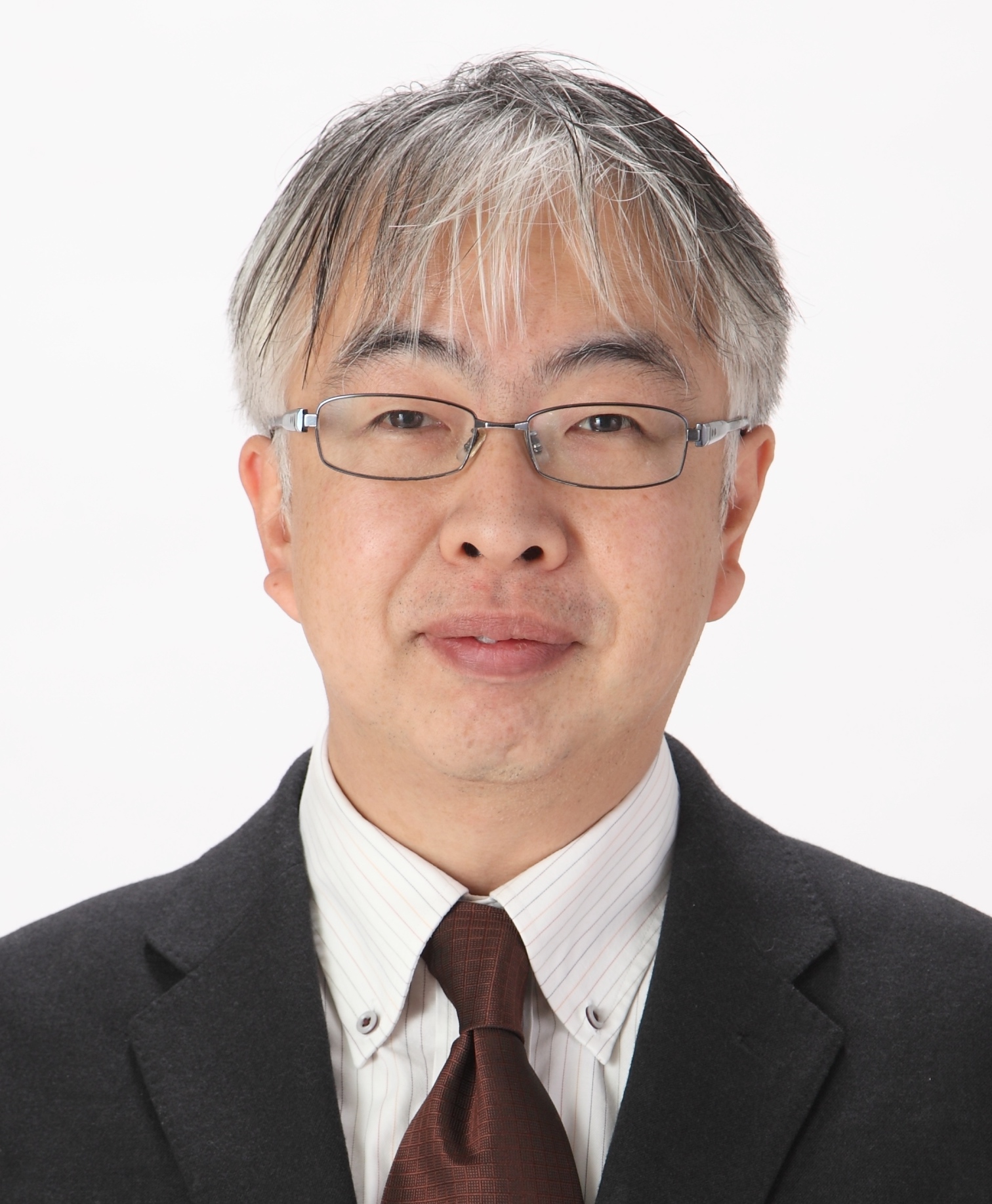
Akimasa Hirata serves as Professor in the Department of Electrical and Mechanical Engineering within the Graduate School of Engineering, concurrently affiliated with the Advanced Medical Physics and IT Research Center. His work bridges engineering and medical applications through computational modeling of electromagnetic-biological interactions. Education: Doctor of Engineering, Communications Engineering, Osaka University (2000) Bachelor of Engineering, Department of Communications Engineering, Osaka University (1996) Hirata's research centers on electromagnetic human exposure safety, with dual focus on thermal and neural stimulation effects. He pioneers multiphysics simulation techniques integrating electromagnetic, thermal, and physiological models to assess health risks from wireless technologies. Current work emphasizes personalized exposure assessment using anatomical models and machine learning, particularly for 5G/mmWave systems and brain stimulation therapies. His heat stroke risk evaluation framework has been adopted in occupational safety standards. Analysis of his 2025 publications reveals strong thematic continuity in electromagnetic safety assessment (60% of works), with growing integration of AI methods (40% of recent papers). Key trends include anatomical model refinement for dosimetry, neural response prediction in brain stimulation, and thermal pain threshold modeling for emerging wireless technologies. Awards: MEXT Science and Technology Prize (Development Division, 2024) Richard R. Stoddar Award from IEEE EMC Society (2023) Japan Open Innovation Award (2022) Japan Academy Medal (2018) Hirata leads major funded projects including the 2021-2025 MEXT grant 'Computational Science Fusion for Brain Deep Stimulation' as Principal Investigator, and serves as coinvestigator on Ministry of Internal Affairs projects assessing 5G exposure thresholds. His international advisory roles include WHO expert consultations and chairing ICNIRP project groups. He directs research at the Advanced Medical Physics and IT Research Center, collaborating with neurologists and occupational health specialists. His team develops open-source anatomical models (e.g., SHARM head models) and heat stress alert systems deployed in Japanese workplaces.