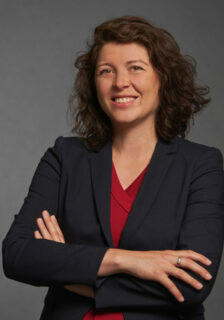
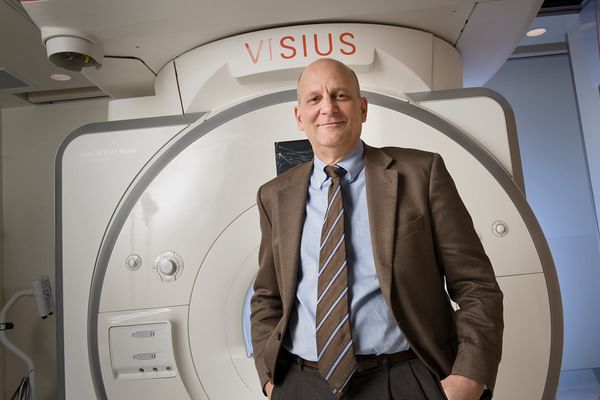
Ken Wong is an Associate Professor in the Department of Computing Science at the University of Alberta's Faculty of Science. He also serves as Associate Chair within the same department. Holding a PhD in Computer Science from the University of Victoria (1999), his research focuses on software engineering challenges such as reverse engineering, program understanding, and software visualization. He emphasizes improving software evolution through tools like architecture recovery and root cause analysis, with applications in web/mobile platforms and diverse system understanding. Teaching highlights include developing Massive Open Online Courses (MOOCs) via Coursera, including the 'Software Product Management Specialization' and courses on Agile practices, client needs analysis, and software metrics. His recent publications (2023–2025) span AI-driven healthcare innovations (e.g., medical imaging, photoacoustic tomography) and advanced computer vision techniques (e.g., diffusion models, video inpainting). Notable collaborations include EVAREST studies on heart failure management and lung transplantation outcomes. His work bridges software engineering theory and practical applications in healthcare technology, with contributions to federated learning frameworks (e.g., FedLPPA) and AI-augmented clinical decision support systems. Research also extends to autonomous driving (DriveGPT4-V2) and 3D human avatar generation (DreamAvatar), showcasing interdisciplinary impact.
Benoit Rosa is currently a CNRS Researcher within the Robotics, Data science, and Healthcare technologies Team at the ICube Laboratory, University of Strasbourg. Previously, he was a Research Fellow at the Pediatric Cardiac Bioengineering Lab, Boston Children's Hospital, Harvard Medical School (2015-2016), and a postdoctoral fellow in the Robot Assisted Surgery group at the Mechanical Engineering department of KU Leuven, Belgium (2013-2015). He received his Ph.D. in 2013 from Pierre & Marie Curie University (now Sorbonne University) under the supervision of Pr. Guillaume Morel and Pr. Jerome Szewczyk. His PhD was awarded the best PhD thesis award by the CNRS research group on robotics for 2013. Prior to his PhD, he obtained an Engineering Degree (equivalent to a Master's) from Ecole Centrale Paris. Rosa's research focuses on surgical robotics and image-guided control, with particular expertise in the design and control of miniature, distally-actuated and flexible systems for minimally invasive surgery. His work spans from mechatronic design of minimally invasive surgical devices to advanced control algorithms for surgical robots. Key areas include continuum robotics, visual servo control, surgical tool segmentation, and OCT-guided interventions. His research has significant applications in cardiac surgery, endomicroscopy, and various minimally invasive procedures, with a strong emphasis on translating theoretical robotics into practical clinical solutions. His recent publications demonstrate a growing trend toward applying deep learning techniques to enhance surgical robotics, with focus on autonomous systems that improve precision and reduce surgeon cognitive load while addressing challenges in medical imaging and surgical navigation. Scientific Awards: Best PhD thesis award by the CNRS research group on robotics (2013) Rosa has led multiple significant research projects including Image-based tracking of continuum robots (ongoing), Robot-assisted endomicroscopy (2010-2013), Beating heart intracardiac cardioscopy-guided interventions (2015-2019), and Intuitive control of active catheters (2014-2015). His work has resulted in numerous patents and collaborations with leading medical institutions worldwide, securing research funding for advancing surgical robotics technology. He actively participates in the academic community through invited talks and workshops, and maintains strong collaborations with institutions including Harvard Medical School, KU Leuven, and various French research entities, bridging theoretical robotics with practical clinical applications across multiple medical specialties.
Xiajun Jiang is an Assistant Professor in the Department of Computer Science at the University of Memphis, joining in Fall 2024. He holds a PhD in Computing and Information Sciences from Rochester Institute of Technology (2024), an M.S. in Computer Science from the University of Southern California (2018), and a B.S. in Electrical Engineering and Automation from Zhejiang University (2016). His research focuses on adaptive AI computing, physics-informed deep learning, and their applications in healthcare, particularly in medical imaging and cardiac simulation. Key contributions include hybrid neural state-space modeling for electrocardiographic imaging and physics-informed frameworks for bi-ventricular electrophysiological simulations. Education: PhD, Rochester Institute of Technology, 2024 M.S., University of Southern California, 2018 B.S., Zhejiang University, 2016 Research Interests: Machine learning for healthcare Adaptive computing in AI models Physics-informed deep learning His work bridges machine learning and biomedical engineering, with applications in cardiac imaging and electrophysiology. Recent articles highlight advancements in hybrid models for ECGI and meta-learning approaches for personalized cardiac simulations. He has reviewed for top conferences like ICLR, NeurIPS, and MICCAI, and contributed to projects like the Computational Biomedical Lab (CBL).
Tarmo Lipping is a Professor in the Department of Computer Science and Engineering at the Faculty of Information Technology and Electrical Engineering, University of Oulu. His work bridges computing sciences with biomedical engineering, environmental modelling, and data-driven societal applications. Doctor of Science (Technology), Information Technology – Awarded 14 Feb 2001 Master of Science (Technology), Information Technology – Awarded 10 Sept 1993 His research focuses on electroencephalography (EEG) , mental workload assessment , depth of anesthesia monitoring , and machine learning applications in healthcare and human-computer interaction. He also contributes to environmental informatics , particularly in land uplift modelling and radionuclide transport , aligning with UN Sustainable Development Goals. Recent publications highlight trends in transformer networks for EEG analysis , wearable HCI systems , data-driven food safety , and participatory municipal governance . His work integrates deep learning, signal processing, and real-world deployment. Scientific awards include: CIMO opettajavaihto (2017) Lipping has supervised numerous master’s students and served as an examiner in diverse topics including data vault modelling , telecom revenue estimation , and EEG hyperscanning . He has evaluated funding applications, acted as a journal reviewer (65 times), and contributed to editorial work. His activities reflect strong engagement in academic service and interdisciplinary research mentorship. He has contributed datasets on Fennoscandian land uplift , lake isolation , and archaeological shorelines to PANGAEA, supporting open science in geosciences and environmental history.
Allon Guez is a Professor in the Department of Electrical and Computer Engineering at Drexel University. His research focuses on control systems, robotics, artificial intelligence, medical robotics, and automated decision making. He actively bridges academia and industry through high-tech entrepreneurship. Education PhD in Electrical Engineering, University of Florida MS in Electrical Engineering, University of Florida MBA in Finance, Drexel University BS in Electrical Engineering, Technion - Israel Institute of Technology His research portfolio spans medical robotics, automated decision making systems, and advanced control algorithms. Key areas include wearable safety devices, radiation control in imaging systems, and closed-loop brain stimulation technologies. Notable contributions include founding ControlRad (radiation reduction systems) and GraceFall (fall detection technology). His work demonstrates a strong emphasis on translating academic research into commercial medical devices. Recent publications highlight innovations in: Fetal brainwave monitoring Postural disturbance detection Seizure prediction algorithms Magnetic microrobotics Dynamic CT collimation Cardiac tissue modeling
Dr. Anil Ufuk Batmaz is an Assistant Professor in the Department of Computer Science and Software Engineering at Concordia University. His research focuses on Virtual Reality (VR), Augmented Reality (AR), and Human-Computer Interaction, with emphasis on interaction techniques, immersive analytics, and motor skill training systems. He holds a BSc in Electrical and Electronics Engineering (2007-2011), an MSc in the same field (2011-2013), and a PhD in Biomedical Engineering (2015-2018). His work bridges engineering and cognitive science, investigating how visual and haptic feedback impact user performance in immersive environments. Research interests include: 3D interaction techniques for mid-air tasks Effects of display technologies on motor coordination Hybrid UI design for mixed reality systems Training systems for precision tasks using VR Recent publications emphasize evaluation of AR/VR interfaces in healthcare, sports training, and collaborative environments. His work has appeared in venues like IEEE TVCG, ACM CHI, and ISMAR, addressing challenges in spatial navigation, error feedback, and system reliability.
Mathias Unberath is the John C. Malone Associate Professor in the Department of Computer Science at Johns Hopkins University, with secondary appointments in Ophthalmology and Otolaryngology—Head and Neck Surgery at the School of Medicine. He is a core faculty member of the Laboratory for Computational Sensing and Robotics (LCSR) and the Malone Center for Engineering in Healthcare, and affiliate faculty at the Institute for Assured Autonomy and Data Science and AI Institute. Education: PhD in Computer Science from Friedrich-Alexander University of Erlangen-Nürnberg (2017), MSc in Optical Technologies (2014), BSc in Physics (2012) His research focuses on computer-assisted medicine, integrating computer vision, machine learning, and medical robotics to develop human-centered solutions through mixed reality and embodied technologies. His work addresses surgical phase recognition, explainable AI, and digital twin representations for clinical workflows. Unberath's 15 most recent publications demonstrate expertise in surgical AI (7/15), medical imaging (12/15), and mixed reality (8/15), with specific subfields including segmentation frameworks (3 papers), cognitive load estimation (4 papers), and surgical robotics (5 papers). NSF CAREER Award NIH NIBIB Trailblazer R21 Google Research Scholar Award Inaugural DSAI Junior Faculty Award IPCAI 2025 Best Paper Award He teaches graduate courses in machine learning, AI system design, and interpretable machine learning. His group, the ARCADE Lab, develops technologies for computer-assisted interventions, emphasizing robustness, explainability, and human-AI collaboration in clinical settings.
Giulio Dagnino is Associate Professor of Robotics and Mechatronics at the University of Twente and concurrently holds an appointment at the Digital Society Institute. His research integrates medical robotics, real-time perception and haptics to create MR-compatible platforms for endovascular surgery, earning an h-index of 17 and 971+ citations. Education & Career: PhD (details not specified in source) leading to faculty appointment at University of Twente. Promoted to Associate Professor with cross-appointments in Robotics & Mechatronics and Digital Society Institute. Research Interests: Prof. Dagnino’s core interest is medical robotic systems that can operate safely inside an MRI scanner. His work spans haptic guidance, real-time computer vision, soft robotic actuation, synthetic data generation and surgical simulation. By combining ferrofluid actuation, electromagnetic tracking and deep-learning-based scene understanding, he aims to reduce ionizing radiation exposure, enhance navigation accuracy and shorten procedure times for minimally invasive endovascular interventions. Publications Trend: Across 44 outputs (2010-2025) the portfolio reveals a clear evolution from early vision-based microsurgery and fracture-robot systems (2010-2016) toward holistic endovascular platforms integrating MR guidance, haptics and autonomy. Recent 2024-25 papers cluster around (i) synthetic data & scene understanding for surgical AI, (ii) MR-safe robot design and tracking, and (iii) translational studies bringing CathBot and related platforms closer to clinical use. Scientific Awards: Best Design Award – Hamlyn Symposium 2019 (with team) Best Innovation Award – ICRA 2018 Best Paper Award – CURAC 2019 IEEE ICRA Best Paper Award in Medical Robotics – 2016 Grants & Projects: Although explicit grant numbers are not listed, the continuous outputs, patents, multi-institutional collaborations (UK, Germany, Estonia, Canada) and press releases imply sustained funding from EU, Dutch and UK research councils as well as industrial partnerships. Labs & Teams: He leads activities within the Robotics and Mechatronics group at University of Twente, collaborates closely with the Digital Society Institute, and maintains international partnerships visible in co-authored papers with Imperial College London, University of Leeds, and several European hospitals.
Kyle B. Reed serves as an Associate Professor in the Department of Mechanical Engineering at the University of South Florida's College of Engineering. His academic career at USF has progressed from Assistant Professor (2009-2016) to his current position as Associate Professor (2016-present), following postdoctoral research at Johns Hopkins University. He teaches specialized courses including Haptics (EML 4593/6594), Mechanical Controls, and Advanced Engineering Mathematics. Dr. Reed earned his Ph.D. (2007) and M.S. (2004) in Mechanical Engineering from Northwestern University, and his B.S. in Mechanical Engineering from the University of Tennessee-Knoxville (2001). Prior to his faculty position, he completed postdoctoral research at Johns Hopkins University's Laboratory for Computational Sensing and Robotics (2007-2009) and worked as a researcher at Los Alamos National Laboratory (1998-2001). His research focuses on rehabilitation engineering, haptics, human-robot interaction, and medical robotics, with applications in medical devices and rehabilitation technologies. The REED Lab (Rehabilitation Engineering and Electromechanical Design Lab), which he directs, develops innovative solutions for human motion analysis and assistive technologies. His work bridges fundamental engineering principles with clinical applications, particularly in stroke rehabilitation and assistive device development. Analysis of his publication record shows consistent contributions to haptics research, human-robot interaction, and rehabilitation engineering. His work spans theoretical investigations of human motor control to practical applications in medical devices, with publications appearing in venues like IEEE Transactions on Haptics, EMBC, and Haptics Symposium. Recent work emphasizes wearable haptic devices, rehabilitation robotics, and human factors in medical technology. Developed the Gait Enhancing Mobile Shoe (GEMS) prototype during postdoctoral work Created minimally invasive steerable needle system for biopsies at Johns Hopkins Established REED Lab focusing on rehabilitation engineering and haptic technologies Developed innovative haptic devices for communication, rehabilitation, and education Dr. Reed actively mentors students through the REED Lab, supervising both graduate and undergraduate researchers. His teaching philosophy emphasizes building intuition while providing frameworks for logical problem-solving. He incorporates substantial project components into his courses, with students regularly developing haptic devices and robotics applications that sometimes lead to publications. The lab maintains strong outreach connections, working with K-12 students to promote engineering education. The REED Lab, located in the Interdisciplinary Research Building Room 114 on USF's Tampa campus, serves as the hub for his research activities. Current projects include wearable haptic devices for communication, diagnostic tools for Parkinson's disease, and rehabilitation technologies for gait analysis. The lab maintains strong connections with both clinical partners and industry, facilitating translational research from concept to application.
Prof. Dr. Franziska Mathis-Ullrich is a Professor at Friedrich-Alexander-University Erlangen-Nuremberg (FAU) leading the Surgical Planning and Robotic Cognition Lab (SPARC) in the Department of Artificial Intelligence in Biomedical Engineering. Previously, she was an Assistant Professor at Karlsruhe Institute of Technology (KIT) from 2019 to 2023. Her research focuses on minimally invasive robotic systems, soft robotics, and embedded machine learning for surgical applications. She holds a PhD in Microrobotics from ETH Zurich (2017), with earlier degrees from the same institution. Education: B.Sc. and M.Sc. in Mechanical Engineering and Robotics (ETH Zurich, 2009–2012) Ph.D. in Microrobotics (ETH Zurich, 2017) Research Interests: Minimally invasive medical robotics, soft robotic systems, AI-driven surgical assistance, microrobotics, and robot-assisted surgery. Her work emphasizes translating robotics innovations into clinical applications through interdisciplinary collaboration. Key Awards: IEEE ICRA Best Paper Award in Medical Robotics (2014) IEEE BioRob Best Student Paper Award (2016) ICRA Microassembly Challenge First Prize (2014 & 2015) Forbes 30 under 30 (2017) Grants & Projects: Leading a Bavarian State Ministry-funded project on endometriosis diagnostics (€3M). Active in multidisciplinary collaborations with Erlangen University Hospital. Serves as Vice-President of the German Society for Computer- and Robot-assisted Surgery (CURAC). Labs & Teams: Directs the SPARC Lab, which develops cognitive robotic systems for surgical planning and execution. Collaborates with institutions like Max Planck, Fraunhofer, and Helmholtz.
Keith D. Paulsen is the MacLean Professor of Engineering at Dartmouth College’s Thayer School of Engineering and holds the title of Professor of Radiology & Surgery at the Geisel School of Medicine. He serves as Scientific Director of the Center for Surgical Innovation at Dartmouth-Hitchcock Medical Center and Co-Director of the Translational Engineering in Cancer Research Program at the Norris Cotton Cancer Center. His roles emphasize interdisciplinary collaboration between engineering, medicine, and oncology. Paulsen earned a BSc in Biomedical Engineering from Duke University (1981), followed by MS (1984) and PhD (1986) degrees in Engineering Sciences from Dartmouth College. His research focuses on biomedical imaging, cancer therapeutics, and image-guided surgery, with particular expertise in optical and electromagnetic methodologies. He has pioneered technologies such as fluorescence-guided surgery, quantitative scatter imaging, and non-linear image reconstruction techniques, aiming to enhance surgical precision and cancer diagnosis. His awards include fellowships from OSA, SPIE, AIMBE, IEEE, and the National Academy of Inventors. Paulsen’s work has led to startups like CairnSurgical (where he serves as CTO) and InSight Surgical Technologies, translating research into clinical tools. Key projects include intraoperative imaging systems for brain and spine surgery, microwave imaging for breast cancer, and optical molecular imaging for real-time surgical guidance. Paulsen teaches advanced computational methods (ENGS 205, 105) and courses on medical device innovation (ENGM 189.1/2). His lab, part of Dartmouth’s Optics in Medicine cluster, collaborates with radiology, surgery, and oncology departments to develop clinical technologies funded by NIH, NCI, and DoD grants.
Kawal Rhode is a Professor in Biomedical Engineering and the Head of Education at the School of Biomedical Engineering & Imaging Sciences , King’s College London. His work bridges engineering, clinical practice, and education, with a focus on image-guided interventions, medical robotics, and 3D printing in healthcare. He leads the educational strategy for multiple taught programs, including the BEng/MEng in Biomedical Engineering and MSc programs in Healthcare Technologies and Clinical Sciences. His educational background includes a BSc in Basic Medical Sciences and Radiological Sciences from Guy's & St. Thomas' Hospitals Medical School (1992) and a PhD in arterial blood flow analysis from University College London (2006). He joined King’s in 2001 as a postdoctoral researcher and progressed through academic ranks to full Professor in 2016. Prof. Rhode’s research centers on image-guided interventions , medical robotics , and innovative pedagogy . His team develops intelligent systems for catheter-based procedures, robotic ultrasound, and simulation platforms using 3D printing. His work integrates AI, biomechanics, and translational engineering to improve clinical outcomes. His recent publications (2024–2025) reflect a strong trend in autonomous robotic systems , AI-driven image analysis , and simulation-based training , particularly in cardiac and interventional applications. These works span journals and conferences in medical imaging, robotics, and biomedical engineering, showcasing interdisciplinary innovation. Wellcome EPSRC Centre for Medical Engineering (Co-Investigator) Three-Dimensional Hybrid Guidance System for Cardiac Interventional Procedures (PI, EPSRC-funded) SIE CDT: Haemodynamics of complex aortic aneurysms (Co-I, Artivion Inc) He leads the Success for Black Engineers initiative, funded by the Royal Academy of Engineering, to improve diversity and inclusion in engineering education. This includes outreach, mentoring, industry engagement, and wellbeing support for Black students. He has supervised numerous students and collaborators, many of whom appear as co-authors on recent publications. His lab is part of a broader network within the School of Biomedical Engineering & Imaging Sciences, collaborating with clinicians at St Thomas’ Hospital and industry partners.
Aditi Majumder is a Professor of Computer Science at the University of California, Irvine (UCI), affiliated with the School of Engineering and Information Sciences. Her research focuses on multi-projector display systems, augmented reality (AR), and their applications in scientific and medical fields. She holds a Ph.D. from the University of North Carolina, Chapel Hill (2003). Her work addresses challenges in geometric, chromatic, and luminescent corrections for tiled displays, with applications in surgical assistance and deformable surface visualization. Recent projects include precision stencils for surgical sites and dynamic projection mapping on non-rigid surfaces. Notable achievements include the Inaugural Hasso Plattner Endowed Chair in Artificial Intelligence (2025). Her research spans AR in medicine, real-time multi-projector synchronization, and color gamut optimization. Dr. Majumder also engages in public discourse on computer science education, emphasizing its societal importance and foundational skills like programming and discrete mathematics. Her 15 most recent articles (2021–2024) highlight advancements in surgical AR, deformable surface projection systems, and medical visualization. These contributions bridge computer graphics, vision, and biomedical engineering, reflecting her interdisciplinary approach to solving complex display and interaction challenges.
Dr. Jang Ah Kim is a Lecturer at the Hamlyn Centre, Department of Mechanical Engineering, Imperial College London. She leads the Micro-Nano Innovation Lab and focuses on developing micro/nanostructured biomedical sensors and robotic strategies for diagnostics and minimally invasive therapies. Her work integrates light-matter interaction principles to innovate in areas like localized drug delivery and cellular surgery. Education: BSc (2011) and PhD (2017) in Mechanical Engineering/Nano Engineering from Sungkyunkwan University, South Korea. Prior roles include Research Associate positions at Imperial College London's Department of Computing and Department of Materials, where she specialized in fiber-optic biosensors and SERS-based diagnostics. Research Interests: Biomedical sensing, nanophotonics, medical robotics, diagnostics (biosensors), and nanomaterial applications. Key projects include plasmonic sensors for infection screening, bacterial swarming manipulation, and advanced fabrication techniques like two-photon polymerization. Lab Affiliations: Hamlyn Centre, Institute of Global Health Innovation. Her work bridges engineering and medicine to address unmet clinical needs in precision diagnostics and surgical robotics.
Professor Mark Fitzgerald is a leading academic and clinician in trauma care, holding dual roles as Director of Trauma Services at The Alfred Hospital and Director of the National Trauma Research Institute. He is also an Adjunct Professor at Monash University’s Department of Surgery and Honorary Professor at Deakin University’s School of Information Technology. His work focuses on trauma systems improvement, reducing errors in resuscitation care, and standardizing life-saving protocols. Education: MBBS (University of Melbourne, 1981) Fellowship Australasian College for Emergency Medicine (1987) MD (Monash University, 2015) on Computer-Assisted Decision Support for Trauma Resuscitation Global Clinical Scholar in Epidemiology and Biostatistics (Harvard Medical School, 2015) Grad. Cert. Internet Communications (Curtin University, 2019) Research Interests: Professor Fitzgerald’s research emphasizes trauma system development globally (e.g., China, India, Saudi Arabia), error reduction in critical care, and innovative resuscitation techniques. His work aligns with UN Sustainable Development Goals, particularly targeting reductions in preventable deaths and improved healthcare access. Awards: Ambulance Service Medal (2003) Foundation Medal, Australasian College for Emergency Medicine (2003) Honorary Life Membership, Neurotrauma Society of India (2010) Gordon Trinca Medal for Trauma Services (2013) Grants & Funding: Secured over AUD$10m in research grants and AUD$16m in development funding for trauma initiatives. Active in multicenter trials, including the Advancing Care Through Injury Outcome Navigators (ACTION) Study and trials evaluating novel hemorrhage-control agents like BE1116. Labs & Teams: Leads the Trauma Reception & Resuscitation Project and collaborates internationally on trauma system optimization. His team develops digital tools for decision support and error mitigation in emergency settings.