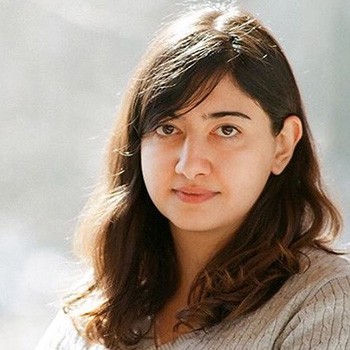
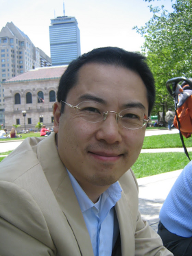
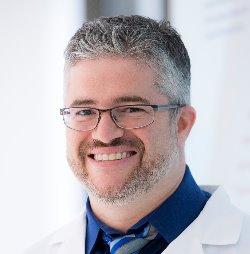
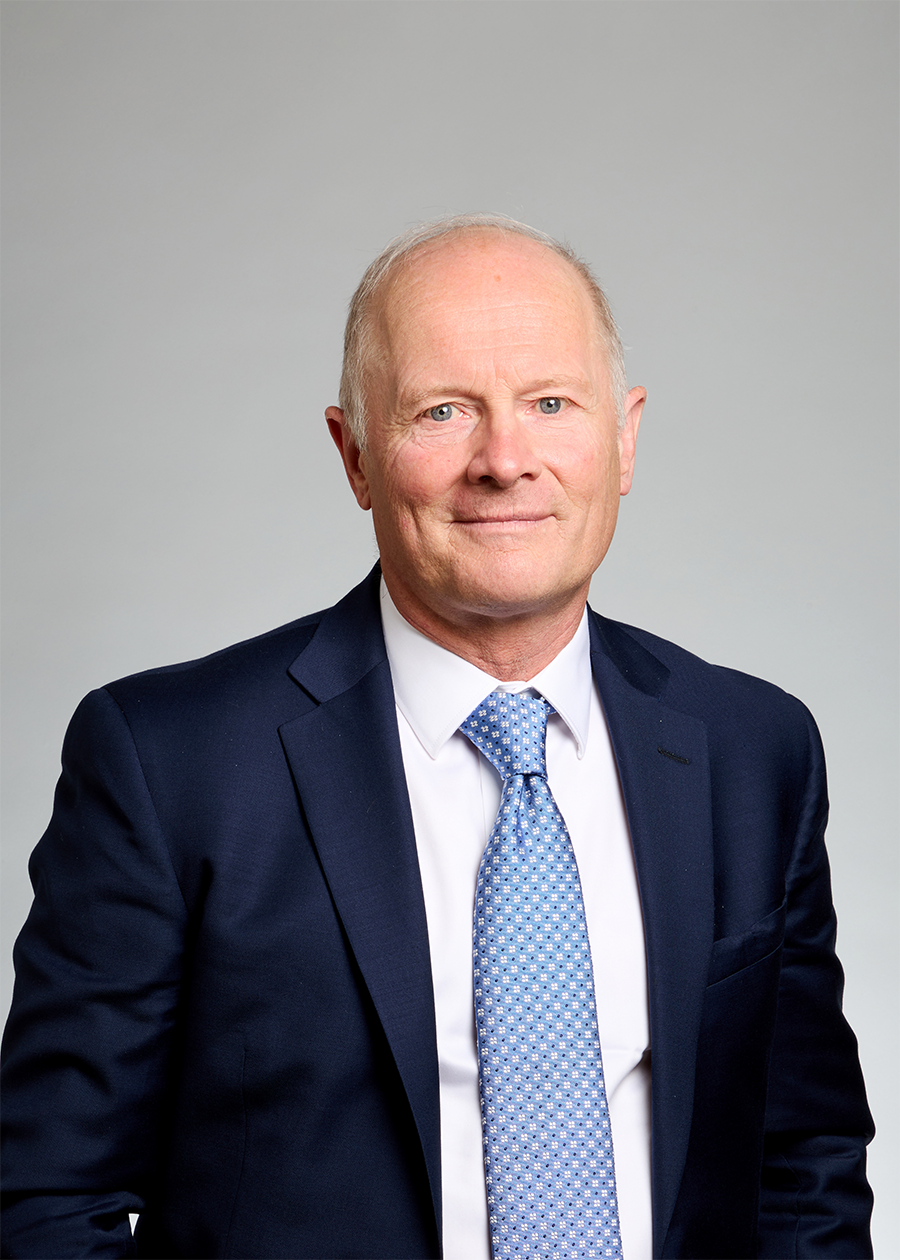
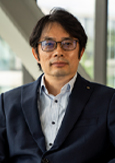
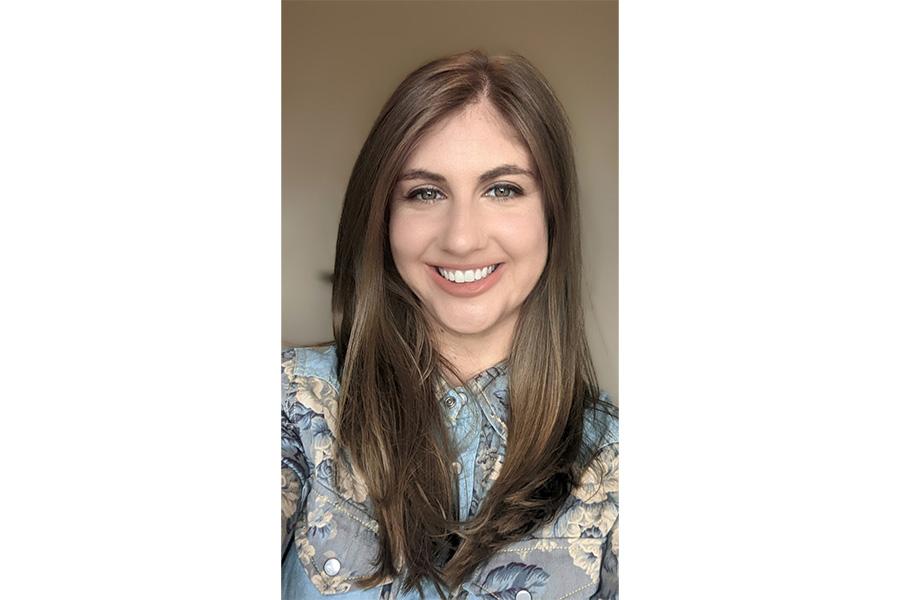
Tamas Ungi is a Research Associate and Adjunct Assistant Professor at Queen's University, focusing on medical imaging, computer-assisted surgery, and biomedical engineering. His work bridges artificial intelligence applications with clinical needs in oncology, urology, and surgical education. Queen's University His research interests center on: 3D ultrasound imaging Surgical navigation systems Machine learning for medical diagnostics Tumor margin assessment Surgical skill evaluation Image-guided interventions Recent publications highlight advancements in radiation-free pediatric scoliosis assessment, AI-driven surgical evaluation metrics, and real-time ultrasound segmentation for breast-conserving surgery. He also explores electromagnetic tracking systems and NURBS-based surgical planning tools.
Fateme Rajabiyazdi is an Assistant Professor at Carleton University in the Department of Systems and Computer Engineering , with cross-appointments to the School of Information Technology and Bruyère Research Institute . She holds a Ph.D. in Computer Science from the University of Calgary (2018), focusing on information visualization . Education : Ph.D. (Computer Science, University of Calgary), M.Sc. (Computer Science, Australian National University) Research Interests revolve around real-world health data visualization , specifically patient engagement in medical care , health data tracking , patient-provider communication , and decision-making support . Her work integrates Human-Computer Interaction (HCI) and eHealth technologies , with applications in diabetes management , cardiac rehabilitation , and aging populations . Publications (2025–2020) span information visualization , patient-generated health data , and medical decision-making . Key venues include Journal of Medical Internet Research , Frontiers in Surgery , and ACM CHI . Recent projects include TextVista (NLP-enhanced visualization) and My Personal Brain Health Dashboard for HIV patients. Scientific Awards : Ward of 21st Century Health Services Research Scholarship (PhD) FRQS Postdoctoral Scholarship (2020, ranked 4th in Quebec) Best Student Paper Award at Graphic Interface 2024 Honorable Mention at ACM CHI 2025 Students include PhD candidates in Biomedical Engineering , Master’s students in Data Science and Human-Computer Interaction , and research assistants across disciplines. Her lab collaborates on health visualization tools and assistive technologies .
Veronika Magdanz is an Assistant Professor in Systems Design Engineering at the University of Waterloo since 2022, specializing in microrobotics for medical applications. Her research focuses on biohybrid systems, such as leveraging biological components like sperm cells to develop innovative medical solutions, alongside bioinspired magnetic microrobots controlled via wireless magnetic fields. Education: She earned a Doctorate in Biology from TU Dresden (2016) and a Master of Science in Biotechnology from TU Braunschweig (2010). Her postdoctoral work included a Humboldt Fellowship at the Institute for Bioengineering of Catalonia, where she explored flexible magnetic microrobots and 3D bioprinting of muscle tissue. Research Interests: Her work spans microrobotics, biohybrid systems, magnetic actuation, bioprinting, and medical robotics. She pioneers applications such as sperm-driven microrobots for targeted drug delivery and wireless-controlled soft robots for clinical interventions. Grants & Awards: She secured over $900K in government funding for her research. Her lab focuses on advancing biomedical robotics and has contributed to breakthroughs in sperm cell dynamics and magnetic microactuation. Labs/Teams: Her research involves collaborations across disciplines, including bioengineering, materials science, and robotics, with a focus on translating innovations into clinical applications.
Dr. Burton Ma is an Associate Professor in the School of Computing at Queen's University, Canada. Previously, he served as an Assistant Professor at York University (2009–2020) and held an Adjunct Assistant Professor role at Queen's University. He earned his Ph.D. in Computer Science from Queen's University in 2005 and completed a Postdoctoral Fellowship at the Human Mobility Research Centre at Kingston General Hospital. Education: Ph.D. in Computer Science, Queen's University, 2005 Research Interests: Dr. Ma focuses on computer-assisted surgery, including image processing, registration, visualization, surgical planning, and error analysis, with applications in orthopaedic surgery. His work addresses challenges in ultrasound calibration, surgical navigation systems, and medical device design. Notable contributions include line-based calibration frameworks and uncertainty visualization in surgical navigation systems. Awards: Outstanding Paper Award (2018) Outstanding Paper Award (2017) Honorable Mention Best Poster (2015) Advising & Grants: While no formal student advisees are listed, Dr. Ma has collaborated extensively with researchers like Amber Simpson, Randy Ellis, and others on projects funded by grants in surgical robotics and medical imaging. His work bridges academic research with clinical applications in orthopaedic surgery and medical device innovation. Labs & Teams: Affiliated with the Human Mobility Research Centre and Queen's School of Computing labs, his research group focuses on advancing surgical navigation and medical imaging technologies.
Dr. Adam Sachs is an Associate Professor of Surgery in the Division of Neurosurgery at the University of Ottawa's Faculty of Medicine, where he also serves as an Assistant Professor at the Brain and Mind Research Institute. Additionally, he is an Adjunct Professor of Systems and Computer Engineering at Carleton University. Dr. Sachs is a Neurosurgeon at The Ottawa Hospital and serves as the Director of Neuromodulation and Functional Neurosurgery. Dr. Sachs completed his Bachelor of Science at McGill University in physiology and math, and a Master of Science at York University in applied mathematics researching mechanisms of human edge detection. During his neurosurgery residency at the University of Ottawa he participated in the Clinical Investigator program, performing neurophysiology and brain computer interface research in non-human primates. He was a Clinical Instructor in Functional and Spine neurosurgery at Stanford University from 2010 to 2012. His research focuses on using brain-computer interface (BCI) technology to help individuals with movement disorders. His work explores how real-time feedback of brain signals can enable participants to control external effectors such as robotic arms or virtual reality objects. This approach shows potential for inducing plasticity that provides symptom recovery for conditions like Parkinson's Disease, focal dystonia, and essential tremor, as well as offering communication channels for individuals with severe disabilities. Dr. Sachs' research spans neuroscience, neurosurgery, and engineering disciplines, with particular emphasis on neural signal processing, brain-computer interfaces, and neuromodulation techniques. His publication record demonstrates expertise in prefrontal cortex function, neural decoding, and the development of practical BCI systems that bridge clinical applications with fundamental neuroscience research. Associate Professor of Surgery, Division of Neurosurgery, University of Ottawa Assistant Professor, Brain and Mind Research Institute, University of Ottawa Adjunct Professor, Systems and Computer Engineering, Carleton University Director of Neuromodulation and Functional Neurosurgery, The Ottawa Hospital Associate Scientist, Neurosciences, Ottawa Hospital Research Institute Dr. Sachs supervises graduate students including Alireza Rouzitalab and Min Wah Leung, and leads the Sachs Lab which focuses on innovative approaches to neurorehabilitation and brain-computer interfaces. His research has significant clinical implications for treating movement disorders and restoring function to individuals with neurological disabilities.
Karim Hammamji is a Clinical Assistant Professor in the Department of Ophthalmology at Université de Montréal 's Faculty of Medicine. As a vitreoretinal surgeon, he specializes in medical and surgical retina with a focus on ocular oncology at the Centre Hospitalier de l'Université de Montréal (CHUM) . He leads the retina division and directs CHUM's vitreoretinal fellowship program.
R. J. Dwayne Miller serves as University Professor in both the Department of Chemistry and Department of Physics at the University of Toronto. He also holds significant international appointments as Co-founding Director of the Max Planck Institute for the Structure and Dynamics of Matter in Hamburg, Germany, and previously directed the Max Planck Group at Centre for Free Electron Laser Science/DESY. His research focuses on understanding molecular reaction dynamics with particular emphasis on the connection between chemistry driving biological functions and the highly optimized structures in biological systems. Miller received his B.Sc. Honours from the University of Manitoba (1974-1978) under Professor Bryan R. Henry, followed by a Ph.D. from Stanford University (1978-1983) with Professor Michael D. Fayer. After a NATO Science Fellowship at Université Joseph Fourier (1983-1984), he began his academic career at the University of Rochester, progressing from Assistant Professor to full Professor before joining the University of Toronto in 1995, where he was promoted to University Professor in 2007. Professor Miller's research spans three interrelated areas: energy transduction in biological systems; interfacial structure and reaction dynamics; and high-order nonlinear laser spectroscopies as probes of liquid and protein 'memory' functions. His group has pioneered the development of ultrabright electron sources that enable direct observation of atomic motions during chemical reactions - creating what they call 'atomic movies.' This groundbreaking work accomplished one of science's dream experiments by bringing the chemist's collective thought experiment of chemistry to direct observation. Their research has challenged established paradigms, particularly in quantum biology where they demonstrated that nature exploits dissipation rather than avoiding it to direct energy transport in photosynthesis. Analysis of Miller's recent publications reveals a consistent progression from fundamental studies of energy transport to practical applications. His group has evolved their electron diffraction techniques to achieve unprecedented spatial and temporal resolution, enabling observation of atomic motions during barrier crossing in catalysis and resolving full enzymatic cycles. A significant trend is their development of serial electron diffraction methods requiring only nanograms of material, which could revolutionize structural biology and chemical synthesis by enabling 'lab on a chip' approaches with orders of magnitude higher throughput. Fellow of the Royal Society (2023) Fellow of the Royal Society of Canada Fellow of the Chemical Institute of Canada Fellow of the Optical Society of America Fellow of the Royal Society of Chemistry European Physical Society Prize for Laser Science A.P. Sloan Fellowship Camille and Henry Dreyfus Fellowship Guggenheim Fellowship Humboldt Award Presidential Young Investigator Rutherford Medal in Chemistry CIC Medal McNeil Medal for Science Promotion Professor Miller has secured substantial funding for his innovative research in ultrafast science, leading to numerous technological breakthroughs. His group has developed the Picosecond Infrared Laser (PIRL) technology, which enables minimally invasive surgery with intact molecular signatures for guidance and scar-free healing. This technology has been successfully applied in stapes surgery for hearing loss recovery and in treatments for glaucoma. His work on six-wave mixing spectroscopy has opened new avenues for investigating intermolecular forces that determine the dynamic structure of liquids and proteins. The Miller Group is housed in the Lash Miller Chemical Laboratories at the University of Toronto, where they maintain state-of-the-art instrumentation they've developed. Their labs include ultrabright electron sources sufficient to 'light up atomic motions' and observe chemistry at the atomic level. The group is working toward establishing the Centre for Atomically Resolved Dynamics to promote collaborative research. They maintain strong international connections, particularly with the Max Planck Institute in Hamburg, reflecting Miller's dual appointments in Canada and Germany.
Amoon Jamzad is an Adjunct Assistant Professor at the School of Computing, Queen's University, and a postdoctoral fellow at Med-I Lab. He holds a BSc in Electrical Engineering (Electronics) from University of Tehran (2007), an MSc in Biomedical Engineering (2010), and a PhD in Biomedical Engineering (2015). His doctoral research focused on noninvasive ultrasound analysis of kidney stones. He later served as a guest lecturer and lab instructor at University of Tehran for 3 years before joining Queen's University in 2019. BSc: Electrical Engineering (Electronics), University of Tehran (2007) MSc: Biomedical Engineering, University of Tehran (2010) PhD: Biomedical Engineering, University of Tehran (2015) Dr. Jamzad's research centers on cancer cell detection, particularly in developing ultrasonic and optical spectroscopic devices for surgical margin detection. His work integrates advanced machine learning techniques with clinical applications, focusing on breast and prostate cancer surgery. He has pioneered the use of mass spectrometry imaging for cancer margin assessment and developed open-source platforms like ViPRE and MassVision for AI-driven medical data analysis. His recent publications demonstrate expertise in self-supervised learning, domain adaptation, and uncertainty quantification within medical imaging contexts. While no specific awards are mentioned, his contributions to surgical oncology tools and multi-center prostate cancer studies indicate significant clinical impact. He has also explored temporal enhanced ultrasound for composite defect detection and electrosurgical cautery state recognition through deep learning.
Dr. Elvis C. S. Chen serves as Assistant Professor in Western University's Faculty of Engineering, Department of Electrical and Computer Engineering, with cross-appointments in the Department of Medical Biophysics and Department of Medical Imaging. He holds concurrent research positions as Associate Scientist at Robarts Research Institute and Scientist at London Health Research Institute, while participating in Western's Biomedical Engineering Graduate Program. His academic credentials include: Ph.D. in Computer Science, Queen's University (2007) M.Sc. in Computer Science, Queen's University (1999) B.Sc. (Hons) in Computer Science, Queen's University (1995) Research centers on Computer-Assisted Interventions (CAI) and Medical Image Computing (MIC), specifically developing patient-specific surgical modeling techniques for orthopedic procedures like total knee replacement. His work integrates engineering principles with clinical applications through collaborations with medical technology companies to enhance surgical outcomes. Professional leadership includes serving as Associate Editor for IEEE Transactions on Medical Imaging and Chair of the IEEE EMBS London Chapter. He maintains active clinical engineering practice as a Limited Engineering Licensee (LEL) certified by Professional Engineers Ontario. Dr. Chen's research ecosystem spans Robarts Research Institute and London Health Research Institute, where he bridges electrical/computer engineering with medical imaging and surgical innovation through multidisciplinary teams focused on translational healthcare solutions.
Jonathan Lin is an Adjunct Assistant Professor at the University of Waterloo, specializing in robotics and biomechanics with a focus on human motion analysis and assistive technologies. His research spans rehabilitation engineering, human-robot interaction, and sensor systems for clinical and mobility applications. Key research areas include real-time pose estimation for assistive robots, motion segmentation for rehabilitation monitoring, and humanoid robotics learning from human demonstrations. He has contributed to projects like the SkyWalker mobility aid robot and Segway-riding humanoid systems. His work bridges robotics, biomechanics, and healthcare, emphasizing practical applications in aging populations and clinical settings. No scientific awards are listed, but his publications reflect interdisciplinary innovation in motion analysis and assistive technologies. Advising and grants details are not explicitly provided, though collaborations with robotics and biomedical engineering teams are implied through his research outputs. His lab or team affiliations remain unspecified in the provided texts.
Na Li is an Adjunct Assistant Professor in the Department of Computing and Software at McMaster University's Faculty of Engineering. Her interdisciplinary research bridges computational methods with clinical hematology through extensive collaborations with transfusion medicine experts. Key contributions in biostatistical modeling for immune thrombocytopenia diagnosis Innovations in healthcare logistics for blood product management Pioneering AI-human collaboration frameworks for electronic health record analysis Her scholarly work spans machine learning applications in disease detection, operational research for blood inventory optimization, and clinical decision support systems development. Recent publications demonstrate integration of large language models with medical expertise for improved diagnostic accuracy. Notable research themes include: Pandemic resource allocation fairness Perioperative anticoagulant management Platelet transfusion analytics Blood product demand forecasting Privacy-preserving federated learning Her work has been cited extensively across transfusion medicine , critical care , and healthcare technology domains, with implementations in major clinical trials and policy documents.
Teresa Purzner is an Assistant Professor and Attending Staff at Kingston Health Sciences Centre. She is a clinician-scientist neurosurgeon with expertise in neuro-oncology and general neurosurgery. PhD in Neuroscience from Stanford University Neurosurgery residency at University of Toronto Her research focuses on interdisciplinary approaches to identify novel drug targets for brain cancer and translate these into human-ready therapeutics. Notably, she discovered a critical target in medulloblastoma and developed a novel drug now in phase 1 and 2 clinical trials for brain and skin cancer. Recent publication trends highlight her work on medulloblastoma, glioblastoma, Hedgehog signaling, chemotherapy resistance, and neurosurgical tools. This spans neuroscience, oncology, and biomedical engineering. Scientific awards : Stanford Interdisciplinary Graduate Fellow Biox Fellow SPARK Fellow Annual Award, American Academy of Neurological Surgery K.G. McKenzie Prize for Basic Science Research AANS Louise Eisenhardt Award Neurosurgery Research and Education Fellowship Her lab collaborates with Dr. James Purzner on drug discovery and translational research. She is also involved in clinical trials for neuro-oncology therapeutics.
Dr. Ali Nasseri is an Adjunct Professor in the Department of Biomedical Engineering at the University of Alberta's Faculty of Engineering. He also serves as the founding director of the Medical Autonomy and Precision Surgery (MAPS) Laboratory at the School of Medicine and Health of the Technical University of Munich. With over 15 years of experience in medical and surgical robotics, Dr. Nasseri leads research initiatives at TUM, Johns Hopkins University, and the University of Alberta, coordinating multiple large-scale collaborative projects funded by BMBF, BFS, and NIH. Dr. Nasseri's research focuses on surgical robotics, medical AI, medical imaging, medical XR, and medical autonomy. His multidisciplinary background in mechatronics, computer vision, machine intelligence, and medicine has led to a focused research program on surgical autonomy and intelligent robotic interventions. He is a pioneer in robotic eye surgery and has published more than 140 peer-reviewed articles in these fields. His recent work focuses on utilizing AI and real-time multimodal perception to implement surgical workflow autonomy—enabling robotic systems to adapt seamlessly to intraoperative complexity. His publications over the past few years demonstrate a strong trend toward increasing autonomy in ophthalmic surgery, with particular emphasis on AI-driven solutions, precision control systems, and real-time monitoring for safety. The research spans multiple subfields including retinal surgery, corneal procedures, surgical planning, and instrument tracking, with a consistent focus on improving surgical outcomes through technological innovation. best paper awards As co-founder of two medical robotics startups, Dr. Nasseri is actively engaged in translational research bridging laboratory innovation and clinical deployment. He directs the largest medical robotics project currently funded by the Bavarian Research Foundation and several industry-backed initiatives, demonstrating strong connections between academic research and industry applications. Dr. Nasseri leads the Medical Autonomy and Precision Surgery (MAPS) Laboratory at TUM, which focuses on developing intelligent robotic systems for surgical applications. The lab brings together experts from engineering, computer science, and medicine to tackle challenges in surgical robotics, with particular expertise in ophthalmic procedures.
Jessica Rodgers is an Assistant Professor in the Department of Physics and Astronomy at the University of Manitoba. She joined the department in 2022 after completing a postdoctoral fellowship in the School of Computing at Queen’s University. Her research focuses on developing clinically translatable medical physics tools, particularly improving cancer treatment through computer-assisted interventions such as image-guided radiotherapy and surgical navigation systems. Dr. Rodgers holds a PhD in Biomedical Engineering from Western University (2021) and a BSc in Mathematics and Engineering from Queen’s University (2014). Her work integrates engineering principles with medical applications, emphasizing technologies like 3D ultrasound imaging and deep learning for precision oncology. Her research interests include gynecologic and prostate cancer therapies, intraoperative margin assessment, and automated systems for brachytherapy planning. Recent studies involve 3D ultrasound fusion for brachytherapy guidance, automated catheter tracking, and mass spectrometry-based surgical navigation. These projects highlight her focus on bridging advanced imaging technologies with clinical oncology practice. Publications emphasize innovations in medical imaging workflows, including tools for needle guidance during brachytherapy, real-time cautery monitoring during surgery, and open-source software for mass spectrometry data analysis. This reflects her commitment to advancing both technical and translational aspects of medical physics. Dr. Rodgers has not yet listed any awards or grants in the provided information. Her advising activities are also currently unspecified, but her research group likely involves collaborations across engineering, physics, and medical disciplines.
Joshua Wyatt Smith is an Affiliate Assistant Professor (mapped to Assistant Professor) in Mathematics and Statistics at Concordia University's Faculty of Arts and Science. He received his PhD from Georg-August-Universität, Germany in 2018. Research interests include sports analytics and algorithmic trading. Publications demonstrate interdisciplinary work across robotics, particle physics, healthcare analytics, and environmental science, utilizing advanced statistical and computational methods.