Leah Findlater is an Associate Professor in the Department of Human-Centered Design & Engineering at the University of Washington (College of Engineering). She also holds adjunct and affiliate appointments in Computer Science & Engineering and Disability Studies, respectively, and serves as Associate Director of UW CREATE (Center for Research and Education on Accessible Technology and Experiences). Since 2021, she has led a research team in AI and accessibility at Apple. Her research focuses on creating adaptive technologies that accommodate individual needs, particularly for people with disabilities. Key areas include touchscreen personalization, machine learning interfaces, and sound recognition systems for deaf and hard-of-hearing users. Funding sources include NSF, DoD, and major tech companies. Recent work explores AI-driven tactile graphics, visual privacy management for blind users, and sound recognition systems. Her research combines lab studies, field deployments, and qualitative methods. NSF CAREER Award (2014) She advises through the Inclusive Design Lab, emphasizing mixed-methods research and collaborations with disability communities.
Ken S. McAllister is a Professor in the Department of Public & Applied Humanities at the University of Arizona, where he also serves as Associate Dean for Research & Program Innovation in the College of Humanities. He co-directs the Learning Games Initiative Research Archive, focusing on game studies, digital humanities, and software preservation. His work bridges game culture, educational technology, and critical theory. Primary Affiliation: University of Arizona (College of Humanities, Public & Applied Humanities) Key Roles: Associate Dean, Professor, Co-Director His research explores game studies, digital preservation, and the intersection of technology with education and culture. He has contributed to understanding game industry labor, software sustainability, and the pedagogical applications of games and VR, often emphasizing critical approaches to digital media. Article trends show a focus on game preservation, critical analysis of game culture, educational applications of games/VR, and the materiality of digital technologies. He frequently examines the socio-political dimensions of gaming, including labor practices, ideological impacts, and historical contexts. McAllister co-directs the Learning Games Initiative Research Archive , a hub for preserving and studying gaming history, software, and related artifacts. His work emphasizes community-driven approaches to digital archiving and the entrepreneurial potential of humanities scholarship.
Erhan Bayraktar is a Professor of Mathematics at the University of Michigan, holding the Susan Smith Chair. He serves as Director of the Quantitative Finance and Risk Management Masters Program, which he established in 2015. His academic career at the University of Michigan spans since 2004, progressing from T. H. Hildebrandt Research Assistant Professor to his current full professorship. Professor Bayraktar earned his Ph.D. from Princeton University in 2004, following dual Bachelor's degrees in Electrical Engineering and Mathematics from Middle East Technical University in Turkey. His academic journey reflects a strong foundation in both theoretical and applied mathematical disciplines. Bayraktar's research focuses on mathematical finance, applied probability, machine learning, mean field games, stochastic analysis, stochastic control, and optimal stopping. His work bridges theoretical mathematics with practical applications in finance and risk management. He has developed sophisticated mathematical frameworks for analyzing complex financial systems, market behaviors, and optimal decision-making under uncertainty. His contributions to mean field games have provided new insights into large-scale interacting systems, while his work on stochastic control has advanced methodologies for optimal decision processes. His publication record demonstrates a consistent trajectory of high-impact research, with recent work focusing on Wasserstein space analysis, graphon particle systems, and applications of machine learning to financial mathematics. His research shows increasing interdisciplinary connections between traditional mathematical finance and modern computational approaches. Susan M. Smith Professorship (2010-present) National Science Foundation CAREER Grant (2010-2016) SIAM Activity Group on Financial Mathematics and Engineering Early Career Prize (2010) Professor Bayraktar has mentored 14 Ph.D. students (13 graduated) and approximately 40 post-doctoral researchers. His students hold prestigious positions in academia and industry, including tenure-track positions at Boston University, University of Colorado, University of Sydney, and University of Toronto. He has secured continuous funding from the National Science Foundation, including the current grant DMS-2507940 (2025-2028) and previous grants totaling over 15 years of continuous NSF support. As Director of the Quantitative Finance and Risk Management Masters Program, Bayraktar has built a robust academic community through the Financial/Actuarial Math seminar series, which hosts about 10 outside speakers annually, and by organizing international workshops in stochastic analysis for finance and insurance in Ann Arbor.
Dr. Ben Harvey is an Associate Professor (with Ius Promovendi) in the Perception Group of the Department of Experimental Psychology at Utrecht University, Netherlands, within the Faculty of Social and Behavioural Sciences. He is based at the Helmholtz Institute and can be contacted at b.m.harvey@uu.nl. Harvey completed his DPhil at Oxford University with Professor Oliver Braddick in 2009, followed by postdoctoral work with Professor Serge Dumoulin at Utrecht. In 2015, he moved to Coimbra on a starter grant from the Portuguese Foundation for Science and Technology before returning to Utrecht in 2016 as an Assistant Professor. He was promoted to Associate Professor in 2019 and has led his own research group since 2015. Harvey's research focuses on characterizing sensory and cognitive systems in the human brain, particularly neural responses and computations within these systems. His work combines cutting-edge neuroimaging approaches with computational modeling and behavioral experiments. Initially studying the early visual system as a model of neural processing, he extended invasive animal neurophysiological approaches to non-invasive human neuroimaging. His recent work investigates neural responses underlying cognition in the human association cortex, examining how visual space and number processing differs between cultures and in clinical disorders. His fingerprint reveals expertise in Functional Magnetic Resonance Imaging, Numerosity, Receptive Field, Visual Cortex, Population Receptive Field, Nerve Potential, Early Visual Cortex, and Topographic Maps. His publication record demonstrates significant impact, with works like 'Topographic representation of numerosity in the human parietal cortex' (2013) receiving over 360 citations. His research spans visual neuroscience, with emphasis on how the brain processes visual information, attention mechanisms, and numerical cognition, revealing generalized quantity processing systems in the human brain. Award for highest-rated abstract (2013) Brain Centre Rudolph Magnus Research Award (Best Paper of the Year) (2014) Causal link between cortical organization and conscious perception: human fMRI and electrophysiology (2009, 2010) Harvey has been actively engaged in knowledge dissemination, with multiple invited talks at institutions including INSERM in Paris (2016) and the University of Parma (2015). His research has received significant media attention, with interviews on National Public Radio (NPR) USA, Livescience.com, and Science Magazine in 2013. Beyond academic publications, he writes popular science articles exploring the relationship between visual neuroscience and visual arts. As part of the Helmholtz Institute Experimental Psychology research program, Harvey collaborates widely to investigate visual space and number processing across different populations, contributing to our understanding of how these cognitive functions vary between cultures and in clinical disorders.
David Blakesley is Professor of Rhetorics, Communication, and Information Design and Campbell Chair in Technical Communication at Clemson University's College of Arts and Humanities, Department of Interdisciplinary Studies. He currently serves as President of the Faculty Senate for 2023-2024. His academic career spans over three decades with significant contributions to rhetorical theory, digital publishing, and technical communication. Blakesley earned his PhD in Rhetoric, Linguistics, and Literature from the University of Southern California (1990), an MA in English from San Diego State University (1986), and a BA in English from the same institution (1983). His research spans multiple interconnected fields including rhetorical theory, history of rhetoric, digital and visual rhetorics, print and digital publishing, film theory and production, technical communication, and digital humanities. He has focused particularly on Kenneth Burke's rhetorical theory and its applications across various media. His scholarly work demonstrates a consistent trajectory from traditional rhetorical theory toward digital applications and publishing innovations. Over the past decade, his research has increasingly focused on the intersection of digital technologies with rhetorical practices, particularly examining how digital platforms transform scholarly communication and publishing. His 2022 TUGboat article on production versus distribution in publishing exemplifies his ongoing interest in how technological shifts impact academic and professional communication. Fellow, Rhetoric Society of America George Yoos Distinguished Service Award (RSA) Charles Moran Award for Distinguished Contributions to the Field of Computers and Composition Blakesley has secured significant funding including the $11 million Clemson-Adobe Partnership for Campus-Wide Creative Cloud implementation. He serves as Editor of KB Journal, Co-Editor of WAC Journal, and General Editor of The Writing Instructor. His editorial work has been instrumental in shaping scholarly communication in rhetoric and composition studies, particularly through his leadership in digital publishing initiatives.
Jim Beuerle is an Associate Professor of Mathematics and Chair of the Department of Mathematics and Statistics at Elon University since 2007, with prior roles as Assistant Professor (2000-2007) and Ursinus College faculty (1999-2000). He earned his B.S., M.A., and Ph.D. from Binghamton University, focusing on group theory, specifically Nonabelian Tensor Squares of metacyclic p-groups. Education: B.S., M.A., Ph.D. from Binghamton University His research spans group theory, Galois extensions, and mathematical education, with publications on power compositional polynomials, 2-adic numbers, and tensor squares of p-groups. He has advised numerous undergraduate research projects, including studies on encryption schemes, Fourier transforms, and PageRank algorithms. Recent articles analyze field extensions, Galois groups, and metacyclic p-groups, reflecting his expertise in abstract algebra and computational methods. He also explores educational strategies to enhance student engagement in calculus. Scientific Awards Patterson Prize for outstanding Research (2010) Beuerle leads the Elon University Mathematics Contest and serves as NCCTM State Math Contest Co-Chair. He contributes to AP Statistics Reading and has held roles as department chair, United Way co-chair, and webmaster for the MAA Southeastern Section.
Bruno Alonso is a CNRS Research Director at the Institute of Chemistry of Montpellier (ICGM), a joint research unit of CNRS, University of Montpellier, and the National School of Chemistry of Montpellier (ENSCM). His work focuses on advanced materials chemistry with emphasis on nanostructured hybrid systems and NMR characterization of organic-inorganic interfaces. Education Engineer, National School of Chemistry of Paris (1993) Doctorate in Materials Science, University of Paris VI (1998) CNRS Research Fellow (2001) Accreditation to Supervise Research, University of Orléans (2006) Bachelor of Fine Arts, University of Paris 1-CNED (2017) Research Interests Dr. Alonso's research centers on hybrid organic-inorganic materials with expertise in sol-gel chemistry , nanoscale self-assembly , and advanced NMR spectroscopy . His group develops: Biomimetic nanocomposites using polysaccharides (chitin/cellulose) and oxides Zeolite systems with controlled heteroelement distribution and acidity Multinuclear NMR methods for probing molecular interactions at interfaces Applications span sustainable materials, energy storage, and catalytic systems with strong emphasis on green synthesis approaches. Publication Trends Analysis of recent publications (2021-2025) reveals dominant themes in zeolite chemistry (40% of output) and biomimetic nanomaterials (30%), with growing integration of computational methods (15%). His work increasingly employs machine learning for NMR prediction and solvent-free synthesis techniques , reflecting industry shifts toward sustainable materials. Collaborative publications span 12 countries with consistent focus on energy applications (hydrogen storage, thermal management) and advanced characterization. Research Infrastructure Based at Montpellier's Balard Research Chemistry Center, Dr. Alonso utilizes ICGM's state-of-the-art facilities including high-field NMR spectrometers and materials synthesis laboratories. His group maintains active collaborations with European institutions for X-ray diffraction, computational modeling, and gas-sensing applications.
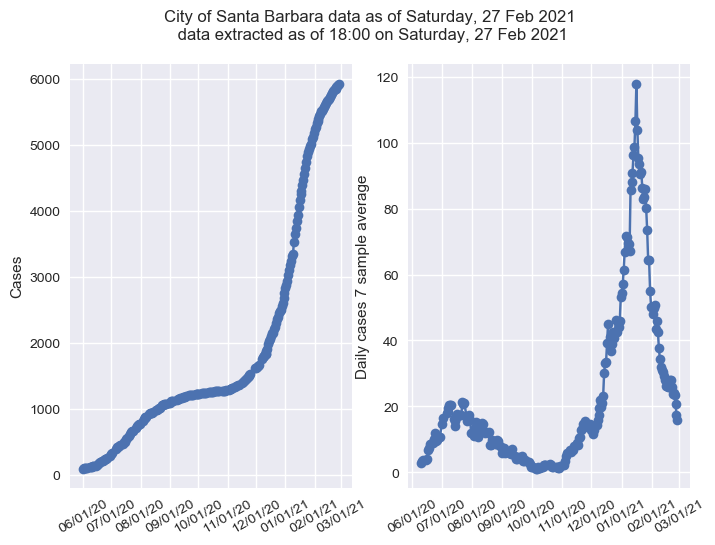
Leon Balents is a Professor at the Kavli Institute for Theoretical Physics (KITP) and holds the Yzurdiaga Chair of Theoretical Physics at the University of California Santa Barbara (UCSB). He is a leading theoretical physicist in quantum materials, with affiliations including co-director of the CIFAR Quantum Materials program, a Fellow of the American Physical Society, a member of the American Academy of Arts and Sciences, and the National Academy of Sciences. His work bridges theory and experiment in condensed matter physics, focusing on systems like quantum spin chains, twisted bilayer graphene, and magnetic 2D materials. Bachelor’s in Physics and Mathematics, MIT PhD in Physics, Harvard University (1994) Dr. Balents is renowned for pioneering the theory of Coulomb interactions in quantum wires, discovering 3D topological insulators, and establishing Weyl semimetals. His research spans quantum spin liquids, topological spintronics, Van der Waals materials, and non-equilibrium probes of quantum systems. He collaborates extensively with experimentalists at UCSB, including Stephen Wilson, Susanne Stemmer, and Andrea Young, and leads efforts in the UCSB Quantum Foundry and the Simons Collaboration on Ultra-Quantum Matter. Scientific Awards and Honors : Fellow, American Physical Society Member, American Academy of Arts and Sciences Member, National Academy of Sciences Co-Director, CIFAR Quantum Materials Program Students and Collaborators : Kasra Hejazi, Chunxiao Liu, Mitchell Bordelon, and postdocs like Wenjie Ji and Jong Yeon Lee contribute to his group’s work. He teaches graduate-level condensed matter physics and leads virtual workshops on quantum materials. His GitHub projects, including a covidSB repository , reflect his interdisciplinary interests beyond physics.
Panying Rong, Ph.D. is an Assistant Professor in the Department of Speech-Language-Hearing: Sciences & Disorders at the University of Kansas , within the College of Liberal Arts and Sciences. Her research focuses on the neuromechanical basis of motor speech disorders and the development of quantitative tools for speech assessment. Primary Affiliation: University of Kansas Department: Speech-Language-Hearing: Sciences & Disorders Academic Rank: Assistant Professor Email: prong@ku.edu Research Interests Dr. Rong’s work investigates the biomechanical and neurological mechanisms underlying speech impairments in neurodegenerative diseases like ALS and Parkinson’s. Key areas include: Mechanistic modeling of speech motor control Development of data-driven speech diagnostics Acoustic and kinematic analysis of bulbar disorders Compensatory articulatory strategies in speech pathologies Temporal structuring of speech signals Integration of multimodal assessments for neurological conditions Article Trends Her recent publications emphasize automated, multimodal frameworks for assessing bulbar ALS, neuromechanical biomarkers, and cultural-linguistic influences on speech outcomes. Techniques include EMA, EMG, kinematic modeling, and computational analysis of speech subsystems.
Scott Taylor is an Associate Professor and Director of the Mountain Research Station at the University of Colorado Boulder’s College of Arts and Sciences. His work bridges evolutionary ecology, population genomics, and speciation in birds, particularly focusing on hybridization and anthropogenic impacts on species evolution. His research integrates genomics and field experiments to study reproductive isolation, plumage adaptation, and climate resilience in alpine and arctic songbirds. Recent projects include the Boulder Chickadee Study and hybrid zone expansions in titmice. 2025 : CU Boulder Faculty Excellence Award in Leadership & Service 2023 : RIO Faculty Fellow community talk on evolution and curiosity Scott’s publications (2021–2025) highlight hybridization mechanisms, climate adaptation, and anthropogenic influences across ornithology and evolutionary biology journals. His lab supports undergraduate and graduate research, including UROP-funded projects on avian pox and cognitive evolution.
Geneive Henry is a Jamaican-American chemist and the Charles B. Degenstein Professor of Chemistry at Susquehanna University since 2017. She received her Ph.D. in Organic Chemistry (1998) and B.Sc. in Chemistry (First Class Honors, 1993) from the University of the West Indies (Mona). Her academic journey includes postdoctoral fellowships at Harvard University and the University of Rhode Island, and visiting appointments at Lincoln University. Her research focuses on natural product and medicinal chemistry , particularly investigating antioxidant mechanisms, enzyme inhibition (tyrosinase, SARS-CoV-2 Mpro), and anticancer properties of chromene, quinoline, and thymol derivatives. She has secured multiple NSF and Cottrell grants for NMR instrumentation and chemical investigations of Pennsylvania Hypericum species. 2024 : CUR Fellows Award for Undergraduate Research Leadership 2020 : CUR Outstanding Mentorship Award 1998 : IODE Fellowship (Canada), Best Ph.D. Poster & Thesis (UW-I) She has mentored over 40 undergraduate researchers and co-authored 15+ peer-reviewed publications with students since 2015. Her work spans bioinorganic chemistry , pharmacognosy , and computational drug design , with recurring themes in antioxidant activity , DNA interaction studies , and metal complexation .
Helder Carvalho is an Associate Professor at the University of Minho's School of Engineering, Campus de Azurém, where he also serves as Director of the Department of Textile Engineering and Director of the Master's program in Textile and Accessories Product Design and Innovation. His academic career spans over three decades, with a focus on textile engineering and its intersection with electronics and automation systems. His educational background includes: PhD in Textile Engineering (2004) from University of Minho, School of Engineering MSc in Textile Engineering (1998) from University of Minho, School of Engineering BSc in Electrotechnical and Computer Engineering (1992) from University of Porto, Faculty of Engineering Professor Carvalho's research primarily focuses on smart textiles, textile sensors, and instrumentation systems for industrial sewing machines. His work bridges the gap between traditional textile manufacturing and modern electronics, creating innovative solutions for interactive textiles and wearable technology. He has particular expertise in developing flexible sensors that can be integrated into fabrics for applications ranging from sports performance monitoring to healthcare. His recent publications demonstrate a strong trend toward sports applications of smart textiles, with numerous papers on fencing apparel, karate body protectors, and general athletic performance monitoring. The research spans material science, sensor development, and user experience design, showing a comprehensive approach to creating functional and attractive smart textile products. Professor Carvalho has received recognition through research funding from major institutions: BE@T Bioeconomy Textile and Clothing (current) Greenauto - Green Innovation for the Automotive Industry (current) Factor ST+ (2021-2023) FAMEST (2017-2020) TSSIPRO (2016-2019) He has directed multiple academic programs including the Master's in Textile and Accessories Product Design and Innovation, and coordinated educational initiatives like the CET 'Fashion Commerce' program. His work at the Textile Science and Technology Centre demonstrates a commitment to translating research into practical applications across sports, healthcare, and industrial manufacturing sectors.
Professor Robert G. Leigh holds a position in the Department of Physics at the University of Illinois at Urbana-Champaign, where he has been a faculty member since 1996. His research spans theoretical high energy physics, quantum gravity, and quantum information science, with significant contributions to string theory and its applications. Leigh received his bachelor's degree in theoretical physics from the University of Guelph in 1986 and completed his Ph.D. in theoretical particle physics at the University of Texas at Austin in 1991. Following postdoctoral appointments at the Institute for Particle Physics at the University of California, Santa Cruz and at Rutgers University, he joined the University of Illinois faculty. Professor Leigh's work lies at the heart of current efforts to build a fundamental theory of matter, including quantum gravity effects. His research primarily focuses on using gauge/gravity dualities (or holography) to study the physics of strongly coupled gauge theories and the strong coupling dynamics in condensed matter systems. His most notable contributions include the discovery of D-branes and orientifolds in string theory, the first example of superstring duality, and the derivation of the Dirac-Born-Infeld action describing the dynamics of D-branes. D-branes correspond to non-perturbative states unique to string theory and are analogous to magnetic monopoles in field theory. The study of D-branes is fundamental to modern string theory and its applications to particle physics, mathematics and condensed matter physics. His most recent publications demonstrate a continued focus on quantum entanglement, Chern-Simons theory, and the intersection of quantum information with gravitational physics. His work shows an evolution from fundamental string theory discoveries toward applications in condensed matter physics and quantum information through holographic methods. Fellow, American Physical Society (2007) Arnold O. Beckman Award, UIUC (December 2004) Outstanding Junior Investigator, DOE (1997-2000) Professor Leigh has taught advanced courses including Quantum Mechanics I & II, General Field Theory, Advanced Field Theory, and specialized topics in AdS/QFT Correspondence. His research program has been supported by various grants from the Department of Energy and other funding agencies. He has mentored numerous graduate students and postdoctoral researchers, contributing significantly to the next generation of theoretical physicists. His work continues to bridge multiple areas of theoretical physics, connecting string theory with quantum information science, condensed matter physics, and gravitational physics through the powerful framework of holography and gauge/gravity dualities.
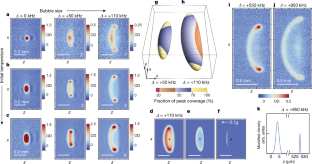
Smitha Vishveshwara is a Professor in the Department of Physics at the University of Illinois at Urbana-Champaign. She holds affiliations with the university’s Materials Research Laboratory and Beckman Institute. Her interdisciplinary work bridges quantum condensed matter theory, biophysics, and artistic expression. PhD in Theoretical Physics (University of California, Santa Barbara, 2002) Postdoctoral Researcher (2002–2005) in the Department of Physics at UIUC Her research focuses on quantum systems, including: Strongly correlated systems in low dimensions (Luttinger liquids, induced superconductivity in nanotubes) Topological order and Majorana fermions in superconductors Quench dynamics in spin chains and optical lattices Microgravity Bose-Einstein condensates and quantum bubbles Biophysics applications (protein networks via percolation theory) Gravitational parallels in quantum Hall systems Recent publications reveal trends in quantum Hall interferometry, Majorana detection schemes, and microgravity condensate dynamics. Awards include the NSF CAREER Award, Simons Fellowship, and APS Fellowship. She teaches courses like “Where the Arts Meets Physics” and has co-created art-science projects such as Quantum Voyages and Quantum Rhapsodies .
Mathias Benedek is an Associate Professor at the Institute of Psychology, Faculty of Natural Sciences, University of Graz, Austria. He directs the Creative Cognition Lab and is actively involved in several research networks, including the "Complexity of Life" profile area, the "Brain and Behavior" research network, and the "FUTURE EDUCATION" research network at the University of Graz. His research focuses on the cognitive and neural mechanisms underlying creative thinking, with particular emphasis on the role of memory processes, metacognition, and eye movement patterns during creative ideation. Dr. Benedek's work bridges psychological theory with empirical research methods including eye tracking, neuroimaging, and computational modeling of creative processes. His research has important implications for understanding how creative potential develops and how it can be assessed and nurtured in educational and professional contexts. Dr. Benedek's publication record demonstrates a consistent focus on creative cognition across multiple dimensions. His recent work has expanded into emerging areas such as human-AI collaboration for creative tasks, automated assessment of creativity using large language models, and the relationship between physical activity and creative performance. His research shows a strong trajectory toward more ecologically valid methods for studying creativity in real-world contexts, moving beyond traditional laboratory paradigms. Seraphine Puchleitner Anerkennungspreis (PhD Supervision Award), University of Graz, 2021 William-Stern-Preis, German Psychological Society, 2019 Research Prize, University of Graz, 2017 Research Prize (Publication Category), Initiative Gehirnforschung, 2016 Berlyne Award, Division 10, American Psychological Association, 2015 Dr. Benedek has demonstrated strong commitment to mentoring the next generation of researchers, as evidenced by his 2021 PhD Supervision Award. His research has been supported by multiple grants from national and international funding bodies, though specific grant details are not provided in the available information. His professional service includes leadership roles in the Initiative Gehirnforschung Steiermark since 2010 and active membership in several psychological societies across Europe and North America. Dr. Benedek leads the Creative Cognition Lab at the University of Graz, which employs a multidisciplinary approach to studying creative processes. The lab integrates methods from cognitive psychology, neuroscience, and computational modeling to investigate the mechanisms underlying creative thought. Current research projects examine the relationship between eye movements and internal cognitive processes, the development of automated assessment tools for creativity, and the application of creativity research to educational contexts.