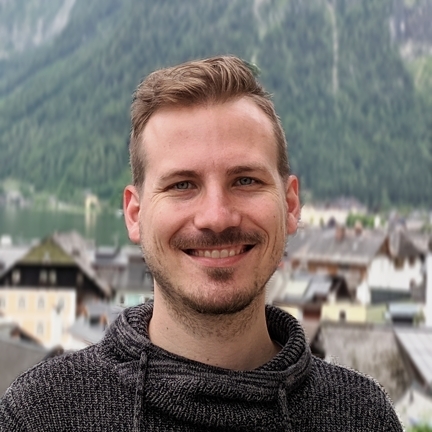
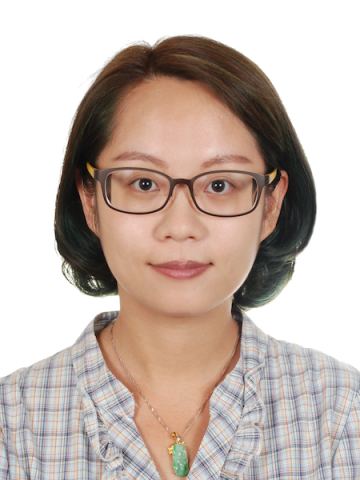
Nikolaus (Nik) Fortelny is a Group Leader in Computational Biology at the University of Salzburg, Austria, where he leads the Computational Systems Biology research group within the Department of Biological Sciences & Medical Biology. His research focuses on understanding biological systems at the molecular level through advanced computational approaches. Dr. Fortelny's research interests include: Computational Systems Biology Multi-omics data integration and analysis Single-cell and spatial biology Machine learning applications in biology Network science approaches to biological regulation Immune system modeling His recent publications demonstrate a strong focus on applying computational approaches to understand complex biological systems, particularly in immunology and cellular regulation. His work often involves collaboration with experimental biologists to generate and analyze large-scale datasets from multi-omics experiments collected at single-cell or spatial resolution. Dr. Fortelny is actively involved in research recruitment and is currently hiring for professor positions in Medical Systems Biology and Animal Physiology at the University of Salzburg, with an application deadline of April 19th, 2025. His group regularly seeks students, PhD candidates, postdocs, and staff scientists to join their team.
Ivan Viola is an Associate Professor at the Institute of Computer Graphics and Algorithms, part of the Faculty of Informatics at TU Wien, Austria. He holds a leave of absence until December 2024 while also being affiliated with King Abdullah University of Science and Technology (KAUST) as an Associate Professor funded by the Vienna Research Groups program. His research focuses on visualization techniques in medicine, biological sciences, and earth sciences, with a specialty in illustrative visualization and DNA-nanotechnology applications. Viola has contributed over 100 scientific works and serves as a reviewer and panelist for major conferences in computer graphics and visualization. Education: M.Sc. (2002) and Ph.D. (2005) in Computer Graphics from TU Wien. Postdoctoral research at the University of Bergen (2006-2011), where he became Full Professor before returning to TU Wien. Research Interests: Whole-cell visualization Molecular modeling Interactive 3D environments Biomedical visualization Data-driven colormap techniques Awards: IEEE VIS 2017 Best Paper Honorable Mention, 'Best Overall Concept' for CellView, and multiple visualization awards. Active in EuroVis and IEEE VIS organizing roles. Grants & Supervision: Leads the Visualization Group at TU Wien, supervising student projects and master’s theses. Involved in grants like the Vienna Research Groups program. Labs/Teams: Visualization Group at TU Wien, collaborating on projects like CellView and Molecumentary.
Craig Gotsman is a Professor and Dean at the Ying Wu College of Computing, New Jersey Institute of Technology. He previously held roles at Cornell Tech, Technion, ETH Zurich, and MIT. His research focuses on computational geometry, computer graphics, and 3D animation. Ph.D. in Computer Science, Hebrew University of Jerusalem (1991) His work spans geometric modeling, mesh processing, and applications in animation and visualization. Recent research trends include gaze correction in video conferencing, mesh parameterization, and spectral compression techniques. Notable awards include Fellowships in the US National Academy of Inventors and the Academy of Europe, multiple best paper awards, and the Technion's Hewlett Packard Chair in Computer Engineering. Gotsman has mentored over 50 postgraduate students and holds ten US patents. He co-founded three companies: Virtue 3D Inc. (acquired by NVIDIA), Estimotion Inc. (now ITIS Israel Ltd.), and CatchEye.
University of Natural Resources and Life Sciences ViennaAustria
Daniel Dörler is a Senior Scientist at the Institute of Zoology, University of Natural Resources and Life Sciences, Vienna (BOKU), where he has been employed since 2019. His academic background includes a doctorate in Natural Resources and Life Sciences from BOKU and studies in Biology/Zoology from the University of Vienna. He is a leading figure in the Austrian and European citizen science movement, with a focus on biodiversity, road ecology, and public engagement in science. Institution: University of Natural Resources and Life Sciences, Vienna (BOKU) Department: Institute of Zoology Position: Senior Scientist (wissenschaftlicher Mitarbeiter) Email: daniel.doerler@boku.ac.at ORCID: 0000-0003-2056-4084 Daniel Dörler’s research interests center on citizen science, biodiversity monitoring, and ecological research, particularly in urban and road environments. He investigates the role of public participation in data collection for scientific research and conservation, with a focus on roadkill and amphibian populations. His work bridges ecology, social science, and science communication, emphasizing the transformative potential of citizen science for both science and society. He is deeply involved in methodological development, quality criteria, and the scalability of citizen science projects. His recent publications demonstrate a strong trend towards the integration of technology, policy, and community engagement in citizen science. Works such as automated species detection for anurans, roadkill hotspot analysis, and the development of scalability toolkits highlight a move towards data-driven, policy-relevant, and ethically sound citizen science. The articles consistently focus on practical applications, project design, and the societal impact of participatory research, spanning sub-fields like conservation biology, bioacoustics, and science policy. Daniel Dörler has received numerous scientific awards, reflecting his excellence in research, teaching, and public outreach: 2023: Ars Docendi Award for excellent teaching, Honorary Mention for the Roadkill project (EU Citizen Science Prize), and multiple awards for co-supervised Master’s theses. 2022: Sustainability Award from Austrian Federal Ministries. 2017: BOKU Sustainability Prize and recognition as a Pioneer of Open Innovation in Science. 2018: Nomination for the National Animal Welfare Prize. Dörler is a principal investigator and project leader on numerous research grants from the European Commission, Austrian Science Fund (FWF), and national agencies. He is a key figure in the Citizen Science Network Austria and the platform "Österreich forscht." He frequently presents at international conferences, contributes to policy discussions, and mentors students. His collaborative work with Florian Heigl and others has established a robust network for citizen science in Austria and beyond. Daniel Dörler is a core member of the Citizen Science Network Austria and leads multiple projects such as "Leading Lights," "STEM education," and "Explore Research from East to West in Austria." He is also deeply involved in the "Roadkill" project and the "AmphiBiom" initiative for amphibian conservation. His work fosters a collaborative environment that brings together researchers, citizens, and policymakers to address pressing environmental challenges.
Jozsef Csicsvari is a Professor at the Institute of Science and Technology Austria (ISTA), where he leads a research group focused on Systems Neuroscience since 2011. Prior to this, he held positions as MRC Senior Scientist at the University of Oxford (2003-2011) and Postdoctoral Fellow at Rutgers University (1999-2002). His academic journey began with a PhD in Behavioral and Neural Sciences from Rutgers University in 1999 and a Diploma in Informatics from the Technical University of Budapest. His research interests center on memory formation and neuronal circuit mechanisms , particularly how hippocampal networks implement spatial learning and memory stabilization . His group investigates the mnenomic role of neuronal populations in brain regions involved in spatial memory, using optogenetics and multi-neuronal recordings during spatial tasks and sleep. Key themes include hippocampal oscillations , cell assembly interactions , and neuronal plasticity . Scientific trends in his recent publications reveal a deep exploration of theta oscillations , hippocampal-prefrontal interactions , and spatial memory coding . His work employs optogenetic techniques to dissect neuronal circuit dynamics and memory reactivation mechanisms. Honors and Awards include the ERC Starting Grant (Consolidator level) and the Title of Professor in Neuroscience at the University of Oxford. His advisory role extends to 6 PhD students and postdoctoral researchers at ISTA. He also contributes to scientific governance as Head of IST Animal Welfare Council and Editorial Board member of PLOS Biology.
Ahmet Tekalp is a Professor in the Department of Electrical and Computer Engineering at Koc University's College of Engineering since 2001. He holds dual citizenship in Turkey and the USA, with prior academic roles at the University of Rochester (1986-2005) and research positions at Eastman Kodak (1984-1987) and Rensselaer Polytechnic Institute (1981-1984). He chairs the Electronics and Informatics Group at TUBITAK since 2004 as a part-time position. B.S. (1980) in Electrical Engineering & Mathematics, Bogaziçi University M.S. (1982) and Ph.D. (1984) in Electrical, Computer, and Systems Engineering, Rensselaer Polytechnic Institute His research focuses on digital image and video processing, including video compression, motion-compensated filtering for high-resolution applications, video segmentation, object tracking, content-based video analysis, multi-camera surveillance processing, and digital content protection. He has led numerous European and U.S. grants, including FP7 STREP projects and NSF awards, emphasizing applications in sensor networks, visual databases, and medical imaging. His scholarly work spans diverse areas such as superresolution reconstruction, head gesture animation, 3DTV streaming, and reversible data hiding. He has played pivotal roles in editorial boards, including serving as Editor-in-Chief of Signal Processing: Image Communication, and has contributed to major standards bodies like ISO MPEG and ANSI NCITS. Member, Turkish Academy of Sciences (TUBA) Fellow, IEEE Fulbright Senior Scholarship (1999) TUBITAK Science Award (2004) IEEE Signal Processing Society Distinguished Lecturer (1998) He has led multiple international research collaborations and projects, including European FP6/FP7 networks and NATO programs, with substantial grant funding from NSF, NYSTAR, and industry partners like Eastman Kodak, Xerox, and Siemens.
Institute of Science and Technology AustriaAustria
Chris Wojtan is a Professor at the Institute of Science and Technology Austria (ISTA) , leading the Visual Computing Group . His research focuses on geometric and numerical algorithms for computer animation and geometry processing , particularly in simulating solid and fluid dynamics , controlling physics simulations, and computing with 3D shapes. Research Interests : Computer Animation, Geometry Processing, Fluid Dynamics, Solid Mechanics, 3D Shape Processing. Notable Awards : ERC Consolidator Grant (2022) SIGGRAPH Significant New Researcher Award (2016) Eurographics Young Researcher Award (2015) ERC Starting Grant (2014) Education : PhD in Computer Science from Georgia Institute of Technology (2010). Funding : Recipient of NSF Graduate Research Fellowship (2005-2008), and principal investigator for ERC grants.
Institute of Science and Technology AustriaAustria
Georg Sperl is a research scientist at CLO Virtual Fashion . He holds a PhD in physics-based simulation from the Institute of Science and Technology Austria (IST Austria) , where he was supervised by Chris Wojtan . His research focuses on physics-based animation of natural phenomena like cloth, yarns, granular media, and fluids, emphasizing multi-scale simulation techniques. Education: BSc and MSc in Visual Computing from the Technical University of Vienna , followed by a PhD at IST Austria. His work bridges computational mechanics and visual detail through methods like numerical homogenization. Notable achievements include the SIGGRAPH Outstanding Doctoral Dissertation Award (Honorable Mention) and the Eurographics PhD Award . His research has advanced yarn-level cloth simulation, thin-shell mechanics, and inverse modeling of fabric properties. Prior to his current role, he contributed to projects like iCaRL in computer vision.
Angelika Manhart is an Assistant Professor in the Department of Mathematics at the University of Vienna's Faculty of Mathematics. With 26 publications spanning from 2014 to 2025, she has established herself as a leading researcher at the intersection of mathematical modeling and biological processes. Her work bridges rigorous mathematical analysis with biological insight to address fundamental questions in cellular mechanics and dynamics. Dr. Manhart's research focuses on mathematical biology, particularly the mechanics of cellular processes including cell movement, cytoskeletal dynamics, and tissue morphogenesis. She specializes in developing computational frameworks that capture the intricate interplay between physical forces and biological functions at the cellular level. Her work explores how mathematical models can elucidate complex phenomena such as actin network dynamics, nuclear positioning in muscle cells, and epithelial tissue formation. She employs techniques from partial differential equations, dynamical systems theory, and computational mathematics to address biological questions across multiple scales. Her publication record reveals a consistent trajectory of increasingly sophisticated modeling approaches, with recent work incorporating machine learning techniques and multiscale modeling. The research spans diverse biological contexts including wound healing, muscle development, microbial communities, and epithelial morphogenesis, demonstrating the versatility of mathematical approaches in biological inquiry. Several of her papers have received significant citations, with 'Nuclear Scaling Is Coordinated among Individual Nuclei in Multinucleated Muscle Fibers' (2019) accumulating 49 citations and 'Intracellular Fluid Mechanics: Coupling Cytoplasmic Flow with Active Cytoskeletal Gel' (2018) receiving 83 citations. Dr. Manhart actively collaborates with experimental biologists across institutions, as evidenced by her co-authorship with researchers from various biological disciplines. Her work has been presented at conferences including talks on 'Alignment processes in cells - From individual interactions to collectivity' (December 2024) and earlier presentations on 'Model and Simulation of Actin-dependent Cell Movement' (2014), reflecting her continued engagement with both theoretical and applied aspects of her field.
Hsiang-Yun Wu is a Research Fellow at the Computer Graphics department of Vienna University of Technology (TU Wien), actively contributing to information visualization and visual analytics. Her work spans biological network visualization, graph drawing, schematic network maps, and data physicalization, with a focus on interactive techniques and human-centric design. Projects: ArtVis (2022–2027) , SANE (2024–2027) , SMGV-Esprit (2024–2027) , and HumAlgo (2018–2023) . Affiliations: Member of the Visualization Group at TU Wien. Her recent publications emphasize uncertainty visualization, network physicalization, and dynamic graph representations. Notably, she received the EuroVis 2019 Honorable Mention Award for optimizing stepwise animations. Wu supervises diploma theses in areas like metabolic pathway visualization and semantic-aware character animation. Key research trends include integrating biological data with urban-style schematic maps ( Metabopolis ), physicalization workflows for anatomical education ( Slice and Dice ), and mixed labeling strategies in 3D environments.
Sten Grillner is a renowned Professor and Director of the Nobel Institute for Neurophysiology at the Karolinska Institutet. He holds a Dr of Medicine and PhD in Neurophysiology from the University of Göteborg (1969). His research focuses on the cellular and network mechanisms underlying vertebrate motor behavior, particularly locomotion. Grillner has served as Chairman of the Department of Neuroscience (1993-2000) and led the Network program for Neuroscience/Psychiatry at KI (1996-2006). He is a member of prestigious academies, including the Royal Swedish Academy of Sciences and the National Academy of Sciences (USA). Key research interests include spinal cord circuits, neural oscillations, and evolutionary conservation of basal ganglia. Grillner has supervised over 50 PhD students, contributing to groundbreaking studies on lamprey locomotion and neural network dynamics. Awards include the Kavli Prize in Neuroscience (2008) and the Royal Swedish Academy's Florman award (1977). His work integrates experimental and computational approaches to understand how neural circuits generate complex behaviors. Awards: Kavli Prize, Royal Swedish Academy Fellow, Member National Academy of Sciences Leadership: Nobel Assembly member (1988-2008), Nobel Committee roles Global collaborations: Editorial boards for journals like Neuron and European Journal of Neuroscience Labs: Nobel Institute for Neurophysiology, leading neuroinformatics initiatives
Gerhard A. Holzapfel is a Full Professor of Biomechanics and Head of the Institute of Biomechanics at Graz University of Technology (Austria) since 2007. He holds adjunct and visiting positions at KTH Royal Institute of Technology (Sweden) and the University of Glasgow (Scotland). His academic journey includes a PhD in Mechanical Engineering from Graz University of Technology, a Habilitation from TU Vienna (1996), and prestigious awards such as the START-Award (1997) and the Warner T. Koiter Medal (2021). His research focuses on constitutive modeling of biosolids, nonlinear continuum mechanics, and medical image processing. Notable contributions include studies on arterial wall mechanics, fibrous tissue behavior, and computational biomechanics. Holzapfel leads interdisciplinary teams exploring mechanobiology, vascular pathologies, and biomaterials, with applications in cardiovascular engineering and disease modeling. Education: PhD in Mechanical Engineering, Graz University of Technology Habilitation, TU Vienna (1996) Research Highlights: Multi-scale modeling of biological tissues Biaxial mechanical testing and microscopy integration Computational fluid-structure interaction (FSI) in vascular systems Biomechanical implications of medical interventions (e.g., stents, angioplasty) Awards: Warner T. Koiter Medal (2021) Corresponding Member, Austrian Academy of Sciences (2012) Erwin Schrödinger Prize (2011) START-Award (1997) Labs & Teams: Leads the Institute of Biomechanics at TU Graz, collaborating with international teams on vascular biomechanics and mechanobiology.
Gerhard Sommer is an Associate Professor at the Institute of Biomechanics, Graz University of Technology (Austria), where he has held academic positions since 2003. He is also Vice Dean of Studies for Biomedical Engineering and Doctoral School, and has served as Deputy Head of the Institute since 2014. His expertise spans cardiovascular biomechanics, arterial properties, and material modeling of biological tissues. Education: PhD (2008, TU Graz), Habilitation (2021). Key professional milestones include tenure as Assistant Professor (2018–2023) and Senior Postdoctoral Researcher (2013–2018). He has conducted research at the Royal Institute of Technology (KTH), Sweden, and held visiting professorships in France, Germany, and Croatia. Research focuses on mechanical properties of arteries, atherosclerosis mechanisms, and computational modeling of soft tissues. Notable contributions include studies on homocysteine-induced aortic stiffening and the development of a Cardiac Simulation Device. His work integrates experimental and computational approaches to understand disease progression. Grants include leadership of Austrian Science Fund (FWF) projects on arterial biomechanics and aortic dissection. Awards include the 2022 Best Collaborative Paper Award and the 2014 Inventum Award. Labs: Manages the Biomechanics Laboratory since 2007. Current projects involve investigating B-vitamin deficiency effects on arteries and developing iMooc courses like MetSy for metabolic syndrome education.
Gerhard Holzapfel is a Professor at TU Graz's Department of Biomechanics. His research focuses on biomechanics of soft biological tissues, cardiovascular systems, and advanced material modeling. He leads the Institute of Biomechanics, conducting experimental and computational studies on tissue mechanics, vascular diseases, and medical device design. Education : Details not explicitly provided in source text. Research Interests : Dr. Holzapfel's work spans constitutive modeling of soft tissues, computational fluid dynamics (CFD) in vascular systems, mechanobiology of cells and tissues, and biomaterials. He emphasizes translating biomechanical insights into clinical applications such as endovascular devices and surgical simulations. His studies often integrate microstructural analysis with macroscopic mechanical behavior to understand pathologies like atherosclerosis and aortic dissection. Publications : Recent work highlights advancements in fiber dispersion models for skin mechanics, Bayesian frameworks for material calibration, and CFD-driven evaluations of TEVAR (thoracic endovascular aortic repair). His articles emphasize predictive modeling of tissue behavior under various loading conditions, with applications in cardiology and regenerative medicine. Awards : No specific honors or fellowships mentioned in the provided text. Advising & Grants : No student/advisor relationships or grant details explicitly listed. The Institute of Biomechanics likely supports collaborative projects in biomechanical engineering and medical research. Labs/Teams : Director of TU Graz's Institute of Biomechanics, leading interdisciplinary teams in biomechanics, material science, and computational modeling. Collaborates with clinical partners on vascular biomechanics and surgical device development.
Hans-Peter Seidel is a leading academic in computer graphics, serving as Director of the Max Planck Institute for Informatics and Full Professor at Saarland University since 1999. Previously held roles include Full Professor at University of Erlangen (1992–1999) and Assistant Professor at University of Waterloo (1989–1992). Holds a PhD in Mathematics (1987) and Habilitation in Informatics (1989) from University of Tübingen. Research focuses on 3D image analysis, digital geometry processing, visual computing, and free viewpoint rendering. Key achievements include pioneering work in surface editing, motion capture, and multi-view video processing. Has organized major conferences like Eurographics and SIGGRAPH, serving as editor for journals including IEEE TVCG and Computer Aided Geometric Design. Recipient of the Eurographics Distinguished Career Award (2012), Gottfried Wilhelm Leibniz Prize (2003), and numerous fellowships. Led initiatives such as the Cluster of Excellence on Multimodal Computing and Interaction (M2CI) and the Max Planck Center for Visual Computing and Communication (MPC-VCC). Active in academic leadership roles including Eurographics Chair and DFG committees. Publications span over 30 SIGGRAPH and 50 Eurographics contributions, with an h-index of 62 and 14,000+ citations. Recognized as a top-cited researcher in computer graphics. Current research explores advanced visualization techniques and geometric modeling innovations.