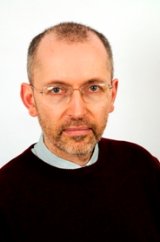
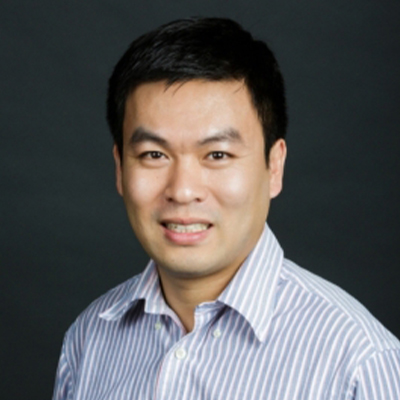
Thomas Seidel is a Professor in the Department of Pharmaceutical Sciences at the Faculty of Life Sciences. His research focuses on computational methods for drug discovery, including pharmacophore modeling, virtual screening, and ligand-receptor interaction analysis. He has contributed to the development of tools like GRADE/X-GRADE, PharmacoMatch, and QPhAR for enhancing the efficiency and accuracy of drug design processes. His work integrates molecular dynamics simulations, machine learning, and structure-based approaches to address challenges in neuropharmacology and medicinal chemistry. Key areas include GABAA receptor modulation, metabolite prediction, and the optimization of lead compounds for drug targets such as the large neutral amino acid transporter 1 (LAT1). Seidel’s collaborative projects span academic and industrial partnerships, with a focus on advancing predictive toxicology through initiatives like the NeuroDeRisk toolbox. His research consistently bridges computational methodologies with experimental validation, emphasizing translational applications in drug development.
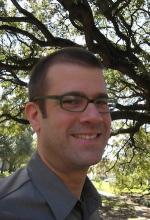
Dan Rathbone is a Senior Lecturer in Pharmaceutical Sciences at the Aston Pharmacy School, part of the College of Health and Life Sciences at Aston University. He leads the Pharmaceutical & Clinical Pharmacy Research Group (PCPRG) and holds a PhD from Warwick University (1987) and a BA from Oxford University (St Edmund Hall). His research focuses on antimicrobial compound design, transglutaminase inhibitors, and computational methods in pharmaceutical formulations. He teaches chemical aspects of pharmacy in the MPharm program and drug design/discovery in MSc courses. Research Interests: Design/synthesis of antimycobacterial compounds, computer-aided drug design, nanoparticulate drug delivery targeting the CNS, and transglutaminase inhibitors. His work bridges synthetic chemistry with computational modeling, addressing challenges in antimicrobial resistance and targeted drug delivery. Recent publications explore molecular dynamics simulations of antibiotic resistance mechanisms (2023), antibiotic combinations for mycobacterial infections (2020), neuroblastoma-targeted drug delivery (2019), and enzyme inhibition mechanisms (2018). Supervised 14 academic works to date with a focus on drug design and formulation science.
Jack Taunton is a Professor at the University of California San Francisco (UCSF) School of Medicine, where he leads a research laboratory focused on developing chemical and biochemical tools to study cellular processes relevant to cancer and autoimmune disease. His work bridges chemistry, biochemistry, and medicine with a strong emphasis on translational research. His educational background includes: B.S. in Chemistry from Trinity University (1989) Ph.D. in Chemistry from Harvard University (1996) Postdoctoral training in Cell Biology at Harvard Medical School (1996-2000) Dr. Taunton's research spans several interconnected areas in chemical biology and drug discovery. His laboratory is particularly known for pioneering work in covalent inhibitor design , with major contributions to the development of selective kinase inhibitors including the first reversible covalent BTK inhibitors now in clinical trials. Another major research thrust involves cotransins , a family of cyclic depsipeptides that inhibit protein secretion by targeting the Sec61 translocon, representing a novel mechanism for potential cancer therapeutics. His work often combines chemical synthesis, biochemical analysis, structural biology, and cellular studies to develop tools that illuminate fundamental biological processes with therapeutic potential. Analysis of his recent publications (2015-2023) reveals a consistent focus on chemical biology approaches to target challenging proteins, particularly through innovative covalent modification strategies. His work has evolved from early kinase inhibitor development to more sophisticated approaches targeting protein synthesis machinery (eEF1A, ribosomes) and protein secretion pathways. A unifying theme across his publications is the development of chemical probes that reveal new biological mechanisms while simultaneously establishing therapeutic potential. His research group employs a multidisciplinary approach combining synthetic chemistry, proteomics, structural biology, and cell-based assays. His significant scientific recognitions include: National Science Foundation Predoctoral Fellowship (1990) Eli Lilly and Co. Predoctoral Fellowship Award (1993) Life Sciences Research Foundation Postdoctoral Fellowship (1996) Searle Scholar (2002) Alfred P. Sloan Fellow (2003) Brook Byers Award (2007) Howard Hughes Medical Institute Investigator (2010-present) Excellence in Teaching Award, UCSF School of Medicine (2018) Breakthrough Science Initiative Award from the Ono Pharma Foundation As an HHMI Investigator since 2010, Dr. Taunton has received substantial research support to pursue high-risk, high-reward projects at the chemistry-biology interface. His laboratory has trained numerous graduate students and postdoctoral fellows who have gone on to successful careers in academia and industry. His work on reversible covalent inhibitors has led to clinical candidates, demonstrating successful translation of basic research to therapeutic applications. The laboratory maintains strong collaborations with medicinal chemists, structural biologists, and clinicians to advance their discoveries toward therapeutic applications. Dr. Taunton's laboratory is a hub for chemical biology research at UCSF, with a particular emphasis on developing chemical tools that address previously "undruggable" targets. The lab combines expertise in synthetic chemistry, chemical proteomics, structural biology, and cell biology to develop novel therapeutic strategies. Current research directions include improving the selectivity of covalent inhibitors, developing new approaches to target protein-protein interactions, and understanding the fundamental mechanisms of protein synthesis and secretion in disease contexts.
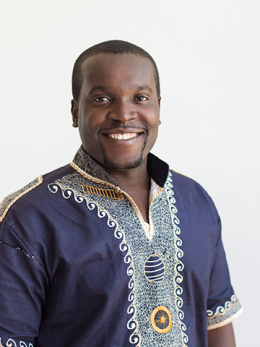
Professor Gunnar Kwakye serves as faculty in the Department of Neuroscience within Oberlin College's College of Arts and Sciences. He teaches specialized courses including Neurotoxicology and Neurodegeneration (NSCI 337), Neurotox Neurodegen Laboratory (NSCI 338), and Neurobiology of Disease (NSCI 381) for Spring and Fall 2025 semesters. His academic credentials include: BS from University of Maryland Eastern Shore PhD from Vanderbilt University Professor Kwakye's research investigates gene-environment interactions in neurodegenerative disorders through molecular genetics, analytical chemistry, pharmacology, and cell biology approaches. His laboratory examines how pesticide and metal exposures interact with genetic factors to trigger neuronal dysfunction, utilizing neuronal and glial cell culture models to characterize disease mechanisms and selective neuropathology. The lab integrates high-throughput screening with toxicological and functional analyses to identify pathological pathways. Collaborative projects within the Kwakye lab focus on innovative therapeutic development, employing computer-aided drug design, genetic editing, and chemical synthesis of organic/inorganic probes to target neurodegenerative diseases and cancer. This multidisciplinary work aims to translate mechanistic insights into neuroprotective strategies for environmentally induced neurological disorders. Mentorship forms a core component of Professor Kwakye's academic role, with undergraduate researchers in his lab pursuing advanced opportunities including Goldwater Scholarships and internships at institutions like the Elahi Lab at Mount Sinai and Johns Hopkins Multiple Sclerosis Center.
Prof. Olimpia Mamula Steiner is an Ordinary Professor at the Haute école d'ingénierie et d'architecture de Fribourg (HEIA-FR), part of the University of Applied Sciences and Arts Western Switzerland (HES-SO). She leads research in synthesis, catalysis, and functional materials development from her office in Fribourg, Switzerland. Her educational background includes: BSc HES-SO in Chemistry from HEIA-FR, specializing in Organometallic Catalysis and Organic Chemistry MSc HES-SO in Life Sciences, focusing on Asymmetric Synthesis Bachelor in Chemistry from the University of Fribourg, with emphasis on Chemistry of d and f metals Prof. Mamula Steiner's research spans multiple chemistry domains with strong focus on stereoselective synthesis, nanoparticle development, and functional materials. Her work bridges fundamental chemical research with practical applications in medical diagnostics, environmental monitoring, and advanced manufacturing. She has pioneered innovative approaches to chiral metal complexes, sensors for hazardous compounds like phosgene, and novel materials for electroluminescent displays, demonstrating exceptional interdisciplinary integration. Her publication record reveals consistent expertise in rhenium anticancer complexes, pinene-based ligand systems, and sensor development. Recent work shows increasing focus on medical applications, particularly in cancer research and diagnostic tools, while maintaining strong foundations in synthetic methodology and materials characterization. The interdisciplinary nature of her research is evident in collaborations spanning chemistry, medicine, engineering, and environmental science. Prof. Mamula Steiner actively mentors students and researchers, having supervised PhD work on pinene-pyridine derivatives and their applications. Her laboratory emphasizes sustainable chemistry approaches, including waste-to-resource conversion and eco-friendly manufacturing processes, reflecting contemporary priorities in green chemistry.
Matthew Jacobson, PhD is the Associate Director of the Quantitative Biosciences Consortium and a Professor in the Department of Pharmaceutical Chemistry at the UCSF School of Pharmacy . He holds a joint appointment in the Department of Bioengineering and Therapeutic Sciences across the Schools of Pharmacy and Medicine. Research in the Jacobson Lab focuses on atomic-level mechanisms of protein regulation and protein-ligand interactions , utilizing physics-based energy models for predictive protein modeling . The lab combines algorithm development with biological applications and computer-aided drug design in projects. He is affiliated with the California Institute for Quantitative Biosciences (QB3) at UCSF, and graduate programs including Biological and Medical Informatics , Biophysics , and Chemistry and Chemical Biology . Contact: matt.jacobson@ucsf.edu | Tel: 415-514-9811 | Office: Byers Hall Rm 408E, 1700 4th St, San Francisco, CA 94143
Özlem Gündoğdu Aytaç is an Associate Professor at the Kaman Vocational School of Kırşehir Ahi Evran University , specializing in Organic Chemistry and Biochemistry . She holds a PhD in Chemistry (2023) and Organic Chemistry (2016) from Atatürk University , alongside a BSc in Chemistry (2012) and Secondary Science Education (2009). Education : PhD in Chemistry (2023), Atatürk University PhD in Organic Chemistry (2016), Atatürk University MSc in Organic Chemistry (2012), Atatürk University BSc in Chemistry (2012), Atatürk University BA in Secondary Science Education (2009), Atatürk University Research Focus : Her work bridges Organic Synthesis , Medicinal Chemistry , and Computational Studies , with emphasis on: Designing Schiff bases and metal complexes for anticancer and neurodegenerative disease applications Enzyme inhibition (carbonic anhydrase, acetylcholinesterase, aldose reductase) Antioxidant properties of hybrid molecules Theoretical calculations (DFT, molecular docking) for reaction mechanisms and drug-target interactions Green chemistry approaches for pharmaceutical and environmental applications Recent Publications highlight trends in isoindole derivatives , thiophene hybrids , and aziridine-containing compounds , with applications in diabetes, cancer, and Alzheimer's research. Her team explores regioselectivity , stereoselective synthesis , and photoluminescent properties through experimental and computational methods. Collaborations span institutions like Atatürk University , Hacettepe University , and İzmir Institute of Technology , with 39 joint projects. She serves in administrative roles such as Center Deputy Manager and Accreditation Committees , and holds memberships in organizations like Chemists Association and Quality Assurance Committees .
Dr. Sertan Aytaç is a full-time Lecturer at Kırşehir Ahi Evran University's Kaman Vocational School in the Food Processing Department since 2013. He holds a PhD in Chemistry from Hacettepe University (2013) and has dual master's degrees in Chemistry (2006) and Business Administration (2014). His academic career includes administrative roles as Department Head (2013-2022) and Vice Director (2015-2018) at Kaman Vocational School. PhD: Hacettepe University , Chemistry (2013) MSc: Hacettepe University , Chemistry (2006) BA: Anadolu University , Business Administration (2014); Niğde Ömer Halisdemir University , Chemistry (2020) His research focuses on organic and pharmaceutical chemistry with applications in food technology and environmental science. Key areas include: Synthesis of Schiff bases for enzyme inhibition Development of green chemistry methods Microwave-assisted synthesis for efficiency Computational modeling of drug interactions Antioxidant and antimicrobial agents from natural sources Environmental applications of chemical compounds Recent articles (2024-2025) emphasize computational drug design for diabetes and neurological diseases, eco-friendly synthesis of thiophene/piperazine derivatives, and environmental remediation of heavy metals. His work often integrates DFT calculations and molecular docking for predictive modeling. Scientific accolades include: TÜBİTAK Yayın Teşvik awards (2008, 2010, 2012, 2023, 2024) Kırşehir Ahi Evran University Academic Incentive Awards (2018, 2023, 2024) He has led 19 research projects since 2005, including "Ahilik Diyarı Bilimle Şenleniyor" (2021) and "Nutritional Profile of Walnut" (2017). Collaborations span 24 researchers, notably with Özlem Gündoğdu-Aytaç (2018-2025) and Emre Yavuzer (2016-2018).
Thomas W. Bell is a Professor in the Department of Molecular Biosciences at the University of Nevada, Reno, with a focus on medicinal chemistry and drug discovery. His research group develops small molecules targeting protein translation and degradation pathways for diseases like HIV, cancer, and autoimmune disorders. Education Ph.D., University College, University of London (F. Sondheimer), 1980 B.S., California Institute of Technology, 1974 NIH Postdoctoral Fellow, Cornell University (J. Meinwald), 1980-1982 His work centers on cyclotriazadisulfonamide (CADA) compounds, initially developed for HIV by targeting the CD4 receptor, now expanded to treat cancer, Graves’ disease, and viral infections like SARS-CoV-2. Key methodologies include organic synthesis, molecular modeling, and proteomics to understand co-translational protein degradation mechanisms. Recent studies explore applications in malaria, substance use disorder, and preterm labor therapies. CADA derivatives show broad utility in protein-specific degradation, with trends in publications emphasizing HIV therapy, ER translocation inhibition, and multi-disease targeting. Collaborations span virology, oncology, and pharmacology disciplines. Scientific Awards NIH Postdoctoral Fellow (1980-1982) AAAS Fellow (1995-present) Korean Chemical Society Plaque of Appreciation (2002) UNR College of Science Senior Scholar Mentor (2006) UNR College of Science Westfall Scholar Mentor (2016) UNR Foundation Established Innovator Award (2018) UNR Outstanding Researcher Award (2021)
Renaud Duval is a Clinical Associate Professor in the Department of Ophthalmology at the University of Montreal's Faculty of Medicine. He directs the Ophthalmology Fellowship Program and leads retinal services at the Centre universitaire d’ophtalmologie (Hôpital Maisonneuve-Rosemont). His clinical practice integrates surgical innovation, medical education, and research supervision for medical students, residents, and fellows. Education: MD CM, McGill University (2006) Residency in Ophthalmology, Université de Montréal (2011) Fellowship in Vitreoretinal Surgery, Rush University/Illinois Retina Associates (2013) His research bridges clinical ophthalmology and technology development. Primary interests include: retinal pathophysiology (age-related macular degeneration, diabetic retinopathy), surgical innovation (new instrument design, vitrectomy techniques), AI integration for automated analysis of OCT/fundus images, and tele-ophthalmology frameworks for remote diagnostics. He co-authored Canadian tele-retina screening guidelines and develops deep learning models for lesion segmentation in retinal imaging. Publications emphasize translational applications: 65% focus on surgical outcomes (vitrectomy mechanics, intraocular pressure dynamics), 25% on AI/imaging diagnostics, and 10% on infectious/inflammatory retinopathies. Recent work demonstrates strong convergence of biomechanical modeling (ocular rigidity) and AI-driven image analysis. Awards & Honors: 6× Rhett Buckler Awards (ASRS Film Festival, 2012-2019) for innovative surgical videos ASRS Junior Achievement Award (2015) Dean’s Honour List (McGill 2006, UdeM 2011) Robert Forsyth/Francis Williams Prizes (McGill, 2006) He leads or co-investigates clinical trials (6+ as PI/co-I) and secured CIHR funding for a 5-year project (2022-2026) developing an OCT-controlled subretinal drug injection system for preclinical research. As director of fellowships, he oversees advanced ophthalmology training programs. Affiliations include the Vision Health Research Network (RRSV), emphasizing collaborative retinal research.
Doğukan MUTLU is an Assistant Professor in the Department of Molecular Biology and Genetics at Uskudar University, Istanbul. With a PhD from Pamukkale University (2022), he specializes in biochemical and pharmacological evaluations of natural and synthetic compounds for anticancer and antimicrobial applications. BSc, MSc, and PhD in Biology from Pamukkale University (2012, 2015, 2022) His research focuses on cancer biology, molecular genetics, and bioinformatics, with particular emphasis on apoptosis induction, biofilm inhibition, and drug development using natural products and metal complexes. His work bridges computational modeling with experimental validation in human cancer cell lines. Recent publications highlight his expertise in iridium/ruthenium complexes, plant-derived extracts (Salvia, Liquidambar), and innovative biomaterials (cryogels, nanofibers). Collaborative projects with international scientists explore multidisciplinary approaches to chemotherapy and antimicrobial resistance. As Deputy Head of Department (2024-2025) and active member of research groups (Nanobiotechnology, Biochemical Computations), he contributes to academic administration while mentoring students and participating in conferences like the International Selcuk Scientific Research Congress (2024).
Gordana Radosavljević is an Associate Professor at the Faculty of Medical Sciences, University of Kragujevac. She is affiliated with the Centre for Molecular Medicine and Stem Cell Research , focusing on Mikrobiologija i imunologija (Microbiology and Immunology). Her academic journey includes a PhD in 2011 and selection to her current rank in 2012. Research Interests: Microbiology, Immunology, Molecular Medicine, Stem Cell Research, Public Health, and Pharmacology. Key Trends: Her work bridges fundamental microbiology with clinical applications, including pharmacological potential of natural compounds, inflammatory pathways in chronic diseases, and biomarker development for cancer prognosis. She also explores societal impacts on health, such as socioeconomic disparities in dental care and drivers' knowledge of medication risks. Technical Expertise: Utilizes advanced equipment for molecular biology, cell culture, and pharmacological testing, as listed in the University's research capacities .
Naiel Nassar, MD , a Clinical Professor at the University of California, San Francisco (UCSF) School of Medicine , serves as Director of the Infectious Diseases Division and Antibiotic Stewardship Director . Based in Fresno, he leads clinical and research initiatives at the Center for AIDS Research, Education and Services (CARES) in Sacramento. Board certified in Internal and Infectious Diseases Completed fellowship at UC Davis Research Interests span Infectious Diseases , HIV/AIDS , Nanoparticle Drug Delivery , and Neuropharmacology . His work integrates Biomedical Engineering for environmental and therapeutic applications, alongside Molecular Biology in cancer and neurodegenerative diseases. Publications highlight collaborations in Public Health , Pharmacology , and Environmental Health . Selected Publications demonstrate expertise in drug synergy , neuroinflammation , and nanotechnology for medicine . Key studies include targeting cancer metabolism , adjuvant therapies in HIV , and nanoscale environmental remediation .
Yong Chen, PhD, is an Assistant Professor of Biostatistics specializing in advanced statistical methodologies for healthcare data analysis. His research bridges biostatistics, machine learning, and real-world evidence generation with significant contributions to federated learning frameworks and meta-analytic techniques. His core research interests include: Statistical methods for electronic health record data Meta-analysis and network meta-analysis Mathematical statistics with healthcare applications Federated learning for decentralized research networks Causal inference methods for observational data Real-world evidence generation in rare diseases Analysis of Dr. Chen's 2025 publications reveals a dominant focus on privacy-preserving distributed analytics for multi-site healthcare studies, particularly through one-shot lossless algorithms (e.g., COLA-GLM). His work demonstrates methodological innovation in addressing unmeasured confounding through negative control calibration and advancing multitask learning frameworks. Key application areas include SARS-CoV-2 sequelae analysis, neuropsychiatric outcomes, and disparities in obesity treatment access, consistently leveraging electronic health records for real-world evidence generation. Scientific recognition: FACMI (Fellow of the American College of Medical Informatics)
MEHMET ÖZASLAN is a Professor in the Department of Biology at Gaziantep University's Faculty of Science and Literature. With a distinguished academic career spanning over three decades, he has established himself as a prominent researcher in molecular biology, genetics, and virology. His work bridges traditional biological sciences with modern medical applications, particularly in cancer research and antimicrobial studies. Prof. Özaslan completed his undergraduate education in Plant Protection at Çukurova University's Faculty of Agriculture (1981-1985), followed by two Master's degrees - one in Plant Protection at Çukurova University (1985-1988) and another in Molecular Biology at The Mediterranean Agronomic Institute of Bari (1986-1987). He earned his PhD in Plant Protection from Çukurova University (1988-1995). He served as an Associate Professor at Gaziantep University from 2000-2008 before being promoted to Professor in 2008, where he continues his work in the Molecular Biology Department. His research interests focus on molecular mechanisms of disease, particularly cancer biology, antimicrobial resistance, and phytochemical applications in medicine. He has made significant contributions to understanding tumor models, DNA repair mechanisms, and the therapeutic potential of plant compounds. His work often integrates computational approaches with experimental biology, as evidenced by his numerous publications on molecular docking and genetic analysis. An analysis of his recent publications (2023-2025) reveals a strong focus on cancer research (particularly breast cancer), antimicrobial resistance, phytochemical applications, and pandemic preparedness. His work spans multiple subfields including molecular oncology, virology, pharmacology, and computational biology, demonstrating an interdisciplinary approach that connects basic science with clinical applications. Prof. Özaslan has been remarkably productive, with 198 listed publications spanning from 2009 to 2025. His scholarly output includes numerous articles in SCI-indexed journals, book chapters, and contributions to international publications. His research has increasingly focused on molecular mechanisms of disease, nanotechnology applications in medicine, and pandemic-related research since 2020. His laboratory work appears to focus on tumor models (particularly Ehrlich ascites carcinoma), molecular interactions of therapeutic compounds, and genetic analysis of disease mechanisms. He frequently collaborates with researchers across Turkey and internationally, particularly with colleagues working on cancer biology, virology, and medicinal plant research.