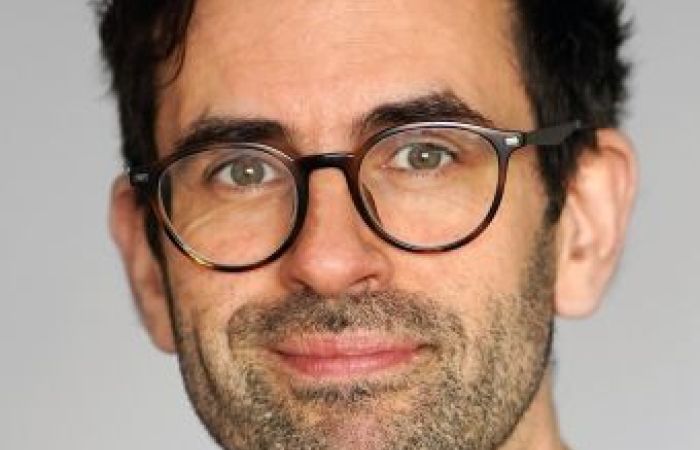
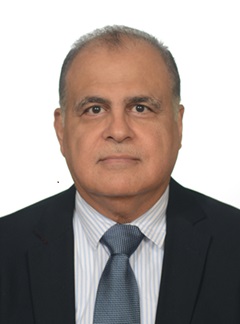
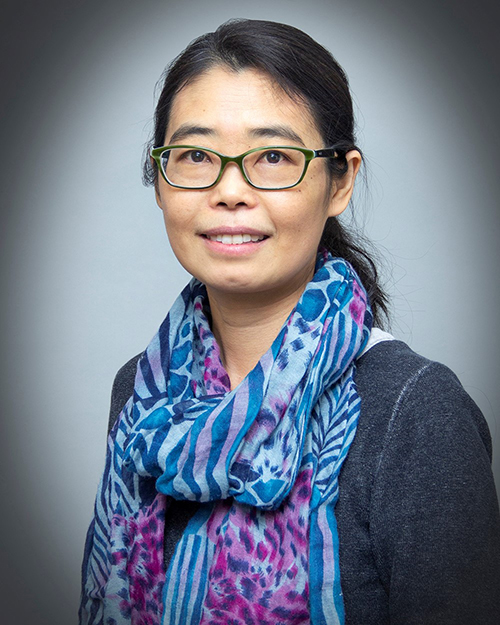
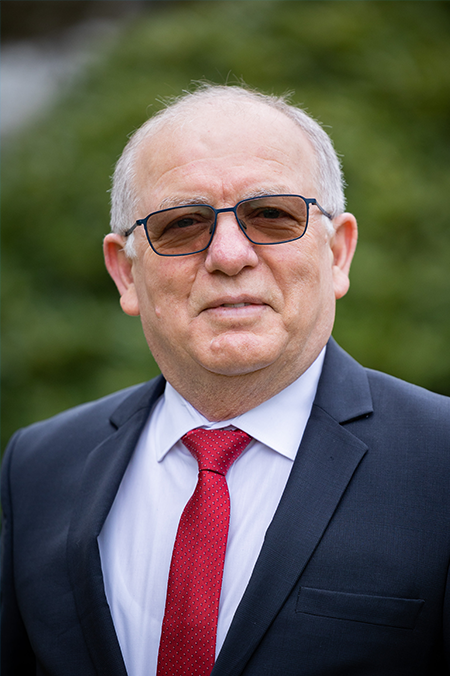
Ario Sadafi is a researcher at the Technical University of Munich (TUM) , affiliated with the Chair of Computer Science Applications in Medicine under Prof. Nassir Navab. His work spans medical image analysis , machine learning , and computational pathology , with a strong focus on developing AI-driven solutions for microscopic imaging in hematology and oncology. Research Focus: Multiple Instance Learning for weakly supervised medical image classification. Explainable AI for biomedical single-cell imaging. Continual and cross-domain learning for robust diagnostic models. Microscopic image analysis for blood cell disorders and leukemia subtyping. Teaching Contributions: Sadafi has been actively involved in teaching courses such as Computer Aided Medical Procedures , Medical Augmented Reality , and Deep Learning for Medical Applications . He also supervises practical courses and seminars in 3D Computer Vision and Machine Learning in Medical Imaging . Labs & Collaborations: He works closely with the MEDIA (Medical Image Analysis) and NARVIS labs at TUM, contributing to projects in surgical data science , generative models , and robotics & ultrasound . Publications Impact: His research output (2018–2025) emphasizes AI-driven hematology , with applications in red/white blood cell classification, leukemia subtype diagnosis, and interpretable deep learning models for clinical use.
Prof David Harrison is a Professor at the University of St Andrews' School of Medicine, affiliated with the Sir James Mackenzie Institute for Early Diagnosis and the Cellular Medicine Division. His research focuses on oncology, pharmacology, molecular biology, and AI-driven medical diagnostics. Key projects include the NuCana Biomed research agreement and the ICECAP initiative investigating immunopathology in severe COVID-19 cases. He supervises multiple PhD students and has contributed to advancements in drug development, cancer biology, and AI applications in pathology. His work spans clinical trials (e.g., RAMPART, NUC-3373 studies) and innovative imaging techniques (e.g., DESI-MSI for cancer metabolomics). Education: PhD (not explicitly stated in texts, inferred from academic rank). Research Interests: Prof Harrison’s expertise includes cancer drug mechanisms, molecular enzymology (e.g., 4-oxo-L-proline reductase), AI-driven pathology automation (e.g., cervical biopsy analysis), and immunological responses in critical illnesses. His lab develops tools for high-resolution histopathological imaging and explores metabolic-phenotypic links in tumors. Publications: Recent work includes studies on enzyme catalysis, clinical trial adaptations, and AI applications in diagnostics. These highlight his interdisciplinary approach to bridging basic science with translational medicine. Awards: None explicitly listed in the provided texts. Grants & Advising: Leads projects funded by NuCana Biomed (£171k) and Medical Research Scotland (£8k). Supervises eight PhD students focusing on drug mechanisms, imaging, and molecular biology. Labs/Teams: Collaborates within the Sir James Mackenzie Institute and cellular medicine teams, contributing to multidisciplinary research in early diagnosis and treatment strategies.
Lukas Engelmann is a Senior Lecturer at the University of Edinburgh , specifically within the Science, Technology and Innovation Studies department under the School of Social and Political Science . His research focuses on the history and sociology of biomedicine , with particular interest in epidemiological reasoning , visual cultures of disease , digital epidemiology , and decolonial approaches to medical history . The Epidemy Lab , which he founded, explores the historical development of epidemiology and its contemporary influence on data-driven public health and pandemic policy-making . Engelmann's work has been funded by prestigious grants including an ERC Starting Grant (2021-2025) for his research on the history of epidemiological reasoning, and support from the Wellcome Trust for projects examining the social dimensions of digital health . His book 'Mapping AIDS' (2018) established him as a leading scholar in medical visualization , while 'Sulphuric Utopias' (2020) with Christos Lynteris explores the technological history of maritime sanitation and its political implications. Recent publications emphasize the visual and data practices that have shaped epidemiology, including works on epidemic modeling during the COVID-19 pandemic , the history of plague mapping , and the ethical implications of digital phenotyping . He has also contributed to interdisciplinary discussions on syndemics , co-infection epistemology , and the commercialization of bacteriology in the early 20th century. His scientific contributions have earned recognition through editorial roles in journals like Big Data and Society , and collaborative projects such as 'Working with Diagrams' (2022) which investigates the epistemological role of visual tools in medical knowledge production. Scientific Awards and Funding: ERC Starting Grant (2021-2025) Wellcome Trust Institutional Support Fund British Academy/Leverhulme Small Research Grant Chancellor's Fellowship (University of Edinburgh) 'Sulphuric Utopias' listed in The Guardian's 30 Books to Understand the World (2020)
Dr. Esam Abdel-Raheem is a Professor in the Department of Electrical and Computer Engineering at the University of Windsor, Faculty of Engineering. His research focuses on digital signal processing, biomedical engineering, cognitive radio networks, and VLSI design. He holds a Ph.D. from the University of Victoria (1995) and is a Professional Engineer (P.Eng.) in Ontario and a Senior Member of IEEE. Education: B.Sc. Electrical Engineering, Ain Shams University (1984) M.Sc. Electrical Engineering, Ain Shams University (1989) Ph.D. Electrical Engineering, University of Victoria (1995) Research Interests: Dr. Abdel-Raheem’s work spans signal processing for communications, biomedical signal processing, and VLSI implementations. He has pioneered algorithms for cognitive radio networks and adaptive filtering. His recent studies leverage deep learning for medical diagnostics (e.g., lung nodule detection, Parkinson’s disease voice analysis) and cognitive radio spectrum sensing. Publications Trends: Recent work emphasizes biomedical applications (e.g., CT scan analysis, diabetic retinopathy detection) and machine learning integration in communications (e.g., federated learning for traffic crowdsourcing). His articles often bridge theoretical signal processing with practical implementations in hardware (e.g., FPGA-based filters). Awards/Grants: Not explicitly listed in the text, though his senior IEEE membership and prolific publications suggest sustained professional recognition. Lab/Teams: While not detailed, his research themes imply involvement in interdisciplinary teams focusing on biomedical engineering, telecommunications, and VLSI design.
Sanjana Mudduluru is an Assistant Professor in the School of Computer Science at the University of Oklahoma (OU). She holds a BS from Jawaharlal Nehru Technological University (India), an MS in Data Science & Analytics, and a PhD in Computer Science, all from OU. Her research focuses on applying computer vision and machine learning to biomedical imaging, particularly in cancer research and medical diagnostics. She has extensive experience in software development and programming. Education: Ph.D., Computer Science, University of Oklahoma M.S., Data Science & Analytics, University of Oklahoma B.Tech, Computer Science, Jawaharlal Nehru Technological University Her research interests span machine learning, medical image processing, data analytics, and computer science education. She explores innovative deep learning models for medical image segmentation, classification, and synthetic data generation to enhance AI efficacy in healthcare. Recent work includes hybrid models for computer-aided diagnosis and self-supervised learning for rock image analysis. Awards: Dissertation Excellence Award (2023) Tomorrows Engineer Scholarship (2021–2022) CS Alumni Graduate Fellowship (2021–2022) Dr. Mudduluru has no listed advisees but has contributed to grants related to biomedical imaging research. She is affiliated with OU’s Devon Energy Hall and actively publishes in interdisciplinary fields blending computer science with healthcare applications.
Zelmina Lubovac is a Senior Lecturer in BioInformatics at the School of Bioscience, University of Skövde. She serves as both a Course Coordinator for multiple undergraduate and graduate courses in bioinformatics and a Programme Coordinator for Master's level programs. Her academic work focuses on the intersection of computational methods and biological applications, particularly in disease analysis and biomarker discovery. Dr. Lubovac's research spans several key areas in bioinformatics and systems biology: Disease module identification in complex biological networks Multi-omics integration (genomics, proteomics, metabolomics) for biomarker discovery Machine learning applications in RNA-seq and other high-throughput biological data Development of bioinformatics software tools for network analysis miRNA analysis in cancer and neurological disorders Her recent publications (2022-2024) demonstrate a strong focus on applying computational approaches to understand disease mechanisms, particularly in pancreatic cancer and multiple sclerosis. She has developed several widely-used bioinformatics tools including MODalyseR, MODifieR, and TFTenricher that facilitate disease module analysis and gene network interpretation. Her work often involves collaborative research with clinical teams to translate computational findings into potential diagnostic applications. Dr. Lubovac has been involved in significant research projects including: BIO-AID (Biomedical AI-driven data analytics): Oct 2020 - Sep 2024 Systems Biology DMDPipe: Mar 2018 - Feb 2021 She actively contributes to both undergraduate and graduate education at the University of Skövde, coordinating multiple courses and programs in bioinformatics and bioscience, with a clear emphasis on preparing students for careers at the intersection of biology and computational science.
Professor Lyudmila Mihaylova is a distinguished academic at the University of Sheffield's School of Electrical and Electronic Engineering, where she holds the position of Professor of Signal Processing and Control. She has established herself as a leading researcher in the fields of signal processing, Bayesian methods, and autonomous systems, with significant contributions to particle filtering techniques for intelligent transportation systems. Her work bridges theoretical developments with practical applications across multiple domains including transportation, healthcare, and industrial automation. Prof. Mihaylova's research interests center on nonlinear filtering, sequential Monte Carlo methods, statistical signal processing, and sensor data fusion. Her work spans both theoretical advancements and practical implementations, with particular focus on high-dimensional problems including vehicular traffic flow estimation, image processing, and localization in sensor networks. She has extensive experience with various image modalities such as optical, thermal, LIDAR, SAR, and hyperspectral imaging. Her group actively develops novel methods for autonomous intelligent systems focusing on sensing, tracking, decision making, and machine learning applications. Analysis of Prof. Mihaylova's recent publications reveals a strong trend toward uncertainty quantification in machine learning models, particularly for safety-critical applications. Her work increasingly integrates traditional signal processing techniques with modern deep learning approaches, with applications spanning sewer inspection robotics, medical diagnostics (particularly sleep apnea detection), UAV swarm tracking, industrial manufacturing, and autonomous vehicle systems. A significant portion of her recent research focuses on developing robust methods that can handle incomplete or outlier-corrupted data while providing reliable uncertainty estimates. Among her notable professional achievements: President of the International Society of Information Fusion (ISIF) Senior member of the IEEE Signal Processing Society Associate Editor for IEEE Transactions on Aerospace and Electronic Systems Associate Editor for Elsevier Signal Processing Journal Prof. Mihaylova has successfully mentored numerous PhD students and postdoctoral researchers, many of whom have gone on to prominent academic and industry positions. Her research has been supported by major funding bodies including EPSRC, EU, MOD/DSTL, and industry partners, with recent projects including 'Protecting Environments with UAV Swarms' (InnovateUK, 2022-2024), 'ShiRAS: Towards Safe and Reliable Autonomy in Sensor Driven Systems' (NSF-EPSRC, 2019-2023), and 'Confident safety integration for Cobots' (Lloyd's Register Foundation, 2019-2020). Her research group follows a collaborative approach with the philosophy 'We share knowledge, we grow.' Prof. Mihaylova maintains active research collaborations with institutions worldwide and has held previous academic positions at Lancaster University (2006-2013) and University of Bristol (2004-2006), along with research visiting positions at the University of Ghent, Katholic University of Leuven, and the Bulgarian Academy of Sciences.
Dr. Yongjie Jessica Zhang is a Professor at Carnegie Mellon University, holding appointments in both the Department of Mechanical Engineering and the Department of Biomedical Engineering . She received her B.S. and M.S. in Engineering Mechanics from Tsinghua University, followed by an M.S. in Aerospace Engineering and a Ph.D. in Computational Engineering and Sciences from the University of Texas at Austin. After a postdoctoral fellowship at ICES, she joined CMU in 2007, advancing from assistant to full professor by 2016. Research Interests : Image-based geometric modeling, mesh generation, finite element analysis (FEA), isogeometric analysis, and applications in computational biomedicine, materials science, and computer-assisted surgery. Leadership Roles : Chair of Solid Modeling Association (2019-2020), USACM Executive Committee Member-at-Large (2017-2021), and ELATE Fellow (2017-2018). Her work addresses the critical challenge of automating high-fidelity geometric modeling and mesh generation for complex domains (e.g., human anatomy), which traditionally consumes ~80% of FEA time. Her group develops AI-driven methods for multiscale modeling (molecular to organ), with applications in neuroscience , biomechanics , and 4D printing . Notable awards include the Presidential Early Career Award (PECASE) , NSF CAREER Award , and ASME Van C. Mow Medal (2025) . Dr. Zhang’s publications span over 170 peer-reviewed articles, focusing on truncated hierarchical B-splines , polycube meshing , and neurite transport modeling . She has advised more than 40 students, including PhD candidates and postdoctoral fellows. Her editorial roles include Associate Editor of Computer Aided Geometric Design and editorial board memberships in Computer-Aided Design and Engineering with Computers .
Yusuf Altintas is a Professor in the Department of Mechanical Engineering at the University of British Columbia's Faculty of Applied Science, holding the NSERC–P&WC-Sandrik Coromant Industrial Research Chair and coordinating the Mechatronics Option. An internationally acclaimed scholar, he is a Fellow of 10 prestigious academies including the National Academy of Engineering (NAE), Royal Society of Canada (RSC), and ASME. His academic credentials include a Ph.D. from McMaster University, an Honorary Doctor of Engineering from the University of Stuttgart, and a Doctor of Technical Sciences from Budapest University of Technology and Economics. Professor Altintas's research pioneers the integration of physics-based modeling and data-driven approaches for machining systems. His work spans virtual high-performance machining simulation, machine tool dynamics, chatter stability prediction, and intelligent process control for CNC systems. Current projects focus on digital twin development for machining processes, spindle health diagnostics, ultrasonic vibration-assisted tooling, and adaptive damping systems for aerospace manufacturing applications. His methodologies bridge theoretical mechanics with industrial implementation in die/mold and aerospace sectors. Analysis of his 2022-2025 publications reveals dominant trends in physics-informed machine learning for spindle fault detection, topology-optimized tool design, and chatter avoidance in thin-walled component machining. Key thematic clusters include digital twin implementation (28% of recent work), dynamics modeling of multi-axis systems (35%), and intelligent monitoring algorithms (22%), with growing emphasis on anisotropic material machining and 3D printing process control. Georg Schlesinger Award (2016) NSERC Strategic Research Network in Virtual Machining Grant (2016) NSERC Synergy Award (2013) ASME Blackall Machine Tool and Gage Award (2013) Special Distinguished Scientist Award from Turkey's Scientific and Technical Research Council (2013) He directs the Manufacturing Automation Laboratory at UBC, leading an international research consortium on virtual machining systems supported by NSERC and industry partners including Sandvik Coromant and Pratt & Whitney Canada. His team develops real-time process monitoring frameworks and physics-based simulation tools that have been adopted in aerospace manufacturing for blade machining and die/mold production. The laboratory maintains advanced testbeds for five-axis machining dynamics, spindle health monitoring, and ultrasonic vibration-assisted tooling, serving as a hub for industry-academic collaboration in next-generation manufacturing technologies.
Maryellen L. Giger, Ph.D. is the A.N. Pritzker Distinguished Service Professor of Radiology, Committee on Medical Physics, and the College at the University of Chicago. She serves as Vice-Chair of Radiology (Basic Science Research) and was the immediate past Director of the CAMPEP-accredited Graduate Programs in Medical Physics/Chair of the Committee on Medical Physics. Her career spans over 30 years of pioneering research in computer-aided diagnosis, machine learning, and deep learning applications in medical imaging. Dr. Giger's research focuses on computational image-based analyses for cancer risk assessment, diagnosis, prognosis, and response to therapy, particularly in breast cancer, lung cancer, prostate cancer, lupus, bone diseases, and more recently, COVID-19. Her work has evolved from developing computer-aided diagnosis systems to utilizing 'virtual biopsies' in imaging genomics association studies for discovery. She has made significant contributions to quantitative imaging, radiomics, and AI applications in medical imaging, with emphasis on translating research into clinical practice. Her publication record shows a clear trajectory from foundational work in computer vision for medical imaging to cutting-edge AI and deep learning applications. The recent publications demonstrate her leadership in large-scale collaborative efforts like the Medical Imaging and Data Resource Center (MIDRC), focus on health equity through AI analysis, and expansion into diverse applications including gynecological imaging, lung cancer screening, and trauma assessment. Her work consistently bridges technical innovation with clinical relevance. Dr. Giger has received numerous prestigious honors including membership in the National Academy of Engineering, the William D. Coolidge Gold Medal (the highest award from AAPM), and being named one of the 50 most impactful medical physicists in the last 50 years. She is a Fellow of multiple professional societies including AAPM, AIMBE, SPIE, SBMR, and IEEE. Her 2019 TIME magazine recognition for QuantX, the first FDA-cleared machine-learning-driven system for cancer diagnosis, highlights her translational impact. As an educator and mentor, Dr. Giger has guided over 100 graduate students, residents, and medical students throughout her career. She has secured substantial research funding including NIH R01 grants and serves as contact PI for the NIH NIBIB-funded & ARPA-H-funded Medical Imaging and Data Resource Center (MIDRC). Her leadership extends to former presidencies of the American Association of Physicists in Medicine and SPIE, and she was the inaugural Editor-in-Chief of the SPIE Journal of Medical Imaging. Dr. Giger co-founded Quantitative Insights, Inc. through the University of Chicago's New Venture Challenge, which developed QuantX - the first FDA-cleared AI system for cancer diagnosis. She leads the Medical Imaging and Data Resource Center (MIDRC), a critical resource for AI development in medical imaging that received the 2023 DataWorks Prize. Her research laboratory bridges engineering, physics, and clinical medicine to develop and validate quantitative imaging biomarkers and AI tools for precision medicine.
Valeria Bruschi is a Researcher at the Department of Information Engineering (DII) within the Faculty of Engineering at Università Politecnica delle Marche (UNIVPM) in Ancona, Italy. Her academic profile was last updated on April 13, 2024, and she maintains her office at the Engineering Faculty on via Brecce Bianche, with contact information including phone +39 071-220-4486 and email v.bruschi@staff.univpm.it. Dr. Bruschi's research spans multiple domains within audio and signal processing, with particular expertise in spatial audio systems, automotive human-computer interaction, and biomedical signal applications. Her work bridges theoretical signal processing techniques with practical implementations across diverse fields including automotive safety systems, hearing aid technology, sleep medicine, and agricultural monitoring. She has made significant contributions to head-related transfer function (HRTF) processing, real-time audio enhancement algorithms, and innovative monitoring systems that utilize acoustic signals for various applications. Analysis of Dr. Bruschi's recent publications reveals a strong trajectory in developing practical audio processing solutions with real-world applications. Her work shows increasing integration of machine learning techniques with traditional signal processing approaches, particularly in areas like driver monitoring systems, snoring detection and cancellation, and spatial audio rendering. A notable trend is her focus on creating lightweight, real-time implementations suitable for embedded systems and practical deployment scenarios, while maintaining high performance standards. Her research consistently demonstrates interdisciplinary collaboration, connecting audio engineering with fields as diverse as automotive safety, sleep medicine, and agricultural technology. Dr. Bruschi actively contributes to advancing audio engineering through her research on equalization techniques, noise reduction systems, and immersive audio technologies. Her work on pulse compression techniques for hearing aid distortion measurement represents an important contribution to audiological assessment methodologies. Her publication record demonstrates consistent scholarly output with increasing impact across multiple application domains, reflecting her ability to translate theoretical signal processing concepts into practical engineering solutions.
Nuno Miguel Fonseca Ferreira is a Full Professor at the Instituto Superior de Engenharia de Coimbra (ISEC), part of the Polytechnic of Coimbra, where he currently serves as President of the Scientific Council. His academic career spans over 25 years at ISEC, progressing from Assistant to Professor Coordenador Principal. He has held significant leadership positions including Vice-President of ISEC (2001-2005), Pro-President of the Polytechnic of Coimbra (2009-2010), President of ISEC (2010-2013), and Vice-President of the Polytechnic of Coimbra (2013-2017), where he was responsible for internationalization initiatives. His educational background includes a degree in Electrical Engineering from the University of Porto (1996), a Doctorate in Electrical Engineering from the University of Trás-os-Montes and Alto Douro (2006), and a Habilitation Title (Aggregation) from the same institution (2020). His research focuses on Robotic Systems, with specialization in cooperative robotic systems as evidenced by his Habilitation work. Professor Ferreira's research spans multiple domains of robotics and intelligent systems, with particular emphasis on multi-robot coordination, environmental applications, and medical robotics. His work bridges theoretical control systems with practical applications across diverse fields including forestry, healthcare, manufacturing, and education. He has developed innovative approaches to robotic manipulation, sensor integration, and human-robot interaction, often incorporating advanced techniques from artificial intelligence and machine learning. His recent publications demonstrate a strong trend toward practical applications of robotics in real-world environments, particularly in forestry maintenance, industrial automation, and medical applications. The research shows progression from theoretical control systems to applied robotics in challenging environments, with increasing integration of computer vision, deep learning, and collaborative systems. His work spans both fundamental robotics research and immediate industrial applications, reflecting a balance between academic inquiry and practical implementation. Professor Ferreira has supervised two doctoral theses and participated in numerous research projects with substantial funding. His leadership extends to coordinating 15 of the 33 national and international R&D projects he has participated in, demonstrating significant grant acquisition and management capabilities. His international collaborations through Erasmus+ and other European programs highlight his role in fostering global research partnerships. He is an integrated member of GECAD (Research Group in Engineering and Intelligent Computing for Innovation and Advanced Development), a Portuguese R&D unit classified as Excellent by the Portuguese Science and Technology Foundation. Additionally, he is a member of LASI (Associated Laboratory for Intelligent Systems), the Portuguese laboratory associated with Artificial Intelligence, connecting him to a broader national research ecosystem.
Dr. Xuesen Dong is an Associate Professor in the Department of Urologic Sciences at the University of British Columbia and a senior scientist at the Vancouver Prostate Centre. His research focuses on prostate cancer therapy resistance mechanisms and developing novel therapeutics. His educational background: Medical training in China MSc in Molecular and Cellular Biology, Laval University PhD in Physiology, University of Toronto Postdoctoral training: Samuel Lunenfeld Research Institute (Mount Sinai Hospital, University of Toronto) and Vancouver Prostate Centre Research interests include prostate cancer, therapy resistance, RNA splicing, gene regulation, drug development, hormone-dependent cancers, endocrine regulation, and biomarker discovery. His lab uses RNA sequencing and computer-aided drug design to identify new targets and diagnostics for prostate cancer. Scientific awards and funding: Rising Star Award from Prostate Cancer Canada Continuously funded by Canadian Institutes of Health Research (CIHR) grants since 2005 Dr. Dong supervises graduate students in UBC's Cell and Developmental Biology, Experimental Medicine, and Interdisciplinary Oncology programs. His laboratory at the Vancouver Prostate Centre is dedicated to overcoming treatment resistance in prostate cancer.
Professor Jinman Kim is a Professor in the School of Computer Science at the University of Sydney and Director of the Biomedical Data Analysis and Visualisation (BDAV) Lab. He also serves as Research Director of the Telehealth and Technology Centre at Nepean Hospital. His research focuses on machine learning applications in biomedical image analysis, visualization, and multi-modal data processing. Kim holds a PhD in Computer Science from the University of Sydney (2006) and has held roles including Senior Lecturer (2013), Associate Professor (2016), and Professor (2022). He is an Area Editor for Computer Methods and Programs in Biomedicine and actively contributes to AI-driven healthcare initiatives. His academic journey includes a Marie Curie Fellowship at the University of Geneva (2010) and leadership roles in projects like the ARC Training Centre in Innovative Biomedical Engineering. He co-leads the Digital Health Imaging initiative under the Faculty of Engineering’s Digital Science Initiative. Kim has developed teaching programs such as the Master of Digital Health and Data Science, co-taught with the Faculty of Medicine and Health. Research interests span AI in medical imaging, telehealth systems, and interdisciplinary biomedical engineering. His work includes advancements in PET/CT fusion, tumor segmentation, and medical visual analytics. Kim’s lab explores applications like AI in dental education, cutaneous lymphoma detection, and fair AI models for healthcare. Notable collaborations include the Telehealth Remote Monitoring System for chronic patients and contributions to datasets like the HRDC Challenge for hypertension classification. His labs prioritize translating AI innovations into clinical tools for improved healthcare accessibility and precision.
William F. Speier is an Associate Professor in the Department of Radiological Sciences at the University of California, Los Angeles (UCLA) School of Medicine . His work spans Medical Informatics , Biomedical Engineering , and Neurology , focusing on applying Artificial Intelligence and Deep Learning to medical imaging and patient monitoring systems. Speier's research emphasizes improving diagnostics for Thyroid Cancer via multimodal ultrasound and molecular testing, advancing Brain-Computer Interfaces (BCIs) for ALS patients, and optimizing Heart Failure remote monitoring through biometric data analysis. He leads the NIH-funded project Predicting Clinically Significant Thyroid Cancer using Ultrasound (R21EB030691), integrating AI into clinical workflows. His recent publications highlight trends in High-Frequency Oscillations for epilepsy, Gleason Grading in prostate cancer, and Language Models for BCI communication. Collaborations with co-authors like Corey Arnold and Hiroki Nariai underscore his interdisciplinary approach. Speier's work also addresses Diagnostic Imaging , Neural Signal Processing , and Health Technology accessibility. Grants and clinical trial integrations further demonstrate his commitment to translating AI into practical healthcare solutions. His methodologies include 3D ConvNets , Federated Learning , and Active Learning frameworks for histopathology and radiology.