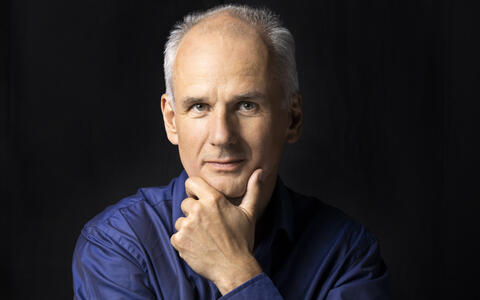
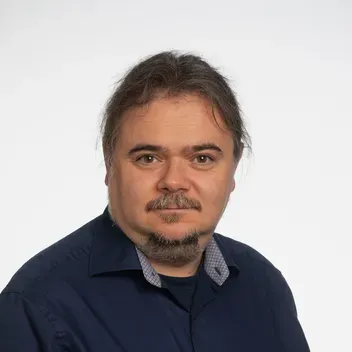
Sudin Bhattacharya is an Associate Professor at the BioMolecular Science Gateway, Michigan State University, with affiliations in the Genetics & Genome Sciences Program and Cell & Molecular Biology Program. His research bridges computational biology and toxicology to understand complex biological systems. Email: sbhattac@msu.edu Research Interests Dr. Bhattacharya specializes in systems toxicology, focusing on computational modeling of gene regulatory networks, single-cell transcriptomics, and molecular dynamics in response to environmental toxicants. His work examines how chemical exposures disrupt cellular pathways and contribute to disease mechanisms. Article Trends His recent publications emphasize: Single-cell and single-nucleus RNA sequencing for toxicological profiling Computational models of circadian rhythms and intercellular communication Dose-dependent responses to environmental chemicals like TCDD and heavy metals Mechanistic studies of adipose tissue remodeling and hypertension Applications of machine learning in chemical risk assessment Integrative approaches to liver metabolism and disease modeling Scientific Contributions Dr. Bhattacharya has pioneered multiscale modeling of biological systems, particularly in hepatic and vascular contexts. His work on the aryl hydrocarbon receptor and PPARα signaling networks has advanced predictive toxicology frameworks.
Dr. Jason Yi is an Assistant Professor of Neuroscience at Washington University School of Medicine (WashU Medicine). His research focuses on understanding the molecular pathways that shape nervous system development and function, with particular emphasis on autism spectrum disorders (ASD). He leads the Yi Lab, which investigates the role of the ubiquitin ligase UBE3A in the brain and its implications for neurodevelopmental disorders. Dr. Yi received his BS in Biochemistry and Molecular Biology from Dickinson College in 2001 and his PhD in Pharmacology from Duke University in 2009. His laboratory is broadly interested in the molecular pathways that shape nervous system development and function, with the ultimate goal of understanding how dysfunction in these pathways contributes to disease. The current focus is on autism spectrum disorders (ASD), using genetic information from human patients to guide in vitro and in vivo experiments employing biochemical, genetic manipulation, cell biological, and microscopy techniques. Dr. Yi's research has significant clinical implications, particularly in understanding how UBE3A dysfunction relates to both Angelman syndrome (caused by lack of UBE3A activity) and autism (caused by excessive UBE3A activity). His lab discovered that a single phosphorylation event in UBE3A turns off its ubiquitin ligase activity, and that mutations in this site are linked to autism. This work bridges disease genetics with a mechanistic understanding of ASD neurobiology and aims to define developmental timepoints for ASD onset. Dr. Yi's research has been recognized with numerous prestigious awards: Ruth K. Broad Biomedical Research Foundation Predoctoral Fellowship (2006) F32 Kirschstein National Research Service Award (2011) Christina Castellana Postdoctoral Fellowship (2011-2014) The University of North Carolina Postdoctoral Award for Research Excellence (2015) Bridge to Independence Award, The Simons Foundation (2017) NARSAD Young Investigator Award, Brain and Behavior Research Foundation (2018) Whitehall Foundation Research Grant (2018) Alfred P. Sloan Foundation Research Fellowship (2019) Dr. Yi's research program is supported by significant grant funding from organizations including The Simons Foundation, Brain and Behavior Research Foundation, and the Whitehall Foundation. His work bridges basic molecular neuroscience with clinical implications for neurodevelopmental disorders, particularly autism spectrum disorders. Through his research, Dr. Yi is contributing to a deeper understanding of the molecular mechanisms underlying ASD, which may ultimately lead to new therapeutic approaches and interventions. The Yi Lab maintains a collaborative research environment focused on cutting-edge neuroscience techniques. The lab combines molecular, cellular, and genetic approaches to study UBE3A function and its role in neurodevelopment. Their work utilizes patient-derived genetic information to guide experimental approaches, ensuring clinical relevance to autism spectrum disorders. Dr. Yi is also actively involved in mentoring graduate students and postdoctoral fellows, contributing to the training of the next generation of neuroscientists.
Sebastian Risi is a Professor at the IT University of Copenhagen , where he directs the Creative AI Lab and co-directs the Robotics, Evolution and Art Lab (REAL) . His work bridges computational evolution, deep learning, and collective intelligence for applications in robotics, art, and video game design. His research focuses on self-organizing AI systems that grow or assemble through local interactions, inspired by biological development. Key areas include neuroevolution , neural cellular automata , and generative modeling , with applications in adaptive robotics, game content creation, and damage-resilient AI. Recent publications highlight trends in self-assembling neural architectures (NDPs) and 3D functional machine generation (Minecraft experiments). Awards include ERC Consolidator Grant (2022), Best Paper at FDG’21 , and Google Faculty Award (2019). Scientific Awards : ERC Consolidator Grant (GROW-AI), Best Paper FDG’21, Runner-Up IEEE Games’20, GECCO 2017 Competition Winner, Sapere Aude Grant, Amazon/Google Faculty Awards He advises on projects like GROW-AI (EU-funded), AI-TESTER (game testing), and C2SIM (military systems). Media coverage includes Science , Wired , and Popular Science .
Ueli Grossniklaus is an Ordinary Professor at the University of Zurich within the Faculty of Mathematical and Natural Sciences , affiliated with the Department of Plant and Microbiology . His work focuses on plant developmental biology, particularly epigenetic and genetic mechanisms governing reproduction and adaptation. Key Courses: Epigenetics, Plant Biology Workshop, Group Seminars on Current Research Laboratory Techniques: Advanced methods in plant cell mechanics, transcriptomics, and genome editing Research Interests span plant epigenetics, reproductive biology, and the interplay between environmental stress and genetic regulation. He investigates: Mechanistic control of gametogenesis and fertilization Epigenetic contributions to plant adaptation Evolutionary implications of asexual reproduction Biophysical forces in plant cell growth Publication Trends (2025–2018) reveal expertise in: Arabidopsis and fern model systems Epigenetic regulation (DNA methylation, histone dynamics) Apomixis and hybrid seed failure mechanisms Biomechanics of pollen tubes and carnivorous plants Genome editing tools (CRISPR) and long-read sequencing Scientific Collaborations include interdisciplinary projects on: Microfluidic devices for plant cell analysis Gene drive ecology and ethics 3D imaging of plant reproductive structures Advising and Grants focus on mentoring through research internships in developmental biology, genetics, and systems biology. His lab engages in: Epigenetic response to environmental stress Cell wall mechanics in reproduction Computational modeling of plant growth Laboratory Teams integrate plant biologists, bioengineers, and computational scientists to study: Mechanistic gene regulation Evolutionary developmental biology Microrobotics for cellular force measurement
João F. Mano is a Full Professor at the Department of Chemistry, University of Aveiro, and Director of the Doctoral Program on Biotechnology. He leads the COMPASS Research Group and serves as Vice-Director at CICECO - Aveiro Institute of Materials. His academic appointments include Invited Professor at University of Lorraine (France), Visiting Professor at KAIST (South Korea), and Adjunct Professor at Ajou University (South Korea). Education: PhD in Chemistry (1996, Technical University of Lisbon); D.Sc. in Tissue Engineering, Regenerative Medicine and Stem Cells (2012, University of Minho) Research Interests focus on Biomaterials for Regenerative Medicine , integrating Nanotechnology , Microtechnology , and Biofabrication . His group develops Bioinspired Materials using polymer chemistry, Decellularized Extracellular Matrix , and 3D Bioprinting to engineer Cell Microenvironments for therapeutic applications. Recent Publications highlight advancements in Human-Derived Hydrogels , Photopolymerizable Scaffolds , Magneto-Responsive Biomaterials , and Programmable Bioinks . Trends show emphasis on Organ-on-a-Chip integration, Smart Living Materials , and Green Bioprinting methodologies. Scientific Awards include: European Research Council Advanced Grants (2015, 2020) Fellow at IUPAC, European Academy of Sciences, and American Institute of Medical and Biological Engineering ERC Proof of Concept Grants Doctor Honoris Causa from University of Lorraine and Utrecht UNESCO Chair on Biomaterials George Winter Award (European Society for Biomaterials) Supervisions & Collaborations encompass 74+ MSc, 26+ PhD students, and 40+ postdocs. He co-founded METATISSUE and CELLULARIS Biomodels , and serves as Editor-in-Chief of Materials Today Bio .
Hans Steenackers is an Associate Professor at the Faculty of Bioscience Engineering, KU Leuven, where he leads the MICA Lab within the Department of Microbial and Molecular Systems. His research focuses on innovative antimicrobial strategies targeting microbial communities, including socio-active, anti-resistance, and observation-guided approaches. Key research areas include biofilm dynamics antimicrobial resistance evolution in situ microbial monitoring Salmonella Typhimurium pathogenesis anti-virulence therapies His recent publications highlight advancements in biofilm inhibition, triggered antimicrobial release systems, and evolutionary robustness of probiotics. The majority of his work involves interdisciplinary collaborations, particularly in projects like TARDIS, ULTiMatE-MS, and MICROTUNe, with a focus on translating fundamental research into clinical applications. As an educator, he teaches advanced courses in microbial physiology, biofilm research, and applied biotechnology. The MICA Lab actively partners with academic and industrial stakeholders in initiatives such as the Flemish Scientific Research Network on Biofilms and the Bioclean H2020 project.
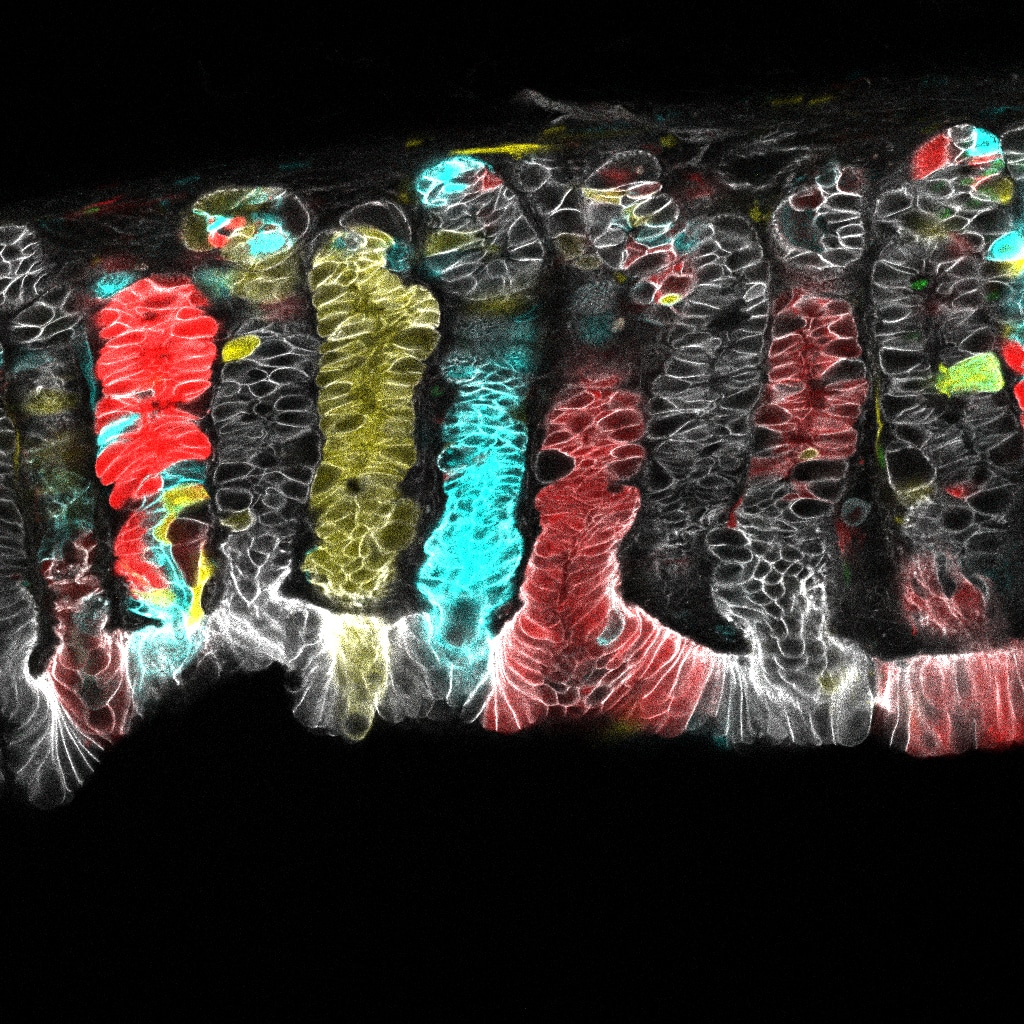
Benjamin Simons is the Royal Society EP Abraham Professor and Herchel Smith Professor of Physics at the University of Cambridge. He serves as Director of the Gurdon Institute, Senior Group Leader at the Gurdon Institute, Principal Investigator at the Cambridge Stem Cell Institute, and member of the Theory of Condensed Matter physics group. He is also a Fellow of St. John's College, Cambridge. His research integrates quantitative approaches from physics and mathematics with experimental biology to investigate stem cell fate regulation in tissue development, maintenance, and cancer pathogenesis. Research focuses on: Stochastic cell fate decisions in epithelial tissues Self-organization principles in tissue morphogenesis Single-cell lineage tracing and gene expression analysis Mathematical modeling of stem cell dynamics Cancer initiation through stem cell reprogramming Publication analysis reveals consistent themes: spatial dynamics of stem cell niches, mechanical regulation of cell fate, computational modeling of tissue organization, and evolutionary principles in cancer development. Recent work emphasizes in vivo lineage tracing, single-cell omics, and interdisciplinary approaches bridging physics and biology. Scientific Awards: Fellow of the Royal Society (FRS) Fellow of the Academy of Medical Sciences (FMedSci) Leads an interdisciplinary research group combining wet-lab experiments (lineage tracing, single-cell genomics) with theoretical modeling. Research supported by EPSRC, MRC, Wellcome Trust, Cancer Research UK, and Royal Society grants. Current projects include gliomagenesis mechanisms, spermatogenic wave regulation, and injury response pathways co-opted in cancer.
Jonathan T. Butcher is a Professor in the Meinig School of Biomedical Engineering at Cornell University. His research focuses on cardiovascular developmental mechanobiology, postnatal valve disease, and heart valve tissue engineering. He holds positions in multiple graduate fields including Biomedical and Biological Sciences and Mechanical Engineering. Dr. Butcher earned his B.S./M.S. in Mechanical and Aerospace Engineering from the University of Virginia (2000), Ph.D. in Mechanical Engineering from Georgia Institute of Technology (2004), and completed a postdoctoral fellowship in Developmental Biology/Pediatric Cardiology at the Medical University of South Carolina (2007). His research integrates experimental, computational, and engineering approaches to study heart valve formation and disease. Key areas include embryonic heart biomechanics, pathological valve remodeling, and 3D-printed tissue constructs. He leads the Butcher Lab, which collaborates on NSF-funded projects like a $3 million initiative on bio-inspired architectural design. Notable awards include being an ASME Fellow (2021), AIMBE Fellow (2019), and recipient of the NSF CAREER Award (2010). He co-mentored doctoral student Alexander Cruz to a 2023 HHMI Gilliam Fellowship. Dr. Butcher’s work bridges biomechanics, genetics, and regenerative medicine. Current efforts aim to translate developmental principles into clinical solutions for valve diseases and engineer living tissues using advanced bioprinting techniques.
Keisuke Ishihara is an Assistant Professor in the Department of Computational and Systems Biology at the University of Pittsburgh School of Medicine. His research focuses on engineering human brain and cardiac organoids using genetic, chemical, and computational approaches to uncover novel regulatory mechanisms and physical principles underlying tissue development. His lab is located at Biomedical Science Tower 3, with an office in room 10020A. Dr. Ishihara holds a PhD in Systems Biology from Harvard University. His work bridges synthetic biology, developmental biology, and biophysics to address fundamental questions in organogenesis and cellular morphogenesis. Recent research highlights include studies on BMP-mediated neural tube patterning in organoids and the biophysical dynamics of microtubule assemblies in large cells. Publications from his lab emphasize interdisciplinary approaches to understand cell size scaling, mitotic spindle dynamics, and self-organization in synthetic tissues. His team has contributed to advancements in organoid technology, uncovering dormant genetic programs and physical principles governing tissue architecture. Laboratory activities are centered at the University of Pittsburgh, collaborating with the School of Medicine's computational and systems biology initiatives. For more details, visit his lab website linked below.
Nikolaus Rajewsky is a leading Professor at the Max Delbrück Center for Molecular Medicine (MDC) and Charité – Universitätsmedizin Berlin , where he founded and directs the Berlin Institute for Medical Systems Biology (BIMSB) . His lab integrates experimental (biochemistry, molecular biology) and computational (bioinformatics, physics) approaches to study RNA regulation in gene expression , with applications to developmental biology, regeneration, neurodegenerative diseases, and cancer . Using model systems like C. elegans , planaria, and human brain organoids, his team pioneers cutting-edge methods such as MirDeep , DistMap , and FLAM-seq for RNA analysis. His research focuses on single-cell transcriptomics , spatial RNA sequencing , and circular RNA (circRNA) regulation , revealing novel roles for circRNAs like CDR1as in neuropsychiatric disorders. Recent work includes 3D tumor microenvironment mapping and computational modeling of RNA metabolism in diseases. Scientific Awards : Gottfried Wilhelm Leibniz Prize (2012) EMBO Membership (2010) Honorary PhD, Sapienza University of Rome (2014) Berlin Science Award (2009) His team's recent articles highlight breakthroughs in 3D spatial transcriptomics , circRNA degradation mechanisms , and mitochondrial disease modeling using human brain organoids. The lab actively collaborates with clinical partners across Charité and European institutions, driving the LifeTime initiative for cell-based interceptive medicine.
Jenn Brophy is an Assistant Professor of Bioengineering at Stanford University, developing technologies for genetic engineering of plants and microbes to address environmental stress resilience and agricultural sustainability. Her lab focuses on synthetic genetic circuits for plant root reprogramming and stress response optimization. B.S. in Bioengineering, UC Berkeley (2010) Ph.D. in Biological Engineering, MIT (2016) Postdoctoral Fellow, Stanford University (Biology) Research spans synthetic biology, plant genetics, and microbiome engineering, emphasizing climate adaptation and sustainable biotechnology. Current projects include: Plant-microbe interaction engineering Stress-responsive biosensors High-throughput genetic tool development Plant cell atlas integration Sustainable laboratory practices Her recent publications highlight advances in recombinase circuits, root architecture engineering, and plant cell mapping, with applications in climate resilience and microbiome design. Collaborators include José Dinneny (Stanford) in plant synthetic biology research.
Jianping Fu is a Professor in the Department of Mechanical Engineering at the University of Michigan , with joint appointments in Biomedical Engineering and Cell and Developmental Biology. His research integrates micro/nanoengineering , mechanobiology , and stem cell biology to model human development and disease. Education: PhD (MIT, 2007), BE (University of Science and Technology of China, 2000) His research interests focus on stem cell bioengineering , developmental bioengineering , and mechanobiology , particularly in modeling early post-implantation human development, neural tube formation, and pluripotent stem cell mechanoregulation. His work combines biomimetic culture systems with microfluidic gradients to study embryogenesis and organogenesis. Recent publications highlight advances in human embryo modeling (2024 Cell, Nature, Cell Stem Cell), neural tube patterning (2024 Nature), and mechanobiology of stem cells (2024 Nature Reviews Physics). These studies emphasize computational methods , single-cell analysis , and standardization of embryo models . Scientific honors include: Friedrich Wilhelm Bessel Research Award (2022) ISSCR Merit Award (2024) Fellow, American Institute for Medical and Biological Engineering (2019) NSF CAREER Award (2012) Life Member, World Association of Chinese Biomedical Engineers (2024) Dr. Fu mentors extensively, with 20+ alumni including PhD students and postdocs now in academic and industry positions. His lab has received $3M NIH funding for immunological diagnostics and MTRAC grants for translational research. Collaborations with institutions like Cincinnati Children's Hospital and Rice University enhance his interdisciplinary approach to regenerative medicine.
Professor Matthew Simpson is a leading figure in applied mathematics at the School of Mathematical Sciences, Faculty of Science, Queensland University of Technology (QUT). He holds the position of Professor of Applied Mathematics and is an Australian Research Council (ARC) Future Fellow, reflecting his sustained research excellence. His work bridges mathematical theory and biological applications, particularly in cell migration, tissue invasion, and multiscale modeling. BE (Environmental) Honours 1, University of Newcastle (1995–1998) PhD (with Distinction), Environmental Engineering, University of Western Australia (2000–2003) Research Fellow, Department of Mathematics and Statistics, University of Melbourne (2003–2006) ARC Postdoctoral Fellow, University of Melbourne (2006–2009) Lecturer (2010–2011) and Senior Lecturer (2011–2013), QUT Associate Professor (2013–2014), QUT Professor and ARC Future Fellow (2014–present), QUT Matthew Simpson’s research focuses on mathematical and computational modeling of biological systems , particularly collective cell motion, diffusion processes, and reaction-diffusion dynamics. His interests span multiscale modeling , random walk processes , cell biology , and numerical and computational mathematics . He develops and analyzes models to understand phenomena such as wound healing, cancer progression, and tissue engineering. His recent publications (2023–2025) demonstrate a strong trend toward integrating data-driven modeling , likelihood-based inference , and equation learning with traditional mechanistic models. These works emphasize parameter identifiability , uncertainty quantification , and prediction robustness in biological contexts. Themes include sharp-fronted wave propagation, mechanical cell interactions, tumor spheroid formation, and generalized diffusivity in food drying, showcasing the breadth and depth of his modeling expertise. Among his key accolades are: J.H. Michell Medal (2012) – Awarded by ANZIAM for distinguished research by an early-career applied mathematician in Australia and New Zealand. ARC Future Fellowship (2013–2017) – For the project 'New data-driven mathematical models of collective cell motion' (FT130100148). Professor Simpson has also played significant editorial and leadership roles, including: Executive Associate Editor, Journal of Engineering Mathematics Academic Editor, PLoS ONE Editorial Board Member, ANZIAM Journal Co-chair of the 2015 ANZIAM meeting He has supervised PhD students on topics such as moving boundary problems, first-passage times, stochastic simulations, and curvature-dependent growth in biological systems. His research projects have been funded by competitive Australian grants (ARC DP and FT schemes), including studies on 3D cell migration, ghrelin’s role in cell invasion, and epithelial-to-mesenchymal transition in cancer and wound healing. He is actively involved in developing computational tools for biological modeling and promoting best practices in scientific publishing.
Michelle Chan serves as an Assistant Professor in the Department of Molecular Biology and the Lewis-Sigler Institute for Integrative Genomics at Princeton University. Her research program integrates computational and experimental approaches to study mammalian development and cell fate decisions, positioning her at the forefront of integrative genomics. Her laboratory investigates two primary research thrusts: (1) mapping differentiation pathways during mammalian development in both natural and stem cell-derived contexts, and (2) deciphering molecular factors that govern cellular decisions between self-renewal and differentiation. These investigations leverage CRISPR-based lineage tracing, high-throughput genomic profiling, and sophisticated computational modeling to generate comprehensive developmental maps. Analysis of her 2024 publications reveals a cohesive research trajectory centered on advancing genomic technologies for developmental biology. Key contributions include novel computational methods for lineage tracing data, embryoid models for axial patterning, and enhancements to prime editing systems—demonstrating consistent innovation at the intersection of genome engineering and developmental dynamics. Professor Chan's scientific achievements have been recognized with the prestigious NIH Director's New Innovator Award, which supports exceptionally creative early-career investigators pursuing transformative research. NIH Director's New Innovator Award As a faculty member, she actively mentors graduate students through Princeton's Quantitative and Computational Biology (QCB) Graduate Program and participates in the NIH NHGRI Training Program. Her research program receives substantial funding from the NIH New Innovator Award, enabling high-impact investigations into genomic technologies with potential therapeutic applications. The Chan Research Lab operates as a dynamic interdisciplinary hub within Princeton's Lewis-Sigler Institute, bringing together molecular biologists, computational scientists, and bioengineers to develop and apply cutting-edge genomic tools for understanding developmental processes.
Rastko Sknepnek is a Chair of Biological Physics at the University of Dundee , affiliated with both the School of Science and Engineering (Physics department) and the School of Life Sciences (Computational Biology). His research focuses on pattern formation in complex geometries, physics of biological/artificial membranes, active matter systems, and computational biophysics. PhD in Physics (2004, Missouri S&T) Postdoctoral training at McMaster, Iowa State/Ames Lab, Northwestern, and Syracuse University Joined University of Dundee in 2013 as Lecturer and Dundee Fellow Current work explores cellular homeostasis , actomyosin dynamics , and collective cell behavior , with recent publications analyzing epithelial monolayers, active matter models, and developmental mechanics. His 2025 projects include AI applications for drug resistance and cell shape quantification. Scientific Awards : Distinguished University Postdoctoral Fellowship (Syracuse, 2012) Dundee Fellow (2013) He leads the Computational Soft Condensed Matter and Biophysics Group , collaborating with institutions like University of Oxford, UCL, and University of Bristol. Grants include £2.1 million from UKRI for embryonic self-organization research and BBSRC funding for cell dynamics studies.