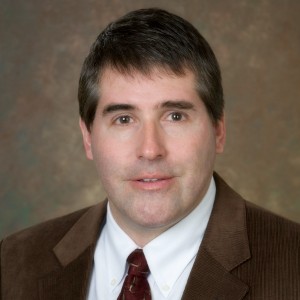
Isaac Kauvar is a Postdoctoral Fellow at the Department of Electrical Engineering, School of Engineering, Stanford University. He holds a B.S. in Engineering Physics specializing in Photonics, an M.S. in Electrical Engineering focusing on Imaging and Optimization, and is currently pursuing a PhD in Electrical Engineering under the co-advisement of Prof. Gordon Wetzstein. Education B.S. Engineering Physics, Stanford M.S. Electrical Engineering, Stanford His research bridges Neuroscience, Photonics, and Computational Modeling to develop advanced imaging and neural activity measurement technologies. Key contributions include optical brain-computer interfaces, light-field microscopy innovations, and neural circuit analysis across species. Recent publications highlight work in cortical imaging, emotional response modeling, and neurotechnology development. His expertise spans optical systems design, neural dynamics analysis, and brain state modulation. Contact: ikauvar@stanford.edu
Professor Kislon Voitchovsky is the Head of Condensed Matter Physics and a Professor in the Department of Physics at Durham University, where he is also affiliated with the Biophysical Sciences Institute. His research bridges condensed matter physics, biophysics, and nanotechnology, focusing on nanoscale phenomena at biological and synthetic interfaces. Research Interests: Voitchovsky's work explores the molecular-scale behavior of complex systems, including lipid membranes, nanoparticle interactions, ionic dynamics at solid-liquid interfaces, and advanced atomic force microscopy (AFM) techniques. His group studies hydration landscapes, nanomechanical properties, and electrokinetic processes to understand fundamental interfacial science with applications in biomedicine, energy, and materials design. Recent Publications: His 2023-2025 publications emphasize nanoscale mapping of hydration, ionic ordering, lipid membrane mechanics, and nanoparticle-biomembrane interactions. These works demonstrate consistent innovation in high-resolution AFM methodologies and molecular dynamics simulations to probe interfacial phenomena in biological and environmental contexts. Supervision: He currently mentors five PhD students: Amal Alamri, Ke Sun, Michael Rennick, Ruth McTiernan, and Thomas Williamson. Labs & Teams: As Head of Condensed Matter Physics, Voitchovsky leads a research group specializing in nanoscale characterization, leveraging AFM and computational tools to study soft matter and biological interfaces.
Deni S. Galileo is a Professor in the Department of Biological Sciences at the University of Delaware. His research focuses on cell migration mechanisms in the developing brain and malignant gliomas, utilizing chick embryo models and retroviral gene transfer technologies. His work explores how integrins, extracellular matrix molecules, and adhesion proteins like L1CAM regulate normal and abnormal cell migration. Key projects include developing novel models for studying glioma invasiveness and breast cancer brain metastases, and investigating the role of QSOX1 and PMCA4 in tumor progression. Education: B.A., New College of Florida Ph.D., University of Florida College of Medicine and Whitney Laboratory Postdoctoral Research, Washington University School of Medicine (St. Louis) Research interests span developmental neurobiology, tumor biology, and gene therapy. Current projects include: Control of glioma invasiveness via L1CAM Integrins' roles in neuronal migration and survival Ex vivo analysis of glioblastoma behavior using chick embryos His lab has pioneered the use of replication-competent retroviral vectors and in ovo electroporation for widespread protein misexpression in developing brains. Collaborations with Dr. John Koh (Chemistry and Biochemistry) explore axon outgrowth on gene-patterned cell monolayers. Lab Resources: Office 232 Wolf Hall, Lab 248 Wolf Hall Teaching: Courses include Cell Biology (BISC 305), Developmental Neurobiology (BISC 439/639), and Special Topics in Modern Biological Microscopy (BISC 400). Notable contributions include establishing chick embryo models for studying glioma and breast cancer metastasis to the brain, and discovering roles for integrin α6β1 and α8β1 in cell migration and survival.
Sonia Gandhi is a Professor of Neurology and MRC Senior Clinician Scientist at the University College London (UCL) Institute of Neurology, and a Senior Group Leader at the Francis Crick Institute. She holds concurrent roles as Assistant Research Director at the Crick and leads a clinical research center for Parkinson’s disease. Her research focuses on neurodegenerative mechanisms, particularly protein misfolding and RNA regulation in Parkinson’s, using interdisciplinary approaches such as stem cell biology and computational neuroscience. Education : MA in Neuroscience, University of Cambridge MB ChB (Medicine), University of Oxford PhD in Neuroscience, UCL Research Interests : Her work combines patient-derived induced pluripotent stem cells (hiPSCs) with advanced imaging techniques to study early-stage protein aggregation and cellular dysfunction in neurodegeneration. Key areas include molecular pathways in Parkinson’s, disease-modifying therapies, and personalized medicine. Articles Trends : Recent work spans influenza immunity, SARS-CoV-2 subgenomic RNAs, and Parkinson’s pathogenesis, reflecting her expertise in both clinical and experimental neurology. Awards : NIHR Lectureship in Neurology (2009) Wellcome Trust Intermediate Clinical Fellowship (2014) MRC Senior Clinician Scientist Fellowship (2020) Lab & Collaborations : Her lab at the Crick collaborates with groups in stem cell biology (e.g., Rickie Patani) and utilizes facilities like Light Microscopy and Genomics. She also leads translational initiatives to accelerate drug development for neurodegenerative diseases.
John Q. Xiao is the UNIDEL Professor of Physics & Astronomy at the University of Delaware's College of Arts & Sciences. His research focuses on spintronic devices, magnetism in nanostructured materials, metamaterials, and high-frequency magnetic materials. He is affiliated with the Physics & Astronomy department and has contributed to groundbreaking work on magnetic tunnel junctions, magnon dynamics, and terahertz spintronic systems. Xiao's work integrates experimental and theoretical approaches, often involving advanced characterization techniques like thin-film deposition and time-resolved spectroscopy. Research Areas: Spintronics, Magnetism, Metamaterials, Nanostructured Composites Affiliations: UNIDEL Professor role emphasizing interdisciplinary research His studies explore phenomena such as spin-polarized transport, ultrafast demagnetization, and magnon-photon interactions. Recent projects include developing flexible magnetic composites for microwave absorption and investigating quantum effects in layered materials like Fe5GeTe2. Xiao collaborates on projects involving advanced materials for high-frequency electronics and quantum sensing applications. Xiao’s publications span topics from topological insulators to nanomaterial synthesis, with a focus on practical applications in energy-efficient devices and electromagnetic systems. His work is supported by grants addressing spin-orbit torques, magnonics, and novel 2D materials.
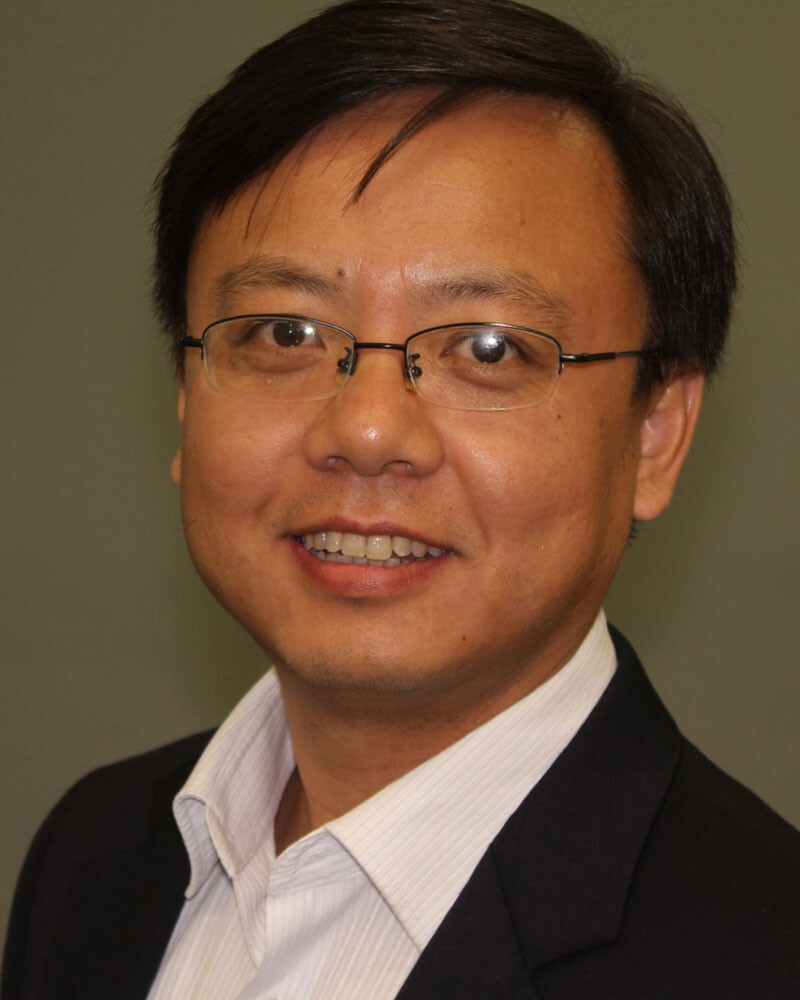
Junzhong Xu is an Associate Professor of Radiology and Radiological Sciences, Biomedical Engineering, and Physics and Astronomy at Vanderbilt University. His research focuses on developing advanced quantitative MRI methods for applications in neurodegenerative diseases and cancer, including MRI cell size imaging and tumor treatment response assessment. He holds affiliations with the Vanderbilt University Institute of Imaging Science (VUIIS) and has expertise in microstructural diffusion MRI and GPU-accelerated imaging tools. Xu’s work spans interdisciplinary collaborations in biomedical engineering and physics. Education: B.S., University of Science and Technology of China M.S., University of Science and Technology of China Ph.D., Vanderbilt University Research Interests: Development of MRI cell size imaging for cancer and neurodegenerative diseases Quantitative assessment of tumor microstructure and treatment response Applications of microstructural diffusion MRI in multiple sclerosis and oncology Key Contributions: Advancement of MRI cytometry for non-invasive disease assessment GPU-accelerated tools for diffusion MRI simulation (MATI) Imaging biomarkers for early detection of neurodegenerative pathology Labs/Teams: Active member of the Vanderbilt University Institute of Imaging Science (VUIIS), collaborating on interdisciplinary imaging projects.
Andrey Yakshin is an Assistant Professor at the University of Twente’s MESA+ Institute, specializing in XUV Optics. His research focuses on surface physics, thin film interfaces, and materials characterization using techniques like Low-Energy Ion Scattering (LEIS). He has contributed to understanding W/Si and W/Al multilayer systems, interface dynamics, and nanoscale material behavior. Key research areas include interface characterization, nanotechnology, and optical properties of advanced materials. He collaborates internationally on projects involving XUV applications and thin film engineering. His work aligns with UN Sustainable Development Goals, particularly in advancing clean energy technologies through material innovation. Yakshin has supervised 10 research projects and actively participates in academic activities, including invited talks and international conferences.
Brian J. Song, MD, MPH, FACS is an Assistant Professor of Clinical Ophthalmology at the Keck School of Medicine of the University of Southern California (USC). He serves as the Director of Education and Residency Program Director in the Department of Ophthalmology at USC, as well as the Glaucoma Fellowship Director. Dr. Song is also the telehealth champion and physician quality champion for the USC Roski Eye Institute. Dr. Song specializes in the medical and surgical management of glaucoma, including advanced laser treatments, minimally invasive glaucoma surgery, and cataract surgery. His research interests focus on evaluating new methods to improve glaucoma detection, particularly through telemedicine applications. He is actively working with collaborators to investigate novel approaches for evaluating optic nerve and blood flow abnormalities in glaucoma using advanced ultrasound and vascular imaging techniques. His extensive publication record demonstrates a strong focus on glaucoma diagnostics, imaging technologies, healthcare disparities, and innovative treatment approaches. Recent work has explored AI applications in glaucoma education, ultrasound stimulation of the visual cortex, and teleretinal screening programs for glaucoma detection. Dr. Song has conducted National Institutes of Health-sponsored research evaluating glaucoma detection methods for diabetes patients and has presented his findings nationally and internationally. His scientific contributions include coauthoring the American Glaucoma Society Position Paper on Microinvasive Glaucoma Surgery. Emerging Vision Scientist Award from the National Alliance for Eye and Vision Research Coauthor of American Glaucoma Society Position Paper: Microinvasive Glaucoma Surgery As Director of Education and Residency Program Director, Dr. Song plays a key role in training the next generation of ophthalmologists at USC. His work with telehealth initiatives demonstrates a commitment to expanding access to quality eye care. Dr. Song joined the USC Roski Eye Institute in 2019 after growing up in Houston, TX, and previously working in New Jersey.
Dr. Senthil Arumugam is a Senior Lecturer at Monash University's Biomedicine Discovery Institute, specializing in cell biology and developmental biology. He holds a PhD from the Max Planck Institute of Molecular Cell Biology and Genetics and conducted postdoctoral research at the Curie Institute. His work focuses on intracellular trafficking mechanisms, particularly endosomal dynamics and their roles in development, using advanced imaging techniques like lattice light-sheet microscopy and adaptive optics. He leads projects on EHD proteins in cellular physiology and HIV capsid cargo transport. Dr. Arumugam is also an Editor-in-Chief of BMC Biology and actively supervises PhD students. Education: PhD (Max Planck Institute), M.Sc. (TIFR), B.Sc. (Chemistry) External roles: Former Group Leader at UNSW (2016–2019), Visiting Researcher at National Centre for Biological Sciences Research interests include self-organization of molecules, advanced fluorescence imaging, and computational modeling. His recent studies explore stochastic intracellular transport dynamics and the toxic mechanisms of amyloid-β oligomers. Collaborations span international institutions, emphasizing interdisciplinary approaches to cellular and developmental biology. Publications highlight contributions to understanding endosomal maturation, gene silencing in plants, and HIV capsid functions. His lab employs cutting-edge microscopy techniques to visualize cellular processes in living tissues, advancing insights into developmental patterning and disease mechanisms.
Lauren May is a Senior Lecturer and Group Leader in the Department of Drug Discovery Biology at the Monash Institute of Pharmaceutical Sciences, which is part of the Faculty of Pharmacy and Pharmaceutical Sciences at Monash University. Her research focuses on G protein-coupled receptors (GPCRs), with an emphasis on their roles in cardiovascular diseases, neurological disorders, and drug discovery. Key areas include adenosine receptor pharmacology, biased agonism, and the development of novel therapeutics targeting GPCRs for conditions such as heart failure and epilepsy. May has led and contributed to numerous research projects, including the development of adenosine A1 receptor modulators for epilepsy treatment and formyl peptide receptor agonists for myocardial infarction. She is also actively involved in advancing drug discovery methodologies, such as AI-driven approaches for molecular property prediction and drug-target interaction modeling. Her work contributes to UN Sustainable Development Goals related to good health and well-being (SDG 3), particularly through innovative therapeutic strategies. In addition to her research, May holds editorial roles in journals like British Journal of Pharmacology and Purinergic Signalling , demonstrating her leadership in the field. Her projects often involve interdisciplinary collaborations, bridging basic science with translational medicine to address unmet clinical needs.
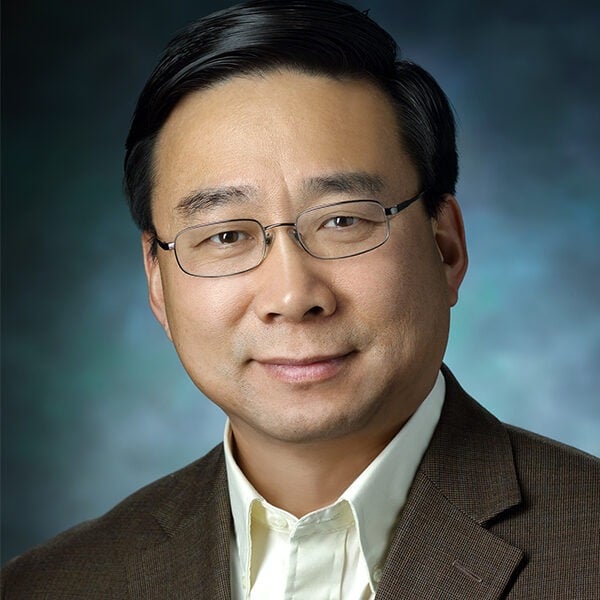
Xingde Li, PhD, is a Professor at Johns Hopkins University with joint appointments in Biomedical Engineering, Electrical & Computer Engineering, and Oncology. He leads the Laboratory of Biophotonics Imaging Technologies (BIT) and focuses on advancing neurophotonics and translational biophotonics for medical applications. Education : PhD in Physics and Biomedical Optics from University of Pennsylvania (1998); BS in Physics from University of Science and Technology of China (1990). Research Interests : Develops cutting-edge imaging technologies like Optical Coherence Tomography (OCT), two-photon fiberscopy, and AI-assisted imaging for disease diagnostics (e.g., cancer, COPD, preterm birth). His work bridges optics, micro-nano technology, and clinical medicine. Grants & Awards : Received grants from the Bisciotti Foundation Translational Fund (2021 and 2018) and has been featured in high-impact media for innovations like the MAGIC imaging capsule. Labs & Teams : Directs the BIT Lab, collaborating with interdisciplinary teams to translate technologies into clinical tools for disease detection and therapy guidance.
Associate Professor Fatima Nasrallah is an Associate Professor and Principal Research Fellow at the Queensland Brain Institute (QBI), University of Queensland (UQ). Her research focuses on functional neuroimaging and brain injury mechanisms, particularly traumatic brain injury (TBI) and its link to neurodegenerative diseases like dementia. She leads a lab investigating multimodal imaging techniques to map structural, functional, metabolic, and molecular changes post-TBI, linking these to behavioral outcomes and biomarkers. Education: PhD in neurochemistry from the University of New South Wales (2009). Postdoctoral work at Singapore Bioimaging Consortium (2009–2012), followed by roles at the Clinical Imaging Research Center and QBI since 2015. Appointed as a Motor Accident and Injury Commission Fellow in 2015. Active in clinical and preclinical TBI research, translational medicine, and neuroimaging innovation. Research Interests: Her work spans basic and clinical neuroscience, emphasizing early diagnosis of TBI biomarkers and neuroimaging advancements. Key areas include: functional MRI, diffusion tensor imaging, quantitative susceptibility mapping, and biomarker discovery. Her lab explores the pathophysiological pathways connecting TBI to Alzheimer's disease and other dementias. Recent Article Themes: Recent publications highlight advancements in TBI biomarkers, neuroinflammation profiling, preclinical imaging standards, and MRI techniques for rodent models. Work also addresses clinical applications, such as pediatric TBI prediction and stroke rehabilitation via robotic devices. Awards: Recognized with the Motor Accident and Injury Commission Fellowship (2015), supporting her TBI research. Advising & Grants: Supervises PhD students (e.g., Linfeng Liu, Junyan Lyu) and collaborates on projects like the PREDICT-TBI trial (multicenter TBI outcome prediction). Leads teams in biomarker development, imaging innovation, and translational studies. Labs & Teams: Heads her independent research group at QBI, collaborating with institutions like the Singapore Bioimaging Consortium and international ISMRM networks. Engages in cross-disciplinary efforts to bridge preclinical and clinical TBI research.
Yingtao Liu is an Associate Professor and holds the Benjamin H. Perkinson Chair & William H. Barkow Presidential Professor at the University of Oklahoma's Aerospace & Mechanical Engineering Department. He specializes in advanced composites, multifunctional materials, intelligent sensors, structural health monitoring, and biomedical applications of shape memory polymers. His research integrates additive manufacturing, nanotechnology, and material science to develop innovative materials and devices. Education: Ph.D., Mechanical Engineering, Arizona State University (2012) M.S., Mechatronics Engineering, Harbin Institute of Technology (2006) B.S., Mechanical Engineering, Harbin Institute of Technology (2004) Research Interests: Development of smart materials with sensing and adaptive capabilities Nondestructive testing and structural health monitoring 3D printing of advanced composites and polymers Biomedical devices for intracranial aneurysm treatment Defect analysis in additive manufacturing processes Recent Contributions: Recent publications focus on shape memory polymers, defect analysis in metal additive manufacturing, and advanced composites for biomedical and structural applications. His work bridges materials science, mechanical engineering, and AI-driven characterization techniques. Awards: Best Paper Award, ASME IMECE 2018 OU VPR Faculty Investment Program Award (2015) Journal of Aerospace Engineering Best Paper Award (2012) Teaching & Outreach: Teaches courses in statics, solid mechanics, and structural health monitoring. Engages in educational initiatives integrating 3D printing and advanced materials into undergraduate curricula.
Prof. Joseph Robson holds the RAEng-DSTL Chair in Alloys for Extreme Environments and is a Professor of Physical Metallurgy at the University of Manchester. His research focuses on microstructural evolution in industrial alloys, particularly aluminum, magnesium, and zirconium, using advanced modeling techniques like Calphad-based thermodynamic and kinetic models. He leads the Light Alloy Processing group and collaborates with institutions like the Henry Royce Institute. Key projects include optimizing microstructures for aerospace, automotive, and nuclear applications through processes like friction stir welding and thermomechanical treatment. Education: BSc in Natural Sciences (Cambridge, 1993), PhD in Metallurgy (Cambridge, 1996). Professional memberships include the Institute of Materials, Minerals and Mining (Fellow, Light Metals Division board member). Research interests span dynamic precipitation behavior, irradiation effects on zirconium alloys, and magnesium alloy strengthening. He has pioneered studies on discontinuous precipitation and its impact on material properties. Awards include the Hume Rothery Award (2015), Grunfeld Medal (2011), and Champion H. Matthewson Award (2017). Advising and grants: Leads major projects like LightForm (EPSRC) and NEWAM (innovative manufacturing). His work addresses challenges in alloy design for extreme environments, with a focus on sustainable materials and advanced processing techniques. Labs/Teams: Active in the Materials Performance Centre and collaborates with industry partners such as Magnesium Elektron and Westinghouse on nuclear materials research.
Dr. Ali Gholinia is a Research Fellow in the Department of Materials at The University of Manchester. He holds a PhD in Materials Science from the University of Manchester (1994), an MSc from the same institution (1992), and a BSc from Middle East Technical University (1988). His expertise spans over 20 years in electron microscopy, Focused Ion Beam (FIB), and Electron Backscatter Diffraction (EBSD), with a focus on 3D microstructure characterization, in-situ mechanical testing, and correlative imaging techniques. His work bridges X-ray tomography and serial sectioning in SEM, emphasizing material microstructure-property linkages. Education: PhD, Materials Science, The University of Manchester (1994) MSc, Materials Science, The University of Manchester (1992) BSc, Middle East Technical University (1988) Research Interests: EBSD and FIB-based 3D microstructure analysis In-situ tensile deformation in SEM Correlative tomography (XCT and FIB-SEM) Advanced materials characterization for energy and aerospace applications Articles Trends: Recent work emphasizes 3D microstructure reconstruction in polycrystalline solar cells, additive manufacturing microstructure analysis, and hydride characterization in Zr alloys. His publications frequently integrate advanced imaging techniques like fs-laser ablation and tri-beam microscopy. Awards: None explicitly stated. Advising & Grants: Currently accepting PhD students. His lab, 'Imaging and Characterisation Group,' focuses on cutting-edge materials analysis tools and methodologies. Labs/Teams: Lead the Imaging and Characterisation Group within the Department of Materials, specializing in correlative microscopy and 3D microstructure analysis.