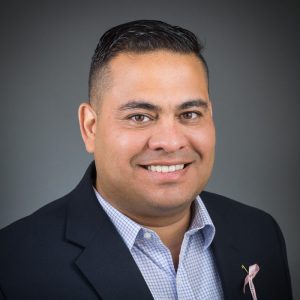
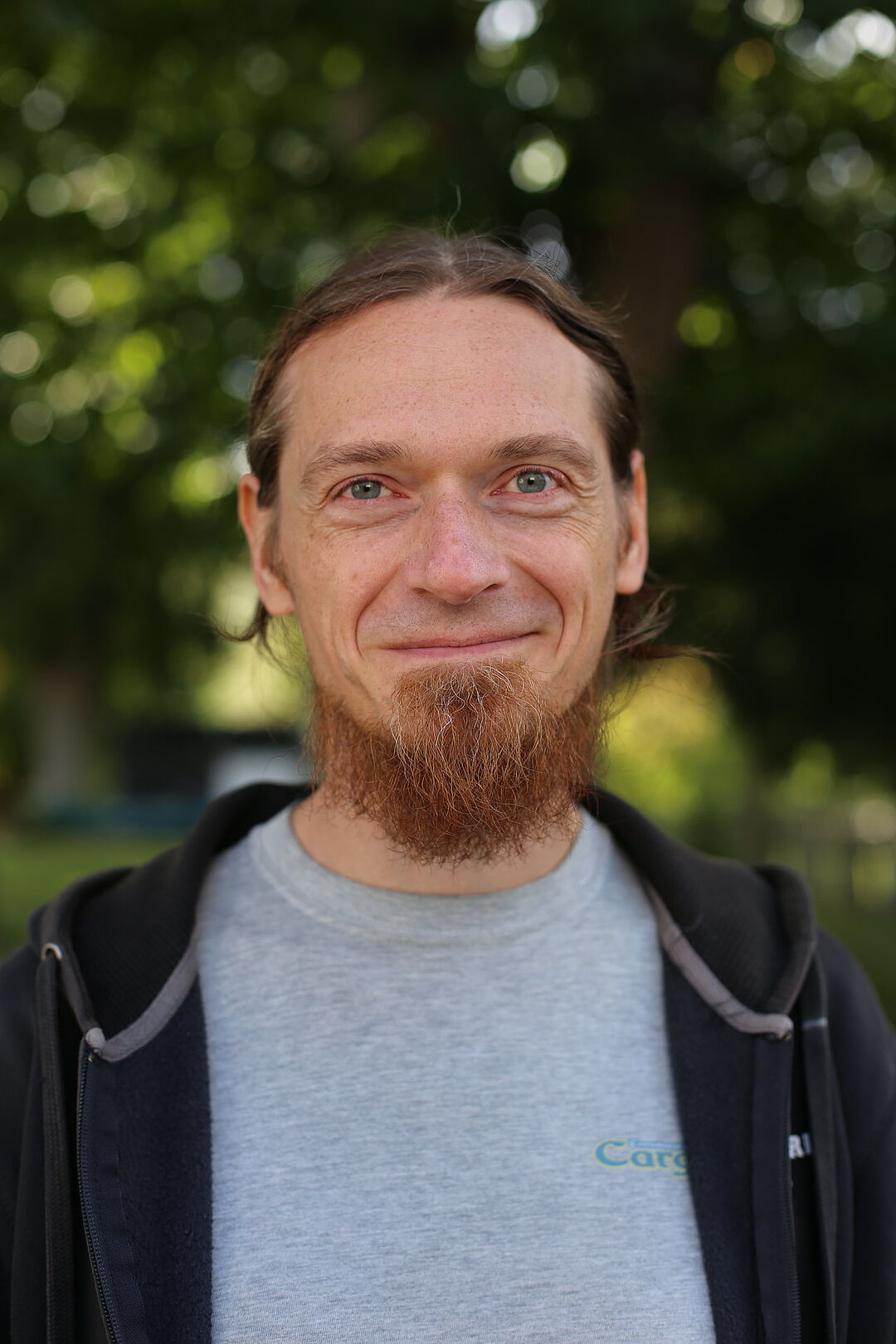
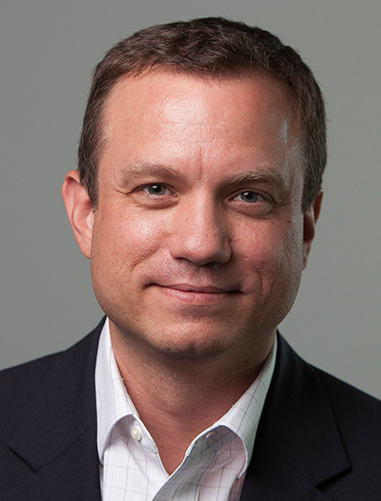
Mohammadhossein Amouei is a researcher and lecturer affiliated with McGill University's School of Information Studies. He holds the role of Course Lecturer for INFS 691: Computer Programming for Information Professionals. His primary research interests span data mining, reverse engineering, machine learning, and cybersecurity. He is affiliated with research labs including the Data Mining & Security Lab and the Accessible Computing Technology Research Group Lab. His educational background includes PhD candidacy at McGill University. Recent research focuses on reinforcement learning-driven vulnerability discovery in cybersecurity and natural language generation for assembly code documentation. He has contributed to federated learning security through game-theoretic frameworks. Advising and grants information is not explicitly detailed in available texts. He maintains an active presence on LinkedIn and GitHub, and his work bridges theoretical computer science with practical security applications.
Dr. Hualin Zhan is a Research Fellow at the School of Engineering, Australian National University, leading the physics-machine learning nexus team within the ANU Perovskite Photovoltaics group. His research integrates physics and machine learning to advance solar energy and energy storage materials, focusing on quantitative analysis of photovoltaic devices at the ion/electron level to enable precision-driven breakthroughs. Research interests include: Machine Learning for scientific discovery in energy materials Theoretical physics of ion/electron transport Perovskite solar cell optimization Nanoscale energy storage systems His publications demonstrate strong focus on machine-learning applications for energy materials, with 60% of recent works involving perovskite optimization and 40% exploring fundamental ion transport mechanisms. Key trends include Bayesian optimization for material parameter extraction and nanocircuitry design for energy storage. Awards and leadership: ACAP Fellowship (2023) and Best Oral Presentation at PVSEC-35 (2024) Lead CI for ACAP project on autonomous PV materials discovery (2025) Founder of nexSAS research group accelerating next-gen energy materials
Xiaochun Li is a Professor at the Department of Mechanical and Aerospace Engineering within the College of Engineering at the University of California, Los Angeles. Holding the Raytheon Endowed Professorship in Manufacturing Engineering, his work bridges materials science and advanced manufacturing technologies. Education: PhD (Mechanical Engineering, Stanford University, 2001), MS (Industrial, System and Welding Engineering, Ohio State University, 1997), BS (Mechanical Engineering and Applied Physics, Tsinghua University, 1992) Research Focus: Dr. Li specializes in science-driven manufacturing (scifacturing), leveraging nanotechnology to revolutionize metallurgy and scalable nanomanufacturing. His work explores smart manufacturing systems, additive manufacturing techniques, and nanoparticle-enabled phase control to overcome traditional material processing limitations. Publication Trends: His research spans nanoparticle integration in metals, fusion-based manufacturing innovations, and sensor-embedded process monitoring. Topics include unconventional welding methods, solidification control, composite synthesis, and thermal behavior analysis, reflecting interdisciplinary expertise in materials science, mechanical engineering, and nanotechnology. Scientific Recognition: Awards include the prestigious SME Frederick W. Taylor Research Medal (2025), ASME William T. Ennor Manufacturing Technology Award (2022), and Fellowships from ASME, SME, and the International Society of Nanomanufacturing. His NSF CAREER Award (2002) and multiple AFS honors highlight early-career impact. Laboratory: Dr. Li leads the Scifacturing Laboratory , which develops science-driven manufacturing solutions that address critical challenges in materials processing and industrial scalability.
Philipp Bayer is an Adjunct Research Fellow at the University of Western Australia (UWA) and a Principal in the OceanOmics project at the Minderoo Foundation. His roles include computational biology research focused on plant genomics, machine learning applications in genomics, and environmental DNA (eDNA) methods for ocean biodiversity monitoring. He holds a PhD from the University of Queensland (UQ) and has held positions such as a Forrest Fellowship and DECRA fellowship, focusing on wheat breeding and evolutionary genomics. Bayer is a member of the UWA Data Institute's Research Committee and the Scientific Advisory Committee for the ARDC Machine Learning CoP. Education and Career Highlights: PhD in Plant Genomics, UQ (2016) DECRA Fellowship at UWA (2021–2023), studying plant gene evolution Forrest Fellowship (2018–2020) on wheat genomics and machine learning Principal, Computational Biology, Minderoo Foundation (2022–present) Research Interests: Plant pangenomics and genome evolution Machine learning for crop improvement and biodiversity analysis eDNA-based marine biodiversity monitoring Genetic mechanisms underlying crop domestication Grants and Collaborations: GRDC: Machine learning for canola disease resistance ARC DECRA: Evolutionary genomics of plant genes Collaborations with BASF, Intergrain, and the OceanOmics initiative Awards: Finalist in the 2019 WA Premier’s Science Award. Labs/Teams: Leads the OceanOmics project and organizes Hacky Hour (code/data support sessions).
Michael Schatz is the Bloomberg Distinguished Professor of Computational Biology and Oncology at Johns Hopkins University, with joint appointments in the Department of Computer Science at the Whiting School of Engineering and the Department of Biology at the Krieger School of Arts and Sciences. He also serves as a member of the Cancer Prevention and Control Program at Johns Hopkins' Sidney Kimmel Comprehensive Cancer Center and maintains an adjunct position at Cold Spring Harbor Laboratory. Dr. Schatz's research focuses on computational biology and genomics, with particular expertise in DNA sequencing analysis and scalable computing solutions for genomic data. His work spans medical applications for understanding autism spectrum disorders and cancer, as well as agricultural applications for crop improvement. He founded and directs the Schatz Lab, which has developed numerous widely-used computational tools including NGMLR, Sniffles, Scalpel, GECCO, Ginkgo, FALCON, Assemblytics, CloudBurst, and Crossbow. His recent work has made significant contributions to understanding structural variations in cancer genomes, analyzing South Asian genomic diversity, and identifying genes responsible for size variations in nightshade plants like tomatoes and eggplants. Dr. Schatz has pioneered the use of cloud computing in genomics and remains at the forefront of developing algorithms for large-scale biological sequence analysis. Alfred P. Sloan Foundation Fellowship (2015) NSF CAREER Award (2014) Genome Technology's Young Investigator of the Year (2010) Winship Herr Award for Excellence in Teaching (twice) TIME100 recipient (2022) Dr. Schatz actively advises PhD students including Arun Das (recently defended) and Mahler Revsine (NSF GRFP fellow). He serves on editorial boards for Genome Biology, GigaScience, and Cell Systems, and regularly participates in major genomics conferences including the Cold Spring Harbor Laboratory meetings. His lab continues to develop innovative computational approaches at the intersection of biotechnology and algorithmics, with applications spanning human health, agriculture, and evolutionary biology.
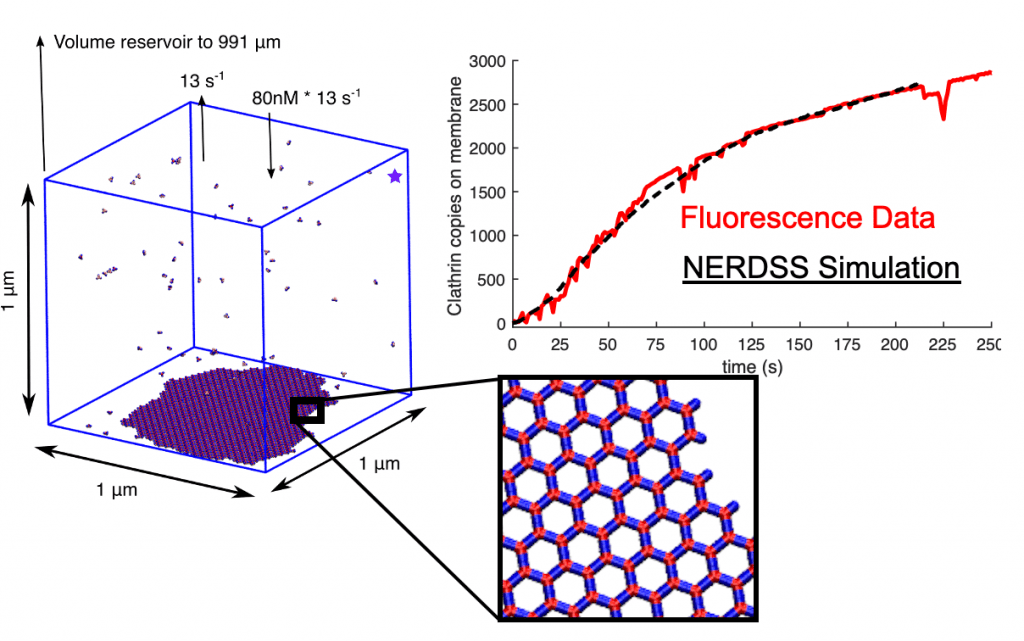
Margaret Johnson is an Associate Professor in the Department of Biophysics at Johns Hopkins University, where she has been since 2013. Her research group focuses on self-assembly and self-organization in cellular systems, with emphasis on clathrin-mediated endocytosis, viral exit mechanisms, and transcriptional regulation. Education: B.S. in Applied Mathematics from Columbia University Ph.D. in Bioengineering from University of California, Berkeley Her multidisciplinary research combines statistical mechanics, computational modeling, and experimental collaborations to study how macromolecular self-assembly is spatially and temporally controlled in biological systems. Key areas include dimensional reduction effects in protein binding, membrane remodeling dynamics, and reaction-diffusion modeling of cellular processes. Recent publications highlight her group's work on optimal kinetic pathways for self-assembly membrane-associated assembly mechanisms dimensional reduction effects in biological systems parallelized simulation algorithms temporal control of viral assembly membrane energy and protein lattice formation These studies often integrate with software development like ioNERDSS for simulation analysis. Scientific Awards: NIH Pathway to Independence Award NSF CAREER Award NIH MIRA Award Margaret's group has trained numerous graduate and postdoctoral researchers, with recent graduates securing academic positions and PhD programs at top institutions. Her lab actively develops open-source simulation tools and maintains collaborations across disciplines to advance understanding of non-equilibrium biological systems.
Ronalds Gonzalez (Dr. G) is an Associate Professor at North Carolina State University specializing in conversion economics and sustainability within the pulp & paper and hygiene tissue industries. As co-founder of the Sustainable and Alternative Fibers Initiative (SAFI) , he drives global research on sustainable fiber adoption. Business Administration & Engineering, Universidad de Los Andes MS in Marketing Forest Products, NC State University PhD in Supply Chain & Conversion Economics, NC State University MBA in Corporate Finance, Jenkins Business School Certification in Value Creation, Stockholm School of Economics His research focuses on: Techno-economic analysis of sustainable fiber conversion Life Cycle Assessment (LCA) methodologies Bio-based material development for consumer goods Decarbonization strategies in forest industries PFAS-free fiber product innovation Circular economy implementation Recent publications analyze alternative fibers , catalytic waste conversion , and AI-driven sustainability in pulp & paper operations. Awards include the NC State Faculty Scholar and Chancellor Innovation Award . Current grants total over $16 million, primarily through the SAFI consortium and biotech projects.
Rabah Aoufi is a Senior Lecturer in the Department of Engineering Technology & Industrial Distribution at the College of Engineering, Texas A&M University. His primary affiliation includes the Electronic Systems Engineering Technology program. He can be reached at raoufi@tamu.edu and is located in FERM 304AA. His work focuses on digital signal processing, microcontroller systems, control systems, and engineering entrepreneurship. Research interests span embedded systems design, real-time data processing, and innovative educational projects. His publications reflect expertise in both foundational engineering principles (e.g., signal processing fundamentals) and applied technologies (e.g., microcontroller programming and big data frameworks). His articles demonstrate a career-long engagement with evolving technologies—from foundational 1980s multiprocessor architectures to modern big data systems. No scientific awards or grants are explicitly mentioned in the provided materials.
Jan Swenson is a researcher at Chalmers University of Technology, where she earned her PhD in Physics in 1996. Her research focuses on soft materials, particularly the role of water in biological systems and supercooled water dynamics. She employs neutron scattering and molecular dynamics simulations to study protein aggregation (e.g., Alzheimer's and Huntington's diseases), lipid nanoparticles for RNA delivery, and sugar-protein interactions. Her work bridges physics, chemistry, and biomedicine, aiming to develop novel materials for medical applications and energy storage. Education: PhD in Physics, Chalmers University of Technology (1996) Postdoctoral Research, University College London, UK (structure/stability of clay gels) Research Interests: Soft materials, biological materials' hydration, neutron scattering analysis, supercooled water properties, and protein stabilization via sugars. Her recent projects include modeling material dynamics using computer simulations and optimizing lipid nanoparticles for therapeutic RNA delivery. Grants & Collaborations: Works with colleagues to develop new data analysis methods for neutron scattering. Active in interdisciplinary projects involving drug delivery systems and materials science. Labs/Teams: Part of Chalmers' research groups focused on biomaterials and energy materials, contributing to structural battery electrolyte development.
Mathias Weller is a Professor and Chair of the AKT group at Université Gustave Eiffel (Paris), France. Previously, he held a Full-Time Researcher position at CNRS/LIGM (2018–2022) and postdoctoral roles at LIRMM (2013–2017). He earned his PhD in Theoretical Computer Science from TU Berlin (2012) and a Diploma in Computer Science from Friedrich Schiller University Jena (2009). His research focuses on Parameterized Algorithmics, Genome Scaffolding, Phylogenetic Networks, and Structural Parameterization. He has contributed extensively to algorithm design for computational biology, including preprocessing techniques and kernelization concepts. Weller’s work bridges theoretical computer science and applied bioinformatics, addressing challenges in phylogenetic analysis, genome assembly, and combinatorial optimization. His publications span algorithmic efficiency, network analysis, and complexity theory, with a focus on practical applications in genomics and phylogenetics.
Dr. Ahmad S. Khalil is an Associate Professor in the Department of Biomedical Engineering at Boston University, serving as Associate Director of the Biological Design Center (BDC) and Co-Director of the SB2 NIH/NIGMS T32 Training Program. He holds affiliations with the Wyss Institute at Harvard University and the Molecular Biology, Cell Biology & Biochemistry (MCBB) departments. His research focuses on synthetic biology, systems biology, and genetic regulation, with a strong emphasis on engineering programmable cellular therapies and automated evolution technologies like the eVOLVER platform. Education: B.S. in Mechanical Engineering from Stanford University; M.S. and PhD in Mechanical Engineering from MIT. Key honors include the 2022 Schmidt Science Polymath Award, 2020 DoD Vannevar Bush Fellowship, and 2017 PECASE Award. Research interests include synthetic circuit design for eukaryotic gene regulation, lab-scale evolutionary biology, and democratizing biotechnology tools. His work bridges engineering and biology to address challenges in medicine, climate, and biomanufacturing. Publications emphasize synthetic biology applications, epigenetic control, and automated evolution. He leads a multidisciplinary team with expertise in genetics, computation, and automation, ensuring technologies are accessible to the global scientific community.
Greg Morrisett is the Jack and Rilla Neafsey Dean and Vice Provost of Cornell Tech, a graduate campus in New York City focusing on technology, business, law, and design. Previously, he served as Dean of Computing and Information Sciences at Cornell University and held the Allen B. Cutting Chair in Computer Science at Harvard University (2004–2015). He earned a B.S. from the University of Richmond and M.S./Ph.D. from Carnegie Mellon University. His research focuses on programming language technologies for secure, reliable software systems, including typed assembly language, proof-carrying code, and provably correct compilers. Notable projects include CertiCoq, GoNative, and CRASH-SAFE. He is an ACM Fellow and recipient of awards such as the Presidential Early Career Award and NSF Career Award. He has advised over 17 PhD students and mentored numerous postdocs. His work spans formal verification, cryptographic protocols, and secure systems design. Morrisett has served on editorial boards for journals like Communications of the ACM and advisory councils for NSF, DARPA, and Microsoft Research. Current research includes formal verification of cryptographic protocols with the INRIA Prosecco Team and advancing compiler correctness through projects like CertiCoq.
Grzegorz Rozenberg is a distinguished Professor in the Department of Computer Science at Leiden University, Netherlands, where he has been a faculty member since 1979. He also holds an adjunct professor position at the Department of Computer Science of University of Colorado at Boulder, USA. Rozenberg has made significant contributions to theoretical computer science, particularly in natural computing, molecular computing, and formal language theory. His educational background includes a Master and Engineer degree in computer science from the Technical University of Warsaw, Poland (1965), and a Ph.D. in mathematics from the Polish Academy of Sciences, Warsaw (1968). Prior to his position at Leiden, he held academic positions at the Polish Academy of Sciences, Utrecht University, State University of New York at Buffalo, and University of Antwerp. Rozenberg's research interests span multiple domains of theoretical computer science, with a particular focus on natural computing. His primary research areas include natural computing (molecular computing, computation in living cells, self-assembly, and theory of biochemical reactions), theory of concurrent systems (Petri nets, transition systems, and traces), graph transformations, formal language and automata theory, and mathematical structures in computer science. His work bridges computer science with biology, chemistry, and physics, creating interdisciplinary connections that have advanced our understanding of computation in natural systems. Throughout his career, Rozenberg has received numerous prestigious awards and honors. He is a Foreign Member of the Finnish Academy of Sciences and Letters and a member of Academia Europaea. He has been awarded honorary doctorates from seven institutions across Europe. His Distinguished Achievements Award from the European Association for Theoretical Computer Science recognizes his outstanding scientific contributions to the field, and he has been recognized as a Highly Cited Researcher by ISI. Beyond his academic work, Rozenberg has served in numerous editorial and leadership roles. He has been the founding editor-in-chief of several major journals in theoretical computer science and natural computing. He served as President of the European Association for Theoretical Computer Science from 1985 to 1994 and has chaired steering committees for multiple international conferences. His extensive service to the academic community reflects his leadership and influence in theoretical computer science.
Onur Ulgen is a Professor in the Industrial and Manufacturing Systems Engineering department at the University of Michigan-Dearborn , where he has held positions since at least 2011. His work focuses on applying simulation techniques to solve complex problems in manufacturing and industrial systems. Education Ph.D., Industrial Engineering , Texas Technological University M.S., Industrial Engineering , Texas Technological University B.S., Mechanical Engineering , Robert College Research Interests Professor Ulgen specializes in Discrete-Event Simulation (DES) applications across multiple domains. His work addresses Automotive Manufacturing challenges like assembly line optimization, selectivity bank modeling, and deadlock prevention. He also investigates Steel and Metal Manufacturing systems, high-speed production lines, and Medical Logistics resource allocation. Key subfields include production scheduling, software selection for industrial simulation, and integrated systems modeling. Recent Article Trends His publications from 2015 to 2007 demonstrate a sustained focus on simulation for Automotive , Aerospace , and Healthcare industries. Topics include capacity planning, material handling optimization, and simulation-based design validation. Specific methodologies emphasize discrete-event simulation , throughput analysis , and deadlock prevention in complex systems. Grants and Projects Ford Motor Company (2011-2012): Modeling selectivity buffers for conflicting constraints in vehicle assembly SAP America, Inc. (2000): Nonlinear demand forecasting and inventory management uncertainty SME Education Foundation (1996-1997): Manufacturing engineering support
Julian Charles Shillcock is a Lecturer and computational modeling specialist at École Polytechnique Fédérale de Lausanne (EPFL), affiliated with the School of Life Sciences and the Lashuel Lab. He also serves as a Scientist in the UPDALPE group (Prof. Dal Peraro Group) and teaches in EPFL’s SSV (Teaching) and EDNE (Doctoral Education) sections. His work bridges biophysics, computational modeling, and cellular dynamics. PhD in Physics from Simon Fraser University (1996) Group Leader at Max Planck Institute of Colloids and Interfaces (2000-2005) Associate Professor at University of Southern Denmark (2005-2011) Blue Brain Project member since 2011 Shillcock’s research focuses on biomolecular condensates , membrane dynamics , and computational cell biology . He develops mesoscale simulation methods like Dissipative Particle Dynamics to study vesicle fusion , neuronal morphology , and neurodegenerative disease mechanisms . Recent work includes POETS computing platforms for accelerating simulations and Shiga toxin clustering on membranes. His publications (2022-2024) reveal trends in soft matter physics , computational neuroscience , and biomolecular condensate structure . Key collaborations include Imperial College London and University of Southampton on the POETS project. Scientific recognition includes: 2021 Polysphère prize for Best Teacher in Life Sciences He has advised PhD student Lida Kanari in computational morphology and contributed to neocortical microcircuit reconstruction . His research spans computational biophysics , toxin entry mechanisms , and novel computational platforms for life sciences education.