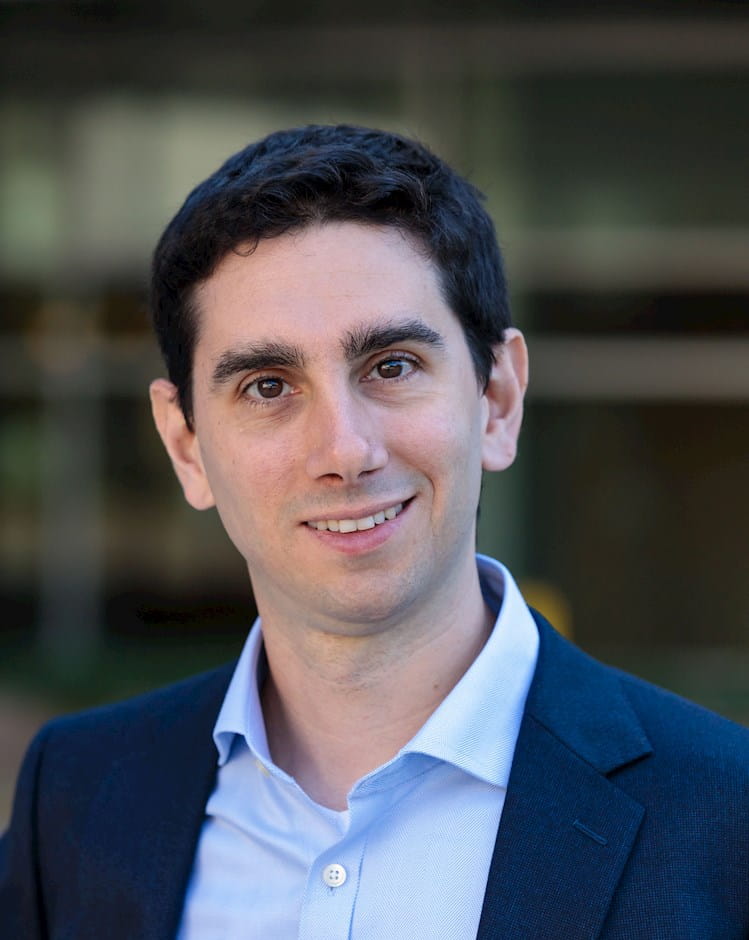
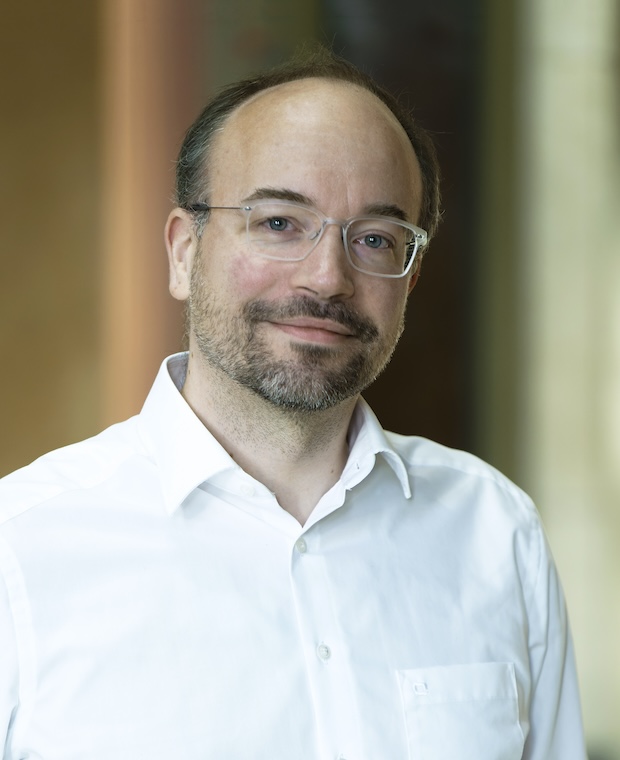
Jonathan Fan is an Associate Professor at Stanford University in the Department of Electrical Engineering. His teaching portfolio includes graduate and undergraduate courses in electromagnetics, integrated circuit fabrication, and specialized studies across all quarters. EE 242: Electromagnetic Waves (Autumn) EE 312: Integrated Circuit Fabrication Laboratory (Winter) ENGR 42/EE 42: Electromagnetics and Applications (Spring) 11 independent studies and thesis courses (EE 190, EE 191, EE 300, etc.) His research focuses on nanophotonics and metasurface engineering , with particular emphasis on inverse design methodologies, machine learning -driven photonic optimization, and machine learning in electromagnetic simulation. His recent publications demonstrate a strong trend toward deep learning-enabled photonic design and high-speed optimization of complex optical systems. His work spans metamaterial fabrication , nonlocal effects in metasurfaces, and multi-functional optical devices such as spaceplates for aberration correction. Key technical contributions include physics-augmented neural networks , reparameterization techniques for design constraints, and topology-optimized metasurfaces .
Marcin Jurdzinski is an Associate Professor (Reader) in the Department of Computer Science at the University of Warwick , UK. He has been a faculty member since 2004 and is a core member of the Foundations of Computer Science and Discrete Mathematics and its Applications research groups. University: University of Warwick School: Faculty of Science Department: Department of Computer Science Position: Associate Professor (Reader) Email: Marcin.Jurdzinski@warwick.ac.uk Office: CS2.19 His research lies at the intersection of algorithms, game theory, automata, and logic , with a strong emphasis on formal verification , model checking , and theoretical computer science . He is best known for his foundational work on parity games , including the development of small progress measures and discrete strategy improvement algorithms. The recent publications reveal a consistent focus on computational complexity in games and verification. Key themes include stochastic games, timed automata, bisimilarity, and quantitative analysis . His work often bridges theoretical insights with practical verification challenges, especially in real-time and probabilistic systems. He has supervised several PhD students and hosted postdoctoral researchers such as Laure Daviaud and Alexander Kozachinskiy. He has led EPSRC-funded projects including Solving Parity Games in Theory and Practice and Counter Automata: Verification and Synthesis . PhD Students: Aditya Prakash, Thejaswini K. S., Michail Fasoulakis, John Fearnley, Michal Rutkowski, Ashutosh Trivedi Postdocs: Laure Daviaud, Alexander Kozachinskiy He is actively involved in the academic community, serving on the steering committee of the Highlights of Logic, Games and Automata conference and on program committees for major venues such as CONCUR, ICALP, and LICS. He has also organized workshops including FORMATS and ICALP co-located events.
Jacob D. Leshno is an Associate Professor of Economics and Robert H. Topel Faculty Scholar at the University of Chicago Booth School of Business. His research employs game theory, applied mathematics, and microeconomic theory to study allocation mechanisms and marketplace design, with applications spanning school choice systems, patient assignments to nursing homes, and decentralized cryptocurrency protocols. Professor Leshno's academic background includes: PhD in Economics from Harvard University, completed under Nobel laureate Alvin Roth M.Sc. in Pure Mathematics from Tel Aviv University B.Sc. in Pure Mathematics from Tel Aviv University His research program centers on market design theory with two primary strands. The first focuses on matching markets, where he developed tractable cutoff characterizations that clarify market structures for college admissions and medical residency matching (NRMP). His work demonstrates how price discovery mechanisms can streamline inefficient processes like college applications and subsidized housing allocation. The second strand examines cryptocurrencies and blockchain technology, investigating how open-source computer code functions as market rules in decentralized systems. This research explores both the economic security of permissionless consensus and fundamental limitations of proof-of-work protocols. Professor Leshno's publications reveal a cohesive research trajectory applying economic theory to increasingly complex market structures. His work consistently bridges theoretical rigor with practical implementation, evolving from traditional matching markets to the frontier of decentralized digital systems. Publications in top journals like American Economic Review and Journal of Political Economy demonstrate both analytical depth and real-world relevance across education, healthcare, and financial technology sectors. Professor Leshno has received significant recognition for his contributions: ACM SIGecom Test of Time Award for foundational work in matching markets INFORMS Frederick W. Lanchester Prize for outstanding contributions to operations research Prior to Chicago Booth, Professor Leshno served as Assistant Professor at Columbia Business School and completed a postdoctoral fellowship at Microsoft Research New England, following industry experience at Yahoo! and IBM. He teaches MBA courses in Competitive Strategy and Market Design, and developed a PhD seminar bridging computer science theory with economic principles for distributed systems. His research continues to influence both academic theory and practical implementations of market mechanisms across multiple sectors. Professor Leshno maintains active collaborations with leading researchers including Itai Ashlagi, Irene Lo, and Gur Huberman, advancing the theoretical foundations of market design while addressing contemporary challenges in digital marketplaces and allocation systems.
Dr. HAJNAL Géza is an Associate Professor at the Budapest University of Technology and Economics (BME), Faculty of Civil Engineering, where he serves in the Department of Hydraulic and Water Resources Engineering. His office is located in Room K. ép / mf. 12/7, and he can be contacted via email at hajnal.geza@emk.bme.hu or phone at +36 1 463 2362. His teaching portfolio includes active courses such as Hydraulic Engineering, Water Management (BMEEOVVAT43) and Hydrometric Field Course (BMEEOVVAI44). Previously, he taught Hidrogeology (BMEEOGMMET3) and Hydrogeology of Subsurface Water (BMEEOGMDT81). HAJNAL's research specializes in hydrogeology , with emphases on karst aquifer dynamics, groundwater flow modeling, climate impacts on hydrology, and hydraulic engineering. His work integrates field measurements (e.g., drip-water monitoring in Buda Castle Cave) with advanced numerical modeling to address complex hydrological challenges in Hungarian watersheds. Analysis of his 15 most recent publications (2013–2025) reveals dominant themes: 73% focus on karst/fractured aquifers , 20% on hydrological modeling techniques , and 7% on socio-environmental conflicts. Recurrent technical subfields include seepage flow validation, transmissivity determination, and rainfall-runoff sensitivity. No scientific awards, grants, student advisees, or lab affiliations are documented in the provided materials.
Duncan Astle is the Gnodde Goldman Sachs Professor of Neuroinformatics at the Department of Psychiatry, University of Cambridge. He serves as a Programme Leader at the Medical Research Council's Cognition and Brain Sciences Unit (MRC CBU) and is a Fellow of Robinson College. Astle heads the 4D Lab (Development, Dynamics, Disorders, Data Science), which provides a research home for approximately 15 Early Career Researchers working at the intersection of developmental cognitive neuroscience and advanced data science methodologies. Astle's research focuses on understanding childhood development through innovative analytical approaches. His work employs transdiagnostic methods to study children with attention, learning, and memory difficulties, moving beyond traditional diagnostic categories. He investigates how neural systems develop in childhood, how they relate to developmental disorders, and how they respond to intervention. His research integrates network science, machine learning, and generative modeling to capture the complexity of neurodevelopmental diversity, examining how cognitive skills, literacy, numeracy, and mental health interrelate over developmental time. His publication record reveals a strong focus on brain connectivity and organization across development. Recent work explores structural and functional neurodevelopmental trajectories, brain wiring economics, and the impact of environmental factors on neural development. Astle's research frequently employs advanced data science techniques to identify sub-populations of children with different cognitive or brain profiles, regardless of diagnosis, and to map non-linear relationships between brain organization and cognitive difficulties. His work has increasingly focused on transdiagnostic approaches to understanding developmental disorders and the application of computational models to developmental neuroscience. Astle actively supervises PhD students and has built a substantial research group that contributes to major projects including the Centre for Attention Learning and Memory (CALM) and Resilience in Education and Development (RED). His work has been supported by prestigious funding bodies including the Royal Society, the British Academy, the Medical Research Council, and the Economic and Social Research Council, as well as multiple charitable foundations. The 4D Lab, under Astle's leadership, utilizes state-of-the-art facilities at the University of Cambridge, including on-site magnetic resonance imaging and magnetoencephalography scanners. The lab contributes to building specialist cohorts such as CALM (800 children with cognitive difficulties plus 200 comparison children) and RED, which study children's development, resilience, and educational outcomes. Astle's team explores how growing up in adverse environments affects children's brains, behavior, and mental health, with the aim of identifying early markers of risk and resilience.
Zhaoli Song is an Associate Professor at the Department of Management and Organisation within NUS Business School, Singapore. His research bridges behavioral genetics with organizational behavior, focusing on leadership, AI in the workplace, cross-cultural management, and work-family dynamics. PhD in Human Resources and Industrial Relations (2004), University of Minnesota Master in Statistics (2004), University of Minnesota Master in Applied Psychology (1999), Chinese Academy of Sciences Bachelor in Optics (1995), Sichuan University Dr. Song pioneered molecular genetics applications in management research, achieving media recognition in Economist and Washington Post . His work spans AI strategy formulation, pandemic scenario modeling, and team innovation across Asia. He has taught organizational behavior, HRM, and research methods at undergraduate, Master's, EMBA, and executive levels. Recent publications analyze AI adoption frameworks, emotional dynamics in leader-member exchanges, and genetic determinants of creativity. He served as Academic Director for NUS Asian Pacific EMBA (Chinese) program (2013-2017), demonstrating educational leadership alongside scholarly contributions.
Brandon M. Stewart is an Associate Professor of Sociology at Princeton University with extensive interdisciplinary affiliations. He serves as Director of the Statistics Core at the Office of Population Research and maintains formal connections with the Politics Department, Princeton Institute for Computational Science and Engineering, Center for Information Technology Policy, and Center for the Digital Humanities. Stewart holds editorial leadership as Co-Editor-in-Chief of Political Analysis and Associate Editor at Sociological Methods & Research . His educational background includes: Ph.D. in Government from Harvard University (2015) Master's degree in Statistics from Harvard University (2014) Stewart's research pioneers innovative quantitative methods for social science applications, specializing in automated text analysis and modeling complex heterogeneity in regression. His methodological frameworks enable researchers to uncover hidden structures in large datasets that were previously too costly or impossible to analyze. While his recent work has focused on using newspaper archives to study propaganda mechanisms in contemporary China, his tools are deliberately designed for broad applicability across diverse domains including education, human trafficking, forced migration, international relations, constitutional law, and psychology. His publication record demonstrates consistent innovation at the intersection of statistics, machine learning, and social inquiry. Stewart's work shows a clear trajectory from foundational methodological development to practical implementation across numerous substantive areas, with recurring themes of enhancing causal inference with textual data, developing robust topic modeling techniques, and creating accessible computational tools for social scientists. Stewart's scholarly excellence has been recognized through multiple prestigious awards: 2024 Leo Goodman (Early Career) Award from the Methodology Section of the American Sociological Association 2023 Emerging Scholar Award from the Political Methodology Society Edward R Chase Dissertation Prize Gosnell Prize for Excellence in Political Methodology Political Analysis Editor's Choice Award Recognition for Excellence in Mentoring Graduate Students As a mentor, Stewart has guided several successful graduate students to faculty positions at institutions including UCLA and Georgetown. His collaborative approach is evident in numerous multi-author projects spanning disciplines from political science to computational linguistics. His leadership extends to the Sociology Statistics Reading Group, which he founded to foster interdisciplinary methodological exchange, and his summer methods camp that trains social scientists in advanced quantitative techniques.
Joshua D. Rabinowitz is a Professor of Chemistry and the Lewis-Sigler Institute for Integrative Genomics at Princeton University, where he also serves as Director of the Ludwig Princeton Branch. His research focuses on achieving a quantitative, comprehensive understanding of cellular metabolism, with applications in both basic science and medical research. Dr. Rabinowitz's research interests span multiple areas of metabolism and systems biology: Quantitative analysis of metabolic networks and regulation Metabolomics and measurement of metabolite concentrations and fluxes Cancer cell metabolism and therapeutic targeting Metabolic regulation in microbes (E. coli, Saccharomyces cerevisiae) Biofuel production (focusing on Clostridium acetobutylicum) Metabolic impact of pathogen infection (viral infection of human cells) His laboratory has developed innovative methods for measuring cellular metabolites using state-of-the-art mass spectrometry technology and approaches for quantitating metabolic fluxes through isotope-labeling data interpretation. Analysis of recent publications reveals a strong focus on NAD+ metabolism, cancer metabolism, metabolic adaptations in disease states, and the intersection of metabolism with immunology and neuroscience, particularly in areas like T cell metabolism, Alzheimer's disease, and cardiac function. Dr. Rabinowitz has received recognition as a Highly Cited Researcher by Web of Science, indicating significant impact in his field. He advises several graduate students and has mentored numerous alumni, including Michel I. Nofal, Edmundo Leiva III, and Sean Hackett. His research is supported by multiple programs including NIH NHGRI Training Program and QCB Graduate Program. The Rabinowitz Lab operates at the intersection of chemistry, biology, and computational science, with all projects involving a mix of biological experiments, metabolomics, and computation to achieve their goal of a holistic understanding of cellular metabolism.
Julia Cagé is a Full Professor of Economics at Sciences Po Paris since 2024, having joined the Department of Economics in 2014 and receiving tenure in 2021. She is affiliated with the Laboratory for Interdisciplinary Evaluation of Public Policies (LIEPP), the Centre for Economic Policy Research (CEPR) where she leads the CEPR Research and Policy Network on 'Media Plurality,' and the CESifo Research Network. Her research spans political economy, media economics, and economic history with a focus on democracy, information economics, and political participation. Cagé's research interests center on the intersection of media, politics, and economics, particularly examining how media structures influence democratic processes, political participation, and information provision. Her work combines historical analysis with contemporary economic methods to understand the relationship between media markets, campaign finance, and political representation. She has pioneered research on media ownership models, the economics of digital journalism, and the long-term effects of historical institutions on contemporary political behavior. Her publications reveal a consistent focus on the economics of information and democracy, with particular attention to media markets, campaign finance, and electoral systems. Her work spans both theoretical and empirical approaches, often using historical data to inform contemporary policy questions. The research demonstrates increasing interdisciplinary integration, connecting economics with political science, history, and media studies to address fundamental questions about democratic representation and information markets. European Research Council Starting Grant (2021) for the PARTICIPATE project Best Young French Economist Award (ex aequo) by Le Cercle des économistes and Le Monde (2023) Yrjö Jahnsson Award (2025) Special Jury Prize for Best Book on Media (2016) Prix Pétrarque de l'essai by Le Monde and France Culture (2019) Cagé has supervised numerous PhD students and early-career researchers through her ERC grant and other research projects. She has secured substantial funding including the European Research Council Starting Grant and McCourt Institute grants in 2022 and 2023. Her research group at LIEPP has produced influential policy recommendations on media pluralism and democratic representation. She has also been involved in practical applications of her research through her board membership at Agence France Presse (2015-2022) and her policy engagement with French and European institutions. Cagé leads the PARTICIPATE research project funded by the ERC, which studies campaign finance, information, and political influence using individual-level data and computer science tools. Her work connects with broader research initiatives at Sciences Po focused on democratic innovation and the political economy of information. She frequently collaborates with interdisciplinary teams including economists, political scientists, historians, and computer scientists to address complex questions about democracy in the digital age.
Jeff Urbach is a Professor in the Department of Physics at Georgetown University and Vice Provost for Research. He earned a B.A. in Physics from Amherst College (1985), a Ph.D. from Stanford University (1993), and completed a postdoctoral fellowship at the University of Texas at Austin (1993-1996). He joined Georgetown in 1996, advancing to Professor in 2006, and held leadership roles including Department Chair (2000-01, 2004-07, 2016-20) and Director of the Institute for Soft Matter Synthesis and Metrology (2011-15). Education: B.A. in Physics (Amherst College, 1985); Ph.D. in Physics (Stanford University, 1993) His research focuses on complex dynamics and biophysics , applying statistical physics, nonlinear dynamics, and advanced imaging to systems like granular materials, cytoskeletal proteins, and neuronal migration. Current work emphasizes quantitative modeling of multifaceted, interacting systems through computer simulations and experimental analysis. Scientific awards include the Sloan Foundation Fellowship and the Presidential Early Career Award for Scientists and Engineers . Research funding has been secured from the National Science Foundation, National Institutes of Health, NASA, Air Force Office of Scientific Research, NIST, and other foundations.
Ziran Wang is an Assistant Professor in the Department of Civil Engineering at Purdue University's College of Engineering, appointed as new faculty in 2022. His research bridges digital twin technologies, autonomous driving systems, and human-machine interaction to advance intelligent transportation solutions. Ph.D. in Mechanical Engineering, University of California, Riverside Prior role: Principal Researcher at Toyota North America His work focuses on creating personalized autonomous driving experiences through machine learning, emphasizing safety and efficiency in real-world applications. Key areas include multimodal large language model integration, federated learning for privacy-preserving data sharing, and cooperative perception frameworks. He develops novel approaches for digital twin-based traffic simulation, medical emergency detection in vehicles, and human behavior modeling in complex urban environments. Analysis of his 2024-2025 publications reveals a dominant trend toward generative AI applications in autonomous driving, particularly for perception-prediction-planning integration and real-world validation. His research increasingly incorporates digital twins for safety-critical testing and explores medical applications through in-vehicle health monitoring systems. Dr. Wang advises graduate students including Wenhui Huang and leads the Purdue Digital Twin Lab, which develops advanced simulation and testing platforms for autonomous systems. His lab maintains strong industry partnerships with Toyota for real-world deployment and validation of research成果.
Prof. Dr. Markus Bachmayr is a full professor at the Institute for Geometry and Practical Mathematics, RWTH Aachen University, holding the chair for Applied Mathematics. His research focuses on nonlinear approximation, high-dimensional partial differential equations (PDEs), uncertainty quantification, and numerical methods in quantum chemistry. He leads the ERC Consolidator Grant project Computational Complexity of Highly Nonlinear Approximations (COCOA) and contributes to CRC 1481 Sparsity and Singular Structures, and RTG 2326 Energy, Entropy, and Dissipative Dynamics. His recent work emphasizes adaptive low-rank and sparse approximation techniques for parametric and stochastic PDEs, including applications in radiative transfer and poroviscoelastic flow modeling. He serves as Editor-in-Chief of Foundations of Computational Mathematics and Associate Editor for multiple journals. Scientific Awards: John Todd Award 2013 Borchers Plakette 2014 Erwin Wenzl Preis 2007 He has taught courses such as Numerische Analysis I/II, Numerische Mathematik für Elektrotechniker, and seminars on numerical methods and approximation theory.
Dr. Moritz Ziegler is a geomechanics researcher affiliated with the Technical University of Munich (TUM) and the Assistant Professorship of Geothermal Technologies . He previously worked at GFZ Potsdam (2017–2023) and earned his PhD in Geophysics from the University of Potsdam (2014–2017). His research focuses on geomechanical numerical modeling , uncertainty quantification , and 3D stress field analysis , with applications to geothermal energy, seismic hazard, and rock mechanics. Education: Bachelor of Science in Geosciences (2008–2011), Freie Universität Berlin Master of Science in Geophysics (2011–2014), University of Potsdam PhD in Geophysics (2014–2017), University of Potsdam & GFZ Potsdam His work integrates advanced computational methods ( Altair Hypermesh , Dassault Systèmes Abaqus , Python , Matlab ) to address complex geomechanical problems. Recent publications analyze stress gradients in the North Alpine Foreland Basin, fault-stress interactions, and physics-based machine learning in geomechanics. He has contributed to software development (DOuGLAS v1.0) and calibration tools (FAST Calibration v2.4). Scientific awards or honors are not explicitly mentioned in the provided text. However, his research has been published in leading journals such as Geophysical Journal International , Solid Earth , and Pure and Applied Geophysics .
Ahmad Al-Dabbagh is an Assistant Professor in Manufacturing Engineering and holds a Principal's Research Chair in Control Systems (Tier 2) with the School of Engineering at The University of British Columbia. As a Senior Member of IEEE and ISA, he contributes significantly to the field of resilient automation and control systems through research, teaching, and professional service. His academic journey includes postdoctoral fellowships at Imperial College London, the University of Toronto, and the University of Alberta, where he also earned his PhD in Electrical and Computer Engineering. Dr. Al-Dabbagh's research focuses on designing resilient automation and control systems by addressing critical challenges in fault diagnosis, cyber security, and alarm management. His work spans theoretical foundations and practical applications in industrial control systems, with particular emphasis on detection and isolation of faults and cyber attacks, control reconfiguration, event-triggered control, remote state estimation, and alarm systems design. His research interests also extend to causality analysis, prediction methods, and root cause analysis for industrial processes. His extensive publication record demonstrates consistent contributions to control systems security and reliability, with recent work focusing on sophisticated methods for detecting false data injection attacks, analyzing alarm correlations using advanced machine learning techniques, and developing recommender systems for human operators in industrial environments. The trajectory of his research shows an evolution from foundational control theory toward increasingly complex applications in cyber-physical security and human-system interaction in industrial settings. NSERC Postdoctoral Fellowship NSERC Alexander Graham Bell Canada Graduate Scholarship (CGS – D3) Queen Elizabeth II Graduate Scholarship Governor General's Academic Medal (Gold) As a graduate student supervisor, Dr. Al-Dabbagh mentors the next generation of control systems engineers while maintaining an active research program. He serves as an Associate Editor on the IEEE Control Systems Society Conference Editorial Board and is a licensed Professional Engineer in British Columbia and Ontario. His teaching portfolio includes courses such as System Identification, Digital Enterprise, Systems and Control, and Internet of Things, reflecting the breadth of his expertise. Dr. Al-Dabbagh leads the Okanagan Laboratory for Control Systems Research, where his team develops innovative approaches to enhance the security and reliability of industrial automation systems. The laboratory serves as a hub for interdisciplinary research that bridges theoretical control engineering with practical industrial applications, particularly in the energy, manufacturing, and process industries.
Yang Luo is a Kennedy Trust Senior Research Fellow in Data Science at the University of Oxford's Kennedy Institute of Rheumatology. His research bridges statistical genomics and computational immunology to unravel genetic contributions to immune-mediated traits, with a focus on the major histocompatibility complex (MHC) region. His work leverages large biobank datasets (UK Biobank, Biobank Japan), gene expression resources (GTEx), and proteomic data to decode molecular mechanisms linking genetic variation to disease risk. Specific interests include tuberculosis genetics, multi-ancestry polygenic risk scores, and single-cell eQTL modeling. Recent publications highlight expertise in HLA association studies, evolutionary immunogenetics, and disease-specific cell state dynamics. Key contributions include constructing a global HLA haplotype panel and developing novel statistical methods for admixed population genetics. Scientific Awards: Kennedy Trust Senior Research Fellow in Data Science His lab integrates computational and experimental approaches to translate genetic findings into clinical applications for immune disorders.