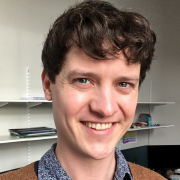
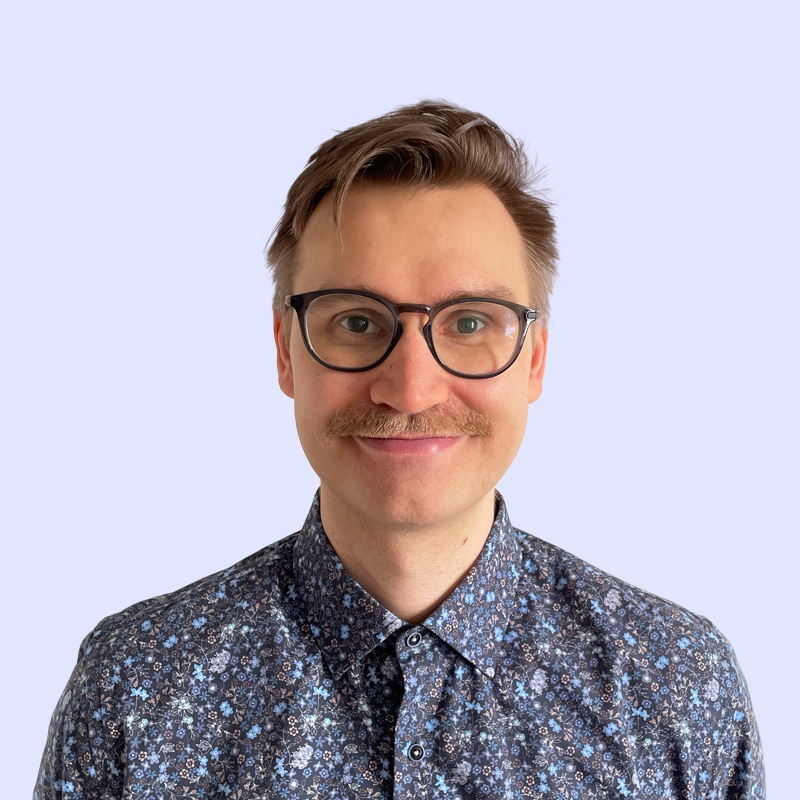
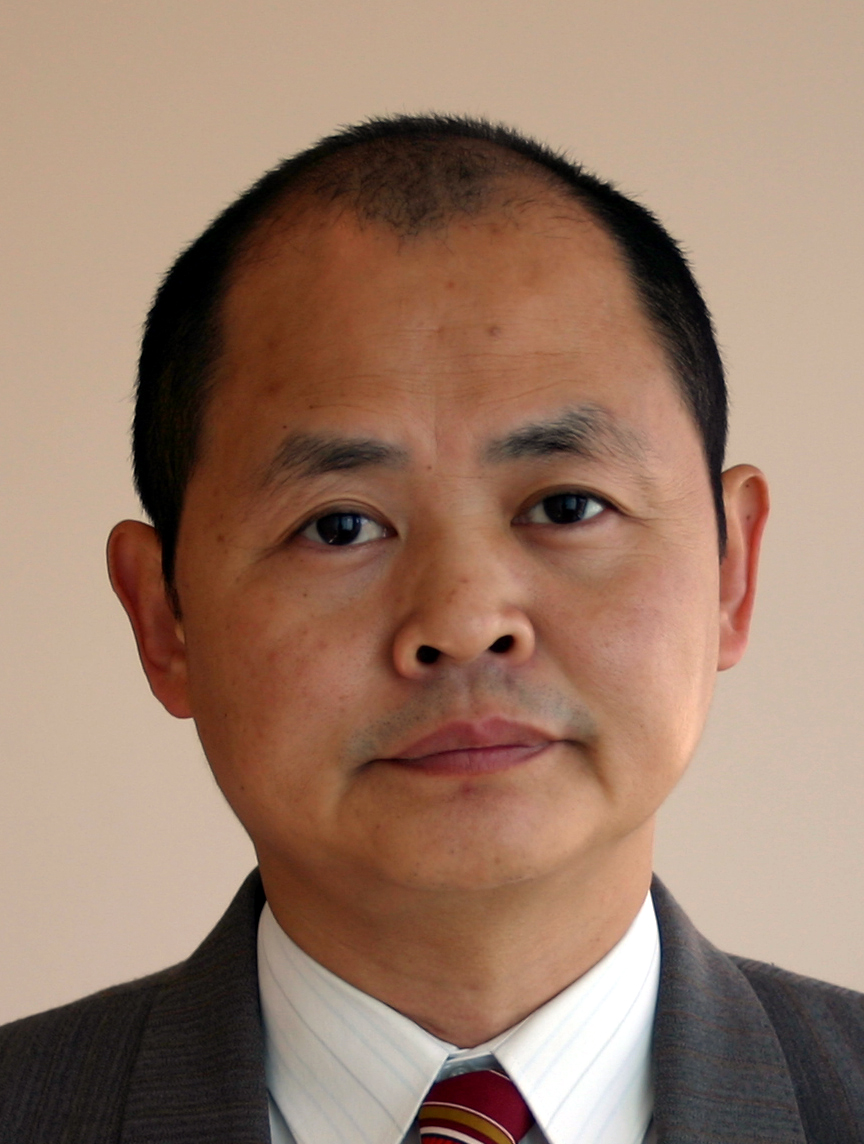
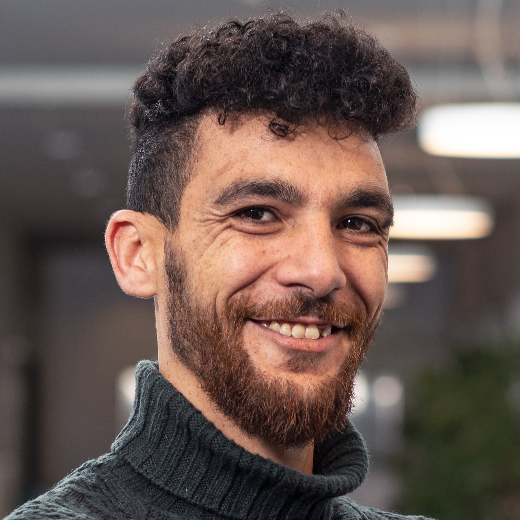
Dr. Stephen Henthorn is a Lecturer in Wireless Communications at the University of Sheffield , affiliated with the School of Electrical and Electronic Engineering and the Department of Electronic and Electrical Engineering. His research focuses on energy-efficient wireless systems, leveraging metamaterials and reconfigurable intelligent surfaces for next-generation communication networks.
Professor İsmail Serdar Özoğuz is a distinguished academic at Istanbul Technical University , affiliated with the Department of Electronics and Communication Engineering . Holding the title of Professor since 2009, he has contributed extensively to analog circuit design, neural network applications, and wireless communication systems. Ph.D. in Electronics and Communications Engineering (1995) Department Head (2020-present) Vice Dean (2017-2020) Research Interests: His work spans Electronics , Analog Design , Circuits and Systems Theory , with recent focus on: Neural network-based filter optimization Memristor emulator circuits Spintronic devices for wireless and memory applications Intelligent optimization in RF designs Article Trends: Recent publications highlight AI integration in engineering challenges, power efficiency in wireless systems, and hardware-software co-optimization . His work bridges theoretical models (e.g., fractional-order neural networks) with practical implementations (e.g., GaN amplifiers). Scientific Awards: GEBIP Award (TUBA), 2002 Mustafa Parlar Foundation Research Incentive, 2003 TUBITAK Incentive Award, 2004 Grants & Projects: As Principal Investigator, he has led initiatives on: Spintronic devices for wireless/memory/analog uses Passive combiners in HF transmitters High-power GaN amplifier development Fractional-order neural network models
Maarten Blommaert is an Assistant Professor at the Department of Mechanical Engineering, Faculty of Engineering Technology at KU Leuven. He leads the Applied Mechanics and Energy conversion (TME) unit at the Geel Campus and heads the Subdivisie EnergyVille TME. His research focuses on numerical optimization of thermal systems, particularly district heating networks, additive manufactured heat exchangers, and plasma-facing components for nuclear fusion reactors. Assistant Professor, KU Leuven Head, Subdivisie EnergyVille TME Member, KIES Institute Member, Leuven.AM Institute Member, EnergyVille Blommaert's research explores three main areas: heat network optimization through automated design tools like PATHOPT, additive manufacturing of high-performance heat exchangers, and thermally resistant wall modules for nuclear fusion reactors. His work combines computational modeling with advanced manufacturing techniques to enhance energy efficiency and reduce carbon emissions. Scientific awards include collaborative research contributions in: Optimizing district heating networks for renewable energy integration Developing next-generation heat exchangers Advancing nuclear fusion reactor technology Blommaert actively supervises research projects in thermal-fluid systems and collaborates with institutions like VITO and EnergyVille. His research team IDEAL (Innovative Design for Energy Applications Lab) specializes in free-shape and topology optimization techniques for energy components and systems.
Jari Vepsäläinen is an Assistant Professor at Aalto University's Department of Energy and Mechanical Engineering under the College of Engineering. He serves as Director of the Fluid Power group and specializes in mechatronics design, energy efficiency, and generative design methodologies. Research focuses on physics-based modeling for energy recovery AI/ML applications in electromechanical system design Applications in robotics, heavy machinery, and sustainable transportation His recent publications demonstrate expertise in hybrid systems, fluid power optimization, and AI-driven engineering, with a strong emphasis on electrification and efficiency across automotive, maritime, and industrial domains. Key areas: Mechatronics, Energy Systems, Generative Design Technologies: Digital Twins, IoT, Machine Learning Current projects involve thermal energy systems, electric motor optimization, and advanced control algorithms for mobile machinery.
Professor Gang-Ding Peng is a leading academic in photonics and optical communications at the School of Electrical Engineering and Telecommunications , University of New South Wales (UNSW). With over three decades of experience, his research focuses on silica and polymer optical fibers, fiber lasers, sensors, and photonic signal processing. Education: B.Sc. in Physics (1982, Fudan University), M.Sc. in Applied Physics (1984), Ph.D. in Electronic Engineering (1987, both Shanghai Jiao Tong University) Career: Lecturer at Shanghai Jiao Tong (1987-1988), Postdoctoral Fellow at Australian National University (1988-1991), UNSW Faculty since 1991, Queen Elizabeth II Fellow (1992-1996) Research Interests: Specialized in specialty optical fibers, nonlinear optics, and photonic devices. His work spans: Silica and polymer fiber amplifiers/lasers Electro-optic and liquid-crystal-doped fibers Multi-core fiber Bragg grating systems Photonic crystal fiber sensing 3D-printed optical components Quantum and neuromorphic photonic applications Scientific Awards: Queen Elizabeth II Fellowship (1992-1996) Fellow and Life Member of OSA & SPIE Supervision: Active mentor in Bi/Er co-doped fibers, 3D-printed optical fibers, and fiber sensing technologies.
Dr. Soufiane Krik is a postdoctoral researcher at the Free University of Bolzano , affiliated with the Faculty of Engineering . His work focuses on sensing technologies , particularly developing flexible and sustainable electronic components via advanced printing methods. His research bridges materials science , nanotechnology , and green electronics . Education: Ph.D. in Physics, University of Ferrara (2021) M.Sc. in Physics and New Technologies, University of Casablanca (Physics Department) Dr. Krik's research spans chemiresistive gas sensors , Density Functional Theory (DFT) simulations , and biodegradable substrates for flexible electronics. Recent work explores Agave silk fibers , cellulose-based thermal sensors , and transient zinc sensors for biomedical applications. His publications (2018–2025) highlight expertise in metal oxide sensors , quantum dot functionalization , and environmentally friendly materials . He investigates oxygen vacancy dynamics , conjugated polymers , and biomaterial integration for next-generation sensors.
Dr. Tzeng Yih Lam serves as an Assistant Professor in the Department of Forest Resources Management at the University of British Columbia's Faculty of Forestry. His expertise lies in forest measurements, sampling methodologies, and quantitative silviculture, contributing to sustainable forest management practices through innovative biometric approaches. His educational background includes: PhD in Forest Science (2010) from Oregon State University MSc in Statistics (2009) from Oregon State University MSc in Tropical and International Forestry (2006) from Georg-August-Universität Göttingen BSc in Forestry (2001) from the University of New Brunswick Dr. Lam's research focuses on developing close-range photogrammetry tools for hard-to-measure tree attributes, designing cost-effective probability-based forest inventory systems using auxiliary information, and applying Bayesian filtering for forest growth projection. His work bridges field data collection with advanced statistical modeling to enhance timber production estimation and ecosystem service assessment. Analysis of his 15 most recent publications reveals dominant themes in innovative sampling design (particularly Critical Height Sampling and cluster/nested plots), integration of machine learning with rapid assessment techniques, and sophisticated height-diameter modeling across diverse species. His work consistently emphasizes spatial distribution mapping, LiDAR integration, and error reduction in field measurements. As an active contributor to the UBC Forest Measurements and Biometrics research group, Dr. Lam develops teaching materials for courses including Advanced Regression Analysis and Forest Measurements, advancing methodological training in forest biometrics through R workshops and practical field applications.
Bengt Jonsson is a Professor at the Division of Computer Systems, Department of Information Technology, Uppsala University. His research focuses on formal methods, real-time and distributed systems, semantics and verification of concurrent systems, and IoT security. Current Projects: UPMARC (Software Technology for Multicore Programming), aSSIsT (Secure Software for IoT), and Designed for UPDATE (Safe Embedded Software Updates) Past Projects: CoDeR-MP (Multicore Real-Time Applications), ProFun (Wireless Sensor Networks), CONNECT (Networked Component Synthesis) His work includes automated verification, model checking, and symbolic execution for concurrent systems. Recent publications address dynamic partial order reduction, IoT protocol testing, and lock-free data structures. Scientific Awards : CAV Award 2017 He advises PhD students and teaches courses like Model-Based Development of Embedded Systems and graduate-level symbolic execution. Personal interests include piano playing and orienteering.
Fredrik Falkenström is a Professor at Linnaeus University, where he is affiliated with the Department of Psychology within the Faculty of Health and Life Sciences. He leads the Division of Clinical Psychology and is the principal investigator for the "Identifying the Active Ingredients of psychotherapy: A Methods development project (AIM)", which focuses on developing innovative methods to identify mechanisms of action in psychotherapy. Dr. Falkenström's research spans multiple critical areas in clinical psychology and psychotherapy science. His work primarily investigates the mechanisms of change in psychotherapy, with particular emphasis on methodological innovations that bridge the gap between research and clinical practice. His research interests include: Advanced statistical methods for psychotherapy process research Therapeutic alliance and attachment processes Comparative effectiveness of different psychotherapy approaches Applications to anxiety disorders, particularly panic disorder Emotion regulation and its role in therapeutic change Working alliance dynamics across different populations His publication record demonstrates a strong trajectory of methodological innovation in psychotherapy research. Recent work has focused on time-lagged panel models, copula models for causal inference, and detrending methods to better understand the complex temporal dynamics of therapeutic change. His research consistently examines how specific therapeutic processes (such as working alliance, attachment patterns, and emotional processing) relate to treatment outcomes across various disorders and populations, with particular attention to panic disorder and depression. Dr. Falkenström has published extensively in top-tier journals including Clinical Psychology Review, Journal of Consulting and Clinical Psychology, and Psychotherapy Research. His work has significant implications for both the science and practice of psychotherapy, helping clinicians better understand which components of therapy contribute to positive outcomes and how to optimize treatment approaches for individual patients. His research extends across multiple settings and populations, including studies on adolescent mental health, foster care interventions, and cross-cultural applications of psychotherapy. This breadth demonstrates his commitment to understanding psychotherapy mechanisms across diverse contexts and client groups.
Kimberly Hamad is a Professor in the Engineering department at the University of Massachusetts Boston , where she serves as Graduate Program Director. Her research focuses on applying nanotechnology to biomedical diagnostics, particularly paper-based assays and nanomaterial applications for rapid disease detection. Education: PhD, University of California at Berkeley SB, Massachusetts Institute of Technology Research Interests center on nanotechnology, biosensors, and the nano-bio interface. Recent trends include sustainable paper-based sensing systems, machine learning-optimized immunoassays, and multicolored nanoparticle applications for pandemic preparedness. Scientific Awards: No specific awards mentioned in the provided text. Professional Contributions span device design, protein corona studies, and collaborative projects in global health diagnostics. She has edited methodological guides for nanoparticle-biomolecule interactions and pioneered low-cost diagnostic platforms.
Monica Buhrman is a Senior Lecturer at the Department of Psychology , Uppsala University, Sweden, with a focus on clinical psychology and digital therapeutic interventions. Her work primarily addresses chronic pain management, psychological flexibility, and internet-based cognitive behavioral therapy (CBT) for conditions like fibromyalgia, provoked vestibulodynia, and stress-induced exhaustion. Research Interests: Clinical psychology, acceptance and commitment therapy (ACT), chronic pain management, psychological flexibility, and health psychology. Key Collaborations: Regular co-authorship with researchers such as Lance McCracken, Gerhard Andersson, and Maria Hedman-Lagerlöf. Methodologies: Utilizes randomized controlled trials, network analysis, and psychometric evaluations to assess therapeutic outcomes. Recent Trends: Investigates cost-effectiveness of digital therapies, stigma in chronic pain, and tailored interventions for comorbid conditions. Publications (2022-2025): Explore ACT for fibromyalgia, digital CBT for insomnia in multiple sclerosis, and validation of psychological flexibility inventories.
Dr. Sebastian Köhler is a postdoctoral Researcher at the Department of Physical Chemistry within Lund University's Faculty of Engineering . He is actively affiliated with both NanoLund: Centre for Nanoscience and the LTH Profile Area: Nanoscience and Semiconductor Technology , contributing to interdisciplinary research at the intersection of nanomaterials and biological systems. Physical Chemistry Researcher Postdoctoral Fellow NanoLund Centre Member LTH Profile Area Participant His research focuses on nanoparticle-biomolecule interactions , particularly peptide-coated TiO2 nanoparticles for antimicrobial applications. Current work explores structural control of bio-based polymers and surfactants, with emphasis on interfacial properties and membrane interactions. Collaborations span microbiology, pharmacology, and advanced materials characterization. Key research trends include photocatalytic degradation of bacterial components , conformational regulation of antimicrobial peptides , and bio-inspired nanoparticle design . Methodologies employ small-angle X-ray scattering , quartz crystal microbalance , and colloidal stability analysis to understand nanoscale biological interfaces.
Dr. Anna Louise Smith is an Associate Professor in the Reactor Physics and Nuclear Materials section at the Radiation Science and Technology department of Delft University of Technology (TU Delft). She is a physical chemist and materials scientist specializing in nuclear materials, with expertise in both experimental and computational approaches to studying advanced nuclear fuel systems. Dr. Smith earned her "diplôme d'ingénieur" from Chimie ParisTech in 2011, conferring a Master of Science in Chemistry and Chemical Engineering. She simultaneously completed an M.Phil. in Advanced Chemical Engineering from the University of Cambridge. She received her PhD in Materials Science and Metallurgy from Cambridge in 2015, after spending three years at the Joint Research Centre in Karlsruhe, Germany, where she developed expertise in nuclear fuel chemistry and chemical thermodynamics of actinide materials. Her research focuses on the chemistry of advanced nuclear fuels, including ceramics (oxides) and molten salts (fluorides and chlorides), with particular interest in structure-property relationships. She combines experimental and computational studies to investigate physico-chemical properties from atomic to macroscopic scales, with applications to next-generation nuclear reactor technologies emphasizing safety and sustainability. Her current interests include the chemistry of fission products in oxides and molten salts, interaction chemistry between fuel, coolant, and cladding materials, and corrosion issues at high temperatures in nuclear reactor environments. Analysis of Dr. Smith's recent publications (2022-2025) reveals a strong focus on thermodynamic properties of molten salt systems, particularly those relevant to nuclear fuel cycles. Her work spans fundamental studies of actinide chemistry in molten fluorides and chlorides, corrosion mechanisms between molten salts and structural materials, and the development of thermodynamic models for complex multi-component systems essential for molten salt reactor design. She has made significant contributions to understanding the behavior of thorium-based fuel systems and corrosion products in high-temperature environments. Dr. Smith has established a research team and laboratory at TU Delft specifically designed for handling uranium and thorium materials. Her work contributes to several major European projects focused on advanced nuclear technologies, including the MIMOSA and ENDURANCE projects that explore the safety and performance of molten salt reactors for deployment in the European Union. She collaborates extensively with researchers across Europe and has published over 50 research outputs including articles, book chapters, and review papers.
Dr Tessa Davis serves as a Consultant in Paediatric Emergency Medicine at The Royal London Hospital and Senior Lecturer at Queen Mary University of London within the Blizard Institute of the Faculty of Medicine and Dentistry. She directs the Paediatric Emergency Medicine MSc program and leads paediatric components of the Emergency and Resuscitation Medicine MSc, establishing her as a key educator in emergency paediatrics. Her research spans Paediatric Emergency Medicine and Medical Education with pioneering work in Free Open Access Medical Education (FOAMed). Davis champions gender equity and diversity in clinical education, evidenced by her publications on inclusive skin imagery and equitable resource distribution. Her clinical scholarship focuses on evidence-based protocols, particularly avoiding unnecessary interventions like chest X-rays in infant bronchiolitis cases. Recent publications reveal a strategic shift toward digital knowledge translation during global health crises, with emphasis on remote learning methodologies and pandemic-responsive educational tools. Her work consistently bridges clinical practice and academic innovation through the Don't Forget The Bubbles platform. Scientific recognition includes: Fellow of the Royal Australasian College of Physicians (General Paediatrics) Fellow of the Royal Australasian College of Physicians (Paediatric Emergency Medicine) Fellow of the Higher Education Academy As Programme Director for two MSc programs, Davis mentors emerging specialists while co-founding Don't Forget The Bubbles (DFTB) – a global knowledge-sharing ecosystem connecting 50,000+ paediatric clinicians. Her leadership extends to international educational initiatives addressing systemic gaps in emergency paediatric care. Davis operates within Queen Mary's Blizard Institute research environment while driving DFTB's collaborative network, which spans 147 countries and produces evidence-based clinical resources adopted by major healthcare institutions worldwide.
Inas S. Khayal serves as Associate Professor at The Dartmouth Institute and Biomedical Data Science at Dartmouth College's Geisel School of Medicine, with an adjunct appointment in Computer Science. She leads the Sustainable Health Lab focused on improving chronic care delivery through model-based systems engineering and data science. PhD, University of California, San Francisco PhD, University of California, Berkeley B.S., Boston University Dr. Khayal's research addresses multi-level interconnected healthcare systems, specializing in implementation science, quality measurement, health equity, and organizational behavior. Her work bridges data science with practical healthcare delivery challenges, particularly in palliative and end-of-life cancer care where she investigates racial disparities through clinically informed machine learning approaches. She develops dynamic visualization tools and heatmaps to translate complex data into actionable insights for healthcare systems. Her recent publications reveal a strong focus on identifying and addressing healthcare disparities, with innovative methodologies combining systems engineering and data science. The research consistently emphasizes actionable solutions for hospitals to tailor interventions based on local resources and patient population characteristics. American Cancer Society Health Equity and Access to Care Research Scholar Award (RSG-22-128-01-HOPS) NIH NIA P01AG019783 Core Leadership for Alzheimer's Disease research Dr. Khayal actively mentors PhD students and computer science senior thesis projects while teaching Health Informatics and Systems Thinking courses. Her Sustainable Health Lab develops process tools to help hospitals reduce healthcare disparities through tailored solutions. Current projects include a Web-Based Peer Support Network for care partners of seriously ill patients and research on hospital-level factors influencing palliative care disparities.