معرفی
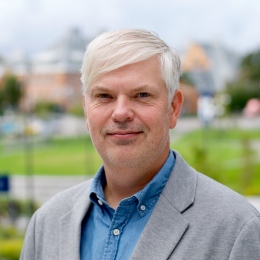
Fredrik Falkenström is a Professor at Linnaeus University, where he is affiliated with the Department of Psychology within the Faculty of Health and Life Sciences. He leads the Division of Clinical Psychology and is the principal investigator for the "Identifying the Active Ingredients of psychotherapy: A Methods development project (AIM)", which focuses on developing innovative methods to identify mechanisms of action in psychotherapy.
Dr. Falkenström's research spans multiple critical areas in clinical psychology and psychotherapy science. His work primarily investigates the mechanisms of change in psychotherapy, with particular emphasis on methodological innovations that bridge the gap between research and clinical practice. His research interests include:
- Advanced statistical methods for psychotherapy process research
- Therapeutic alliance and attachment processes
- Comparative effectiveness of different psychotherapy approaches
- Applications to anxiety disorders, particularly panic disorder
- Emotion regulation and its role in therapeutic change
- Working alliance dynamics across different populations
His publication record demonstrates a strong trajectory of methodological innovation in psychotherapy research. Recent work has focused on time-lagged panel models, copula models for causal inference, and detrending methods to better understand the complex temporal dynamics of therapeutic change. His research consistently examines how specific therapeutic processes (such as working alliance, attachment patterns, and emotional processing) relate to treatment outcomes across various disorders and populations, with particular attention to panic disorder and depression.
Dr. Falkenström has published extensively in top-tier journals including Clinical Psychology Review, Journal of Consulting and Clinical Psychology, and Psychotherapy Research. His work has significant implications for both the science and practice of psychotherapy, helping clinicians better understand which components of therapy contribute to positive outcomes and how to optimize treatment approaches for individual patients.
His research extends across multiple settings and populations, including studies on adolescent mental health, foster care interventions, and cross-cultural applications of psychotherapy. This breadth demonstrates his commitment to understanding psychotherapy mechanisms across diverse contexts and client groups.