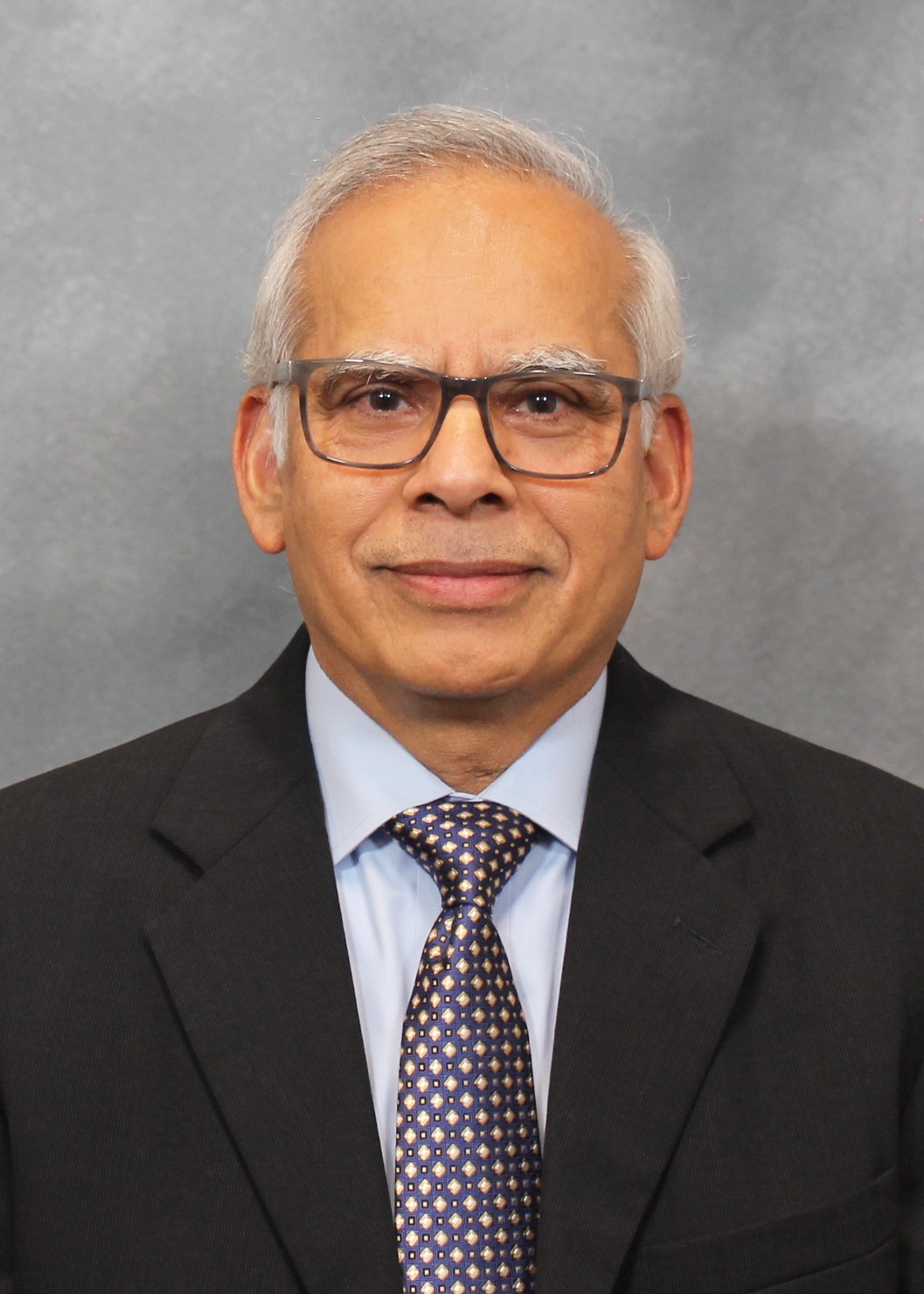
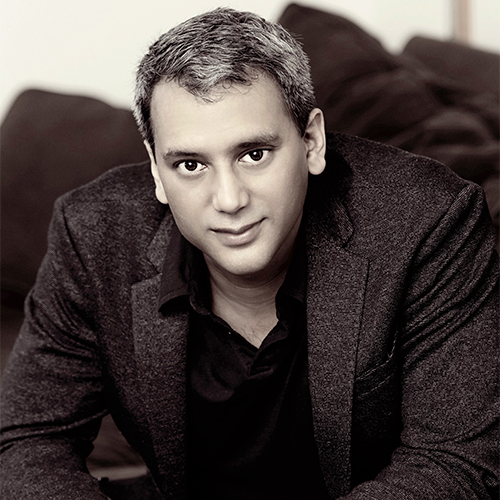
Dr. Kyle Parker serves as a Research Fellow at the University of Edinburgh within the School of Social and Political Science, affiliated with the Global Center for Biofoundry Applications. His current research focuses on socioeconomic dimensions of industrial decarbonisation through the TransFIRe (Transforming the Foundation Industries Research Hub) project under Professor Steve Yearley. Previously, from 2020-2022, he contributed to ClimateXChange's 'Energy Policy Effectiveness' project, producing systematic evidence reviews for the Scottish Government on green industrial strategy and low-carbon heating deployment. Parker's research spans decarbonisation, industrial strategy, renewable energy policy, Net-Zero transition, and innovation policy effectiveness. His work bridges a decade of academic chemistry experience with contemporary policy analysis, specializing in accelerating technology development for Scotland's marine renewable energy sector and evaluating policy mechanisms for energy efficiency. He emphasizes evidence-based approaches to bridge technical and social dimensions of sustainability transitions. His publication portfolio reveals a consistent focus on policy-practice interfaces, with the 2025 Nature Communications review examining engineering biology solutions for environmental challenges, while his 2021-2022 ClimateXChange reports critically analyze innovation agencies and cluster-based industrial strategies. Collectively, his work establishes expertise in translating complex research into actionable policy frameworks for decarbonisation and green economic growth. Dr. Parker actively collaborates with ClimateXChange and the Scottish Government through interdisciplinary teams integrating engineering, social sciences, and policy expertise. His research hubs include the TransFIRe project and Global Center for Biofoundry Applications, where he examines socioeconomic transformations in foundation industries and bio-based environmental solutions.
Dr. Yu Zhong is an Assistant Professor in the Department of Materials Science and Engineering at Cornell University's College of Engineering, where he leads the Yu Zhong Group. His research laboratory focuses on the design and synthesis of novel soft materials and nanomaterials for applications in electronics, energy, healthcare, and sustainability. As a principal investigator, he oversees a dynamic research team comprising postdoctoral associates, graduate students, and undergraduate researchers working on cutting-edge materials science projects. Dr. Zhong received his educational training at prestigious institutions, earning his B.S. in Chemistry from the University of Science and Technology of China (USTC) in 2011, followed by a Ph.D. in Chemistry from Columbia University in 2017 under the supervision of Prof. Colin Nuckolls. His doctoral research centered on designing contorted molecules for electronic and energy applications including organic solar cells, photodetectors, and gas sensors. He then conducted postdoctoral research at the University of Chicago in Prof. Jiwoong Park's group, where he worked on the design and synthesis of 2D polymers for ultrathin electronic circuits and energy conversion. Dr. Zhong's research program spans three primary directions: (1) the bottom-up synthesis of ultrathin nanoporous membranes using techniques like laminar assembly polymerization (LAP) for applications in water desalination, nanofiltration, and gas separation; (2) the study of transport behaviors in hybrid organic-inorganic 2D heterostructures created through layer-by-layer assembly for use in optical, electronic, and thermal management devices; and (3) the development of mixed ionic-electronic materials for bio-inspired and bioelectronic devices. His group employs advanced synthesis methods including organic/polymer synthesis, supramolecular and reticular chemistry, and 2D materials characterization to explore novel scientific phenomena and technological applications. An analysis of Dr. Zhong's recent publications reveals a strong focus on the synthesis and characterization of 2D polymers and organic-inorganic hybrid materials. His work bridges fundamental materials science with practical applications in energy conversion, electronics, and separation technologies. A notable trend is his development of innovative synthesis techniques like laminar assembly polymerization that enable precise control over material structure at the molecular level, leading to breakthroughs in areas such as lithium-ion transport, osmotic power generation, and ultra-narrowband photodetection. Dr. Zhong's scientific achievements have been recognized with several prestigious awards: Pegram Award for Meritorious Graduate Research, Columbia University (2016) Camille and Henry Dreyfus Postdoctoral Fellowship, Dreyfus Foundation (2016) Arun Guthikonda Memorial Fellowship, Columbia University (2015) Jack Miller Award for Excellence in Teaching, Columbia University (2014) As an advisor, Dr. Zhong mentors a diverse group of researchers including postdoctoral associate Qiyi Fang, multiple Ph.D. students (Yuhe Zhang, Kaushik Chivukula, William Xie), M.S. students, and undergraduate researchers. His group has secured funding for research on soft and nanomaterials, with projects spanning organic electronics, 2D materials synthesis, and biomimetic membranes. Dr. Zhong actively seeks motivated graduate students and postdoctoral fellows to join his research team, emphasizing the importance of interdisciplinary collaboration in advancing materials science. The Yu Zhong Group operates state-of-the-art laboratories in Bard Hall at Cornell University, equipped for organic synthesis, materials characterization, and device fabrication. The research team works collaboratively across disciplines, partnering with experts in physics, chemistry, and engineering to tackle complex challenges in materials science. Current projects focus on developing novel synthesis methodologies and exploring structure-property relationships in soft materials to enable next-generation electronic, energy, and healthcare technologies.
Hannes Schammann is Professor of Political Science with a focus on migration policy at the University of Hildesheim , where he leads the Migration Policy Research Group since 2018. His work bridges academic research and practical implementation through the Research and Transfer Center for Migration Policy , addressing migration, integration, and refugee policy challenges. In January 2025, he joined the German Council of Experts on Integration and Migration (SVR) as a scientific advisor. Research Focus: Schammann specializes in local authorities' scope for action in refugee-related migration, national migration policy analysis, and educational integration aspects. He co-authored the textbook Migration Policy (2021) and contributes to international journals like Journal of Refugee Studies and Journal of Ethnic and Migration Studies . Key Projects: He leads third-party funded initiatives including Match'In (algorithmic asylum seeker distribution), SOLDISK (solidarity discourses in migration), Country.Home.Future (rural integration), When Mayors Make Migration Policy (municipal EU influence). Expert Engagements: Schammann serves on editorial boards including Zeitschrift für Flucht- und Flüchtlingsforschung , and participates in advisory roles for institutions like the German Federal Ministry for Family Affairs and Robert Bosch Foundation . He also engages in public discourse through media appearances in Deutschlandfunk , ARD , and SWR regarding migration challenges.
Eva Cantoni is a Full Professor at the Research Center for Statistics within the Geneva School of Economics and Management , University of Geneva. Her expertise spans robust statistical methodology, model selection, and applications in ecology and medicine. Ph.D. from University of Geneva Accredited European Statistician (FENStatS) Research Interests : She specializes in Robust statistics for real-world data Variable/model selection in high-dimensional settings Nonparametric and semi-parametric regression Zero-inflated and overdispersed count models Longitudinal and spatiotemporal data analysis Her work addresses ecological challenges (fish stock assessment), medical applications (hospital congestion modeling), and housing market analysis. Recent Trends in Publications : Recent articles focus on Confidence intervals for robust mixed models Editorial leadership in robust statistics Applications to fisheries science and public health Flexible modeling frameworks for complex data Comparative studies of statistical measures Extremes modeling in healthcare Leadership & Grants : She has served as: Vice-Dean for Teaching (2020-2023) Director of Master's in Statistics (2012-2019) Director of Applied Statistics Certificate (2015-2019) President, Swiss Federal Statistics Committee (2024-2027) Specialty Chief Editor, Frontiers in Applied Mathematics (2024) Grants include projects on Robust solutions for modern data (2023-2025) Sustainable fisheries modeling (2018-2021) Advancements in state-space models (2014-2017) Software Contributions : Developed R packages for robust statistical methods: confintROB (bootstrap confidence intervals) RobSSM (robust state-space models) R2_LMM (explained variation measures)
Professor Michael W. Shaw is a distinguished academic at the University of Reading's School of Agriculture, Policy and Development, Department of Plant Sciences, with a research career spanning over two decades. His expertise lies at the intersection of plant pathology, disease epidemiology, and sustainable disease management strategies. Shaw's research interests encompass plant-pathogen interactions , particularly focusing on fungal diseases affecting major crops. His work investigates the epidemiology of plant diseases , fungicide resistance mechanisms , biological control strategies , and asymptomatic pathogen infections . He has made significant contributions to understanding pathogen evolution, host specificity, and the environmental factors influencing disease development. His recent publications demonstrate a consistent research trajectory examining the molecular, ecological, and epidemiological aspects of plant diseases. Shaw's work spans multiple pathosystems including Botrytis cinerea (gray mold), Venturia inaequalis (apple scab), begomoviruses affecting okra, and banana Xanthomonas wilt. His research integrates molecular techniques, field studies, and mathematical modeling to address complex plant health challenges. Professor Shaw has contributed significantly to the understanding of fungicide resistance development, particularly in cereal pathogens, and has explored innovative approaches to disease management through biological control agents and integrated strategies. His work on asymptomatic infections has revealed novel insights into host-pathogen relationships that extend beyond traditional disease paradigms. His collaborative research network spans internationally, with co-authors from multiple countries, reflecting the global relevance of his work in plant health and food security. Shaw's research has practical applications for sustainable agriculture and crop protection strategies worldwide.
Gyanendra Sharma is a Professor at the Medical College of Georgia , affiliated with the Department of Medicine: Cardiology and previously the Department of Radiology and Imaging. He holds dual board certifications in adult Echocardiography and Cardiovascular Computed Technology. Education : MD from J.L. Nehru Medical College, Aligarh Muslim University (1981) Training : Internal Medicine residency in India, followed by Internal Medicine residency at SUNY Buffalo (USA), and Cardiology fellowship at Medical College of Georgia Dr. Sharma's clinical and research focus includes cardiac imaging , valvular heart disease , pulmonary embolism , and preventive cardiology . His work emphasizes outcome research and advanced imaging techniques like Cardiovascular MRI and Cardiac CT Angiography. His recent publications highlight interdisciplinary approaches to complex cases such as hypertrophic cardiomyopathy in pregnancy and vascular anomalies in central venous catheterization , reflecting his expertise in integrating imaging technologies with clinical decision-making. Scientific Awards : Faculty Senate of Medical College of Georgia Honors (2014), Annals of Internal Medicine recognition (2012), Exemplary Teaching Award (2012) Dr. Sharma has served on multiple institutional committees including the Cardiology Task Force Committee, Chaffee Cardiovascular Center Committee (Chair), and MCG Faculty Grievances Subcommittee. He also contributes to peer-review for journals like Annals of Internal Medicine .
Professor Jorge E. Viñuales is the Harold Samuel Chair of Law and Environmental Policy at the University of Cambridge. He founded the Cambridge Centre for Environment, Energy and Natural Resource Governance (C-EENRG) and holds affiliations with the University of Cambridge Conservation Research Institute . His academic roles include directing PhD programs, three MPhil programs, and serving as head of research. His research focuses on international environmental law , energy law , and investment law . Recent work explores climate policy , energy transition economics , and resource governance through complex systems modeling. His interdisciplinary research with C-EENRG colleagues has been published in Nature Climate Change , Global Environmental Change , and Climate Policy . Notable scientific recognition includes the Choice Outstanding Academic Title 2021 for his co-edited volume on the UN Friendly Relations Declaration. He serves as Chairman of the Compliance Committee of the UN-ECE/WHO-Europe Protocol on Water and Health, and as co-General Editor of the ICSID Reports (CUP) and Cambridge Studies on Environment, Energy and Natural Resources Governance (CUP).
Saurabh Bhargava is a Visiting Associate Professor of Economics at the Booth School of Business , The University of Chicago , and a former Associate Professor of Economics at Carnegie Mellon University . He is also an academic affiliate of the Jameel Poverty Action Lab (J-PAL) at Masachusetts Institute of Technology . Education: He holds an AB from Harvard University and a PhD in Economics from UC Berkeley . Prior to academia, he worked at McKinsey & Company . Research Interests: His work lies at the intersection of behavioral economics, public policy, health economics, and finance. Key areas include: Health Insurance: Complexity, choice architecture, and behavioral interventions. Retirement Savings: Field experiments on savings puzzles and auto-escalation. Decision-Making: Risk-taking, contrast effects (e.g., speed dating), and heuristics in policy design. Happiness & Well-Being: Data-driven analysis of emotional welfare and time-use. Media & Consulting: His research has been featured in The New York Times , Wall Street Journal , and Vox . He has consulted with organizations like the IRS , DOJ , and firms such as Pittsburgh Penguins and Voya Financial . Article Trends: His publications focus on behavioral economics applications in health insurance (e.g., complexity and dominated options), retirement savings (field experiments), and well-being (boredom, parental happiness). Keywords include Decision-Making , Policy Design , Machine Learning , and Health Economics . Expert Engagement: He has participated in roundtables hosted by The Aspen Institute , Brookings Institution , and Russell Sage Foundation .
Prof. Dr. Christian Mayer is a Professor in Physical Chemistry at the Faculty of Chemistry, University of Duisburg-Essen. He serves as Head of the working group focusing on origin of life research, nanocapsules, and NMR spectroscopy techniques. His research group is located at Universitätsstraße 5, D-45141 Essen, Germany, with contact information including phone number +49 201 183-2570. Prof. Mayer's research interests primarily focus on the origin of life in deep tectonic fault zones of the first continental fragments, where he collaborates with Prof. Dr. Ulrich Schreiber from the Faculty of Biology and Prof. Dr. Oliver Schmitz from Applied Analytical Chemistry. His work investigates how vesicle formation occurs in tectonic fault systems through cyclic phase transitions of carbon dioxide, creating ideal conditions for molecular evolution. He specializes in pulsed field gradient NMR (PFG-NMR), high-resolution NMR, and solid-state NMR techniques to characterize nanoscale systems including nanocapsules, vesicles, and microemulsions. His recent publication trends reveal a strong interdisciplinary focus spanning physical chemistry, prebiotic chemistry, and astrobiology. The articles demonstrate increasing integration of computational methods with experimental approaches, particularly in analyzing molecular structures and dynamics. His research has evolved from fundamental studies of nanocapsule systems to broader investigations of protocell formation mechanisms under early Earth conditions, with recent work extending to astrobiological contexts including potential life formation on Titan. Prof. Mayer has established significant collaborations across multiple disciplines, particularly with geologists and biologists, to investigate the physical chemical processes that could have led to the emergence of life. His work bridges fundamental physical chemistry with practical applications in nanomedicine, particularly in developing artificial oxygen carriers based on nanocapsule technology. His laboratory utilizes high-pressure facilities to simulate early Earth crust conditions, with a particular focus on supercritical CO 2 environments. The working group combines experimental approaches with theoretical modeling to understand vesicle formation processes and their implications for the origin of cellular life.
Jason Ur is the Stephen Phillips Professor of Archaeology and Ethnology at Harvard University, specializing in early urbanism, landscape archaeology, and remote sensing. He directs the Erbil Plain Archaeological Survey (EPAS) in Iraqi Kurdistan and has conducted fieldwork in Syria, Turkey, and Iran. His work leverages declassified satellite imagery and geospatial technologies to study ancient settlement patterns, irrigation systems, and transportation networks. Research Focus: Early urban development in Mesopotamia, GIS-based landscape analysis, qanat systems, and postmortem segregation in colonial New England cemeteries. Field Projects: EPAS (2012–present), Tell Hamoukar Survey (1999–2001), and studies of colonial-era burying grounds since 2020. Methodology: Remote sensing (CORONA, HEXAGON, U2 imagery), UAV photogrammetry, 3D visualization, and intensive ground surveys. Key Findings: Discovery of undocumented urban centers, mapping of ancient canals and hollow ways, and analysis of rural Assyrian landscapes.
Dr. Frank Loh is a researcher at the Department of Computer Science III, University of Würzburg, specializing in energy efficiency, network performance, and Quality of Experience (QoE) in communication networks. His work focuses on optimizing LoRaWAN deployments, serverless computing, and edge-cloud environments, with an emphasis on reducing message collisions and improving resource utilization. He actively contributes to methodologies for gateway placement, traffic modeling, and energy consumption metrics. Research Areas Energy Efficiency in Communication Networks Quality of Service (QoS) and Quality of Experience (QoE) LoRaWAN Network Planning Edge and Serverless Computing Network Resource Analysis Recent Publications 2025: Energy modeling for 6G base stations 2025: Server cluster resilience via Markov models 2024: Serverless computing in edge-cloud environments 2024: LoRaWAN channel access optimization
Associate Professor Jiakun Liu (FAustMS) is affiliated with the School of Mathematics and Statistics, University of Sydney . He holds a BSc from Zhejiang University (2006) and a PhD from the Australian National University (2010). Following a Simons Postdoctoral Fellowship at Princeton (2010-2013), he served as Lecturer, Senior Lecturer, and Associate Professor at the University of Wollongong (2013-2024), securing an ARC DECRA in 2014 and an ARC Future Fellowship in 2024. Specializes in nonlinear elliptic/parabolic PDEs with applications in geometry and optimal transportation Research focuses on Monge-Ampère/Hessian equations , regularity theory, and geometric flows Contributions to convex geometry , minimal surfaces, and stochastic PDEs . His 2024-2023 publications in Communications on Pure and Applied Mathematics , Advanced Nonlinear Studies , and Archive for Rational Mechanics demonstrate expertise in free boundary regularity , noncompact Minkowski problems , and global geometric analysis . Recognized with ARC Future Fellowship and conferences organized across Australia-China collaborations.
Dr. Jonnie Penn is an Associate Teaching Professor of AI Ethics and Society at the University of Cambridge, where he teaches in the Department of History and Philosophy of Science. He holds multiple prestigious affiliations including as a Faculty Associate at Harvard's Berkman Klein Center, Senior Research Fellow at the Leverhulme Centre for the Future of Intelligence, and Research Fellow at St. Edmund's College. His educational background includes First Class Honours from the University of Cambridge and degrees from McGill University. His research explores the deep historical relationships between notions of efficiency and authority in computer science, artificial intelligence, and management science, with particular focus on systems theory, complex science, and technocracy within AI Ethics. Penn's scholarly work reveals consistent themes across decades of research: the historical genealogy of power in AI systems, critical examinations of algorithmic governance, and the social implications of digital technologies. His publications span from technical analyses of data ecologies to broader societal critiques of corporate influence on AI development. #1 New York Times Bestselling Author FRSA (Fellow of the Royal Society for Arts) MIT Media Lab Assembly Fellow Google Technology Policy Fellow Fellow of the British National Academy of Writing As Project Development Lead of the 'Histories of AI' initiative at the Leverhulme Centre for the Future of Intelligence, Penn connects a global network of scholars examining the social, political, and economic ramifications of intelligent systems. He has co-chaired workshops at leading academic conferences including HSS, SHOT, NeurIPS, ICML, and ICLR, and has presented research to the United Nations, European Parliament, and UK House of Lords. His current work focuses on 'decomputerisation' as a critical framework for understanding our relationship with technology.
Gaurav Jetley is an Assistant Professor in the Department of Computer Information Systems at Colorado State University. Education: PhD in Business Administration (Information Systems) from Muma College of Business, University of South Florida Research Interests: Focuses on healthcare technology, including health IT, healthcare analytics, and healthcare operations management. Employs data-driven methodologies, machine learning, and econometric techniques to solve complex problems in health information systems. Scientific Contributions: Recent publications highlight his work in EHR quality, racial bias in ICU pain measurement, and health IT workflow optimization, demonstrating interdisciplinary applications of business analytics in healthcare. Teaching: Instructs graduate and undergraduate courses in data mining and analytics.
Lauri Heikonen is a University Lecturer at the Department of Educational Sciences, University of Helsinki, where he is affiliated with the Research and Training Group for Educational Leadership KAJO and the University of Helsinki Centre for Educational Evaluation HEA. He serves as a supervisor in the Doctoral Program in School, Education, Society and Culture and maintains an active research profile with 39 publications to date. Dr. Heikonen's research focuses on educational sciences and educational psychology, with particular emphasis on teacher education, school leadership, and educational evaluation. His work examines factors influencing teacher motivation, professional development, and the attractiveness of teaching as a profession. He has conducted significant research on teacher efficacy, school leadership practices, and educational reform implementation at various levels, often employing both qualitative and quantitative methodologies to address complex educational issues in the Finnish context and beyond. His recent publications demonstrate a strong focus on contemporary educational challenges, including the impact of the COVID-19 pandemic on teaching communities, supervisory practices in teacher education, and collaborative approaches to school development. His research consistently addresses practical educational issues while contributing to theoretical understanding in the field. Dr. Heikonen is actively involved in multiple significant research projects, including 'EDUCA: Koulutus tulevaisuutta varten' (Education for the Future, 2024-2028), 'Cornér Solveig: SFV 23672 SkolForsk' (2024-2026), 'Ahtiainen: OPH VEPO voimaa johtamiseen' (2023-2025), 'Elevating Teacher Training Programs in the UAE' (2023-2024), and 'Erasmus+ Cooperation partnerships in school education: Co-creating inclusive school communities' (2021-2024). These projects reflect his commitment to advancing educational practices through research and international collaboration. As a supervisor in the doctoral program and through his active participation in conferences and peer review activities, Dr. Heikonen contributes significantly to the development of future educational researchers and practitioners, sharing his expertise in educational leadership and evaluation.