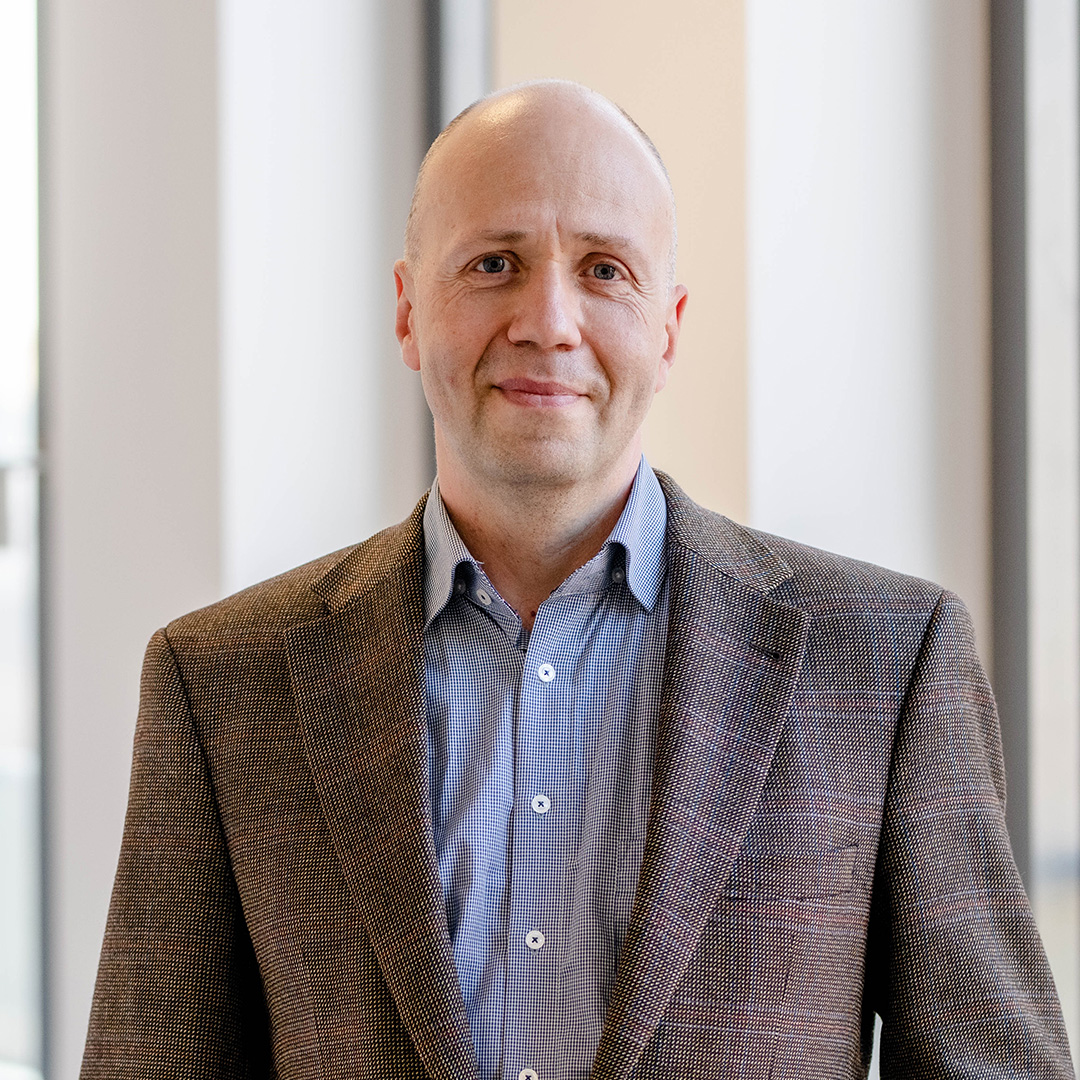
James Tompkin is a visual computing researcher focusing on computer vision, computer graphics, and human-computer interaction. His lab develops techniques for image and video creation, editing, analysis, and interaction, emphasizing image and scene reconstruction from multi-camera systems and complex dynamic scenes. Applications span 2D, multi-view, and VR/AR displays. His research interests include scene reconstruction, neural rendering, light fields, time-of-flight sensors, and perceptual design for augmented reality. He works on algorithms for depth estimation, view synthesis, and interactive systems. His publications demonstrate expertise in neural fields, Gaussian splatting, and light field processing for VR/AR applications. Key themes include machine learning for scene flow estimation, efficient rendering of large-scale environments, and improving generative model stability.
Fuyuan Zhang is a Postdoctoral Researcher at the Max Planck Institute for Software Systems, specializing in advanced software testing methodologies and formal verification techniques. His research focuses on improving the reliability and security of AI systems, quantum computing frameworks, and concurrent systems through innovative testing criteria, adversarial attacks, and compositional reasoning. Key areas of expertise include: Large Language Model (LLM) testing and validation Quantum program analysis and security Adversarial machine learning and neural network robustness Formal verification of concurrent and cyber-physical systems Automated bug detection in complex software systems His work bridges theoretical foundations with practical applications, addressing critical challenges in AI safety, quantum software reliability, and system-wide security certification.
Prof. Dr. Angela Schwarz serves as Professor of Modern and Contemporary History at the University of Siegen, Germany, where she has held a chair position since 2006. She currently acts as Subproject Manager for multiple research initiatives including B05 'Popular History in Digital Games Between Mainstreaming and Diversification,' AG5 'Somatics of the Popular: Transformations of the Physical,' and AG8 'Global Dimension of Popularity' (since 2025), as well as previously leading subprojects 1 'Imagery' (2021-2024) and 5 'case analyses.' Her academic work examines the intersection of history, media, and popular culture with particular expertise in digital games as historical sources and pedagogical tools. Professor Schwarz pioneered scholarly investigation of historical representation in computer games, having organized one of the first academic conferences on the topic shortly after her appointment at Siegen. Her research interests focus on popular history , especially as it manifests in digital media, transnational cultural history , and the popularization of historical knowledge across different media platforms. She completed her habilitation thesis on popular scientific non-fiction books in 1998, establishing popularization as one of her central research interests, and has since expanded this work to examine how historical narratives are constructed and consumed in interactive digital spaces. Analysis of her recent publications reveals a consistent focus on historical representation in digital games, with increasing attention to diversity, authenticity, and spatial dimensions of historical experience. Her work demonstrates how video games function as both historical sources and pedagogical tools, exploring concepts like historical tourism in virtual environments (as seen in her work on Assassin's Creed). She examines how games construct historical narratives, shape player understanding of the past, and negotiate complex historical concepts through interactive media, with particular interest in how these representations influence public historical consciousness. Subproject Manager, B05 Popular History in Digital Games (Current) Subproject Manager, AG5 Somatics of the Popular (Current) Subproject Manager, AG8 Global Dimension of Popularity (since 2025) Lecturer in Modern and Contemporary History (2006-Present) Professor Schwarz leads a research team including Dr. Daniela Mysliwietz-Fleiß, Tom Pinsker, Milan Weber, and Jan Pasternak, with student assistants supporting her work. She has been actively teaching courses on modern and contemporary history since 2006, with lecture topics spanning from historical representation in media to specific historical periods and events. Her research extends beyond digital games to examine historical representation across various media forms, including world exhibitions, advertising imagery, and scientific popularization, demonstrating how historical narratives are constructed and consumed in the public sphere through diverse media channels.
Chiara Ravazzi is an accomplished researcher at Politecnico di Torino specializing in network science, social influence modeling, and control systems. Her academic career spans over 15 years with consistent high-impact publications in top-tier venues including IEEE journals and conferences. Dr. Ravazzi's research focuses on understanding complex network dynamics with applications spanning social networks, wireless communications, and pandemic modeling. Her work bridges theoretical network analysis with practical implementations, particularly examining how information and influence propagate through networks. She has developed novel methodologies for analyzing social influence, optimizing network resources, and predicting behavioral patterns in complex systems. Analysis of her recent publications (2023-2025) reveals three major research thrusts: (1) Social network dynamics and influence modeling, particularly examining innovation diffusion and popularity mechanisms; (2) Optimization of communication networks with applications to 5G/6G systems; and (3) Network-based approaches to public health challenges like pandemic intervention planning. Her interdisciplinary work demonstrates strong methodological rigor while addressing contemporary real-world problems. Dr. Ravazzi maintains extensive collaborations with leading researchers including Fabrizio Dabbene, Enrico Magli, Paolo Frasca, and Valentina Breschi. Her publication record shows consistent growth in both quantity and impact, with numerous first-author and senior-author contributions across multiple domains. She serves on program committees for major conferences in control systems and network science.
Ke Yan is an Associate Professor in the Department of Computer Science at the National University of Singapore's College of Design and Engineering. With extensive research output from 2021-2026, their work spans computer vision, artificial intelligence, and multimodal learning systems. National University of Singapore (Primary Affiliation) Collaborations with University of Electronic Science and Technology of China Research ties with Tencent Youtu Lab in Shanghai Research focuses on advancing computer vision techniques, particularly in medical image analysis, vision-language integration, and fault diagnosis systems. Their work bridges theoretical AI development with practical applications in healthcare, industrial systems, and environmental monitoring. Notable contributions include novel approaches to multimodal learning, medical image segmentation with sparse annotations, and improving reliability of large vision-language models. Recent publication trends (2024-2026) demonstrate increasing focus on multimodal systems, with significant contributions to vision-language model reliability, medical AI applications, and efficient transfer learning techniques. Their work frequently addresses critical challenges like hallucination mitigation in large models and sparse data scenarios in medical imaging. As an advisor, they mentor multiple researchers including Junlong Du, Shouhong Ding, and Zhiwen Lin, with whom they frequently collaborate on cutting-edge computer vision projects. Their research group maintains strong industry connections, particularly with Tencent's AI research division. The research is conducted within NUS's computer vision and AI research ecosystem, collaborating with multiple laboratories focused on multimodal intelligence and practical AI deployment in real-world systems.
Sio Kei Im is an active researcher with a focus on computer science, machine learning, and human-computer interaction. His recent work spans multiple domains including image processing, quantum computing, and virtual reality. Publications address advanced data augmentation (LogicMix), multi-modal quantum watermarking (MMQW), and efficient neural decoding algorithms (TRHyper). Research interests include time series optimization, dialogue summarization, and haptics in VR environments. Collaborations with experts in linguistics, electrical engineering, and software development indicate interdisciplinary expertise. Key contributions involve adaptive algorithms for AI model protection, speaker recognition systems, and real-time 3D rendering techniques.
Mitja Sienknecht is a Research Fellow at the University of Münster’s Chair of Global Governance (Prof. Antje Vetterlein) and a former Visiting Researcher at the WZB Research Unit Global Governance. His academic journey includes roles as a Senior Research Fellow at the European University Viadrina and research stays at institutions like Koç University (Istanbul) and Uppsala University (Sweden). He holds a PhD from the European University Viadrina (2015), an M.A. in International Politics and Peace Studies from the University of Tübingen (2009), and a B.A. in Political Science from Bielefeld University (2006). His research focuses on global governance, conflict studies, and securitization, with a particular emphasis on non-state actors, international organizations, and border regimes. Notable works include studies on Kurdish conflicts, UN peace missions, and the dynamics of de-bordering in intrastate conflicts. His 2018 article on conflict communication earned the prestigious zib Best Paper Award from the German Political Science Association. Sienknecht has contributed to interdisciplinary projects, such as analyzing UNAMI’s role in Iraq and contesting Europe’s border regime. His publications bridge theoretical frameworks (e.g., cosmopolitan responsibility) with empirical case studies, reflecting his commitment to understanding complex global challenges through innovative methodologies. He is affiliated with the WZB’s Research Unit Global Governance and collaborates with international networks, including the B/ORDERS IN MOTION Center. His work often intersects with contemporary debates on transnational security, conflict resolution, and the evolving role of international institutions.
Kenneth W. Abbott is a prominent academic in international law and global governance. He served as the Jack E. Brown Professor of Law at Arizona State University (2012–2017) and held various roles at Northwestern University, including Elizabeth Froehling Horner Professor of Law (1993–2005) and Director of the Center for International and Comparative Studies (2000–2003). He has been affiliated with institutions like the Wissenschaftszentrum Berlin für Sozialforschung (WZB) as a Visiting Researcher (2017). His research focuses on regulatory intermediaries, global governance frameworks, climate policy, and institutional change. Abbott has contributed to seminal works on non-state actors in climate governance and organizational ecology in international institutions. Key affiliations: Arizona State University, Northwestern University, WZB Berlin Research highlights: Regulatory Intermediaries theory, climate policy frameworks, institutional evolution in global governance His work explores how international organizations orchestrate policy experimentation and navigate complex governance challenges. Abbott has co-edited influential volumes such as Regulatory Intermediaries in the Age of Governance (2017) and International Organizations as Orchestrators (2015). His academic contributions bridge law, political science, and public policy.
Holger Sondermann is a Professor at Christian-Albrechts-University of Kiel and leads the Structural Microbiology group at DESY’s Center for Structural Systems Biology (CSSB). He serves as Scientific Director of CSSB from 2024–2026. His research focuses on bacterial infection biology and fundamental cell biology, particularly mechanisms enabling bacteria to adapt to environmental stresses and form biofilms. He employs structural biology techniques, including modern X-ray sources like PETRA III, to study molecular processes relevant to pathogen control and chronic disease. Academic career highlights include: 2024–2026: Scientific Director, CSSB 2020–present: Professor at Kiel University and Lead Scientist at DESY 2005–2020: Academic roles at Cornell University, including Assistant/Associate/Full Professor PhD (Biochemistry, 2001) and postdoctoral training at UC Berkeley and Rockefeller University Research interests emphasize c-di-GMP signaling pathways, biofilm regulation, and enzymatic mechanisms in bacterial survival. His work bridges structural biology with clinical applications, targeting pathogens linked to chronic infections. Recent publications highlight breakthroughs in biofilm adhesin systems, diribonuclease activity, and malaria parasite invasion mechanisms. Awards and grants are not explicitly listed in the provided text, but his leadership roles and prolific publication record reflect significant recognition in structural microbiology. Labs/Teams: Head of the Structural Microbiology group at DESY’s CSSB, collaborating across disciplines to leverage advanced imaging techniques. Active in developing new radiation sources and methodologies for structural studies.
Dr. habil. Peter Arkadiev is a prominent linguist specializing in morphology, syntax, and typology, with a focus on Baltic, Slavic, and Northwest Caucasian languages. He holds a research position at the University of Potsdam, Institute of Slavistics, funded by the German Research Foundation (DFG) since December 2024. Previously, he held roles including Visiting Professor at the University of Mainz, Senior Fellow at the Freiburg Institute for Advanced Studies, and Marie Curie Senior Fellow. His academic credentials include a Habilitation in typological linguistics (2019) and a PhD from the Russian State University for the Humanities (2006). Research Interests: - Language Typology and Cross-Linguistic Comparison - Areal Linguistics and Language Contact - Case Systems and Argument Structure - Tense-Aspect-Actionality - Morphological Complexity and Polysynthesis - Baltic, Slavic, and Northwest Caucasian Languages Awards: Member of Academia Europaea (2023), Professor of the Russian Academy of Sciences (2022), Marie Curie Senior Fellowship (2023–2024), and multiple DFG-funded projects. His work bridges theoretical linguistics with empirical fieldwork, particularly in the North Caucasus. Publications span over 30 peer-reviewed articles and edited volumes, focusing on topics like prefixal perfectivization, applicative constructions, and morphological borrowing. Current research includes the DFG-funded project 'Typology and Diachrony of Ambifixation' (2024–2027).
Max Klimm is an Assistant Professor for Discrete Optimization at Technische Universität Berlin, affiliated with Faculty II – Mathematics and Natural Sciences and the Department of Mathematics. He leads the research group in Discrete Optimization and holds editorial roles at journals like the International Journal of Game Theory and Operations Research Forum . His academic journey includes a PhD in Mathematics from TU Berlin (2012), followed by roles as an Assistant Professor at Humboldt-Universität zu Berlin and Head of the Junior Research Group at the Einstein-Center for Mathematics. His research focuses on mathematical optimization, game theory, and mechanism design applied to multi-agent systems in traffic, telecommunications, and economics. Recent work addresses equilibrium computation in congestion games, stochastic optimization, and algorithmic challenges in network design. Key projects include Combinatorial Network Flow Methods for Gas Markets and the Math+ projects on mechanism design and evolutionary models for networks. Teaching responsibilities include courses on Discrete Optimization, Algorithmic Game Theory, and introductory mathematical courses. His research has been funded by DFG, Einstein Center, and Math+ initiatives. Notable contributions include advancements in parametric flow algorithms, impartial selection mechanisms, and reconstructing historical road networks using cost-benefit models.
Prof. Jörg Seume is the Executive Director of the Institute of Turbomachinery and Fluid Dynamics at Leibniz University Hannover (Faculty of Mechanical Engineering). He also serves as Spokesperson of the Collaborative Research Centre (CRC) 871 'Regeneration of Complex Capital Goods' and holds roles in the Leibniz Research Centre Energy 2050. His research focuses on turbomachinery, fluid dynamics, gas turbine technology, and aerodynamics. Education details are not explicitly provided, but his academic and professional trajectory indicates expertise in mechanical engineering and fluid dynamics. Research interests include compressor and turbine design, aeroelasticity, aeroacoustics, and energy systems (e.g., PEM fuel cells, organic Rankine cycles). Recent publications (2023-2024) emphasize numerical simulations of turbine and compressor performance, aeroacoustic scaling, labyrinth seal dynamics, and innovations in hydrogen and fuel cell systems. He leads experimental and computational projects, including wind tunnel tests and fluid dynamics modeling. Notable projects include the WiValdi wind farm research initiative and the development of electric turbochargers for automotive applications. His work bridges academic research with industrial applications in energy and propulsion systems.
Prof. Michael Beer is the Executive Director of the Institute for Risk and Reliability at Leibniz University Hannover. He holds a professorship in the Faculty of Civil Engineering and Geodetic Science and serves on the Faculty Council. His research focuses on structural reliability, uncertainty quantification, and risk analysis with applications in civil engineering systems. He leads the Collaborative Research Centres (CRC) 871 and 1463, addressing regeneration of complex capital goods and offshore megastructure design, respectively. His work integrates machine learning, Bayesian methods, and stochastic modeling to address challenges in seismic vulnerability, geotechnical systems, and reliability-based design optimization. Beer is also a member of the Leibniz Research Centre Energy 2050, emphasizing interdisciplinary energy systems research. Beer's research interests span probabilistic modeling of dynamic systems, uncertainty propagation in engineering systems, and data-driven methods for reliability assessment. His recent publications emphasize computational methods for reliability, machine learning applications, and seismic risk analysis. He actively contributes to academic leadership roles, including editorial boards and research center management.
Prof. Ilya Eremin is a Professor (W3) at the Institute for Theoretical Physics III of Ruhr University Bochum since 2020. His academic journey includes roles such as Junior Professor (W1) at the Max Planck Institute for Physics of Complex Systems in Dresden and Technical University Braunschweig (2005–2010), and Professor (W2) at Ruhr University Bochum (2010–2020). He holds a Diploma in Theoretical Physics from Kazan State University (1996) and a PhD (Dr. rer. nat.) from the same institution (1999), with a dissertation on spin susceptibility in quasi-two-dimensional models. Research Interests: Eremin focuses on theoretical studies of quantum many-body systems, particularly strongly correlated low-dimensional electronic/magnetic systems, unconventional/high-temperature superconductivity, and systems with geometric frustration. His work emphasizes electron-electron correlations, dimensionality effects, and competing degrees of freedom (spin, charge, orbital). Professional Contributions: He has organized international conferences such as the 2010 Workshop on 'Emergent Quantum States in Complex Correlated Matter' and served on the editorial board of the Open Journal of Superconductivity . His career includes a Humboldt Fellowship at Freie Universität Berlin (2000–2002) and visiting research at the Max Planck Institute in Dresden (2000).
Prof. Irene I. Bouw is a full professor at the University of Ulm's Institut für Algebra und Zahlentheorie, specializing in algebraic geometry and number theory. Her research focuses on arithmetic geometry, coding theory, and the interplay between algebraic curves and Galois groups. She teaches advanced courses such as Algebra (Master's), Algebraic Geometry, and Coding Theory, with consultations available by appointment. Her work includes studies on superelliptic curves, L-functions, and modular curves, with notable projects like the DFG-funded 'Quotient singularities and semistable reduction.' She serves on editorial boards for Research in Number Theory and Journal de Théorie de Nombres de Bordeaux . Bouw's publications explore topics like conductor-discriminant inequalities, dynamical Belyi maps, and semistable reduction techniques. Her research often bridges theoretical insights with computational methods, contributing to both pure mathematics and applications in cryptography.