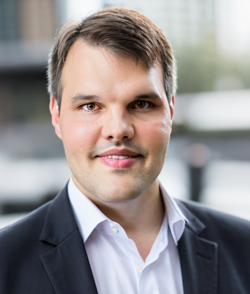
Kaicheng Yang is a postdoctoral researcher at Northeastern University , with an upcoming transition to Assistant Professor in the Department of Computer Science at Binghamton University in Fall 2025. His work bridges computational social science, AI ethics, and platform governance. Education: Ph.D. in Informatics from Luddy School of Informatics, Computing, and Engineering , Indiana University Bloomington His research investigates malicious information manipulation through social bots, algorithmic biases, and generative AI misuse, developing countermeasures for trustworthy online ecosystems. Recent publications explore domain-sharing patterns , news source credibility , and AI-generated social media fraud across journals like Scientific Data , PNAS , and Journal of Online Trust and Safety . Awarded Best Paper - Honorable Mention at the International AAAI Conference on Web and Social Media, Yang also contributes to open-source tools such as the LLM Domain Classification dashboard and Botometer X. His work has received media coverage from Wired , Forbes , and MIT Technology Review .
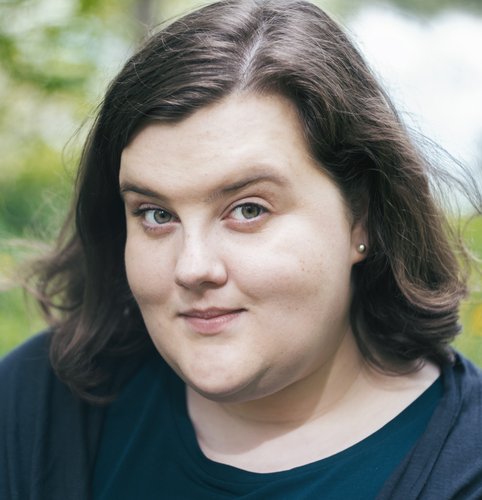
Dr. Maximilian TP von Andrian-Werburg is a Researcher at the University of Würzburg's Faculty of Human Sciences, specifically within the Institute for Human-Computer Media at the Chair of Media Psychology. Born in 1989, he has been working as a research associate since October 2016 and was part of the founding class of the Media Communication program (WS 10/11). His office is located at Campus Hubland North, Oswald-Külpe-Weg 82, Room 01.019. His research focuses on evolutionary media psychology, examining biological and evolutionary influences on human experience and behavior in digital contexts. Key areas include gender and media interactions, language usage in online partner selection, and the impact and reception of sexually explicit material. He employs methodologies combining web tracking with survey data to study pornography consumption patterns and online dating behaviors. His recent publications demonstrate a consistent focus on understanding the complex relationships between sexual fantasies, pornography usage, and sexual behavior through network analysis approaches. His work frequently appears in journals like Archives of Sexual Behavior and Journal of Sex Research, reflecting his specialization in sexual behavior research from an evolutionary psychology perspective. Scientific Awards and Grants: HDC/Overheadförderung der Fakultät für Humanwissenschaften for multiple conference participations (HBES, SSSS, IASR) DAAD Kongressreisenstipendium for ICA conferences in Washington (2019) and San Diego (2017) HDC funding for Open Access publication in Journal of Sex Research Research funding for participant compensation and representative sampling As an active member of multiple scholarly societies including the German Psychological Society, Human Behavior and Evolution Society, and ICA Communication Science & Biology Interest Group, Dr. von Andrian-Werburg regularly presents his research at international conferences. He serves as an internship supervisor for Bachelor Media Communication students (surnames Q-Z) and collaborates extensively with colleagues like Frank Schwab and Björn P. Lange on evolutionary approaches to media psychology.
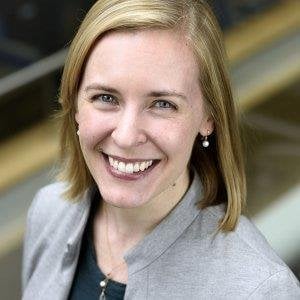
Dr. Amber D. Dumford serves as an Associate Professor in the Department of Leadership, Counseling, Adult, Career and Higher Education within the University of South Florida's College of Education. Her academic work bridges quantitative research methodologies with practical applications in student development and career pathways. Education Ph.D. in Higher Education (with cognate in Sociology), Pennsylvania State University, 2008 M.P.A., Indiana University Bloomington, 2002 B.A. in Mathematics, Indiana University Bloomington, 2000 Research Focus Her scholarship critically examines student engagement dynamics across educational contexts, with particular attention to gender disparities in higher education and arts alumni career trajectories . She pioneers methodological approaches to quantitative reasoning and data quality in large-scale educational surveys, frequently addressing challenges like vague quantifiers and skip logic in complex datasets. Her work consistently connects classroom experiences to post-graduation outcomes through rigorous mixed-methods frameworks. Publication Trends Analysis of her 2018-2021 publications reveals intensifying focus on career readiness ecosystems, particularly examining how career academies and high-impact practices shape student trajectories. A distinctive thread connects arts education research with STEM workforce development, while her methodological contributions increasingly address survey design limitations in longitudinal studies of educational outcomes. Scientific Awards No scientific awards listed in available documentation. Advising and Grants Dr. Dumford mentors doctoral candidates through dissertation committee service while securing substantial external funding as Principal Investigator: National Science Foundation: IT College and CAREERS Readiness Project (2019-2020) Tremaine Foundation: Career Skills Training for Artists (2015-2016) National Endowment for the Arts: Arts Major Career Aspirations Study (2014-2016) Associate of American Colleges: STEM Education Assessment Initiative (2014-2017) Research Teams She leads multi-institutional research teams for her NSF and NEA projects while maintaining active collaboration with the Strategic National Arts Alumni Project (SNAAP) and National Survey of Student Engagement (NSSE) networks. Her methodological expertise is frequently sought by the National Center for Educational Statistics and Canadian institutions for survey design consultation.
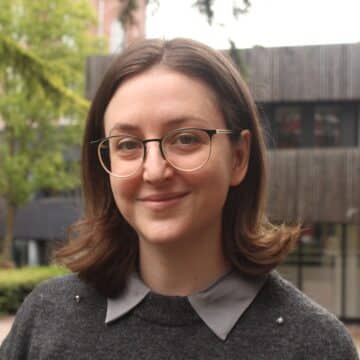
Alyssa Bilinski serves as the Peterson Family Assistant Professor of Health Policy at Brown University's School of Public Health, where she develops advanced methodological frameworks for health policy evaluation. Her research program centers on three interconnected pillars: Advancing data-driven approaches to observational causal inference in complex health systems Improving causal identification and interpretability within high-dimensional simulation models Integrating cost-effectiveness and affordability metrics into healthcare decision-making frameworks Substantively, she investigates health insurance reform mechanisms, barriers to equitable dental care access, and infectious disease management strategies. During the COVID-19 pandemic, she directly contributed to critical policy responses including hospital capacity forecasting, K-12 school transmission modeling, and excess mortality analysis through collaborations with federal and state policymakers. Her publication record (2020-2022) demonstrates consistent focus on methodological innovation applied to urgent public health challenges, particularly SARS-CoV-2 transmission dynamics in educational settings, diagnostic testing optimization, and real-time pandemic surveillance systems. This work bridges advanced statistical modeling with actionable policy recommendations through high-impact collaborations with institutions like the CDC and major research hospitals.
Dovilė Galdauskaitė is an Assistant Professor in the Department of Sociology at Vilnius University's Faculty of Philosophy. She specializes in fertility studies, family sociology, and gender sociology, with strong methodological expertise in quantitative research. Her work bridges academic scholarship with practical statistical applications through her concurrent position at Statistics Lithuania. Education: PhD in Philosophy (Sociology), Vilnius University, 2023 MA in Demography, Vytautas Magnus University, 2018 BA in Sociology, Vytautas Magnus University, 2016 Galdauskaitė's research focuses on the complex relationship between changing gender roles, fertility decisions, and family formation in contemporary Lithuanian society. Her work examines how evolving gender attitudes influence reproductive behavior and life planning, with particular attention to the intersection of happiness research and demographic patterns. Through sophisticated quantitative methodologies, she investigates demographic transitions in post-Soviet contexts, contributing valuable insights to understanding Eastern European fertility trends within broader European demographic frameworks. Her publication record reveals a coherent scholarly trajectory examining fertility dynamics through multiple theoretical lenses including gender revolution theory, happiness research, and comparative demographic analysis. Galdauskaitė consistently employs large-scale survey data from international studies (Family and Fertility Survey, Generations and Gender Survey) combined with qualitative insights to develop nuanced understandings of reproductive behavior. Dovilė Galdauskaitė teaches courses including Introduction to Statistics in Social Sciences (seminars), Data Analysis (seminars), Fundamentals of Educational Research (quantitative studies), and Sociology of Family and Sexuality. Her dual appointment allows her to integrate academic research with practical statistical work in official statistics. She actively participates in international scholarly networks, including COST network CA21143 TraFaDy on transnational family dynamics in Europe, and contributes to activities covering gender and equality statistics, population statistics, census work, and Sustainable Development Goals implementation through her role at Statistics Lithuania.
Kamila Misiejuk is a Postdoctoral Researcher at the Center of Advanced Technology for Assisted Learning and Predictive Analytics (CATALPA) within FernUniversität Hagen since October 2024. She previously served as a Senior Researcher and PhD Fellow at the Centre for the Science of Learning and Technology (SLATE) , University of Bergen (2017-2024), where she developed expertise in learning analytics and network modeling. Her research focuses on Interdisciplinary applications of Epistemic Network Analysis (ENA) and Transition Network Analysis (TNA) Designing data-driven educational tools for assessment and feedback Evaluating generative AI in academic writing and peer assessment Studying ethical implications of learning analytics dashboards Key trends in her 15 most recent publications (2024-2025) include Systematic reviews of generative AI and dashboard effectiveness Development of network analysis frameworks for collaborative learning Investigations into human-AI interaction dynamics and idiographic analytics Methodological tutorials in educational data visualization and R programming She contributes to professional networks as: Board Member , International Society for Quantitative Ethnography (ISQET, since 2021) Committee Chair , ISQET Resources Committee (2021-2023) Member , Society for Learning Analytics Research (SoLAR, since 2018)
Bethany Fox is a Post-Doctoral Research Scientist in the Department of Applied Sciences at the University of the West of England (UWE Bristol), specializing in water quality research with a focus on developing novel sensor technologies and sustainable water treatment systems for international applications. Her academic background includes: Geography undergraduate degree from the University of Bristol, specializing in physical geography Master's research on freshwater-microbial interactions and water quality assessment PhD at UWE Bristol investigating bacterial production of naturally-occurring fluorescent organic matter Dr. Fox's research expertise spans water quality monitoring, freshwater microbial interactions, fluorescent organic matter analysis, and sustainable decentralized drinking water treatment systems. Her work uniquely combines laboratory experimentation with extensive field research, particularly in India, where she has led major Indo/UK collaborative projects. She has developed significant expertise in fluorescent sensor technology for real-time water quality monitoring and has pioneered approaches for pathogen control in stored rainwater using electrochemical activation. Analysis of her publication record reveals a strong emphasis on comprehensive water quality assessment of the Ganges River system, examining everything from microplastic contamination to microbial ecology across the entire river basin. Her research consistently bridges fundamental scientific inquiry with practical applications for communities lacking access to safe drinking water, with particular focus on decentralized, community-scale solutions that can operate off-grid. Dr. Fox has established an extensive collaborative network including: Industrial partners: Chelsea Technologies Group, Portsmouth Aviation, FrankWater, CentregoLtd Academic institutions: Bose Institute, Manchester University, Birmingham University Research organizations: CEH (Centre for Ecology & Hydrology), BGS (British Geological Survey) Her research methodology integrates advanced sensor technologies with traditional water quality assessment to address complex environmental challenges across multiple scales. Dr. Fox has led international field expeditions that have produced spatially resolved water quality data along the entire Ganges River system, from Himalayan sources to the Bay of Bengal, contributing significantly to our understanding of anthropogenic impacts on major river systems.
Emma Radovich is a Research Fellow in the Department of Health Services Research and Policy within the Faculty of Public Health and Policy at the London School of Hygiene & Tropical Medicine (LSHTM). She has been at LSHTM since 2014-15, initially joining to complete her MSc in Demography & Health, and has progressed through roles from Research Assistant to her current position as Research Fellow. Her educational background includes a PhD in Epidemiology and Population Health from LSHTM (completed in 2024), an MSc in Demography & Health from LSHTM (2014-2015), and a BA in History of Art from the University of California, Berkeley (2004-2008). As a mixed-methods researcher, Dr. Radovich specializes in evaluations of complex interventions, with particular expertise in realist evaluation approaches to examine healthcare service design and quality improvement interventions. Her research primarily focuses on maternal health services, especially in Southern Asia, with significant work in Nepal, India, Nigeria, Egypt, and the United Kingdom. She has led studies on measuring and improving care coverage and quality in maternal health services, including an exploratory study in Nepal on maternity service hygiene infrastructure and facility design funded by the LSHTM Health and Hygiene Seed Grant 2023. Her recent publications demonstrate a strong focus on electronic decision support systems to improve antenatal care quality in South Asia, with multiple studies examining implementation, impact on workflow, and effects on care quality. She has also conducted significant work using Demographic and Health Surveys to analyze maternal healthcare utilization and quality across multiple countries. LSHTM Health and Hygiene Seed Grant 2023 for "Hygiene preparedness of maternity services: lessons from routine screening tests in Nepal" 2019-20 Doctoral Project Travelling Scholarship for "Impact of an Electronic Decision Support System on workflow in antenatal care" MRC-funded research on "A cluster randomized trial of an mHealth integrated model of hypertension diabltes & antenatal care in primary care settings in India & Nepal" Dr. Radovich is actively involved in teaching and supervision at LSHTM. She is co-module organiser for PHM219 Evaluation of Public Health Interventions (distance learning) and supervises MSc summer projects for both intensive and distance learning students. Previously, she has taught on Health Systems, Basic Epidemiology, Statistics for Epidemiology and Population Health, and Analysing Survey and Population Data courses. She has also coached PhD and MSc students on DHS data analysis at the Institute of Tropical Medicine in Antwerp. She is a member of the Maternal and Newborn Health Group (MNHG) and the Centre for Evaluation at LSHTM, and is currently part of the NIHR Policy Innovation and Evaluation Policy Research Unit (PIRU), where she evaluates UK public health interventions and the implementation of health and social care services.
Marta Gallina is a Lecturer in political science at the European School of Political and Social Sciences (ESPOL) within the Catholic University of Lille. She completed her PhD at the Catholic University of Leuven in 2021 and has held postdoctoral positions at the Autonomous University of Barcelona, Waseda University, and the Catholic University of Leuven. Education PhD in Political Science, Catholic University of Leuven (2021) Research Interests Her work focuses on political communication, political behavior, populism, dimensionality of political issues, political space, consistency of opinions, and Voting Advice Applications. She investigates how citizens form political opinions, the impact of party rhetoric on voter behavior, and the structural dynamics of political competition across Western and non-Western contexts including Europe and East Asia. Recent Publications Trends Her 2023-2025 publications reveal a strong emphasis on representation styles, political sophistication, and cross-national populism studies. Key themes include the ecological foundations of opinion constraint, digital media's role in shaping political space, and the micro-foundations of populist voting behavior. Methodologically, she combines ecological analysis, experimental designs, and social media data mining to examine voter ambivalence and ideological structuring. Scientific Awards No awards mentioned Advising and Grants Current advising activities and grant funding details are not specified in available sources. Her publications indicate independent and collaborative research but provide no explicit information about supervised students or active grants. Labs and Teams Marta Gallina is affiliated with ESPOL-Lab, the dedicated research unit of the European School of Political and Social Sciences, which facilitates interdisciplinary research in political and social sciences through collaborative projects and academic events.
Amy Anderson serves as an Honorary Associate Lecturer at the School of Medicine and Public Health, University of Newcastle, while working as a Senior Research Officer specializing in health behavior research. Her academic career is deeply intertwined with the Australian Longitudinal Study on Women's Health, where she investigates critical health risk factors including alcohol use during pregnancy, tobacco consumption, overweight and obesity, and violence against women. Dr. Anderson earned both her PhD and Bachelor of Psychology (Honours) from the University of Newcastle. She is affiliated with the Centre for Women's Health Research and contributes extensively to survey development for longitudinal health studies. Her methodological expertise spans quantitative, qualitative, and mixed methods approaches, allowing comprehensive investigation of women's health behaviors across the lifespan. Her research concentrates on antenatal health behaviors with particular emphasis on alcohol use in pregnancy, public health guideline adherence, and predictors of negative health behaviors. Through the Australian Longitudinal Study on Women's Health, she has produced significant findings about how women interact with health guidelines, especially regarding alcohol consumption during pregnancy. Her work has evolved to include broader aspects of women's health, including intimate partner violence impacts and health behaviors across different life stages. Dr. Anderson has secured research funding totaling $57,500, including a $32,500 grant in 2020 for 'Integrated approaches for domestic and family violence, mental health issues and alcohol and other drugs misuse' and a $25,000 grant in 2013 for 'A life course perspective on the identification of risk factors for low birth weight.' Her scholarly output includes 31 journal articles, 7 conference presentations, and 12 reports, demonstrating consistent productivity across multiple domains of women's health research. Her research has garnered attention across academic and policy spheres, with citations in policy documents, news coverage, and significant engagement on academic platforms like Mendeley. Notably, her work on alcohol use during pregnancy revealed that eight in ten expectant mothers consume alcohol during pregnancy, which received media coverage. She maintains extensive collaborations with researchers including Deborah Loxton, John Wiggers, and Emma Doherty, contributing to interdisciplinary research teams addressing complex women's health issues.
Professor Scott Brown is a distinguished cognitive scientist at the University of Newcastle, where he serves as Professor in the School of Psychological Sciences within the Psychology department. With a unique interdisciplinary background combining psychology and mathematics, Brown has established himself as a leading researcher in mathematical psychology, focusing on how humans process information, make decisions, and solve complex problems. His academic journey began at the University of Newcastle, where he earned multiple degrees: Bachelor of Science (Psychology) Bachelor of Mathematics Bachelor of Science PhD in Psychology After completing his doctorate in 2002, he spent four years as an Assistant Professor at UC Irvine before returning to Australia to join the University of Newcastle. His research has been consistently supported by prestigious fellowships, including an Australian Research Council (ARC) Fellowship from 2008-2013 and a Queen Elizabeth II Fellowship from 2006-2010. Professor Brown's research program uniquely bridges theoretical cognitive science with real-world applications. His primary focus is on mathematical modeling of higher-order cognitive processes, particularly memory and decision-making. What sets his work apart is the application of these models to critical real-world scenarios where human cognition directly impacts outcomes. His team employs a combination of laboratory experiments and analysis of real-world data to develop precise mathematical theories that can make exact predictions about human behavior and thinking. He frequently emphasizes that mathematical theories in psychology allow for precision impossible to achieve with intuition alone. Brown's recent publications reveal a researcher at the forefront of several exciting interdisciplinary frontiers. His work spans from understanding medical decision-making in cancer patients to developing countermeasures against cyber hackers by exploiting their cognitive biases. He has also applied psychological theory to citizen science efforts for endangered species conservation and to improving public transportation systems. The mathematical rigor of his approach is evident across all these domains, with consistent emphasis on developing models that can make precise, testable predictions about human behavior in critical situations. Among his notable scientific achievements are being named a Fellow of the Society for Mathematical Psychology (2015) and a Fellow of the Psychonomic Association (2012). He has also received prestigious New Investigator Awards from both the Society for Mathematical Psychology (2008) and the American Psychological Association (2006). These awards recognize his significant contributions to advancing mathematical approaches in psychological science. Professor Brown has successfully secured substantial research funding, particularly through competitive Australian Research Council grants. His work often involves interdisciplinary collaboration across psychology, mathematics, computer science, medicine, and ecology. He has mentored numerous PhD students and early-career researchers, taking particular pride in how his former students have 'gone on to think much bigger, brighter and deeper thoughts than me!' His approach to research emphasizes the importance of mathematical precision in understanding human cognition, challenging common misconceptions about psychological research, particularly the notion that 'everyone understands what it is to be human' therefore psychological research is unnecessary. Currently, Brown leads a strong research group focused on mathematical psychology, collaborating with researchers across multiple disciplines. His lab investigates how cognitive models can be applied to improve outcomes in critical domains including healthcare decision-making and cybersecurity. One particularly innovative project involves studying state-sponsored hackers to develop cognitive countermeasures that can impede their effectiveness by exploiting psychological biases. This work, funded by a US intelligence agency, represents the cutting-edge application of cognitive science to national security challenges.
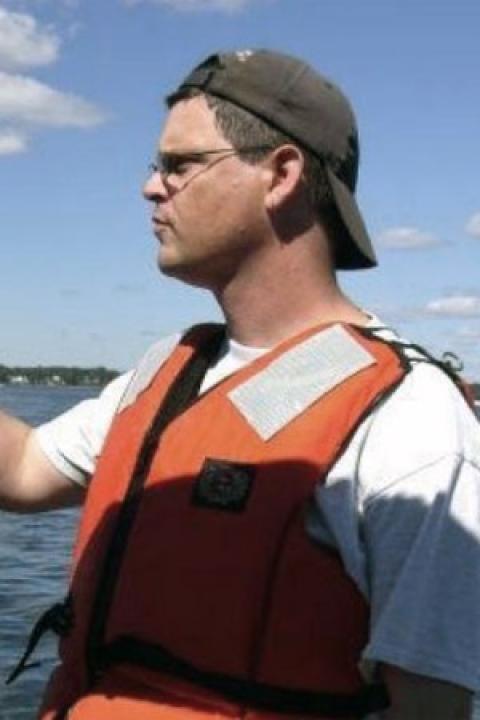
Kurt Schwehr serves as Affiliate Associate Research Professor at the University of New Hampshire's Center for Coastal and Ocean Mapping (CCOM) while concurrently holding the position of Head of Ocean Engineering at Google. His distinguished career spans NASA's Jet Propulsion Laboratory, NASA Ames Research Center, Carnegie Mellon University's Robotics Institute, and the United States Geological Survey, demonstrating exceptional cross-disciplinary expertise in marine and space systems. His educational foundation includes a Ph.D. in Marine Geology and Geophysics from Scripps Institution of Oceanography and a B.S. in Geology from Stanford University. These qualifications underpin his innovative approach to solving complex environmental challenges through technological integration. Dr. Schwehr's research program uniquely bridges computer science, geology, and geophysics to develop robotic systems and real-time visualization tools for extreme environments. His work focuses on applying computer graphics and autonomous systems to marine conservation and planetary exploration, with signature projects including the Chart-of-the-Future initiative, maritime Automatic Identification System applications, and Mars mission visualization software. The Right Whale AIS Project exemplifies his commitment to practical conservation, using acoustic networks to prevent ship-whale collisions in Boston Approaches. Analysis of his publication trajectory reveals a strategic evolution from Mars exploration software (2000s) toward ocean-focused geospatial technologies. Recent work emphasizes cloud-based big data processing (Google Earth Engine), high-resolution land cover mapping, and AIS-driven marine spatial planning, reflecting his dual focus on environmental monitoring infrastructure and actionable conservation tools. His publications consistently integrate open-source methodologies with real-world maritime safety applications. As a mission-critical contributor to NASA's Mars exploration program, Dr. Schwehr developed visualization systems for Pathfinder through Mars Science Laboratory missions. His leadership of the Right Whale AIS Project demonstrates applied innovation in marine conservation technology. An active open-source advocate, he develops and maintains software libraries using Python, C++, and Emacs org-mode while contributing to major geospatial projects like GDAL and Google Earth Engine.
Dr. Arne Lohrberg is a scientific staff member in the Marine Geophysics and Hydroacoustics group at Christian-Albrechts-Universität zu Kiel since 2016. His research focuses on high-resolution seismic imaging of glacial landforms and methane seepage analysis in the North Sea and Baltic Sea. PhD in Marine Geophysics (2021, Kiel) M.Sc. in Geophysics (2016, Kiel) B.Sc. in Earth System Physics (2010-2013, Kiel) Key research areas include: Methane flux quantification in coastal environments Glacial paleolandscape reconstruction using seismic methods Pockmark formation and sediment-gas dynamics Hydroacoustic and sidescan sonar applications Tunnel valley architecture analysis Quaternary marine geology His recent publications (2013-2021) demonstrate expertise in integrating seismic, magnetic, and sonar data for gas seep detection, glacial landscape analysis, and Baltic Sea paleoenvironmental studies. Key collaborations include DFG SPP 1006 and ICDP programs.
Dr. Lena Oestreich is a Senior Research Fellow at the University of Queensland, holding appointments with the Pro-Vice-Chancellor (Research Infrastructure), the Australian Institute for Bioengineering and Nanotechnology, and the School of Psychology within the Faculty of Health, Medicine and Behavioural Sciences. Her research integrates advanced neuroimaging techniques with clinical psychology to investigate complex neuropsychiatric conditions. Lena completed her Bachelor's degree at the University of Groningen and earned her PhD from the University of New South Wales. Her academic journey has positioned her at the intersection of neuroscience, psychiatry, and clinical psychology. Her research interests focus on diffusion-weighted magnetic resonance imaging (dMRI) , depression , neuropsychiatric complications of acquired brain injury (stroke and TBI) , complex trauma/complex post-traumatic stress disorder (C-PTSD) , psychedelic-assisted therapy , and prediction of risk and outcome of mental illness . Her work often examines how brain structure and function relate to cognitive and emotional processes in both healthy aging and clinical populations. Analysis of her recent publications reveals a strong focus on neuroimaging approaches to understanding post-stroke complications, particularly depression and cognitive impairment. Her research increasingly incorporates network analysis methods to identify treatment targets. She also maintains active research in psychosis continuum studies and has recently expanded into psychedelic therapy research and diversity in scientific practices. Lena Oestreich currently holds multiple significant research grants including an ARC Discovery Project (2025-2028) on reproducible neuroimaging research, a Brain and Behavior Research Foundation grant (2024-2026) on depression in stroke survivors, and an NHMRC Investigator Grant (2022-2026) focused on post-stroke depression mechanisms and treatments. She actively supervises numerous PhD and Master's students across diverse projects related to complex trauma, stroke recovery, and neuroimaging methodologies. Her supervision portfolio includes projects on complex PTSD in conflict-affected populations, neural substrates of trauma, brain disconnections in stroke survivors, and the impact of complex trauma on brain structure and function. While her profile indicates she is currently not available for new supervision, she maintains an active supervisory role for existing students. Dr. Oestreich is affiliated with multiple research centers at UQ, including the Centre for Clinical Research, and collaborates extensively with researchers across Australia and internationally. Her work often involves large-scale collaborations, including multicenter stroke studies and international neuroimaging consortia.
Gregory A. Smith is an Associate Professor in the Department of Biological Sciences at Kent State University, where he coordinates the Stark Campus Biological Sciences program. His research focuses on terrestrial vertebrate ecology, particularly how human-altered landscapes impact wildlife population dynamics and community structure. Dr. Smith teaches a range of courses including Life on Planet Earth, Conservation Biology, Wildlife Resources, and Vertebrate Zoology. His research interests center on wildlife ecology and conservation, with emphasis on urban and human-impacted landscapes. Dr. Smith integrates field work with technological innovations including drone technology, smartphone apps, and citizen science platforms to study animal ecology and inform conservation management decisions. He also maintains a strong interest in science education, particularly strategies to recruit, retain, and graduate STEM majors. Dr. Smith's recent publications reveal a strong focus on urban wildlife ecology, particularly coyotes and white-tailed deer in northeastern Ohio, as well as innovative applications of technology in conservation. His work demonstrates consistent themes of human-wildlife interactions, adaptation to urban environments, and the application of ecological theory to practical conservation problems. His research often involves multi-trophic approaches examining complex interactions within ecosystems. Distinguished Teaching Award Finalist, Kent State Alumni Association Faculty Recognition Award ("Teaching that made a difference."), University Teaching Council Distinguished Teaching Award Finalist (Three Times), Kent State University at Stark National Residence Hall Honorary "Favorite Faculty," University of Akron Elected Full Member, Sigma Xi, The Scientific Research Honor Society Dr. Smith has successfully mentored numerous undergraduate researchers and has served in various leadership roles including Chair of the Biological Diversity Working Group for The Wildlife Society and Associate Editor for The Ohio Journal of Science. His grant portfolio includes significant funding from the Herbert W. Hoover Foundation, Ohio Department of Transportation, and National Science Foundation, demonstrating his ability to secure competitive research support. Dr. Smith leads the Wildlife Ecology and Conservation Lab, which provides field research opportunities for students studying wildlife in urban and natural environments across northeastern Ohio.