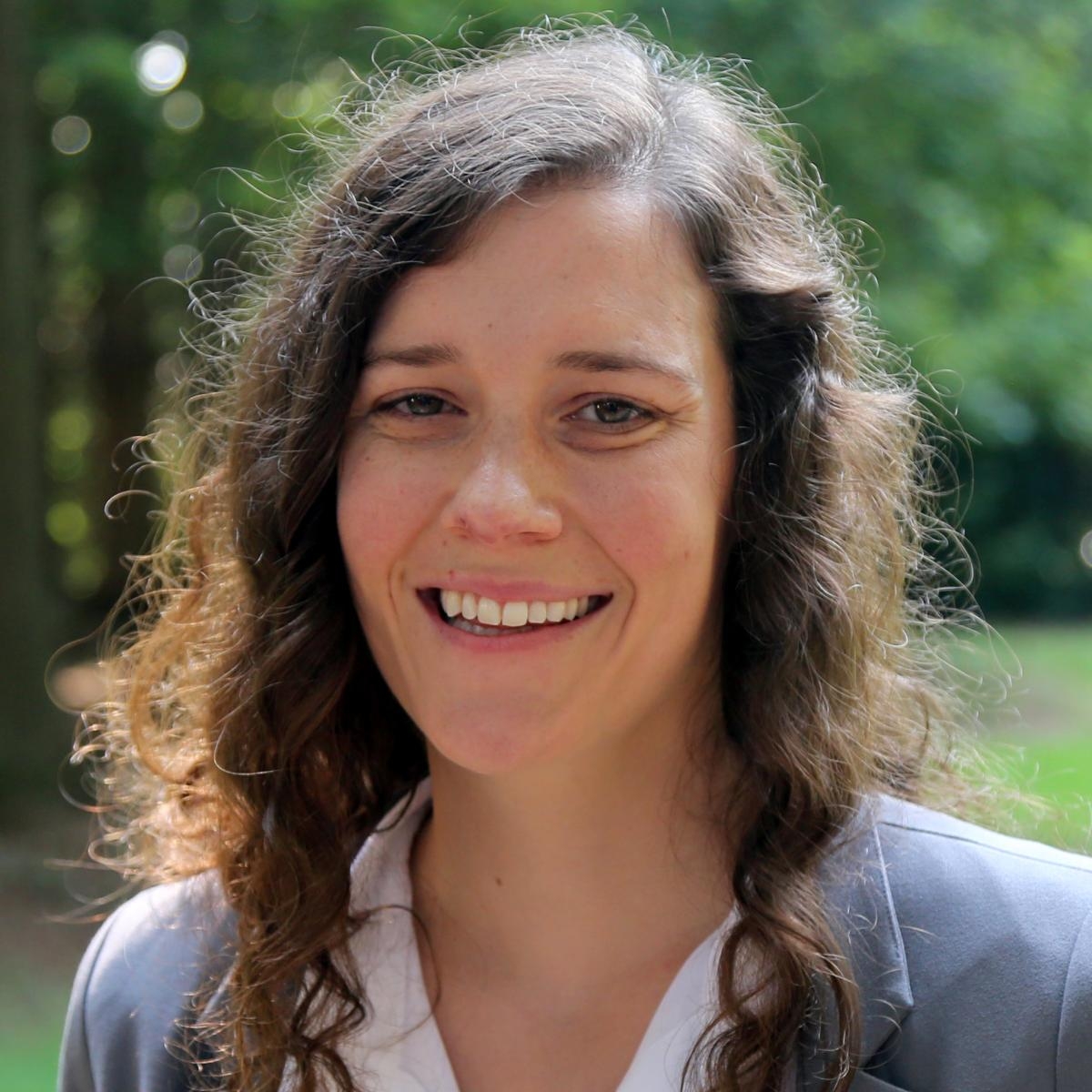
Jennifer Kaiser is an Associate Professor at Georgia Institute of Technology, affiliated with the School of Civil and Environmental Engineering and Earth and Atmospheric Sciences . Her research focuses on air pollutant formation, particularly volatile organic compounds (VOCs), and their impacts on air quality and climate. Endowed Position: Greene Early Career Professor (2024) Key Projects: Emissions from agriculture/oil-gas, biosphere-atmosphere interactions, satellite data validation Tools: CMAQ modeling, TROPOMI satellite analysis, low-cost sensor networks Her work spans instrument development to global chemistry-transport modeling, with recent emphasis on satellite-based monitoring and health risk assessment. She leads the Kaiser Group , which investigates VOC dynamics in urban and wildfire-affected regions. Scientific Awards: NOAA Grant (2021) Greene Early Career Professor (2024) Contact: jennifer.kaiser@ce.gatech.edu | Office: Ford Environmental Science & Technology Building, Room 3224
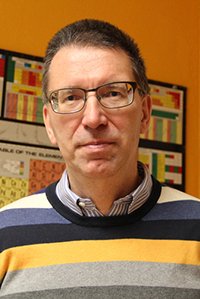
J. Ilja Siepmann is a Distinguished McKnight University Professor and Distinguished University Teaching Professor at the University of Minnesota's Department of Chemistry, with affiliations spanning Chemical Engineering, Materials Science, and Data Science. His research integrates molecular simulations, force field development, and machine learning to study adsorption phenomena, phase equilibria, polymer chemistry, and nanoporous materials. Education: Undergraduate: University of Freiburg, Germany (1983-1987) Graduate: University of Cambridge, UK (PhD, 1988-1991) Post-doctoral: IBM Zurich Research Lab, Koninklijke/Shell Lab, and University of Pennsylvania (1991-1994) Research interests focus on chemical theory, materials genomics, and environmental chemistry, with emphasis on energy-efficient separations, nanostructured materials, and sustainable chemical processes. Computational methods like Monte Carlo algorithms and machine learning underpin his investigations into fluid interfaces, nucleation, and catalytic systems. Recent publications emphasize adsorption thermodynamics, molecular simulations of complex fluids, data-driven materials discovery, and polymer self-assembly. Trends include integration of machine learning with molecular modeling, nanoporous materials for clean energy, and phase behavior of refrigerants. Awards: Distinguished McKnight University Professor Distinguished University Teaching Professor Advises graduate and undergraduate researchers in computational chemistry projects. Leads the Siepmann Group at Kolthoff Hall, part of the Chemical Theory Center and Nanoporous Materials Genome Center. Research funded through MURI and industry partnerships.
Unni Olsbye is a Professor in the Department of Chemistry at the University of Oslo, Faculty of Mathematics and Natural Sciences. Her research focuses on catalytic processes in micro- and nanoporous materials, with particular emphasis on structure-composition-function correlations in catalytic reactions and mechanistic studies of product formation. She is affiliated with several research groups including the Catalysis Section, SMN (Center for Materials Science and Nanotechnology), ProfMOF A/S, and iCSI (industrial Catalysis, Science and Technology). Professor Olsbye's research interests center on heterogeneous catalysis, particularly examining how the chemical composition of catalytic sites, their immediate environment, and steric factors influence reaction rates and selectivity in porous materials. Her work spans zeolites, zeotypes, and metal-organic frameworks (MOFs) for applications in CO 2 conversion, methane activation, methanol-to-hydrocarbons processes, and light alkane dehydrogenation. She investigates confinement effects in micro- and nanoporous materials, with processes studied including C-H activation, C-O activation, methane partial oxidation to methanol and syngas, methyl halide conversion, and ethene oxychlorination. Analysis of her recent publications reveals a strong focus on energy-related catalysis for sustainability, particularly CO 2 conversion to fuels and chemicals, methane activation to methanol, and olefin production. Her work frequently employs copper-based catalysts in zeolites and MOFs, with increasing attention to bio-inspired catalytic systems. The research combines experimental approaches with advanced characterization techniques to understand reaction mechanisms at the molecular level. Professor Olsbye leads or participates in several significant research projects including BIZEOLCAT (bifunctional catalysts for alkane activation), CCU-NET (Nordic mobility network), CO 2 LO (CO 2 hydrogenation, TRL1-3), COZMOS (CO 2 hydrogenation, TRL3-5), CUBE (C-H activation, ERC Synergy), and ProfMOF (MOF scale-up and testing). These projects address critical challenges in catalysis for sustainable energy and chemical production. Her laboratory work focuses on advanced characterization of catalytic materials, particularly using in situ and operando techniques to monitor reactions as they occur. The research group collaborates extensively with experts in organic and inorganic synthesis, advanced spectroscopy, and theoretical calculations to develop a comprehensive understanding of catalytic processes in confined environments.
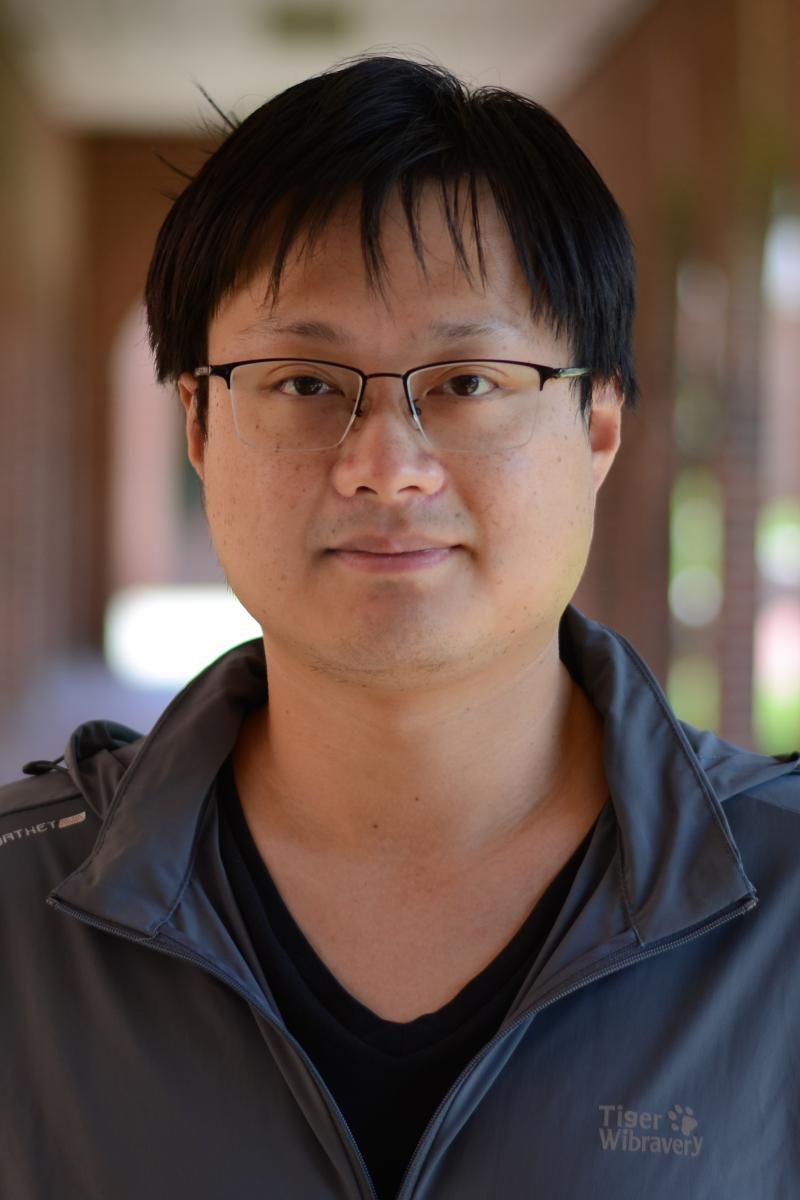
Jonathan Boualavong is an Assistant Professor in the Department of Civil, Structural and Environmental Engineering at the University at Buffalo, State University of New York. His research focuses on electrochemical separations for climate change mitigation, public health, and environmental justice, integrating engineering and critical science and technology studies perspectives. PhD, Environmental Engineering, Pennsylvania State University (2023) MPhil, Chemical Engineering, University of Strathclyde, Scotland (2019) BS, Biomedical Engineering, University of Rochester (2017) His work examines: Electrochemical CO2 capture and its energy implications Mechanistic understanding of metal separations Ethical dimensions of scientific measurement Integration of renewable energy systems with chemical processes Current projects analyze: Air-water interface manipulation for CO2 absorption Electrochemical controls on lead/copper corrosion Coordination chemistry in transition metal redox processes Ethical citation networks in separation science Contact: jboualav@buffalo.edu
Professor Rodrigo Freitas holds the TDK Professorship in Materials Science and Engineering at MIT. His research focuses on computational materials design, bridging atomistic simulations with mesoscale microstructural analysis. He leads the Freitas Research Group, specializing in machine learning-driven modeling of materials kinetics and solidification processes. Education: B.S. and M.S. in Physics, University of Campinas, Brazil M.S. and Ph.D. in Materials Science & Engineering, UC Berkeley Research Interests: Professor Freitas investigates microstructural evolution in metals and alloys using advanced computational methods. Key areas include solidification mechanisms, interstitial atom behavior in superalloys, and machine learning applications for materials discovery. His work emphasizes bridging atomistic and mesoscale phenomena to guide industrial applications like semiconductor manufacturing and battery design. Publications Trend: Recent work emphasizes machine learning potentials for alloy modeling, short-range order analysis in high-entropy alloys, and kinetic modeling of complex chemical systems. Themes include alloy phase stability, defect dynamics, and data-driven materials discovery. Labs/Teams: Leads the Freitas Research Group at MIT, which develops novel computational tools for materials engineering.
Prof. Fabian Dielmann is a Professor of Organometallic Chemistry at the University of Innsbruck's Department of General, Inorganic and Theoretical Chemistry. He leads the Dielmann Lab within the Center for Chemistry and Biomedicine. His research focuses on molecular inorganic chemistry, phosphorus chemistry, coordination chemistry, and catalysis. Joined University of Innsbruck as Full Professor in 2020 Previously held positions at Münster University (2013–2020) and UCSD/UCR (2011–2013) Recipient of prestigious awards including the Heinz Maier-Leibnitz-Preis (2019) and Karl-Arnold-Preis (2020) Active in bimetallic catalysis, CO₂ capture, and light-driven materials Research interests emphasize phosphorus-rich compounds, transition metal complexes, and sustainable catalytic systems. His work spans from fundamental reactivity studies to applications in green chemistry and energy storage. Recent articles highlight breakthroughs in photoswitchable carbon dioxide capture and novel phosphorus-based materials. Key grants include Emmy Noether Research Group (2017–present) and Alexander von Humboldt Foundation fellowships. His lab focuses on supramolecular assemblies, dynamic covalent polymers, and reactive intermediates like carbenes and nitrenes.
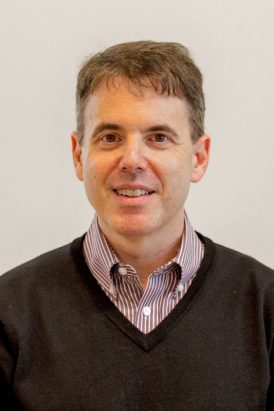
Fred Feinberg is the Joseph and Sally Handleman Professor of Marketing and Professor of Statistics (by courtesy) at the University of Michigan, where he is also an Affiliated Faculty member of the Center for the Study of Complex Systems. His work integrates advanced Bayesian methods with large-scale marketing data to illuminate how people make choices under uncertainty. Education Ph.D., Sloan School of Management, Massachusetts Institute of Technology (1989) Doctoral program in Mathematics, Cornell University (1983–84) S.B. Mathematics & S.B. Philosophy, Massachusetts Institute of Technology (1983) Research Focus Feinberg’s scholarship centers on discrete choice models that leverage real-world decisions to infer latent attributes such as demographics, product appeal, and socioeconomic status. Methodologically, he employs Hierarchical Bayes (HB) models and cutting-edge MCMC algorithms to handle massive data sets, while theoretically he advances dyadic utility theory and optimal search under uncertainty. Applications span click-through behavior, menu-based choice, online dating preferences, spatial marketing, and consumer reactions to intangible or aesthetic product features. Recent empirical studies explore the wearout versus weariness effects of online advertising, the impact of data breaches on consumer behavior, and dynamic pricing for digital media subscriptions. Across these projects, Feinberg couples rigorous statistical innovation with actionable managerial insights, bridging marketing science, operations, and engineering. Scientific Awards & Leadership Joseph and Sally Handleman Endowed Professorship Past President, INFORMS Society for Marketing Science Departmental Editor, Production and Operations Management Former Co-Editor, Marketing Science Co-author (with T. Kinnear & J. Taylor) of the textbook Modern Marketing Research: Concepts, Methods, and Cases Grants & Collaborations While explicit grant lists are not provided, Feinberg’s prolific publication record in top-tier journals (e.g., Journal of Marketing Research , Marketing Science , Management Science ) and editorial board service imply sustained external funding and interdisciplinary partnerships, particularly with operations, engineering, and computer-science groups. Laboratories & Teams Feinberg is formally affiliated with the Center for the Study of Complex Systems (CSCS) at the University of Michigan, where he collaborates on network-based choice frameworks and large-scale behavioral data analytics. He maintains active ties to the Ross Marketing faculty and the Department of Statistics, fostering joint workshops and doctoral training initiatives.
Dr Saidul Islam is a Lecturer in Chemistry at King's College London, part of the Department of Chemistry within the Faculty of Natural, Mathematical & Engineering Sciences. He specializes in prebiotic chemistry, focusing on understanding the chemical origins of life and systems chemistry. His research explores pathways for nucleic acids, peptides, and organic cofactors under prebiotic conditions. Joined King's College London in 2022 as part of the Department's expansion program. Previously held postdoctoral positions at Queen Mary University of London and UCL. Teaching roles include leading 'Organic Chemistry 2' and guiding postgraduate research. Research interests center on prebiotic systems chemistry, including catalytic peptide ligation, chemoselective synthesis, and the role of cyanide in early metabolism. The Islam Group investigates chemical pathways that could have led to life's emergence on early Earth, employing synthetic organic chemistry and advanced analytical techniques like NMR spectroscopy. Key contributions include studies on pantetheine synthesis, peptide ligation mechanisms, and the enrichment of prebiotic molecules via heated gas bubbles. His work bridges organic chemistry with the origins of biological systems, addressing fundamental questions about life's chemical beginnings.
Thomas Ouldridge is a Royal Society University Research Fellow and Reader in Biomolecular Systems at the Department of Bioengineering, Faculty of Engineering, Imperial College London. He leads the 'Principles of Biomolecular Systems' group, which focuses on theoretical and computational modeling of complex biochemical systems, particularly exploring the interplay between molecular details and emergent behaviors like sensing, replication, and self-assembly. His work integrates natural systems analysis with synthetic biology applications, aiming to engineer artificial analogs of biological processes. His research spans interdisciplinary areas including stochastic thermodynamics, DNA-based computation, and molecular reaction networks. Key affiliations include the Physics of Life, Synthetic Biology Hub, and the Leverhulme Centre for Cellular Bionics. He has contributed to over 60 peer-reviewed articles since 2009, with recent work emphasizing energy-efficient molecular information processing and thermodynamic limits of biochemical systems. Awards: Royal Society University Research Fellowship (current). Labs/Teams: Principles of Biomolecular Systems Group, collaborating with multiple centers including the Centre for Synthetic Biology and Institute of Chemical Biology. Grants/Positions: Maintains research funding through the Royal Society and UKRI grants, focusing on non-equilibrium biomolecular systems and synthetic biology tools. Recent publications highlight advances in DNA templating networks, stochastic thermodynamic modeling of computation, and optimal protocols for molecular copying systems. His work bridges foundational physics with applied biotechnology, aiming to push the boundaries of synthetic biological engineering.
Jiaxin Jin is an Assistant Professor in the Department of Mathematics at University of Louisiana at Lafayette, joining in 2024. He holds a Ph.D. in Mathematics from University of Wisconsin-Madison (2021), M.S. from University of Wisconsin-Madison (2015), and B.S. from Shanghai Jiao Tong University (2014). Previously, he served as Zassenhaus Assistant Professor at The Ohio State University. His research focuses on applying dynamical systems to mathematical biology/biochemistry and partial differential equations in mathematical physics, with emphasis on: (i) dynamical equivalence in reaction models, (ii) network structure in input-output networks, and (iii) kinetic equations analysis. His work bridges mathematical theory and biological applications through advanced computational methods. Recent publications demonstrate strong focus on reaction networks (12 papers), kinetic theory (4 papers), and homeostasis in biological systems (2 papers), with increasing emphasis on algorithmic implementations and geometric approaches.
Professor Kourosh Kalantar Zadeh is the Head of School of Chemical and Biomolecular Engineering at the University of Sydney. He also holds adjunct professorships at UNSW and RMIT. His research focuses on sensors, nanotechnology, liquid metals, and medical devices. He has over 500 publications and is a member of prestigious editorial boards. **Awards**: Includes AAAS Fellowship (2021), Robert Boyle Prize (2020), Walter Burfitt Prize (2019), and multiple Clarivate Highly Cited recognitions. His work has been featured in over 350 media outlets, including BBC, Time Magazine, and Nature. **Research**: Innovations include ingestible gas-sensing capsules, smart paints, and liquid metal-based catalysis. Supervises 10 PhD students in areas like functional materials and medical devices. **Grants**: Leads ARC Laureate Fellowship projects on liquid metals and NHMRC grants for gut metabolite sensing. Part of the ARC Centre of Excellence in Future Low-Energy Electronics. **Engagement**: Media engagements highlight breakthroughs in sensors, liquid metals, and environmental technologies. Collaborates across disciplines to translate research into practical applications.
Olga Vitek is a Professor at Northeastern University's Khoury College of Computer Sciences, with affiliated faculty status in the Department of Chemistry and Chemical Biology. Her research bridges statistical science and machine learning with mass spectrometry-based proteomics and systems biology, focusing on developing open-source software tools like MSstats and Cardinal for quantitative proteomic analyses and imaging. Education: PhD in Statistics (Purdue University), Postdoc at the Ruedi Aebersold Lab (Institute for Systems Biology) Leadership: Director of the Barnett Institute for Chemical and Biological Analysis Her work emphasizes: Statistical experimental design Signal detection in complex mass spectrometry data Causal inference in biomolecular networks Reproducible computational infrastructure Recent publications highlight advancements in quantitative proteomics , mass spectrometry imaging , and causal modeling , with applications spanning cancer research, immunology, and clinical diagnostics. Notable trends include deep learning integration for image analysis and open-source tool development for scalable, transparent workflows. Scientific accolades: Elected Fellow of the American Statistical Association 2021 Gilbert S. Omenn Computational Proteomics Award NSF CAREER award Chan-Zuckerberg Essential Open-source Software award Senior Member, International Society for Computational Biology
Vito Latora is a Professor of Applied Mathematics and Chair of Complex Systems at the School of Mathematical Sciences, Queen Mary University of London, and also holds the position of Professor of Theoretical Physics at the University of Catania. He leads the Complex Systems and Networks Group, driving cutting-edge research at the intersection of physics, mathematics, and interdisciplinary sciences. His research focuses on complex systems, particularly the structure and dynamics of networks, including multiplex, temporal, and higher-order networks such as simplicial complexes and hypergraphs. He explores applications in social, biological, financial, and cognitive systems, with recent work on creativity, innovation, and success through network analysis. The 15 most recent publications reveal a strong trend in advancing network theory beyond pairwise interactions, with a focus on higher-order structures, memory effects, synchronization, and epidemic spreading. His work combines rigorous mathematical modeling with real-world applications, often published in high-impact journals like Nature Communications , Physical Review Letters , and Science Advances . Dual communities in spatial and biological networks Modeling epidemics with limited detection resources Synchronization via higher-order and directed interactions AI-driven financial risk management Evolutionary games on hypergraphs Interdisciplinary success and funding dynamics Vito Latora has mentored several researchers who appear as co-authors, including Iacopini, Williams, Di Bona, and Lacasa. While specific grants are not listed, his collaborative projects with neuroscientists and anthropologists, along with frequent publications, suggest active funding. He is involved in major scientific events such as NetSci 2023, indicating leadership in the network science community. He leads the Complex Systems and Networks Group at Queen Mary, fostering a collaborative environment for studying complex systems through theoretical, computational, and data-driven approaches.
Svetlana Kotochigova is a Research Professor in the Department of Physics at Temple University. Her research focuses on theoretical atomic, molecular, and optical physics, with an emphasis on ultracold atoms and molecules, particularly lanthanide systems and precision measurements. She holds a PhD and MS from Saint Petersburg University (1986 and 1982). Her work integrates quantum-mechanical modeling of collisions and interactions among ultracold particles, including studies of magnetic lanthanide dimers, nonadiabatic effects in heavy atom molecules, and development of molecular sensors to detect CP-violating forces. Key projects include simulating Feshbach resonances in erbium and dysprosium gases, exploring quantum control via conical intersections, and designing magic traps for ultracold molecules. Notable contributions include theoretical frameworks for understanding chaotic dynamics in lanthanide dimers and advancing methods for trapping and manipulating ultracold species. She is a Fellow of the American Physical Society (since 2012) and collaborates closely with experimental groups to bridge theory and application in quantum systems.
Taishi Muraoka serves as an Assistant Research Fellow at Academia Sinica's Institute of Political Science in Taipei, Taiwan, a position he has held since 2022. His academic journey includes postdoctoral fellowships at Harvard University's Program on US-Japan Relations and Washington University's Weidenbaum Center, following his 2019 Ph.D. in Political Science from Washington University in St. Louis. His educational background encompasses a B.A. in Political Science from the University of North Carolina at Charlotte (2013) and a B.A. in Law from Chuo University, Japan (2011). His research expertise spans electoral politics, political institutions, and social media's role in political communication, with particular emphasis on cross-national comparative analysis. Muraoka's scholarly work reveals consistent focus on electoral system design and voter behavior, with recent publications examining polarization's emotional dimensions, multilingual party communication, and diaspora voting incentives. His methodological approach combines large-scale cross-national data analysis with quasi-experimental designs, frequently leveraging social media interactions as behavioral indicators. His scientific recognition includes the 2023 Richard E. Matland Best Paper Award from the Midwest Political Science Association and multiple travel grants from major associations like APSA and MPSA. His award portfolio reflects consistent early-career excellence in political methodology and comparative research. Current research initiatives include a 2025 Academia Sinica Grand Challenge grant on electoral system habit-formation and a Weidenbaum Center-funded project on radical-right party responses to extremism. His collaborative network spans institutions in Europe, Asia, and North America, with frequent co-authorship patterns indicating strong interdisciplinary partnerships.