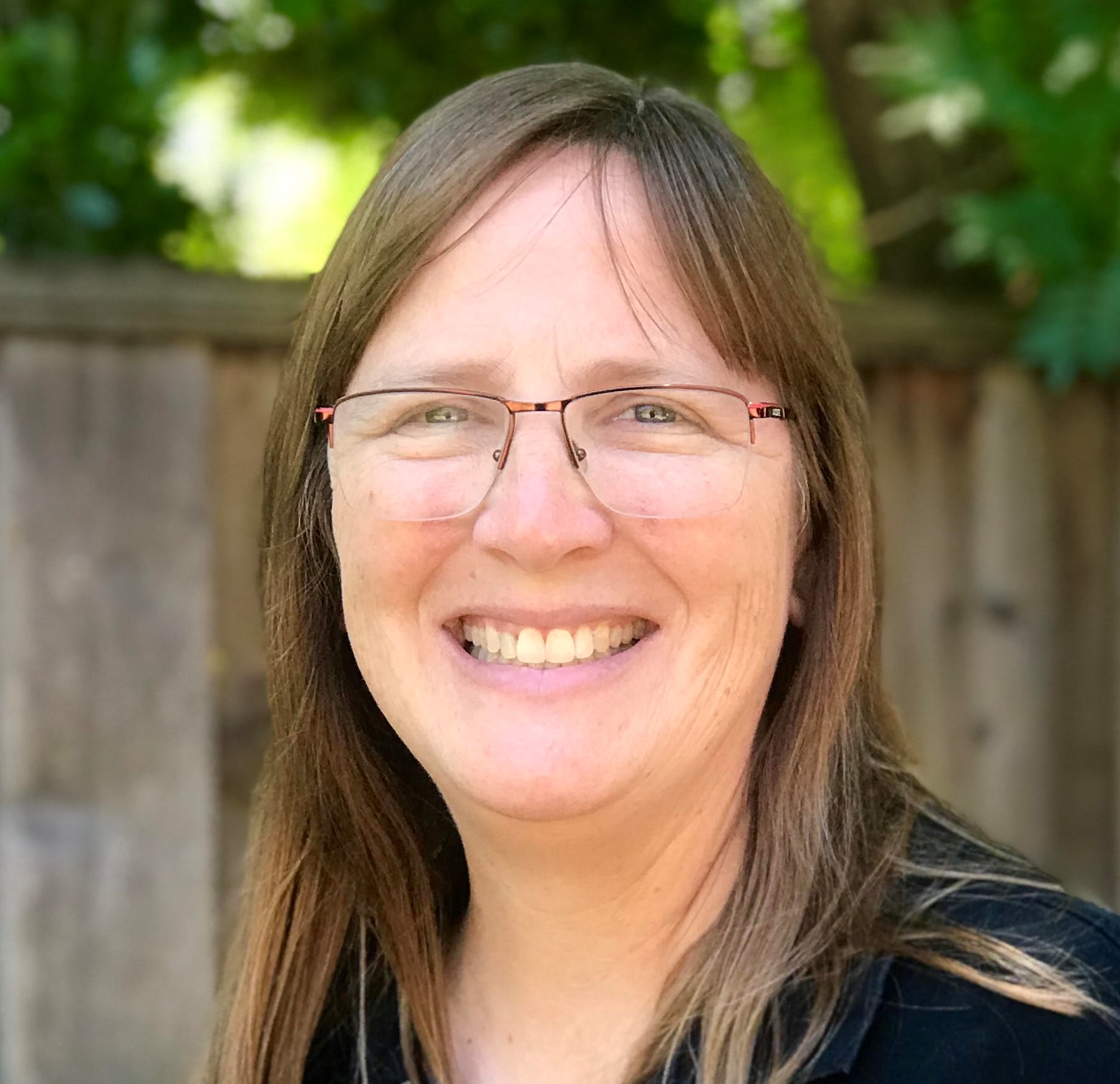
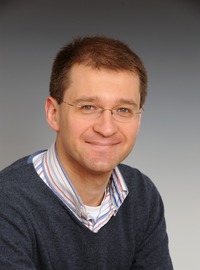
Dr. Alexei Krekhov is a Senior Researcher at the Max Planck Institute for Dynamics and Self-Organization , leading the Theory Group on Pattern Formation. He holds a PhD in Theoretical Physics from Perm State University (1990) and habilitated at the University of Bayreuth (2010). His research spans nonlinear dynamics in excitable media, two-phase convection, cell motility modeling, and pattern formation in complex fluids and liquid crystals. Education: PhD, Theoretical Physics, Perm State University (1990) Habilitation, Theoretical Physics, University of Bayreuth (2010) His work involves analytical methods, numerical simulations, and collaborations with institutions in Germany, Hungary, Israel, and Russia. He has contributed to understanding flexoelectricity, electroconvection, and pattern suppression mechanisms. Recent publications focus on nonlinear dynamics in excitable media, electroconvection in nematics, and moist convection patterns. Keywords include Nonlinear Dynamics , Liquid Crystals , Pattern Formation , and Complex Fluids . Scientific Awards: Alexander von Humboldt Fellowship (1994-1996) Krekhov collaborates with institutions including the University of Bayreuth, Institute for Solid State Physics (Budapest), Ben-Gurion University, and the Institute of Molecular and Crystal Physics (Ufa). His group explores self-organization in biological systems and hydrodynamic instabilities.
Xiaozhou He is a Professor and Vice President at the School of Mechanical Engineering and Automation, Harbin Institute of Technology, Shenzhen. He holds the prestigious title of National High-level Overseas Young Talent and was appointed as Shenzhen 'Pengcheng Scholar' Distinguished Professor in 2019. His educational background includes a PhD in Fluid Mechanics from Hong Kong University of Science and Technology (2002-2009) and a BSc in Physics from Wuhan University (1998-2002). Prior to his current position, he served as Group Leader at the Max Planck Institute for Dynamics and Self-Organization (2010-2015) and as a Postdoctoral Fellow at Hong Kong University of Science and Technology (2010). Professor He's research focuses on fluid dynamics, particularly in turbulence, convection, and boundary layer phenomena. His work explores thermal boundary layers, heat transport mechanisms, and turbulent flow dynamics in various convection systems. He has made significant contributions to understanding the complex interactions between fluid motion and heat transfer in both theoretical and applied contexts, with applications ranging from fundamental fluid mechanics to oceanographic phenomena. His recent publications demonstrate a strong focus on thermal boundary layers and heat transport in different convection systems, particularly Rayleigh-Bénard convection. His research spans fundamental fluid dynamics to applications in oceanography, as evidenced by studies on temperature structures in the South China Sea. The work often involves experimental and numerical approaches to understand heat transfer mechanisms in turbulent systems. Appointed as Shenzhen 'Pengcheng Scholar' Distinguished Professor (2019) Paper selected for IOPselect (2015) Paper highlighted as Viewpoint in Physics by American Physical Society (2012) European Mechanics Society 'Young Scientist Award' (2011) National High-level Overseas Young Talent recognition Professor He has supervised numerous graduate students across various programs, including students in the School of Robotics and Advanced Manufacture and Mechanics programs. His research is supported by multiple grants including National Natural Science Foundation of China projects, Shenzhen stable support plans, and international collaborations with the Max Planck Society. Current projects include studies on horizontal convection, ocean temperature structures, and turbulent boundary layers. He leads a research group focused on experimental and numerical investigations of thermal convection systems, with particular expertise in boundary layer phenomena and heat transport mechanisms in turbulent flows.
Ann S. Almgren is a Senior Scientist and Department Head of the Applied Mathematics Department within the Applied Mathematics and Computational Research (AMCR) Division at Lawrence Berkeley National Laboratory. She leads major computational science initiatives including the AMReX framework for block-structured adaptive mesh refinement, which supports numerous application codes across multiple scientific domains. Her research focuses on computational algorithms for solving partial differential equations with applications spanning astrophysics, atmospheric science, combustion, and biological modeling. She has made significant contributions to the development of high-resolution adaptive mesh codes optimized for modern multicore architectures. Her work bridges applied mathematics, computer science, and domain sciences through collaborative projects that address complex multiphysics problems. Dr. Almgren's recent publications reveal strong trends in adaptive mesh refinement techniques applied to diverse fields including wind energy (ERF, AMR-Wind), combustion (Pele), ocean modeling (REMORA), and biological systems (BMX). Her research demonstrates a consistent focus on developing robust numerical algorithms that maintain accuracy while scaling efficiently on high-performance computing platforms. SIAM Fellow LBNL Director's Award for Exceptional Scientific Achievement (2023) As Department Head and Senior Scientist, Dr. Almgren oversees research programs, mentors junior scientists, and collaborates extensively with domain scientists across multiple disciplines. She has been instrumental in advancing the Exascale Computing Project's AMReX Co-Design Center, where she served as Deputy Director. Her leadership extends to editorial roles for prominent journals including Communications in Applied Mathematics and Computational Science (CAMCoS), International Journal of High Performance Computing Applications (IJHPCA), and Philosophical Transactions A. Dr. Almgren previously worked at the Institute for Advanced Study in Princeton and Lawrence Livermore National Laboratory before joining Berkeley Lab. Her career path demonstrates a consistent trajectory of leadership in computational mathematics and scientific software development for large-scale scientific applications.
Professor Alexander Morozov is a faculty member at the School of Physics and Astronomy, University of Edinburgh. His research spans soft condensed matter, biophysics, and fluid dynamics, with a focus on complex fluids, turbulence, and microswimmer suspensions. He holds an EPSRC Career Acceleration Fellowship and has contributed to over 83 research outputs. Research Interests: Viscoelastic and purely elastic flow instabilities Microorganism locomotion in complex fluids Active matter and topological phases Chromatin loop network modeling Soft matter rheology Recent Publications highlight work on: Topological quasiparticle phases in active nematics Elasto-inertial turbulence mechanisms Hydrodynamic interactions in microswimmer arrays Chromatin entropy and polymer network combinatorics Scientific Recognition: EPSRC Career Acceleration Fellowship Rheology award Teaching: He currently teaches Statistical Mechanics and previously covered Methods of Mathematical Physics and Advanced Statistical Physics . His research group includes PhD student Ruairí Phelan and postdoc Damiano Capocci, focusing on active turbulence and microswimmer dynamics.
Dr. Meifeng Lin is the current Department Chair of the Computational Science Department within the Computing and Data Sciences Directorate at Brookhaven National Laboratory. Her career spans over 15 years in computational physics and high performance computing, with prior appointments at institutions including Massachusetts Institute of Technology, Yale University, Boston University, and Argonne National Laboratory. Her expertise lies in lattice QCD, quantum computing, machine learning, and high energy physics. PhD in Theoretical Particle Physics, Columbia University M.Phil./M.A. in Physics, Columbia University B.S. in Physics, Peking University, Beijing, China Meifeng Lin's research focuses on computational physics, particularly lattice QCD for nuclear and high energy physics. She integrates high performance computing (HPC) with emerging technologies like quantum computing and machine learning to address complex computational bottlenecks in scientific discovery. Her work emphasizes performance portability, GPU acceleration, and quantum-classical hybrid systems. Her publications reflect interdisciplinary innovation in HPC, machine learning applications in detector design, and quantum computing advancements. Trends include a strong emphasis on algorithm optimization for exascale systems, AI-driven experimental modeling, and GPU-accelerated simulations in particle physics and fluid dynamics. Spotlight Award, Brookhaven National Laboratory (2016, 2017, 2018) Faculty Fellowship, Columbia University (2001-2003) Lin has led major research initiatives such as the Center for Computational Excellence (DOE HEP) as Task Lead and principal investigator for projects like "Overcoming Computational Bottlenecks with HPC and ML" (BNL LDRD). She has also contributed to quantum gate optimization, detector design for the Electron-Ion Collider, and multi-GPU ptychography reconstruction. At Brookhaven, Lin leads the Computational Science Department and previously headed the High Performance Computing group (2019-2024). She has been instrumental in quantum computing research as Acting Group Leader (2018-2019) and in advancing HPC through collaborations like the DOE ASCR Exascale project and the SBU-BNL Seed Grant.
Mohammad Atif is a Researcher at the Computational Science Initiative of Brookhaven National Laboratory. His work focuses on advanced computational methods for fluid dynamics and multiscale analysis. Ph.D. in Engineering Mechanics (2020), Jawaharlal Nehru Centre for Advanced Scientific Research (JNCASR), Bangalore, India B.E. (Hons.) in Mechanical Engineering, Birla Institute of Technology and Science (BITS), Pilani, India Research interests include: Development of entropic lattice Boltzmann methods for simulating complex flows Applications in compressible, multiphase, and turbulent flows High-performance computing and performance optimization of scientific software Discrete kinetic models and multiscale analysis His publications demonstrate expertise in computational fluid dynamics and thermohydrodynamics. The research emphasizes novel numerical methods and algorithm design for physical simulations. Award: Prof. Roddam Narasimha and Family Award (2020) for best Ph.D. thesis in Engineering Mechanics Contact: fmohammad@bnl.gov
Dr. Alexander Kurganov is a Chair Professor in the Department of Mathematics at Southern University of Science and Technology (SUSTech), China, since 2019. Previously, he served as Professor at SUSTech (2016–2019) and Tulane University (2010–2015, 2004–2010, 2001–2004). He has held visiting positions at Shanghai Jiao Tong University, University of Bordeaux I, Johannes Gutenberg University, Paul Sabatier University, and University of Michigan. PhD in Applied Mathematics, Tel Aviv University, 1998 MS in Mathematics, Moscow State University, 1989 Research Interests: Dr. Kurganov specializes in scientific computing, numerical methods for time-dependent PDEs, finite-volume methods, geophysical fluid dynamics, and nonlinear PDEs. His work focuses on developing robust numerical schemes for complex fluid dynamics problems, including shallow water systems, chemotaxis models, and compressible flows. Publication Trends: His recent publications emphasize high-resolution numerical schemes for hyperbolic conservation laws, shallow water equations, and interdisciplinary applications in environmental modeling, fluid dynamics, and financial mathematics. 2015–2018 NSF Research Grant (PI) 2012–2015 ONR Research Grant (PI) 2011 German Research Foundation (DFG) Grant 1997 The Rosset Prize (Tel Aviv University) Grants & Collaborations: Dr. Kurganov has secured multiple NSF and ONR grants as principal investigator. His collaborations span institutions in the USA, China, France, Germany, and Sweden, with applications in geophysics, biology, and finance.
Tero Eerikäinen is a University Lecturer in the Department of Bioproducts and Biosystems at Aalto University, School of Chemical Engineering. He has been actively contributing to research and education in biochemical and bioprocess engineering for decades, with a strong foundation in engineering and technology. His educational qualifications include a Doctoral degree (1993), Licentiate degree (1989), and Master's degree (1986), all in Engineering and Technology from Helsinki University of Technology. These form the cornerstone of his academic expertise. His research interests center around bioprocess engineering, particularly focusing on fermentation technologies, metabolic flux analysis, hydrodynamics of bioreactors, oxygen transfer, and crystallization processes. He investigates complex systems such as Clostridium acetobutylicum under stressed conditions and develops innovative reactor designs like airlift bioreactors with helical flow promoters to enhance performance. The analysis of his 15 most recent publications reveals a consistent trend in advancing sustainable bioprocesses, especially in biofuel (ABE) production, metabolic modeling, and process intensification. His work bridges fundamental hydrodynamics with applied biochemical engineering, aiming to improve efficiency and yield in industrial biotechnology. He has been recognized for his excellence in teaching, receiving the Vuoden 2003 Opettaja- ja Oppikirja-palkinto (Teacher and Textbook Prize) from Helsinki University of Technology. This award highlights his contribution to academic education. Eerikäinen has secured competitive funding through projects such as Fermatra (2016–2019) and POTRA (2000–2002), both funded by Business Finland, indicating strong grant acquisition skills. He has supervised at least one thesis and has been involved in doctoral thesis committees, reflecting his role in academic mentoring. His collaborative network includes institutions like Leiden University, where he served as a visiting researcher in 2019, and active participation in international symposia such as the BioProScale Symposium. His research group focuses on reactor design, metabolic modeling, and fermentation optimization, forming a multidisciplinary team addressing key challenges in bioprocessing.
Ruth Cardinaels is a part-time Full Professor in the Department of Mechanical Engineering at Eindhoven University of Technology (TU/e) and a Professor in Chemical Engineering at KU Leuven. She is affiliated with the Institute for Complex Molecular Systems (ICMS) and leads research in the Processing and Performance group. Her academic background includes a PhD and Master's in Chemical Engineering from KU Leuven, both completed Summa Cum Laude . She conducted postdoctoral research at Princeton University and holds teaching credentials in natural sciences. Cardinaels' research focuses on designing multiphasic functional materials through microstructure engineering. She specializes in: Rheological and dielectric characterization of polymers, nanocomposites, and food materials In-situ flow analysis using rheo-optical techniques Development of experimental methods for real-time process monitoring Her publications demonstrate consistent focus on soft matter dynamics, with recent work emphasizing additive manufacturing processes and nanomaterial interfaces. Research frequently intersects polymer physics, fluid mechanics, and material innovation. Awards & Grants: ERC Starting Grant (2020) Mercator Fellowship, German Research Foundation (2022) Distinguished Young Rheologist Award (2015) She currently teaches Rheology and mentors researchers in the Processing and Performance laboratory, which develops advanced characterization techniques for complex fluids.
François Gallaire is an Associate Professor at École Polytechnique Fédérale de Lausanne (EPFL), where he leads the Laboratory of Fluid Mechanics and Instabilities (LFMI) within the School of Engineering and the Institute of Mechanical Engineering. He also serves as an Associate Professor in the Teaching Department (SGM) and as a PhD program committee member for the Doctoral Program Mechanics. His office is located in Building MED, room 2 2926, at EPFL's Station 9 campus in Lausanne, Switzerland. Gallaire earned his engineering degree from Ecole Polytechnique in 1998 and a master's in Liquids Physics from Université Pierre et Marie Curie in 1999. He completed his PhD in 2002 at LadHyX on swirling flow instabilities and vortex breakdown. After six years at the Mathematics department of Université de Nice, he joined EPFL in 2009, founding the Fluid Mechanics and Instabilities Lab (LFMI). He became an associate professor in 2016 and served as teaching department director from 2018 to 2023. His research focuses on instability theory, free interface phenomena and microfluidics, with emphasis on fundamental descriptions of fluid behavior. Gallaire's work spans multiple domains including droplet dynamics, sloshing phenomena, fluid-solid interactions, thin film flows, and vortex breakdown. His laboratory investigates both theoretical aspects and practical applications of fluid mechanics, with particular interest in microfluidic systems and industrial applications. Gallaire's publication record shows a consistent focus on fluid instabilities across various configurations. His recent work demonstrates increasing sophistication in analyzing complex fluid phenomena, particularly in confined geometries and multiphase systems. The research shows strong theoretical foundations combined with experimental validation, with applications ranging from fundamental fluid physics to industrial processes and biomedical engineering. Fellow of the American Physical Society (2019) Gallaire has supervised numerous PhD students, both current and past, reflecting his commitment to academic mentoring. His teaching portfolio includes advanced courses in compressible-fluid dynamics, finite element method, hydrodynamics, and instability. He has established the LFMI as a prominent research group in fluid mechanics, with particular expertise in instability phenomena and microfluidic applications. The laboratory maintains strong collaborations with other research groups internationally and has secured funding for various research projects exploring fundamental fluid dynamics questions.
Arie H. Huijgen is an active researcher at Eindhoven University of Technology's Department of Chemical Engineering and Chemistry, specializing in computational fluid dynamics for particle and droplet interactions. His work bridges fundamental fluid mechanics with industrial applications in spray drying and waste treatment. His research focuses on non-Newtonian fluid behavior , wet particle collisions , and droplet dynamics using advanced simulation techniques like Direct Numerical Simulation (DNS) and Volume of Fluid (VoF) methods. Key interests include rheology effects, shear thinning, and liquid bridge formation in collision scenarios. Huijgen has co-authored five peer-reviewed publications since 2024, with two forthcoming 2026 papers in Chemical Engineering Science . His work demonstrates strong trends in industrial process optimization through high-fidelity simulations, particularly for systems involving power-law fluids and complex particle interactions. He actively contributes to the scientific community through conference presentations, including six recent activities at major events like AIChE. Corresponding author on multiple publications Creator of research datasets for reproducibility Collaborator with prominent researchers (Kuipers, Baltussen)
Antonio Buffo is an Associate Professor at the Department of Applied Science and Technology (DISAT) at the Polytechnic University of Turin. He serves as a member of the College of Chemical and Materials Engineering and is an invited member of the College of Electrical and Energy Engineering. Buffo teaches various courses including Thermodynamics for Chemical Engineering, Molecular Dynamics Modeling in LAMMPS (recognized as "excellent teaching"), and Applied Physical Chemistry across multiple academic levels from Bachelor's to PhD programs. He has been consistently involved in Doctoral Colleges for Chemical Engineering programs from the 35th to the 40th cycle. Dr. Buffo's research focuses on computational approaches to chemical engineering problems, with particular expertise in mesoscopic modeling, multiphase flow, and multiscale simulation techniques. His work bridges theoretical modeling with practical industrial applications, as evidenced by his involvement in numerous research projects funded by competitive tenders and commercial contracts. His scientific work aligns with ERC sectors in Chemical Engineering, Computational Engineering, and Fluid Mechanics, contributing to UN Sustainable Development Goals related to quality education, economic growth, industry innovation, and responsible consumption. His recent publications demonstrate a strong trend toward applying advanced computational methods to complex fluid dynamics problems, with increasing emphasis on multiscale approaches that connect molecular-level phenomena with macroscopic engineering applications. The research spans diverse applications from respiratory droplet transmission to battery cell assembly and sustainable chemical processes, reflecting his ability to address both fundamental scientific questions and practical engineering challenges. Excellence in Teaching Award for Molecular Dynamics Modeling in LAMMPS Dr. Buffo has supervised twelve PhD students across multiple cycles of the Chemical Engineering program, with current advisees working on topics ranging from dissipative particle dynamics to respiratory droplet transmission and food emulsion production. His research is organized through the Multiscale modelling for materials science and process engineering research group at DISAT, where he works in the Laboratory for Multiscale and Process Modeling. He leads and participates in several significant research initiatives including the MODEM project on multiscale modeling of dense emulsions (as Scientific Manager), the BATCAT project on battery cell assembly, and the MULTIPHASE Erasmus Mundus Joint Master program, demonstrating his leadership in both academic research and international educational collaborations.
Daniele Marchisio is a Full Professor at the Department of Applied Science and Technology (DISAT) at the Polytechnic University of Turin. He serves as a Member of the Equality Committee and the University Open Access Commission. His academic journey began with a degree in Chemical Engineering from the Polytechnic University of Turin in 1997, followed by a PhD in 2001 from the same institution in collaboration with Iowa State University. His educational background includes: Bachelor's degree in Chemical Engineering (cum laude) from Polytechnic University of Turin (1997) PhD in Chemical Engineering from Polytechnic University of Turin in collaboration with Iowa State University (2001) Professor Marchisio's research focuses on multiscale computational methods for polydisperse particulate and multiphase flows. His work spans several key areas including precipitation and crystallization processes, particle aggregation and dispersion, nanoparticle formation in combustion, bubble columns, gas-liquid stirred reactors, turbulent liquid-liquid dispersions, and fluidized beds. He combines molecular dynamics with continuum modeling to develop innovative approaches in computational fluid dynamics, dissipative particle dynamics, mesoscopic modeling, and population balance methods. His research has significant applications in battery materials production and recycling, pharmaceutical processes, biomethanation, and aqueous phase reforming. His publication record demonstrates strong focus on multiphase systems , crystallization processes , and battery technology . Recent work shows increasing integration of machine learning techniques with traditional computational methods, particularly for parameter identification and optimization in complex chemical processes. His research bridges fundamental computational methods with practical industrial applications across energy, materials, and chemical engineering domains. Professor Marchisio has received several prestigious scientific awards: Most cited paper for Chemical Engineering Science (Elsevier, 2007) Sciencedirect top 25 most downloaded article (Elsevier, 2010) Abilitazione Scientifica Nazionale - prima fascia - 09/D2 (MIUR, Italy, 2014) Highly cited paper for the International Journal of Multiphase Flow (Elsevier, Netherlands, 2016) As an academic advisor, Professor Marchisio has supervised numerous PhD students working on cutting-edge research topics including magnesium hydroxide precipitation, lithium-ion battery modeling, and computational fluid dynamics applications. His research is supported by significant funding from multiple sources including European Union projects (H2020, Horizon Europe), national research programs (PRIN), and industry collaborations. Current major projects include BATCAT (Battery Cell Assembly Twin), NESSF (Non-equilibrium self-assembly of structured fluids), HPC Spoke 7, BIG-MAP, and SEArcularMINE. Professor Marchisio leads the Multiscale Modelling for Materials Science and Process Engineering research group within DISAT. His team specializes in developing integrated computational frameworks that bridge molecular-scale phenomena with continuum-level engineering applications. The group maintains strong collaborations with international institutions including Beijing University of Chemical Technology, CSIRO in Melbourne, and University College London. Their work has direct applications in sustainable engineering, clean energy technologies, and advanced materials development aligned with several UN Sustainable Development Goals.
Peter Vorobieff is a Professor and Associate Chair in the Department of Mechanical Engineering at the University of New Mexico. He also holds an adjunct appointment in the Department of Mathematics and Statistics. His research specializes in experimental fluid dynamics, focusing on multiphase flows, hydrodynamic instabilities (Richtmyer-Meshkov, Rayleigh-Bénard), turbulence, and shock wave interactions. He directs facilities including shock tubes, wind tunnels, and soap-film flow generators. Research Areas: His work spans shock-driven transitions to turbulence, particle-laden flows, renewable energy systems (e.g., falling particle solar receivers), and advanced flow diagnostics using PIV and high-speed imaging. Recent projects explore energy harvesting, agrivoltaics, and shock interactions with complex geometries. Publications: His articles emphasize shock physics, particle dynamics, and sustainable energy. Trends include experimental-computational synergy, non-intrusive diagnostics, and applications in renewable technology and material science. Teaching: ME 318L: Mechanical Measurements ME 530: Theoretical Fluid Dynamics
Dr Richard Jefferson-Loveday is a Reader in Engineering at King’s College London, Faculty of Natural, Mathematical & Engineering Sciences. His research focuses on advanced simulation techniques for complex single and multiphase flows, with applications in aerospace propulsion, continuous flow chemical reactors, and aerodynamics. Current affiliation: King’s College London (Department of Engineering) Past roles: Associate Professor at University of Nottingham, Senior Research Associate at Whittle Laboratory, University of Cambridge Research Themes: Aerospace Propulsion (gas turbines, distributed electric propulsion) Flow Control & High Performance Computing Reduced Order Modelling and Machine Learning integration Scientific Recognition: Turbomachinery Committee (IGTI) Best Paper Award Donald Julius Groen Outstanding Paper Award