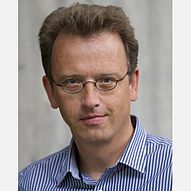
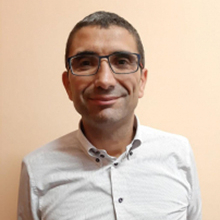
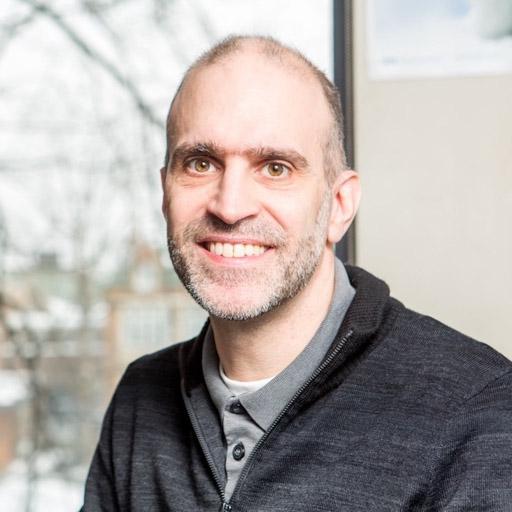
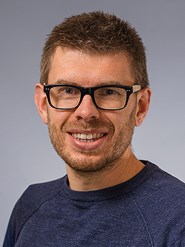
Prof. Dr. Ferdinand Evers is a Chair of Computational Condensed Matter Theory at the Institute of Theoretical Physics , University of Regensburg. His research spans quantum transport , spintronics , molecular electronics , and many-body localization , with a focus on ab initio and DFT-based modeling of nanostructures and low-dimensional systems . Key Research Areas: Quantum transport in molecular junctions Spin-orbit coupling and chiral effects Multifractality at quantum phase transitions Electronic structure of topological materials Ultrafast laser-driven electron dynamics Anderson localization and disorder Recent Article Trends (2021–2024): High-harmonic generation in topological insulators Spin-selective transport in chiral systems Mechanical torque in molecular rotors Self-consistent GW methods for molecular electronics Quantum interference in graphene nanoribbons Teaching: Lecturer for Theoretical Physics I-IV , Advanced Quantum Mechanics , and Scientific Perspectives courses at the University of Regensburg Focus on statistical mechanics , quantum transport , and computational nanoscience
Professor Robert Taylor is a leading academic in mitochondrial disease research at Newcastle University. His work focuses on genetic and molecular mechanisms underlying mitochondrial disorders, with contributions to understanding complex I and IV deficiencies, neurodevelopmental syndromes, and clinical-genetic correlations. He collaborates widely, publishing on topics like proteomics-based diagnostics, cerebellar degeneration mechanisms, and novel genetic variants. His research integrates clinical, biochemical, and genomic data to advance diagnostic guidelines and treatment strategies. Education/Training: Not explicitly stated in provided text. Affiliations: Newcastle University, multiple international collaborations. Research Interests: Professor Taylor’s work spans mitochondrial genetics, metabolic disorders, and translational research. Key areas include mitochondrial tRNA mutations, complex assembly defects, and applications of proteomics in variant prioritization. He investigates clinical manifestations of genetic variants, such as in RYR1, PTPMT1, and NDUFA13, and their impacts on neurological and metabolic systems. Articles Trends: Recent work emphasizes proteomic approaches for rapid variant identification, cerebellar degeneration mechanisms, and multi-omics analysis of mitochondrial dysfunction. Studies highlight clinical heterogeneity in cohorts like pediatric Egyptian patients and African populations with King-Denborough syndrome. Advising/Grants: Leads multidisciplinary teams and participates in large-scale studies like the UK National Registry of Rare Kidney Diseases. Co-authors include prominent researchers in mitochondrial medicine, indicating collaborative grant activities. Labs/Teams: Likely part of Newcastle’s Mitochondrial Research Group, contributing to diagnostic guideline development (e.g., UK Best Practice Guidelines).
Professor Lori Burrows is a distinguished microbiologist at McMaster University's Faculty of Health Sciences, Department of Biochemistry & Biomedical Sciences. She serves as the Associate Director (Partnerships and Outreach) of McMaster University's Michael G. DeGroote Institute for Infectious Diseases Research. As a Fellow of the American Academy of Microbiology, she is recognized as an international expert in bacterial pathogenesis, particularly in the study of type IV pili and their role in bacterial virulence. Dr. Burrows' primary research interests focus on the structure, function, and regulation of type IV pili (T4P), which are ubiquitous bacterial virulence factors used for adherence, DNA uptake, biofilm formation, and twitching motility. Her laboratory primarily uses the opportunistic pathogen Pseudomonas aeruginosa as a model system to investigate pilin repertoire (relevant to vaccine design), pilin glycosylation systems involved in bacteriophage defense, structure-function of the pilus assembly system, and the complex regulation underlying T4P function. Additionally, her group studies biofilm formation, particularly the stimulation of biofilm development by sub-inhibitory antibiotic concentrations and the exploitation of this stimulation phenotype to discover new antimicrobials for multidrug-resistant gram-negative bacteria. Dr. Burrows' research program is robustly funded by multiple prestigious sources including the Canadian Institutes of Health Research (CIHR), the Natural Sciences and Engineering Research Council of Canada, the Canadian Glycomics Network, the Ontario Research Fund, and industrial support. Her publication record is impressive, with over 120 peer-reviewed papers, reviews, and book chapters, and an h-index of 49. Her recent work demonstrates continued leadership in understanding bacterial pathogenesis mechanisms, antibiotic resistance, and novel approaches to antimicrobial development. Fellow of the American Academy of Microbiology Dr. Burrows serves on the Editorial Boards of the Journal of Bacteriology (ASM), the Journal of Biochemistry (ASBMB), and ACS Infectious Diseases, demonstrating her significant contributions to the scientific community. Her laboratory, the Burrows Lab, is affiliated with both the Michael G. DeGroote Institute for Infectious Disease Research and the David Braley Centre for Antibiotic Discovery at McMaster University, positioning her research at the forefront of infectious disease and antibiotic discovery.
Stefano Di Stefano is a Full Professor of Organic Chemistry at the University of Rome La Sapienza, Department of Chemistry. He holds a PhD (2000) and undergraduate degree from the same institution. His academic career spans postdoctoral research at La Sapienza, progressing through Researcher, Associate Professor roles before achieving Full Professorship in 2007. He has conducted research at Universidad Autónoma de Madrid (Spain) and Albrecht Christian Universität Kiel (Germany). Research : Focuses on supramolecular chemistry, dynamic combinatorial chemistry, and non-heme metal catalysis for C-H bond oxidation. Key projects include dissipative systems (fuel-driven molecular machines), supramolecular catalyst design, and understanding macrocyclization equilibria. Collaborates with researchers from Tor Vergata Rome, Parma, Bologna, Eindhoven, Cambridge, Girona, Manchester, and Mainz. Teaching : Teaches Organic Chemistry II, IV, and specialized courses for Chemical Sciences. Awarded the Excellent University Teaching Prize four times (2014, 2017, 2018, 2021) for his instruction in Physical Organic Chemistry. Awards : Recipient of the Italian Chemical Society's 2020 national prize for methodological advances in organic chemistry. Recognized for pioneering work in chemical fuels for molecular machines and dissipative systems. Laboratory : Based in Cannizzaro Building (office/lab 329/324), his group develops novel catalytic systems and fuel-driven devices. Recent work includes transient polymers, pH-responsive nanodevices, and biomimetic oxidation catalysts.
Luke Formosa is a Senior Research Fellow at Monash University's Monash Biomedical Discovery Institute (BDI), where he serves as a Group Leader. He holds an NHMRC Emerging Leader Fellowship and completed his PhD in 2016 under Prof. Mike Ryan, focusing on mitochondrial electron transport chain proteins. His research investigates mechanisms underlying mitochondrial diseases, particularly defects in complex I/IV assembly and metabolic rewiring. Key projects include understanding heme regulation, complex I assembly's clinical implications, and mitochondrial dysfunction in diseases. Research interests span mitochondrial biology, proteomics, CRISPR-Cas9 applications, and metabolic pathways. He leads projects funded by NHMRC and the Mito Foundation, collaborating internationally on mitochondrial disease mechanisms. Formosa has published extensively in journals like PNAS and Cell Metabolism , with over 30 peer-reviewed articles. His work contributes to UN SDGs related to health and well-being. Education: PhD in Biochemistry & Molecular Biology (2016) Awards: NHMRC Emerging Leader Fellow (2023) Key Projects: Uncovering heme regulation in mitochondria (2025–2027) Complex I assembly for diagnosis (2022–2026) Scientific achievements include identifying novel mitochondrial proteins, redefining roles of known factors, and characterizing genetic contributors to mitochondrial diseases. His lab explores estrogen’s role in mitochondrial metabolism and the rewiring of metabolic pathways in disease states. Formosa actively organizes conferences like AussieMit 2024, fostering collaborations in mitochondrial research. His future work aims to translate molecular insights into therapeutic strategies for mitochondrial disorders.
Louis Cuccia is a Professor in the Department of Chemistry and Biochemistry at Concordia University, serving as Graduate Program Director. He holds a PhD from McGill University and teaches courses including Introductory Organic Chemistry I (Chem-221) and Advanced Organic Chemistry IV - Structure & Stereochemistry (Chem-325), with plans to introduce a new course on Supramolecular Materials exploring biological hierarchical structures as inspiration for advanced materials. Education: PhD in Chemistry, McGill University His research focuses on chiral crystals, mirror symmetry breaking, chiral amplification, and supramolecular chemistry. His work spans mechanochemical synthesis of organic compounds, chiral crystallization mechanisms, triboelectric nanogenerators, and biomimetic materials. Recent publications highlight innovations in solvent-free reactions, chiral induction, and applications of supramolecular principles to nanotechnology and energy devices. The 15 most recent articles (2019–2025) demonstrate expertise in mechanochemistry, supramolecular assembly, and chiral materials. Key themes include triboelectric energy harvesting, chiral amplification through grinding/abrasion, and design of bioinspired materials. Collaborative work extends to pedagogical tools for nanogenerator education and fundamental studies of molecular interactions at interfaces. Professional activities include leading the Cuccia Research Group , though specific scientific awards or grants are not detailed in available information. His teaching integrates current literature on bioinspired materials, polymer science, and nanomechanics.
Marilena D'Aurelio is an Associate Professor of Research in Neuroscience at the Brain and Mind Research Institute, Weill Cornell Medical College (Cornell University) since 2021. Her work bridges mitochondrial bioenergetics, metabolic disorders, and neurological disease mechanisms, with significant contributions to understanding cellular adaptations in mitochondrial pathologies. Her academic credentials include: B.S., M.S., University of Bologna (Italy), 1996 Ph.D., University of Bologna (Italy), 2001 Dr. D'Aurelio's research program centers on mitochondrial diseases , metabolic rewiring , and neurodegenerative mechanisms , employing advanced techniques like mass spectrometry imaging to map metabolic dysregulation. Her lab investigates how mitochondrial DNA mutations trigger compensatory metabolic pathways across organs, with recent work revealing how high-fat diets ameliorate cardiomyopathy in CHCHD10 models and how glutamine metabolism adapts in mutant cells. This translational approach identifies novel biomarkers and therapeutic targets for disorders like ALS and Barth syndrome. Analysis of her 15 most recent publications (2006-2025) shows consistent focus on mitochondrial bioenergetics across neurological, cardiac, and metabolic contexts. Key trends include the role of respiratory chain supercomplexes in disease thresholds, multi-organ metabolic compensation in human myopathies, and imaging-based discovery of metabolite ratios as diagnostic tools. Her work increasingly integrates dietary interventions and signaling pathways like GDF15-GFRAL for therapeutic development. Dr. D'Aurelio currently leads two major NIH-funded projects as Principal Investigator: "Targeting GDF15-GFRAL signaling in mitochondrial myopathies" (2025-2027) and "Metabolic remodeling of skeletal muscle in mitochondrial myopathies" (2020-2026), both from the National Institute of Arthritis & Musculoskeletal & Skin Diseases. These grants support mechanistic studies on metabolic adaptation and therapeutic targeting in mitochondrial disorders. She operates within the Brain and Mind Research Institute's collaborative ecosystem, where her team develops imaging technologies and metabolic assays to dissect disease mechanisms across neuronal, cardiac, and muscular tissues, with strong translational links to clinical neurology and metabolic medicine.
Dr. Andreas Kohler is an Assistant Professor at the Department of Medical Biochemistry and Biophysics at Umeå University, Sweden. He leads the Andreas Kohler Lab , focusing on mitochondrial protein quality control (PQC) mechanisms and their roles in health, ageing, and disease. His research uses yeast ( Saccharomyces cerevisiae ) and human cell models to study mitochondrial PQC of proteins encoded by mitochondrial DNA, particularly how these processes change with age and contribute to neurodegenerative disorders like Parkinson's. Research interests include mitochondrial biology, protein folding, cellular stress response, and the interplay between mitochondrial dysfunction and ageing. His work bridges fundamental biochemistry with translational applications, aiming to identify therapeutic targets for age-related diseases. Publications from 2020-2024 highlight contributions in mitochondrial supercomplexes, prion modulation of respiratory chain defects, and multi-omic data integration using machine learning. He collaborates widely, with recent studies published in Nature Communications , Molecular Cell , and EMBO Reports . He serves as Equal Opportunities Representative for his department and actively promotes diversity in academia. His lab website ( kohler-mitolab.com ) provides further research details and outreach activities.
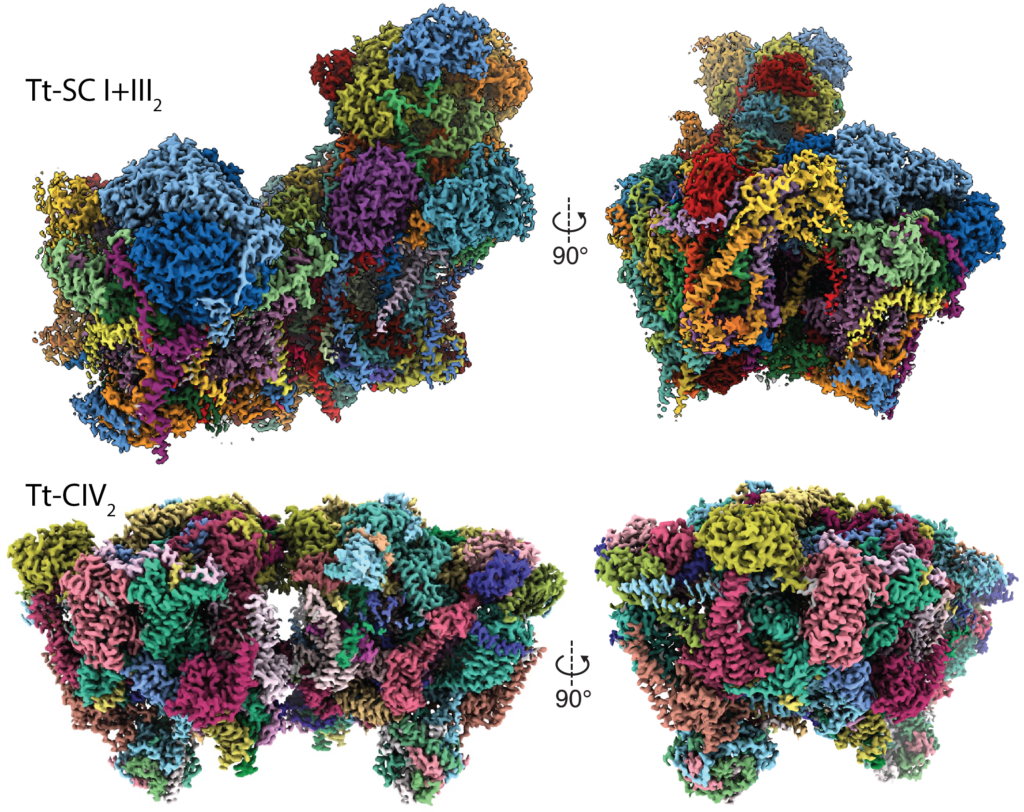
James A. Letts is an Associate Professor in the Department of Molecular and Cellular Biology at University of California, Davis . He specializes in electron transport membrane proteins and structural bioenergetics , investigating their roles in mitochondrial disease , plant respiration , and bioenergetic processes . His research employs single-particle cryo-EM alongside biochemical and biophysical methods. Recent research highlights include structural characterization of Tetrahymena thermophila respiratory complexes, Vigna radiata mitochondrial structures, and mechanistic studies on complex I assembly . His work on respiratory supercomplexes explores their roles in reactive oxygen species regulation . He has earned a Department of Energy Early Career Award to support these investigations. Publications reflect deep expertise in mitochondrial electron transport , membrane protein architecture , and plant bioenergetics . Current projects examine evolutionary divergence in respiratory complexes and functional implications of structural variations . The lab continues to pioneer novel purification protocols and high-resolution structural analysis techniques.
Jason Wong is Professor of Reconstructive Plastic Surgery and Regenerative Medicine at the University of Manchester, with additional roles as Deputy Director of the Masters in Tissue Engineering and Regenerative Medicine and Deputy Editor of the Journal of Plastic Reconstructive and Aesthetic Surgeons. He serves as Greater Manchester OrthoPlastics Lead and was awarded the prestigious King James IV Professorship by the Royal College of Surgeons of Edinburgh in 2020. Wong earned his MBChB from Aberdeen in 1998, became a Member of the Royal College of Surgeons (Edinburgh) in 2001, received his FHEA from Leeds in 2004, completed his PhD at Manchester in 2008, and achieved FRCS(Plast) from London in 2012. His career progression included positions as Renovo Lecturer (2003-2006), Research Registrar in Plastic and Reconstructive Surgery (2003-present), Clinical Research Associate (2006), NIHR Clinical Lecturer (2007-2011), and Consultant Plastic Surgeon and Honorary Senior Lecturer (2014-2018). Professor Wong's research focuses on surgical injuries to the musculoskeletal system, with special expertise in complex wounds, tendon biology, tissue engineering, tendon regeneration, and reconstructive microsurgery. His work spans from basic science investigations of injury biology to clinical translation, with particular emphasis on developing vascularized tissue and skin engineering platforms for chronic wound treatment. He has pioneered approaches taking discoveries from bench to bedside, including novel devices through Phase I/II clinical trials. His recent publications demonstrate a strong focus on wound healing mechanisms, AI applications in wound analysis, tendon repair techniques, and tissue engineering approaches. Wong's work increasingly integrates advanced technologies like spatial transcriptomics, machine learning, and 3D bioprinting with traditional surgical approaches to address complex clinical problems in reconstructive surgery. King James IV Professorship (2020) Academy of Medical Sciences/Wellcome Trust Starter Grant Current funding from Royal College of Surgeons, Federation of Societies for Surgery of the Hand Co-Investigator on MRC Grant for Novel Tendon Attachments Professor Wong actively supervises PhD students in Regenerative Medicine and Biomaterial Sciences, along with numerous MRes students. He serves as both Clinical and Educational supervisor for the postgraduate Plastic Surgery teaching syllabus at Wythenshawe Hospital and is committee member for two master's programs at the University of Manchester. His grant portfolio includes leadership roles in projects such as 'The role of high vascular flow and vascular patterning in tissue engineered renal genesis' and participation in collaborative research on tissue engineering and regenerative medicine. Wong leads a research group that collaborates extensively across the University of Manchester with experts in gene therapy, kidney tissue engineering, 3D bioprinting, complex wounds, and tendon devices. He co-leads the Trauma domain for Experimental Medicine and Discovery with the Manchester Academic Health Science Centre and is a founding member of the Innovations Group in BAPRAS. His team also leads the NHS@MIHP program for rehabilitation of Manchester Arena Bombing victims and conducts research on limb preservation after traumatic amputation.
Eric Shoubridge is a Professor at McGill University's Montreal Neurological Institute-Hospital (The Neuro), where he holds the prestigious Isaac Walton Killam Chair. He leads the Shoubridge Lab within the Rare Neurological Diseases Research Group, focusing on the molecular genetics of mitochondrial diseases that affect respiratory chain function. His work bridges basic molecular biology with clinical applications in neurology and genetics. Dr. Shoubridge's research primarily investigates mitochondrial diseases, with special emphasis on the molecular genetics of respiratory chain function. His laboratory studies how mitochondria—essential cellular organelles for energy production and other critical processes—are affected by genetic mutations. He examines both nuclear and mitochondrial DNA contributions to respiratory chain disorders, with particular focus on the unique inheritance patterns of mitochondrial DNA and the tissue-specific manifestations of these diseases. His work has significant implications for understanding and potentially treating a wide spectrum of multi-system disorders that affect the nervous system and skeletal muscle. Analysis of Dr. Shoubridge's publications reveals a consistent focus on mitochondrial genetics and respiratory chain function, with particular emphasis on molecular mechanisms underlying disease pathology. His research spans from basic molecular investigations of mitochondrial DNA organization to clinical studies of specific mitochondrial disorders. The publications demonstrate a progression from identifying genetic mutations to understanding their biochemical consequences and tissue-specific effects, highlighting his integrated approach to mitochondrial disease research. Isaac Walton Killam Chair Dr. Shoubridge's laboratory has received significant funding for research into mitochondrial diseases and rare neurological disorders. His work on the molecular genetics of respiratory chain function has contributed to understanding the pathogenesis of mitochondrial disorders that affect approximately one in every five thousand births. His research on mitochondrial DNA transmission and segregation has provided critical insights into the inheritance patterns of these disorders. Dr. Shoubridge leads the Shoubridge Lab at the Montreal Neurological Institute, which is part of the Rare Neurological Diseases Research Group. His laboratory employs biochemical and genetic approaches to investigate mitochondrial DNA organization and the nuclear genetic factors influencing its transmission and segregation. The lab's work connects basic molecular research with clinical applications for patients suffering from mitochondrial disorders.
Dr. Vidya Chandran Darbari is a Senior Lecturer in Structural Biology and Head of The Centre for Molecular Cell Biology at Queen Mary University of London (QMUL). She leads research focused on bacterial membrane-spanning molecular machines, including secretion systems and lipid transporters, using structural biology techniques such as X-ray crystallography and cryo-EM. Her work aims to understand mechanisms of bacterial survival in hostile environments and pathogenesis. Dr. Darbari is affiliated with the School of Biological and Behavioural Sciences at QMUL, where she also teaches courses in biochemistry and structural biology. Her research interests include bacterial pathogenesis, membrane proteins, and lipid transport mechanisms. Key projects involve studying MCE (mammalian cell entry) proteins and their role in bacterial stress responses and virulence. Collaborative grants include investigations into amyloid structures and type II secretion systems funded by the Biotechnology and Biological Sciences Research Council (BBSRC). Dr. Darbari supervises PhD students Xiaowei Dong and Joshua Kaplan. She has published extensively on structural biology and bacterial systems, with notable contributions in Nature , Science , and specialized journals such as Molecular Cell and Nucleic Acids Research . Her lab employs interdisciplinary approaches combining structural, biochemical, and cell biological methods. Grants: £485k (2023-2027) for amyloid structure studies; £579k (2022-2025) for type II secretion system research. Labs: Active in structural biology and molecular cell biology at QMUL.
Apparao Draksharapu is an Associate Professor in the Department of Chemistry at the Indian Institute of Technology Kanpur (IITK). He specializes in bio-inorganic chemistry, with a focus on spectroscopy, electrochemistry, and photochemistry. Education: PhD (2013), University of Groningen, The Netherlands M. Sc. (2009), Hyderabad Central University, India Research Interests: Dr. Draksharapu's research centers on understanding and mimicking high-valent metal species in metalloenzymes for applications in artificial photosynthesis and catalysis. His group investigates the mechanistic aspects of non-heme iron and other transition metal complexes using advanced spectroscopic and electrochemical techniques. Recent Publications: His recent work includes studies on Ni(III) bisphenoxyl diradicals, Ru(III)-OCl intermediates, and Fe(IV)=O complexes, contributing to advancements in artificial metalloenzyme design and energy conversion processes. Contact Information: Office: SL-208A, Southern Laboratories, Department of Chemistry, IIT Kanpur Phone: 0512-259-2059 Email: appud@iitk.ac.in
Marcel Swart is a Full Professor and ICREA Professor of Theoretical Chemistry at the University of Girona (UdG), affiliated with the Institute of Computational Chemistry and Catalysis (IQCC) and the Faculty of Science. He holds a PhD from the University of Groningen and completed postdoctoral research in Amsterdam. His research focuses on theoretical and computational chemistry, particularly transition-metal reactivity, catalysis, and spin-state effects in bioinorganic systems. He has led the IQCC as Director (2015–2023), served as Editor for Inorganica Chimica Acta , and pioneered software like the Amsterdam Modeling Suite (AMS) and MSXC system. Affiliations: IQCC, Department of Chemistry (UdG), and multiple editorial roles. Education: PhD in Theoretical Chemistry (Groningen, 2002), postdocs at University of Amsterdam. Research interests include computational catalysis , metal-oxo intermediates , spin-state effects , and method development . His work bridges theory and experiment, with applications to energy and environmental chemistry. Key contributions include the MSXC computational framework and studies on high-valent iron and copper systems. Awards: Fellow of the Royal Society of Chemistry (2015), Member of Academia Europaea (2019), MGMS Silver Jubilee Prize (2012). Swart has supervised numerous PhD students and collaborates globally on predictive computational chemistry for confined-space catalysis. His labs focus on open science practices, including reproducible data sharing and open-access publishing.
Melanie Berkmen is a Professor and Chair of Biochemistry at Suffolk University, Boston, MA. She holds a PhD from the University of Wisconsin-Madison and a BS from the University of Dayton (summa cum laude). Her research focuses on bacterial conjugation mechanisms, specifically the conjugation machinery of Bacillus subtilis, and the biochemical basis of metabolic diseases linked to fumarase mutations. She also collaborates on integrating virtual reality (VR) and augmented reality (AR) into biochemistry education to enhance molecular structure visualization. Her research interests include: bacterial DNA transfer processes, clinical implications of fumarase deficiencies, and innovative STEM education technologies. She actively involves Suffolk undergraduate students in her lab, emphasizing hands-on research experience. Berkmen has received grants from the NSF (IUSE and RUI programs), Suffolk University, and the Marion and Jasper White Foundation. Her awards include the College of Arts and Science Dean’s Excellence in Teaching Award (2012–2016) and multiple travel grants. She presents at international conferences such as the Gordon Research Conference and the American Society for Biochemistry and Molecular Biology annual meetings. Her courses include Biochemistry I/II, Advanced Biochemical Techniques, and Honors Independent Study modules. She leads initiatives to modernize STEM education through immersive technologies like the VR app Nanome.