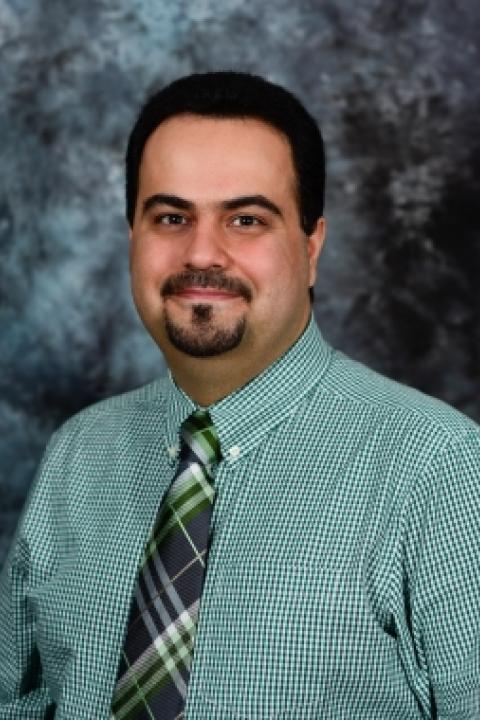
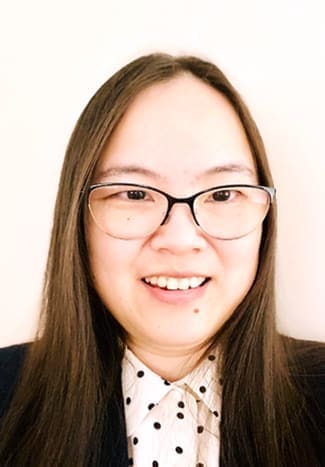
Michael Chang Wenderoth is a Professor at IE Business School, part of IE University. With over 20 years of professional experience in senior roles with multinational corporations across China, the United States, and Europe, Professor Wenderoth brings substantial real-world business expertise to his academic position. He is fluent in both Mandarin Chinese and Spanish, enhancing his credibility in cross-cultural business education. Professor Wenderoth's research focuses on leadership development with particular emphasis on organizational politics and career advancement strategies. He challenges conventional leadership wisdom by critiquing what he terms the 'Kumbaya school of leadership' or 'political puppy approach' that emphasizes being merely hard-working and positive. Instead, he argues that strategic networking, calculated self-promotion, and political skills are more effective for career progression. His expertise spans cross-cultural management, specifically comparing Eastern versus Western management approaches, with special knowledge of Chinese business practices. His teaching likely integrates his extensive international business experience with academic theory, providing students with practical insights into navigating complex organizational environments. Professor Wenderoth's perspective offers a realistic view of career advancement that acknowledges the political realities within organizations while maintaining professional integrity.
Vivek Shenoy is the Eduardo D. Glandt President's Distinguished Professor at the University of Pennsylvania, with primary appointments in the Department of Materials Science and Engineering and secondary appointments in Bioengineering and Mechanical Engineering and Applied Mechanics. He leads the Multiscale Mechanobiology and Biomaterials Laboratory, which focuses on developing theoretical frameworks and numerical methods to understand complex biological and engineering systems across multiple length scales. Shenoy's research spans mechanobiology, chromatin organization, cell mechanics, and biomaterials. His work addresses the fundamental challenge of modeling how small-scale cellular phenomena couple with long-range tissue-level interactions across micrometers to centimeters. By integrating insights from soft matter physics, solid mechanics, chemistry, and applied mathematics, his group develops multiphysics continuum and mesoscale theories to elucidate mechanisms controlling both biological and engineering systems. His recent publications demonstrate an increasing focus on nuclear mechanics, chromatin organization, and the interplay between mechanical forces and gene regulation. Analysis of Shenoy's publication record reveals a strong interdisciplinary approach, with high-impact papers spanning biophysics, materials science, and cell biology. His work shows consistent evolution from fundamental mechanics of materials to complex biological systems, with recent emphasis on the mechanical regulation of chromatin architecture, cell migration dynamics in 3D environments, and mechanotransduction in development and disease. His publications appear regularly in top journals including Nature, Science, and their affiliated publications, demonstrating significant influence across multiple fields. Eduardo D. Glandt President's Distinguished Professor Multiple publications in Nature, Science, and PNAS Active research program with publications through 2025 Shenoy actively mentors students and postdocs through his laboratory, with numerous co-authored publications indicating strong mentorship. His research program appears to be well-funded through multiple grants supporting his work in mechanobiology and biomaterials. The Multiscale Mechanobiology and Biomaterials Laboratory maintains active collaborations across disciplines and institutions, reflecting the interdisciplinary nature of his research. The Multiscale Mechanobiology and Biomaterials Laboratory, housed within the Department of Materials Science and Engineering at the University of Pennsylvania, serves as the primary research hub for Shenoy's work. The lab maintains an active presence on social media (Twitter: @ShenoyLab) for updates on activities and publications. Their research approach combines theoretical modeling with experimental validation to address fundamental questions at the interface of mechanics, materials science, and biology.
Professor Todd Squires is a distinguished faculty member in the Department of Chemical Engineering at the University of California, Santa Barbara, within the Robert Mehrabian College of Engineering. His research focuses on the fundamental principles of transport phenomena as applied to interfaces, membranes, and complex fluids, employing theoretical, computational, and experimental approaches to address significant challenges in micro-scale fluid mechanics. Dr. Squires' educational background includes: BS in Physics, UCLA (1995) BA in Russian Language and Literature, UCLA (1995) PhD in Physics, Harvard University (2002) His research interests span microfluidics and electrokinetics, active and nonlinear microrheology of complex materials, polymer dynamics and sensors, with particular emphasis on non-linear electrokinetic flows, interfacial rheology, and the self-assembly of nanostructured materials. His work bridges fundamental fluid mechanics with practical applications in microfluidic devices, energy storage, and biomedical systems, demonstrating the versatility of this fascinating field. Analysis of Professor Squires' recent publications reveals a consistent focus on interfacial phenomena, with particular attention to the rheological properties of fluid interfaces, particle dynamics in complex fluids, and novel microfluidic techniques for measuring and manipulating these systems. His research demonstrates strong interdisciplinary connections between chemical engineering, physics, and materials science, with applications spanning energy storage, biomedical engineering, and environmental systems. Professor Squires has received numerous prestigious awards and honors: 2018 Robert W. Vaughan Lecture in Chemical Engineering, Caltech 2015 Elected Fellow of the American Physical Society 2013 Mid-Career Award, American Electrophoresis Society 2012 The Dudley Saville Memorial Lecture at Princeton 2010 Pierre Gilles de Gennes Prize 2010 Allan P. Colburn Memorial Lectureship, University of Delaware 2009 Francois Frenkiel Award for Fluid Mechanics 2009 Camille Dreyfus Teacher-Scholar Award 2008 Beckman Young Investigator 2007 NSF CAREER Award 2005 'Rising Star' - Chronicle of Higher Education As principal investigator of the Squires Group, Professor Squires leads a dynamic research team that combines experimental, theoretical, and computational approaches to investigate transport phenomena at interfaces. His work has been supported by major funding agencies including the National Science Foundation, with his CAREER award indicating early recognition of his potential as both researcher and educator. While specific grant details aren't provided in the source material, his extensive publication record and prestigious awards suggest robust and sustained research funding. The Squires Group maintains state-of-the-art laboratory facilities for studying micro-scale fluid mechanics, including specialized equipment for microrheology measurements, microfluidic device fabrication, and interfacial characterization. Their research environment fosters collaboration across disciplines, with connections to materials science, physics, and biomedical engineering researchers at UCSB and beyond.
Antonio Rangel is the Bing Professor of Neuroscience, Behavioral Biology, and Economics at the California Institute of Technology (Caltech), where he also serves as Head Faculty in Residence. He is a faculty member in the Division of Humanities and Social Sciences (HSS) with research focusing on the computational and neurobiological basis of value-based decision-making. Dr. Rangel received his educational training at prestigious institutions: B.Sc. from Caltech in 1993 M.S. from Harvard University in 1996 Ph.D. in 1998 Professor Rangel's research lies at the intersection of neuroscience, economics, and psychology, with a focus on understanding how the brain makes decisions. His work investigates the neural mechanisms underlying value computation, choice processes, self-control, and social decision-making. Using a multidisciplinary approach that combines functional magnetic resonance imaging (fMRI), eye-tracking, computational modeling, and behavioral experiments, his lab has made significant contributions to the field of neuroeconomics. His research has revealed how value signals are represented in the brain, how attention influences choice, and the neural basis of self-control failures. Professor Rangel has pioneered methods for studying decision processes with high temporal resolution using eye-tracking data, demonstrating how fixation patterns relate to value computations and choice outcomes. His work spans from theoretical frameworks of value-based decision-making to practical applications in behavioral public economics. Professor Rangel's work has been recognized with prestigious awards: 2019 NOMIS Distinguished Scientist Award 2018 Fellow of the Association for Psychological Science As an academic leader, Professor Rangel has mentored numerous students and researchers who have gone on to make their own contributions to neuroscience and economics. His lab, the Rangel Neuroeconomics Laboratory at Caltech, serves as a hub for interdisciplinary research, bringing together students and scholars from neuroscience, economics, psychology, and computer science. The lab has received significant funding to support its research on the neural basis of decision-making, including support from the NOMIS Foundation. The Rangel Neuroeconomics Laboratory is equipped with state-of-the-art facilities including fMRI analysis capabilities, eye-tracking systems, and computational resources for modeling decision processes. The lab fosters a collaborative environment where researchers apply methods from experimental economics and cognitive neuroscience to unravel the complexities of human decision-making.
Dawn Y. Sumner is a Professor in the Department of Earth and Planetary Sciences at the University of California, Davis. Her research focuses on geobiology, paleobiology, and planetary science, particularly reconstructing ancient environments on Earth and Mars. She is a key member of NASA’s Mars Science Laboratory team, contributing to the Curiosity rover’s exploration of Gale Crater on Mars. Sumner’s work integrates field studies, lab analyses, and interdisciplinary approaches to understand microbial life’s role in shaping Earth’s history and potential habitability on other planets. Education: Ph.D., Massachusetts Institute of Technology (1995). Research interests include microbialite formation, Antarctic lake ecosystems, and the evolution of oxygenic photosynthesis. She investigates modern microbial communities in ice-covered lakes (e.g., Lake Vanda) to understand ancient environments and their biosignatures. Her scientific awards include the California Academy of Sciences Academy Fellow (2020) and Geological Society of America Fellow (2014). Sumner emphasizes inclusive education and supports student success in STEM through feminist research practices. Labs/Teams: W.M. Keck Center for Active Visualization in the Earth Sciences (KeckCAVES), Antarctic Lake Research Group.
Majid Ghayoomi is a Professor and Civil Engineering Undergraduate Coordinator in the Department of Civil and Environmental Engineering at the University of New Hampshire's College of Engineering and Physical Sciences. His research focuses on geotechnical engineering and geomechanics, particularly unsaturated soil mechanics and geotechnical earthquake engineering. He teaches courses such as Soil Mechanics, Engineering Behavior of Soils, and Geotechnical Modeling. Dr. Ghayoomi holds a Ph.D. from the University of Colorado at Boulder, an M.S. from Sharif University, and a B.S. from the University of Tehran. His research interests include bioremediation, hazards mitigation, soil-structure interaction, and materials testing. He leads the Geotechnical Modeling and Innovation lab, advancing bio-inspired solutions and remote sensing applications in geotechnical systems. His recent work emphasizes climate change impacts on seismic resilience, microbial stabilization of soils, and satellite-based soil moisture monitoring. Key contributions include studies on liquefaction mitigation, seismic site response, and infrastructure vulnerability in dynamic environments. His research spans theoretical, experimental (centrifuge modeling), and computational approaches to address complex geotechnical challenges.
Shane G. Henderson is the Charles W. Lake, Jr. Professor in Productivity at Cornell University's School of Operations Research and Information Engineering (ORIE). His research focuses on the intersection of optimization and simulation, with applications to complex systems such as bike-sharing networks, medical scheduling, and ambulance deployment. He emphasizes practical societal relevance, addressing challenges in healthcare, transportation, and parallel computing environments. Education: B.Sc. (Mathematics), University of Auckland (1992) M.S. (Statistics), Stanford University (1995) Ph.D. (Operations Research), Stanford University (1997) Research Interests: Structured simulation optimization, parallel computing applications, applied probability, and case-driven problem-solving. Recent work includes MRI scheduling, radiation treatment planning, and land/air ambulance systems. He advocates for methodologies that leverage convexity or quasi-convexity to enhance algorithmic efficiency and robustness. Awards and Recognition: 2016 Tau Beta Pi Professor of the Year 2014 Sonny Yau '72 Excellence in Teaching Award 2011 Hess Research & Education Award NSF CAREER Award (1999) Teaching & Service: Courses in probability, simulation, and mathematical modeling using case-based learning. Served on award committees for INFORMS Nicholson Prize, Pierskalla Prize, and Impact Prize. Organized major conferences including the 2009 INFORMS Applied Probability Society conference and multiple Winter Simulation Conferences. Currently co-edits simulation-optimization testbeds for experimental comparisons. Labs & Collaborations: Active in Cornell's collaborative research environment, focusing on interdisciplinary projects with industry partners like Motivate (bike-sharing systems). Engaged in advancing methodologies for complex systems through data-driven approaches.
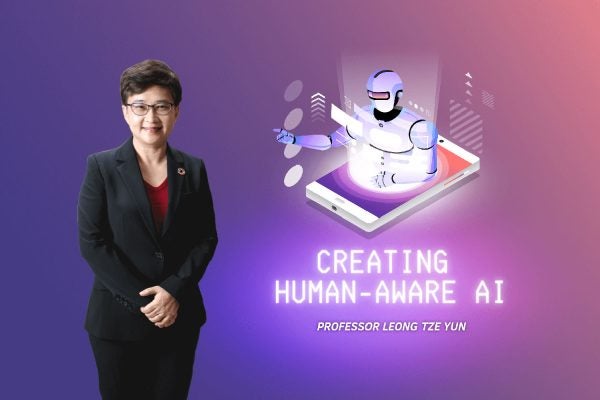
LEONG Tze Yun is a Professor in the Department of Computer Science at the School of Computing, National University of Singapore (NUS). She holds S.B., S.M., and Ph.D. degrees in Computer Science from the Massachusetts Institute of Technology (MIT). Her academic career spans both research and industry experience, with significant contributions to the fields of artificial intelligence and health informatics. Dr. Leong's educational background includes: Ph.D. in Electrical Engineering & Computer Science, Massachusetts Institute of Technology S.M. in Electrical Engineering & Computer Science, Massachusetts Institute of Technology S.B. in Computer Science & Engineering, Massachusetts Institute of Technology Her primary research interests focus on responsible AI, dynamic decision-making, neurocognitive modeling, reinforcement learning, artificial general intelligence, and biomedical and health informatics. Her work bridges the gap between theoretical AI development and practical healthcare applications, with an emphasis on ethical considerations and human-centered design. She directs the Medical Computing Laboratory at NUS, a multidisciplinary research program exploring human-aware decision modeling in complex environments. Analysis of her recent publications reveals a strong trend toward responsible AI development, with significant contributions to reinforcement learning techniques, causal inference methods, and applications of AI in healthcare. Her work increasingly integrates ethical considerations with technical AI development, particularly evident in her 2024 publications on medical AI and human values. Her scientific recognition includes: Fellow of the American College of Medical Informatics (ACMI) Founding Fellow of the International Academy of Health Sciences Informatics (IAHSI) Member of Eta Kappa Nu (Honor Society for Electrical Engineers) Dr. Leong has supervised numerous doctoral and master's students throughout her career, many of whom have gone on to prominent positions at institutions like Google, Netflix, Mayo Clinic, and academic institutions worldwide. Her advisory work extends to significant policy development, including contributions to WHO guidance on ethics and governance of AI for health. She currently serves on the World Health Organization (WHO) Expert Group on Ethics and Governance of AI for Health, the World Economic Forum (WEF) AI Governance Alliance, and the Advisory Council on AI in Uzbekistan. Her laboratory work focuses on developing adaptive systems that evolve with changing technical functionalities, system infrastructures, usage patterns, and operational contexts, with applications spanning prediction and decision analytics, human-aware robotics, game artificial intelligence, personalized education, and assistive care for elderly with neurocognitive disorders.
Dr. Anna Dubiel is a Senior Lecturer in Marketing at King's Business School, King's College London. Her research focuses on the intersection of innovation and R&D management with international markets, particularly in emerging economies. She teaches a broad range of Marketing topics in postgraduate and executive programmes covering International Marketing and Digital Marketing. Dr. Dubiel obtained her PhD from WHU – Otto Beisheim School of Management, Vallendar, Germany, where she previously served as Assistant Professor of International Innovation Management. Her academic journey includes visiting researcher positions at Boston College, Judge Business School, and London Business School, as well as a Visiting College Research Associate position at Wolfson College, University of Cambridge in 2017. Her research expertise centers on Innovation Management , New Product Development , R&D Management , International Marketing , and Emerging Economies . Dr. Dubiel's work particularly examines how businesses can develop better products and services for consumers and businesses at the subsistence market ends. Her current research project focuses on 'Risk Management in Emerging Economies: A Marketing Perspective. The Context of Human-Wildlife Conflict (HWC) Insurance,' which studies how to reach buyers of complex new services in subsistence marketplaces and raise insurance literacy. Dr. Dubiel's publications reveal a consistent focus on innovation in emerging markets, with significant contributions to journals such as the Journal of Product Innovation Management, Industrial Marketing Management, Journal of Business Research, European Journal of Marketing, and International Marketing Review. Her work often explores frugal innovation, new product development strategies, and international market adaptation, demonstrating how businesses can succeed in resource-constrained environments while creating social impact. Her notable scientific achievements include: Highly Commended Paper Winner of the Journal of Indian Business Research (2014) Finalist for the Thomas P. Hustad Best Paper Award for the Journal of Product Innovation Management (2016) Academy of Marketing Teaching Excellence Award (2020) British Academy of Management Early Career Education Practice Award (2021) Finalist for the Academy of International Business Teaching Innovation Award (2021) HEA Fellowship (2019) Multiple Case Writing Competition awards from AESE Business School (2010, 2011) Dr. Dubiel has received research funding from several intramural grants as well as the British Academy/Leverhulme Trust. Her teaching methodology emphasizes practical application through managerial guest lectures and consulting projects conducted by students for real organizations. While she is not currently accepting new PhD students, her research group focuses on marketing financial services to first-time buyers in emerging markets, with evidence from Human-Wildlife Conflict (HWC) Micro-Insurance in Kenya.
Mika Järvinen serves as Associate Professor in the Department of Energy and Mechanical Engineering at Aalto University, leveraging fundamental sciences—physics, thermodynamics, chemistry, and numerical modeling—to address cross-sector energy challenges. His research spans sustainable bioenergy and inter-linked circular economy systems integrating energy, materials, and environmental considerations across biomass, pulp/paper, metallurgy, and waste-to-energy industries. His expertise centers on sustainable bioenergy and circular economy frameworks, utilizing numerical modeling to optimize combustion engineering and metallurgical processes. By maintaining diverse industrial engagement, he ensures research continuity during economic fluctuations while advancing black liquor spraying technologies and energy-material-environment synergies. This approach enables flexible, physics-based solutions for complex industrial energy conversion problems. Professor Järvinen's 2025 publications reveal a cohesive focus on renewable energy systems operating within planetary boundaries, spanning carbon capture (calcium looping), low-temperature heat engines, and comprehensive textbook development. His work integrates solar, wind, bioenergy, and storage technologies into holistic frameworks that balance technical innovation with ecological constraints, emphasizing system-level sustainability over isolated component optimization. His scientific recognition includes: Best Dissertation Award (2002) from Helsinki University of Technology's Department of Machine Technology for research on black liquor droplet conversion Resonate Award (2015) from Caltech University's Resnick Institute As lead of the Energy Conversion and Systems research group, he directs projects bridging fundamental modeling with industrial applications while developing educational resources for next-generation energy engineers. His laboratory work emphasizes experimental validation of numerical models across combustion, metallurgical, and biomass conversion processes.
Petros Koumoutsakos is the Herbert S. Winokur, Jr. Professor of Computing in Science and Engineering at Harvard University's School of Engineering and Applied Sciences (SEAS), where he also serves as Area Chair for Applied Mathematics. His research integrates machine learning with computational science to advance understanding of complex systems, including fluid dynamics, turbulence modeling, and biomedical applications. He leads the CSE Lab, focusing on high-performance computing and interdisciplinary collaborations such as a recent study with Citadel Securities and Google Cloud to simulate heart disease in cloud environments. Key research interests include reinforcement learning for turbulence closures, generative models for PDE solutions, and physics-informed AI for biomedical imaging and wildfire prediction. He was awarded the PRACE HPC Excellence Award (2023) for contributions to high-performance computing. His work bridges computational methods with real-world applications, emphasizing interpretability and scalability in multiscale systems. Grants & Collaborations: Leadership in multi-institutional projects, including turbulence modeling via reinforcement learning and cloud-based HPC studies. Labs/Teams: Director of the CSE Lab, advancing AI, computational fluid dynamics, and biomedical simulations.
Yaojun Zhang is an Assistant Professor in the Department of Physics & Astronomy and the Department of Biophysics at Johns Hopkins University. She earned her PhD in Physics from the University of California, San Diego (2015), followed by postdoctoral fellowships at the Princeton Center for Theoretical Science (2015-2018) and the Princeton Center for the Physics of Biological Function (2018-2021). Her research focuses on biological physics, particularly the complex behaviors of biomolecules and their assemblies across scales—from single-molecule folding to intracellular transport and biomolecular phase separation. She employs theoretical, mathematical, and computational tools to bridge biological questions with physical principles. Education PhD in Physics, University of California, San Diego (2015) Postdoctoral Fellowships: Princeton University (2015-2021) Research Interests Her group studies biomolecular condensates and liquid-liquid phase separation, exploring how microscopic interactions determine macroscopic properties of cellular compartments. Key areas include: Biomolecular condensate formation and dynamics Phase separation in cellular environments Interactions between biomolecules and cellular components Biophysics of intracellular transport Collaborations & Tools Zhang collaborates with experimentalists to validate theoretical models and develops frameworks for understanding condensate functions, such as surface tension, stoichiometry, and phase diagrams. Her work addresses challenges like condensate stability, molecular exclusion, and biological function regulation. Labs & Resources She leads the Zhang Lab , which integrates experimental and computational approaches. Her team’s research is supported by resources at the Bloomberg Center for Physics and Astronomy.
B. L. Turner II is a Regents' Professor and Gilbert F. White Professor of Environment and Society at Arizona State University, affiliated with the School of Geographical Sciences and Urban Planning and the School of Sustainability. His work focuses on human-environment relationships, land system science, urban sustainability, and ancient Maya studies. Education: PhD in Geography from the University of Wisconsin-Madison (1974), MA and BS from the University of Texas at Austin. Research Interests: Land system architecture, tropical deforestation, urban heat islands, and sustainability science. His research has been supported by NSF, NASA, USDA, and others. Key contributions include studies on land change in the Southern Yucatán, vulnerability frameworks, and urban climate adaptation. Major Awards: Preston E. James Award, Sustainability Science Award, Fellowships from AAAS and NAS. Turner has advised over 50 doctoral students and contributed to interdisciplinary initiatives like the Central Arizona-Phoenix Long-Term Ecological Research (CAP LTER) and the Global Land Project.
Arthur Gretton is a Professor at University College London (UCL), leading the Gatsby Computational Neuroscience Unit and serving as director of the Centre for Computational Statistics and Machine Learning. He also works as a Research Scientist at Google DeepMind. His research focuses on causal inference, representation learning, and nonparametric hypothesis testing with applications in machine learning and computational neuroscience. Academic Affiliations Gatsby Computational Neuroscience Unit, UCL Centre for Computational Statistics and Machine Learning, UCL Google DeepMind Arthur's research spans several key areas in modern machine learning, including: Kernel methods for causal effect estimation and two-sample testing Deep learning architectures for proxy causal learning with complex confounding Adaptive gradient flows for generative modeling Nonparametric statistical tests with theoretical guarantees Applications in distributional reinforcement learning and Bayesian inference His work addresses both methodological advancements and practical implementations, particularly for high-dimensional data settings. Recent publications demonstrate his focus on causal inference with hidden confounders (AISTATS 2025), deep learning adaptivity in instrumental variable regression (ICLR 2025), and novel approaches to two-sample testing with adaptive kernel selection (NeurIPS 2024). He has also contributed extensively to distributional reinforcement learning and hypothesis testing frameworks. As an advisor, he supervises multiple PhD students including Jakub Wornbard, Zikai (Steve) Shen, and Zonghao (Hudson) Chen, while co-supervising others. His methodological contributions are implemented in various software packages available at the Gatsby Unit, including tools for kernel-based covariate shift correction, independence testing, and maximum mean discrepancy calculations.
Ishan Sharma is a Professor in the Department of Mechanical Engineering at the Indian Institute of Technology Kanpur (IIT Kanpur), specializing in Mechanics and Applied Mathematics. His research focuses on granular materials, planetary science, contact mechanics and adhesion, soft materials, dynamics, structural vibrations, wave propagation, stability, and fluid-structure interaction. Dr. Sharma's research interests include modeling granular systems for geophysical and industrial applications, with specific emphasis on dynamics of granular minor planets and segregation in granular mixtures. His work bridges theoretical mechanics with practical applications in both space science and engineering contexts. The research spans multiple disciplines, connecting planetary science, materials science, and mechanical engineering through mathematical modeling and computational approaches. His scholarly contributions demonstrate significant trends in applying mechanical principles to celestial bodies and industrial processes. The work on granular materials has important implications for understanding asteroid formation, while his contact mechanics research informs material science and engineering design. His publications reveal a consistent focus on stability phenomena across different physical systems. INAE Young Engineer Award Dr. Sharma leads the Mechanics and Applied Mathematics research group at IIT Kanpur, supervising research projects that examine fundamental properties of materials under various mechanical conditions. His work combines theoretical analysis with computational methods to address complex mechanical problems with both academic and practical significance. He maintains an active research program with ongoing projects examining the mechanical behavior of granular systems in space environments. Based in office NL-102 in the Department of Mechanical Engineering, Dr. Sharma contributes significantly to the academic community through his teaching, research supervision, and scholarly publications in high-impact journals.