Johannes Preiner is a University Lecturer at the Johannes Kepler University Linz (since 2014), affiliated with the NASAN - Nano Structuring and Bio-Analytics research group within the Linz Center of Excellence for Medical Engineering. His work focuses on molecular dynamics at membrane interfaces, leveraging advanced atomic force microscopy (AFM) techniques. He holds a Habilitation in Biophysics (2023) and a PhD in AFM-based biophysics (2008), with a Technical Physics background (2005). Key research interests include antibody-mediated immune activation mechanisms, complement pathway dynamics, and membrane protein interactions. Notable collaborations include projects with GENMAB and Prof. Suzan Rooijakkers, yielding insights into IgG oligomerization-driven complement activation. Recent funded projects include IgGMedCompAct (2021–2024) and FcRClu (2020–2025). He has received the Macke-Scholarship and contributed to over 70 publications, including high-impact work on antibody dynamics and complement activation. His presentations span international venues, emphasizing multivalent interactions in immune responses.
Fabien Pinaud is Associate Professor of Biological Sciences, Chemistry, and Physics & Astronomy at the University of Southern California , where he leads the Single Molecule Biophotonics Group . His laboratory develops and applies advanced optical imaging and nanomaterial tools to dissect how nanoscale membrane organization controls protein dynamics and cellular signaling in health and muscular-dystrophy-related disease. Education & Career Ph.D. (field not explicitly stated) Post-doctoral training (institutions not specified) Promoted to Associate Professor at USC in March 2019 Research Interests Dr. Pinaud’s work resides at the intersection of cell biology , membrane biophysics , mechanobiology , and nanomaterial science . His group uses single-molecule fluorescence microscopy , super-resolution imaging , and plasmonic nanoprobes to: Quantify how emerin and LINC-complex proteins organize the nuclear envelope under mechanical stress. Uncover nanoscale defects in voltage-gated calcium channels in C. elegans models of Duchenne muscular dystrophy. Design activatable SERS and photoacoustic nanoprobes for cancer diagnostics. Elucidate the scaffolding function of caveolin-1 membrane microdomains during mechanotransduction. Recent Publications & Trends Over the past decade the lab has produced >60 peer-reviewed articles, with the most recent work (2022–2025) focusing on emerin nanodomain self-assembly, SUN1/LINC complex mechanics, and in vivo single-molecule phenotyping of muscular dystrophy in living animals. A consistent theme is the integration of cutting-edge imaging with quantitative biophysical modeling to link molecular-scale behaviors to cellular and organismal function. Scientific Awards & Honors National Science Foundation – NSF-ANR Research Cooperation grants (DynamoLINC & MechaLINC) National Institutes of Health – R01 and R21 grants from NIAMS and NINDS NSF Division of Materials Research award for hybrid Raman nanoprobes Ming Hsieh Institute for Engineering Medicine grant for cancer research Faculty Member, F1000Prime Cell Biology – Membranes and Sorting Section Journal cover features in Nature Communications , Life Science Alliance , Journal of Biological Chemistry , Traffic , and others Training & Mentorship The Pinaud lab currently mentors graduate students Dai Zhai , Liying Wu , and Yunke Zhao , and hosts undergraduate researchers through USC’s BUGS and NSF-funded TRAINS programs. Since 2012, the group has trained >30 undergraduate, >15 high-school, and numerous rotating and visiting students, producing multiple award-winning theses and conference presentations. Laboratory & Resources The Single Molecule Biophotonics Group is housed in Ray Irani Hall 204A on the USC University Park campus. The facility is equipped with custom-built single-molecule fluorescence, super-resolution (PALM/STORM), TIRF, HILO, and SERS imaging systems, complemented by cell-culture and nanomaterial chemistry suites.
Ed Tate is a Professor and GSK Chair in Chemical Biology at Imperial College London's Department of Chemistry, part of the Faculty of Natural Sciences. He also holds a Satellite Group Leader position at the Francis Crick Institute. His research bridges organic chemistry, life sciences, and medicine, focusing on chemical biology and proteomics to understand disease mechanisms. He has pioneered methods for protein manipulation and drug discovery, including work on CD59 inhibitors and N-myristoyltransferase (NMT) inhibitors for malaria and cancer. Education: B.Sc. in Chemistry (University of Durham), Ph.D. in Organic Chemistry (University of Cambridge) under Prof. Steve Ley. Postdoctoral training included radical chemistry at École Polytechnique and molecular microbiology at the Pasteur Institute. Career progression: Senior Lecturer (2010), Reader (2012), Professor (2014), GSK Chair (2023). Research interests include chemical proteomics, targeted protein degradation, drug development, and understanding post-translational modifications like ADP-ribosylation and S-palmitoylation. His lab has spun out Myricx Bio, a biotech company developing antibody-drug conjugates. Awards include the 2020 RSC Corday-Morgan Prize, 2019 Sir David Cooksey Translation Prize, and multiple fellowships. Grants include funding from UK research councils, charities, and industry partnerships. Labs/Teams: Tate Group at Imperial and Francis Crick Institute, leading the Centre for Drug Discovery Science. Active in editorial roles for journals like Cell Chemical Biology and advisory roles for biopharma companies.
Vicki Athanasopoulos is a Senior Lecturer in the Division of Immunology and Infectious Diseases at the John Curtin School of Medical Research (JCSMR), Australian National University. She holds a BSc (Hons) and PhD from the University of Melbourne. Her research focuses on understanding genetic and molecular mechanisms underlying autoimmune diseases, particularly lupus, with an emphasis on precision therapies for Indigenous populations. Education: BSc (Hons) in Biomedical Sciences, University of Melbourne PhD in Immunology, University of Melbourne Research Interests: Genetic variants in autoimmune diseases, protein function impacts of mutations, biochemical pathways in lupus, and tailoring therapies using multi-omics approaches. Her work integrates next-generation sequencing and functional genomics to identify disease-causing variants and develop targeted treatments. Key Projects: "Improving genetic diagnosis of autoimmune/autoinflammatory diseases via multi-omics" (2023-2027) "Personalised medicine in autoimmunity using AI" (2023-2027) TLR7 mutation studies in lupus (2020-2022) Labs/Teams: Senior Fellow in The Jiang Group - Personalised Medicine and Autoimmunity.
Carl Sellgren Majkowitz is an Associate Professor and Group Leader at the Karolinska Institutet , where he leads the Applied Developmental Neurobiology Research Group within the Department of Physiology and Pharmacology. His work bridges preclinical and clinical research, focusing on molecular mechanisms of psychiatric and neurodevelopmental disorders like schizophrenia and bipolar disorder . By combining human brain organoids , cellular reprogramming , and clinical data from large-scale studies (e.g., the Karolinska Schizophrenia Project), he investigates how neuron-glia interactions and genetic risk variants drive disease pathology. Key research themes include synaptic pruning , neuroinflammation , and kynurenine pathway dysregulation in mental illness. His team has uncovered novel mechanisms, such as excess synaptic elimination in schizophrenia models linked to C4A gene overexpression , with follow-up studies confirming elevated C4A protein in cerebrospinal fluid of first-episode patients. His 15 most recent articles (2025-2023) span schizophrenia , bipolar disorder , COVID-19 neurodegeneration , and complement system roles in synaptic pruning. Collaborations with institutions in Denmark , Switzerland , and USA have secured major grants, including DKK 30 million from the Lundbeck Foundation (2025) and Swedish Foundations’ Starting Grant (2021). He has received accolades like the One Mind – Kaiser Permanente Rising Star Research Award (2019) and the Sven och Ebba-Christina Hagberg Prize (2022). His lab trains PhD students and postdoctoral fellows in human disease modeling , genetic engineering , and multi-omics analysis . Current projects involve large-scale genetic risk variant studies and neuroimmune interactions in brain organoids to harmonize preclinical findings with clinical biomarkers (e.g., PET imaging , cerebrospinal fluid proteomics ).
Dafna Bar-Sagi, PhD, serves as Executive Vice President and Vice Dean for Science, Chief Scientific Officer at NYU Grossman School of Medicine. She holds the Saul J. Farber Professorship in the Department of Biochemistry and Molecular Pharmacology and is a Professor in the Department of Medicine, directing institutional research strategy while maintaining active laboratory leadership. Her academic foundation includes: PhD from Stony Brook University Dr. Bar-Sagi's research centers on Ras-driven oncogenesis in pancreatic cancer (affecting >30% of human cancers), with emphasis on signal transduction pathways , inflammation-tumor interactions , and therapeutic targeting . Her laboratory pioneers cell/animal models to dissect feedback mechanisms in Ras signaling, macropinocytosis dynamics, and immune microenvironment alterations. This work bridges molecular discoveries to novel diagnostic and therapeutic strategies for aggressive malignancies. Analysis of her 2022-2025 publications reveals dominant themes in pancreatic cancer progression (6/8 papers), with emerging focus on immunometabolism (CD73/adenosine signaling), epigenetic drivers (NRF2-EZH2 loops), and translational interventions (surgical impacts, combination therapies). Cross-cutting methodologies include chemical biology, murine modeling, and systems-level analysis of tumor heterogeneity. Her distinguished academic service includes the Saul J. Farber Professorship, reflecting sustained institutional leadership in scientific advancement. Dr. Bar-Sagi mentors next-generation scientists through her active research program, which has generated over 200 publications. Her laboratory receives substantial grant support enabling development of innovative models for Ras-driven tumorigenesis, with recent funding focusing on inflammation-cancer crosstalk and therapeutic targeting strategies. The Bar-Sagi laboratory operates within NYU Langone's cancer research ecosystem, utilizing advanced platforms for molecular imaging, animal modeling, and chemical screening to investigate oncogenic signaling networks and their translational implications.
Lauren Richardson, PhD, is an Assistant Professor in the Department of Obstetrics & Gynecology at the University of Texas Medical Branch (UTMB). Her research integrates advanced engineering and biological concepts to develop organ-on-chip systems that replicate in utero organs and screen biomarkers from underutilized biological fluids. Her work focuses on organ-on-chip technology , pregnancy complications , placental biology , and microfluidics . These technologies aim to reduce reliance on animal models, accelerate preclinical drug testing, and model conditions like preterm birth and preeclampsia with sex-specific and racial disparities in mind. Recent research activity shows a high volume of publications (77 total) centered on fetal membranes , maternal-fetal interface , oxidative stress , inflammation , and trophyblast function , with a notable emphasis on preterm birth and parturition mechanisms. Active grants include a NICHD R01HD11040003 project (2023-2028) on trimester-specific placental organ-on-chips and a Mike Hogg Fund award (2025) evaluating temperature exposure-induced preterm birth mechanisms.
Jannette M. Dufour, Ph.D. serves as Professor and Department Chair of the Department of Cell Biology and Biochemistry at Texas Tech University Health Sciences Center School of Medicine. With a Ph.D. in Genetics and Cell Biology from Washington State University, she leads a research program focused on the immunoprotective properties of Sertoli cells and their therapeutic applications. Dr. Dufour's research spans multiple areas of reproductive immunology and regenerative medicine. Her primary focus is on understanding how Sertoli cells create immune-privileged environments that could revolutionize transplantation medicine. Over the past decade, her work has increasingly centered on applying these principles to diabetes treatment, particularly through the development of Sertoli cell-based therapies that can deliver insulin or protect transplanted islets. Her research has revealed critical mechanisms by which Sertoli cells modulate immune responses, including interactions with the complement system and regulatory T cells. Analysis of her recent publications (2020-2023) shows a clear trajectory toward translational applications of Sertoli cell biology. Her work now integrates molecular immunology with practical therapeutic approaches, particularly for diabetes treatment. The research increasingly focuses on the mechanisms of immune privilege at the molecular level, with particular attention to the complement system's role in xenograft survival. Recent studies have expanded to include human serum responses and detailed characterization of the immunoregulatory factors expressed by Sertoli cells. Dr. Dufour has secured significant research funding, including NIH support (R01 HD067400/HD/NICHD), demonstrating the importance and potential impact of her work. Her extensive publication record (74 peer-reviewed articles) reflects sustained contributions to the fields of reproductive biology, immunology, and regenerative medicine. Her laboratory functions as an interdisciplinary research hub, bringing together expertise in cell biology, immunology, and diabetes research. The team employs sophisticated techniques including cell transplantation models, molecular characterization of immune responses, and genetic engineering of Sertoli cells for therapeutic applications. Current work focuses on optimizing Sertoli cell-based approaches for diabetes treatment while elucidating the fundamental mechanisms of testicular immune privilege.
Dr. Satyabrata Das is an Assistant Professor of Medicine in the Cardiovascular Division at the University of Minnesota and a Research Associate at the Lillehei Heart Institute. His research focuses on developmental biology, vascular specification, and gene editing technologies. Assistant Professor of Medicine, Cardiovascular Division Research Associate, Lillehei Heart Institute Research Interests: Dr. Das investigates transcriptional regulation during embryogenesis, with a focus on ETV2 and its role in hematoendothelial lineage specification. His work includes CRISPR-Cas9 applications in porcine models, vascular patterning, and cardioprotective therapies using stem cell-derived cardiomyocytes. Publications: His recent studies explore ETV2-pioneer factor mechanisms, endothelial reprogramming, and humanized vascular development in pigs. Key themes include developmental gene regulation, single-cell transcriptomics, and translational applications of genome editing.
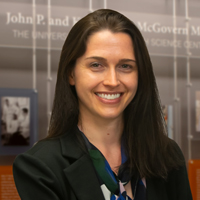
Dr. Andrea K. Stavoe is an Assistant Professor in the Department of Neurobiology and Anatomy at McGovern Medical School, The University of Texas Health Science Center at Houston (UTHealth). She joined the faculty in September 2020 after completing her postdoctoral training at the University of Pennsylvania. BS in Biochemistry/Molecular Biology/Biotechnology and BA in French from Michigan State University MPhil and PhD in Cell Biology from Yale University Postdoctoral training in Dr. Erika Holzbaur's lab at University of Pennsylvania Dr. Stavoe's research program focuses on understanding how neurons maintain their homeostasis and integrity over the lifetime of an organism. Her work specifically investigates the role of autophagy—a critical cellular degradation pathway—in neuronal health during aging and neurodegeneration. The Stavoe lab employs advanced multi-color live-cell and live-animal microscopy, complemented by biochemical, molecular biology, and genetic techniques. They utilize primary mouse neuron cultures alongside the genetic tractability of C. elegans to study how autophagy is regulated in neurons both temporally and spatially. Analysis of Dr. Stavoe's publication record reveals a strong research trajectory spanning neuronal development, synaptic organization, and the critical role of autophagy in neuronal maintenance. Her work demonstrates a clear evolution from studying synaptic vesicle clustering mechanisms during neurodevelopment to investigating age-related changes in neuronal autophagy—a pathway implicated in major neurodegenerative diseases including Alzheimer's, Parkinson's, and Huntington's diseases. Scientific Awards: F32 postdoctoral training fellowship from NINDS NIH Pathways to Independence Award (K99/R00) from NINDS Rising STAR Award from the UT system Dr. Stavoe established her independent research program at UTHealth in 2020 with funding from the Rising STAR Award. Her research has significant implications for understanding and potentially treating age-related neurodegenerative disorders. The Stavoe lab investigates the molecular mechanisms controlling neuronal autophagy at multiple stages—from autophagosome biogenesis to content degradation—to determine how this pathway changes in neurons with age. The Stavoe lab utilizes primary neuron culture from mice combined with C. elegans models to examine neuronal autophagy in vivo. Their approach integrates advanced imaging techniques with molecular and genetic approaches to dissect the mechanisms regulating autophagy specifically in neurons.
Dr. Agnieszka Bronowska is an active researcher at Newcastle University, specializing in computational and structural biology. Her work spans diverse areas including protein dynamics, druggability assessments, redox biology, and mitochondrial function. Research Focus: PAS domains, kinase inhibition, DNA-based catalysis, and neurodegenerative disease mechanisms. Collaborations: Frequent co-author on interdisciplinary studies involving computational modeling, enzymology, and drug discovery. The trends in her recent publications highlight applications of computational methods to understand protein-ligand interactions, oxidative stress, and novel therapeutic targets for metabolic and neurodegenerative disorders.
Dr. Steven Darby is an academic researcher affiliated with Newcastle University, specializing in molecular oncology with a focus on prostate cancer mechanisms. His work spans androgen receptor signaling, growth factor pathways, and ubiquitination processes. Research interests include: Molecular drivers of prostate cancer progression (e.g., FGF receptors, Sef inhibitors) Androgen receptor regulation via post-translational modifications (ubiquitination, deubiquitination) Renal inflammation pathways and complement system involvement in fibrosis Biomarker discovery in urological and gynecological cancers His publications (2001–2017) demonstrate consistent collaboration with Newcastle colleagues including Prof. Craig Robson and Dr. Luke Gaughan. No awards, students, or contact details were recorded in the source material.
Dr. Adriana Buskin is a Research Fellow at Newcastle University's Faculty of Medical Sciences, specializing in translational biomedical research that bridges prostate cancer biology and inherited retinal diseases. Her work leverages advanced stem cell technologies—including iPSC-derived organoids and CRISPR-engineered models—to investigate disease mechanisms and develop therapeutic strategies. She maintains active collaborations with leading researchers including Professors Craig Robson, Rakesh Heer, and Majlinda Lako within Newcastle's Institute of Genetic Medicine. Her research program centers on two interconnected domains: prostate cancer immunology and retinal disease modeling . In prostate cancer, she investigates how tumor-associated glycosylation (particularly ST3Gal1 and ST6GAL1 activity) modulates immune responses and drives progression, developing sophisticated organoid systems to model tumor-stroma interactions. For retinal diseases, she creates patient-specific iPSC models of conditions like retinitis pigmentosa and AMD to study pathogenic mechanisms including protein aggregation and mitochondrial dysfunction, with recent breakthroughs demonstrating therapeutic potential of gene augmentation and autophagy modulation. Analysis of her 15 most recent publications reveals a strategic evolution toward clinically relevant models: prostate cancer work now emphasizes immune microenvironment interactions (70% of 2022-2024 papers), while retinal research has shifted from basic mechanism studies to therapeutic validation (100% of 2019-2022 output). Her dual-focus approach demonstrates exceptional versatility in applying stem cell engineering to diverse disease contexts, with consistent output of high-impact mechanistic insights. Dr. Buskin operates within collaborative research teams where she provides critical expertise in stem cell differentiation and molecular analysis. Although not typically listed as primary supervisor, her publications show consistent mentorship of junior researchers through co-authorship on student-led projects. Her sustained publication rate (5+ papers annually since 2020) indicates successful grant acquisition, likely through institutional core funding and project-specific awards within Newcastle's medical research infrastructure. Integrated within Newcastle's Faculty of Medical Sciences, she contributes to multidisciplinary initiatives spanning cancer biology and ophthalmology. Current projects include developing glycosylation-targeted immunotherapies for prostate cancer, establishing patient-derived organoid biobanks for precision medicine applications, and advancing combinatorial therapies for retinal degeneration through gene editing and metabolic modulation approaches.
Professor Majlinda Lako is a leading researcher at Newcastle University , specializing in stem cell biology and its applications to ocular diseases. Her work bridges retinal development , genetic disorders , and regenerative medicine , with a focus on patient-derived models. Her research portfolio includes Investigating genotype-phenotype correlations in inherited retinal dystrophies Developing iPSC-derived retinal organoids for drug toxicity screening and therapeutic evaluation Exploring complement system interactions in age-related macular degeneration Advancing 3D culture systems for enhanced retinal tissue development Recent publications highlight her contributions to understanding spliceosome kinetics in retinal disease and optimizing stem cell transplantation protocols. While her specific educational background isn't detailed here, her collaborative work spans multidisciplinary teams in ophthalmology, molecular genetics, and bioinformatics, often intersecting with single-cell transcriptomics and mitochondrial dysfunction studies.
PD Dr. Simone Mader is a Junior Group Leader and neuroimmunologist at the Institute of Clinical Neuroimmunology, University Hospital and Biomedical Center, Ludwig-Maximilians University Munich. She is also an Instructor at the same institute and a full member of the Graduate School of Systemic Neuroscience (GSN). Her research is centered on CNS-reactive autoantibodies in autoimmune neurological disorders such as Neuromyelitis Optica Spectrum Disorder (NMOSD), multiple sclerosis, and cerebellar ataxia. Education: Bachelor in Biology, Leopold-Franzens University, Innsbruck (2001–2005) Master in Molecular Biology, Leopold-Franzens University (2005–2007) PhD in Neurology, Medical University of Innsbruck (2008–2011) Venia Legendi (Habilitation) awarded in 2022 Her research focuses on identifying novel CNS-reactive autoantibodies and understanding their role in neuronal and glial dysfunction. She employs advanced techniques like single-cell sorting, immunoprecipitation, and live neuronal cultures. Her work bridges mechanistic insights with clinical applications, aiming at biomarker discovery and therapeutic interventions. Analysis of her recent publications reveals a strong emphasis on autoantibody pathogenesis in demyelinating diseases, B cell biology, maternal antibody transfer, and novel antigen discovery. Her work frequently involves collaborations with clinical teams and international research groups. Scientific Awards: Early Career Investigator Award, National Ataxia Foundation (2023) Eureka Grant, The Guthy-Jackson Charitable Foundation (2022) Young Investigator Fund, Schering Stiftung (2019) Autism Society Award for best manuscript (2017) Ursula & Fritz Melchers PhD Award (2012) Dr. Mader has successfully secured funding from diverse sources including Novartis, Else Kröner Fresenius Stiftung, and the Guthy-Jackson Foundation. She mentors several PhD and master’s students and leads an active research team. Her lab collaborates closely with AG Meinl and clinical neuroimmunology groups, contributing significantly to the understanding of antibody-mediated CNS diseases.