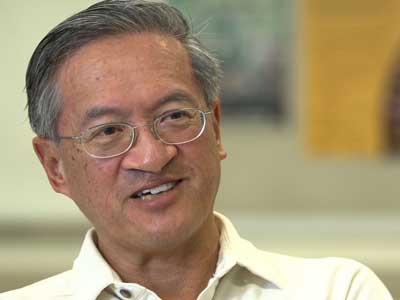
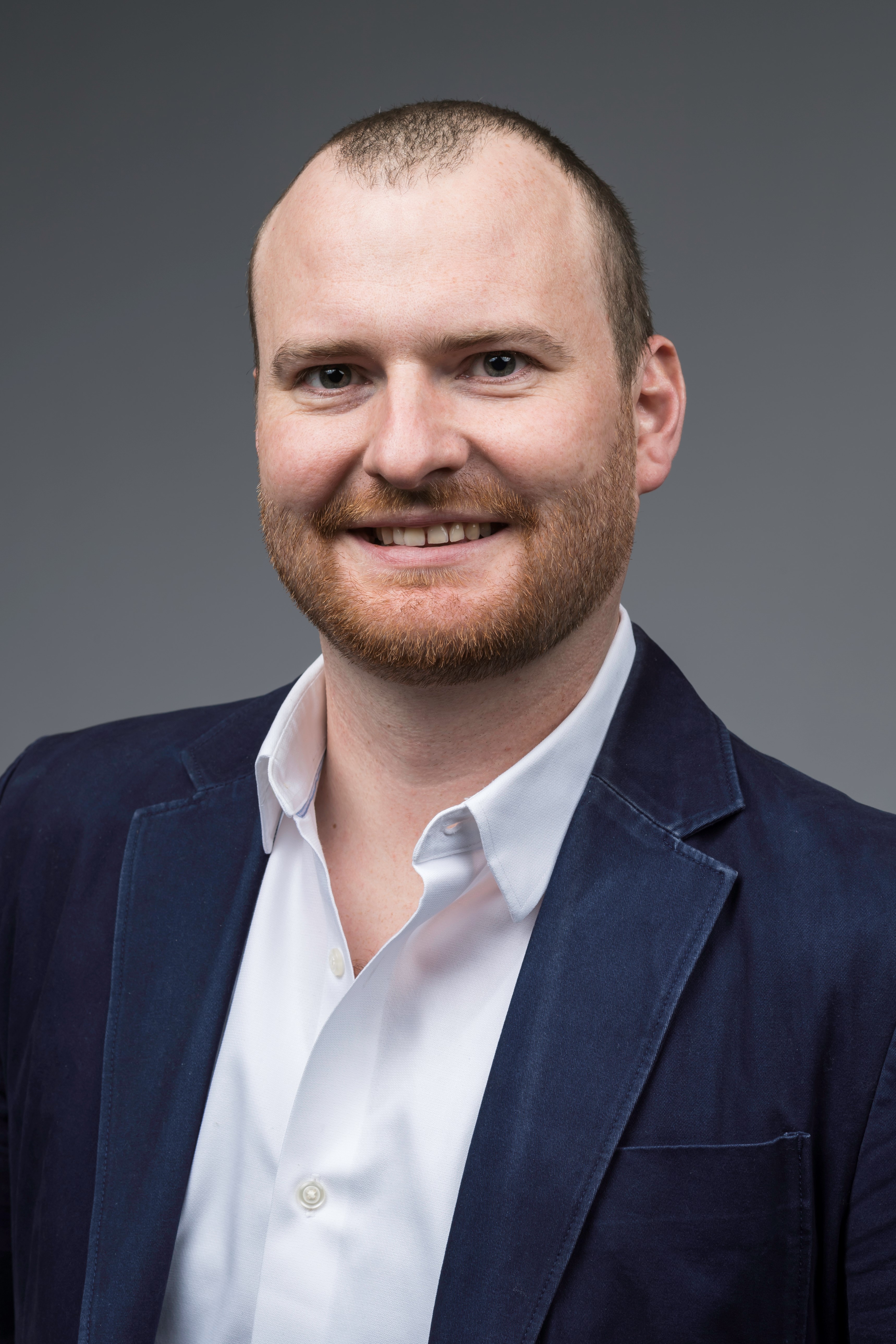
Ron Mak is a Professor at San José State University, affiliated with both the Department of Computer Science and the Department of Computer Engineering within the College of Engineering. He has held roles at NASA Ames Research Center, IBM Research, and Lawrence Livermore National Laboratory. His expertise spans software design, compilers, enterprise systems, and data analytics. He holds 12 U.S. patents and has authored multiple books on compiler writing and software engineering. Education: Mathematical Sciences and Computer Science from Stanford University Key Roles: Senior Computer Scientist (NASA), Research Staff Member (IBM), Enterprise Software Strategist (LLNL) His research focuses on reliable software systems, including contributions to NASA's Mars Exploration Rover mission. He has won the Jolt Award for a chapter in Beautiful Code . Current roles include consulting Chief Data Scientist at Mediar and teaching at SJSU. He has invited Turing Award winners to speak at the university and maintains active research in compiler design, space systems, and educational outreach.
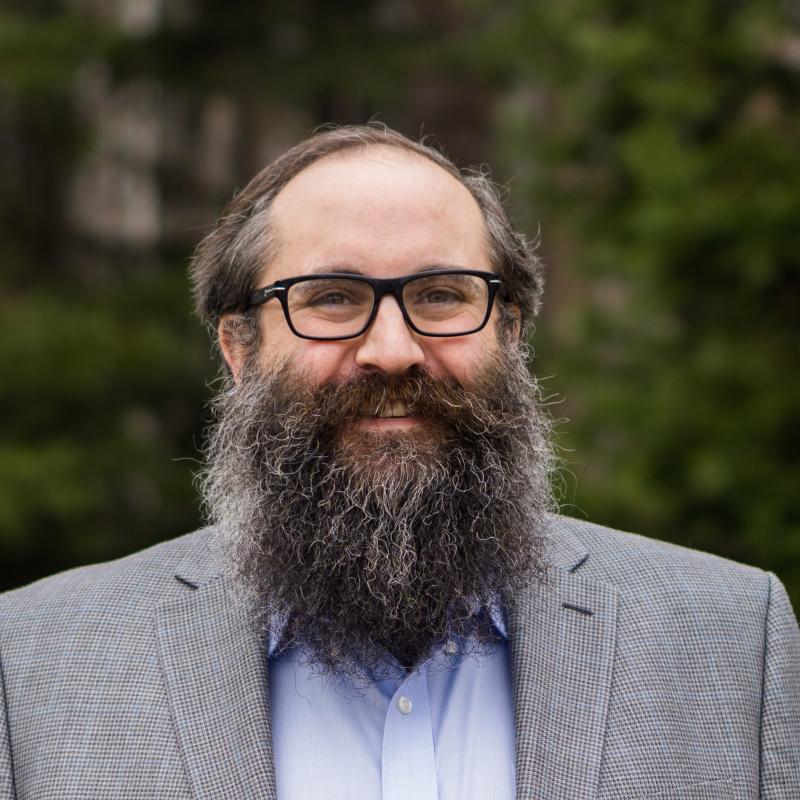
Dr. Jean M Novak is a Professor of Communicative Disorders at San Jose State University (SJSU), where she served as the first Department Chair of the Communicative Disorders & Sciences Department. She specializes in clinical supervision of graduate students in speech pathology clinics and directs the Bilingual Toddler and Preschool Screening Project, funded by the Autism Tree Project Foundation. Her expertise spans autism, Down Syndrome, ADHD, and multicultural communication, with a focus on bilingual children and families. She holds a Ph.D. from UC Berkeley (1991) and is a licensed Speech Pathologist in California since 1982. Education: Doctor of Philosophy, UC Berkeley, 1991 Certificate of Clinical Competence (SLP-CCC), 1982 Research Interests: Early identification of speech/language disorders in bilingual children Cultural considerations in diagnostic screenings Multidisciplinary approaches to developmental disabilities Autism spectrum disorder intervention strategies Ethnic dance as cultural expression (via her former dance company) Professional Engagement: Consultant at clinics across Central Europe Presenter at international conferences in Poland, Egypt, Saudi Arabia Author of multicultural monograph series for SJSU College of Education Grants & Projects: Bilingual Toddler Screening Project (Autism Tree Foundation) Guidelines for Auditory Processing Disorders (CSHA)
Mark Gondree is an Associate Professor in the Computer Science Department at Sonoma State University, with research expertise in security pedagogy, applied cryptography, and secure computation. He holds a PhD from UC Davis and has received multiple teaching awards including the CSU Student Success Analytics Certificate and POGIL Activity Clearinghouse recognition. His research explores cybersecurity education methods, cloud data geolocation, and industrial control system vulnerabilities. Recent publications focus on curriculum development for computer security concepts and efficient cryptographic protocols. Awards: CSU Student Success Analytics Certificate (2024) POGIL Activity Clearinghouse Publications (2022) QuARRY Repository Award (2020) He actively advises graduate and undergraduate researchers on projects ranging from fuzz testing to pseudorandom number generator analysis. Current grants include NSF funding for CS teacher preparation programs and cloud security research. As department chair, he oversees curriculum development and leads the Computer Science Colloquium series.
Alex Aiken is the Alcatel-Lucent Professor of Computer Science at Stanford University and serves as the Computer Science Division Director at SLAC. He has been a faculty member at Stanford since 2003, after previously serving as a Professor in the EECS department at UC Berkeley (1993-2003) and as a Research Staff Member at IBM Almaden Research Center (1988-1993). Dr. Aiken received his Bachelors degree in Computer Science and Music from Bowling Green State University in 1983 and his Ph.D. from Cornell University in 1988. He previously served as chair of the Stanford Computer Science Department. Alex Aiken's research focuses primarily on programming languages, compilers, and parallel computing systems. He is renowned for his work on the Legion programming system for heterogeneous parallel machines, the FlexFlow system for deep learning parallelization, and the development of Moss, a widely-used plagiarism detection system. His research spans both theoretical foundations and practical implementations, with a strong emphasis on translating research into usable software tools. His work has significant applications in high-performance computing, software analysis, and compiler technology. His recent publications reflect a continued focus on parallel and distributed systems, with increasing attention to the intersection of programming systems and machine learning. The 15 most recent articles demonstrate his leadership in task-based programming models, verification techniques, and the application of AI to programming systems. His work spans from low-level GPU optimizations to high-level language design and verification. ACM Fellow Recipient of ACM SIGPLAN's Programming Languages Achievement Award Phi Beta Kappa's Teaching Award Professor Aiken has advised numerous Ph.D. students throughout his career, with eight current advisees including Benjamin Driscoll, Qiantan Hong, and Rupanshu Soi. His research group has received substantial funding for projects related to parallel programming systems, compiler technology, and software analysis tools. The group maintains several active open-source projects including Legion, FlexFlow, and Moss. Aiken leads the Legion research group, which focuses on developing programming models and runtime systems for heterogeneous and distributed parallel machines. The group has made significant contributions to the field of task-based parallelism and has developed several widely-used software systems that bridge the gap between theoretical research and practical implementation.
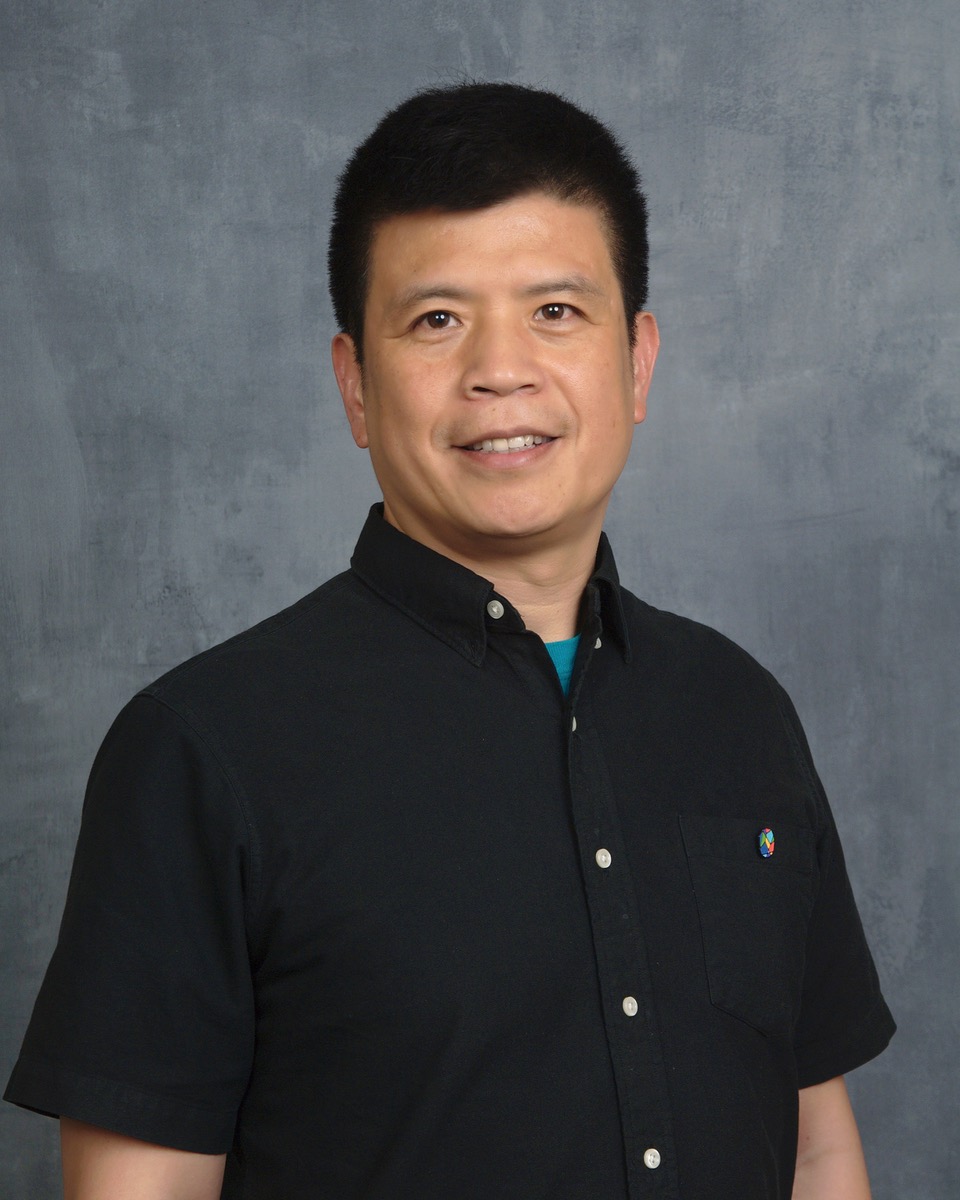
Yuekang Li is a Lecturer in the School of Computer Science and Engineering at UNSW, part of the Faculty of Engineering. Previously, he worked as a Research Assistant Professor at Nanyang Technological University (NTU), where he contributed to the Continental-NTU cooperative lab. He holds a Ph.D. and bachelor’s degree from NTU, awarded in 2020 and 2016 respectively. His research focuses on software engineering, particularly software testing and quality assurance techniques, with an emphasis on applying these methods to diverse scenarios such as cybersecurity and artificial intelligence systems. His work explores innovative approaches to address challenges in testing large language models (LLMs), fuzzing protocols, and detecting vulnerabilities in software systems. Recent publications highlight his contributions to CAPTCHA design using visual illusions, logic reasoning validation in LLMs, and metamorphic testing for identifying hallucinations. His research also spans cybersecurity domains like protocol fuzzing, jailbreak attack mitigation, and adversarial AI testing. Yuekang’s articles reflect a strong focus on advancing software reliability through automated testing frameworks, formal verification methods, and AI-driven solutions. His work bridges theoretical software engineering principles with practical applications in security and AI ethics.
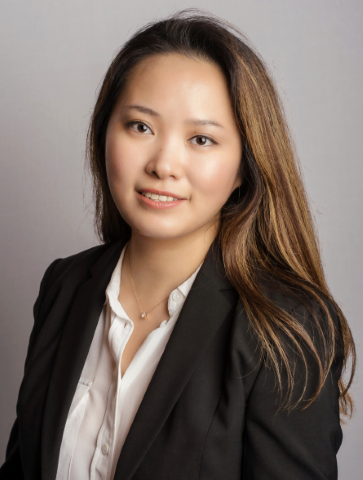
Weihang Wang is the WiSE Gabilan Assistant Professor of Computer Science at the University of Southern California, located in Los Angeles. His research focuses on software engineering, security, and systems, with an emphasis on improving the reliability and efficiency of complex software systems through testing and analysis techniques. He holds a Ph.D. in Computer Science from Purdue University (2018). His work spans WebAssembly security, static analysis frameworks, decompilation techniques, and automated detection of vulnerabilities like intrusive ads and business flow tampering. Key contributions include tools like WaSCR (side channel repair), WBSan (bug detection), and Jasmine (static analysis for Spring technologies). Education: Ph.D. in Computer Science, Purdue University (2018) Recent research trends reflect a strong focus on WebAssembly's security challenges, leveraging AI and neurosymbolic approaches (e.g., StackSight). His grants include NSF support for static analysis frameworks and industry awards from Facebook and Mozilla. Awards: N2Women Rising Stars (2024), NSF CAREER (2021), and multiple industry recognitions Advising and grants highlight collaborations with NSF and tech companies. He advises students/post-docs on topics like automated testing and cybersecurity. His work bridges theoretical software analysis with practical system implementations.
Chen Ding is a Professor of Computer Science and Chair of the Department of Computer Science at the Hajim School of Engineering & Applied Sciences, University of Rochester. He holds a PhD from Rice University (2000). His research focuses on program analysis, optimization, and memory management, particularly in the areas of locality theory, compilers, parallel programming, and high-performance computing. He has received prestigious awards including the DOE Early Career Principal Investigator award (2001), NSF CAREER award (2002), and IBM CAS faculty fellowship (2005-2009). Education: PhD in Computer Science, Rice University, 2000 Research Interests: Locality theory and optimization Compilers and runtime systems for parallelism Memory management strategies High-performance computing systems Key Contributions: His work on reuse distance in memory hierarchy and compiler-assisted cache management (CLAM) has been foundational in optimizing data movement and parallelism. Recent research explores data movement complexity for machine learning and generative AI-driven memory workload synthesis. Awards: IPDPS Best Paper Award (2001) DragonStar Lecturer (ICT China, 2008) Grants & Advising: As department chair, he oversees research grants and faculty development. No specific student advising details are listed here.
Professor Machiel Blok is an Assistant Professor in the Department of Physics and Astronomy at the University of Rochester. He holds a BS (2010), MS, and PhD (2015) in Applied Physics from Delft University of Technology, where he conducted research at QuTech. After postdoctoral work at UC Berkeley (2015–2018) and Lawrence Berkeley National Lab (2019), he joined the University of Rochester in 2020. His research focuses on quantum information science, condensed matter physics, and atomic, molecular, and optical physics. The Blok Lab develops superconducting circuits and Josephson junctions to encode quantum information in non-linear oscillators, advancing quantum simulation, sensing, and high-energy physics interfaces. Key innovations include high-impedance resonators, multi-level transmon qudits, and continuous quantum error correction techniques. His publications highlight breakthroughs in qutrit processors, quantum thermodynamics, and loophole-free Bell tests. Ongoing work emphasizes scalable quantum architectures and robust error mitigation strategies. The lab actively explores applications in quantum networks and solid-state spin systems.
Roles and Affiliations: Assaf Kfoury is a Professor of Computer Science at Boston University's Computer Science Department. He holds a PhD from MIT and has been actively involved in research and teaching for decades. Education: PhD in Computer Science from MIT. Research Interests: Kfoury's work focuses on the intersection of Mathematical Logic and Computer Science, including formal methods, type theory, lambda calculus, static analysis, and algorithm design. He has contributed to areas like network verification, SDN-enabled applications, and graph theory. His research emphasizes practical applications of formal methods in distributed systems and cybersecurity. Teaching: He teaches graduate courses on formal methods (CS 511 and CS 512) at BU, focusing on SAT/SMT solvers, temporal logics, and automated systems. Collaborated on courses like CS 591 (Dependently-Typed Systems) and CS 518 (Formal Tools for Cybersecurity). Projects and Tools: Co-developed Verificare, a verification platform for SDN-enabled applications, and contributed to tools like Aartifact for integrating formal methods. Holds a patent on a Software Inspection System. Awards and Recognition: While no personal awards are explicitly mentioned, his collaborations have received recognition, such as a Best Paper Award for junior researcher Mirai Ikebuchi's work. Outreach and Advocacy: Supports organizations like Scientists for Palestine and the Union of Concerned Scientists, emphasizing ethical and societal impacts of scientific work.
Ankush Das is an Assistant Professor in the Computer Science Department at Boston University. His research focuses on programming languages with applications in cryptographic protocols, distributed systems, probabilistic models, and machine learning. He holds a PhD from Carnegie Mellon University (2021) and a Bachelor of Technology from Indian Institute of Technology Bombay (2014). Prior to academia, he worked as an applied scientist at Amazon AWS and as a research fellow at Microsoft Research and Meta. Research interests include formal verification of distributed systems, session types for resource management, and probabilistic programming models. His work bridges theory and practice through tools like the Rast language for resource-aware session types and Nomos for smart contracts. Notable contributions include advancements in gas-cost analysis, protocol verification, and automated analyses of IoT systems. His publications emphasize formal methods applied to real-world systems like blockchain smart contracts and distributed protocols. Academic background includes collaborations with Prof. Jan Hoffmann and Prof. Frank Pfenning at CMU, and internships at Microsoft Research and Meta. No formal awards are listed, though his work has been presented at venues like FSCD and various conferences.
Dr. Tom Spink is a Lecturer at the School of Computer Science, University of St Andrews. His research focuses on efficient cross-architecture hardware virtualization, leveraging Dynamic Binary Translation (DBT) and hardware acceleration to enhance virtualized system performance. He teaches Operating Systems (CS3104) and Computer Architecture (CS4202), and serves as the First-level CS Coordinator. Dr. Spink holds a PhD in computer systems architecture from the University of Edinburgh and is a Fellow of the British Computer Society (BCS). His research interests span operating systems, virtualization, compilers, and runtime systems. Notable contributions include work on DBT hypervisors, weak memory model architectures (Risotto/Lasagne), and embedded systems security. He has been awarded the Best Paper Award in 2019 for his work on retargetable DBT hypervisors. Dr. Spink advises PhD student Ferdia McKeogh and collaborates on tools like Risotto and Lasagne. His work addresses challenges in cross-platform execution, IoT virtualization, and compiler optimizations for embedded systems. He actively engages in academic activities, including organizing conferences and delivering invited talks on hardware acceleration and virtualization techniques.
Aurojit Panda is an Assistant Professor of Computer Science at New York University's Faculty of Arts and Science. His research focuses on lightweight mechanisms for system correctness, network function virtualization, and distributed systems. He holds a Ph.D. from UC Berkeley and a B.S. from Brown University. Education: Ph.D., Computer Science, UC Berkeley (2017) B.S., Math-Computer Science, Brown University (2008) Research Interests: Network Function Virtualization (NFV) Distributed Systems Correctness Machine Learning Tooling and Optimization Operating Systems and SmartNIC Offloading Recent work includes designing distributed shared logs for datacenters, analyzing straggler effects in large model training, and developing tools like NNSmith for deep learning compiler testing. Teaching includes courses on distributed systems, operating systems, and big data/machine learning. He is actively involved in research teams such as NetSys Lab and contributes to open-source projects like NetBricks and BESS.
Matthew Roberts is a Senior Lecturer in the School of Computing at Macquarie University, affiliated with the Data Horizons Research Centre. His research focuses on functional programming, formal methods, and autonomous systems, with notable contributions to aquatic vehicle simulation and programming education. He has secured grants from Google and industry partners for projects like UAV navigation systems and expanding STEM education equity. His research interests bridge computer science and applied mathematics, emphasizing programming language design, static analysis tools, and cognitive aspects of computing education. Roberts collaborates on initiatives such as the G2G project to engage women in STEM, and has developed open-source software for autonomous systems and mental health data analysis. Recent work highlights interdisciplinary approaches, including data-driven reorganization of psychiatric diagnostic criteria and analyzing cognitive predictors of programming success. His publications span domains from compiler optimization to human-robot interaction, reflecting his commitment to both technical innovation and educational outreach. Received 2024 Vice-Chancellor's Teaching Excellence Award Principal Investigator on 10+ research grants totaling $2.5M AUD Developed simulation frameworks for unmanned surface vehicles (USV) Authored widely-used Kiama programming library Active in academic service, Roberts has served on program committees for Haskell Symposium, SIGCSE, and Software Language Engineering conferences since 2014. His teaching philosophy emphasizes mathematical foundations and student-centered learning strategies.
Rolf Schwitter is a Senior Lecturer at the School of Computing, Macquarie University. His research focuses on natural and formal language processing, including controlled natural languages, answer extraction, knowledge representation, probabilistic logic programming, and Semantic Web technologies. He holds an h-index of 13 with over 944 citations. His work emphasizes bridging human-readable and machine-processable systems, particularly in legal and technical domains. Key research contributions include developing frameworks like PENG ASP for declarative programming in natural language, smart contract systems, and hybrid explainability tools like HESIP. He leads projects such as Policy Automation: Reconstructing Policy Documents for Objective Decision Making (2018–present) and has collaborated on initiatives like TwitterNews+ for real-time event detection. Research Themes: Controlled Natural Languages, Smart Contracts, Explainable AI, Legal Informatics Notable Projects: User-guided legal document processing, error-free smart contracts, hybrid prediction explanations Received the 2023 Faculty of Science and Engineering Award for Inter-School Collaboration. Active in academic publishing with over 117 research outputs spanning conferences, journals, and book chapters.
Associate Professor John Tibby is a faculty member at the University of Adelaide, affiliated with the School of Social Sciences within the Faculty of Arts, Business, Law and Economics. His primary research focuses on paleoclimatology and environmental science, particularly through lake sediment analysis and diatom-based studies. He leads projects on climate history reconstruction in Southeast Queensland and South Australia, collaborating with government agencies like the Queensland Government and Environment Protection Authority (SA). Key areas of research include: Climate variability and environmental change using lake sediment proxies Assessment of stream health via diatom communities Studying the natural salinity regimes of Murray River lakes and the Coorong wetlands Analysis of diatom-water quality relationships in Cape York Peninsula His work has been supported by ARC grants (LP0990124, DP150103875, DP190102782) and involves collaborations with institutions in New Zealand and Antarctica. Recent publications emphasize climate reconstructions, sediment chronology development, and policy-informed environmental management. Tibby also engages in contract research addressing mine drainage impacts and water quality guidelines. Over 15 students, including Haidee Cadd and Georgina Falster, have contributed to his research projects. Key projects include: North Stradbroke Island climate records (100,000-year proxy development) Lakes 380 initiative analyzing New Zealand's 380 lake sediment records Experimental stream studies on salinity effects in South Australia Environmental history of Victorian lakes like Lake Surprise His publications span climate modeling, sediment analysis, and diatom-based environmental indicators. Tibby actively advises PhD students and collaborates with government agencies to bridge research with policy.