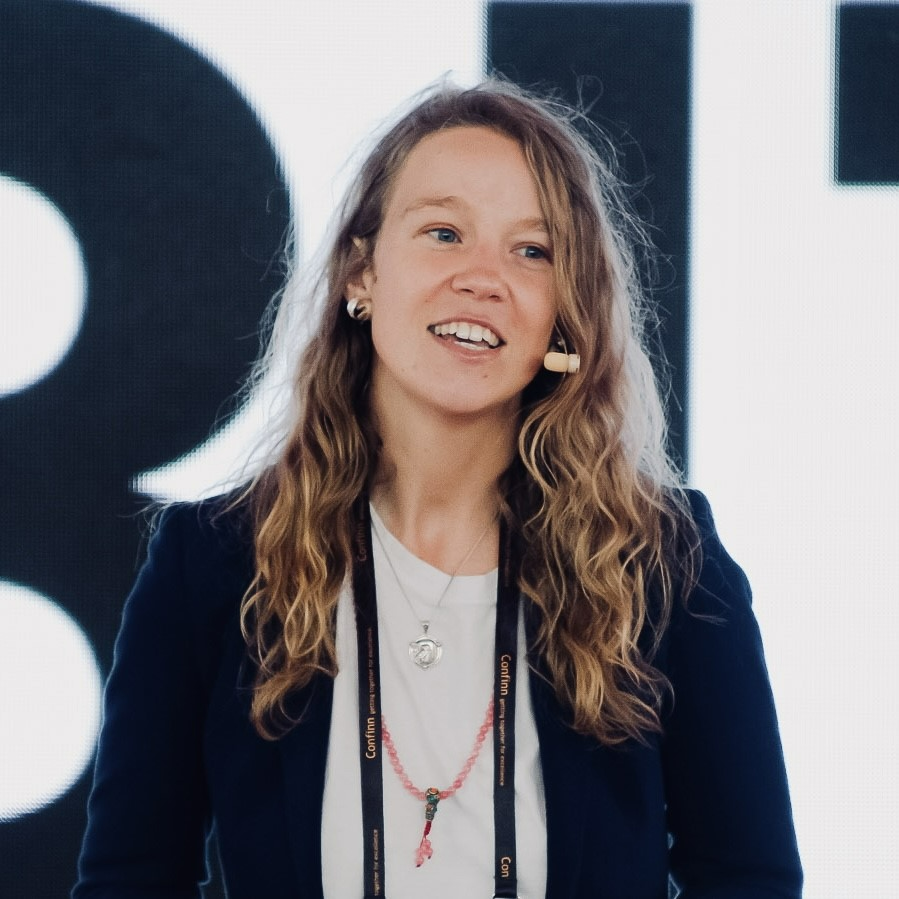
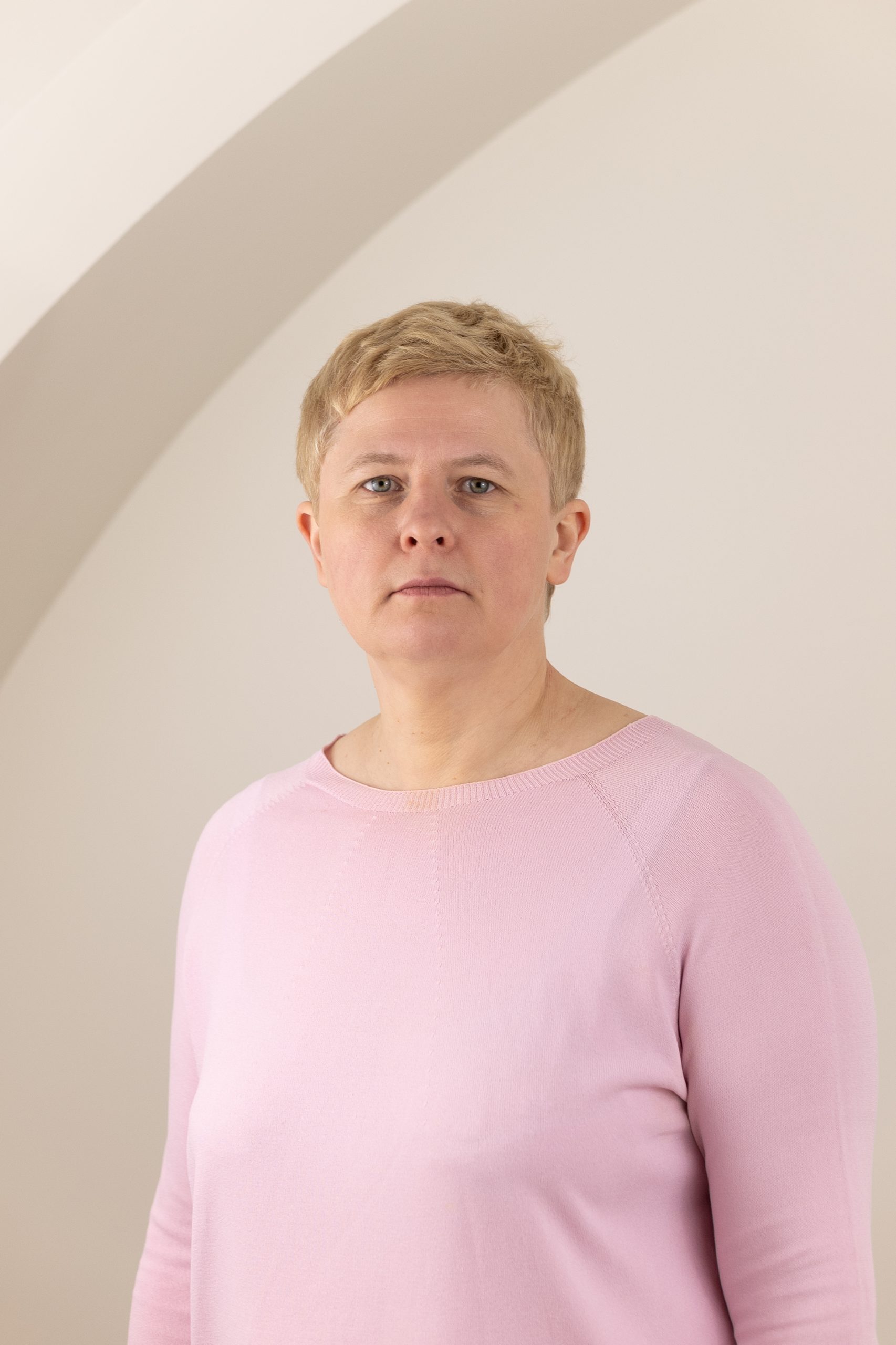
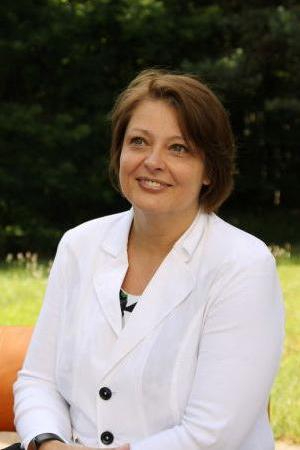
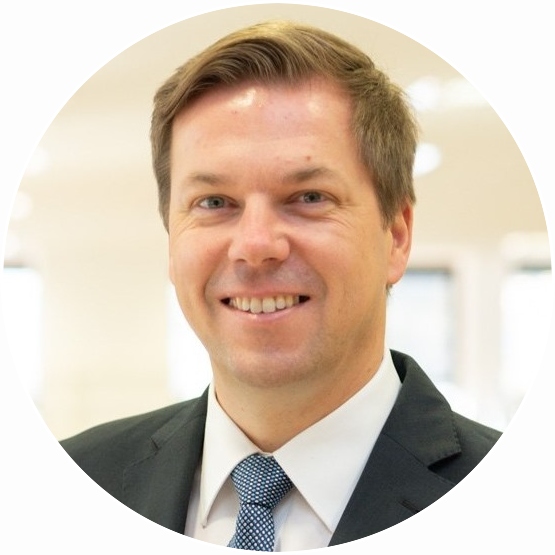
Eglė E. Murauskaitė is a Senior Faculty Specialist at the University of Maryland and a Senior Non-Resident Fellow with the Vilnius Institute for Policy Analysis. She lectures at Vilnius University and Kaunas University of Technology, focusing on international security, gray zone warfare, and unconventional threats. Her work spans academic research, government consulting, and crisis simulations design across Europe, the U.S., and MENA. Education: Master of International Relations (Security Studies, Summa Cum Laude, Sciences Po Paris 2012), Bachelor of Economics (SSE Riga 2008). Research Areas: Nuclear security, WMD proliferation, crisis communication, emotion studies, and interdisciplinary approaches to security challenges. Leadership: PI for DoD Minerva projects on Western assistance in Ukraine and emotions in adversarial campaigns; lead for ICONS Project simulations. Scientific Awards: Senior non-resident fellow at Vilnius Institute for Policy Analysis. Her recent publications analyze Ukrainian resilience, Russian nuclear rhetoric, and foreign fighter risks. She also contributes to public discourse via the NYLA Update podcast and National Drama Theatre discussions.
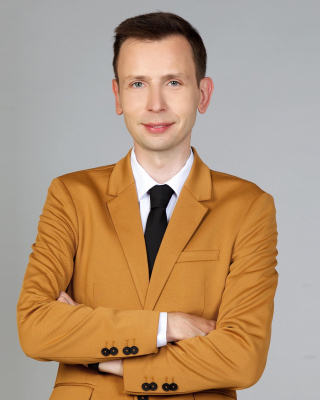
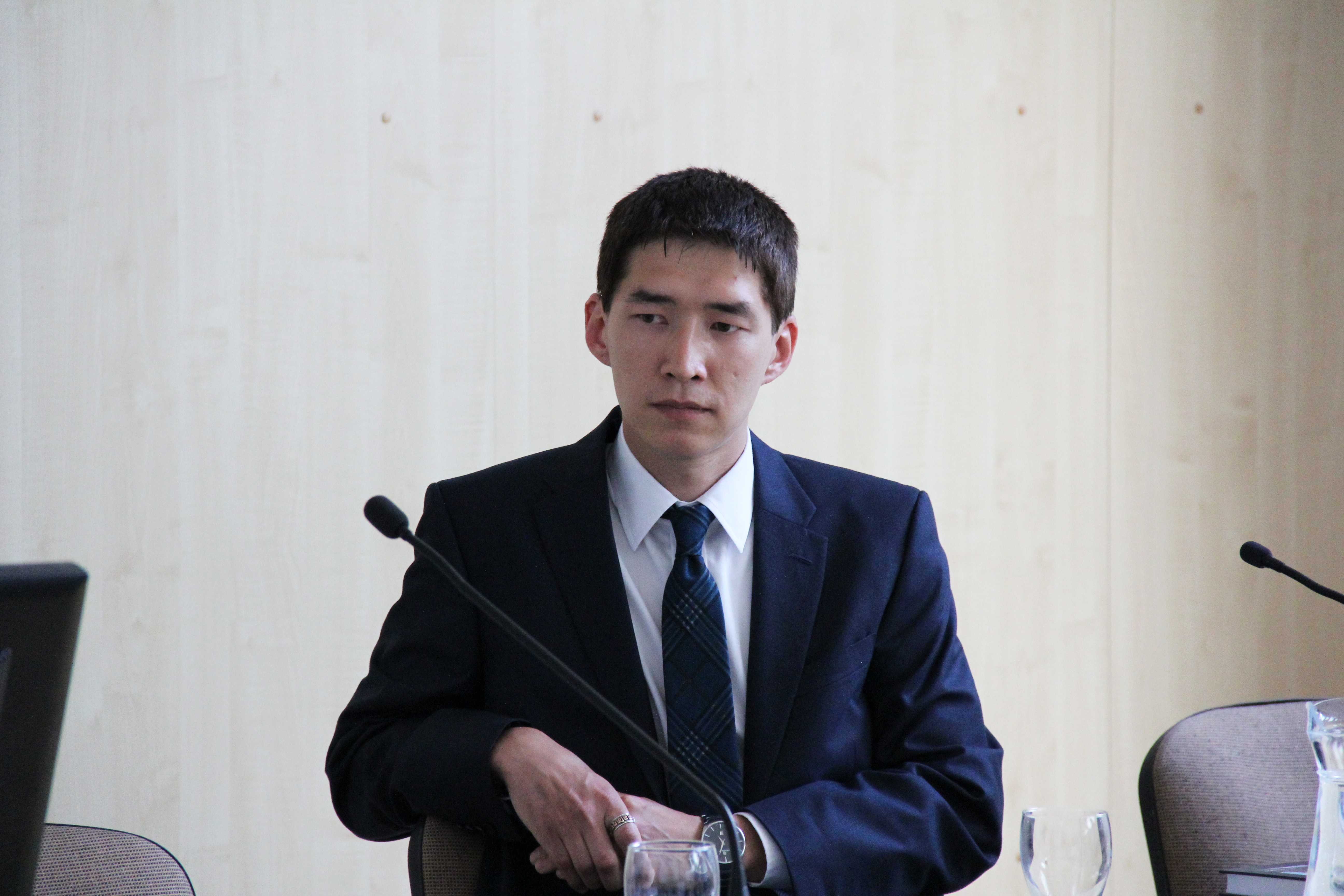
Konstantin Ivanov is an Associate Professor (visiting) at the Academic Department of Social Sciences within the European Humanities University (EHU). He is affiliated with the Center for Constitutionalism and Human Rights. His research focuses on International Commercial Law, EU Law, Competition Law, and Legal History. He holds a PhD in Law from St. Petersburg (2011). His educational background includes studies leading to his doctoral degree in Law. His research interests span International Private Law, EU Contract/Tort Law, and the historical development of legal systems, particularly Lithuania's post-Soviet legal evolution. Ivanov has participated in significant academic exchanges and conferences, including an Erasmus+ program at the L. N. Gumilyov Eurasian National University (2022) and an international conference on law's role in emerging countries (2018). His publications analyze legal frameworks in higher education quality assurance, EU corporate law principles, and Lithuania's constitutional development since 1990. No scientific awards are listed, but his work demonstrates expertise in transnational legal systems and EU integration processes. His teaching areas include International Commercial Law and practical legal application.
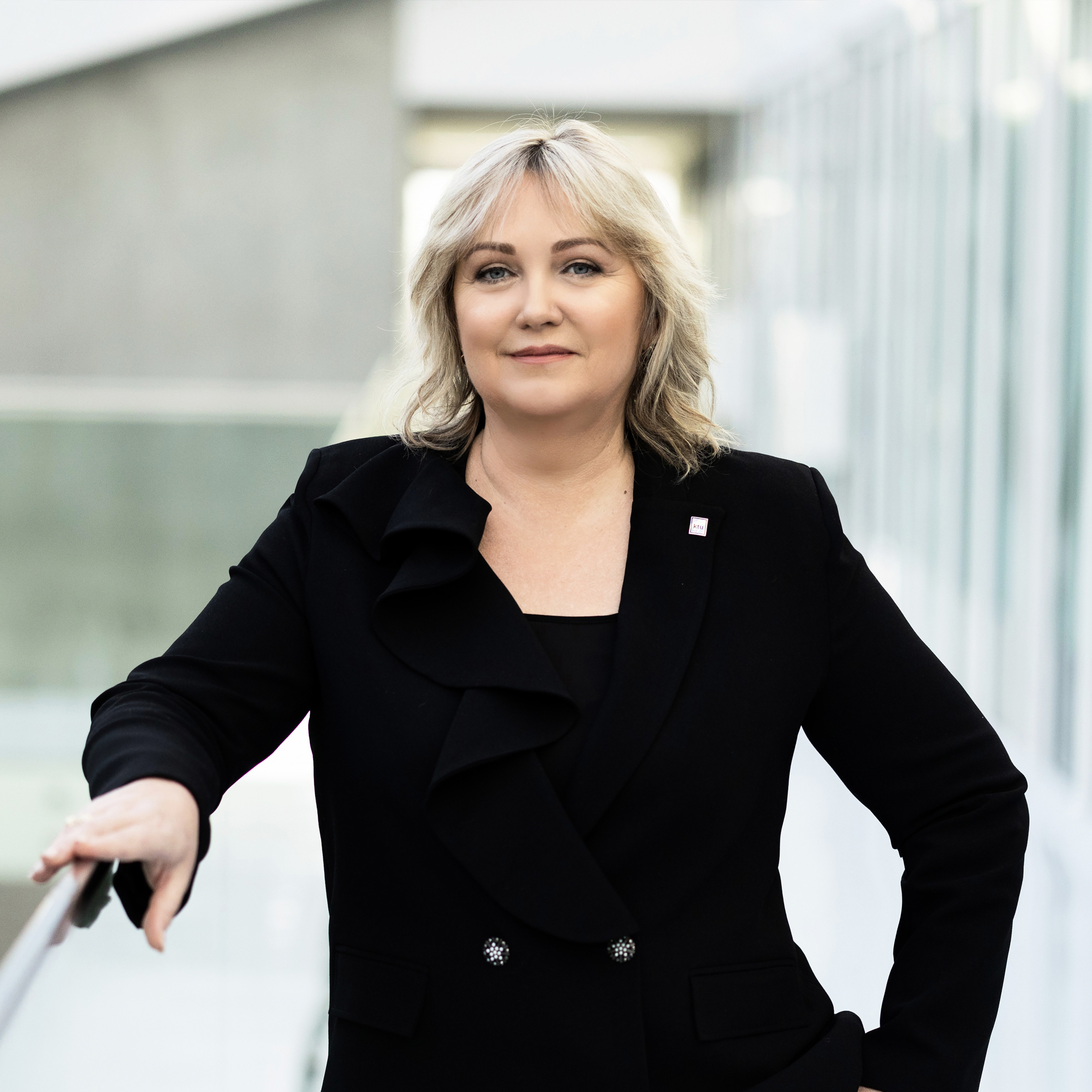
Assoc. Prof. Dr. Evelina Meilienė serves as Vice-Rector for Community Affairs at Kaunas University of Technology since 2023. She is also an Associate Professor affiliated with the Faculty of Economics and Business, currently working within the Business Digital Transformation Research Center's Digitalization Science Group. Her academic career spans over two decades at KTU, where she has held various leadership and academic positions. Education: Doctor of Economics (2009, Kaunas University of Technology) - Dissertation: "Assessment of Industrial Export Competitiveness of a Country with an Economy in Transition" Master's degree in Management, specialization in Marketing (1999, Kaunas University of Technology) Dr. Meilienė's research focuses on project management, human resources policy formation, innovation management, and national competitiveness management. Her expertise extends to team management, change management, and institutional development. Her work bridges theoretical management concepts with practical applications in organizational contexts, particularly within transition economies and higher education institutions. Her published research demonstrates a consistent focus on economic development issues, particularly examining the relationship between human capital and shadow economy in Lithuania. This work contributes to broader discussions on competitiveness in transition economies and informs policy development in the Baltic region. Scientific Awards: IPMA certification (Level C) As Vice-Rector for Community Affairs, Dr. Meilienė oversees university-community relations and strategic development initiatives. She has extensive experience managing research projects and institutional development programs. Her leadership extends to national roles, including chairing the Infrastructure and Finance Committee of the Lithuanian University Rectors' Conference and serving as Chairperson of the National Study Foundation Board (2021-2023). Dr. Meilienė has participated in numerous international academic exchanges, including teaching visits and research collaborations at universities in Spain, United Kingdom, Cyprus, Czech Republic, and Italy. She has also completed specialized training in change management, leadership development, and project management through institutions such as the Adizes Institute and Grand Partners.
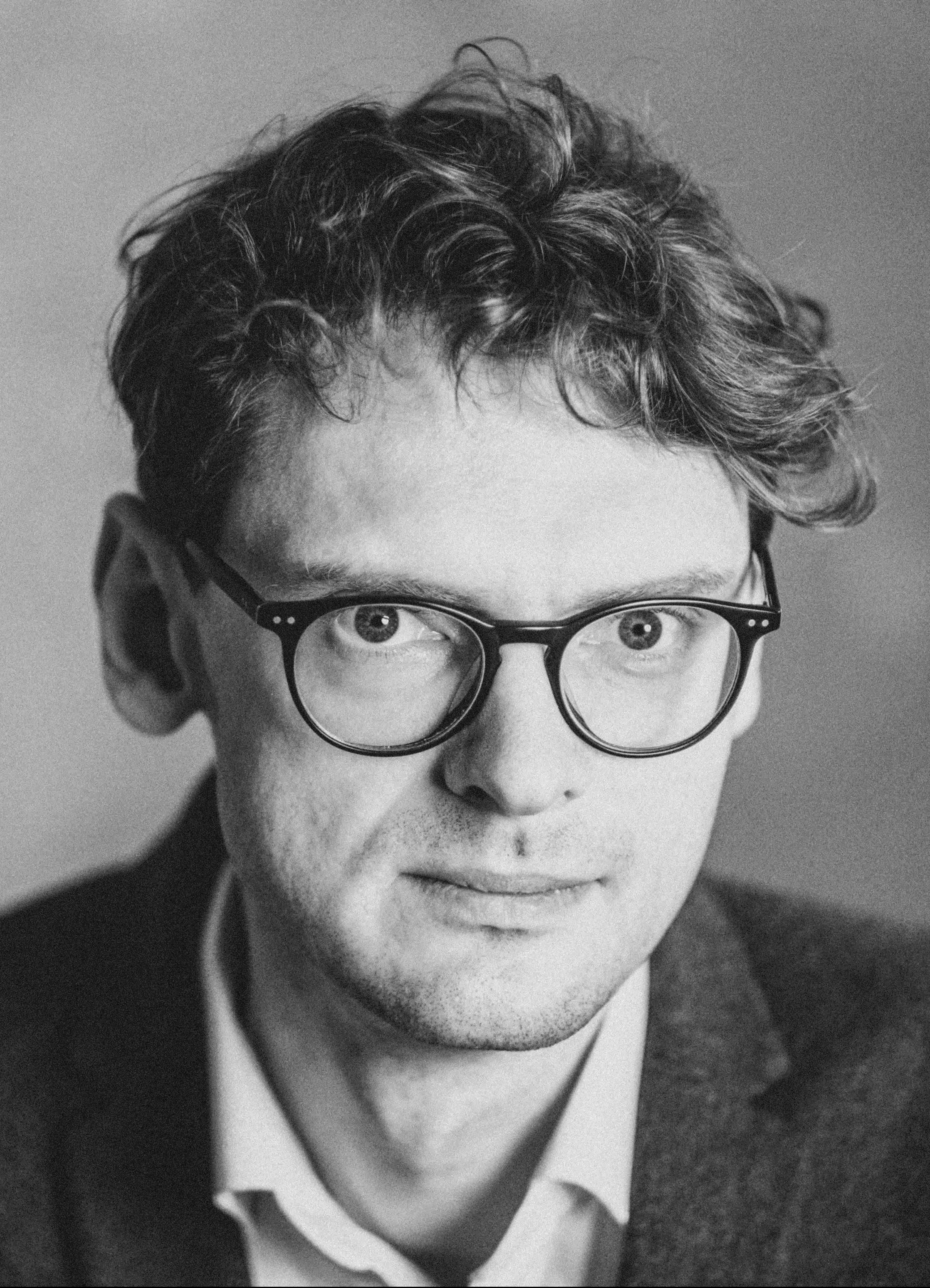
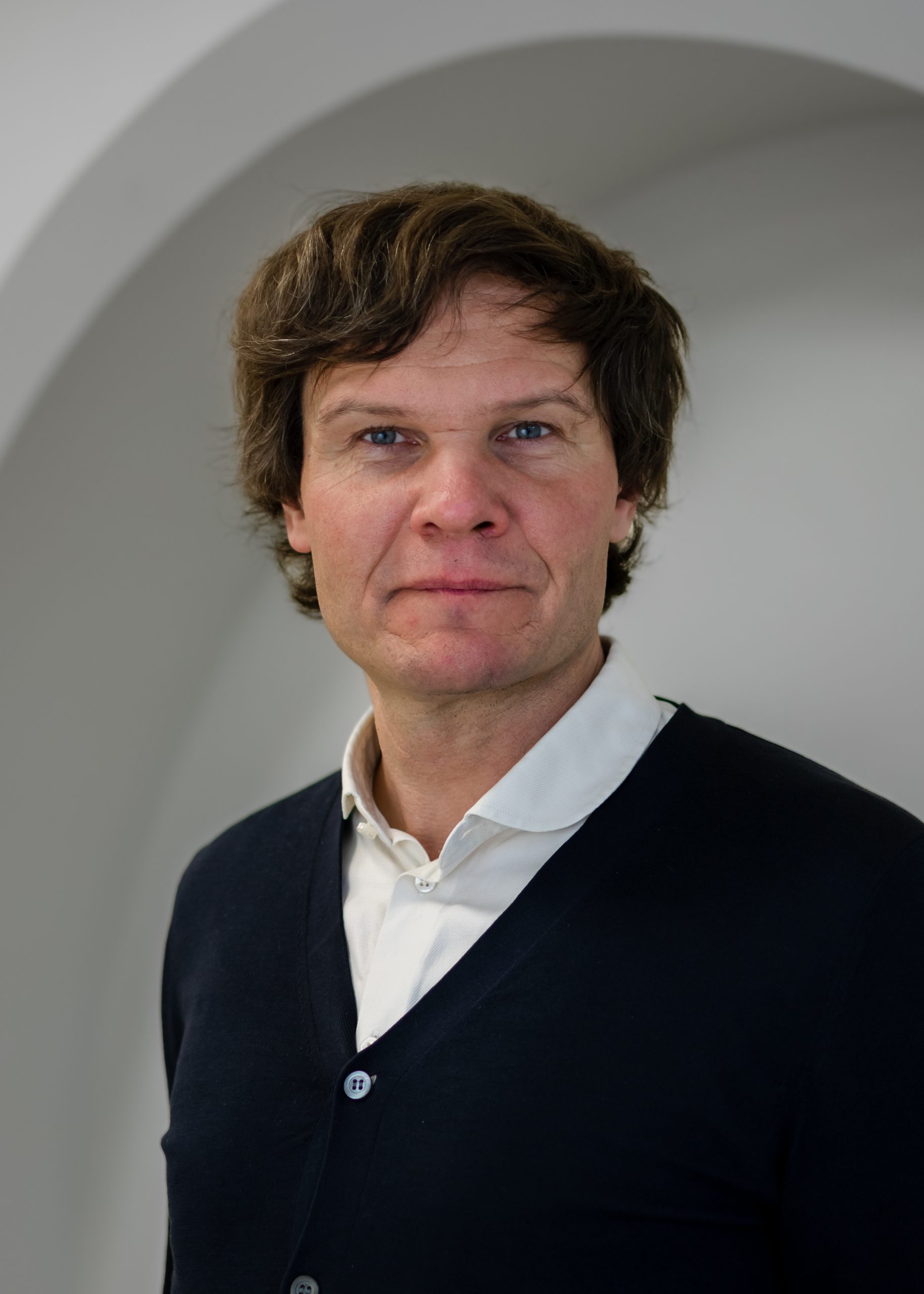
Šarūnas Liekis is a Lithuanian historian and political scientist serving as Professor and Dean of the Faculty of Political Science and Diplomacy at Vytautas Magnus University since 2010. He holds a Habilitated Doctorate (2005) and has expertise in ethnic relations, minority issues, and international relations. His career includes roles as Director of the Vilnius Yiddish Institute (2001–present), member of the Central Election Commission (2021–present), and advisor to the Lithuanian government on minority affairs (2003–2010). Notable works include A State Within a State? Jewish Autonomy in Lithuania 1918–1925 (2003) and Casablanca of the North: Refugees and Rescuers in Kaunas, 1939–1940 (2017). His research focuses on Baltic history, Lithuanian-Polish relations, and Soviet narratives. Education: PhD in Social Sciences (1997), studies at Oxford, Brandeis University, and the Jewish University of Jerusalem. Publications span 74 works including books on minority politics, EU relations, and historical conflicts. Awards include Lithuania's Officer's Cross of the Order of Gediminas (2023). He has led national projects on heritage and state-building, and his academic contributions address historical memory and contemporary governance challenges.
Vincas Grigas is an Associate Professor at the Department of Digital Cultures and Communication , Faculty of Communication , Vilnius University. His work focuses on media and information literacy, book piracy dynamics, scholarly communication, and digital culture transformations. He holds a PhD and has extensive international collaboration through ERASMUS programs and research visits to institutions like HTWK Leipzig and the University of Osijek. Research Interests: Media and Information Literacy Book Piracy Mechanisms Scholarly Publishing Practices Digital Transformation of Publishing Accessibility in Publishing Recent work analyzes digital piracy's societal impacts, challenges in small-language publishing ecosystems, and the transition from print to digital scholarly journals. He co-authored Lithuanian Scientific Periodical Publishing: From Printed Journals to Digital Ecosystems (2024) and has published in Publishing Research Quarterly , Information & Media , and LOGOS . Awards : Recognized as the Best Lithuanian Young Librarian (2011) and winner of the EU Journalist Award for Diversity (Lithuania) . Holds roles in professional bodies like the Lithuanian Library Council and Crossref Board.
Nijolė Vaitkevičienė serves as an Associate Professor at the Department of Plant Biology and Food Sciences within the Agricultural Academy of Vytautas Magnus University. Appointed to her current academic rank in 2022, she maintains active research and teaching responsibilities within the university's bioeconomy research framework. Her research interests focus on plant-based resources and food systems, specifically examining: Quality characteristics of plant raw materials Storage conditions and processing techniques for agricultural products Safety parameters in food production chains Sustainable approaches to agricultural resource management Analysis of her conference participation from 2021-2025 reveals a strong emphasis on sustainability challenges in modern agriculture. Her work increasingly addresses the intersection of soil health, carbon sequestration, and food security within the context of climate change. She demonstrates particular expertise in precision farming methodologies and the application of digital technologies to optimize agricultural production while minimizing environmental impact. Her research trajectory shows growing engagement with Green Deal initiatives and bioeconomy development strategies. Throughout her academic career, Dr. Vaitkevičienė has actively participated in knowledge transfer activities, contributing to science-business collaboration through numerous conference presentations and workshops. Her institutional affiliations include the Bioeconomy Research Institute since 2024, reflecting her integration into interdisciplinary research frameworks addressing contemporary agricultural challenges.
Dr. Konstantinas Andrijauskas serves as Associate Professor of Asian Studies and International Politics at Vilnius University's Institute of Political Science and International Relations (IIRPS), where he has taught since 2010 after defending his doctoral thesis on Sino-Russian relations in 2014. His academic trajectory includes senior visiting scholar positions at Fudan University (Shanghai, 2011), Zhejiang University (Hangzhou, 2013), and Columbia University (New York City, 2017) as a Fulbright Scholar, reflecting his transnational research engagement across Europe, Asia, and America. Academic Background PhD in International Relations, Vilnius University (2014) Research Expertise : Dr. Andrijauskas investigates the political systems and international relations of Asia and the Post-Soviet space , with specialized focus on China's domestic and foreign policies and non-European cultural frameworks . His interdisciplinary approach bridges political science with civilizational analysis, examining how cultural factors shape geopolitical dynamics in Central Eurasia and East Asia, particularly through the lens of China's expanding global influence and Sino-Russian strategic interactions. Publication Trends : His scholarly output (2013-2021) reveals consistent thematic progression from China's economic penetration in post-Soviet regions toward nuanced analyses of Sino-European relations, culminating in recent studies on deteriorating Sino-Lithuanian ties. Parallel work explores civilizational clashes in Eurasia and cultural dimensions of Asian geopolitics, demonstrating methodological diversity across political science, history, and cultural studies. Professional Recognition Fulbright Research Fellowship (2017) Affiliations and Impact : As Associate Expert at the Eastern Europe Studies Centre and member of both the China Observers in Central and Eastern Europe consortium and European Association for Chinese Studies, he contributes to policy-relevant research on China's global role. His courses—including Asia-Pacific Studies and Central Eurasia Studies—train students in regional dynamics while his international conference participation across six continents amplifies Lithuanian scholarship on Asian affairs.
Prof. Dovilė Jakniūnaitė is a Professor at the Vilnius University Institute of Political Science and International Relations (TSPMI), where she has worked since 2003 and headed the Department of International Relations since 2019. Her research spans Foreign Policy Analysis Security Studies Border Theory EU Eastern Partnership Policy Feminist International Relations . Her research has been recognized with the Vilnius University Rector’s Award (2017) . She has led projects funded by the Research Council of Lithuania Bertelsmann Stiftung Horizon 2020 FP7 Marie Curie Actions on topics including border conceptualization, energy security, and post-Soviet conflicts. Her recent publications analyze Lithuanian-Russian relations Ukraine crisis EU-US dynamics under Trump Myths of European leadership , while her long-term contributions include foundational works on de facto states and territorial identity.
Marius Kalanta is an Associate Professor and researcher at Vilnius University’s Institute of International Relations and Political Science (VU TSPMI), specializing in political economy, transformative industrial policy, and comparative capitalisms. He holds degrees in Business Administration and Sociology from Vytautas Magnus University and earned his PhD in Sociology (2015) on comparative capitalism studies. Research focuses: transformative industrial/innovation policy, growth models, state capabilities, welfare systems, and interest group politics Active in applied policy analysis for entrepreneurship, export, and innovation in Lithuania and the EU Key projects: LIVIA (2021-2025) on Lithuanian crisis response, TRAPPOLI (2020-2023) on middle-income traps Member of the academic network SASE (Society for the Advancement of Socio-Economics) Former research fellowships at Tallinn University of Technology and University of Bristol His research spans middle-income traps, socio-economic coalitions, and competitiveness in Central/Eastern Europe. He teaches Public Sector Economics and Welfare State courses. Scientific Contributions: 2024: Analyzed sectoral growth dynamics in emerging economies 2023: Explored Baltic States’ strategies against middle-income traps 2021: Critiqued tax incentives for Lithuanian micro-enterprises 2019: Examined employer-centric social dialogue failures in the Baltics Contact: marius.kalanta@tspmi.vu.lt
Saulius S. Lipčius is an Associate Professor at the Department of Chamber Ensemble of the Lithuanian Academy of Music and Theatre (LMTA), where he has taught since graduating in 2008. A fourth-generation musician, he specializes in classical guitar and the rare liuto forte, actively performing in ensembles and solo projects since the 1990s. Languages: English (C2), German (B1), Russian (B1) Performance history: Collaborations with the Čiurlionis Quartet, Baltic Guitar Quartet (co-founded 2004), and international festivals His research and performance focus spans classical guitar pedagogy, early music revival, and cross-disciplinary concert projects. With three Baltic Guitar Quartet CDs and a 2011 solo album Guitar Temptations , he has performed in over 25 countries at venues like Berlin Philharmonic and Forbidden City Concert Hall. A frequent competition juror, his students have achieved national and international competition success.
Péter Juhász is an Associate Professor at Corvinus University of Budapest and a Visiting Professor at ISM University of Management and Economics. He teaches corporate finance, business valuation, ethics in finance, communication skills, and VBA programming. His research focuses on financial modeling, competitiveness, ethics, and valuation of intangible capital. He serves as a board member of the CFA Society Hungary and actively consults in management roles. His work integrates academic rigor with practical business challenges, emphasizing sustainable development and corporate social responsibility. Education: Not explicitly mentioned in the text. Roles: Associate Professor (Corvinus), Visiting Professor (ISM), Board Member (CFA Society Hungary). Research Interests: His studies explore financial modeling techniques, corporate competitiveness strategies, ethical frameworks in finance, and valuation methodologies for intangible assets. He has extensively analyzed Hungarian business resilience during crises, risk management practices, and the intersection of healthcare programs with organizational value creation. Publications: Over 50 articles spanning 20 years, addressing topics like pandemic business risks, sustainable growth, supply chain dynamics, and employee wellness programs. His work bridges theoretical finance with real-world applications in Hungary and beyond. Awards: None explicitly mentioned in the provided text. Grants/Advising: No specific grants or student advisees listed, but his consulting role indicates active industry collaboration. His research often involves collaborative projects with Hungarian firms and institutions. Labs/Teams: Not explicitly detailed, though his academic work likely involves interdisciplinary teams at Corvinus University.
Dr. Ieva Grumbinaitė serves as a Lecturer at Vilnius University's Institute of International Relations and Political Science (TSPMI), specializing in European Union studies. Her dual role bridges academic research and practical policy analysis, with ongoing work since 2019 as a public policy analyst providing recommendations directly to the European Commission. Her institutional affiliation combines teaching responsibilities at TSPMI with active contributions to EU governance research. Her academic credentials include: PhD in Political Science from the European University Institute (2020), focusing on the rotating presidency of the Council of the EU MSc in Public Administration from Leiden University Grumbinaitė's research centers on European integration dynamics, particularly examining how EU institutions function through the lens of decision-making processes. She investigates the operational realities of the Council of the EU, with special attention to the rotating presidency mechanism and its differential impact on small member states. Her work consistently connects theoretical frameworks in political science with practical public administration challenges, extending into EU higher education policy where she analyzes cross-border solidarity and administrative capacity building. Her publication trajectory reveals a sustained focus on institutional effectiveness within EU governance structures. Recent works—including a forthcoming Routledge book and commissioned studies for the European Commission—demonstrate evolving expertise from theoretical analyses of presidency mechanisms toward applied policy solutions in cohesion policy and cross-border cooperation. Conference presentations consistently address how small states navigate EU decision-making, reflecting a cohesive research agenda spanning institutional design, administrative capacity, and policy implementation. Dr. Grumbinaitė has secured significant research funding through competitive European Commission contracts, including a 2021 DG REGIO study on administrative capacity building for cohesion fund management and a 2020 DG EAC study addressing cross-border solidarity barriers. While specific advisees aren't documented, her leadership of these multimillion-euro policy studies demonstrates supervisory capacity over research teams. Her career trajectory shows deliberate movement from foundational academic research toward high-impact policy analysis, maintaining rigorous scholarly standards while delivering practical governance solutions to EU institutions.
Marija Stonkienė is an Associate Professor and Doctor at the Department of Organizational Information and Communication Research, Faculty of Communication, Vilnius University. Her primary roles include academic research, teaching, and administrative contributions. She holds a doctoral degree in Social Sciences from 1996, focusing on labor market information systems. Research Interests: Legal Regulations of Information, Intellectual Property Protection, Science Communication, Higher Education Competitiveness, E-Learning, Digital Rights, and Media Ethics. Publications Trends: Her work spans legal frameworks for information systems, digital rights in education, and media ethics. Recent focus includes public interest communication in online media and university competitiveness models. Earlier research addressed labor market dynamics and gender stereotypes in media. Editorial Roles: Chair of the Electronic Learning journal (2013–present), member of Information Sciences editorial board (2007–2021) Professional Memberships: Lithuanian Copyright and Neighbouring Rights Commission (Ministry of Culture), Lithuanian Council for Culture expert Projects Led: 15+ national and EU-funded initiatives including e-learning accessibility, strategic communication simulations, and science popularization systems Teaching: Courses on Intellectual Property Law and Public Communication Skills Labs/Teams: Active in Vilnius University's communication education initiatives and interdisciplinary research groups focusing on information governance and digital education.
Prof. Dr. Ilona Bučiūnienė is a Professor and Dean of the Doctoral School at ISM University of Management and Economics. She also serves as Chairperson of the Doctoral Committee and was previously HRM Program Director at ISM Executive School. Her research focuses on sustainable HR practices, emerging technologies' impact on work, and staff well-being. She leads projects funded by EU and national grants, and her work appears in journals like Academy of Management Journal and Journal of Vocational Behavior. Prof. Bučiūnienė’s research explores how HR strategies mitigate pandemic effects on employee well-being, manage workforce diversity, and adapt to automation. She has authored over 150 publications and serves on editorial boards of Human Resource Management and Human Resource Management Review. Notable awards include the 2010 Scholar of the Year Award. Her advisory roles include Ambassador for Lithuania at the Academy of Management HR Division and expert roles at the Lithuanian Research Council. She leads international research networks, including CRANET, and has directed projects such as 'Sustainable HRM in Emerging Technologies' (2018–2021).
Dr. Vatroslav Skare is a Professor of Marketing at the Faculty of Economics and Business, University of Zagreb, Croatia, and a Visiting Professor at ISM (Lithuania). His research focuses on digital marketing ethics, privacy concerns in e-commerce, social media influencer strategies, and consumer empowerment. He holds editorial board roles in marketing journals and designs executive education programs using business simulations. As a consultant, he advises sectors like Tourism, Retail, and ICT. His work bridges academic research with practical applications, emphasizing ethical challenges in AI-driven marketing and crisis management in social media storms. Key research themes include privacy paradoxes in data-driven marketing, psychographic consumer segmentation, and brand management. He explores how trust and social exchange mechanisms influence online behaviors. His teaching spans digital and social media marketing, services marketing, and product management. Skare’s interdisciplinary contributions address emerging trends in global digital markets and consumer-brand relationships. Recent articles highlight ethical AI applications, influencer criteria for brand communication, and frameworks for measuring service quality. He advocates for leadership strategies that leverage negative consumer sentiment to enhance brand resilience. Skare’s work integrates theoretical insights with real-world business challenges, particularly in crisis management and digital innovation.