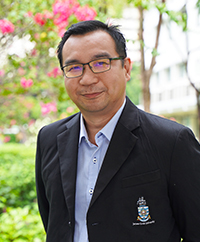
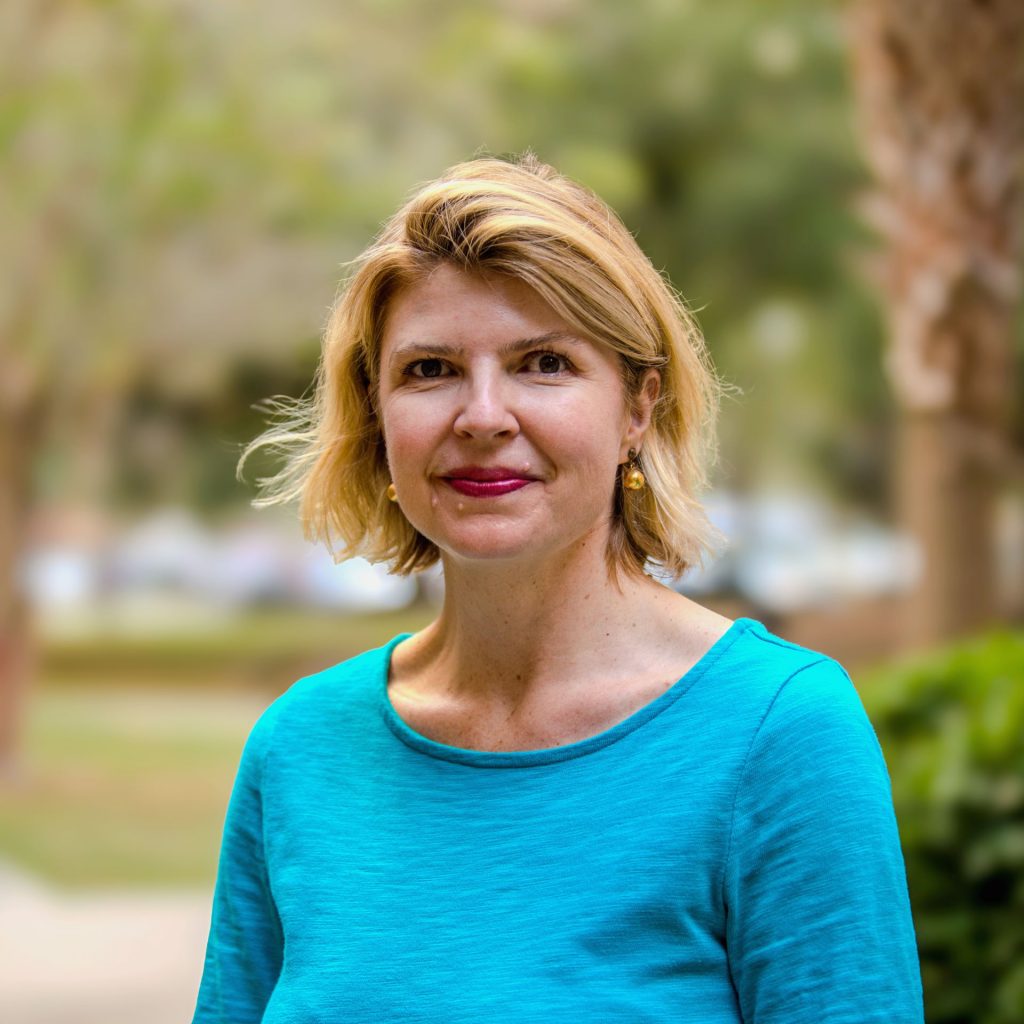
Neil Pembroke is a Lecturer in Studies in Religion at the University of Queensland , affiliated with the School of Historical and Philosophical Inquiry . His academic work bridges theology, philosophy, and pastoral care, with a focus on spiritual formation, healthcare ethics, and the intersection of psychology and religion. Education : B.Eng (Agric.), B.Th (B.C.T.), BA (Hons), PhD (Edin) Teaching interests : Jung and Human Spirituality, Religion and Health, Mysticism, Psychology of Religion, Religion and Psychotherapies His research explores therapeutic preaching, spiritual maturity, and the role of empathy in Christian and interfaith contexts. He has contributed to organizational spirituality, particularly in church-sponsored healthcare, and examined compassion fatigue through Christian and Buddhist perspectives. Publications include books like Divine Therapeia and the Sermon and Renewing Pastoral Practice , with over 50 journal articles and 10 book chapters. Collaborative projects span international studies on pastoral care models and interdisciplinary dialogues on ethics. Neil Pembroke's work emphasizes the integration of theological and psychological insights into personal and communal spiritual growth, with a particular focus on shame, identity, and the relational Trinity as frameworks for pastoral practice.
Dr. Tan Kim Lim is a Senior Lecturer at the James Cook University (Singapore Campus), specializing in organizational psychology and consumer behavior. He holds a PhD from Curtin University (2016–2019), an MBA from the University of Melbourne (2004–2006), and a Bachelor of Business from Monash University (1999–2002). His research focuses on the future of work, employee attitudes, technology adoption in hospitality/tourism, and consumer behavior analysis. He employs advanced methodologies like PLS-SEM and has published over 47 articles in top journals like the European Business Review and Asia Pacific Journal of Marketing and Logistics . Dr. Lim has held roles including Assistant Professor at BNU-HKBU United International College (2020–2022) and Post-doctoral researcher at the Human Capital Leadership Institute (2019–2021). He currently serves on editorial boards of the Journal of Responsible Tourism Management and Journal of Global Responsibilities , and is a member of the Singapore Human Resource Institute and Society of Industrial-Organizational Psychology. His applied research spans commissioned projects for governments and private entities, including studies on waste classification behavior, country music festivals, and AI adoption in social services. Awards include the JCUS Early Career Researcher Award (2023) and Emerald Literati Reviewer Award (2022). Dr. Lim also actively speaks at regional conferences on topics like AI in networking and post-pandemic workplace trends. His current research interests include STARA (Smart Technologies, AI, Robotics, Algorithms) impacts on work, meaningful work dynamics, and tourism behavior analysis. He supervises PhD students exploring AI in social services, indigenous tourism, and workplace technology adoption.
Daryl Cameron is an Associate Professor of Psychology at The Pennsylvania State University and the Sherwin Early Career Professor in the Rock Ethics Institute (2023-2026). He serves as the Social Area Coordinator in the Department of Psychology and is a Senior Research Associate in the Rock Ethics Institute. His interdisciplinary work bridges psychology, philosophy, and neuroscience to investigate empathy and moral decision-making. His educational background includes: Ph.D. in Psychology, University of North Carolina at Chapel Hill, 2013 M.A. in Psychology, University of North Carolina at Chapel Hill, 2009 B.A. in Philosophy and Psychology, College of William and Mary, 2006 Cameron's research centers on the psychological mechanisms of empathy and moral judgment, investigating motivational and situational factors that shape empathic responses in contexts like mass suffering and intergroup conflict. His lab employs affective science , social cognition , and moral philosophy to study empathy regulation toward humans, animals, and artificial intelligence. Key findings reveal that people often avoid empathy due to perceived cognitive costs, and he explores creative interventions to foster compassionate responses across diverse populations including students, community adults, voters, patients, and physicians. Analysis of his 2019-2025 publications shows consistent focus on empathy regulation, moral judgment, and cognitive underpinnings of prosocial behavior, with emerging emphasis on artificial intelligence and animal ethics. His work spans social psychology , cognitive science , and applied ethics , demonstrating how cognitive load influences empathy choices, the dynamics of moral outrage in social media, and cross-species empathic decision-making. Cameron has received the following scientific awards: Sherwin Early Career Professor, Rock Ethics Institute (2023-2026) While specific grant awards and doctoral advisee lists are not detailed in source materials, Cameron's leadership of two major research initiatives—the Empathy and Moral Psychology Laboratory and the Consortium on Moral Decision-Making—demonstrates active mentorship and research funding acquisition. His laboratory explicitly recruits trainees from psychology, philosophy, neuroscience, and related disciplines, reflecting commitment to interdisciplinary training. Cameron directs the Empathy and Moral Psychology Laboratory (https://emplab.la.psu.edu/), which investigates empathy mechanisms using implicit measurement and mathematical modeling, and leads the Consortium on Moral Decision-Making (https://moralconsortium.psu.edu/), an interdisciplinary network advancing research on empathy and moral decisions across diverse contexts and populations.
E. Lea Johnston is the Clarence J. TeSelle Professor and Professor of Law at the University of Florida Levin College of Law. She is a leading expert in mental health law, criminal law, and criminal procedure, with her work appearing in top law reviews and peer-reviewed interdisciplinary journals. Her scholarship has been widely cited by legal scholars, appears in leading treatises, and has received attention from courts and social scientists. Her theory of sentencing forms part of the theoretical framework for the standard textbook for forensic psychiatry fellowship programs. Professor Johnston earned her A.B. from Princeton University and her J.D. (cum laude) from Harvard Law School. Before entering academia, she worked as a litigation associate at Arnold & Porter LLP in Washington, D.C., served as director of the Maryland Public Interest Research Group, and clerked for Judge Richard Tallman of the U.S. Court of Appeals for the Ninth Circuit. Johnston's research primarily focuses on the intersection of mental health and criminal justice. Her work examines how mental illness impacts criminal responsibility, competence to stand trial, sentencing, and diversion programs. She has made significant contributions to understanding diminished responsibility doctrines, insanity defenses, mental health courts, and assisted outpatient treatment. Her scholarship often employs interdisciplinary approaches, integrating legal analysis with insights from psychology, psychiatry, and behavioral sciences to develop more humane and just approaches to mentally ill offenders within the criminal justice system. Her publications demonstrate consistent scholarly output with significant impact across multiple disciplines. The trajectory of her work shows an evolution from foundational analyses of legal standards for mentally ill defendants toward more comprehensive reform proposals addressing systemic issues in how the criminal justice system handles mental illness. Elected to American Law Institute (2020) Former Chair of Criminal Justice Section, American Association of Law Schools Former Chair of Law and Mental Disability Section, American Association of Law Schools Member of Legal Scholars Committee, American Psychology-Law Society Professor Johnston has significantly influenced both legal scholarship and practice through her theoretical contributions and practical recommendations. Her work on sentencing theory for mentally ill offenders has been incorporated into forensic psychiatry training materials, demonstrating real-world impact beyond academia. While specific grant information isn't detailed in the provided text, her extensive publication record and leadership roles suggest substantial research support throughout her career. Her scholarship serves as a critical bridge between legal doctrine and clinical mental health practice, offering frameworks that balance therapeutic needs with justice considerations.
Louise Hunter is an Associate Lecturer at the Oxford School of Nursing and Midwifery, Oxford Brookes University, where she contributes to both undergraduate and postgraduate teaching in midwifery. She is actively involved in research, supervision, and professional development, with a strong focus on improving maternity care and the experiences of women and midwives. Education: PhD MA (Oxon) RM (Registered Midwife) Her research interests revolve around enhancing midwifery care through innovative models such as mindfulness training and group antenatal care. She has investigated mindfulness as a tool to improve workplace culture and support women during labor and early parenthood. Her work on the NIHR-funded REACH project explored group antenatal care, and she continues to research water birth feasibility, anemia in pregnancy, and equity in midwifery education. Her recent publications demonstrate a consistent focus on maternal and newborn health, midwifery education, and service user empowerment. Themes across her work include health equity, particularly for Black, Asian, and Minority Ethnic (BAME) students and birthing people, evidence-based practice, and the integration of psychological and social support into maternity care. Scientific Awards and Recognition: Fellow of the Higher Education Academy Louise Hunter is also a member of the Royal College of Midwives (RCM) and actively supervises research students, including Claire Litchfield, whose work examines water immersion in labor for obese women. She is involved in the Maternity Care (OxMater) research group and contributes to developing initiatives that involve service users in midwifery recruitment and training. Her work bridges clinical practice, education, and research, aiming to create more inclusive, effective, and compassionate maternity services.
Dr. Abdullah Sahin serves as Reader in Islamic Education at the University of Warwick's Department of Education Studies within the Faculty of Social Sciences. He is a core member of the Warwick Religions and Education Research Unit (WRERU) and holds a Visiting Professorship at UIN State Islamic University in Jakarta, Indonesia. Previously, he has held academic positions at the University of Birmingham, University of Aberdeen, Gulf University for Science and Technology (Kuwait), and Markfield Institute of Higher Education where he served as Head of Research and Senior Lecturer. He was also a visiting professor at the Institut d'Etudes de l'Islam et des Sociétés du Monde Musulman at the Ecole des Hautes Etudes en Sciences Sociales in Paris during the 2009/10 academic year. Dr. Sahin's research establishes Islamic Education Studies as an interdisciplinary field of scholarly inquiry with particular focus on traditions of education in Islam and their theological, philosophical, spiritual and pedagogic foundations; Islamic Empirical and Practical Theology; Educational Hermeneutics in Muslim core sources; and Education and Identity formation among British Muslim youth. His work extends to Teacher Training and Faith-based schooling within British Muslim communities, Muslim Seminaries and the training of faith leaders in contemporary Europe, and Modern Islamic pedagogies in intercultural and interreligious education contexts. He has developed the first recognized Masters' level degree programme on Islamic education within the UK higher education system. His extensive publication record reveals a consistent scholarly trajectory examining the intersection of Islamic educational traditions with contemporary challenges. The most recent works demonstrate growing attention to Muslim minority contexts in Europe, critical analysis of Islamic and Western educational values, and practical applications of Islamic educational theory to contemporary social issues including identity formation, intercultural dialogue, and addressing extremism. His research increasingly incorporates empirical methodologies while maintaining strong theoretical grounding in Islamic educational heritage. Dr. Sahin has secured significant research support including the establishment of the Readership in Islamic Education at Warwick University through a generous donation by the Randeree Charitable Trust. This initiative represents a model collaboration between community and university aimed at educational capacity building within Muslim communities in the UK, Europe and globally. He has contributed to national level discussions on educational policy development regarding religious extremism and community cohesion, including commentary in The Guardian. As an active member of the International Seminar on Religious Education and Values (ISREV), Dr. Sahin participates in global scholarly networks advancing religious and intercultural education. His current projects include editing a special issue for the journal Religions entitled 'Islamic Education in Contemporary World: Traditions, Rearticulations & Transformation' and working on two book projects: 'Critical Issues in Islamic Education' (Routledge) and 'Islamic Education: international perspectives' (Brill).
Robert G. Holloway Jr., MD, MPH is Professor and Edward A. and Alma Vollertsen Rykenboer Chair of the Department of Neurology at the University of Rochester School of Medicine and Dentistry. He also holds joint appointments as Professor in the Center for Health and Technology and in the Department of Medicine, Palliative Care. Dr. Holloway has been on the faculty since 1993 and became Chair of the Department of Neurology in 2013. He is boarded in both Neurology and Palliative Medicine, reflecting his dual expertise in clinical neurology and end-of-life care. Dr. Holloway received his undergraduate degree from the University of Connecticut in 1985 and his medical degree from the University of Connecticut School of Medicine in 1989. He completed his neurology residency at the University of Rochester Medical Center (1990-1993) followed by health services research training (MPH) at the University of Rochester (1993-1996). Dr. Holloway's research program spans experimental therapeutics and outcomes research across multiple neurological domains. His work focuses on translating scientific advances into improved clinical care, with particular emphasis on neuropalliative care, stroke management, and Parkinson's disease. He leads the 'Experimental Therapeutics of Neurological Disease' program, which trains clinician-scientists to accelerate therapeutic development and improve access to emerging breakthroughs for neurological patients. His recent publications demonstrate an increasing focus on integrating palliative care principles into neurological practice, addressing communication strategies, ethical considerations, and healthcare policy impacts on neurological care. His extensive publication record, comprising over 200 manuscripts, reviews, and editorials, shows a clear evolution toward neuropalliative care integration, pandemic effects on neurological services, and health equity initiatives in neurological research. Recent work emphasizes practical approaches to symptom management, family support, and ethical decision-making in severe neurological illness. C. Miller Fisher Neuroscience Visionary Award, American Stroke Association Dr. Robert Joynt Kindness Award Junior Faculty Mentoring Award Alpha Omega Alpha Faculty Inductee (2011) Harry L. Segal Prize for Excellence in Third Year Teaching Best Doctors in America (2007-2012) Neurology Senior Faculty Teaching Award (2006) As department chair, Dr. Holloway oversees significant research initiatives including the 'Experimental Therapeutics of Neurological Disease' program and contributes to the NeuroNext clinical trials network. His mentorship has been recognized with the Junior Faculty Mentoring Award, and he has co-edited two influential books: 'Case Studies in Neuroscience' and 'Neuropalliative Care.' He has secured institutional awards supporting clinical trial research and career development for junior faculty. Dr. Holloway leads the Department of Neurology's comprehensive clinical, research, and educational missions with a focus on integrating cutting-edge therapeutics with compassionate, patient-centered approaches. His work bridges clinical neurology, palliative care, and health services research, creating an integrated model for neurological care that addresses both disease treatment and quality of life concerns across the spectrum of neurological illness.
Brianna L. Avalos is an Instructor at the Hugh Downs School of Human Communication at Arizona State University (ASU). She holds a Ph.D. in Communication Studies from ASU (2023), with a focus on relational and interpersonal communication, particularly regarding emotional and social media wellbeing. Her research explores topics like friendship dissolution, organizational communication, and pandemic coping strategies. She teaches courses such as interpersonal communication, public speaking, and conflict transformation. Education: Ph.D. in Communication Studies, Arizona State University (2023) M.A. in Communication Studies, San Diego State University (20XX) B.A. in Communication Studies, San Diego State University (20XX) A.A. in Applied Communication Studies, Mesa Community College (20XX) Research Interests: Dr. Avalos investigates relational dynamics in friendships and families, social media’s impact on emotional health, and occupational stress in sports officials. She employs discourse analysis and metaphor studies to explore communication during crises like the pandemic. Her recent work examines how individuals navigate relational dissolution and cope with collective trauma through communication strategies. Articles & Trends: Her publications reflect a focus on interpersonal communication challenges, pandemic-era stressors, and relational dissolution. Key themes include coping mechanisms during crises, sexting’s role in adolescent relationships, and emotional management in high-pressure work environments like sports officiating. Grants & Awards: No scientific awards listed in the text. Teaching & Advising: She teaches core communication courses at ASU and has no listed advisees. Her courses emphasize interpersonal skills, public speaking, and conflict resolution.
Dr Alison Gilmour is a higher education academic specializing in learning and teaching enhancement. Currently serving as Lecturer in Learning Transformation at the University of the West of Scotland (since 2021), she previously held roles as Associate Professor and Lecturer in Learning and Teaching at the University of Greenwich, and Educational Advisor at Queen Mary University of London. Her career includes seven years in Learning Enhancement roles at the Open University in Scotland. She is an External Examiner at the University of Essex (since 2021) and PhD Supervisor at the University of Greenwich (since 2020). Her research focuses on pedagogies of care, blended learning strategies, and embedding wellbeing in curricula. She has led cross-sector projects on Scottish HE teacher professional development (2012-14), student feedback analysis (2018), and retention/progression data (2019), and contributed to national initiatives like the Advance HE Embedding Wellbeing in the Curriculum project (2019-2020) and QAA Collaborative Enhancement Project (2021-2022). Education: PhD in Sociology/Economic History (focused on post-war Scottish industrial relations) and postdoctoral fellowship with the Economic History Society Teaching: Module leader on Advance HE-accredited programs, mentor for fellowship pathways, and Open University Associate Lecturer since 2009 Dissemination: Prioritizes practice-oriented outputs including blogs, workshops, OERs, and peer-reviewed articles Key research interests include compassionate-focused pedagogy, online community-building, and the agency of academic developers. She actively engages with international higher education networks through invited speaking engagements and podcast contributions.
Dr. Shaji Daniel is an Assistant Professor of Counseling at the College of Adult and Graduate Studies - School of Counseling, Colorado Christian University (CCU). He is a Licensed Professional Counselor-Supervisor (LPC-S) in Texas and a National Certified Counselor (NCC), integrating clinical expertise with spiritual formation in his teaching and practice. His work emphasizes holistic care for individuals, couples, and families, grounded in both psychological and faith-based frameworks. Educational Background: Ph.D. in Counselor Education and Supervision, University of the Cumberlands M.Ed. in Professional Counseling, University of Houston–Victoria Master of Theology and Divinity degrees, Serampore University, India Dr. Daniel's research and clinical focus lies at the intersection of multicultural counseling and spiritual integration. He explores the lived experiences of immigrant communities, particularly in the context of interracial marriage, and advocates for culturally competent, spiritually sensitive therapeutic practices. His work addresses depression, anxiety, relationship challenges, grief, and cancer-related distress, employing Cognitive Behavioral Therapy (CBT), Solution-Focused Brief Therapy (SFBT), and interactive counseling models. As a certified SYMBIS facilitator, he also provides premarital and marital counseling. The recent publications reflect a strong trend in qualitative, phenomenological research on intercultural and interracial relationships, spiritual dimensions of mental health, and faith-informed conflict resolution. His scholarly work bridges Christian theology with contemporary counseling practices, contributing to the development of contextually relevant, integrative models of care. Scientific Awards: Doctoral Award for Excellence in Leadership and Advocacy, University of the Cumberlands Ramaiah Award for Excellence in Scholarship, United Theological College, Bangalore While specific grant information is not mentioned, Dr. Daniel's leadership and advocacy recognition suggest involvement in initiatives promoting equity and excellence in counselor education. He mentors future counselors through a pedagogy that combines clinical rigor with spiritual depth, emphasizing journaling, reflection, and contemplative practices to foster inner formation. His teaching philosophy aligns with CCU’s mission to develop compassionate, truth-rooted leaders in the counseling profession. Though no formal lab or research team is mentioned, Dr. Daniel's collaborative publication with his spouse, Dr. Mary Daniel, indicates interdisciplinary engagement, particularly in culturally sensitive counseling. His work with organizations like the American Association of Christian Counselors (AACC) and Journey of Hope Cancer Care Ministries reflects broader professional affiliations and outreach.
University of California, San FranciscoUnited States
Daniel Null, MD, is a Professor in the Department of Medicine at the University of California, San Francisco (UCSF), School of Medicine. He is a clinical leader in adult primary care with over two decades of service and currently serves as the Service Chief for the Division of General Internal Medicine. His work integrates clinical excellence, medical education, and systems improvement in primary care. University: University of California, San Francisco School: School of Medicine Department: Department of Medicine Position: Professor Location: 1545 Divisadero Street, Room 315, San Francisco, CA Email: dan.null@ucsf.edu Education: M.D., University of California, San Francisco, School of Medicine, 1990 Residency in Internal Medicine, UCSF, 1993 Board Certified, American Board of Internal Medicine, 1993 Daniel Null’s research and academic interests focus on optimizing the clinical training environment for medical students and residents, enhancing patient care delivery, and improving healthcare systems through leadership and innovation. His work emphasizes patient-centered care, preventive medicine, and the use of technology to support behavioral health interventions. Key areas include leadership in academic medicine, primary care transformation, vaccination programs, and health promotion. His recent publications highlight a trend toward improving clinical practice through leadership models and public health interventions. The 2020 article on Lean Leadership explores systems efficiency in academic primary care, while earlier works examine pneumococcal vaccine acceptance across racial groups and the use of video technology for smoking and alcohol counseling—demonstrating a consistent focus on practical, scalable solutions in primary care settings. Although no formal scientific awards are listed in the provided materials, his sustained academic and clinical contributions reflect recognition within the UCSF community and broader medical field. Daniel Null is actively involved in clinical mentorship and resident training, though specific names of advisees are not mentioned. He has participated in clinical trials and committee service within the Academic Senate. He leads initiatives aimed at improving staff and faculty well-being alongside patient outcomes, reflecting a holistic view of healthcare systems. He practices at the General Internal Medicine at Mount Zion clinic, where he has maintained long-term patient relationships, some exceeding 30 years, underscoring his commitment to continuous, compassionate care.
Luc Deliens is a Professor of Palliative Care Research at VUB University and Ghent University in Belgium, and Founding Director of the End-of-Life Care Research Group since 2000. He also serves as Adjunct Professor at Queensland University of Technology (QUT), Australia. His work focuses on integrating palliative care, public health approaches to end-of-life care, and medical assistance in dying. He has supervised over 60 PhD students and published extensively (over 600 papers), receiving multiple awards including the 2023 Best Abstract Award and the 2002 Prijs van Cultureel Steunfonds VUB vzw. Key projects include the EXIST-COPD initiative (2025), advancing patient-centered care pathways for cancer patients (MyPath project), and EU-funded studies on palliative care models. His research spans euthanasia ethics, interprofessional care teams, and compassionate communities in end-of-life contexts.
Dr. Bradley Elphinstone is a Senior Lecturer in the School of Health Sciences at Swinburne University of Technology, where he conducts research and teaching in clinical and health psychology, with a focus on mindfulness, nonattachment, self-compassion, and gender-affirming mental health. He is actively involved in PhD supervision and has led research on public trust in genomic data, emotional well-being, and digital mental health interventions. His research interests include: Clinical and Health Psychology Social and Personality Psychology Mindfulness-Based Interventions Nonattachment and Self-Compassion Gender Euphoria and Transgender Mental Health Public Trust in Health Data Systems His recent publications (2020–2025) reflect a strong trend in psychometric scale development (e.g., Gender Euphoria Scale, Equanimity Scale), emotional regulation, and public health psychology, particularly during the pandemic. His work bridges clinical psychology with public engagement and policy, especially in genomic governance and mental well-being. Scientific contributions include: Development and validation of psychological scales Studies on trust and compliance during public health crises Exploration of non-dualistic approaches to mental health (e.g., A Course in Miracles) Telehealth and dignity therapy for older adults Dr. Elphinstone supervises multiple PhD students on topics ranging from financial well-being to gender identity and digital interventions. He has secured external funding, including a grant from the Department of Health and Aged Care on genomic data trust. He is also involved in collaborative research networks and public engagement through platforms like The Conversation. He is affiliated with research teams focused on: Mindfulness and psychological development Trans and gender diverse mental health Digital and telehealth interventions Public attitudes toward biobanks and genomics
Rianne de Heide is an Assistant Professor in the Statistics group (STAT) within the Department of Applied Mathematics at the University of Twente's Faculty of Electrical Engineering, Mathematics and Computer Science. She maintains collaborative arrangements with LUXs Data Science in Leiden, CWI, and VU Mathematics in Amsterdam as a guest researcher while working partly remotely during her family's relocation. Her academic journey includes a previous position as Assistant Professor at Vrije Universiteit Amsterdam. PhD Dissertation: 'Bayesian Learning: Challenges, Limitations and Pragmatics' (2020) MSc Thesis: 'The Safe-Bayesian Lasso' (2016) De Heide's research spans multiple interconnected domains within statistics and machine learning, with particular emphasis on developing mathematically rigorous frameworks that remain accessible to diverse audiences. Her work bridges theoretical foundations with practical applications, focusing on hypothesis testing with e-values, Bayesian learning methodologies, and best-arm identification problems in multi-armed bandit settings. She demonstrates exceptional interdisciplinary range, connecting statistical theory with philosophical inquiry and even theological discussions as evidenced by her publications on biblical authorship verification and mathematical beauty. Analysis of her publication trajectory reveals a clear evolution toward developing anytime-valid statistical methods, particularly through e-values and e-processes for multiple testing scenarios. Her recent work shows increasing focus on foundational questions in statistical inference while maintaining strong connections to practical machine learning applications. The 2024 'Safe Testing' paper in the Journal of the Royal Statistical Society represents a significant contribution that generated a formal discussion meeting. VENI project 'E-values for Multiple Testing' NWO M2 grant of €742,708 with Jelle Goeman (funding 2 PhD students and a scientific programmer) 2025 Bernoulli Society New Researcher Award De Heide actively supervises research through her VENI project and the NWO M2 grant, while also contributing to broader academic service through the 'Kindness and Excellence in Academia' initiative she co-founded. This initiative addresses critical cultural issues in academic environments through opinion pieces, resources, and community building around compassionate academic practices. She has organized specialized events like the E-Day meet-up for e-value researchers at CWI in Amsterdam, demonstrating leadership in her niche research community. Her research activities are centered around the Statistics group at the University of Twente, with significant external collaborations through the E-mailing list for e-value researchers and partnerships with institutions including CWI, VU Amsterdam, and Leiden's LUXs Data Science. The interdisciplinary nature of her work creates connections across mathematics, computer science, philosophy, and even religious studies.
Professor Caroline Hollins-Martin is a faculty member at Edinburgh Napier University's School of Health and Social Care , specializing in maternal and child health. She is a leading expert in birth satisfaction scales, with extensive cross-cultural validation work on the Birth Satisfaction Scale-Revised (BSS-R), including translations into Slovak, German, Japanese, Czech, and Vietnamese. Her research spans perinatal bereavement care, midwifery education, and psychological interventions for postnatal mental health. Research Themes : Maternal and child health, mental health, public health, midwifery, and educational practices. Key Collaborations : Dr. Andrew Smith (School of Computing Engineering and the Built Environment), Prof. Thanos Karatzias (Mental Health), and Dr. Gail Norris (Maternal Health). Grants : Funded by organizations including Newborns Vietnam , Held in Our Hearts Limited , and NHS Lothian . Scientific Contributions : She has developed global standards for measuring birth satisfaction and contributed to policy on respectful maternal care. Her work includes studies on fathers' postnatal mental health, EMDR therapy for perinatal PTSD, and continuity models in midwifery care. Advising : Supervised PhD students such as Natalie Bain-Reguis (school ventilation systems) and Francesca Giannatiempo (bereavement support). She collaborates with interdisciplinary teams on projects like Compassionate Companions and Respectful Care in Vietnam .