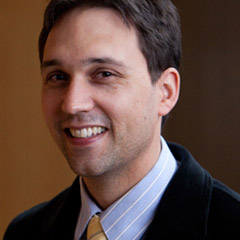
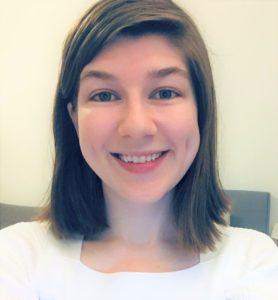
Dr. Michele Hardiman is an Honorary Lecturer in the Nursing Division at Queen Margaret University, where she contributes to person-centred practice development and nursing education. Her PhD research, focusing on person-centred leadership and workplace facilitation frameworks, has been adopted internationally. She holds a Fellow of the Faculty of Nursing and Midwifery (RCSI) and is a member of Sigma Theta Tau International. With 37 years of nursing experience, her career spans clinical practice, leadership roles, and academic contributions. She specializes in practice development, clinical standards, and transitioning nursing students into practice. Key affiliations include the Galway Clinic (Ireland) and the International Community of Practice of Person-centred Research (PcP-ICoP). Her research emphasizes compassionate care, shared decision-making, and organizational culture change. Notable work includes designing electronic nursing records to enhance person-centred care and exploring nurses’ transition experiences through phenomenological methods. Dr. Hardiman’s awards reflect her leadership and scholarly impact, including her role as a practice development facilitator in healthcare settings.
Prof. dr. Barbara van Leeuwen is a full professor at the University of Groningen's Faculty of Medical Sciences, where she leads research in surgical oncology and geriatric care. Her work focuses on optimizing outcomes for elderly cancer patients through innovative surgical approaches and patient-centered care models. Her research spans: Oncologic surgery outcomes and risk stratification Geriatric oncology and frailty assessment Shared decision-making in cancer treatment Arts in health interventions (music therapy) Health economics in surgical oncology Recent publications demonstrate strong focus on melanoma management, sarcoma diagnostics, and perioperative care optimization, with emerging work on non-pharmacological interventions like music therapy for surgical patients. Scientific Recognition: National representative for the International Society of Geriatric Oncology (SIOG) since 2020 She leads two research groups: 'Innovative Clinical Studies and Long-term Treatment Consequences in Cancer' (InClinS) and 'Cure and Care in the Community Context' (FOUR-C), supervising multiple research projects on surgical outcomes and patient-centered care.
Gary McPherson is the Ormond Professor of Music at the University of Melbourne's Melbourne Conservatorium of Music, Australia. A distinguished scholar in music education and psychology, he has held significant academic positions globally including the Marilyn Pflederer Zimmerman Endowed Chair at the University of Illinois and Professor of Creative Arts at the Hong Kong Institute of Education. His educational background includes: Undergraduate training in music education at the Sydney Conservatorium of Music Licentiate (L.T.C.L) and Fellowship (F.T.C.L.) in trumpet performance from Trinity College, London Master of Music Education at Indiana University Doctor of Philosophy at the University of Sydney Professor McPherson's research focuses on understanding how individuals develop musical skills, investigating the biological, cognitive and social processes involved in acquiring musical competencies. His work examines personal, environmental and developmental factors that affect musical development, ability, identity, and wellbeing. He is particularly known for his longitudinal studies tracking musicians' development over time and for establishing interdisciplinary connections across the university through the Music, Mind & Wellbeing initiative. His extensive publication record shows a clear trajectory toward understanding self-regulated learning in music, the psychology of musical performance, and gifted education in music. Recent work emphasizes interdisciplinary approaches, combining insights from psychology, education, and neuroscience to enhance music teaching and learning practices. Professor McPherson has received significant recognition for his contributions: Honorary Life Membership of the International Society for Music Education (ISME) Fellow of the Australian Society for Music Education (ASME) As an educator and mentor, Professor McPherson has supervised numerous doctoral students and early-career researchers. His editorial work includes serving on the boards of major research journals in music education and as Associate Editor for Psychology of Music, Research Studies in Music Education (which he helped establish in 1993), and the Journal of Interdisciplinary Music Studies. He has secured significant research funding for longitudinal studies on musical development and interdisciplinary wellbeing projects. Professor McPherson leads the Music, Mind & Wellbeing initiative at the University of Melbourne, fostering collaboration between music, psychology, and health sciences. His work connects researchers across disciplines to explore how music impacts human development and wellbeing, creating a vibrant research community focused on practical applications of music psychology research.
Dr. Saundra S. Buys is a Professor in the Department of Internal Medicine at the University of Utah School of Medicine. She specializes in Medical Oncology and Hematology, with board certifications from the American Board of Internal Medicine in these subspecialties. Education: MD from Tufts University; B.S. from Northeastern University; Internship, Residency, and Hematology/Oncology Fellowship at University of Utah School of Medicine. Her research focuses on cancer genetics , breast cancer risk assessment , epidemiology , and genetic counseling . Recent work includes studies on digital health tools for genetic services (BRIDGE trial), social vulnerability in genetic service utilization, and physical activity's impact on early-onset breast cancer risk. Publications highlight collaborations in precision oncology , hereditary cancer registries , and genetic variant analysis . She leads trials comparing chatbot vs standard genetic education models and investigates gene-environment interactions in BRCA carriers. Patient testimonials emphasize her compassionate care , professional expertise , and holistic approach to treatment. Reviews consistently praise her timeliness, thoroughness, and patient-centered communication at Huntsman Cancer Center and Sugar House Health Center.
Dr. Procheta Sen is a Lecturer in Computer Science at the University of Liverpool's Faculty of Science and Engineering, Department of Computer Science, where she joined in 2022 as part of the Natural Language Processing research group. Her work focuses on developing transparent, fair, and accessible AI language models through explainability research. She earned her PhD from Dublin City University, Ireland (2021) under supervisor Gareth J.F. Jones, with affiliation at ADAPT Centre Ireland. Prior to Liverpool, she conducted postdoctoral research with Emine Yilmaz in University College London's Web Intelligence Group. Dr. Sen's research spans three explainability categories: post-hoc methods (feature attribution, counterfactuals), mechanistic interpretability (neural network circuit mapping), and intrinsic interpretability (human-readable model design). She targets diverse end-users including clinicians, legal experts, and laypersons, with applications in bias mitigation and socially responsible AI systems. Her work bridges Natural Language Processing, Machine Learning, and Information Retrieval to address real-world challenges in transparency and equity. Analysis of her 2023-2025 publications reveals dominant trends in LLM bias analysis, legal document processing, and adaptive conversational systems. Key themes include mechanistic interpretability for bias detection, retrieval-augmented generation for dialogue systems, and multilingual knowledge extraction—demonstrating consistent focus on making AI both technically robust and socially beneficial across domains like law and finance. Dr. Sen actively advises PhD student Lingfang Li (AAAI 2025 accepted work) and emphasizes compassionate talent development. Her open-source research has been deployed in legal sector applications, and she organizes the annual NLP for Social Good symposium fostering interdisciplinary collaboration for responsible AI. She leads initiatives including the 2025 virtual NLP for Social Good Symposium and collaborates with institutions like Nokia Bell Labs Cambridge, maintaining active research momentum in transparent AI systems.
Sue Johnston-Wilder is an Associate Professor (Teaching Focussed) in the Education Studies department at the Centre for Education Studies, University of Warwick. She is widely recognized as one of Britain's leading experts on mathematics anxiety, with Dame Shirley Conran noting that two government-advising mathematicians identified Johnston-Wilder as "Who in Britain knows most about Maths Anxiety?" Her work focuses on developing mathematical resilience as a positive framework for addressing mathematics anxiety in learners of all ages. Johnston-Wilder's research interests include: Mathematics Education, particularly the role of technology, history and modelling in promoting understanding of mathematical thinking Mathematical Resilience as a construct to address mathematics anxiety Recruitment, retraining, retention and professional development of teachers One-to-one interventions for students and staff with maths or stats anxiety Developing Coaches for Mathematical Resilience Her work with Clare Lee has developed the construct of 'Mathematical Resilience' as a positive framework for working with schools, families, and learners on 'the maths problem'. This construct is built on established psychological theories including those of Dweck, Vygotsky, and Bandura. Mathematical Resilience consists of five positive attributes: understanding the personal value of mathematics, having a good attitude to learning, encouraging a growth mindset, understanding how to work hard, and knowing where to find suitable support. Johnston-Wilder has been involved in significant projects including: A survey of mathematics anxiety among existing apprentices funded by the Gatsby Charitable Foundation (2014) Learning Consultancy research project with Kingswood Secondary Academy (2010) Action research with Swanshurst Girls School (2010) 14-19 Deep Learning project with the British Educational Communications and Technology Agency (2008-2009) Developing a programme to strengthen STEM capabilities and resilience in two districts in South Africa She has collaborated with The Progression Trust and Asdan to develop a programme for developing Coaches for Mathematical Resilience, enabling mathematically anxious adults to support mathematics learners. Her work with the Maths Anxiety Trust features prominently on their website under Resources and Research.
Michael Pirson is Professor and James A. F. Stoner Endowed Chair in Global Sustainability at Fordham University's Gabelli School of Business, where he chairs the Leading People and Organizations area. Having joined Fordham in 2008, he directs both the on-campus and online M.S. in Management programs. His research pioneers humanistic management frameworks, focusing on dignity-centered leadership, sustainable business transformation, and ethical organizational practices. Core interests include reimagining capitalism through stakeholder welfare, promoting well-being in workplaces, and integrating love/compassion into management theory. Pirson's extensive publication record demonstrates consistent exploration of humanistic principles applied to leadership, organizational communication, and sustainable development. Recent works systematically examine dignity measurement, transformative service design, and ethical corporate governance, reflecting interdisciplinary integration across management, psychology, and sustainability studies.
Nasim Salehi is a Professor of Healthcare Innovations at Bond University's Faculty of Health Sciences & Medicine, where she is actively accepting PhD students. With over two decades of combined academic and industry experience, she has established herself as a recognized leader in health promotion and healthcare management. Her professional journey includes significant roles as Associate Professor of Health Management & Leadership at Edith Cowan University (2022-2024), Senior Lecturer & Program Director of the Master of Healthcare Leadership at Southern Cross University (2017-2022), and various healthcare administration positions at Shiraz University of Medical Sciences (2005-2011). Professor Salehi's research interests center on integrated, holistic, and compassionate health services across healthcare, social, and community settings. She advocates for transformative leadership that drives positive changes in personal lives, communities, and society, while championing proactive, sustainable healthcare strategies that emphasize preventive care. Her mission focuses on empowering individuals to take control of their health through evidence-based approaches that have influenced policies at various levels, including contributions to the World Health Organization (WHO). Her recent publication trends demonstrate consistent scholarly output with 34 research outputs and an h-index of 14. Her work spans multiple disciplines including public health, healthcare leadership, disability services, and cross-cultural well-being studies. The 2023-2024 publications reveal a strong focus on women's health in hospital settings, disability services accessibility, life satisfaction predictors, digital education during pandemics, and authentic leadership in healthcare bureaucracies. As a dedicated academic supervisor, Professor Salehi is available for PhD supervision on topics related to healthcare management and leadership, health promotion, and health prevention. Her research has generated significant scholarly engagement with multiple citations across Scopus and substantial readership on platforms like Mendeley. Professor Salehi maintains an active research profile with international collaborations, as evidenced by her work with researchers across different countries. Her academic contributions reflect a commitment to bridging theory and practice in healthcare innovation, with particular attention to leadership development and patient-centered care models that promote holistic well-being.
Professor Debbie Holley leads innovation in technology-enhanced learning as Professor of Learning Innovation at Bournemouth University. Recognized as National Teaching Fellow and Principal Fellow of AdvanceHE. Education Leadership: Former Head of Centre for Excellence in Learning, driving institutional digital transformation through next-generation VLE implementation and pedagogical redesign across faculties. Research explores VR/AR applications in health education, digital wellbeing frameworks, and innovative assessment models. Current projects develop VR interventions for pediatric symptom management and nurse-led service models. Recipient of multiple awards for educational innovation including Senior CMALT and Nursing Times Awards. Advocates for compassionate pedagogy and digital inclusion in higher education. Recent Publications examine metrics in education, OER equity, and complexity in educational research. Leads international collaborations on digital maturity models for institutions.
Heewon Kim is an Associate Professor at the Hugh Downs School of Human Communication, Arizona State University. His research focuses on organizational communication, health communication, and the impact of technology on workplace dynamics. He explores themes such as organizational justice, decolonial theory, and social media's role in global collaboration. His work addresses challenges in equity, employee well-being, and the intersection of technology with healthcare delivery. Key research interests include anticolonial intervention frameworks, compassionate coaching in mHealth, and the structural tensions in diversity initiatives. He investigates how organizational support mitigates burnout among workers and how social media shapes global team connectivity. His interdisciplinary approach bridges communication studies with public health and social justice advocacy. His recent scholarship highlights trends in workplace resilience during crises, decolonizing organizational practices, and the ethical implications of health technology. Despite prolific contributions, no awards or grants are explicitly listed in the provided texts. Advising records and lab affiliations remain undisclosed.
Mitchell D. Feldman, MD, MPhil, is a Professor and Chief of the Division of General Internal Medicine at the University of California, San Francisco (UCSF) School of Medicine. He also serves as Associate Vice Provost for the UCSF Faculty Mentoring Program, underscoring his leadership in academic medicine and faculty development. His educational background includes a BA in Anthropology from Johns Hopkins University, an MPhil in Medical Anthropology from Cambridge University, and an MD from UCSF, where he also completed his residency in internal medicine. Feldman’s research is centered on mentoring in academic medicine, depression care in primary care, and reducing health disparities. His work explores how mentoring and sponsorship can promote equity in academic advancement and how institutional practices affect access to mental health treatment. He has investigated patient-physician communication, depression screening, and the impact of patient requests on clinical decisions. His recent publications (2020–2024) reflect a strong focus on telemedicine, depression screening equity, mentorship evaluation, and organizational culture change in response to physician burnout. These works appear in leading journals such as JAMA Internal Medicine , JAMA Network Open , and Journal of General Internal Medicine . Visiting Professor, Peking Union Medical College, Beijing, China, 2018 Elnora M Rhodes Service Award, Society of General Internal Medicine, 2017 Inducted into Academy of Medical Educators, UCSF, 2015 Best Doctors in America, 2014–2018 Robert H Crede Award for Excellence in Clinical Research, UCSF, 2013 Fellow, American College of Physicians, 2012 Fulbright Research Scholar, Kyoto, Japan, 2011–2012 Feldman has played a significant role in mentoring and faculty development, leading the UCSF Clinical & Translational Science Institute Mentor Development Program and publishing extensively on mentorship quality and evaluation. He has no known advisees listed in the provided texts. He is also deeply involved in editorial leadership as a long-time editor at the Journal of General Internal Medicine . He practices as a general internal medicine physician at UCSF’s Mount Zion campus, where he has been recognized for compassionate, thorough care over decades. He leads initiatives to improve primary care systems using Lean leadership principles and has contributed to understanding HIV care in global settings, particularly in Japan, Thailand, and Zambia.
Abigail Elizabeth Calder is a doctoral candidate in medical neuroscience at the University of Fribourg, Switzerland, affiliated with the Department of Medicine within the Faculty of Mathematics, Natural Sciences and Medicine. Her research focuses on the neuroplasticity effects of LSD in healthy individuals and its implications for psychiatric disorders. She holds an M.Sc. in Neuroscience from the University of Bonn, Germany, where her thesis explored THC's impact on memory in aging mice. Currently active at the MIND Foundation for Psychedelic Science in Berlin, she bridges scientific research with public communication through articles and presentations. Key research areas include psychedelic pharmacology, substance-induced neuroplasticity changes, and therapeutic applications of psychedelics. Her work spans clinical studies, safety protocols in psychedelic research, and ethical considerations in compassionate use programs. Abigail's interdisciplinary approach integrates neuroscience, psychiatry, and pharmacology to advance understanding of psychedelic substances' effects on cognition, emotion, and behavior. Her 15 recent articles cover topics like LSD's adverse effects, genetic determinants of psychedelic responses, and psychedelic therapy for mental health conditions. Though no formal awards are listed, her contributions to psychedelic science communication and clinical research are notable. She maintains active participation in academic networks and contributes to public discourse through platforms like Psychedelic Science Review.
Kay Mafuba is a prominent researcher and academic in the field of learning and intellectual disability nursing, affiliated with the University of West London, where she completed her doctoral thesis in 2013. Her work spans research, education, and policy, with a strong focus on the public health role of nurses, staffing levels, and the measurement of care delivery context. Her educational background includes a Doctoral thesis titled Public health: community learning disability nurses' perception and experience of their roles - an exploratory sequential multiple methods study , which underscores her deep engagement with both clinical practice and academic inquiry. Mafuba's research interests center on intellectual disability nursing, public health nursing, community care, role clarity, carer involvement, and sustainable staffing in healthcare. She has led and contributed to numerous research projects assessing the effectiveness and impact of nursing interventions, often in collaboration with experts like Bob Gates, Hazel Chapman, and Dorothy Kupara. Her recent publications and reports, including a 2023 book Learning and Intellectual Disability Nursing Practice and a series of 2024 papers on nursing contributions, reflect a consistent and impactful scholarly trajectory. These works demonstrate a thematic focus on evaluating nursing roles, synthesizing evidence, and developing practical tools for healthcare improvement. No scientific awards are listed in the provided materials. Mafuba has contributed significantly to nursing education through book chapters, course readers, and conference presentations. She has advised on NHS Improvement initiatives and developed assessment tools like the TCOC-LDS. While no direct mention of student supervision is made, her leadership in research and publications suggests a mentorship role. She has not led any named labs or research centers, but her collaborative projects indicate active team-based research.
Dr. Robert E. Goldsby is a Clinical Professor at the University of California San Francisco (UCSF) , affiliated with UCSF Benioff Children's Hospitals and the Department of Pediatrics . As a pediatric cancer specialist, he directs the UCSF Survivors of Childhood Cancer Program , focusing on long-term care for childhood cancer survivors, particularly those with high-risk sarcomas. Education: B.A. in Neurobiology, University of California Berkeley (1985) M.D. in Medicine, University of Vermont (1991) Dr. Goldsby's research spans pediatric oncology , sarcoma biology , and cancer survivorship , with emphasis on late effects of treatment, secondary malignancies, and treatment outcomes. His work includes population-based studies using SEER and California Cancer Registry data, clinical trials in sarcoma protocols, and patient-centered research on decision-making in adolescent oncology. Key article themes include bone health monitoring in survivors , renal cancer risks , prognostic factors in spinal malignancies , and insurance disparities in sarcoma survival . His research has been funded by the NIH, American Cancer Society, and Hope Street Kids. Scientific Awards: Mentored Clinical Scientist Development Award (NIH K08-CA72731) Compassionate Physician Award (2013) Exceptional Physician Award (2013) Stephanie Berman Award (2014) Dr. Goldsby has led grants from the American Cancer Society (1997–2002), Hope Street Kids (2001–03), and institutional seed grants. He contributes to NCCN clinical guidelines for adolescent and young adult oncology.
David M Carlisle, MD, PhD, is a Professor at Charles R. Drew University of Medicine and Science, with a broad institutional role as his department is listed as "At Large." His research is supported by the NIH, including an active grant as Principal Investigator for the Research Endowment Program (2023–2028) and a prior long-term grant on faculty development and community engagement (2001–2016). His research interests lie primarily in Health Services Research , with a focus on healthcare quality, public reporting of surgical outcomes, data accuracy in clinical reporting, and disparities in end-of-life and pediatric care. He has extensively studied coronary artery bypass surgery reporting, hospice care models, and asthma outcomes in children. The trend in his publications (1998–2010) shows a consistent focus on evaluating healthcare delivery systems, particularly using administrative and clinical data to assess quality of care. His work spans general surgery, palliative care, pediatrics, and public health policy , with recurring themes of equity, data reliability, and patient-centered outcomes. While no formal awards are listed in the provided text, his sustained NIH funding and citations in policy sources reflect significant scholarly impact. He has served as Principal Investigator on major grants, indicating leadership in research and likely involvement in mentoring students and junior faculty, though no advisees are explicitly named. Dr. Carlisle has collaborated with researchers such as Daphne Calmes and Gail Washington, and his work is associated with networks in health services, palliative care, and community health. His research has been referenced in policy and widely read on platforms like Mendeley, underscoring its relevance to both academic and practical healthcare domains.