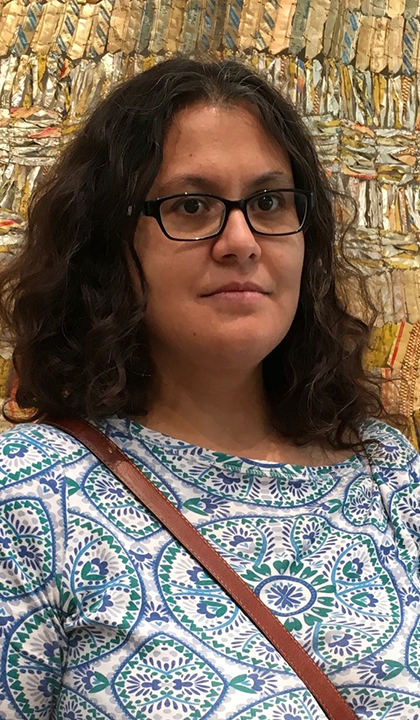
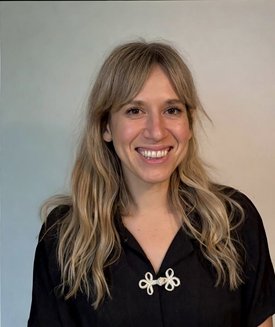
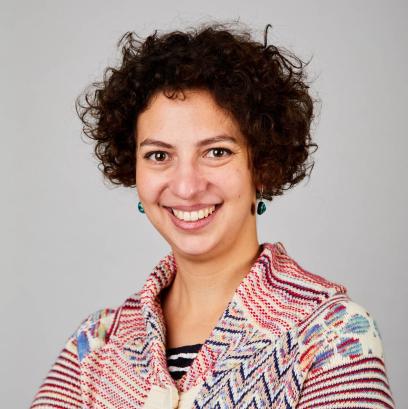
Amy Fuchs, MD is an Associate Professor of Medicine at Drexel University College of Medicine , specializing in Infectious Diseases and HIV Medicine . She also serves as Associate Dean of Student Affairs for Career Advising. MD from University of Pennsylvania School of Medicine Residency in Internal Medicine at Tufts University Fellowship in Infectious Diseases at Tufts University Her research bridges clinical medicine and biochemical innovation, with significant contributions to: Proteasome family evolution Protein detection methodologies Medical education frameworks Recent publications focus on: Archaeal protein systems and their evolutionary connections to human proteasomes In-gel fluorescence techniques for precise protein analysis Educational strategies during institutional crises like hospital closures Scientific awards include: 2013 Golden Apple Awards
Paul Gasser is an Associate Professor in the Department of Biomedical Sciences at Marquette University, where he has been a faculty member since 2007. He received his Ph.D. in Biology from Arizona State University in 2005 and conducted postdoctoral research at the University of Bristol’s Henry Wellcome Laboratories for Integrative Neuroscience and Endocrinology. Ph.D. in Biology, Arizona State University (2005) Dr. Gasser’s research investigates how stress hormones (glucocorticoids) and monoamine neurotransmitters (e.g., norepinephrine) alter neuronal and glial cell structure/function, with implications for stress adaptation and disease pathophysiology. His work spans subcellular receptor localization, gene expression regulation, and neurochemical dynamics in conditions ranging from neuropsychiatric disorders to cancer. Key research trends from his publications include adrenergic receptor signaling, organic cation transporter (OCT3) mechanisms, corticosterone-dopamine interactions, and stress-induced modulation of neural plasticity. His recent studies (2025–2024) focus on intracellular β2-adrenergic receptor regulation of synaptic plasticity and nuclear PKA signaling in astrocytes. Scientific achievements include: National Science Foundation International Research Fellowship Dr. Gasser teaches biochemistry and neuroscience courses to undergraduate and graduate students. His laboratory personnel include graduate students Jenree Maglasang and Brendan Fosgitt, and technician Michael Szymanski. Current projects explore adrenergic receptor localization, gene expression regulation in astrocytes/glioma cells, and stress hormone impacts on neurotransmitter dynamics.
Helen De Cruz is a Professor of Philosophy and the Danforth Chair in the Humanities at Saint Louis University's College of Arts and Sciences. Her research focuses on the philosophy of religion, cognitive science, and experimental philosophy. She holds a PhD from the University of Groningen (2011) and the Free University of Brussels (2007), and a Master’s from Ghent University (2000). Her work bridges philosophy with empirical sciences, examining topics like religious cognition, science-religion interactions, and the cognitive foundations of moral and theological reasoning. De Cruz has received significant grants, including a John Templeton Foundation grant (2017–2020) for research on evolution and ethics, and a British Academy Postdoctoral Fellowship (2013–2015). She serves as Executive Editor for the Journal of Analytic Theology and Managing Editor for Faith and Philosophy . Her publications include influential books like Religious Disagreement (2019) and A Natural History of Natural Theology (2015, co-authored). Her research interests emphasize interdisciplinary approaches to religious belief, including studies on intuitive reasoning, epistemic disagreement, and the cognitive underpinnings of theological concepts. She explores how evolutionary and cognitive perspectives inform debates about religious diversity, scientific practice, and moral philosophy. Her recent work also engages with science fiction, aesthetics, and global philosophical traditions to broaden philosophical inquiry.
Snorre Olaussen is a researcher at UNIS (University Centre in Svalbard) with affiliations to the ARCEx Research Centre for Arctic Petroleum Exploration and the Norwegian CCS Research Centre (NCCS) . His work focuses on: Siliciclastic and carbonate sedimentology Sequence stratigraphy and basin analysis Petroleum geology and CCS (Carbon Capture and Storage) Arctic and North Atlantic regional studies Research projects include: Suprabasins (with University of Oslo) LoCrA and JuLoCrA (industry-sponsored Barents Sea studies) Triassic North and Upper Paleozoic basins (with NTNU, UiT, and international partners) His scientific work addresses unconventional CO2 storage reservoirs, mixed siliciclastic-carbonate systems, and Arctic paleoenvironmental reconstructions.
Elena Rossi is an Associate Professor at the University of Modena and Reggio Emilia, Department of Engineering Sciences and Methods. She specializes in Applied Mathematics and Mathematical Analysis, focusing on Partial Differential Equations, Traffic Flow Models, and Mathematical Biology. Her teaching includes Mathematical Analysis B for Mechatronics Engineering and Mathematics for Technologies in Intelligent Industry, emphasizing differential calculus, Laplace transforms, and computational tools like Python and MATLAB. She contributes to research on hyperbolic-parabolic systems, epidemiological modeling, and optimal control strategies for biological systems. Her work integrates theoretical analysis with practical applications in traffic management, cancer therapy, and environmental science. ORCID: 0000-0002-3565-4309 Research Interests: Traffic Pollution Management, Optimal Control in Biology, Nonlocal Models in Engineering Her articles explore topics such as predator-prey dynamics, district heating networks, and vaccine strategies, demonstrating interdisciplinary approaches to real-world challenges. Teaching materials include detailed course syllabi on mathematical analysis and computational tools, supporting student learning through theoretical and practical exercises.
Heather Meyer is an Assistant Professor in the Department of Biology at Syracuse University's College of Arts and Sciences. She holds a Ph.D. in Genetics, Genomics, and Development from Cornell University and a B.A. in Premedical Sciences from Sarah Lawrence College. Her research focuses on plant molecular and cell biology, specifically investigating how organisms detect and respond to environmental changes. Research interests include: Role of intrinsically disordered proteins in environmental sensing Biomolecular condensation mechanisms Thermosensitive flowering time regulation in Arabidopsis Prion-like proteins as molecular memory devices Her publications focus on plant environmental sensing mechanisms, cellular patterning, and protein phase separation, with recent work exploring thermosensitive protein condensation in flowering time regulation. She leads the Meyer Lab, which integrates live-cell imaging with molecular genetics to study adaptation mechanisms.
Sam Oliveira is an Assistant Professor of Nanoengineering at the Joint School of Nanoscience and Nanoengineering (JSNN) at North Carolina A&T State University. His research focuses on synthetic microbial communities, microfluidics, and co-design automation of biological systems. He leads the Oliveira Lab, which engineers synthetic microbiomes and microenvironments to address challenges in healthcare, agriculture, and environmental science. Education: Ph.D. in Bioengineering (implied via title and publications). Research interests include single-cell microscopy, biodevices, organ-on-a-chip technology, and spatial-temporal dynamics of microbial behaviors. His work integrates computational modeling, genetic engineering, and microfluidic tools to study gene-environment interactions. Publications span synthetic biology, genetic circuit design, and microbial systems biology, with recent focus on automation frameworks and temperature-dependent genetic regulation. Awards include the 2024 NCAT Excellence in Research Award and NSF grants. He co-founded Doroth, a startup addressing agricultural biotechnology challenges, and advises local bioengineering initiatives. Teaches NANO 706 – Systems and Computational Biology and NANO 853 – Microfluidics and Biological Applications Grants: $1.4M NSF Collaborative Research, $0.5M FAPESP funding Labs: Oliveira Lab ( oliveiralab.me ) focuses on microbial communication and synthetic biology applications
Cristina E. Molina is a researcher affiliated with the Medizinische Fakultät der Universität Hamburg at the Universitätsklinikum Eppendorf (UKE). Her work focuses on cardiac electrophysiology, atrial fibrillation mechanisms, and calcium handling in cardiomyocytes. She investigates cAMP and cGMP signaling pathways in health and disease, particularly their roles in arrhythmogenesis and cardiac remodeling. Her research integrates molecular, cellular, and translational approaches, including live cell imaging of cyclic nucleotides, fibroblast proliferation dynamics in lung fibrosis models, and preclinical drug evaluation using patient-derived xenografts. She also studies the impact of atrial fibrillation on ventricular function and explores novel therapeutic targets involving phosphodiesterases (PDE3, PDE4, PDE8) and potassium channel regulation. Key contributions include defining pathological niches in lung diseases via spatial transcriptomics and elucidating how mechanical stress and adenosine receptor activation contribute to arrhythmias. Her interdisciplinary work bridges basic science and clinical cardiology, aiming to improve understanding of cardiovascular pathophysiology and develop new diagnostic/therapeutic strategies.
Pierre Olivier is a Senior Lecturer in Computer Architecture specializing in virtualization, hypervisors, systems security, and unikernels. He is affiliated with the Advanced Processor Technology group and has contributed to 37 research outputs since 2017. His work spans embedded systems, cloud computing, and hardware-software co-design, with a focus on improving performance, security, and energy efficiency. Research Interests: Olivier's expertise includes virtual machine optimization, secure software compartmentalization, and cross-architecture execution. His projects, such as HermiTux (a binary-compatible unikernel) and HEXO (offloading compute workloads), highlight his commitment to advancing edge computing and heterogeneous architectures. He collaborates internationally on topics like memory protection and vulnerability mitigation. Key Achievements: He has received the Best Paper Award (2019) and Distinguished Artifact Award (2022) for contributions to unikernel and security research. His work on FlexOS and Secure Code for Capability Hardware (SCorCH) demonstrates his role in advancing secure operating system design. Grants and Projects: Olivier leads or participates in major initiatives like the Centre for Digital Trust and Society and SCorCH, focusing on interdisciplinary cybersecurity and hardware-aware software systems. His datasets, including HermiTux on GitHub, are widely referenced in academic research. Labs/Teams: He contributes to the SCorCH team and collaborates with institutions on projects like Multi-Variant Execution and Heterogeneous-ISA container migration, emphasizing practical applications of theoretical research.
Moritz Nowack is a Full Professor at Ghent University and VIB Group Leader in the Center for Plant Systems Biology. His research focuses on programmed cell death (PCD) in plants, particularly its roles in development, immunity, and reproduction. He leads a team of postdocs, PhD students, and technical staff investigating PCD mechanisms in model organisms like Arabidopsis and maize. Key research areas include root cap dynamics, seed longevity, and programmed cell death regulation in reproductive tissues. His academic progression includes roles as Assistant Professor (2013–2018), Associate Professor (2018–2020), and Full Professor (since 2020). He has published extensively on PCD, including landmark studies on anther opening, Marchantia metabolites, and endosperm development. The lab collaborates internationally and contributes to translational research in plant biology and agriculture. Lab members include PhD candidates Dawei Zhao and Geng Sun, postdocs Eugenia Pitsili and Achintya Kumar Dolui, and technical support like Freya De Winter. Research emphasizes systems biology approaches to unravel genetic and molecular networks underlying plant PCD, with potential applications in crop improvement and stress resilience. Future work aims to advance understanding of PCD in plant immunity, seed viability, and developmental precision. The lab hosts regular seminars and participates in interdisciplinary projects at VIB and Ghent University.
Damya LAOUI is a Research Professor and VIB-groupleader at the Vrije Universiteit Brussel, where she leads the Lab of Dendritic Cell Biology and Cancer Immunotherapy associated with the Inflammation Research Center. She has held significant academic positions including Research Professor (10% BOF-ZAP) since 2018 and began her tenure track as a BOF-ZAP & Collen Francqui Professor in 2020. Her research focuses on understanding the immune compartment in tumors with particular emphasis on dendritic cells and their potential as therapeutic targets against tumor progression, relapse, and metastasis. She investigates the heterogeneity of tumor-derived conventional dendritic cells (cDCs) and their roles in mounting T-cell responses. Her pioneering work published in Nature Communications (2016) identified and characterized different cDC subpopulations in tumors, demonstrating their utility as novel cell-based cancer therapies. Subsequent research revealed differential roles of cDC1 and cDC2 in CD8+ T-cell responses upon αCD40 therapy and identified new Treg-stimulating DC phenotypes. Analysis of her recent publications (2024-2025) reveals a strong focus on tumor microenvironment complexity, dendritic cell heterogeneity across cancer types, and novel immunotherapeutic approaches. Her work spans multiple cancer models including lung, ovarian, and colorectal cancers, with emphasis on myeloid cell biology, immune cell interactions, and translational applications of basic immunological findings. Scientific Awards and Recognition: BOF-ZAP Professorship Collen Francqui Professorship VIB-groupleader position Her laboratory utilizes advanced techniques including scRNA-seq, CITE-seq, spatial transcriptomics, and functional assays in orthotopic cancer models for breast, lung, and ovarian cancers. She has established expertise in both fundamental understanding of dendritic cell activity and their relation to other cell types within the tumor microenvironment, with ongoing projects focused on improving cDC therapy and bringing it to clinical application.
Dr. Livia de Lucca Camargo is an Honorary Research Fellow at the University of Glasgow's School of Cardiovascular & Metabolic Health. Her research focuses on vascular biology and hypertension, particularly investigating mechanisms involving oxidative stress, NADPH oxidase isoforms (Nox1, Nox5), protein disulfide isomerase (PDI), and redox signaling pathways. She has contributed to understanding how these factors contribute to vascular dysfunction in hypertension and cardiovascular diseases. Her work also explores stem cell-derived vascular models and the role of TRPM7 channels in electrolyte regulation and inflammation. Key areas: NADPH oxidase regulation, vascular smooth muscle cell biology, oxidative stress in hypertension, redox signaling cross-talk, and molecular mechanisms of cardiovascular pathologies. Recent studies highlight TRPM7's role in aldosterone-salt induced damage and Nox1/PDI interplay in hypertension. Her research integrates molecular biology, cellular physiology, and translational approaches to uncover disease mechanisms. She has collaborated extensively with Prof. Rhian Touyz and the Montezano group on vascular dysfunction projects. Key findings include the protective role of TRPM7 against fibrosis and the importance of cholesterol microdomains in Nox isoform regulation. Her work bridges basic science and clinical implications in cardiovascular health.
Kangni Chen is a researcher at Wageningen University & Research , affiliated with the Food Quality and Design department. She holds a master’s degree from China Agricultural University and is currently supervised by Prof. Dr. Vincenzo Fogliano , Dr. Antonio Dario Troise , and Dr. Ashkan Madadlou . Her research focuses on the Maillard reaction and the development of green, sustainable miniaturized reactors using fully aqueous emulsions (W/W) and natural deep eutectic solvents (NADES) . The project aims to control reactant compartmentalization for optimized yield and recovery of reaction products, such as Amadori compounds. The Food Quality and Design department supports her work, which aligns with broader goals of environmentally friendly chemical processes in food science.
Nabab Khan is an Associate Research Scientist in the Department of Neuroscience at Yale School of Medicine, focusing on molecular mechanisms of viral pathogenesis and neurodegenerative disease. Their research explores endolysosomal regulation in SARS-CoV-2 and HIV-1 infection dynamics. Institutional Affiliation: Yale School of Medicine, Yale University Research Themes: Endolysosomal pH regulation, iron homeostasis, viral entry mechanisms, HIV-1 neurodegeneration Current work investigates how endolysosomal iron release and pH modulation affect mitochondrial dysfunction and viral replication across multiple pathologies. Computational approaches like molecular dynamics simulations complement biochemical analyses. Specific projects include: Regulation of SARS-CoV-2 entry via SLC38A9 Aurora kinase A's role in amyloid β processing HIV-1 Tat protein's lysosomal escape mechanisms Therapeutic potential of dimethoxycurcumin in viral diseases Interactions between endolysosomal stress and neurodegenerative pathways
Dr. Barbara Clough is a Postdoctoral Research Fellow at the Institute of Microbiology and Infection (IMI) within the College of Life and Environmental Sciences at the University of Birmingham. She works in Dr. Eva Frickel’s laboratory, focusing on the cell intrinsic immune response to intracellular pathogens, particularly Toxoplasma gondii , using high-content fluorescent microscopy and advanced analytical techniques. Her research explores interferon gamma (IFNg)-mediated host defense mechanisms and the interplay between host cells and pathogens. Barbara holds a PhD in Parasitology from the National Institute for Medical Research, London, and a BSc in Medical Cell Biology and Biochemistry from the University of Liverpool. She is also a Fellow of the Higher Education Academy (FHEA). Her career spans post-doctoral fellowships at St Mary’s Hospital Medical School and the Francis Crick Institute, where she contributed to studies on malaria pathogenesis and host-parasite interactions. Her research interests include innate immunity, host-pathogen interactions, and the application of artificial intelligence for analyzing host-pathogen systems. She supervises undergraduate and postgraduate students in Biochemistry and Microbiology programs and teaches within the MSci and MSc curricula. Barbara’s work integrates cutting-edge microscopy, proteomics, and computational tools to uncover mechanisms of immune defense against pathogens like Toxoplasma and Salmonella . Her contributions include defining roles for guanylate-binding proteins (GBPs) in pathogen control and elucidating ubiquitination pathways in IFNg-driven immunity.