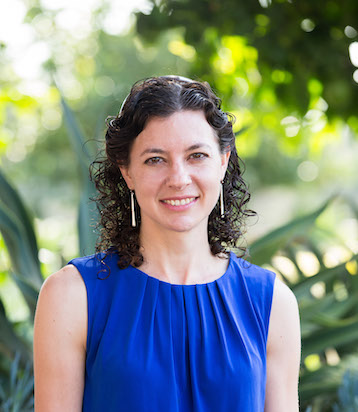
Danae Schulzمشاهده پروفایل
دانشیار
- Parasitology
- Molecular Biology
- Gene Regulation
- +۵ مورد دیگر
Danae Schulz is an Associate Professor of Biology at Harvey Mudd College, where she conducts research on the African trypanosome, a protozoan parasite that causes sleeping sickness in humans and nagana in cattle. She teaches courses including Molecular Biology Lab, Topics in Biochemistry and Molecular Biology, Molecular Immunology, Introduction to Biology, and Biology Laboratory. Her educational background includes: B.A. in Biology from Tufts University B.M. in Violin Performance from New England Conservatory Ph.D. in Molecular and Cell Biology from University of California Berkeley Postdoctoral Research Fellowship at Rockefeller University Visiting Assistant Professor position at Bard College Danae's research focuses on understanding how African trypanosomes reprogram themselves to adapt as they move between the differing environments of the tsetse fly midgut and the mammalian bloodstream. Her work aims to identify the molecular mechanisms that drive these life cycle transitions, with an eye toward manipulating these adaptations to generate new therapies for trypanosome infections. She employs a combination of molecular biology techniques, genomic approaches, and computational analysis in her research. Analysis of her recent publications reveals a strong focus on chromatin biology, epigenetic regulation, and gene expression control in trypanosomes, with increasing translational applications. Her work spans from fundamental molecular mechanisms of parasite adaptation to potential therapeutic approaches targeting bromodomain proteins and other regulatory factors. The research shows progression from basic characterization of molecular pathways to more applied studies seeking therapeutic interventions, with significant undergraduate student involvement across all projects. Her notable scientific achievement includes: NSF CAREER grant for research "Characterizing molecular mechanisms that drive life cycle transitions in the African trypanosome" Danae actively mentors undergraduate students in her research lab, with students contributing as co-authors on numerous publications. Her lab has received funding from the NSF to support student researchers and a technician, enabling more students to engage in meaningful research experiences. She is also involved in multidisciplinary efforts to detect and counteract emerging pathogens, including participation in the Mitigating Zoonotic Threats conference sponsored by the Research Corporation for Science Advancement and the U.S. Department of Agriculture, where she proposed innovative approaches to parasite resistance using CRISPR technology. The Schulz Lab uses the African trypanosome as a model system to understand how organisms reprogram themselves in response to changes in their environment. The lab combines bench science with computational analysis, taking advantage of Harvey Mudd students' strong skills in computer programming. Current research directions include investigating how parasites adapt to different environments, with potential applications for fighting diseases like African trypanosomiasis, which affects regions of Sub-Saharan Africa where the disease is endemic with an estimated economic burden of over $2 billion per year due to livestock losses.