Svetlana Gorshenina is a prominent Research Professor at EUR'ORBEM (CNRS/Sorbonne Université, UMR 8224) in Paris. A Soviet-born Swiss historian and art historian, she specializes in Central Asian history , particularly focusing on Turkestan from the 19th century through early Soviet rule and cultural heritage studies. Her academic journey spans multiple institutions: she holds a 1996 PhD from Tashkent State University , a 2007 doctorate from University of Lausanne and Paris I-Sorbonne , and a 2016 habilitation in cultural heritage from INALCO . Her career includes research/lecturing positions at Collège de France , École normale supérieure , EHESS , University of Lausanne , and University of Manchester under Swiss National Science Foundation grants. Research interests center on historical geography , cultural heritage preservation , and colonial historiography . Her work examines the evolution of Central Asia as a concept, Soviet-era heritage, and visual documentation through historical photography. She co-founded the Alerte Héritage Observatory and curated exhibitions on Central Asian archaeology and photographic history.
Jean Hearst Ashburn, MD is an Associate Professor in the Department of Colon and Rectal Surgery at Wake Forest University School of Medicine . She practices at multiple locations including Janeway Tower Medical Center (Winston-Salem), Inflammatory Bowel Disease Multidisciplinary Clinic, and Surgical Specialists - High Point. Education: MD from Wake Forest University School of Medicine (2006) Training: General Surgery Residency at University of North Carolina Hospitals (2011), Colorectal Surgery Fellowship at Cleveland Clinic (2012-2013) Certifications: Board Certified in Surgery and Colon & Rectal Surgery Dr. Ashburn specializes in colorectal surgery with focus areas including: Inflammatory Bowel Disease (IBD) management Ileal pouch-anal anastomosis (IPAA) procedures Anal sphincter dysfunction treatment Restorative proctocolectomy Surgical oncology for colorectal cancers Regenerative medicine applications Her research spans 2018-2020 with publications analyzing: Postoperative steroid taper protocols and complications Comparative outcomes for laparoscopic vs open IPAA Fistulizing Crohn's disease management Long-term quality of life metrics Surgical conversion risks Functional outcomes in colorectal patients She maintains affiliations with: Wake Forest Institute for Regenerative Medicine American Society of Colon and Rectal Surgery World Council for Enterostomal Therapists Collaborative Group of the Americas
Raquel Lieberman is a Professor at the Georgia Institute of Technology, holding the Sepcic-Pfiel Chair in Chemistry. Her lab investigates the molecular mechanisms of protein misfolding and membrane enzymology, with a focus on diseases like glaucoma and Alzheimer's. She can be reached at raquel.lieberman@chemistry.gatech.edu. B.Sc., Massachusetts Institute of Technology (1998) M.S., Northwestern University (1999) Ph.D., Northwestern University (2005) Postdoctoral Research Fellow, Harvard Medical School/Brandeis University (2005-2007) Research Interests: Protein misfolding and aggregation in glaucoma (myocilin) Intramembrane proteases in neurodegenerative diseases Structural and biophysical characterization of membrane enzymes Scientific Awards: PEW Scholar in Biomedical Sciences (2010) Blanchard Fellowship (2010) Rosalinde & Arthur Gilbert/AFAR New Investigator Award (2009) NSF CAREER Award (2008) Glaucoma Research Foundation Shaffer Award (2008) ACS Nobel Laureate Signature Award for Graduate Education (2006) NIH Postdoctoral Fellowship (2005) The Lieberman lab employs crystallography, neutron scattering, and proteomics to study protein folding and membrane enzymology. They are pioneering pharmacological chaperone discovery for glaucoma therapeutics and structural characterization of intramembrane proteases, with recent work focusing on AI-driven mutation classification and lipid-dependent enzyme oligomerization.
Cody Sheik is an Associate Professor in the Department of Biology at the University of Minnesota Duluth , affiliated with the Swenson College of Science and Engineering. His research integrates microbial ecology, genomics, and geochemistry to study aquatic environments, with a focus on microbe-water-rock interactions and carbon/nitrogen/sulfur cycling. Research Highlights : Subsurface microbiome biogeography (Deep Carbon Observatory projects) Sulfur cycling in Lake Superior sediments and hot springs Harmful algal bloom dynamics and microbial interactomes Iron mine and hydrothermal plume microbial ecology Teaching : General Microbiology (BIOL 3502) Bioinformatics for Biologists (BIOL 4201/5201) Geobiology: Slime Through Time (GEOL 4095/5095) Current Students : Emily Hyde (M.S., Integrated Biosciences) Jennifer Knack (Ph.D., Integrated Biosciences) Kaela Natwora (M.S., Integrated Biosciences)
David van Duin, MD, PhD, is a Professor of Medicine at the University of North Carolina (UNC) School of Medicine. He serves as Director of the Immunocompromised Host Infectious Diseases Section and Associate Chief of the Immunocompromised Host Infectious Disease Service. Affiliated with UNC Lineberger Comprehensive Cancer Center, his work focuses on multi-drug resistant Gram-negative bacteria and infections in immunocompromised patients. Education: MD and PhD from University of Amsterdam, Residency at Jacobi Hospital, Fellowship and PhD at Yale University. Clinical Affiliation: UNC Health, Director of Immunocompromised Host ID Service. Research Interests: Dr. van Duin investigates antimicrobial resistance mechanisms in Gram-negative pathogens, particularly carbapenem-resistant Enterobacterales (CRE), Pseudomonas aeruginosa , and Acinetobacter baumannii . His studies explore community origins of drug resistance, host-pathogen interactions in immunocompromised individuals, and novel therapeutic approaches like beta-lactamase inhibitors. Current projects include real-world effectiveness of ceftazidime/avibactam versus ceftolozane/tazobactam, and phage therapy applications. Scientific Contributions: He leads the MDRO Network of the Antibacterial Resistance Leadership Group, previously completing the CRACKLE consortium on carbapenem resistance. His work spans molecular epidemiology, clinical trial design, and public health implications of antibiotic resistance. Key Awards: Clarivate Analytics Highly Cited Researcher (2023, 2024). Leadership: PI for multiple NIH-funded grants on drug-resistant infections. Labs & Collaborations: Based at UNC Bioinformatics Building, he collaborates with international institutions on global CRE spread, US hospital networks, and Japan's infection trends. His team integrates genomic analysis, clinical data, and mathematical modeling to address antimicrobial resistance challenges.
Tessa Andermann, MD, MPH is an Assistant Professor in the Department of Medicine, Division of Infectious Diseases at the University of North Carolina at Chapel Hill School of Medicine. She is a physician-scientist specializing in translational approaches to understand microbially-related complications of hematopoietic stem cell transplantation (HCT) and cellular immunotherapy. Her research focuses on gut microbiome interactions, particularly host-microbiome mechanisms underlying infections and graft-versus-host disease in cancer patients. She employs advanced sequencing and bioinformatic technologies to investigate these relationships, with recent work examining secondary bile acids in myeloma supported by a CGIBD Pilot/Feasibility Award. Prior to joining UNC in 2019, she developed expertise in gut microbiome research at Stanford under Ami Bhatt. Her publication record shows a strong focus on microbiome dynamics in transplant settings, antimicrobial resistance, and novel therapeutic interventions. Recent work includes clinical trials of probiotics for COVID-19 exposure and studies on CD30 CAR-T cell therapy complications. Her research bridges clinical infectious diseases with cutting-edge microbiome science. Scientific Recognition: Pilot and Feasibility Award 2022 from the Center for Gastrointestinal Biology and Disease (CGIBD) Dr. Andermann maintains active collaborations with multidisciplinary mentors including Anthony Fodor and Casey Theriot at CGIBD, as well as experts in microbiology, hematology, oncology, and bioinformatics. She has contributed significantly to Blood and Marrow Transplant Clinical Trials Network publications and serves as a key investigator in several clinical trials examining microbiome interventions in immunocompromised hosts. Her laboratory work focuses on biorepository development and clinical trial design for microbiome-based interventions, with particular emphasis on translating basic science discoveries into clinical applications for transplant patients.
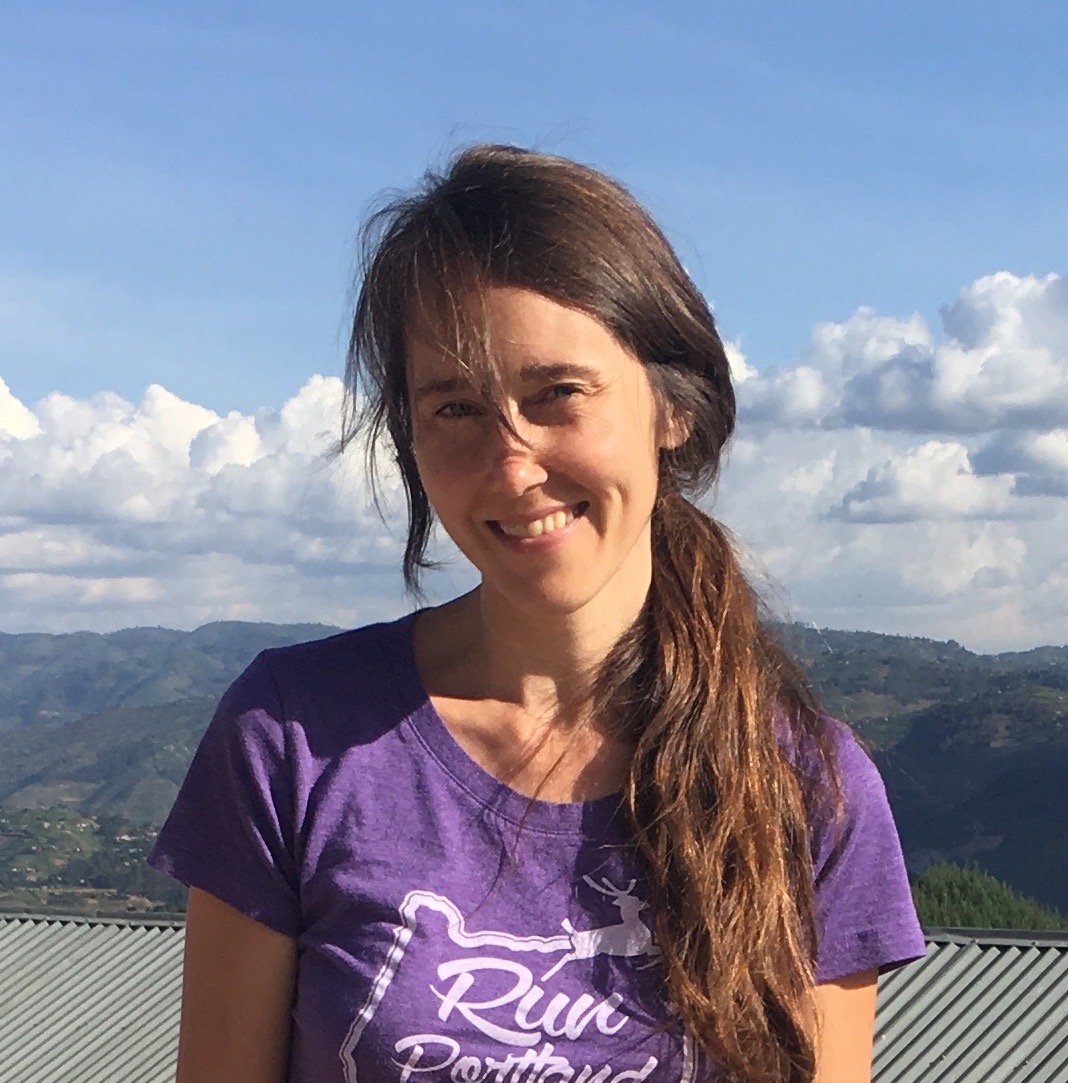
Elise Morton is an Assistant Professor in the Department of Biological Sciences at Fairleigh Dickinson University. Her research focuses on avian ecology, behavior, and conservation, integrating field biology, quantitative models, and ecological theory to study biological population responses to environmental variables. Research Highlights: Investigating bird communities in the Albertine Rift of East Africa, a globally significant biodiversity hotspot Collaborating with the Wildlife Conservation Society – Rwanda and the Institute for Tropical Forest Conservation in Uganda Exploring avian eye color evolution, artificial light effects on roosting behavior, and partial migration patterns Article Trends: Recent publications emphasize urban ecology (ALAN effects), tropical biodiversity analysis, and methodological advancements in wildlife monitoring. Earlier works span microbial genetics (Agrobacterium studies) and disease ecology research. Academic Background: Holds a BS from West Virginia University and a PhD from Indiana University.
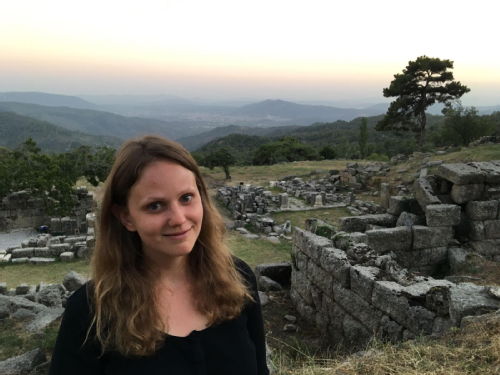
Naoise Mac Sweeney is a Professor in the Department of Classical Archaeology at the University of Vienna, serving as Deputy Head. Her research bridges classical archaeology with broader Mediterranean and Near Eastern studies, focusing on cultural identities, intercultural contacts, and the reception of antiquity. Current projects include the West Area of Samos Archaeological Project (WASAP) and the Lower Göksu Archaeological Salvage Survey in Turkey. Key teaching areas: Archaeology of Troy, Greek archaeology, and fieldwork methodologies. Her scholarly work examines how ancient communities navigated identity construction through material culture, settlement patterns, and mythological narratives. Recent publications analyze the Syro-Anatolian culture complex, explore regional identities in Ionia, and interrogate modern political uses of classical antiquity. While her fieldwork contributions to Bronze Age and Iron Age Anatolia are significant, she also engages critically with contemporary debates around ethnicity, colonialism, and the legacy of classical scholarship. Her 2023 monograph The West: A New History of an Old Idea challenges foundational myths of Western civilization.
Adam Schwartz serves as Associate Professor in the Department of Greek and Latin at the SAXO Institute, Faculty of Humanities, University of Copenhagen. Employed continuously since 2005, he progressed from PhD candidate to postdoctoral fellow and temporary associate professor before securing his permanent position in 2013, demonstrating deep institutional integration across nearly two decades of research and teaching. His academic foundation was built at the University of Copenhagen: PhD in Classics (2005), dissertation: "Re-staging the hoplite. Arms, armour and phalanx fighting in Archaic and Classical Greece" MA in Classics (2001), thesis: "Deuteros plous: en analyse af den aristoteliske forfatnings type politeia" Admitted to Department of Greek and Latin (1994) Professor Schwartz specializes in Ancient Greek history, particularly the Archaic period (c. 750-300 BCE). His research examines military institutions, hoplite warfare tactics, socio-religious dimensions of combat, the "Homeric society," oral poetic traditions, and early literacy emergence in predominantly oral cultures. Current projects include comparative studies of early literacy across oral societies and a complete Danish translation of Thucydides' History of the Peloponnesian War. His interdisciplinary approach combines philological analysis with historical and archaeological perspectives to reconstruct ancient Greek societal structures. Recent publications reveal consistent focus on hoplite warfare mechanics and early literacy development. Articles dissect specific elements like hoplite footwear and analyze archaeological reliefs depicting warriors, while book chapters contextualize city-states within the Archaic Greek world. His translation work and critical reviews demonstrate dual commitment to primary source accessibility and academic discourse, revealing a trajectory deepening understanding of Greek military culture and literacy's societal impact. No specific scientific awards or major grants are documented in the provided materials. However, Schwartz maintains active scholarly engagement through conference presentations and media appearances that extend his research impact beyond academia. As an educator, Schwartz emphasizes public outreach through translation and media contributions. His podcast appearances on early Greek literacy and hoplite warfare demonstrate dedication to making ancient history accessible. While formal advising roles aren't detailed, his teaching responsibilities within the Department of Greek and Latin undoubtedly shape future classics scholars through rigorous philological training. The SAXO Institute provides Schwartz's primary research environment, fostering collaboration across archaeology, ethnology, philology, and history. This interdisciplinary setting supports his integrative approach to studying ancient Greek society through multiple methodological lenses, particularly valuable for examining the intersection of military practice and cultural development.
Dr. Anita Vidács is an Associate Professor at the University of Szeged, Faculty of Engineering, where she works at the Institute of Food Engineering. She serves as the coordinator for the English-language MSc program in Food Science and Technology Engineering and the IISMA program. Her office is located at Szeged, Mars tér 7. ("A" building, microbiology laboratory, room 223). Her educational background includes: Quality Management Engineer from Budapest University of Technology and Economics (2019-2020) PhD in Biological Sciences from University of Szeged, Department of Microbiology, Faculty of Natural Sciences and Informatics (2013-2018), with research on "Investigation of the disinfectant and antimicrobial effects of essential oils used in the food industry" Master of Science in Food Engineering from University of Szeged, Faculty of Engineering (2011-2013) Bachelor of Science in Food Engineering from SZTE, Faculty of Engineering (2007-2011), with Erasmus study at University of Copenhagen, Faculty of Life Sciences (2009-2010) Dr. Vidács specializes in food microbiology and safety, with a particular focus on antimicrobial properties of essential oils , bacterial biofilm formation and elimination , and food preservation techniques . Her research explores natural alternatives to chemical disinfectants in food processing environments, investigating how essential oils can prevent or eliminate biofilms on industrial surfaces. She also studies edible coatings for food preservation, potential uses of edible insects in the food industry, and quality safety analysis of food processing plants. Her publication record shows a consistent focus on natural antimicrobial agents, particularly essential oils, and their applications in food safety. The most recent works (2020-2022) emphasize edible coatings and eco-friendly preservation methods, while earlier publications (2014-2017) focused more on biofilm elimination using essential oils. Her research demonstrates a progression from fundamental studies of antimicrobial effects toward practical applications in food technology. Dr. Vidács has received numerous scientific awards and recognitions: XIV. International Research Conference Certificate Of Best Presentation Award (2020) Dékáni Dicséret (Dean's Commendation) (2019) Dékáni Elismerő Oklevél (Dean's Recognition Diploma) (2017) Nemzet Fiatal Tehetségeiért Ösztöndíj (National Young Talent Scholarship) (2016, 2017, 2019) International Federation of Essential Oils and Aroma Trades Registration Fellowship award (2015) Campus Hungary Scholarship (2013, 2015) Hungarian Academy of Sciences, Szeged Regional Committee: Young Researcher Diploma (2014) Scientific Student Association Conference: 2nd place (2012, 2010) Dr. Vidács is actively involved in mentoring students, providing thesis topic guidance in microbiology, food safety, and food shelf life. She has participated in significant research projects including GINOP-2.2.1-15-2017-00037 on "Utilization of national volcanic raw materials in environmental protection" (2017-2019) and EFOP-3.4.3.-16-2016-00014 on "Innovative development of the educational and service performance of the University of Szeged" (2018-2019). She serves on the University of Szeged Faculty of Engineering Scientific Committee (2018-2022) and as Secretary of the SZAB Technical Committee Food Engineering Working Committee (since 2018). Her laboratory work focuses on food microbiology, with research conducted in the microbiology laboratory (room 223) at the "A" building on Mars tér 7. Her team investigates bacterial adhesion on different surfaces, examination and removal of bacterial biofilms from industrial surfaces, and testing the antimicrobial effect of various natural compounds.
Priscila Regina Guerra serves as an Assistant Professor in Veterinary Clinical Microbiology within the Department of Veterinary and Animal Sciences at the University of Copenhagen's Faculty of Health and Medical Sciences. Her research program focuses on bacterial pathogens affecting food-producing animals, with particular emphasis on swine and poultry health. Dr. Guerra's research interests include: Veterinary vaccine development against bacterial pathogens Molecular mechanisms of bacterial virulence and host-pathogen interactions Antimicrobial resistance in animal production systems Food safety implications of zoonotic pathogens Novel delivery systems for antimicrobial compounds Her publication record from 2020-2025 reveals a strong focus on Salmonella and Escherichia coli pathogenesis, with significant work on Lawsonia intracellularis in piglets. She frequently collaborates with researchers in Brazil, indicating international research partnerships that address global food safety challenges. Her 2022 paper on amoxicillin-loaded nanofibers has received notable attention with 28 Scopus citations, demonstrating impact beyond traditional veterinary medicine into pharmaceutical technology. Dr. Guerra's research has practical applications for reducing antimicrobial use in agriculture through improved vaccine strategies and understanding pathogen behavior in animal hosts. Her work bridges fundamental microbiology with tangible solutions for animal health and food safety professionals.
Ann Zanette Tsigaridas Glørstad is an Associate Professor in Archaeology at the Department of Archaeological Collections, Museum of Cultural History, University of Oslo. With an M.Phil in GIS and remote sensing from the University of Cambridge (2001) and a PhD in Archaeology from the University of Oslo (2010), she specializes in Viking Age Scandinavia (750-1050 AD). Her educational background includes: PhD in Archaeology, University of Oslo (2010) M.Phil in GIS and remote sensing, University of Cambridge (2001) Dr. Glørstad specializes in Viking Age Scandinavia (750-1050 AD), with particular focus on cultural interaction, identity formations, burial rituals, and the political ritualization of aesthetics and material culture. She has conducted in-depth studies on penannular brooches and disc-on-bow brooches in Norway. Her research also explores current uses and narratives of the Viking Age in contemporary society. She has co-organized significant archaeological excavations including the Hogganvik runestone excavation (2010) and the Langeid Viking burial site (2011). Analysis of her 15 most recent publications reveals consistent focus on material culture analysis, particularly Viking Age jewelry and burial practices, to understand social and political dynamics. Her work demonstrates strong interdisciplinary approach, connecting archaeological evidence with theoretical frameworks from anthropology and history. Key research trends include examination of religious syncretism during Christianization, gender studies through material culture, and cross-cultural interactions across Europe during the Viking Age. Her scholarly contributions include: Membership on editorial boards of Primitive Tider (2001-2008) and Viking (2009-2011) Leadership of the Centre for Viking-Age Studies (ViS) research group (2017-2019) Co-editing major volumes including 'Viking-Age Transformations' (2018) and 'Charismatic Objects' (2018) Visiting scholarship at McDonald Institute/University of Cambridge (2019) Dr. Glørstad's research demonstrates exceptional methodological rigor in artifact analysis combined with theoretical sophistication, making significant contributions to understanding cultural transformation during one of Scandinavia's most dynamic historical periods.
Naomi Carless Unwin serves as an Honorary Research Fellow in the Department of Classics and Ancient History at the University of Warwick, maintaining an active scholarly presence from her office in H2.06, Humanities Building, University Road, Coventry CV4 7AL. Her contact information includes email (N.Carless-Unwin@warwick.ac.uk) and telephone (02476 528493), reflecting her current institutional affiliation. Her academic foundation was established through a BA in Classical Archaeology and Ancient History at Oxford University, followed by Masters and PhD studies in Ancient History at University College London. Her professional trajectory includes prestigious appointments as a postdoctoral researcher at Paris Sorbonne (Fernand Braudel IFER-FMSH fellowship), Senior Fellow at the Research Center for Anatolian Civilizations at Koç University in Istanbul, and joint research fellow with the Deutsche Archäologische Institut in Berlin and the Center for Hellenic Studies at Harvard University. Dr. Carless Unwin's research concentrates on the history, epigraphy and archaeology of ancient Anatolia, particularly examining regional cultural dynamics and local identities. At Warwick, she contributes to the 'Materiality of Greek festival culture of the Roman Imperial period' project, investigating how physical inscriptions shaped civic space through case studies from Roman Asia Minor and mainland Greece. Her methodology integrates textual analysis with material culture studies to reconstruct ancient social and political structures. Her publication record reveals a scholarly evolution from specific inscriptional studies toward broader cultural analyses, with significant contributions including her monograph 'Caria and Crete in Antiquity' (2017) and recent articles on processional roles, multilingualism, and epigraphic patterns across Anatolia. Her work consistently addresses how material evidence intersects with textual sources to illuminate ancient identity formation. Caria and Crete in Antiquity: cultural interaction between Anatolia and the Aegean (2017) 'Basket-bearers and gold-wearers: epigraphic insights into the material dimensions of processional roles' (2020) 'The Epigraphic Curve in Phrygia and its Borderlands' (2020) Fieldwork constitutes a major component of Dr. Carless Unwin's research program, particularly her long-term involvement with excavations at the sanctuary of Labraunda in southwestern Turkey. As the project epigrapher and co-director of the East Stoa documentation project, she has made significant contributions to understanding this important Carian sanctuary. Her collaborative work with Olivier Henry and others has produced notable findings, including the discovery of the Olympichos inscription which shed new light on third-century BC political dynamics in Caria. Her research demonstrates sustained scholarly productivity and methodological sophistication, combining traditional philological approaches with archaeological fieldwork to create a more nuanced understanding of ancient Anatolian societies. Through her examination of ritual practices, multilingualism, and sanctuary spaces, she has made substantial contributions to our knowledge of cultural interactions in the ancient Greek East.
Dr. Annarita Doronzio serves as a Researcher in the Department of Classical Archaeology within the Faculty of Philosophy at Martin Luther University Halle-Wittenberg since August 2020, following research positions at the Università degli Studi di Napoli 'L'Orientale' (2015-2020) and LMU Munich (2013-2015). She completed her PhD at LMU Munich in 2014 with a dissertation on 'Athens in the 7th century BC.' Her academic foundation includes: 2000–2006: Studies in Classical Archaeology, Ancient History and Classical Philology at Università degli Studi della Basilicata (Italy) and Eberhard Karls University of Tübingen 2007-2011: Postgraduate 'Diploma di Specializzazione' in Classical Archaeology at Università degli Studi della Basilicata, Matera Dr. Doronzio's research centers on Attic Archaeology , with specialized focus on Greek grave culture , Ceramic production in the Cyclades , and topographical reconstruction of ancient Athens . Her fieldwork since 2008 includes excavations in Italy and Paros, Greece, culminating in the Atlas of the Athenian Funerary Evidence (AAFE) project – a comprehensive database cataloging 11th-7th century BC Athenian burials that reveals social complexity through funerary variability. She integrates material analysis with textual sources to reconstruct urban development during Athens' formative period. Her publication record (2011-2019) demonstrates concentrated expertise in early Athenian society, particularly 7th century BC material culture and funerary practices. The research exhibits interdisciplinary methodology connecting ceramic studies, topographical analysis, and historical interpretation, with significant contributions to understanding polis formation through burial evidence and spatial organization. Scientific recognition: No formal awards documented in source material Academic mentoring and funding: No doctoral students or formal advisees specified Research supported through institutional affiliations and excavation projects including Koukonaries (Paros) and AAFE Dr. Doronzio actively leads the AAFE project while contributing to international collaborations like the 'Rethinking Athens' workshop series. Her current work focuses on publishing High Archaic settlement findings from Paros and expanding the AAFE database to analyze socio-spatial patterns in early Athenian cemeteries, positioning her at the forefront of Iron Age Greek mortuary archaeology.
Catarina Tiselius serves as a Docent (Associate Professor) and consultant at Uppsala University's Department of Surgical Sciences within the Faculty of Medicine. She also maintains a clinical position at the Centre for Clinical Research, County of Västmanland, working from Västmanlands sjukhus in Västerås. Her dual appointments reflect her integration of academic research with clinical practice in surgical oncology. Dr. Tiselius specializes in gastrointestinal oncology with particular expertise in colorectal cancer and appendiceal diseases. Her research program focuses on several critical areas including surgical outcomes in colon and rectal cancer, lymph node metastasis patterns, health-related quality of life metrics in cancer patients, and comparative effectiveness of surgical techniques including robot-assisted approaches. She has made significant contributions to national clinical guidelines, particularly the Swedish national guidelines for appendicitis management. Her publication record demonstrates consistent productivity with research spanning surgical anatomy, cancer prognosis, and quality of life outcomes. Notably, her 2025 publication established health-related quality of life as a significant prognostic factor for cancer recurrence and survival, while her work on arterial vessel length in colon cancer surgery has advanced understanding of surgical standardization's impact on metastatic lymph node retrieval. As a respected researcher in surgical oncology, Dr. Tiselius collaborates extensively with colleagues across multiple institutions, as evidenced by her co-authorship on numerous high-impact publications in journals including BMC Cancer, BJS Open, and Journal of Gastrointestinal Cancer.