Tina Dacin is a Professor of Strategy and Organizational Behavior at the Smith School of Business, Queen's University, Canada. She holds the Stephen J.R. Smith Chair and serves as Director of the Community Impact Research Program. Her roles include former Director of the Smith School’s Centre for Social Impact, former University Senate member, and former Chair of the Principal’s Innovation Fund Committee. She co-founded the Community of Social Innovation Chair and holds affiliations with the Academy of Management and Informs. Education: Ph.D. (1993) in Business Administration from the University of Toronto and M.A. in Psychology from the University of New Brunswick. Research focuses on cultural heritage, social innovation/entrepreneurship, strategic alliances, and globalization. Key themes include custodianship, tradition preservation, place-making, and institutional dynamics. Recent work explores craft-based ventures, place-sensitive organizational practices, and institutional renewal in crises like the Detroit water wars. Awards: None explicitly listed, though her chair position reflects academic distinction. Teaching includes courses on global social impact and analytics/ethics policy. Labs/Teams: Leadership in the Community Impact Research Program and the Scotiabank Centre for Customer Analytics.
John McDonagh is an Associate Professor in Global Development and the Environment at the School of Global Development, University of East Anglia. His academic journey began with a BSc in Botany (University of Bristol, 1987), followed by an MSc in Tropical Soil Fertility Management (Imperial College, 1988) and a PhD in Tropical Agronomy (University of London, 1993). He joined UEA in 1997 and is a member of the Tyndall Centre for Climate Change Research. His research focuses on tropical soil management, sustainable farming systems, and land degradation assessment across Africa, Asia, and Latin America. Notable projects include GEF-funded ecosystem carbon assessment tools and DFID-supported biochar studies in Ghana and China. He has also contributed to FAO’s LADA project on dryland degradation. McDonagh has extensive field experience in Thailand, Madagascar, Tanzania, and Namibia, blending scientific research with community-based approaches. His interdisciplinary work addresses the nexus of agriculture, environment, and livelihoods, aligning with UN SDGs related to climate action and zero hunger.
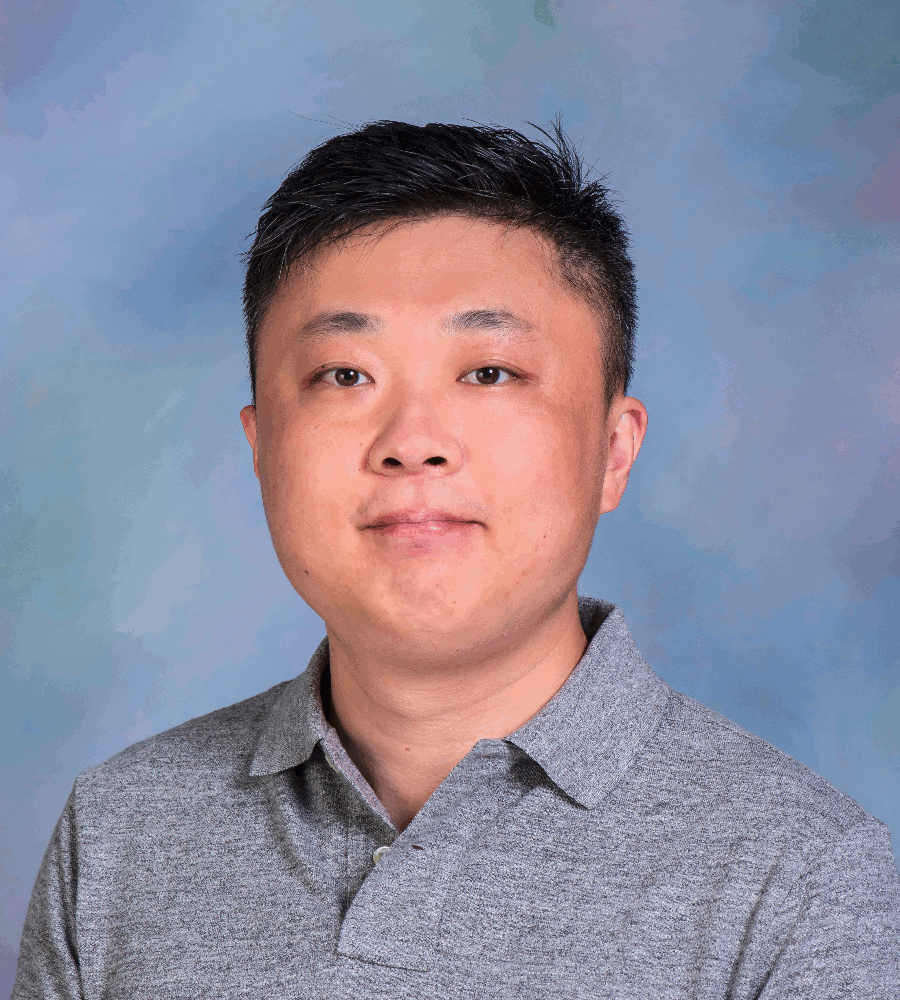
Kaiyu Hang is an Assistant Professor in the Department of Computer Science at Rice University, where he directs the Robotics and Physical Interactions Lab (RobotΠ Lab). His research spans multiple domains of robotics with a focus on physical interaction systems. Before joining Rice, he completed his postdoc at Yale University, earned his Ph.D./M.Sc. at KTH Royal Institute of Technology, and received his B.Eng. from Xi'an Jiaotong University. His research interests include robotic manipulation, grasping, in-hand manipulation, optimization, planning, learning, estimation, and control systems. He develops algorithms that enable robots to physically interact with other robots, people, and the world across scales from small grasping tasks to large-scale dual-arm and multi-robot manipulation systems. His work has practical applications in factories, kitchens, hospitals, warehouses, and construction sites. His recent publications demonstrate strong trends in in-hand manipulation techniques, energy-efficient drone operations, and benchmarking frameworks for robotic grasping. The 2025 IROS papers accepted highlight his leadership in developing standardized competition frameworks for evaluating robotic manipulation capabilities across diverse hardware platforms. ASME Rising Star of Mechanical Engineering (2024) NSF CAREER Award (2023) Multiple finalist awards at IEEE-RAS Humanoids and ICRA conferences Junior Fellowship Award from Institute for Advanced Study, HKUST (2017-2018) As an educator, he has taught multiple robotics courses including COMP 462/562: Introduction to Modern Robotics and COMP 461: Senior Design in A Robotized World. He serves as Faculty Advisor for the Rice Robotics Club and participates in graduate admissions. His lab actively recruits Ph.D. students and offers research opportunities for undergraduate and master's students who have completed core robotics courses.
Kelly Arnold is an Associate Professor in the Department of Biomedical Engineering at the University of Michigan. Her research integrates systems engineering principles with immunology to investigate variability in immune responses across infection, vaccination, and injury, with a focus on computational modeling and clinical translation. Research Focus Systems-level immune response modeling Vaccination and antibody functionality Vaginal microbiome-host interactions Chronic lung disease progression Computational serology and proteomics Recent Work Her 2025 studies examine SARS-CoV-2 vaccination responses in cancer patients and computational frameworks for vaginal probiotics. Earlier works (2024-2007) span COPD progression, lupus fibrosis, HIV susceptibility, and tissue engineering for fertility preservation. Methodologies include proteomic profiling, network modeling, and microfluidic systems.
Elliott Ash is an Associate Professor of Law, Economics, and Data Science at ETH Zurich's Center for Law & Economics. He holds a Ph.D. in Economics and J.D. from Columbia University, a B.A. in Economics, Government, and Philosophy from the University of Texas at Austin, and an LL.M. in International Criminal Law from the University of Amsterdam. His research focuses on empirical legal studies using econometrics, NLP, and ML, examining topics like judicial behavior, legislative impact, and AI-driven governance. He has been funded by the ERC, Swiss NSF, and others. Research Interests: Elliott explores automation of legal decisions, text-as-data analysis in law, and the intersection of AI with legal systems. He develops tools like BallotBot and LePaRD to enhance legal transparency and public understanding. His work bridges law, economics, and computer science, with publications in top journals like the American Economic Journal and Review of Economics and Statistics . Teaching: Courses include Building a Robot Judge , Natural Language Processing for Law , and Big Data for Public Policy . He co-organizes the Zurich Workshop in AI+Economics and Monash-Warwick-Zurich Text-as-Data Workshops. Awards: European Research Council Starting Grant, Swiss National Science Foundation Grant, and multiple grants from U.S. and Swiss institutions. His work has been featured in NPR , VoxEU , and Georgetown Law Journal . Labs/Teams: Leads the Swiss AI Initiative's Human-AI Alignment team, collaborates with the CEPR on Political Economy research, and serves as an Economic Journal Associate Editor.
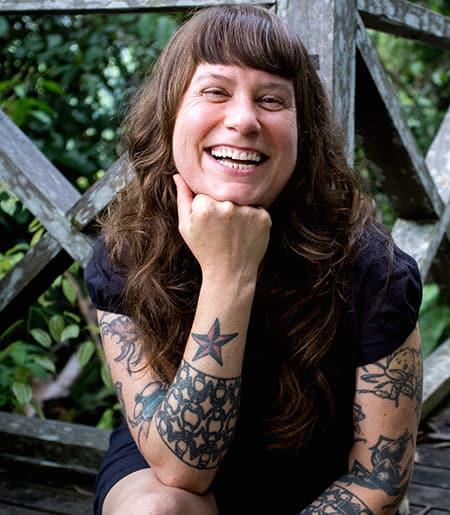
Carol Carpenter is a Senior Lecturer and Associate Research Scholar at Yale University's School of the Environment. She has held teaching and research positions at Syracuse University, the University of Hawaii, and Hawaii-Pacific University, and a research role at the East-West Center. Her expertise spans environmental anthropology, conservation, sustainable development, and gender in agrarian systems. She earned a B.A. from SUNY Binghamton and M.A./Ph.D. from Cornell University. Her research focuses on the social science of conservation, economic anthropology in agriculture, and gender dynamics in ecological systems. Notable fieldwork includes four years in Indonesia studying rituals and social networks, followed by four years in Pakistan as a development consultant on social forestry and women's issues for USAID, the World Bank, and the Asia Foundation. She joined Yale in 1998 and published Power in Conservation: Environmental Anthropology Beyond Political Ecology (2020) and co-edited Environmental Anthropology: An Historical Reader (2007). Her recent work critiques conservation practices through an anthropological lens, emphasizing cultural contexts and gender roles. Earlier studies explored resource management in Pakistan, including women’s labor in agriculture and afforestation impacts. Her articles span decades, addressing topics from ritual ethnobotany to development surveillance in Bolivia. While no specific grants or lab affiliations are detailed, her consultancy roles highlight applied research in development sectors. No awards are explicitly mentioned, though her academic contributions are substantial.
Martina Artmann is a Research Professor in Green Infrastructure at the University of Applied Science Weihenstephan-Triesdorf, Germany. She leads the Leibniz Junior Research Group URBNANCE on Urban Human-Nature Resonance at the Leibniz Institute of Ecological Urban and Regional Development (IOER) in Dresden. Her work spans urban ecology, green infrastructure, and sustainability transformation, with a focus on human-nature interactions in cities. PhD in Natural Sciences, University of Salzburg & Bavarian Academy for Nature Protection MSc in Landscape, Regional and Urban Management, University of Salzburg BSc in Agricultural Science, University of Hohenheim Her research centers on urban ecosystem services, green infrastructure, and edible cities as nature-based solutions for urban sustainability. She investigates how urban agriculture, soil sealing, and green space planning contribute to resilient cities. Her work integrates transdisciplinary methods, citizen science, and policy evaluation to foster human-nature resonance and transformative change. Her recent publications reflect a strong trend toward systemic assessments of urban agriculture, sustainability transformation, and the role of relational values in urban ecology. Themes include edible cities, green infrastructure, urban human-nature interactions, and the integration of ecological and social dimensions in urban planning. Student Award, German IALE-D (2012–2014) Doctoral Scholarship, German Federal Foundation for Environment (DBU, 2011) TUD Young Investigator, TU Dresden (2013) Fellowships for study in China (2005) and New Zealand (DAAD) Artmann has led multiple funded research projects, including DFG’s Edible Cities, BMBF’s Future Town Dresden, and BMVI’s meinGrün. She mentors students through project-based teaching at TU Dresden and has served as a visiting professor at the University of Bucharest. She is a Review Editor for Frontiers in Environmental Science and actively contributes to academic networks such as the Society for Urban Ecology (SURE) and the China Centre for Urban Ecology (CCUE). She is involved in research labs and teams including the URBNANCE Junior Research Group at IOER and collaborates with interdisciplinary teams on urban sustainability projects. Her work emphasizes transdisciplinary research, stakeholder engagement, and the co-creation of knowledge for sustainable urban development.
Dr. Giulia Donati is a Researcher at Eawag – Swiss Federal Institute of Aquatic Science and Technology, affiliated with the Department of Environmental Social Sciences. She holds a PhD from ETH Zürich and has extensive experience in conservation biology, inter/transdisciplinary research, and project management. Her work focuses on social-ecological systems, ecological connectivity, and biodiversity conservation in aquatic and terrestrial ecosystems. Education: PhD (2016–2020, ETH Zürich), MSc (2013–2015, University of Lausanne), BSc (2010–2013, University of Lausanne). Notable roles include postdoctoral research on BlueGreenNet (2021–2024) and Connect-HDL (2020), and leadership in the Save Our Seas Foundation project (2019–2020). Research emphasizes social-ecological networks, blue-green infrastructure, and amphibian connectivity in human-dominated landscapes. Projects like BlueGreenNet and Connect-HDL integrate ecological modeling with stakeholder collaboration to enhance biodiversity. Her work bridges ecology, policy, and urban planning to address global conservation challenges. Publications span topics from clownfish genetics to urban biodiversity frameworks, reflecting interdisciplinary approaches. Active in science communication and policy-relevant research, she collaborates across sectors to foster sustainable solutions. Current affiliations include Eawag’s PEGO research group and the Department of Environmental Social Sciences.
Corrie Moreau is the Martha N. & John C. Moser Professor of Arthropod Biosystematics and Biodiversity at Cornell University, serving as Director & Curator of the Cornell University Insect Collection. She holds affiliations with the Department of Ecology and Evolutionary Biology and the College of Arts and Sciences. Her research focuses on symbiotic factors driving speciation, adaptation, and diversification in insects, particularly ants. Moreau’s work integrates molecular methods, next-generation sequencing, and field-based research to study biodiversity across scales. Education: Ph.D. in Organismic and Evolutionary Biology from Harvard University (2007), M.Sc. in Biology from San Francisco State University/California Academy of Sciences (2003), B.S. in Biology from San Francisco State University (2000). Research Interests: Evolutionary patterns/processes, organismal biology, plant-animal interactions, chemical ecology, sustainability, and microbiome dynamics. Her lab (Moreau Lab) investigates ant-microbe symbioses, host-microbe interactions, and the role of symbioses in macroevolutionary processes. Recent work includes studies on ant phylogenetics, gut microbiome evolution, and the impact of invasive species on native ecosystems. Publications highlight her contributions to understanding ant evolution, microbial symbiosis, and biogeography. Grants include NSF-funded projects on ant genomics and symbiosis. She advocates for natural history collections and their role in biodiversity research and education.
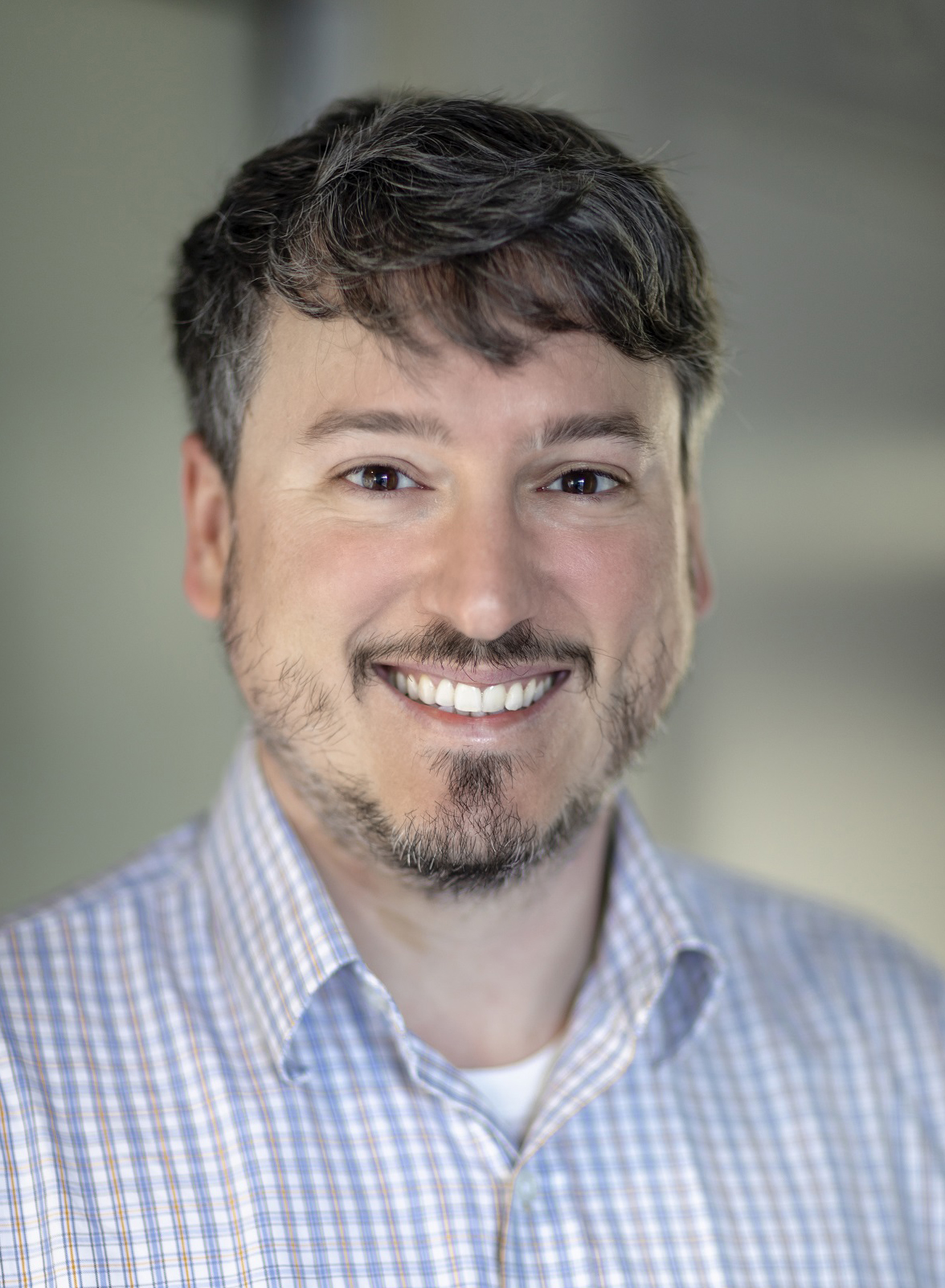
Owen R. White is a Professor in the Department of Epidemiology & Public Health at the University of Maryland School of Medicine, serving as Associate Director of the Institute for Genome Sciences and Associate Director of Research Collaboration & Development. He leads a team of 25 scientists and engineers developing genomic annotation pipelines and data analysis tools for state-of-the-art research in microbiome and multi-omic studies. His academic background includes: BS in Biotechnology from the University of Massachusetts (1985) PhD in Molecular Biology from New Mexico State University (1992) Postdoctoral Fellowship in Genome Informatics at the Institute for Genomic Research (TIGR) (1994) Dr. White's research spans bioinformatics, genomics, transcriptomics, and metagenomics with emphasis on data management, metadata standards, ontologies, and cloud systems. His work has been foundational for large-scale initiatives like the Human Microbiome Project (HMP) and Integrative Human Microbiome Project (iHMP), generating over 50,000 datasets totaling 10 terabytes of multi-omic data. Analysis of his recent publications reveals a strong trend toward neuroscience multi-omics (BRAIN Initiative), cloud-based data infrastructure, and ethical data sharing frameworks. His work consistently bridges microbiome research with emerging fields like single-cell analysis and Alzheimer's disease biomarker discovery through integrated data platforms. Notable awards include: Benjamin Franklin Award for Open Access in the Life Sciences (2015) Kumho Science International Award in Plant Molecular Biology and Biotechnology (2001) As Principal Investigator for major NIH-funded centers, he has secured sustained support for the HMP Data Analysis and Coordination Center and iHMP Data Coordination Center. His team's work combines fee-for-service models with collaborative research funding to maintain cutting-edge genomic analysis capabilities. The Institute for Genome Sciences houses his computational team responsible for developing production annotation pipelines, database systems, and visualization tools that serve researchers across the University of Maryland School of Medicine and national consortia.
Prof. Waldemar Kolanus leads the Molecular Immunology and Cell Biology department at the University of Bonn's Life & Medical Sciences Institute (LIMES) . His research bridges immunoregulation , stem cell dynamics , and metabolic stress responses in immune cells. Unit 2 member at LIMES Principal investigator in SFB 704 and ImmunoSensation Cluster Leads a multidisciplinary lab with postdocs, PhD students, and technical staff His work focuses on intracellular signaling pathways connecting immune activation to tissue homeostasis, particularly through: Cytohesin proteins in integrin-mediated adhesion and migration TRIM71 in stem cell regulation and congenital hydrocephalus High-salt environments affecting macrophage function Publication trends show expertise in immune cell migration , genetic models , and chemical inhibition , with frequent use of mice and zebrafish for in vivo studies. Key articles explore: TRIM71's dual role in auditory development and germ cell maintenance Cytohesin family's Golgi regulation and insulin signaling Ruxolitinib's off-target migration inhibition of dendritic cells Contact details: Address: LIMES Institute, Carl-Troll-Straße 31, Bonn Email: kolanus.sekretariat@uni-bonn.de Phone: +49 228 73-62788
Michael R. Dove is the Margaret K. Musser Professor of Social Ecology and Professor of Anthropology at Yale University, where he also serves as Curator of Anthropology at the Peabody Museum and Co-Coordinator of the Combined YSE/Anthropology Doctoral Program. With over forty years of research experience, his work focuses on environmental anthropology, particularly the environmental relations of local communities in South and Southeast Asia. Dove earned his B.A. from Northwestern University and his M.A. and Ph.D. from Stanford University. His academic journey has spanned decades of field research in Asia, including more than a dozen years conducting long-term studies on human ecology in Borneo and Java, developing government research capacity in Indonesia, and advising the Pakistan Forest Service on social forestry policies. Professor Dove's research interests encompass the anthropology of climate change, cultural and political aspects of natural hazards and disasters, indigenous environmental knowledge and practice, environmental institutions and movements, history of environment-related sciences, and multispecies ethnography. His work often examines how local environmental systems interact with national and global markets, politics, and ideologies, with a focus on problematizing orthodox approaches to conservation and development. He has made significant contributions to understanding human-environment relations through both theoretical frameworks and practical applications. Dove's recent scholarly output demonstrates a progression toward more integrated approaches to environmental challenges, blending historical perspectives with contemporary issues. His publications increasingly focus on the intersections of climate change, social justice, and indigenous knowledge systems, while maintaining his longstanding interest in Southeast Asian environmental relations. The work shows a growing emphasis on post-humanist approaches and multispecies ethnography, reflecting broader trends in environmental anthropology while maintaining his distinctive focus on political ecology and institutional analysis. As an educator, Professor Dove has supervised numerous doctoral and master's students, many of whom have gone on to win research awards and secure prestigious positions. He organizes separate research labs for doctoral students from Yale School of the Environment and other departments, as well as for joint YSE/Anthropology doctoral students. His advisees typically conduct international research and have excellent records of obtaining research support both within and beyond Yale. The Dove Lab at Yale School of the Environment serves as a hub for environmental anthropology research, focusing on topics including natural resource management, property rights, power struggles, household energy transitions, and human-wildlife interactions. The lab fosters a collaborative environment with 30-50 students working on related issues each year, characterized by supportive peer dynamics rather than competition. It also contributes to policy and social change through its research and the work of its alumni.
Matthew D. Potts is the S.J. Hall Chair in Forest Economics and Professor at UC Berkeley's Department of Environmental Science, Policy, & Management. He also serves as Associate Director for Sustainable Development at the Blum Center for Developing Economies. With interdisciplinary training in mathematics, ecology, and economics, his research focuses on nature-based climate solutions and ecosystem service co-production. Research addresses carbon sequestration through forest management, biodiversity conservation, land use planning, and sustainable development in tropical ecosystems. Recent work examines cost-effectiveness of reforestation, climate-driven migration patterns, and plantation carbon modeling. Publications demonstrate strong focus on quantitative analysis of land-use impacts, with methodological innovations in remote sensing applications and spatial modeling for carbon accounting. Awards include recognition for young faculty research and leadership in international environmental assessments. Leads the Potts Research Group, mentoring graduate students working on tropical ecology, restoration, and climate adaptation projects.
Dr. Maud Borie is a Senior Lecturer in Environment, Science & Society at King’s College London’s Department of Geography, within the School of Global Affairs. Her work bridges Human Geography and Science and Technology Studies (STS), focusing on biodiversity governance, environmental policy, and green finance. She holds a PhD from the University of East Anglia and has held visiting fellowships at Harvard Kennedy School. Borie’s research explores the politics of environmental knowledge and its societal implications, including nature-based solutions and green finance mechanisms. She has contributed to global initiatives like the Intergovernmental Platform on Biodiversity and Ecosystem Services (IPBES) and co-founded the Mediterranean Alliance for Wetlands. Her recent projects include analyzing green finance’s reliance on scientific legitimacy and mapping resilience strategies in cities. She teaches courses on environmental policy, qualitative methods, and geographies of financialization. Borie has been awarded grants for interdisciplinary projects such as ‘deep listening with machines for equitable environmental futures’ and ‘forestscapes’ immersive soundscapes. Her research outputs span over 18 peer-reviewed articles, with topics ranging from climate change framing to urban resilience in the Global South. Awards: Planetary-scale interpretation (2023), Rethinking environmental policy (2022), Forestscapes collaboration (2023) Grants: Creative Collaboration Seed Fund (2023), EU/PEARL disaster resilience projects Labs/Teams: KingsCAT (Social Media Research), Political Ecology, Biodiversity & Ecosystem Services (PEBES) group
Sarah E. Light is the Mitchell J. Blutt and Margo Krody Blutt Presidential Professor and Professor of Legal Studies & Business Ethics at the University of Pennsylvania's Wharton School. She serves as Faculty Co-Director of Wharton’s Climate Center and holds primary appointments in the Legal Studies & Business Ethics department. Her educational background includes a JD from Yale Law School (2000), an M. Phil in Politics from Oxford University as a Rhodes Scholar (1997), and an AB in Social Studies, Magna Cum Laude, from Harvard University (1995). Professor Light's research examines the intersection of environmental law, corporate sustainability, and business innovation. Her work addresses how corporate law structures function as environmental law, private environmental governance through business actions (including carbon fees and financial sector decisions), and First Amendment implications of regulating greenwashing. She employs interdisciplinary approaches connecting legal doctrine with business strategy and environmental science. Her publications reveal strong trends in private environmental governance mechanisms, climate risk management in financial systems, and the evolving regulatory landscape for corporate sustainability claims. Recent work focuses on greenwashing regulation, banking sector climate action, and non-extractive corporate relationships with public lands. Penn Fellows Program (2023-2024) Multiple Wharton Teaching Excellence Awards (2018-2021) ARCS Emerging Sustainability Scholar Award (2018) Haub Environmental Law Distinguished Junior Scholar (2015) Top 20 Article in Environmental Law & Policy Annual Review (2020) Professor Light has advised numerous student groups and projects, particularly through experiential courses like 'Wharton in the Wild' where she leads field-based environmental management education. Her grant activities include leadership roles at the Wharton Climate Center and Penn Program on Regulation, with research supported by interdisciplinary initiatives focused on climate governance and business innovation. She maintains active pro bono mediation work with federal courts and community organizations. As Faculty Co-Director of the Wharton Climate Center, she leads interdisciplinary research initiatives connecting business strategy with climate solutions, fostering collaboration between academia, industry, and policymakers through conferences, publications, and executive education programs.