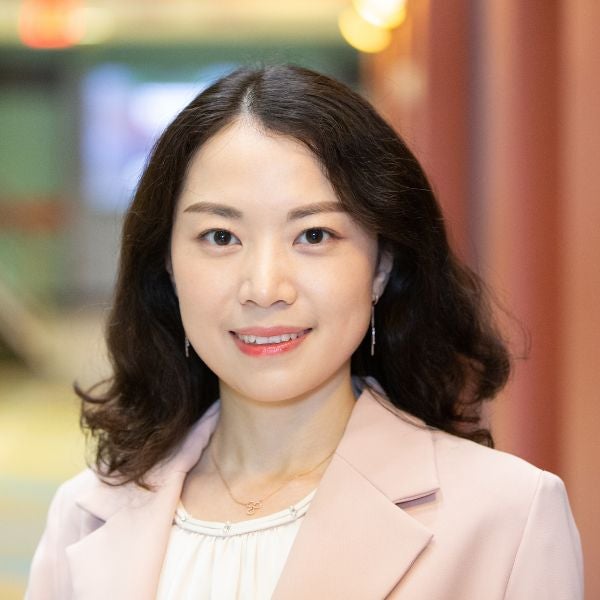
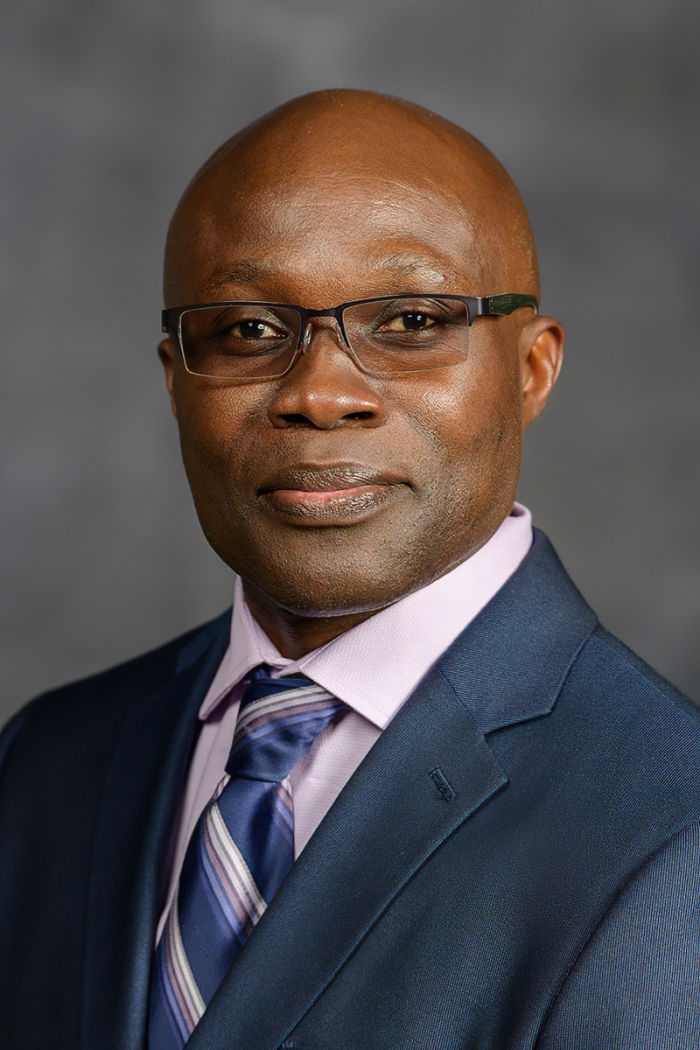
Prof. Dr. Sakibe Nalan BÜYÜKKANTARCIOĞLU is a Professor at Çankaya University, Faculty of Arts and Sciences, Department of Translation and Interpreting Studies (English). She previously served as Professor (2007–2019), Associate Professor (2000–2007), and Assistant Professor (1997–2000) at Hacettepe University, Department of English Linguistics. PhD in English Linguistics (Hacettepe University, 1991) MA in English Language Teaching (Middle East Technical University, 1985) BA in English Teaching (Istanbul University, 1978) Her research spans Linguistics, Cognitive Linguistics, Discourse Analysis, Psycholinguistics, Sociolinguistics, Translation Studies , with a focus on figurative language, interjections, political discourse, and endangered languages. She received the European Language Award (2011) and has supervised numerous PhD and MA theses, including work on Turkish idioms, gender representation, and language awareness. A prolific editor and conference participant, she has contributed to interdisciplinary projects and publications on Turkish sociolinguistics.
Dr. Carolyn Emery is a Professor in the Faculty of Kinesiology at the University of Calgary, with joint appointments in Pediatrics and Community Health Sciences at the Cumming School of Medicine. She holds leadership roles as Chair of the Sport Injury Prevention Research Centre (an International Olympic Committee Research Centre) and the Alberta Children’s Hospital Research Institute. Her affiliations include the McCaig Institute for Bone and Joint Health, Hotchkiss Brain Institute, and O’Brien Institute for Public Health. Dr. Emery’s education includes a BScPT from Queen’s University (1988), MSc in Epidemiology from the University of Calgary (1999), and PhD in Epidemiology from the University of Alberta (2004). Her research focuses on injury prevention in youth sports, concussion, and pediatric rehabilitation, aiming to reduce long-term health consequences such as osteoarthritis and post-concussion syndrome. She leads major grants including CIHR’s “SHRed Injuries” and NFL-funded concussion surveillance programs. Her research interests emphasize practical interventions for injury prevention, including neuromuscular training and policy changes. Recent work explores concussion outcomes in adolescents, biomechanical injury mechanisms, and global sport safety initiatives. She has published extensively on topics like sport-related musculoskeletal injuries, concussion management, and the epidemiology of youth sports. Dr. Emery has received over 20 awards, including the Royal Society of Canada Fellowship, Killam Professorship, and CIHR Canada Research Chair. Her work bridges clinical practice, policy, and community engagement to enhance public health outcomes in sports and youth recreation. Her lab, the Sport Injury Prevention Research Centre, collaborates internationally to develop evidence-based strategies for injury prevention. Current projects include evaluating the impact of tackle laws in rugby, head acceleration in wrestling, and long-term consequences of pediatric concussions.
Adriana Kovashka is an Associate Professor at the University of Pittsburgh , affiliated with the School of Computing and Information and serving as Department Chair . Her academic journey began with BA degrees in Computer Science and Media Studies from Pomona College (2008) and a PhD in Computer Science from The University of Texas at Austin (2014). Joined Pitt’s faculty in January 2015 NSF CAREER awardee (2021) Google Faculty Research Award recipient Dr. Kovashka’s research spans Computer Vision , Machine Learning , and Natural Language Processing , focusing on visual rhetoric, weak multimodal supervision, and domain adaptation. She pioneered techniques for analyzing political imagery, developing robust object detection frameworks, and exploring the intersection of visual and textual persuasion through large-scale annotated datasets. Her recent work emphasizes geographic diversity in vision-language systems, audio-visual fusion for domain generalization, and shape-texture bias mitigation in CNNs. Key publications include groundbreaking studies on symbolic reasoning, multimodal dialogue systems, and ethical AI applications in education. Scientific honors include: NSF CRII Award (2016) NSF CAREER Award (2021) Pitt CRDF Award (2016, 2018) Best Paper at ECV Workshop (2021) Google Faculty Research Award (2016, 2018) Dr. Kovashka actively mentors students in multimodal learning projects and collaborates with interdisciplinary teams on NSF-funded initiatives. She co-organizes workshops like the first CVPR workshop on advertisement understanding and leads research groups exploring human-AI co-learning systems.
Hanjie Chen is an Assistant Professor in the Department of Computer Science at Rice University, affiliated with the Ken Kennedy Institute. She holds a Ph.D. from the University of Virginia and a Master's from the University of Science and Technology of China. Her research focuses on Natural Language Processing, Interpretable Machine Learning, and Trustworthy AI, emphasizing model explainability, alignment with human needs, and applications in healthcare, sports, and medicine. She has advised numerous students and led initiatives in AI ethics and education. Education: Ph.D. (Computer Science, UVA 2023), M.Sc. (USTC 2018), B.Sc. (Nanjing University of Aeronautics and Astronautics 2015). Awards include the Outstanding Doctoral Student Award (UVA 2023) and John A. Stankovic Research Award (UVA 2023). She has organized workshops like BlackboxNLP and served on program committees for ACL, NAACL, and EMNLP. Her recent work includes developing benchmarks like SPORTU for multimodal LLMs, evaluating medical question-answering systems, and advancing methods for robust rationale evaluation (RORA). She teaches courses on Natural Language Processing and Trustworthy NLP, emphasizing pedagogical innovation recognized by teaching awards at UVA. Research collaborations include internships at Microsoft Research, IBM, and the Allen Institute for AI. She mentors students in SURF programs and advocates for diversity in tech, serving as a mentor in UVA's CSGSG Council.
Dr. Andrew Owusu is a Professor in the Department of Health and Human Performance (HHP) within the College of Behavioral and Health Sciences at Middle Tennessee State University (MTSU), serving as graduate program director for public health. His academic appointments include teaching Foundations in Health Education, Community and Public Health, Epidemiology, and Data Management in Public Health since joining MTSU. His educational credentials include: Ph.D. in Health and Human Performance, Middle Tennessee State University (2004) M.S. in Sports Administration and Management, Wayne State College (1998) B.S. in Biology, University of Alabama (1996) Dr. Owusu's research centers on adolescent health risk behaviors including bullying, sexual risk-taking, and substance use, with specialized expertise in school health policy implementation. His 15-year leadership (2007-2020) of Ghana's Global School-based Student Health Survey (GSHS) and Global School Health Policies and Practices Survey (G-SHPPS) established critical surveillance systems for adolescent health behaviors through collaborations with WHO and CDC. His methodological innovations include classroom response systems for health education and childhood lead poisoning research. Analysis of his 15 most recent publications reveals consistent focus on Ghanaian adolescent health through school-based surveillance, examining sexting, skin-lightening practices, violence victimization, and condom use barriers. His work demonstrates interdisciplinary integration of public health surveillance, policy analysis, and behavioral science to address global adolescent health challenges. Scientific recognition includes: MTSU President Recognition (2008) for significant international research/partnership Feature in 2006-2008 MTSU President’s Biennial Report (pg.11) Dr. Owusu has secured major international collaborations as Ghana's country coordinator for WHO/CDC school health initiatives (2007-2020), directing multi-institutional teams across MTSU, Ghana Education Service, WHO, and CDC. His mentorship extends through graduate program leadership and track coaching, developing 16 NCAA All-American athletes at MTSU while serving as Ghana's Olympic track coach for three consecutive games (2012-2020). The Ghana School-based Student Health Surveillance System (GSSHSS), established under his coordination, represents a sustained partnership model integrating academic research with national public health infrastructure, producing actionable data for school health policy development across Ghanaian educational institutions.
Professor Siân Bayne is a leading academic in digital education at the University of Edinburgh , where she serves as Assistant Principal for Education Futures and directs the Centre for Research in Digital Education . Her work bridges critical theory and practical innovation in higher education. Interdisciplinary research on digital education and futures studies Leadership in the Edinburgh Futures Institute and Moray House School of Education and Sport Global impact through UNESCO collaborations and UKRI GCRF projects Bayne’s research explores higher education futures , utopian theory , and digital enhancement , with a focus on: AI’s role in teaching and learning Ethical implications of educational technologies Anonymous social media in academic spaces Speculative scenarios for educational systems Global South digital education models Augmented reality applications in assessment Her 15 most recent publications span 2017-2025 , covering critical perspectives on: Generative AI and educational innovation Utopian design in universities Data governance in learning analytics Augmented reality pedagogy Digital cultural heritage Scientific recognition includes: IASH Sabbatical Fellowship (2023) Bayne leads Higher Education Futures initiatives and partners with institutions worldwide, including: UNESCO Global Education and Technology Report World Bank collaborations European university leadership programs She also drives major research centers like: Centre for Research in Digital Education UKRI GCRF Urban Disaster Risk Hub
Sabrina Furtado is a Lecturer in Sport Management and Dean’s Associate Fellow at Loughborough University’s School of Sport, Exercise and Health Sciences. She holds a BSc, MSc, and PhD. Previously, she taught at the Federal University of Paraná and State University of Santa Catarina in Brazil, focusing on sport management, sports law, and entrepreneurship in the sports sector. Her research focuses on sports governance, strategic planning, and policy development in public and private sports entities. Key areas include Olympic and Paralympic federations, sports financing, and the impact of media representation on disability inclusion. She contributes to the Sport, Business and Society and Lifestyle for Health and Wellbeing research groups, as well as the Inteligência Esportiva Research Institute . Recent work analyzes governance structures in Santa Catarina municipalities, business intelligence applications in sports management, and modernization processes in Brazilian Olympic federations. Her publications span topics like Paralympic organizational roles, media stigma in disability sports reporting, and funding mechanisms for sports initiatives. No scientific awards are mentioned. Sabrina advises master’s students on sport management and policy but no grant details are provided. Her current projects aim to strengthen sports policies and enhance stakeholders’ engagement in the sport system.
Dr. Rebecca Pratt is a tenured Professor in the Department of Foundational Medical Studies at Oakland University William Beaumont School of Medicine (OUWB), where she has been a faculty member since January 2018. She previously held professorial roles at Michigan State University College of Osteopathic Medicine (MSUCOM), where she taught anatomy, embryology, neuroanatomy, physiology, and histology, and served as Associate Professor and Director of Histology at the West Virginia School of Osteopathic Medicine. She also held appointments at Grand Valley State University and completed postdoctoral training at Purdue University. Ph.D., Cell Biology and Oncology, Purdue University B.S., Zoology and Botany/Plant Pathology, Michigan State University Dr. Pratt's research focuses on the fascial system and its role in whole-body health, including fascial continuity, muscle attachment, somatic pain transmission, and biochemical communication. She integrates radiology into anatomy education and advocates for evidence-based medical curricula. Her work bridges clinical anatomy, histology, embryology, and physiology with modern educational practices. Her recent publications reflect a strong emphasis on fascial anatomy, medical education innovation, and the integration of imaging in teaching. Themes include plastination, generational learning trends, and fascia’s role in women's health and athletic performance, published in journals like Clinical Anatomy and Anatomical Sciences Education , as well as in Women and Men’s Health and NIKE magazines. Scientific awards and honors include: Basmajian Award (American Association of Anatomy) Keith and Marion Moore Award (AAA) Five consecutive Golden Apple Teaching Awards at MSUCOM Golden Apple Award at OUWB Dr. Pratt has served in major leadership roles, including President of the International Fascia Research Society, Board Member of the American Association of Anatomy (AAA) and the American Association of Clinical Anatomy (AACA), and Chair of multiple AAA committees. She is a Visiting Anatomy Professor at Weill Cornell and St. George’s University School of Medicine, and faculty advisor for the Docapellas at OUWB. She has been an invited speaker internationally and contributed to high-impact projects like the BodyWorlds Fascial Net Plastination Project. She actively serves on OUWB’s Admissions and Student Promotion and Retention Committees. Dr. Pratt leads and organizes major international initiatives, including the Women's Clinical Health Summit in Rio de Janeiro (2024) and the Fascia Research Congress in New Orleans (2025), fostering global collaboration in fascial science. Her lab and research team focus on fascial anatomy and medical education, working closely with institutions in Italy (University of Padova) and Germany (BodyWorlds project).
Tony Mickelsson Blomqvist is a Lecturer at the Department of Police Work , Södertörn University. He holds a PhD in Social Work (2023) and serves as a research coordinator for the Institute for Policing. Additionally, he is the coordinator of the European Policing Research and Education Network (EPREN) and will become associate editor of the Nordic Journal of Studies in Policing in 2025. PhD in Social Work (2023) Lecturer in Policing Research coordinator and network leader His research focuses on police collaboration with civil society and social services , local crime prevention , and organized crime dynamics , with a unique interest in the intersection between internal security and hybrid warfare . He also explores the role of sports clubs in social inclusion and community development. Tony leads an EU-funded project on Strategic Enforcement for Undermining Criminal Networks (2024–2027) and contributes to initiatives like ‘Martial Arts as a Crime Prevention Tool’ (2024–2026). His recent publications analyze Ukrainian refugee experiences, martial arts’ socialization effects, and sports clubs’ role in vulnerable areas. He has no listed scientific awards but holds editorial and coordination roles in policing research.
Marie Hardin, Ph.D. serves as the 10th president of Quinnipiac University, assuming office on July 1, 2025. Previously, she was dean of the Donald P. Bellisario College of Communications at Penn State University since 2014, where she also held a professorship. As president, she oversees all academic units including the Frank H. Netter MD School of Medicine, School of Law, and College of Arts and Sciences. Dr. Hardin earned her Ph.D. in mass communication from the University of Georgia, an M.A. in communication from Georgia State University, and a B.A. in theology from Ambassador College. As a first-generation college graduate, she brings personal understanding of educational access challenges. Her research focuses span sports media representation, gender studies in communication, and journalism education. She has significantly influenced communication pedagogy through leadership roles in national accreditation bodies and professional organizations. Dr. Hardin's scholarly impact is reflected in her editorial leadership as co-editor of the Sage journal "Communication & Sport" and two book series in her field. Her administrative approach emphasizes student media development, having created The News Lab at Penn State and championed student media consortiums. George W. Atherton Award for Excellence in Teaching (2009) University of Georgia Grady College Distinguished Alumni Scholar (2013) 2024 Scripps Howard Administrator of the Year AEJMC President (2019) President Hardin actively mentors emerging scholars while leading university-wide strategic initiatives. She chairs the national committee for the Accrediting Council on Education in Journalism and Mass Communication and the Hearst Foundations Journalism Awards Steering Committee. Her leadership extends to community engagement through partnerships with media organizations and professional development programs for journalism educators. As an avid runner who has completed over 30 marathons, she models resilience and dedication to the Quinnipiac community. Her administrative philosophy emphasizes innovation in career-ready education within an inclusive learning environment that values lifelong learning.
Jacky Bourgeois is an Assistant Professor of Data-Centric Design at Delft University of Technology's Faculty of Industrial Design Engineering (IDE), leading the Data-Centric Delft Design Lab. His work bridges Human-Computer Interaction, Data Science, and Participatory Design, focusing on methods like data donation to empower collaborative data exploration. He holds a computer science background, previously researching ubiquitous technologies for domestic energy practices of 'energy farmers' (solar households). Key projects include the PROMISE study on patient-led oncological care and the Data Donation initiative promoting ethical data practices. Education: Background in Computer Science; academic focus on sustainable design engineering and IoT. Teaching includes courses like 'Data-Centric Design for...' (2024) and 'Digital Product Development' (2023). Research Interests: Data as subjective inquiry material, data intimacy, data commons, and human-data interaction in home contexts. Notable contributions include PAIRcolator for collaborative data reflection and Tangi for 360° video insights. Awards include Best Paper at CHI 2025 and DIS '24 Best Paper. Grants & Collaborations: NWO-funded research on hospital sounds (2024), IoT Rapid Proto Labs for industry-academia partnerships, and ancillary role as a scientific employee at The Open University (2025–2027). Labs & Teams: Director of the Data-Centric Delft Design Lab; collaborates with the HCI Data & Design SIG. Current projects address ethical frameworks for data donation and patient-centered healthcare systems.
Holly J. Benjamin, MD is a distinguished sports medicine specialist at the University of Chicago, serving as the inaugural Director of the Primary Care Sports Medicine Program at UChicago Medicine Student Wellness Center. She holds leadership positions including Chair of the Committee on Sports Medicine & Fitness for the Illinois Chapter of the American Academy of Pediatrics, and serves as Head Medical Team Physician for the WNBA Chicago Sky and medical officer for major events including the Bank of America Chicago Marathon, US Soccer, and USA Triathlon. Her educational background includes: B.S. in Integrated Life Sciences, Kent State University (1994) Combined BS/MD, Northeastern Ohio Universities College of Medicine (1994) MD, Northeastern Ohio Universities College of Medicine (1994) Residency in Pediatrics, The University of Chicago Children's Hospital (1997) Fellowship in Primary Care Sports Medicine, Lutheran General Hospital (1998) Dr. Benjamin specializes in sports medicine with particular expertise in youth, adolescent, and collegiate athletes. Her research spans acute and overuse sports injuries, concussion management, sport biomechanics, and musculoskeletal ultrasound. She has made significant contributions to understanding injury prevention strategies, safe return-to-play protocols, and the psychological aspects of sports injuries. Her work frequently addresses female athletes and elite/professional athletes, with emphasis on evidence-based approaches to optimize performance while minimizing injury risk. Recent publications demonstrate a strong focus on concussion research, with multiple studies examining diagnostic approaches, recovery trajectories, and factors influencing outcomes. Her work spans biomechanics, mental health considerations in sports injuries, and innovative approaches to injury prevention across various athletic populations. Her scientific recognition includes: Election as Fellow of the American College of Sports Medicine (2003), becoming the second female pediatrician ever elected Election as Fellow of the American Medical Society of Sports Medicine Distinguished Alumni Award from The New Aurora High School Alumni (1999) Invitation to serve as volunteer physician for the Olympic Training Center (2008) Multiple expert contributions to national media including Runner's World and the Naperville Sun Dr. Benjamin actively mentors through her coaching roles at high school and collegiate levels, emphasizing safe return-to-play post-injury and injury prevention. She has developed educational content through video productions for the American Academy of Pediatrics and serves as head team physician for the University of Chicago Lab School and the NCAA Division III UChicago Maroons. Notably, she is one of only a few sports medicine specialists in the country offering diagnostic and procedural musculoskeletal ultrasound in her office, demonstrating her commitment to advanced diagnostic capabilities for patient care.
Armin Falk is a Professor of Economics at the University of Bonn, leading the BonnEconLab since 2004 and co-founding the briq Institute on Behavior & Inequality. He holds affiliations with the IZA, DIW, CEPR, and Max-Planck-Institut. His research focuses on behavioral economics, exploring how social preferences like fairness and trust influence decision-making, and investigates early childhood development's role in inequality. Falk has received prestigious awards, including the Leibniz Prize and Yrjö Jahnsson Award. His work combines lab experiments, field studies, and representative data analysis. Education includes a PhD in Economics from the University of Zurich after studies in Economics, Philosophy, and History at the University of Cologne. Key research highlights include global climate action support studies (Nature Climate Change, 2024), socioeconomic disparities in child development (JPE, 2021), and global economic preferences surveys (QJE, 2018). He co-authored the book *Warum es so schwer ist, ein guter Mensch zu sein* to popularize behavioral economics. Awards include recognition for contributions to behavioral and development economics. Mentoring programs like *Balu und Du* aim to reduce educational inequality. His work bridges academic research with public discourse through media contributions and policy engagement.
Karin Allor Pfeiffer is a Professor in the Department of Kinesiology at Michigan State University (MSU) and Director of the Institute for the Study of Youth Sports. She holds additional membership in the Center for Physical Activity and Health. With a Ph.D. from MSU, her research focuses on physical activity measurement methodologies and population health interventions, particularly among children and adolescents. Her work addresses obesity prevention, environmental design impacts on activity levels, and sociocultural factors influencing youth sport participation. Education: Ph.D. in Kinesiology from Michigan State University Her research interests emphasize: - Quantitative methods for physical activity assessment - Schoolyard redesign strategies and their health impacts - Cardiometabolic risk factors in pediatric populations - Longitudinal tracking of physical fitness and health outcomes Recent work explores accelerometer fragmentation metrics, GPS-linked activity tracking, and disparities in sedentary behavior across demographic groups. She has pioneered interdisciplinary approaches integrating spatial analysis, wearable technology, and policy evaluation. Key contributions include developing the Observational System for Recording Physical Activity in Children and advancing consensus methods for accelerometer data interpretation. Her studies frequently highlight socioeconomic and environmental determinants of health behaviors. Dr. Pfeiffer collaborates with public health agencies and urban planners to translate research into actionable policies. Her lab focuses on scalable interventions for underserved communities, leveraging community-engaged methods to address greenspace accessibility and safety concerns.
Robyn Fox is an Associate Lecturer in the School of Education and Tertiary Access at the University of the Sunshine Coast (UniSC), Australia, teaching in Bachelor of Education (Secondary)/Bachelor of Recreation and Outdoor Environmental Studies programs with emphasis on foundational outdoor studies and paddling-based engagement methods. Her educational qualifications are: MAIntEd, Endicott College MA, DipEd, LaTrobe University BA, LaTrobe University Her research centers on sustainability integration and ecological literacy in outdoor education, driven by her planned PhD investigating embedded sustainable practices. She champions experiential learning through natural environments to foster environmental consciousness and climate-responsive pedagogy. Analysis of her 2022-2025 publications reveals dominant themes in climate change education within outdoor contexts, featuring innovative approaches like near-peer teaching and nature journaling while addressing eco-anxiety and Indigenous knowledge systems. Her scholarship consistently advocates for curriculum transformation toward ecological stewardship and climate action. Robyn actively involves students in community initiatives: Collaborated with Thai army and Regent’s School students to rebuild tsunami-damaged homes in Thailand (2004) Established sports programs between Khartoum International Community School and local institutions in Sudan Coordinated orphanage library setup with Luanda International School in Angola Current participant in Alexandra Headland Community Association’s foreshore regeneration projects