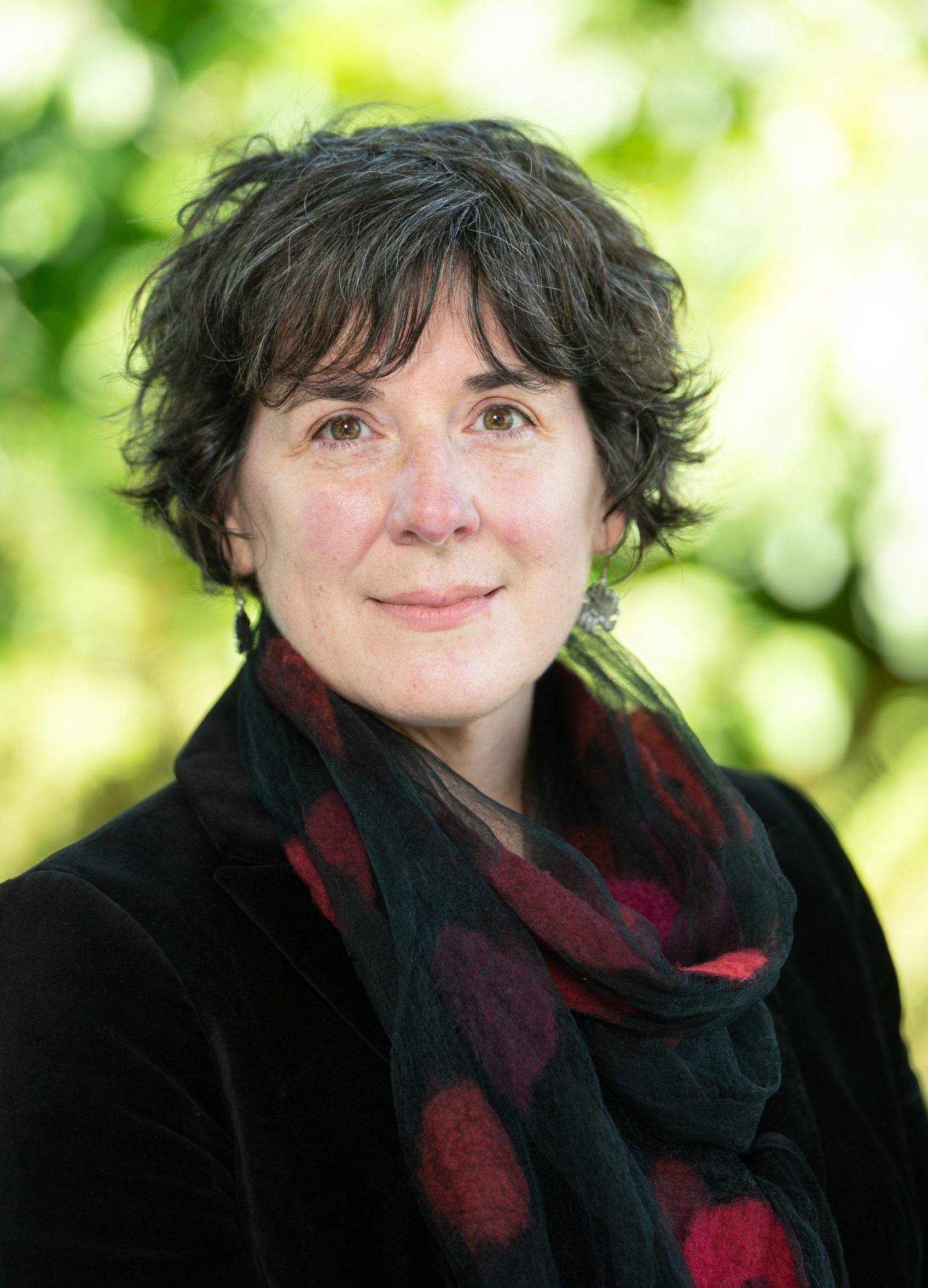
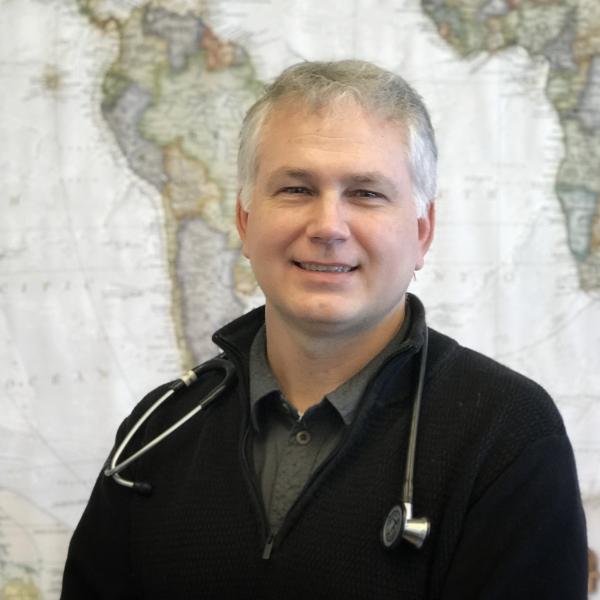
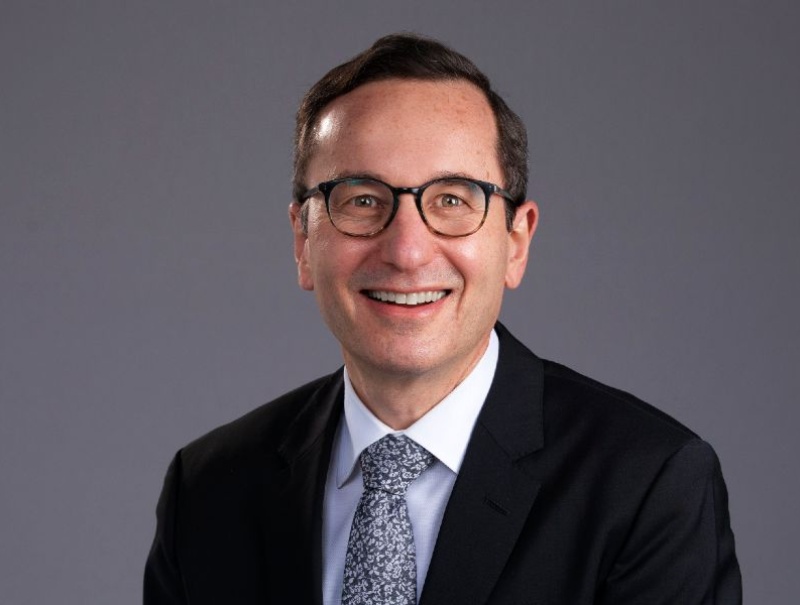
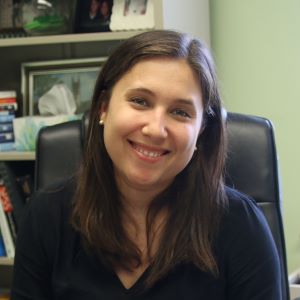
Heather O'Brien is a Professor at the School of Information , University of British Columbia, specializing in user engagement with digital technologies , information retrieval , and knowledge exchange . Her work bridges human-computer interaction and health informatics through projects like the User Engagement Scale (UES) and the PolarUs app for bipolar disorder management. Education: MLIS and PhD from Dalhousie University Research: Focuses on engagement theory, digital health, and university-community knowledge exchange Her STOREE project (SSHRC-funded) develops frameworks for open scholarship and community-centered metadata practices. She co-developed the internationally adopted UES tool for measuring technology engagement, translated into French, German, Italian, and Portuguese . Scientific Awards: 2022 ASIS&T Research in Information Science Award 2018 ASIS&T SIG USE Best Paper Award Professor O'Brien mentors graduate students in information behavior and digital health while leading interdisciplinary collaborations with institutions like CREST.BD and BC Centre on Substance Use .
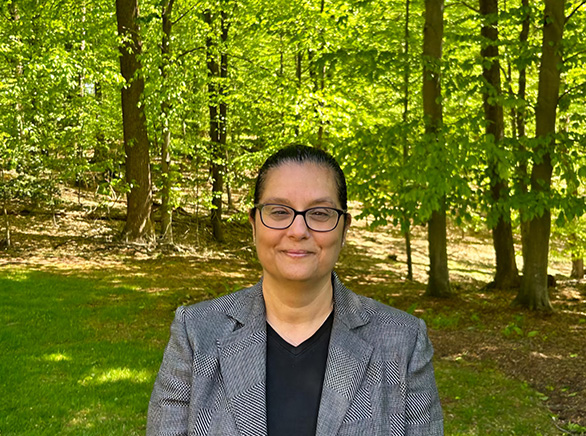
Dr. Richard Lester is an Associate Professor at the University of British Columbia , affiliated with the Faculty of Medicine and the Division of Infectious Diseases . He leads the UBC mHealth Research Group, focusing on mobile health (mHealth) interventions for infectious diseases, precision public health, and patient-centered care across Canada, Kenya, Uganda, Rwanda, and the USA. Director, Infectious Disease Research Director, Neglected Global Diseases Initiative Consultant, BC Centre for Disease Control His research spans HIV/TB care, global health equity, and AI applications in conversational health data. He has conducted landmark trials like WelTel Kenya1 and Tushirikiane-4-MH , with publications in Lancet and other top journals. He collaborates with international bodies like WHO and PEPFAR. Notable Achievements : Grand Challenges Canada phase I & II awards CIHR Foundation Scheme recipient Michael Smith Foundation for Health Research Scholar
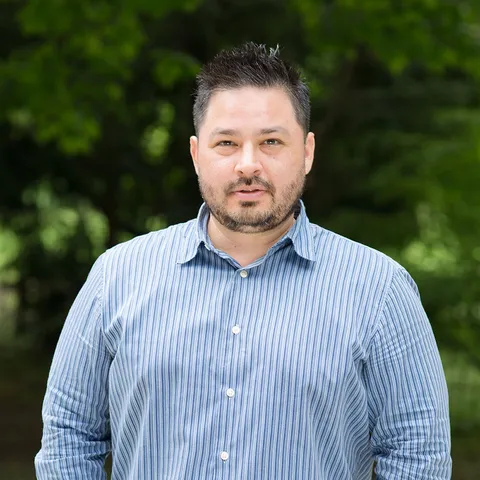
Peter Hitchcock is a Professor at Baruch College's Weissman School of Arts and Sciences, Department of English. A distinguished scholar with a PhD from CUNY Graduate Center, he specializes in postcolonial theory, global literature, and cultural critiques of neoliberalism. His work bridges literary analysis, political economy, and digital humanities. PhD, English, CUNY Graduate Center M.A., English, University of Massachusetts Amherst B.A., Humanities, University of Greenwich His research spans twentieth-century literature , transnational cinema , and environmental culture , with a focus on decolonizing narratives and labor studies. He has published extensively on topics like racial capitalism , digital resistance , and energy humanities . The 15 most recent publications highlight his interdisciplinary approach, including work on postcolonial urbanism , neoliberal documentary , and crypto-capitalism . His articles often employ chronotopic analysis and dialectical materialism to examine cultural production. Scientific Awards : Recipient of multiple PSC-CUNY awards, Mellon Fellowship, NEH grants, and IREX travel support Grants : Funded projects on Beijing's chronotopic representation and African writing in failed states Hitchcock has served on numerous committees including the CUNY/Shanghai University Exchange Program and Center for Place, Culture and Politics . His editorial roles at Cultural Logic and Dialogism underscore his institutional influence.
Katherine B. Grevelding, an Associate Professor of Physical Therapy at Quinnipiac University's School of Health Sciences, serves as the DPT Program Director. With expertise in anatomy education and interprofessional collaborative practice (IPCP), she has been instrumental in shaping physical therapy curricula and advancing patient-centered care initiatives. Education: BS (University of Virginia), MSPT/DPT (MGH Institute of Health Professions), EdD (University of St. Augustine) Her research focuses on anatomy pedagogy , assessment in clinical sciences , and interdisciplinary teaching . Recent publications highlight innovations in virtual interprofessional learning and biomechanical analysis for sports injury prevention. Key trends in her work include: Development of assessment frameworks for clinical science competency Advancements in anatomy education using collaborative technologies Biomechanical studies in sports physical therapy Integration of mental health stigma reduction into athletic care Scientific recognition includes: School of Health Sciences Interprofessional Education Fellow (2020-2022) Board Certified Orthopedic Clinical Specialist, Emeritus (2021) As a Capstone research mentor and committee member across university, school, and department levels, she contributes to institutional governance and student development. Her involvement in the Anatomy Education Special Interest Group and leadership roles in professional organizations like the American Physical Therapy Association (APTA) underscore her influence in the field.
Lynn Helding serves as Professor of Practice in Voice and Vocal Pedagogy at the University of Southern California's Thornton School of Music, where she also coordinates the Vocology & Voice Pedagogy program. She is a distinguished author, most notably of The Musician's Mind: Teaching, Learning and Performance in the Age of Brain Science , and was appointed Editor-in-Chief of the Journal of Singing in 2023. With decades of experience as both a performer and pedagogue, Helding bridges the gap between voice science and artistic practice, advocating for cognitive science as the "Third Pillar of Voice Science" alongside physiology and acoustics. Helding's educational background includes: Master's Degree in Vocal Pedagogy with Distinction from Westminster Choir College of Rider University (2005) Artist Diploma from Indiana University (1988), where she was the first singer ever accepted into this prestigious program Completion of the Summer Vocology Institute at the National Center for Voice and Speech Helding's research focuses on the application of cognitive science to voice pedagogy, with particular emphasis on motor learning theory and expertise studies from social psychology. She pioneered the concept of cognitive science as the "Third Pillar of Voice Science," arguing that understanding the brain's role is essential for effective voice teaching. Her work challenges traditional approaches by emphasizing the "how" of teaching over the "what," advocating for science-informed (rather than science-based) pedagogy that respects both scientific findings and artistic tradition. Helding's research has significant implications for addressing performance anxiety, optimizing practice methods, and developing more effective teaching strategies that account for how musicians actually learn. Her scholarly contributions demonstrate a consistent focus on bridging cognitive science with practical voice teaching. Rather than treating voice science as purely technical knowledge, Helding examines how this information can be effectively communicated to students, recognizing that the delivery method is as important as the content itself. This approach has led to innovative frameworks for evidence-based voice pedagogy that consider both physiological realities and cognitive processing limitations. Helding's significant recognition includes: Lifetime Achievement Award from the Contemporary Commercial Music (CCM) Vocal Pedagogy Institute at Shenandoah University (2020) Van L. Lawrence Fellowship, jointly awarded by the Voice Foundation and the National Association of Teachers of Singing Foundation (2005) Induction into the prestigious American Academy of Teachers of Singing (2022) Recognition as a "legendary figure in the field of voice pedagogy" As an educator, Helding maintains a thriving studio with private clients including members of the Los Angeles Opera and Los Angeles Master Chorale. Her USC Thornton voice students have earned fellowships to prestigious programs including the Aspen and Tanglewood Music Festivals. She has presented masterclasses described as "life-altering" at major voice conferences throughout the United States, Europe, and Australia. Helding previously served twenty-two years as Associate Professor of Voice and Director of Performance Studies at Dickinson College, and four years as voice faculty at Vanderbilt University's Blair School of Music. Helding is actively involved with the USC Voice Center at Keck Medicine of USC as a team member, where she applies her vocology expertise to help singers with functional vocal issues and those recovering from voice surgery. She is a co-founder of the NATS Science-Informed Voice Pedagogy Institute and frequently collaborates with voice scientists and medical professionals to advance the field of vocology.
Dr Rosemary Stott is a faculty member at the University of East London, serving as Dean of the School of Arts and Creative Industries. She holds a PhD in Film from Reading University, an MA in Film from Westminster University, and a BA from Oxford University. Education: BA (Oxford), MA (Westminster), PhD (Reading) Leadership roles at UEL, London Metropolitan University, and Ravensbourne University London Research focus: East German film (DEFA), cultural transference, inclusive learning design, digital education Her research explores the intersection of film history, pedagogy, and educational technology. Key projects include World on our Doorsteps (2022-2025, Arts Council England) and Embedding Mental Well-Being in the Curriculum (2020-21). Earlier work involved a Horizon 2020 wearable technology project and Jisc-funded initiatives for dyslexic students. Recent publications analyze Critical Race Theory in film education, DEFA film legacy, and digital pedagogy innovations. Awards include funding from Jisc, HEFCE, and HEA for educational technology projects. She supervises PhD students in German film, media practice, and transnational cinema.
Professor Massimiliano Tani Bertuol is a distinguished academic specializing in economics at UNSW Canberra's School of Business, where he has served as Professor since 2015. His professional affiliations extend beyond UNSW as he is an Associate Investigator/Member at CEPAR; Ageing Futures; uDASH; AI Institute; and Cyber security (IFCYBER). Additionally, he maintains international connections as a Research Fellow at the Institute for the Future of Labor (IZA) in Germany since 2005, an Associate Member at Macquarie University's Centre for Workforce Futures since 2018, and a Research Fellow at the Global Labor Organization (GLO) in Maastricht since 2016. His educational background reflects a strong foundation in economics and business, having earned a PhD in Economics from the Australian National University (2003), a Master of Science in Economics from the London School of Economics (1992), and a Bachelor's degree in Business/Economics from Bocconi University in Milan, Italy (1989). His academic journey has positioned him as a leading researcher in human capital economics with international recognition. Professor Tani Bertuol's research centers on human capital development and its economic implications. His work examines how human capital can be fostered, efficiently transferred internationally through migration, and how it affects productivity, innovation, and economic growth at both firm and national levels. His research spans multiple regions including Australia, Europe, the US, Africa, and China, with particular focus on migration economics, labor market outcomes, and the economic impacts of education and skills. His current research agenda includes non-pecuniary incentives, behavioral/financial decisions in China, occupational licensing, language skills and economic assimilation, AI-human interactions in health contexts, and labor mobility and productivity. Analysis of his recent publications reveals significant interdisciplinary trends bridging economics with public health, environmental science, and technology. His work connects migration dynamics with economic outcomes, examines household financial behaviors through gender lenses, and investigates the complex relationships between environmental factors like air pollution and economic activities including education investment and entrepreneurship. More recent work explores AI applications in health and the economic implications of pandemic responses, demonstrating his ability to address contemporary challenges through rigorous economic analysis. 2023: UNSW ARC Postgraduate Council (Arc PGC) award for excellence in research supervision 2011: Vice-Chancellor Award for Teaching Excellence 2011: Faculty Award for Teaching Excellence for teaching economics Professor Tani Bertuol has successfully supervised 4 PhD students to completion, with 1 submitted dissertation and 5 currently under supervision. His active research program is supported by significant grant funding including an ARC Linkage Project (2023-27) on regional Australia's skills shortages and high-skill refugees' employment ($354,811), an ARC Discovery Project (2019-23) on migrant aging and wellbeing ($478,000), and a NUW Alliance grant (2021-23) on hearing screening and academic outcomes ($73,367). He serves as Associate Editor for Social Indicators Research and Higher Education Research & Development, contributing to scholarly discourse in his fields of expertise. His teaching portfolio includes courses in data analytics, finance, and professional executive education focused on cost-benefit analysis and data communication. He teaches ZBUS2333 Data Analytics and Visualisation, ZBUS8105 Finance and Investment Appraisal, and ZBUS8149 Introduction to Finance, demonstrating his commitment to developing the next generation of economics professionals with both theoretical knowledge and practical skills.
Dr. Steven K. Rothschild is Professor and Chair of the Department of Family & Preventive Medicine at Rush Medical College, Rush University, where he also holds the distinguished title of The Roger C. Bone, MD, Presidential Professor. As a practicing family physician at Rush Family Physicians in Chicago (1700 W Van Buren St, Suite 470), he provides comprehensive primary care with particular expertise in managing patients with multiple chronic conditions, especially older adults. His educational background includes: Medical Degree from University of Michigan Medical School Residency in Family Medicine at Cleveland Metropolitan General Hospital Dr. Rothschild describes his clinical approach as being 'the conductor of the orchestra' for complex patients, ensuring medication regimens don't conflict and diagnostic testing is coordinated efficiently. With patients he's seen for 20-25 years, he emphasizes the importance of long-term patient-physician relationships and continuity of care. His patient satisfaction ratings consistently average 4.9/5.0 across multiple dimensions including communication, empathy, and shared decision-making. Analysis of his 22 publications from 2003-2024 reveals three dominant research themes: community health worker interventions (particularly for diabetes management in Hispanic populations), integrated care models addressing both medical and social determinants of health, and mental health interventions within primary care settings. His recent work increasingly incorporates digital health technologies for depression, anxiety, and sleep interventions. As Department Chair, Dr. Rothschild oversees academic programs, faculty development, and research initiatives within Family & Preventive Medicine. His leadership focuses on training the next generation of family physicians while advancing innovative approaches to primary care delivery for complex patient populations.
Allison J Carroll, PhD is an Assistant Professor at Northwestern University Feinberg School of Medicine with primary appointment in Psychiatry and Behavioral Sciences, and secondary appointments in Medical Social Sciences and Preventive Medicine (Behavioral Medicine). She serves as a core faculty member in the Center for Dissemination and Implementation Science (CDIS) and is affiliated with the Institute for Public Health and Medicine (IPHAM) and the Northwestern University Clinical and Translational Sciences Institute (NUCATS). Dr. Carroll is a clinical health psychologist and implementation scientist whose research focuses on psychological (e.g., depression) and behavioral (e.g., cigarette smoking) contributors to chronic disease (e.g., cardiovascular disease), particularly for disadvantaged and historically underresearched populations. Her current research includes a K23 career development award to inform and pilot test the implementation of a culturally adapted depression intervention for Black adults with hypertension, with training aims in implementation science, community engaged research, and health informatics. Dr. Carroll also serves as an implementation science co-investigator/consultant on externally funded research projects and clinical initiatives in healthcare settings. Her publication record shows a clear focus on implementation science methods applied to cardiovascular disease prevention, depression treatment, and health disparities reduction, with numerous recent publications (2024-2025) in high-impact journals spanning implementation frameworks, community-based interventions, and integrated care models. Scientific Awards: Citation Abstract Award, Society of Behavioral Medicine (2025) Teacher of the Year, Clinical Psychology MA & PhD Programs, Northwestern University Feinberg School of Medicine (2024) Outstanding Abstract Award, Multimorbidities and Multiple Health Behavior Change Special Interest Group, Society of Behavioral Medicine (2022) Early Career Boot Camp, Association of Psychologists in Academic Health Centers 10th National Conference (2021) Fellow, Ten-Day Seminar on the Epidemiology and Prevention of Cardiovascular Disease and Stroke (2019) Dr. Carroll maintains active professional service as Secretary of the Health Research Council for the Society for Health Psychology (2023-present), Research Communication Liaison for the same council (2017-present), and previously served as Membership Coordinator for the Cardiovascular Disease Special Interest Group of the Society of Behavioral Medicine (2022-2024). She is an active member of multiple professional societies including the Association of Psychologists in Academic Health Centers, Society of Behavioral Medicine, American Heart Association, and Society for Health Psychology. Her educational background includes a BA from Monmouth College (2009), MS (2014) and PhD (2018) from Northwestern University, followed by an internship at Medical University of South Carolina in Clinical Psychology/Behavioral Medicine (2018) and a fellowship at Northwestern Medicine in Cardiac Behavioral Medicine (2020).
Yingdan Lu is an Assistant Professor in the Department of Communication Studies at Northwestern University's School of Communication. She serves as Director of the Computational Media and Politics Lab, co-director of the Computational Multimodal Communication Lab, and is core faculty in Northwestern's Media, Technology, and Society (MTS) and Technology and Social Behavior (TSB) PhD programs. She is also affiliated with the Center for Communication & Public Policy and the Center for Human-Computer Interaction + Design. Her educational background includes a Ph.D. in Communication from Stanford University (2023), where she also earned a Ph.D. minor in Political Science and an M.A. in East Asian Studies. She received her B.A. in Journalism and Communication from Tsinghua University. Dr. Lu's research centers on digital technology, political communication, and authoritarian politics, with two primary focus areas: the role of digital technologies in authoritarian politics, and multimodal communication across different contexts. Her work employs computational and qualitative methods to examine how authoritarian governments use digital media and AI to maintain rule, and how individuals experience technology in different media environments. As a computational social scientist, she advances methods for analyzing multimodal data (images, videos), cross-lingual digital communication, and mixed-method research. Her publications reveal a consistent focus on digital authoritarianism, particularly Chinese state propaganda on social media platforms, multimodal communication analysis, and information manipulation. Her work spans interdisciplinary outlets including Political Communication, New Media & Society, International Journal of Press/Politics, and Proceedings of the National Academy of Sciences. Dr. Lu's research has received funding from the National Science Foundation, Brown Institute for Media Innovation, and the Stanford Institute for Human-Centered Artificial Intelligence. She is the founder of COMputation Island ("计传岛"), a WeChat-based platform serving over 10,000 Mandarin-speaking scholars in computational communication research. She leads the Computational Media and Politics Lab and co-directs the Computational Multimodal Communication Lab, where she develops innovative frameworks for analyzing multimodal data and promotes mixed-method approaches to computational social science research.
Monita J. Baba Djara, DrPH serves as an Assistant Professor and Program Director for SPH-Global Health (4+1 program with PUC), MPH at Loma Linda University's School of Public Health. Her academic career demonstrates strong commitment to global health education and community-based research initiatives. Dr. Baba Djara's research interests focus on community health in low-resource settings, maternal mental health, social determinants of health, and food security. Her work emphasizes community-based participatory approaches that bridge academic institutions with community organizations and faith-based partners to address health disparities. Her recent publications reveal a consistent pattern of research examining how social and environmental factors impact health outcomes, particularly among vulnerable populations. She has published on maternal mental health in marginalized communities, student mental health and food security, and innovative university-church-community partnerships for improving community health. Dr. Baba Djara has secured multiple research grants including CDC/RISE projects through El Sol Neighborhood Education Center and initiatives with Adventist Development and Relief Agency focused on community health champions training and international health programs in Mongolia. As an educator, she teaches multiple courses in the Global Health curriculum including Fundamentals of Global Health and Development series, Health Systems in Low Resource Settings, and Interventions in Community Health & Development. She also teaches grant writing and supervises doctoral projects, demonstrating her commitment to developing the next generation of public health professionals.
Dr. Jennifer Gibson is an Associate Professor and Co-Director at the School of Psychology, Xavier University, where she has served since 2011. As a licensed clinical psychologist, her work focuses on school-aged children, school-based mental health, and prevention/promotion interventions. She earned her Ph.D. in Clinical Psychology from Miami University following a predoctoral internship at the University of Maryland School of Medicine. Her teaching portfolio includes foundational courses such as PSY 101: General Psychology , PSY 232: Developmental Psychology , PSYC 332: Child Psychology , and PSY 584: Psychometrics and IQ Tests . Research interests span school-based mental health , bullying prevention , community psychology , and participatory action research , often addressing systemic challenges in child and adolescent mental health. Recent publications highlight her contributions to trauma-informed supervision , resilience in border communities , and DEI initiatives in graduate education . Though no scientific awards are explicitly mentioned, her collaborative work with colleagues like Dr. Melissa Mullins and Dr. Julia Phillips underscores her role in advancing inclusive academic practices. Dr. Gibson’s research integrates child development, educational psychology, and community engagement to improve mental health outcomes.
Dr. Tony Gaskew is a Professor of Criminal Justice and Associate Dean of Academic Affairs at the University of Pittsburgh at Bradford (UPB), where he has served since 2006. He holds a Ph.D. in Conflict Analysis from Nova Southeastern University and is a faculty affiliate at the Center on Race and Social Problems (CRSP) in the School of Social Work. His research focuses on counterinsurgency (COIN), Black Male Studies, and Killology, with a strong emphasis on police abolition, African American resistance, and prison education reform. Ph.D. Conflict Analysis, Graduate School of Humanities and Social Sciences, Nova Southeastern University M.S. Criminal Justice, Criminal Justice Institute, Nova Southeastern University B.L.S. Behavioral Science, Barry University Dr. Gaskew’s academic work explores intersections of systemic oppression, white supremacy, and transformative justice. His ethnographic research spans Africa, Israel, and the Palestinian Territories, with a notable focus on post-9/11 policing of Muslim American communities. He created the FBI-COINTELPRO-Pittsburgh Collection, a digital archive documenting FBI counterintelligence operations targeting the 1960s Black Power Movement, and has authored over 50 publications, including his 2020 book Stop Trying to Fix Policing . His 2025 awards include The Chancellor’s Distinguished Public Service Award and The Dr. Larry E. Davis Excellence in Community Engaged Scholarship Award, reflecting his commitment to social justice and community partnerships. He founded the nationally recognized UPB Prison Education Program, pioneering post-secondary initiatives at federal and state correctional facilities. Chancellor’s Distinguished Public Service Award (2025) Dr. Larry E. Davis Excellence in Community Engaged Scholarship Award (2025) Dr. Gaskew’s 15 most recent publications highlight his expertise in critical race theory, counterinsurgency, and prison reform. His work spans from 2023 analyses of Black Liberation Army strategies to foundational 2007 studies on post-9/11 policing. Common themes include systemic racism, social justice, and the psychological impacts of policing and incarceration. As a Fulbright Hays Scholar and military combat veteran, Dr. Gaskew brings interdisciplinary rigor to his roles. He teaches courses on Killology, examining the lived experience of deadly force in policing and military contexts, and advocates for transformative educational practices in correctional settings.
Galit Levi Dunietz, PhD, serves as Associate Professor in the Department of Neurology at the University of Michigan, specializing in Sleep Medicine with a research focus at the intersection of epidemiology, women's health, and cardiometabolic outcomes during key reproductive life stages. Her work investigates how sleep disturbances impact cognitive function and long-term health across pregnancy, postpartum, and menopausal transitions. Her academic foundation includes: PhD in Epidemiology from Michigan State University College of Human Medicine (2015) MPH in Epidemiology from University of Michigan School of Public Health (2011) MA in Statistics from Columbia University Graduate School of Arts and Sciences (1999) Dr. Dunietz's research program centers on identifying sleep-health disparities through large-scale epidemiological studies, with particular emphasis on reproductive health events as critical windows for intervention. She examines bidirectional relationships between sleep patterns and physiological markers across menstrual cycles, pregnancy trajectories, and menopausal transitions, while addressing social determinants that exacerbate sleep inequities in minority and vulnerable populations. Her methodological approach integrates objective sleep metrics with longitudinal health outcomes to establish evidence for public health interventions. Analysis of her 2023-2025 publications reveals dominant themes in sex-specific sleep pathology, reproductive health intersections, and social epidemiology of sleep. Key trends include investigations into obstructive sleep apnea screening challenges in women, sleep characteristics during anovulatory cycles, metabolic biomarker fluctuations across menstrual phases, and structural determinants of sleep deserts. Her work increasingly incorporates intersectional frameworks examining how race, ethnicity, and socioeconomic status compound sleep health disparities during reproductive transitions. While specific awards aren't documented in the source materials, her publication record demonstrates significant scholarly impact through high-impact journals including SLEEP, Journal of Clinical Sleep Medicine, and American Journal of Epidemiology, with consistent contributions to understanding sleep's role in women's cardiometabolic and cognitive health. Dr. Dunietz actively contributes to interdisciplinary research through collaborations with major cohort studies including the Nurses' Health Study, BioCycle study, and MASALA study. Her work within the Division of Sleep Medicine involves clinical-population research translation, though specific grant details and advisee information aren't provided in available materials. She maintains strong institutional connections between neurology, public health, and women's health research initiatives at the University of Michigan.
David Córdova is an Associate Professor at the University of Michigan School of Social Work, where he leads research on Latino health inequities with a focus on substance use and HIV prevention among adolescents. His work emphasizes community-based participatory research and digital health interventions. His research interests span Substance Abuse Prevention , HIV/STI Prevention , Health Disparities , and Latino Health , utilizing both qualitative and longitudinal methodologies. He has developed innovative family-based interventions delivered via internet platforms to address health inequities. Córdova's publication trends reveal a strong focus on adolescent health behaviors, family dynamics, and culturally tailored interventions. His recent work increasingly incorporates digital health approaches and examines intersectional factors like ethnic discrimination and familism in sexual risk behaviors among Latinx youth. Centers for Disease Control and Prevention Early Career Development Award (Grant# U01PS003316-01) National Institute on Minority Health and Health Disparities Loan Repayment Program Best Research Article on Family Research and Theory Award (2020) National Institute on Drug Abuse Diversity Scholars Network Fellowship Professor Córdova actively collaborates with students across all research phases and serves on editorial boards for Emerging Adulthood and Journal of Adolescent Health. His Prevention Research and Health Equity Lab develops interventions targeting substance abuse and HIV prevention, with recent work focusing on mobile health applications like the 'Storytelling 4 Empowerment' intervention funded by NIDA.