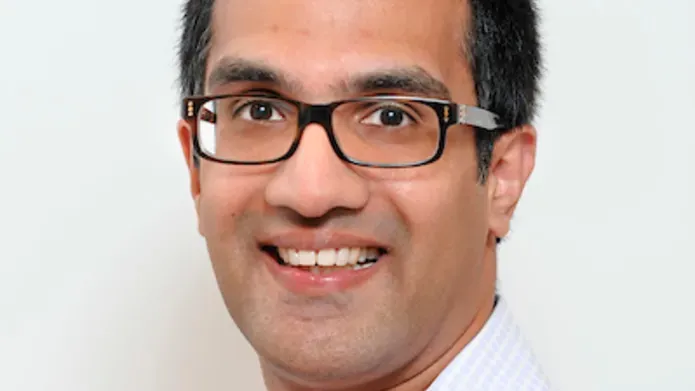
Dr. Arpan Mehta is an Independent Investigator at the MRC Protein Phosphorylation and Ubiquitylation Unit, specializing in neurodegenerative diseases with a focus on Amyotrophic Lateral Sclerosis (ALS) and frontotemporal dementia. He was awarded the 51st Sir John Halliday Croom Medal and Lectureship by the Royal College of Physicians of Edinburgh for his groundbreaking research on ALS mechanisms. His work explores the role of kinases and genetic mutations (e.g., C9ORF72) in neurodegeneration, alongside mitochondrial dysfunction and clinical trial methodologies. Research interests include molecular mechanisms underlying ALS, neuroimmunology, and improving clinical trial designs for neurodegenerative diseases. Dr. Mehta advocates for rigorous research standards, addressing reproducibility challenges, and optimizing therapeutic approaches. His recent studies investigate mitochondrial bioenergetic deficits in ALS motor neurons and the impact of cerebrospinal fluid (CSF) toxicity. Awards: Sir John Halliday Croom Medal and Lectureship (2025) His publications span clinical neurology, neurodegenerative disease mechanisms, and ethical aspects of medical practice. Dr. Mehta emphasizes interdisciplinary collaboration to advance understanding of ALS pathogenesis and translational therapies.
Bertram O. Ploog is a Professor at the College of Staten Island, City University of New York, and is affiliated with the CUNY PhD program in Cognition & Comparative Psychology. He teaches courses in behavior analysis and statistics at both undergraduate and graduate levels. Research Interests: His research focuses on autism spectrum disorders, with emphasis on selective attention, stimulus overselectivity, and emotion recognition. He employs behavioral animal models, including studies with squirrel monkeys and dogs, to explore cognition and Theory of Mind. His work extends to the development and evaluation of computer-assisted technologies (CAT) for enhancing social, communicative, and language skills in children with autism. Recent Research Trends: His recent publications reflect a strong focus on attention processes in autism, the use of educational technology and computer games in developmental disabilities, and cross-species cognitive studies. His work bridges experimental psychology, clinical applications, and technological innovation in autism research. Professional Recognition: He is a Board-Certified Behavior Analyst and a licensed psychologist and behavior analyst in New York State. Education and Training: He earned his Ph.D. from the University of California, San Diego, mentored by Laura Schreibman and Ben Williams. His academic foundation was shaped by George Reynolds and Edmund Fantino in experimental behavior analysis. Advising and Grants: While no specific students or grants are listed, his active research and doctoral program affiliation suggest involvement in mentoring graduate students and securing research funding. His ongoing publications and program affiliation indicate sustained scholarly engagement. Labs and Teams: Specific lab or research team names are not mentioned in the available text.
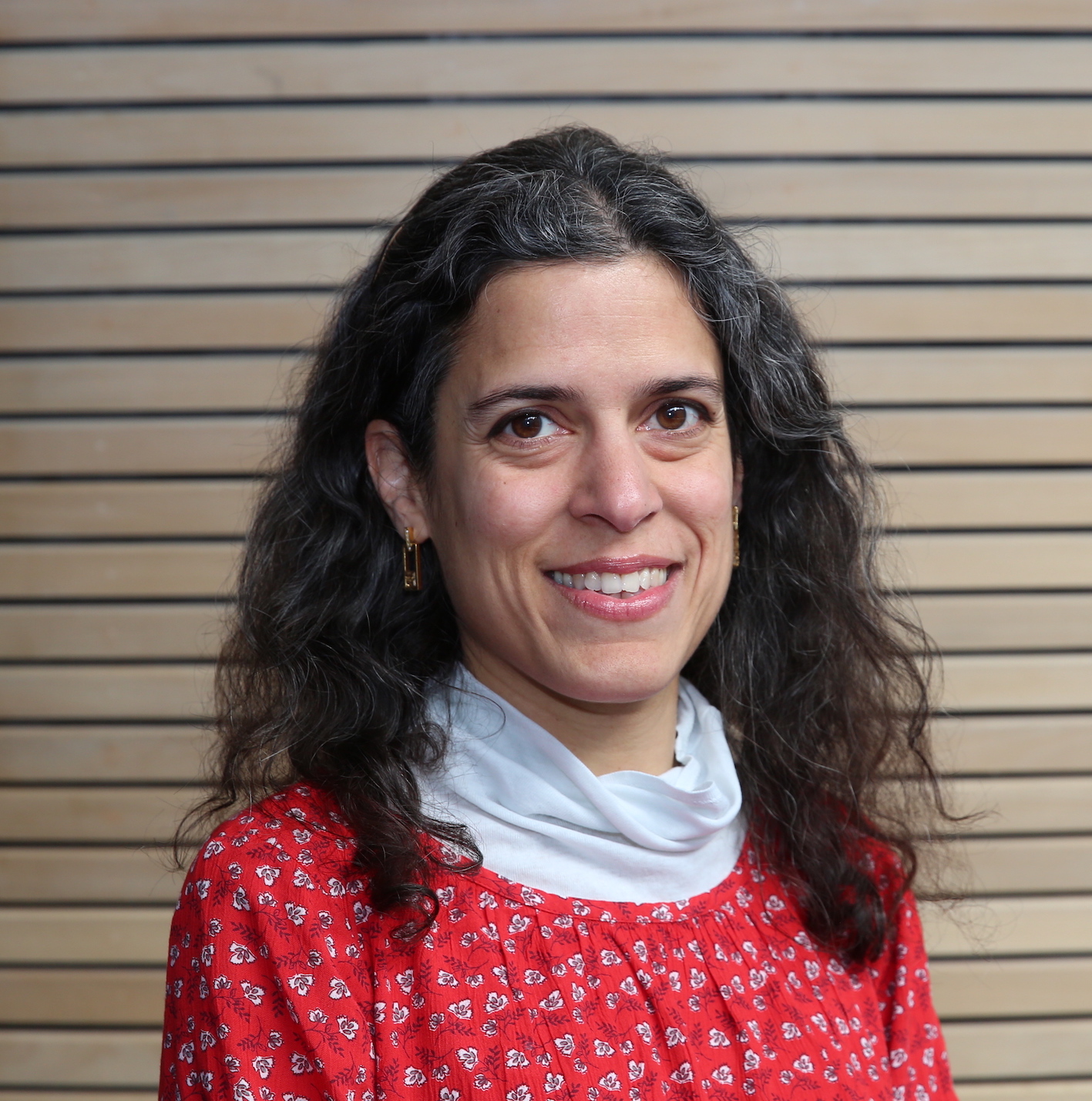
Professor Devyani Sharma is a Professor of Linguistics at Queen Mary University of London, affiliated with the Department of Linguistics within the School of Languages, Linguistics and Film. She holds a PhD from Stanford University. Her research focuses on sociolinguistics, style variation, migration, bilingualism, new varieties of English, syntax, typology, and accent bias. She has conducted extensive studies on diasporic communities, particularly Punjabi Londoners, examining dialect development and social change through projects like 'Generations of London English' and 'Accent Bias in Britain.' Her work integrates quantitative and qualitative methods, including sociolinguistic interviews, acoustic analysis, and discourse analysis. Notable contributions include studies on the role of social networks in language variation, the concept of 'lectal focusing,' and the impact of accent biases in professional contexts. She has authored/co-authored books such as From Deficit to Dialect: The Evolution of English in India and Singapore (2023) and edited volumes including English in the Indian Diaspora (2014). Professor Sharma collaborates on public engagement initiatives like Teach Real English! and Multilingual Capital , aiming to improve linguistic education and address accent bias in society. Her research has been funded by grants from the ESRC and other UK organizations, totaling over £412,000 for major projects. She serves as Associate Editor for the Journal of Sociolinguistics and contributes to international conferences and workshops.
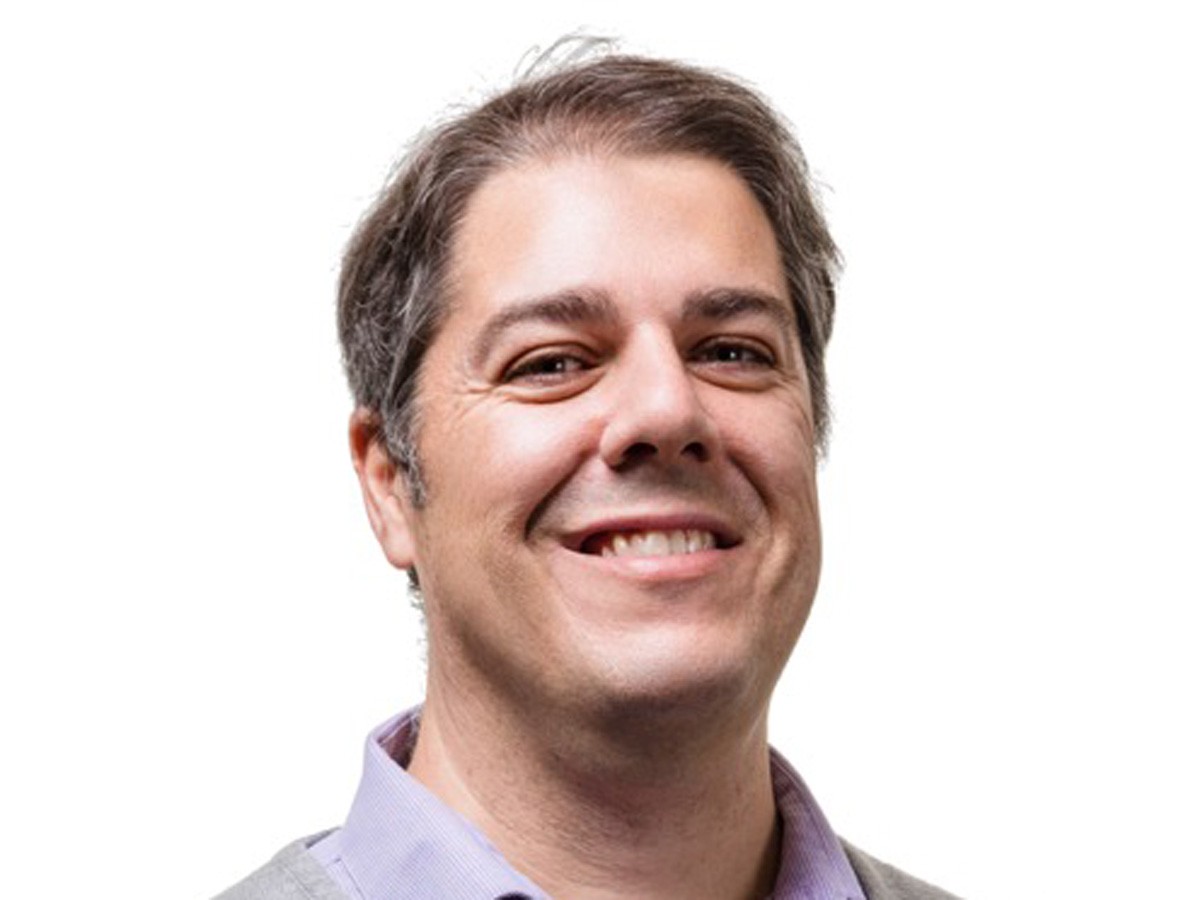
Prof. Dr. Dr. h.c. Andreas Georg Scherer is a Full Professor and Chair of Foundations of Business Administration and Theories of the Firm at the University of Zurich. His academic career began with studies at the University of Erlangen-Nuremberg, culminating in a Diplom-Kaufmann (1989), Dr. rer. pol. (1994), and habilitation (2000). Since 2002, he has held his current chair, focusing on business ethics, globalization, and organization theory. Affiliations: Member of University of Zurich’s Ethics and Sustainability Committees, Academic Advisory Board at Zeppelin University, and editorial roles in journals like Business Ethics Quarterly and Journal of Management Studies. Education: 1984–1989: Studies in Business Administration, University of Erlangen-Nuremberg 1989: Diplom-Kaufmann (Master equivalent) 1994: Dr. rer. pol. (PhD) 2000: Habilitation in Business Administration Research Interests: Scherer’s work bridges business ethics, globalization, and organization theory. Key themes include corporate political responsibility ( Political CSR ), digitalization’s societal impacts, and the role of multinational firms in global governance. His research emphasizes critical theory and discourse ethics frameworks. Publications: Over 60 journal articles and books, including Handbook of Research on Global Corporate Citizenship (2008) and Multinationale Unternehmen und Globalisierung (2003). Recent work explores dark sides of digitalization and responsible innovation governance. Awards: 2020: Dr.rer.pol.h.c. honorary degree (University of Hamburg) 2020: Best Paper Award (WK INT Committee) 2018: VHB Best Practice Paper Award 2012: OMT Best Published Paper Finalist Advising & Grants: Supervised over 10 doctoral students, including Dorothee Baumann-Pauly and Christian Voegtlin. Led Swiss National Science Foundation projects on corporate legitimacy, responsible leadership, and anti-corruption strategies. Labs/Teams: Heads the Foundations of Business Administration research group at the University of Zurich, focusing on ethical and political dimensions of corporate activity. Collaborates with global institutions like the World Business Council for Sustainable Development.
Frank Russo is a Professor in the Department of Psychology at Toronto Metropolitan University, where he holds the NSERC-Sonova Senior Research Chair in Auditory Cognitive Neuroscience. He leads the Science of Music Auditory Research and Technology (SMART) Lab and holds affiliate and adjunct positions at the University Health Network and the University of Toronto, respectively. Research Interests: Dr. Russo's work lies at the intersection of auditory cognitive neuroscience, music psychology, and rehabilitation. His research explores how humans perceive music and speech, particularly under challenging conditions such as hearing loss or non-native accents. He investigates the cognitive and neural mechanisms of listening effort, emotional speech processing, and the social and therapeutic benefits of music, especially through community choirs and digital interventions. Publication Trends: His recent publications emphasize objective measurement of listening effort using functional near-infrared spectroscopy (fNIRS), music-based interventions for Parkinson’s disease and dementia, vocal and emotional responses to singing, and multisensory integration in beat perception. The work is highly translational, bridging basic cognitive neuroscience with clinical and community applications. Scientific Awards and Honors: NSERC-Sonova Senior Research Chair in Auditory Cognitive Neuroscience Fellow of the Canadian Psychological Association Fellow of Massey College Fellow of the Canadian Society for Brain, Behavior and Cognitive Science Past President of the Canadian Acoustical Association Advising and Grants: Dr. Russo actively mentors students and researchers, as evidenced by his co-authorship with numerous junior colleagues. He has secured major funding through NSERC and industry partnerships, enabling the development of impactful technologies such as hearing aid algorithms, sensory substitution systems, and digital therapeutics. His SingWell project fosters collaboration across academic, clinical, and community sectors. Labs and Teams: He directs the SMART Lab at Toronto Metropolitan University, a hub for interdisciplinary research on music, hearing, and cognition. The lab collaborates extensively with KITE Research Institute, Rehabilitation Sciences at the University of Toronto, and various community organizations focused on aging, hearing loss, and neurodegenerative conditions.
Dr. Angela M. Locks is a Professor and Department Chair in Educational Leadership at California State University, Long Beach (CSULB), within the College of Education. She also serves as the Executive Director of the Center for Evaluation & Educational Effectiveness. Her career spans nearly three decades in higher education, with 16 years at CSULB, where she has held leadership roles in diversity, equity, and inclusion, including Executive Director for Diversity, Equity, and Inclusion in Academic Affairs (2020–2024), and founding roles in undergraduate research programs. Education: Ph.D. in Higher Education (Diversity & Governance), University of Michigan, Ann Arbor M.A. in Education, University of Michigan, Ann Arbor B.A. in Psychology, University of Michigan, Ann Arbor Her research centers on diversity, equity, and inclusion in higher education , with a focus on college access, retention, campus climate, and the experiences of racially and ethnically underrepresented students. She examines how institutional policies and practices affect student outcomes, particularly through intergroup dialogue, high-impact practices, and diversity programming. Her work emphasizes the holistic development of students and the role of equity-mindedness in educational leadership. The recent publications and edited volumes highlight a sustained focus on debunking deficit narratives (e.g., 'grit'), supporting Students of Color, and understanding the structural barriers faced by Latina/o, African American, and first-generation students. Her research bridges theory and practice, often involving longitudinal and qualitative studies that inform institutional strategies for inclusion and retention. Scientific Awards: 2021 Wang Family Excellence Award Outstanding Faculty Service Nominee, CSULB 2014 Outstanding Faculty Mentor for Student Engagement in Research, CSULB Academic Affairs 2014 Most Valuable Professor, College of Education, CSULB Alumni Association Dr. Locks has supervised 18 doctoral dissertations and 23 master’s theses, demonstrating a strong commitment to mentoring the next generation of scholars. She led the Mellon Mays Undergraduate Fellowship Program (2017–2024) and founded the Undergraduate Research Opportunity Program, securing external funding and institutional support for student research. Her leadership extends to national initiatives, including serving as principal investigator for the Truth, Racial, Healing, and Transformation (TRHT) Campus Center with AAC&U. She is actively involved in research centers and programs at CSULB, including the Center for Evaluation & Educational Effectiveness and the Office of Undergraduate Research Services. Her work continues to shape institutional practices around diversity, equity, and student success through research, policy engagement, and community collaboration.
Gillian Hayes is the Vice Provost for Academic Personnel and a Chancellor’s Professor at the University of California, Irvine (UCI). She holds joint appointments in the Department of Informatics (Donald Bren School of Information and Computer Sciences), School of Education, and School of Medicine. Her research focuses on human-computer interaction, assistive technologies, and digital health interventions for children with ADHD and autism. She leads the STAR Group, which designs technologies to address real-world challenges in healthcare and education. Education: PhD in Computing from Georgia Tech, and degrees from Vanderbilt University. Professional roles include Vice Provost for Graduate Education, Dean of the Graduate Division, and faculty director of multiple programs, including the Master of Human Computer Interaction and Design. Research interests include child development, health informatics, and ethical technology deployment. Notable projects include the CERES initiative and work on smartwatch interventions for ADHD. Over 100 peer-reviewed publications and 6 books/chapters highlight her contributions. Scientific awards include NSF CAREER Award, ACM SIGCHI Academy, and recognition for teaching and innovation in accessibility. Advises graduate students in informatics, computer science, and education. Active in leadership roles at UCI and the Computing Research Association (CRA Board member). Labs/Teams: STAR Group, Intel Science and Technology Center (ISTC) collaborator, and co-founder of AVIAA and Tiwahe Technology. Focuses on interdisciplinary research with global collaborators.
Amy Vaughan Van Hecke serves as Assistant Chair and Professor in Marquette University's Department of Psychology, leading research on autism spectrum disorder (ASD) and social development across the lifespan using neuroimaging and psychophysiological methods. She directs community initiatives to improve autism services access for underserved Milwaukee populations through the Next Step Clinic. Her academic foundation includes: B.A. in Psychology from Smith College Ph.D. in Developmental Psychology from the University of Miami Dr. Van Hecke's research centers on brain activity, heart rate regulation, and social behavior in individuals with and without ASD, utilizing high-density EEG and MRI to examine neural responses to interventions like PEERS ® . Current projects investigate pandemic impacts on social interaction in autistic adults and neural mechanisms of social isolation remediation. Her work bridges laboratory neuroscience with community-based clinical applications. Publication analysis reveals consistent focus on intervention efficacy (particularly PEERS ® ), neural plasticity measurement, and comorbid conditions across developmental stages. Recent work emphasizes gender-specific outcomes, family impacts, and pandemic-related mental health, demonstrating methodological diversity from EEG asymmetry to community-based participatory research. Her distinguished scientific recognition includes: Kirschstein National Research Service Award (NRSA) from the National Institute of Mental Health Dr. Van Hecke mentors students through her Marquette Autism Project lab and the Next Step Clinic training program while securing major grants from Marquette University, Johnson Controls Foundation, and the Greater Milwaukee Funders’ Collaborative. She teaches undergraduate/graduate courses in developmental psychology and statistics. Advising: Clinical psychology graduate mentorship (excluding 2025 intake); undergraduate research supervision Grants: $500k+ secured for Next Step Clinic serving underserved Milwaukee children She co-directs the Marquette Interdisciplinary Autism Initiative and the Next Step Clinic, which employs a Family Navigation model in Milwaukee's Metcalfe Park neighborhood to provide autism screening, diagnosis, and therapy for children aged 15 months-10 years facing systemic barriers to care.
Dr. Junfang Wu is a Professor in the Department of Anesthesiology and holds a secondary appointment in Neurobiology at the University of Maryland School of Medicine. She serves as Associate Director of UM-MIND (University of Maryland - Medicine Institute for Neuroscience Discovery), Director of the Anesthesiology Center for Neuroscience Research, and Vice-Chair for Translational Research in the Department of Anesthesiology. Her academic journey includes a BM in Medicine, MS in Pharmacology from Jiangxi Medical College, and PhD in Neuropharmacology from Nanjing Medical University, followed by postdoctoral training at China's Institute of Materia Medica and NIH. Research Focus: Neurotrauma, neuroinflammation, autophagy-lysosomal pathway, extracellular vesicles, Hv1/NOX2/ROS, TrkB.T1 Key Techniques: Rodent models of SCI/TBI, behavioral evaluations, EV characterization, quantitative imaging, molecular/cellular biology Dr. Wu's research explores the cellular and molecular mechanisms of neurological dysfunction following CNS trauma, with emphasis on autophagy-lysosomal disruption, microglial Hv1 channels, and EV-mediated neuroinflammatory signaling. Her 2025 Aging and disease study reveals age-dependent transcriptional changes post-anesthesia, while 2024 Brain, Behavior, and Immunity work demonstrates how SCI alters EV cargoes to drive brain neuroinflammation. Her team recently discovered that Hv1 proton channel ablation in microglia provides neuroprotection in SCI models. Her scientific contributions are recognized through the 2025 Matjasko Professorship in Anesthesiology Research. She has secured multiple NIH grants including: R01 NS145443 (2025-2030): cGAS signaling in brain trauma-induced neuroinflammation R01 AG077541 (2022-2027): TBI olfactory dysfunction and dementia progression 2RF1 NS094527 (2016-2027): Autophagy mechanisms in SCI R01 NS110825 (2020-2026): Hv1 channel in SCI/TBI Dr. Wu's laboratory personnel include Research Associates Yun Li and Zhuofan Lei, Post-doctoral Fellows Balaji Krishnamachary and Zihui Wang, Research Assistant Hui Li, and medical student Ruth Park. Her work spans from bench research on lysosomal damage to clinical implications for Alzheimer's disease-related dementia (AD/ADRD) and potential therapeutic strategies.
Jasmine Begeske serves as Clinical Assistant Professor of Special Education in Purdue University's Department of Educational Studies within the College of Education. She co-founded and directs CREATE: Center for Research and Equipment for Assistive Technology in Education, an AT library and makerspace providing hands-on opportunities for pre-service teachers to develop individualized solutions for students with disabilities using 3D printers, Cricut, and Glowforge equipment. Her educational background includes: PhD in Special Education with Cognate in Art Education from Purdue University MFA in Photography and Related Media from Purdue University MS in Secondary Education (Special Education specialization) from Indiana University Northwest BFA in Photography with Art History minor from Indiana University Dr. Begeske's research program examines inclusive access to arts education through program evaluation and creative assistive technology development. Her experimental printmaking practice integrates individuals with disabilities as co-creators , while her scholarly work validates instruments measuring preschool arts accessibility and develops multisensory adaptations for students with visual impairments. She bridges art education and special education through evidence-based AT interventions . Analysis of her publication history reveals consistent focus on arts/special education intersections with increasing emphasis on empirical validation of accessibility instruments and multisensory adaptations. Her 2023 work on teacher education in art classrooms and multisensory adaptations demonstrates practical applications of her CREATE center's mission, while her 2022 instrument validation study establishes methodological rigor in measuring arts accessibility. Her scientific recognition includes: 2023 USSEA Outstanding Dissertation Award 2023 Purdue Focus Award for equity initiatives 2022 AEAI President's Award for EDI service Multiple Purdue University teaching and discovery awards (2020-2023) With 15+ years of teacher preparation experience spanning 100+ course sections, Dr. Begeske mentors doctoral students while securing grant funding including $100K from Purdue's Instructional Equipment Grant for CREATE. Her professional service encompasses state-level program reviews, academic standards committees, and leadership roles in Indiana Division of Early Childhood and CEC-DARTS. The CREATE center operates as a dual-space AT innovation hub with fixed location in Beering Hall and mobile carts supporting field experiences. It empowers pre-service teachers to prototype solutions addressing specific student needs while advancing Dr. Begeske's mission of making education universally accessible through technology and creativity.
Dr. Jennifer Adams is a Professor at the University of Calgary with dual appointments in the Werklund School of Education and the Faculty of Science’s Department of Chemistry. She holds a Tier II Canada Research Chair in Creativity, Equity, and STEMM. Her work focuses on equity in STEM education, postsecondary faculty education, and transdisciplinary approaches. Dr. Adams earned her PhD in Urban Education from The Graduate Center, CUNY, and has prior roles including Associate Professor at Brooklyn College and leadership in informal science institutions like the American Museum of Natural History. Education: PhD Urban Education (2006), MS Nutrition (1996), MA Education (1995), BA (not specified) Her research emphasizes anti-deficit and justice-oriented pedagogies, with a focus on marginalized communities. Key areas include racial equity in STEM, sociocultural theory, and critical transdisciplinary methods. Dr. Adams leads the Creativity, Equity, and STEM Lab, advancing equity through community-based and arts-infused approaches. She edits academic journals such as the International Journal of Informal Science and Environmental Learning and has collaborated on projects like the Resilient Schools Consortium (RiSC). Recent publications explore belonging in STEM, anti-racist education frameworks, and transdisciplinary methodologies. Her work bridges formal and informal learning environments to address systemic inequities. Dr. Adams actively engages in policy advocacy and community partnerships to foster inclusive STEM ecosystems globally.
Reza Farivar-Mohseni is an Associate Professor at McGill University , affiliated with the Faculty of Medicine and Health Sciences and the Department of Ophthalmology and Visual Sciences . He serves as a Scientist at the RI-MUHC (Montreal General Hospital site), contributing to the Brain Repair and Integrative Neuroscience (BRaIN) Program and the Centre for Translational Biology . Research Interests: Dr. Farivar-Mohseni’s work focuses on cortico-cortical communication, information processing in the brain, and disruptions in neurological disorders like traumatic brain injury. He specializes in advancing non-invasive brain imaging (MRI) for both fundamental and clinical applications, particularly improving concussion detection and diagnosis. Publications: His research spans high-resolution MRI, visual perception, and functional imaging. Key themes include depth-cue invariance in object recognition, gamma-band neural representations, and cortical deficits in amblyopia. Recent studies (2025–2022) address computational neuroscience, vision screening tools, and neural imaging techniques. Labs & Collaborations: He collaborates with the MGH-MRI Research Platform and works within the Centre for Translational Biology , focusing on translating imaging advancements into clinical tools.
Professor Myrto Tsakatika is a distinguished academic in the Department of Politics at the University of Glasgow's College of Social Sciences, where she has been employed since 2007. She holds the position of Professor in Political & International Studies and serves as Undergraduate Programme Director. Her office is located in the Adam Smith Building (R1311 Level 13), a prominent building housing the university's social sciences disciplines. Dr. Tsakatika earned her PhD from the University of Essex and previously taught at the Athens University of Economics. She has held prestigious visiting positions at the University of Trieste, the Juan March Foundation in Madrid, and the Centre Emile Durkheim at SciencesPo Bordeaux, establishing her as a scholar with significant international connections. Professor Tsakatika's research spans several interconnected domains within political science. Her primary focus lies in European Union politics and governance, particularly examining the democratic deficit, new governance modes, and evolving public attitudes toward European integration. More recently, she has developed expertise in radical left parties and populism, with special attention to Southern European cases including Greece, Portugal, Italy, and Spain. Her work often bridges comparative politics with European studies, analyzing how domestic political developments interact with broader European integration processes. She has made significant contributions to understanding SYRIZA's rise and governance in Greece as well as similar phenomena across Southern Europe. Analysis of Professor Tsakatika's recent publications reveals a consistent scholarly trajectory focused on the intersection of European integration, radical left politics, and populism in Southern Europe. Her work demonstrates increasing specialization in comparative analysis of radical left parties, particularly examining their organizational structures, electoral strategies, and governance challenges. The geographical focus remains firmly rooted in Southern Europe while maintaining connections to broader European political dynamics. Her publications appear in high-impact journals and prestigious academic presses, indicating recognition within the political science community. Professor Tsakatika has successfully supervised numerous PhD students whose research aligns with her expertise, including projects on populism's impact on foreign policy, EU peacebuilding, and the democratic deficit in the European Union. Her grant portfolio reflects sustained research activity, including projects funded by the Carnegie Trust, Caledonian Research Foundation, Royal Society of Edinburgh, and European Commission programs such as PADEMIA (2013-2016) and EUROSUD (2018-2024). These grants have supported comparative research on Southern European politics, European integration, and radical left parties. Within the academic community, Professor Tsakatika serves as Associate Editor for South European Society and Politics and as Editor for Politics Politics and International Relations. She teaches undergraduate courses on the Politics of the European Union (POLITIC4020) and postgraduate courses on Global Social Movements (POLITIC 5111), directly connecting her research expertise to her teaching responsibilities.
Derya Tarhan is an Assistant Professor in Capacity Development and Extension at the University of Guelph, with an office in Landscape Architecture. His research and teaching focus on social and solidarity economy (SSE), community development, and participatory socio-environmental change through co-operatives and democratic practices. Education: PhD in Adult Education and Community Development, University of Toronto MAES in Local Economic Development, University of Waterloo Bilingual Honours BA in International Studies and Economics, York University Research Interests: Dr. Tarhan critically examines how social and solidarity economy organizations—particularly co-operatives—advance socio-environmental justice through democratic participation. His work integrates public policy design, social movement activism, and adult education to address energy democracy, Indigenous food sovereignty, and community resilience. Key themes include corporate appropriation of community energy models, socio-spatial marginalization in urban housing, and Indigenous-led social economy solutions for food security. Publication Trends: His 2015-2025 publications reveal a consistent focus on co-operative models for socio-ecological transformation, with increasing emphasis on Indigenous sovereignty and energy justice. Early work analyzed renewable energy co-operative development and business succession, while recent research critically interrogates tensions between community energy initiatives and social justice outcomes in Ontario. Cross-cutting themes include policy barriers to democratic energy transitions and the role of SSE in decolonizing food systems. Scientific Awards: Jack Quarter Prize in Social Economy, University of Toronto CUPE 3908-1 Award for Excellence in Teaching, Trent University Alan H. Weatherley Graduate Fellowship in Environmental Leadership, University of Toronto Professional Engagement: Dr. Tarhan serves on the board of the Canadian Association for Studies in Co-operation and the Justice, Equity, Diversity and Inclusion Committee of the Canadian Worker Co-operative Federation. His applied work includes Ontario renewable energy co-operative development, bridging academic research with community action. The provided text does not specify research grants or graduate student supervision.
Leonhard Schilbach is a Specialist in Psychiatry & Psychotherapy and a Research Group Leader affiliated with the Graduate School of Systemic Neurosciences (GSN) at Ludwig-Maximilians-Universität München (LMU Munich). He is based at LVR-Klinikum Düsseldorf and maintains an active research profile in social neuroscience and psychiatry. His work bridges clinical psychiatry and cognitive neuroscience, focusing on real-time social interaction. His research centers on the second-person neuroscience approach, emphasizing online social cognition—how humans understand each other during actual, dynamic social interactions, as opposed to passive observation ( offline cognition). He investigates the neural and behavioral mechanisms of interpersonal coordination, social motivation, and self-regulation using advanced techniques like functional MRI and dual eye-tracking . His work suggests that social interaction itself is intrinsically rewarding and shapes cognitive processes. His recent publications reveal a strong trend in developing and applying novel methodologies (e.g., dual eyetracking, hyperscanning) to study real-world social dynamics. These works span disciplines including social neuroscience , clinical psychiatry , and cognitive psychology , with applications in understanding disorders such as addiction. The articles emphasize ecological validity and the need for interactive paradigms in social neuroscience. No scientific awards were mentioned in the provided text. Leonhard Schilbach has supervised at least one graduate student, Dr. Lara Henco. While no specific grants are listed, his research group leadership and publication record in high-impact journals suggest active funding. His work likely involves interdisciplinary collaboration, particularly with neuroimaging and computational modeling teams. He leads a research group focused on social interaction and is associated with the GSN at LMU Munich, indicating involvement in a broader network of systemic neuroscience research. His personal website (www.leonhardschilbach.de) serves as a hub for disseminating his scientific contributions and theoretical perspectives.