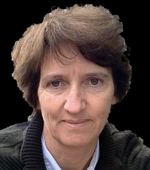
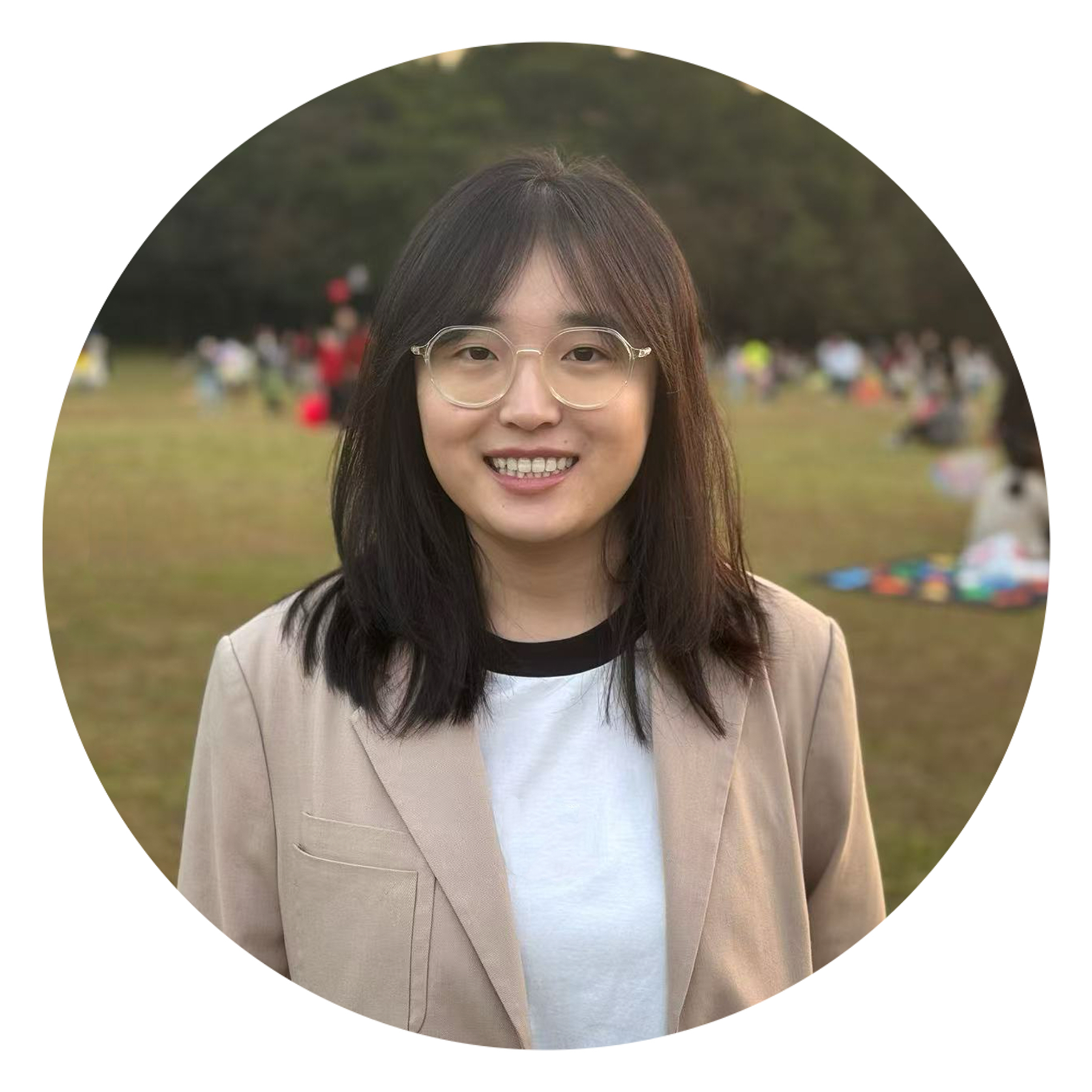
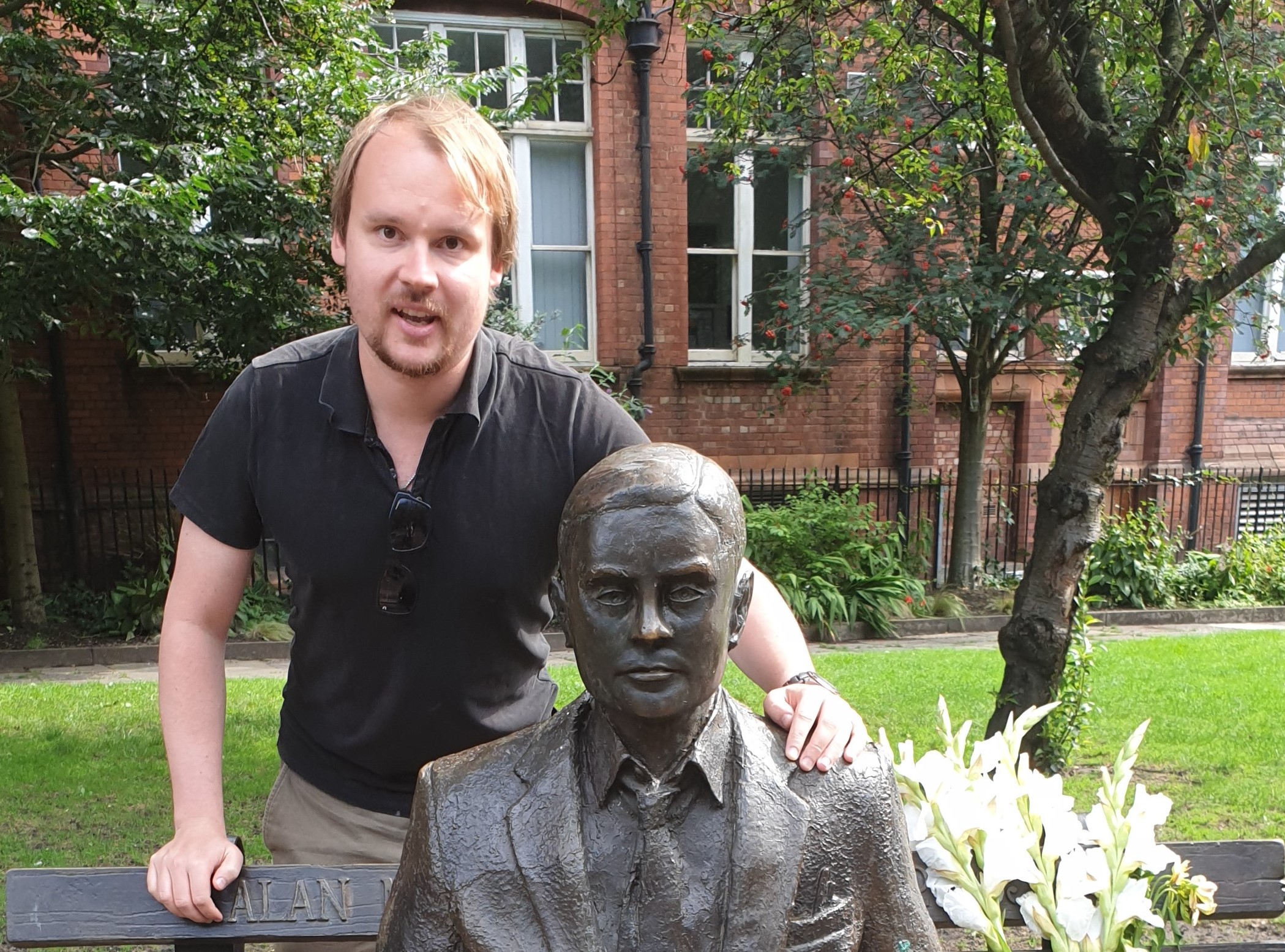
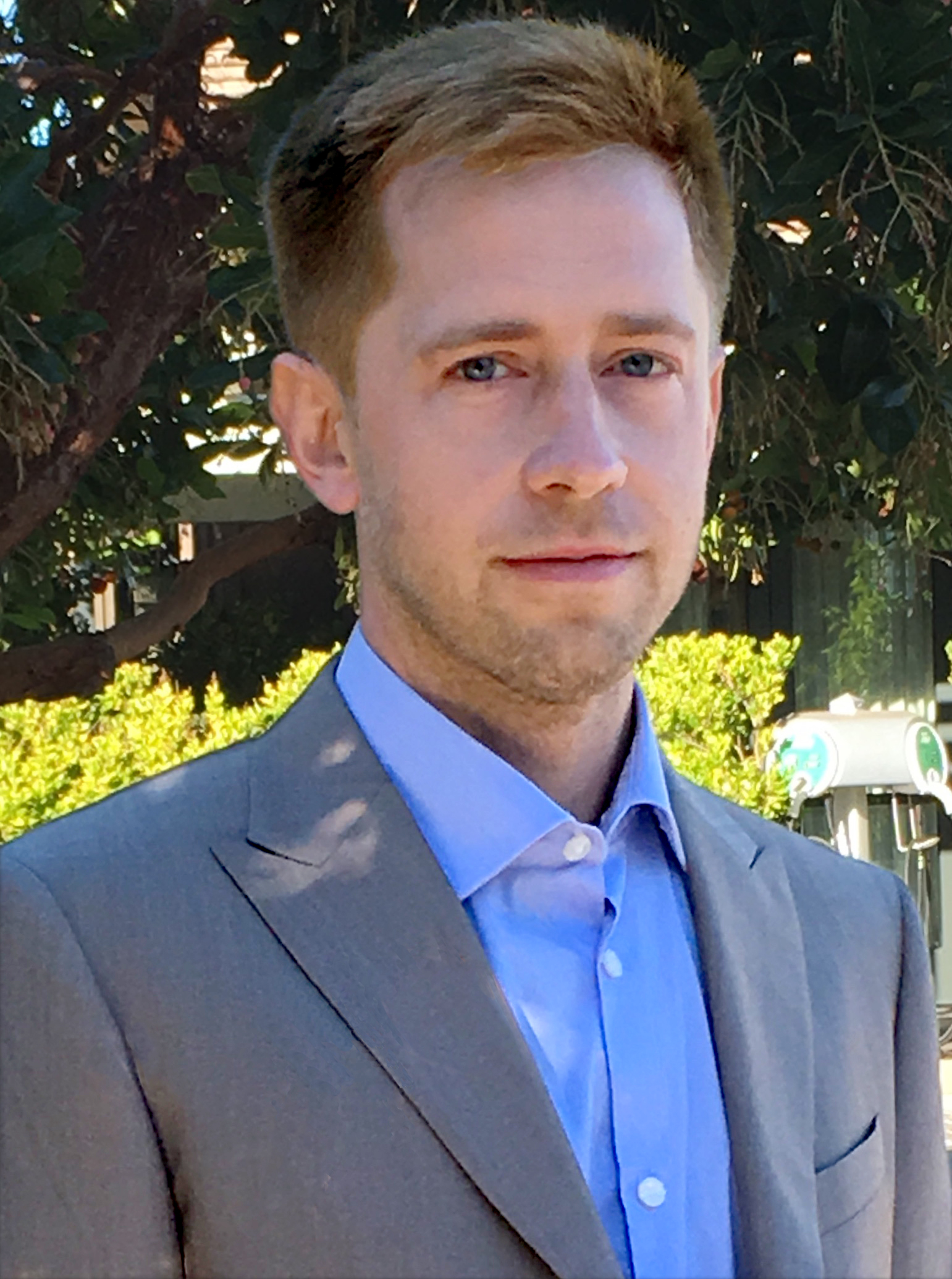
Virginia Vassilevska Williams is a Professor at the Massachusetts Institute of Technology (MIT) Department of Electrical Engineering and Computer Science (EECS), affiliated with MIT CSAIL. She earned her Ph.D. in Computer Science from Carnegie Mellon University in 2008 and held postdoctoral positions at the Institute for Advanced Study (Princeton), UC Berkeley, and Stanford. Education: B.S. in Mathematics and Engineering from Caltech (2003); Ph.D. in Computer Science from CMU (2008) Her research focuses on combinatorial and graph-theoretic approaches to computational problems, including shortest paths , pattern detection , fine-grained complexity , and computational social choice for analyzing election manipulation and tournament structures. Recent publications highlight advances in sparse graph algorithms , cycle detection , and approximate counting using matrix multiplication techniques. She co-organized programs at the Simons Institute (2023) and Dagstuhl Seminars (2016). Scientific Awards NSF CAREER Award Google Research Fellowship Alfred P. Sloan Research Fellowship Thornton Family Faculty Research Innovation Fellowship Invited Speaker at ICM 2018 She advises current Ph.D. students including John Kuszmaul , Yael Kirkpatrick , and Zixuan Xu . Former students like Amir Abboud (Weizmann Institute) and Nicole Wein (U. Michigan) have achieved academic and industry positions.
Claire Mathieu is a CNRS Research Director in the Computer Science department at École normale supérieure, specializing in algorithm design and analysis with emphasis on approximation schemes for NP-hard problems. Her academic background includes: Former student at École normale supérieure PhD in Computer Science from Paris-Sud University (1988) Dr. Mathieu's research focuses on theoretical foundations of algorithms, particularly developing local search methods for clustering problems where enlarged neighborhoods yield near-optimal solutions through separability structures. Her work bridges theoretical guarantees with practical applications in combinatorial optimization, advancing approximation techniques for computationally intractable problems. Prior to her current position, she held research and faculty appointments at CNRS, Paris-Sud University, École Polytechnique, and Brown University, demonstrating extensive international experience across French and American academic institutions.
Michael Hewitt is Professor of Supply Chain Management at Loyola University Chicago's Quinlan School of Business, holding the Ralph Marotta Chair in Free Enterprise. He concurrently serves as Executive Director of the Quinlan Business Leadership Hub and Director of the Supply Chain and Sustainability Center. His academic credentials include a PhD in Industrial and Systems Engineering from Georgia Institute of Technology, complemented by dual MS degrees in Financial Engineering and Industrial Engineering from the University of Michigan, plus a BS in Mathematics & Economics from the same institution. Dr. Hewitt's research pioneers advanced optimization techniques for freight transportation and supply chain networks, integrating mathematical programming with real-world logistics challenges. His work bridges theoretical innovation and industrial application, particularly in time-dependent scheduling and stochastic network design where algorithmic breakthroughs directly impact transportation efficiency. Analysis of his recent publications reveals consistent focus on dynamic discretization methods and decomposition algorithms for complex network problems, with increasing emphasis on sustainability integration in freight systems since 2017. The research trajectory demonstrates evolving sophistication in handling time-dependent variables and stochastic elements within transportation networks. His award-winning contributions include: CSoNet Best Paper Award (2023) for time-dependent traveling salesman research INFORMS TSL Freight Transportation & Logistics SIG Award (2021) Glover-Klingman Prize for Networks journal publication (2019) INFORMS TSL Best Paper Award (2018) Loyola Faculty Researcher of the Year (2015) Funded by the National Science Foundation, Material Handling Institute, and New York State Health Foundation, his research has directly influenced decision systems at Bayer Crop Science, Exxon Mobil, and major freight carriers. Professional service includes past presidency of INFORMS Transportation Science and Logistics Society and editorial board memberships. Through the Supply Chain and Sustainability Center and Quinlan Business Leadership Hub, he drives industry-academic collaboration on sustainable logistics innovation and leadership development, connecting theoretical advances with practical business transformation.
Fang Kong is an Assistant Professor in the Department of Statistics and Data Science at the Southern University of Science and Technology (SUSTech). He earned his PhD in Computer Science from Shanghai Jiao Tong University under the supervision of Prof. Shuai Li and received his Bachelor's degree in Software Engineering from Shandong University. Education: PhD in Computer Science, Shanghai Jiao Tong University (2020-2024) Bachelor's Degree in Software Engineering, Shandong University (2016-2020) Dr. Kong is broadly interested in developing theoretically guaranteed algorithms for sequential decision-making problems, with particular focus on multi-armed bandits and reinforcement learning, as well as their applications in online experimentation and recommendation systems. His research spans theoretical foundations of bandit algorithms, matching markets, influence maximization, and online learning under various feedback structures. He has made significant contributions to the understanding of best-of-both-worlds algorithms that perform well in both stochastic and adversarial environments. His publication record shows a strong trajectory of high-impact work in top-tier conferences including NeurIPS, ICML, ICLR, AAAI, WWW, and AAMAS. His research demonstrates expertise in theoretical machine learning with a focus on bandit algorithms, particularly in matching markets and sequential decision-making problems. His work often bridges theoretical guarantees with practical applications in recommendation systems and online experimentation. Scientific Awards: CCF Doctoral Dissertation Award in Agent and Multi-Agent Systems (2025) Baidu Scholarship (2024) National Scholarship for PhD students (2023, 2022) AAMAS Student Scholarship (2023) Microsoft Research Asia Excellence Award (2022) Dr. Kong actively mentors students at various levels, including PhD and Master's students at SUSTech, visiting students from other institutions, and undergraduate researchers. He serves as a reviewer for top machine learning conferences (ICLR, NeurIPS, ICML, WWW) and journals (IEEE PAMI, TMLR). His teaching includes graduate Machine Learning and undergraduate Artificial Intelligence courses at SUSTech.
André Nichterlein is a Permanent Research Associate at the Technical University of Berlin, specializing in Algorithmics and Complexity Theory. He completed his PhD at TU Berlin (2014) and holds a Diploma from Friedrich Schiller University Jena (2010). His career includes postdoctoral research at Durham University (UK) under a DAAD fellowship and extensive work as a research assistant at TU Berlin. Research Focus: Nichterlein's work centers on parameterized algorithms , kernelization techniques , graph problem optimization , and algorithm engineering . His research addresses fundamental challenges in computational complexity through practical algorithmic solutions, particularly in graph theory and network optimization. Publication Trends: His recent articles (2020-2023) demonstrate a strong focus on parameterized complexity frontiers, efficient data reduction methods for NP-hard problems, and applications in network design. Recurring themes include kernelization innovations, graph modification problems, and experimental algorithmics, with consistent contributions to theoretical foundations of computer science.
Artem Kaznatcheev is an Assistant Professor at Utrecht University in the Department of Mathematics and Department of Information and Computing Sciences within the Science faculty. His research bridges theoretical computer science and evolutionary biology to analyze biological and social systems through an algorithmic lens. Current role since January 2023 Recruiting PhD students and postdocs Previously: James S. McDonnell postdoctoral fellow at University of Pennsylvania His work focuses on: Computational complexity of evolution Evolutionary game theory Algorithmic biology Mathematical modeling of cancer dynamics Cultural evolution of science Selected article trends show: Interdisciplinary integration of computer science and cancer biology Key themes: fitness landscapes, evolutionary games, treatment optimization 2021-2020 publications dominate Mathematical formalisms applied to biological and social phenomena Scientific contributions include: James S. McDonnell Foundation Independent Postdoctoral Fellowship 2019 Genetics paper on computational complexity as evolutionary constraint 2017 Nature Ecology & Evolution study on fibroblast-drug interactions in cancer Collaborative environments: Worked with Theory, Evolution and Games Group Previous affiliations: Oxford University, University of Pennsylvania, Moffitt Cancer Center, McGill University Developed teaching roles at Oriel College (Oxford)
Marc Hellmuth is an Associate Professor of Computational Mathematics at the Department of Mathematics, Stockholm University, Sweden. His academic career includes previous positions as Junior Professor for Biomathematics and Computer Science at University of Greifswald, Germany (2015-2020), Lecturer at School of Computing, University of Leeds, UK (2020), and PostDoc positions at Saarland University and Max-Planck Institutes. Dr. Hellmuth earned his PhD in Computer Science from University of Leipzig, Germany (2007-2010, summa cum laude), supervised by Peter F. Stadler, and completed his Venia Legendi (habilitation) at Saarland University, Germany (2016). His research spans the interface of discrete mathematics, computer science, and life sciences with emphasis on: Discrete Mathematics including Graph Theory, Combinatorics, and Optimization Algorithm Design and Complexity Theory Mathematical and Computational Biology Phylogenomics and Evolutionary Analysis Computational Chemistry and Atom Tracking His publication record demonstrates a consistent focus on developing mathematical frameworks and efficient algorithms for biological problems, particularly in phylogenomics, orthology detection, and evolutionary analysis. His work bridges theoretical computer science with practical applications in biology and chemistry, often resulting in open-source software tools. Dr. Hellmuth has developed numerous software tools including AsymmeTree for phylogenetic simulation, tralda for tree algorithms, and specialized tools for phylogenomics, atom tracking, and graph analysis. His collaborative work extends internationally with research visits to institutions including Yale University, University of Leoben, Vienna University of Economics, University of Southern Denmark, Université de Montréal, and institutions in China.
Prof. Dr. Karl-Josef Dietz holds a Professorial Chair (C4) in Biochemistry and Physiology of Plants at the Faculty of Biology, Bielefeld University since 1997. He is Head of the working group 'Biochemistry and Physiology of Plants' at the Center for Biotechnology (CeBiTec). His academic career spans prestigious institutions including Julius-Maximilians-Universität Würzburg (where he completed his PhD and Habilitation), Harvard University (postdoc position), and numerous international research stays in France, Japan, and the USA. Prof. Dietz's research focuses on plant stress responses, redox regulation, and photosynthesis. His work explores how plants acclimate to multiple environmental stresses through molecular signal integration, with particular emphasis on reactive oxygen species (ROS) signaling, thiol peroxidases, and oxylipin pathways. His laboratory investigates the mechanisms of redox regulation in chloroplasts and mitochondria, stress sensing, and plant defense responses against pathogens and abiotic challenges. His recent publications reveal a strong focus on redox biology, stress acclimatization mechanisms, and the role of peroxiredoxins in plant stress responses. His work spans both fundamental biochemical investigations and applied research in plant protection and stress tolerance. Scientific Awards and Recognition: Science Prize of the University Foundation Würzburg (1985) Gay-Lussac-Humboldt Prize (2012) Prof. Dietz has served in numerous leadership roles including Dean of the Faculty of Biology (2004-2006), President of the German Botanical Society (2012), and as a member of the Science Board of the German Research Foundation (DFG). He serves on the editorial boards of several prestigious journals including Journal of Experimental Botany, Physiologia Plantarum, and Plant Physiology. His professional activities demonstrate extensive involvement in national and international scientific communities, including the German Society of Botany, the American Society of Plant Biologists, and the Federation of European Societies of Plant Biology.
Erik Carlsson is a Professor in the Mathematics department at the University of California, Davis. His research spans multiple areas of pure and applied mathematics, connecting deep theoretical concepts with practical computational applications. He received his Ph.D. from Princeton University under Professor Andrei Okounkov in 2008, and a B.S. in Mathematics with honors and a minor in Computer Science from Stanford University in 2003. Carlsson's research focuses on representation theory, algebraic geometry, algebraic combinatorics, computational topology, and connections with nonconvex optimization. He is particularly interested in connections between Goresky-Kottwitz-Macpherson (GKM) spaces and applications to Macdonald theory and combinatorics. His work also includes computational topology, especially persistent homology, which he develops in collaboration with John Carlsson. One of his recent developments is a method for constructing the alpha complex in high dimension using the powerful duality principle in mathematical optimization. His recent publications show a clear trend toward bridging theoretical mathematics with computational applications. His work spans from proving deep conjectures in algebraic combinatorics (like the shuffle conjecture) to developing practical algorithms for topological data analysis. The interdisciplinary nature of his work connects pure mathematical theory with applications in data science, computer vision, and optimization problems. Carlsson has made significant contributions to multiple fields of mathematics through his collaborations and independent work. His research has implications for both theoretical mathematics and practical computational problems, with recent publications as of 2024 demonstrating his continued active research program.
Dr. N.R. Aravind is an Associate Professor in the Department of Computer Science and Engineering at the Indian Institute of Technology Hyderabad. Holding a Ph.D. in Theoretical Computer Science from The Institute of Mathematical Sciences, Chennai, he is affiliated with the College of Engineering. His research spans algorithms, graph theory, combinatorics, and determinantal complexity, with a focus on parameterized algorithms and approximation techniques for NP-hard problems. Education: Ph.D., The Institute of Mathematical Sciences, Chennai (Advisor: Prof. C.R. Subramanian) Postdoctoral research under Prof. Sundar Vishwanathan at IIT Bombay Aravind's research explores structural questions in graph theory, social network modeling, and complexity bounds. His work on parameterized algorithms addresses tractable instances via input parameters, while his studies in graph coloring and forbidden subgraphs contribute to theoretical understanding. Recent publications focus on matching cut problems, happy coloring, and determinantal complexity. His 15 most recent publications (2010-2024) span computational complexity, graph algorithms, coloring problems, and determinantal complexity. These works emphasize parameterized approaches, structural graph theory, and algorithmic bounds for intractable problems. Scientific Awards: Aravind has mentored numerous PhD and MTech students, including Roopam Saxena, Anjeneya Swami Kare, and R.B. Sandeep, now holding academic positions at prestigious institutions. He has taught courses like Algorithms, Probability in Computing, and Cryptology, often collaborating with co-instructors such as Dr. Rakesh Venkat. His office is located in Room CS-408, Indian Institute of Technology Hyderabad.
Jugal Garg is an Associate Professor in the Department of Industrial and Enterprise Systems Engineering at the University of Illinois at Urbana-Champaign, with an affiliate appointment in the Department of Computer Science. His work bridges theoretical computer science, economics, and operations research, focusing on fundamental problems in market design and resource allocation. Dr. Garg earned his BTech and PhD in Computer Science from IIT-Bombay. Following his doctoral studies, he completed postdoctoral research at the Algorithms and Randomness Center at Georgia Tech and the Algorithms and Complexity group at Max-Planck-Institut für Informatik in Saarbrücken. His academic journey has positioned him at the forefront of research at the intersection of computation and economics. His research focuses on the computational aspects of economics and game theory, with particular emphasis on fair division problems and market equilibrium computation. Dr. Garg has made significant contributions to understanding envy-free allocation mechanisms, maximin share guarantees, and competitive equilibrium computation in various market settings. His work combines deep theoretical insights with practical algorithmic approaches, addressing fundamental questions in resource allocation where computational complexity meets economic efficiency. Analysis of Dr. Garg's recent publications reveals a strong focus on fair division problems, particularly envy-free allocation (EFX), maximin share (MMS) approximations, and market equilibrium computation. His research spans both goods and chores allocation, with increasing attention to more complex settings involving mixed manna (both goods and chores), heterogeneous agents, and specialized utility functions. A notable trend is his development of combinatorial algorithms for market equilibrium computation and his work on improving approximation guarantees for fairness concepts in resource allocation. NSF CAREER Award (2020) - Recognizing his potential for leadership in research and education INFORMS Koopman Prize (2021) - For the paper 'Multi-Agent UAV Routing: A Game Theory Analysis with Tight Price of Anarchy Bounds' Exemplary Theory Paper Award (2020) - For 'EFX Exists for Three Agents' at ACM EC Dean's Award for Excellence in Research (2022) James Franklin Sharp Outstanding Teaching Award (2019) NSF CRII Award (2018) Dr. Garg has successfully advised numerous PhD students including Peter McGlaughlin, Timothy Murray, Setareh Taki, John Qin, Eklavya Sharma, Yuang (Eric) Shen, Pooja Kulkarni, and Aniket Murhekar. He has also mentored postdoctoral researchers such as Bhaskar Ray Chaudhury (now an assistant professor at UIUC) and Vishnu V. Narayan. His research has been supported by prestigious grants including the NSF CAREER and CRII awards, and he serves on program committees for leading conferences in theoretical computer science, artificial intelligence, and operations research including EC, STOC, SODA, and AAAI. Dr. Garg maintains active collaborations with researchers across institutions worldwide, as evidenced by his frequent invited talks at international venues including the University of Bonn, LSE, and TIFR Mumbai.
Dr. Matthew Torres is an Associate Professor of Biological Sciences at the Georgia Institute of Technology and an Adjunct Faculty member. He leads the Torres Lab , where his team integrates mass spectrometry , bioinformatics , and yeast genetics to decode how post-translational modifications (PTMs) regulate G protein and MAP-Kinase signaling systems. His work spans from developing machine learning tools like SAPH-ire for PTM prediction to experimental validation of PTM roles in stress adaptation and signal transduction. Education: B.S. in Biology, Humboldt State University (1997) Ph.D. in Biochemistry, University of North Carolina at Chapel Hill (2007) Research Interests: His lab focuses on four major areas: Coordinated PTM-based regulation of dynamic signaling complexes Identification of novel signaling PTMs PTM networks in stress adaptation Technology development for regulatory PTM detection Scientific Awards: K99/R00 NIH Pathway to Independence Award (2010–2016) IBB Above and Beyond Award (2016) ASPET Early Career Award (2022) Lab and Mentorship: Dr. Torres has mentored over 20 graduate students and postdocs, many of whom have gone on to prestigious positions at institutions like Genentech, UCSF, MD Anderson, and Harvard. His lab is also involved in outreach programs including Project ENGAGES for high school students and science education for elementary and middle schools. Research Tools and Facilities: He is co-director of the Systems Mass Spectrometry Core (SYMS-C) at Georgia Tech, which supports advanced proteomics research across the university.
Ali Azarbarzin, Ph.D., serves as Associate Professor of Medicine at Harvard Medical School and Lead Investigator in the Division of Sleep and Circadian Disorders within the Departments of Medicine and Neurology at Brigham and Women's Hospital. His work focuses on advancing precision medicine approaches for sleep-disordered breathing through physiological phenotyping and novel therapeutic development. Dr. Azarbarzin's research centers on obstructive sleep apnea pathophysiology, with specific emphasis on hypoxic burden quantification, autonomic cardiovascular responses, and upper airway collapse mechanisms. His investigations explore how physiological traits like arousal threshold, loop gain, and collapsibility interact to determine disease severity and treatment response, particularly for hypoglossal nerve stimulation and pharmacotherapies. Current studies examine the impact of metabolic interventions (e.g., tirzepatide) on sleep apnea outcomes and the role of digital health technologies in remote monitoring. Analysis of his recent publications reveals a strong trend toward biomarker-driven risk stratification, moving beyond traditional apnea-hypopnea index metrics. Key themes include hypoxic burden as a superior predictor of cardiovascular events, site-specific upper airway collapse patterns guiding surgical interventions, and combinatorial pharmacotherapies targeting multiple pathophysiological pathways. His work increasingly integrates multi-ethnic cohort data and real-world evidence to address health disparities in sleep apnea outcomes. As Lead Investigator of the Division of Sleep and Circadian Disorders at Brigham and Women's Hospital, Dr. Azarbarzin directs a translational research program that bridges basic physiological investigations with clinical trials, leveraging advanced techniques including drug-induced sleep endoscopy, polysomnographic endotyping, and wearable sensor technology to develop personalized treatment algorithms for sleep-disordered breathing.
Marco Schutten is an Associate Professor at the Digital Society Institute of the University of Twente, affiliated with the Industrial Engineering & Business Information Systems department. His work bridges Artificial Intelligence , Transportation , and Operations Research , focusing on optimizing complex systems. Expert in Urban Logistics and Freight Transport Specializes in Mathematical Programming and Optimization Research interests include Vehicle Routing , Machine Scheduling , and Agent-Based Simulation . Key trends in his 15 most recent articles (2015–2025) involve: Dynamic scheduling under time constraints Urban logistics and smart city applications Heuristics for combinatorial optimization Integration of MILP and Simulation models No scientific awards, formal supervisory roles, or part-time appointments are explicitly mentioned.
Alessio Trivella is a Researcher specializing in Industrial Engineering & Business Information Systems , with a focus on optimization models for energy, transportation, and logistics. His work bridges academic research with industry applications, emphasizing mathematical programming, stochastic optimization, and sustainability. Research Interests: His expertise spans combinatorial optimization , dynamic programming , and network algorithms , addressing challenges in green hydrogen production , hydrogen railway systems , container loading , and renewable energy procurement . Key themes include uncertainty modeling , resource flow optimization , and system resilience . Scientific Contributions: Recent work (2023–2025) explores sustainable energy hubs , hydrogen infrastructure , retail planning , and railway automation , with publications in journals like Renewable Energy and Management Science . His research aligns with UN Sustainable Development Goals, particularly in energy sustainability and smart transport systems . Awards: Recognized for excellence with the Outstanding Reviewer Award OR Spectrum 2019 .