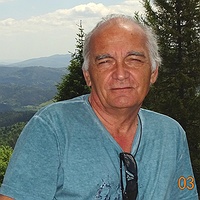
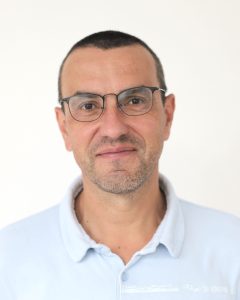
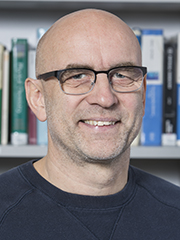
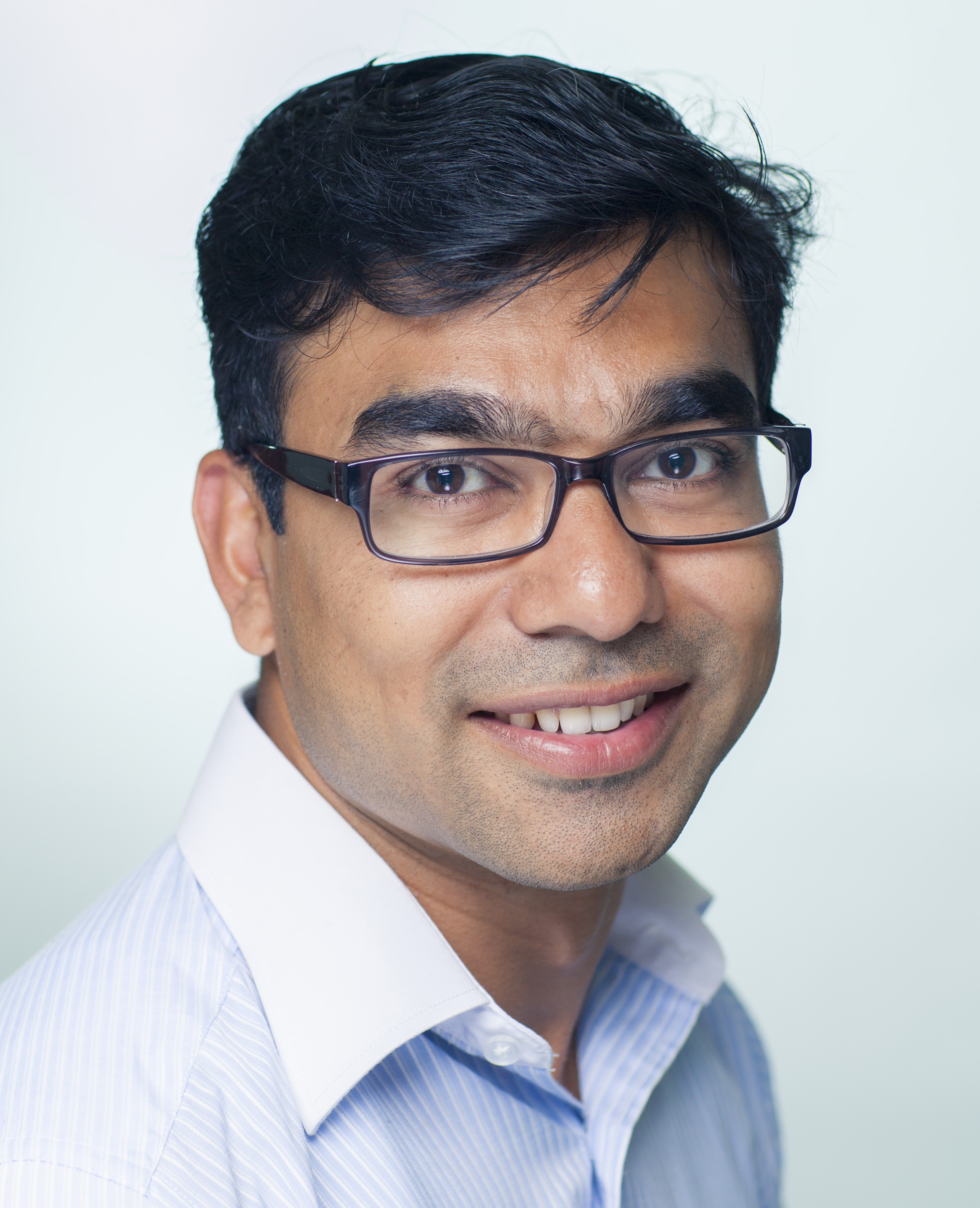
Andrea Massimo Atrei serves as an Associate Professor (GSD: 03/CHEM-02, SSD: CHEM-02/A Physical Chemistry) in the Department of Biotechnology, Chemistry and Pharmacy at the University of Siena. He teaches Advanced Physical Chemistry I (Master's in Chemistry, 2025/2026), Physical Chemistry 2 (Bachelor's in Chemical Sciences, 2024/2025), and Surface Chemistry and Nanomaterials (Master's in Chemistry, 2025/2026). His research centers on physical chemistry of solid surfaces and nanostructured materials , investigating structure-property relationships through electron spectroscopies (XPS) and scanning probe methods (AFM). A major focus involves functionalization and characterization of magnetic nanoparticles , particularly magnetite (Fe 3 O 4 ), for biomedical and materials applications. His work bridges fundamental surface science with practical nanomaterial design. Recent publications (2024-2025) reveal strong trends in nanoparticle-substrate interactions (gold/polydopamine systems), cytotoxicity mechanisms of functionalized Fe 3 O 4 , and electrochemical behavior in nanomaterial systems. These studies consistently employ advanced characterization techniques to address challenges in nanomedicine and electrochemistry. With over 100 journal publications and an h-index of 28, Prof. Atrei maintains an active research program. His laboratory utilizes surface analysis instrumentation for nanomaterials research, though specific grant details and student supervision records are not provided in available sources.
Johannes S. Haataja serves as an Academy Postdoctoral Researcher in the Department of Applied Physics at Aalto University, specializing in nanoscale self-assembly and optical phenomena. His work bridges physics, chemistry, and materials science to engineer biomimetic nanomaterials with applications in sustainable optics and photonics. His research centers on soft matter systems , particularly structural color and whiteness optimization through hierarchical self-assembly of nanocrystals, polymers, and biomaterials. Key interests include silica nanofibers, cellulose/chitin systems, and block copolymer complexes, with emphasis on topological design principles for light-matter interactions. This work has significant implications for eco-friendly optical materials and drug delivery systems. Analysis of his 2017–2024 publications reveals a consistent focus on nanoscale structural control for optical functionality. His studies integrate experimental nanofabrication with theoretical modeling, frequently appearing in high-impact journals like Nature Photonics and Chemical Reviews . Collaborations with international groups (e.g., Silvia Vignolini at Cambridge) underscore the interdisciplinary nature of his research. Haataja is an active member of Aalto University's Active Matter research group, contributing to experimental and theoretical investigations of dynamic self-assembling systems. His position as an Academy Postdoctoral Researcher indicates funding from the Academy of Finland, supporting his work on fundamental nanomaterial design principles.
Senbo Xiao is an Associate Professor in the Department of Structural Engineering at the Norwegian University of Science and Technology (NTNU), specializing in nanomechanics and computational materials science. His research focuses on nanoscale phenomena at interfaces with applications in energy, oil recovery, and anti-icing technologies. Dr. Xiao's educational background includes biophysics studies at Nankai University (2000-2007), a PhD in molecular biophysics from Heidelberg University (2007-2011), followed by postdoctoral work at the Heidelberg Institute for Theoretical Studies (2011-2013) and Max Planck Institute for Polymer Research (2013-2015). His primary research interests center on nanoscale mechanisms in materials science, utilizing molecular dynamics simulations and multiscale modeling to investigate: Icing and hydrate formation processes Icevoltaics (energy harvesting from freezing) Interface mechanics at atomic scales Soft materials mechanics Nano-enabled enhanced oil recovery Carbon capture and storage mechanisms His groundbreaking IceVoltaics project, funded by an ERC Consolidator Grant, aims to develop technology for harvesting electrical energy from water freezing processes, analogous to photovoltaics. Analysis of his recent publications reveals strong focus on molecular-scale interface phenomena , particularly ice-solid and hydrate-solid interactions, with significant applications in energy infrastructure protection. His work increasingly integrates machine learning with molecular dynamics, showing evolution toward multi-scale predictive modeling of complex phase transitions. Scientific recognition includes: ERC Consolidator Grant for IceVoltaics project Extensive publication record in high-impact journals including Chemical Engineering Journal, ACS Applied Materials & Interfaces, and Langmuir Dr. Xiao actively supervises master's and PhD students through the NTNU Nanomechanical Lab , which offers thesis topics on nanoscale icing, anti-hydrate technologies, and icing energy harvesting. His research group maintains strong international collaborations, particularly with Brno University of Technology, focusing on multi-scale modeling of materials. Current projects include developing icephobic coatings with self-healing capabilities and investigating hydrogen storage mechanisms in clathrate hydrates. The NTNU Nanomechanical Lab operates as a hub for computational and experimental nanomechanics research, with specialized facilities for molecular dynamics simulation and nanoscale characterization. The lab emphasizes translating fundamental interface science into practical applications for energy, petroleum, and environmental engineering sectors.
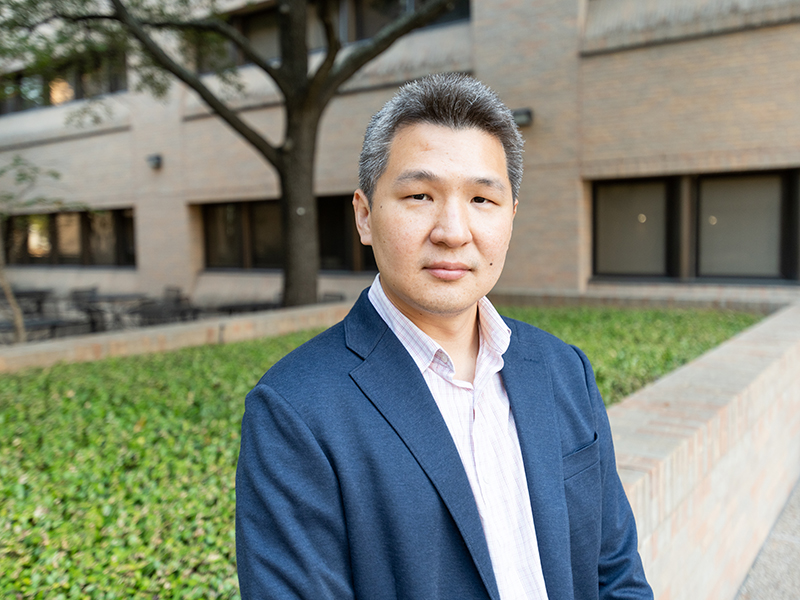
Dr. Chih-Hao Chang is a Professor in the Walker Department of Mechanical Engineering at the University of Texas at Austin. He received his B.S. (2002) and M.S. (2004) from Georgia Institute of Technology and MIT, respectively, and his Ph.D. (2008) in Mechanical Engineering from MIT. Dr. Chang was a faculty member at North Carolina State University from 2011-2019 before joining UT Austin. His research focuses on nanomanufacturing and multifunctional nanostructures , including self-cleaning anti-glare glass , ultra-stiff nanolattices , and stretchable transparent conductors . He investigates scalable nanomanufacturing techniques using light interactions with colloidal particles for roll-to-roll printing of 3D nanostructures. Dr. Chang's group has published extensively on nanostructured materials with applications in photonic devices , solar concentrators , and smart windows . He has received prestigious awards including the NSF CAREER Award , NASA Early Career Faculty Award , and Temple Foundation Endowed Teaching Fellowship . Current students in his lab include Saurav (PhD), Laurie , Nana , and Ethan (MS). Scientific Awards : Temple Foundation Endowed Teaching Fellowship in Engineering No. 1 (2022) University Faculty Scholar (NCSU, 2016) NSF CAREER Award (2016) Outstanding Teacher Award (NCSU, 2015) Ralph E. Powe Junior Faculty Award (2013) NASA Early Career Faculty Award (2012) His lab collaborates with institutions like UT Dallas and Johns Hopkins University on projects such as NSF FuSe2 grant for inorganic resists in EUV lithography . The group has presented extensively at conferences including EIPBN and OSA Solar Energy meetings.
Frédéric Borges is an Associate Professor in Food Microbiology at the University of Lorraine, France, working within the National School of Agronomy and Food Industries (ENSAIA) at the Biomolecular Engineering Laboratory (LIBio). With his HDR (Habilitation to Direct Research) obtained in 2019, he leads research in microbial ecosystem engineering for food applications. University: University of Lorraine School: National School of Agronomy and Food Industries (ENSAIA) Department: Biomolecular Engineering Laboratory (LIBio) Position: Associate Professor (Maître de conférences HDR) Borges holds a Doctorate in Molecular Physiology and Genetics from Université Henri Poincaré (2005) and completed his HDR in 2019. His academic journey includes a postdoc position at the University of Ulm, Germany (2005-2007) focusing on Streptococcus agalactiae pathogenesis, followed by a temporary teaching/research position (ATER) at University of Lorraine on cheese microbial diversity (2007-2008). His research focuses on engineering fermented food ecosystems, with primary application in biopreservation - a sustainable approach to increase food safety and extend shelf life. Borges' team has developed high-throughput phenotyping approaches to study microbial behavior in multidimensional space, aiming to create food microbiomes resistant to colonization by undesirable microorganisms. His work spans genomics, microbial diversity analysis (using MLST, metabarcoding), high-throughput screening, and data analysis with R programming. Analysis of Borges' recent publications reveals a strong focus on microbial community engineering for food safety applications. His research demonstrates how understanding microbial competition networks (particularly with Carnobacterium maltaromaticum) can lead to effective biopreservation strategies against pathogens like Listeria monocytogenes. Recent work explores serial fermentation dynamics, invert emulsion systems for microbial propagation, and the relationship between cheese rind characteristics and microbial communities. His approach integrates omics technologies with ecological principles to engineer food microbiomes. Borges has supervised multiple PhD students including Amandine Martin, Chloé Gapp, Alexis Dijamentiuk, and Faustine Gomand. His research involves collaborations with food industry partners through CIFRE theses, demonstrating practical applications of his work. He has developed methodologies for high-throughput screening of bacterial strains, genomic analysis of food-related bacteria, and innovative approaches to microbial community propagation. His laboratory at LIBio focuses on microbial ecosystem engineering, with particular emphasis on creating robust food microbiomes through understanding and manipulating microbial interactions. The team works with dairy products, fermented foods, and develops methods to characterize and engineer microbial communities for improved food safety and quality.
Dr. hab. inż. Katarzyna Staszak is an Associate Professor at Poznań University of Technology, Faculty of Chemical Technology, Institute of Chemical Technology and Engineering. She holds a habilitation (2016) in chemical sciences with specialization in chemical technology, building upon her PhD (2003) and MSc (1999) in the same field. Her research focuses on membrane processes , separation techniques , surfactants , and nanomaterials applications in biomedical and environmental contexts. Recent work shows increasing emphasis on hemodialysis membrane technology, where she explores modifications with various nanoparticles to improve bioactivity and functionality. Her research bridges chemical engineering with practical medical applications, particularly in blood purification systems. Analysis of her 15 most recent publications reveals a clear trajectory from fundamental chemical research toward applied biomedical engineering. Early work focused on basic adsorption phenomena and separation techniques, while current research centers on nanomaterial-modified membranes for hemodialysis, cancer treatment, and dental applications. The consistent thread throughout is her expertise in surface phenomena and separation processes applied to increasingly sophisticated biomedical challenges. She serves on multiple academic committees including the WTCh Faculty Council and Discipline Council of Chemical Sciences, and is actively involved in the WTCh eLearning Team. Her editorial work includes co-editing several scientific monographs on chemical technologies and metals in wastes. Staszak maintains extensive international scientific cooperation with institutions including Adam Mickiewicz University, Nicolaus Copernicus University, Maria Curie-Skłodowska University, and international partners in Portugal and Spain. Her research demonstrates strong translational potential with multiple inventions related to separation techniques and membrane technologies.
Dr. Eng. Agata Zdarta is a researcher at the Faculty of Chemical Technology , Poznań University of Technology , specializing in the Department of Organic and Bioorganic Chemistry . Her work bridges environmental biotechnology with microbial adaptation mechanisms. Education Biotechnology, Master of Science in Engineering (2013), Poznań University of Life Sciences Quality Management, Postgraduate studies (2014), Poznań School of Banking Chemical Sciences, PhD (2020), Poznań University of Technology Research Focus Her scientific interests center on biodegradation of pollutants, including hydrocarbons and antibiotics , with emphasis on bioaugmentation , microbial stress responses , and enzyme immobilization for environmental applications. She investigates how surfactants (both natural and synthetic) alter microbial cell properties to enhance pollutant bioavailability. Recent work includes membrane-based enzyme systems and microplastic sampling methods . Scientific Contributions Developed advanced enzyme immobilization platforms using aluminum/gold-coated membranes Analyzed microplastic removal paradox in wastewater treatment plants Evaluated seasonal impacts on freshwater bacterial communities Authored 35+ scientific articles and 14 book chapters Awards and Leadership 2020 Rector’s Award for scientific achievements 2017 Santander Universidades Award for social initiatives Chairwoman of University Doctoral Students’ Self-Government (2020) Editorial board member of Materials (MDPI) special issue
Dr. Eng. Włodzimierz Zembrzuski is a researcher at the Institute of Technical Chemistry and Electrochemistry, Faculty of Chemical Technology, Poznań University of Technology. He holds an ORCID (0000-0002-1439-0316) and can be contacted via phone (+48 61 665 23 06) or email (wlodzimierz.zembrzuski@put.poznan.pl). Education: MSc Eng (1985) PhD Eng, Chemical Sciences (2001) Research Interests focus on environmental pollution with heavy metals (notably thallium) in industrial areas, using electroanalytical methods like differential pulse anodic stripping voltammetry (DPASV) and flow-injection systems. His work spans water, soil, plant, and foodstuff samples, addressing contamination sources and remediation. Key Publication Trends include thallium speciation, biosorption using agricultural waste, and voltammetric methods for ultra-trace detection. Collaborations with Bożena Karbowska and Zenon Łukaszewski highlight multi-disciplinary approaches in geochemical and environmental contexts. Teaching Duties involve lectures and lab classes in Instrumental Analysis, Basic Electroanalytical Methods, and Analytical Chemistry.
Eric Grelet is a CNRS Research Director at the Paul Pascal Research Center (CRPP), University of Bordeaux, France, since 2003. His work focuses on self-organization in soft matter, particularly liquid crystals, colloids, and active systems. Education: PhD in Physics (2001, Laboratoire de Physique des Solides, Orsay); Habilitation (HDR, University of Bordeaux, 2012). Research: Investigates chirality transfer, phase behavior of colloidal rods, and functionalization of complex fluids using filamentous viruses. Key applications include organic solar cells and biocatalysis. Awards: CNRS Bronze Medal (2009), Glenn Brown Prize (2002). Publications: Over 40 peer-reviewed articles in journals like Nature Materials , Phys. Rev. Lett. , and ACS Nano , emphasizing liquid crystal dynamics and viral-based materials. Article Trends reveal expertise in colloidal physics, viral self-assembly, and discotic liquid crystals. His work bridges fundamental research on phase transitions and applied studies in energy and biosensing.
Prof. Dr. Alf Mews is a full Professor of Physical Chemistry at the University of Hamburg, where he leads the Research Group Mews within the Institute of Physical Chemistry, Department of Chemistry. His research focuses on the synthesis, characterization, and application of nanoscopic structures, particularly semiconductor nanocrystals, nanowires, and nanosheets. Alf Mews studied chemical engineering in Aachen (Diploma in 1988) and Chemistry in Siegen (Diploma in 1992). He received his PhD in 1994 from the Hahn-Meitner-Institute in Berlin under Prof. Horst Weller, focusing on semiconductor nanocrystals. After a DFG fellowship with Prof. Paul Alivisatos at UC Berkeley (1995), he worked with Prof. Christian Bräuchle in Munich (1996) and completed his Habilitation in 2003 at Johannes Gutenberg University Mainz under Prof. Thomas Basché. He was appointed to a full professorship at the University of Siegen in 2004 and moved to the University of Hamburg in 2008. Prof. Mews' research interests span multiple areas of nanoscience and nanotechnology. His group investigates the nucleation and growth processes of colloidal nanoparticles, structure determination of nanoscopic systems using X-ray diffraction, and atomic modeling based on high-resolution electron microscopy. They also study the attachment and uptake mechanisms of nanoparticles in biological cells, synthesis of semiconductor nanostructures (nanorods, nanowires, nanoplatelets), development of surface-modified gold clusters, and biofunctionalization of nanoparticles for medical diagnostics. A key aspect of their work involves determining structure-property relationships by combining different microscopy methods. The research group has published extensively on semiconductor nanowires, particularly focusing on CdS, CdSe, and CdTe systems. Their publications reveal a strong emphasis on understanding the fundamental optical, structural, and electronic properties of nanoscopic model structures. The group employs sophisticated microscopic techniques to investigate individual nanostructures, with significant contributions in areas like cation exchange reactions, quantum confinement effects, and nanowire-based device fabrication. Their research often bridges fundamental science with potential applications in optoelectronics and nanomedicine. Scientific recognition includes: DFG fellowship (1995) to work with Prof. Paul Alivisatos at UC Berkeley Prof. Mews has advised numerous PhD students throughout his career, with a substantial list of former group members who have completed their doctorates under his supervision. His research group maintains active collaborations and participates in various research networks at the University of Hamburg, including those focused on nanochemistry and materials science. The group operates specialized laboratory facilities for nanomaterial synthesis and characterization, including equipment for electrical measurements, optical spectroscopy, and surface potential analysis. The Research Group Mews operates within the Institute of Physical Chemistry at the University of Hamburg, with laboratory and office space at Grindelallee 117. The group maintains strong connections with other research groups within the Department of Chemistry and participates in interdisciplinary research initiatives focused on nanoscience and nanotechnology.
Associate Professor Furqan Hussain is a distinguished academic at the University of New South Wales, Faculty of Engineering, specializing in petroleum engineering and carbon sequestration research. Based in the Tyree Energy and Technology Building at the Kensington Campus, he leads cutting-edge research in CO 2 geosequestration and enhanced oil recovery techniques. PhD in Petroleum Engineering from the University of New South Wales, Sydney, Australia BSc and MSc in Petroleum Engineering from the University of Engineering & Technology, Lahore, Pakistan Professor Hussain's research focuses on CO 2 geosequestration in aquifers and hydrocarbon reservoirs, with particular emphasis on enhancing feasibility in heterogeneous and low-pressure formations. His groundbreaking work includes the discovery of water-saturated CO 2 injection into oil reservoirs to simultaneously improve oil recovery and CO 2 storage capacity. His expertise spans petroleum engineering, carbon capture utilization and sequestration (CCUS), and laboratory investigation of CO 2 injection processes. His recent publications demonstrate a strong focus on addressing mobility control challenges in high-pressure reservoirs, pore heterogeneity effects in carbonate rocks, and fines migration phenomena during water injection. These works represent significant contributions to both petroleum engineering and environmental sustainability through carbon management. Professor Hussain is actively involved in research supervision, focusing on experimental investigation of CO 2 injectivity and trapping, co-optimization of CO 2 storage and oil recovery, and related areas including CO 2 -water wettability and trapping mechanisms. A spatio-temporal partitioning approach to colloidal flows in porous media (Australian Research Council / Discovery Project, 2020-2022) Multiscale physics for enhanced oil recovery (University of Adelaide / ARC Linkage Project, 2020-2023) Low Salinity Fines-Assisted Waterflooding (Wintershall Holding Gmbh, 2019-2021) EOR assessment phase-1 (Bridgeport Energy Limited, 2019-2021) Core testing – Boggabri Mine (Boggabri Coal Operations, 2019-2020) He teaches core petroleum engineering courses including PTRL 3001 Reservoir Engineering B and PTRL3040 Numerical Reservoir Simulation, integrating his research expertise into the classroom while exploring innovative teaching methods to enhance student engagement in engineering education.
Gerold A. Willing serves as an Associate Professor in the Chemical Engineering Department at the University of Louisville's College of Engineering. His research focuses on fundamental colloidal science with applications in complex fluid systems, particularly examining interactions between particles of different sizes under various conditions including microgravity environments. Dr. Willing received his B.E. in Chemical Engineering from the University of Wisconsin-Madison in 1993 and completed his Ph.D. in Chemical Engineering from Auburn University in 2001. Prior to joining the University of Louisville, he spent three years as a Postdoctoral Research Associate at Argonne National Laboratory. Dr. Willing's research expertise centers on colloidal stability, complex fluid systems, and nanoparticle interactions. He is recognized as the first researcher to directly measure interaction forces in complex fluids with bimodal particle size distributions using Atomic Force Microscopy. His work spans both fundamental research in colloidal science and applied research with implications for industrial applications including paints, ceramics, pharmaceuticals, and personal care products. His microgravity research conducted aboard the International Space Station through NASA's Advanced Colloids Experiments program has provided new insights into particle agglomeration behavior in the absence of gravitational effects. Analysis of Dr. Willing's recent publications reveals a dual research focus: fundamental investigations into colloidal phenomena (particularly bimodal colloidal systems, nanoparticle haloing, and interfacial forces) and engineering education research examining student identity development in chemical engineering programs. His technical work demonstrates expertise in experimental methods including Atomic Force Microscopy, image analysis of colloidal systems, and microgravity experimentation, while his education research employs qualitative and quantitative methods to understand student transitions through engineering programs. Dr. Willing has advised graduate students including Adam J. Cecil, whose doctoral research focused on image analysis of charged bimodal colloidal systems in microgravity. His laboratory work appears to involve collaborations with mechanical engineering colleagues at the University of Louisville, particularly on microgravity experiments conducted through NASA programs. Dr. Willing has developed specialized image analysis software (Colloidspy) for analyzing colloidal systems, demonstrating his interdisciplinary approach combining chemical engineering principles with computational methods.
Prof. Dr.-Ing. Arno Kwade is a University Professor for Mechanical Process Engineering and Particle Technology at the Faculty of Mechanical Engineering, Technische Universität Braunschweig , where he serves as Head of the Institute for Particle Technology . He coordinates the EU Horizon 2020 project LiPlanet and holds leadership roles in research initiatives such as the Battery LabFactory Braunschweig (BLB) and the Center of Pharmaceutical Engineering (PVZ) . Education: Not explicitly mentioned in provided texts. Current Roles: Director of Institute for Particle Technology, Chair for Future Grinding Technologies (European Cement Research Academy), Head of Mobile Energy Storage Working Group (Circular Economy Initiative Germany). With over 25 years of academic leadership, Prof. Kwade’s research spans Particle Technology , Battery Production , and Pharmaceutical Process Engineering , focusing on comminution , grinding technologies , and nanoparticle processing . His work addresses automotive battery manufacturing and drug formulation for poorly water-soluble compounds , integrating industrial application with theoretical modeling. His research outputs include 15+ high-impact publications on topics from planetary ball mill dynamics to electrode recycling, emphasizing process optimization and sustainable technology . He actively contributes to editorial boards of journals like Advanced Powder Technology and Energy Technology , and organizes international conferences including the International Battery Production Conference . Prof. Kwade leads major collaborative projects such as the DFG priority program 1934 (DiSPBiotech) and serves on review boards for Mechanical Process Engineering .
Tommy Nylander serves as Expert Professor of Physical Chemistry at Lund University's Faculty of Engineering (LTH), where he is Principal Investigator for NanoLund: Centre for Nanoscience. He holds cross-disciplinary roles in LU's Light and Materials profile area and LTH's Food and Bio initiative, reflecting his integrative research approach spanning surface science, colloid chemistry, and nanotechnology. His research centers on lipid self-assembly, interfacial phenomena, and nanostructured biomaterials, employing neutron scattering, X-ray techniques, and microscopy to investigate systems like sponge-phase nanoparticles, vesicular dispersions, and protein-lipid interfaces. Recent work explores enzymatic modification of food lipids, therapeutic protein stabilization, and ion-specific adsorption effects on oxide surfaces, with strong applications in drug delivery and sustainable materials. Current publications (2025) reveal consistent focus on structural characterization of lipid nanoparticles across Food Hydrocolloids, Langmuir, and Journal of Colloid and Interface Science, demonstrating interdisciplinary collaboration with biologists and engineers for biomedical and food science applications. Notable recognitions include: Norblad-Ekstrand-medal (2017) for surface science contributions Berols Nordic Research price for PhD thesis (1988) He supervises 17 graduate students and leads major grants including Swedish Research Council funding for neutron reflectivity optimization (2025-2026), ESS instrument development, and dietary regulation of gut-brain barriers. His work addresses UN Sustainable Development Goals through sustainable materials and health innovations. Nylander manages Lund's Surface Characterization infrastructure and Super ADAM neutron facility, collaborating with European Spallation Source teams on next-generation scattering instruments while hosting international researchers like Ben Humphreys (2020-2021).
Peter Nilsson serves as a Visiting Researcher at the Department of Medicinal Chemistry, Uppsala University, specializing in advanced organic synthesis methodologies and catalytic reaction development. His primary research domains include Organic Chemistry , Medicinal Chemistry , Catalysis , Microwave Chemistry , and Polymer Chemistry . Dr. Nilsson has pioneered innovations in palladium-catalyzed Heck reactions, particularly oxidative variants using boron reagents, and developed microwave-assisted techniques for accelerating complex organic transformations. His work spans pharmaceutical intermediate synthesis, polymer-surfactant interactions, and biochemical applications like PCR optimization. Analysis of his publication record reveals a consistent focus on reaction mechanism elucidation and process intensification. Key trends include the strategic use of molecular oxygen as a green oxidant in Heck reactions, chelation-controlled asymmetric synthesis, and microwave-driven acceleration of traditionally slow reactions. These contributions bridge fundamental organic chemistry with practical applications in drug discovery and materials science. Dr. Nilsson completed his doctoral research in 2007 with the thesis "Interaction between Crosslinked Polyelectrolyte Gels and Oppositely Charged Surfactants," demonstrating expertise in polymer physical chemistry. His collaborative work frequently involves Mats Larhed, Per Sjöberg, and Jonas Lindh across high-impact journals including Journal of Organic Chemistry and Tetrahedron .