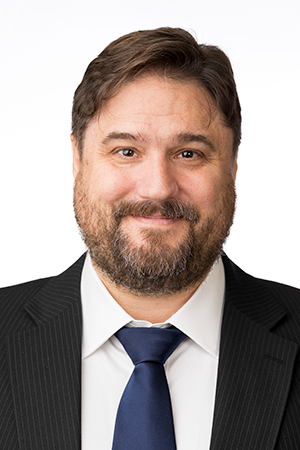
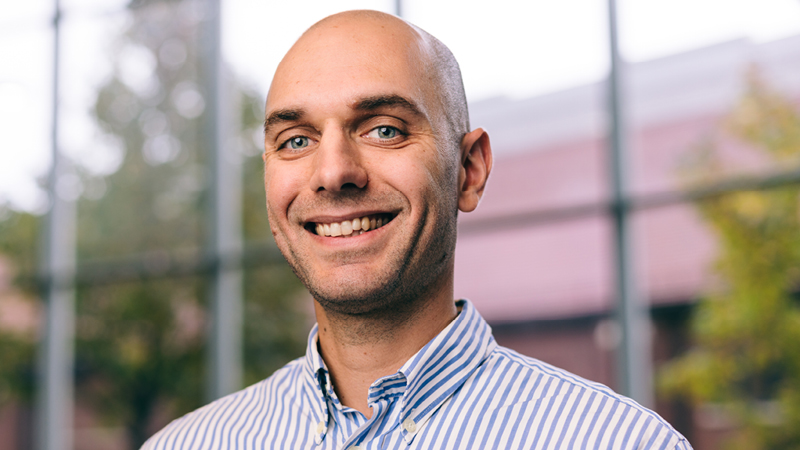
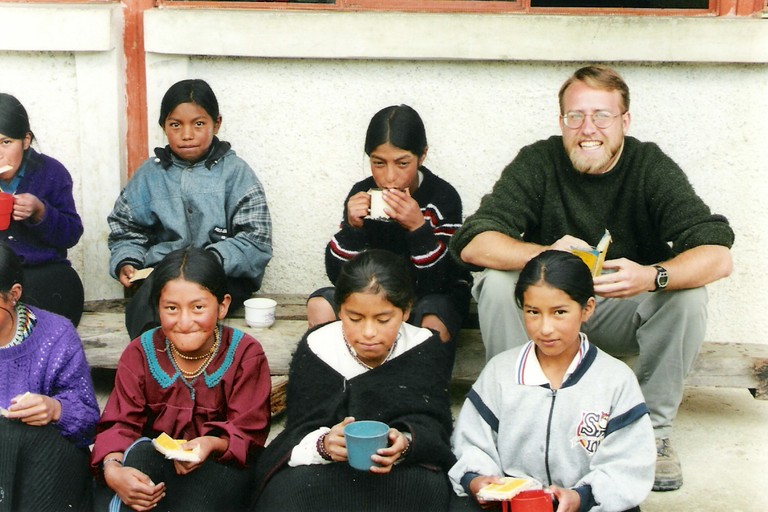
Jonathan Santo is a Professor of Psychology at the University of Nebraska at Omaha (UNO), where he serves as Director of the Graduate Developmental Psychology Program and as a faculty member in the Office of Latino/Latin-American Studies. His research explores peer relations, cultural differences in self-esteem, and classroom-level influences on child and adolescent development, with a focus on improving school environments and fostering positive social interactions. ORCA Faculty Fellow His research spans broad areas including Developmental Psychology , Social Support Systems , and Cross-Cultural Peer Dynamics , with specific attention to peer victimization , self-continuity , school climate , and developmental trajectories in Brazilian and Colombian youth . Recent publications analyze topics like hikikomori experiences , friendship security , and HPA axis dysregulation in adolescents. Scientific awards include the ORCA Faculty Fellow recognition. His work often involves longitudinal assessments of peer relationships cross-cultural comparisons (Brazil, Colombia, China, Nigeria, Singapore, U.S.) policy-focused blog posts on family separations and school interventions
Dr Anita Hammer is a Reader in International Employment Relations at King’s Business School, King’s College London. She specializes in comparative and international work and employment relations, focusing on the Global South, informal/precarious work, and the impact of technology/climate change on labor markets. Her research addresses socio-economic inequalities, sustainability, and the future of work through interdisciplinary approaches combining history, political economy, and labor process theory. Education: PhD, MSc, PGCHE (University of London); MPhil in History (Jawaharlal Nehru University), MA Area Studies (SOAS), BA History (St Stephen’s College, Delhi University). She is a Senior Fellow of the Higher Education Academy (SFHEA). Research Interests: Automation’s impact on work in India, migrant labor in Saudi Arabia, just transitions for informal workers, and climate change’s labor implications. She collaborates with civil society, trade unions, and policy bodies like ACAS and the ILO. Her recent books include *Global Rupture* (2023) and *The Political Economy of Work in the Global South* (2020). Publications span peer-reviewed journals (*Work, Employment and Society*, *Journal of Labor and Society*) and edited volumes. She leads the CRIMT international research project on work improvement and is affiliated with King’s India Institute and Climate Research Hub. Editor roles include *Work Employment and Society* and *Journal of Industrial Relations*. Awards: 2019 Outstanding Doctoral Supervisor, Thomas Holloway Fellowship (2002). She supervises PhD students and examines theses at Cardiff Business School and SOAS. Labs/Teams: Part of the Critical Global Capitalism Studies Collective at King’s, fostering collaborations on global capitalism research and activism.
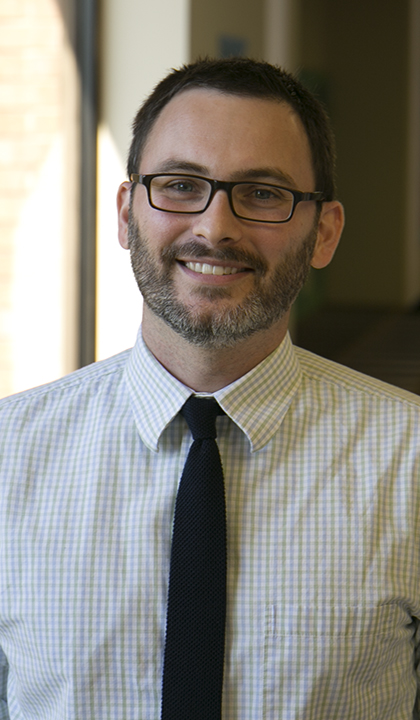
Jesse J. Helton, Ph.D., is an Associate Professor in the School of Social Work at Saint Louis University, where he has been since 2014. His research focuses on child maltreatment, adverse childhood experiences (ACEs), food insecurity, and disability, with notable work published in JAMA Pediatrics , Child Maltreatment , and Preventative Medicine . He holds editorial roles at the Child Maltreatment journal and serves on the Prevention Committee of the American Professional Society on the Abuse of Children. Dr. Helton’s community partnerships address child abuse prevention, food security, and family violence mitigation in collaboration with statewide and local organizations. Education: Ph.D. in Social Work, University of Illinois; M.A. in Social Work, University of New Hampshire. Research Interests: Dr. Helton’s work explores intersections between childhood trauma, socioeconomic factors, and health outcomes. Key themes include the impact of food insecurity on caregiver-child dynamics, disparities in ACEs among marginalized groups, and policy interventions to reduce maltreatment. His studies often employ mixed-methods approaches, combining quantitative data analysis with qualitative insights from affected communities. Awards: Recipient of the 2020 Association of Jesuit Colleges Leadership Institute award, 2018 Outstanding Young Alumni from Eureka College, and a 2014 Innovative Teaching Fellowship from SLU’s Reinert Center. Teaching: Courses include Principles of Statistics and Data Analysis , Research Methods for Diverse Societies , and Science of Helping . He emphasizes evidence-based practices and culturally responsive pedagogy. Labs/Teams: Collaborates with multidisciplinary teams across universities and NGOs, focusing on translational research to inform child welfare policies and community programs.
Stephan J. Goetz is a Professor in the Department of Agricultural Economics, Sociology and Education at the College of Agricultural Sciences, Pennsylvania State University. He is based at 207C Armsby Building, University Park, PA 16802, and can be reached at sjg16@psu.edu. His research spans agricultural economics, regional development, and rural policy, with a strong emphasis on human and social capital, innovation, and community well-being. His research interests focus on the role of markets and human capital in economic growth and poverty reduction. Key areas include regional food systems, self-employment, social network analysis, targeted regional development, agritourism, direct farm sales, and the digital divide. His work often integrates data science, spatial analysis, and policy evaluation to understand rural economic dynamics. The recent publications highlight a consistent trend in analyzing rural innovation, food system resilience, and socioeconomic impacts of technology and crises. His work combines empirical methods with optimization models, often using county-level U.S. data. Themes include food hub logistics, cloud computing in rural economies, pandemic-related food insecurity, and gender impacts in farming. While no specific awards are listed, his extensive publication record in high-impact journals reflects scholarly recognition. He has collaborated with researchers across disciplines, suggesting active grant-funded projects and likely student mentorship, though formal advisees are not named. He is involved in research on equitable communities and the built environment, and affiliated with initiatives related to health and environmental sustainability. His work with extension services indicates engagement with public outreach and community development programs.
Dr. Barbara Polivka is the Associate Dean for Research and Professor at the University of Kansas School of Nursing. She holds a BSN and MSN from the University of Cincinnati College of Nursing and Health, and a PhD in Nursing from The Ohio State University. Her research focuses on environmental health (e.g., lead poisoning prevention, asthma triggers) and health services research (e.g., public health nursing standards, nursing workforce challenges). She has secured NIH, NIOSH, and AHRQ funding for projects addressing home safety hazards and asthma management in older adults. Professional Affiliations include the American Academy of Nursing (Fellow), American Public Health Association, and Midwest Nursing Research Society. Key grants include current NIEHS funding for real-time asthma exposure monitoring and prior NIOSH support for virtual home safety training. Awards include the Ruth B. Freeman Award (APHA) and Ohio Healthy Homes Achievement Award. Teaching spans undergraduate through doctoral levels, with emphasis on community/public health nursing. Mentored numerous PhD/DNP students in environmental health and health disparities. Current work explores口罩使用对哮喘患者的影响, pandemic-related disinfectant exposure risks, and medication literacy in aging populations.
Dr. Zoë Bell is a Research Fellow at King's College London, affiliated with the Department of Nutritional Sciences within the School of Life Course and Population Sciences. Her work focuses on maternal health, food insecurity during pregnancy, and public health interventions. Currently, she holds a 12-month Economic and Social Research Council fellowship, collaborating with Lambeth Council’s Health Determinants Research Centre (HEART) to address perinatal food insecurity through qualitative methodologies and co-design workshops. Her research interests include maternal and child nutrition, behavioral determinants of food choices, and systemic drivers of health disparities such as racism and environmental pollution. She has supervised students at undergraduate, master’s, and PhD levels and previously led the BSc/MSc Clinical Nutrition module. Recent articles highlight her contributions to understanding gestational diabetes intervention acceptability, food insecurity’s impact on pregnancy outcomes, and elite athletes’ perceptions of pregnancy. Her work has been recognized with the 2025 Outreach and Engagement Prize, awarded for collaborative health policy initiatives. Zoë also serves on the Association for the Study of Obesity’s events committee and actively engages in policy translation, bridging academic research with practical health solutions. Her interdisciplinary approach integrates biomedical, nutritional, and social science methodologies to inform equitable healthcare practices.
Yoon Ji-hyun is a Professor in the Department of Food and Nutrition at Seoul National University's College of Human Ecology. Her work focuses on food service management, nutrition policy, and dietary behavior analysis, with a particular emphasis on multicultural dietary practices and sustainable development in food systems. Education: Bachelor's in Food and Nutrition (SNU), BBA (SNU), MS in Hotel, Restaurant, and Institution Management (Iowa State University), PhD in Hospitality and Tourism Management (Purdue University). Leadership Roles: Associate Dean (2019-2021), Director of Ho-Am Faculty House (2010-2012), and multiple directorships in nutrition policy centers. Her research integrates public health and consumer behavior, analyzing topics like pandemic-induced dietary changes, school lunch standards, and food safety anxiety. She has led projects on non-face-to-face food safety management, food education policies, and sodium-reduced environments, funded by South Korea's Ministry of Food and Drug Safety, Ministry of Education, and others. Professor Yoon's work also addresses urban dietary trends, including single-person households' kitchen needs and workers' meal patterns, using data from national health surveys and time-use studies. She has contributed to regional and inter-Korean comparative studies on nutritional disparities and dietary guidelines. She teaches courses on foodservice management, consumer market analysis, and graduate-level research methodologies, while serving as Vice President in several academic societies, including the Korean Society of Dietary Culture and Korean Cancer Association.
John Z. Ayanian serves as the Alice Hamilton Distinguished University Professor of Medicine and Healthcare Policy at the University of Michigan, holding joint appointments as Professor of Internal Medicine in the Medical School, Professor of Health Management and Policy in the School of Public Health, and Professor of Public Policy in the Gerald R Ford School of Public Policy. As inaugural Director of the Institute for Healthcare Policy and Innovation (IHPI), he leads a consortium of 700 faculty members across 15 schools and maintains clinical practice as a general internist at Michigan Medicine. His academic foundation includes a Bachelor of Arts in history and political science from Duke University (1982), medical degree from Harvard Medical School (1987), and master's in public policy from Harvard Kennedy School (1987), followed by residency and fellowship at Brigham and Women’s Hospital and post-doctoral training in health services research at Harvard School of Public Health. Dr. Ayanian's research program investigates health equity, access to care, and quality of care with particular attention to social determinants including race/ethnicity, gender, socioeconomic status, and insurance coverage. His work critically examines Medicaid expansion impacts, Medicare Advantage disparities, and policy responses to health inequities, often utilizing large-scale claims databases and cross-institutional collaborations. Current projects include the federally-authorized evaluation of Michigan's Medicaid expansion program serving over 700,000 adults. Analysis of his 15 most recent publications (2025) reveals three dominant research thrusts: (1) Medicare Advantage vs Traditional Medicare comparisons across diverse clinical conditions, (2) Medicaid policy evaluation including unwinding impacts and expansion effects, and (3) innovative measurement of health equity through new indices and AI applications. His work consistently emphasizes methodological rigor in health services research while maintaining strong policy relevance. His scientific honors include: Election to the National Academy of Medicine Master status in the American College of Physicians John Eisenberg National Award for Career Achievement in Research Distinguished Investigator Award from AcademyHealth Election to Alpha Omega Alpha and Association of American Physicians Dr. Ayanian leads the federally-funded Healthy Michigan Plan evaluation team of 15 faculty members and serves as founding Editor-in-Chief of JAMA Health Forum, previously holding editorial positions at the New England Journal of Medicine. His research receives substantial federal support focused on health policy evaluation, with particular emphasis on vulnerable populations. He actively mentors students and junior faculty across multiple disciplines. As Director of IHPI, he fosters interdisciplinary collaboration across 15 schools at the University of Michigan. His leadership extends to center memberships in AI and Digital Health Innovation, Caswell Diabetes Institute, and Center for Global Health Equity, where he promotes data-driven solutions to health disparities through cross-campus partnerships and innovative research methodologies.
Professor Mustapha Sheikh is Chair in Islamic Thought and Muslim Societies at the School of Languages, Cultures and Societies, University of Leeds. He is Co-Director of the Iqbal Centre for Critical Muslim Studies and actively contributes to interdisciplinary research on Muslim intellectual history, Islamic law, and contemporary socio-political issues affecting Muslim communities globally. His educational background includes a DPhil in Theology and Religion from the University of Oxford, an MSt in the Study of Religions (Oxford), a BA in Arabic and Islamic Law, and a BSc in Project Management from University College London. His academic journey reflects a deep integration of traditional Islamic scholarship and rigorous Western academic training. Sheikh's research is centered on two interrelated strands: first, Islamic intellectual and legal history, particularly revivalist and reformist movements in the Ottoman and early modern Islamic world; second, the socio-scientific analysis of contemporary Muslim societies, including Islamophobia, Islamic finance, food and water security, and decolonial studies. His seminal work Ottoman Puritanism and Its Discontents (Oxford University Press, 2016) has significantly reshaped scholarly understanding of the Qadizadeli movement and Taymiyyan influences in Ottoman thought. He is a pioneer in advancing Critical Muslim Studies as a post-Orientalist framework for rethinking Islamic tradition. His recent publications reveal a strong interdisciplinary trend, combining Islamic legal theory with social justice, environmental security, and political economy. Themes such as intersectional oppression, decoloniality, and ethical finance recur across his work, reflecting a commitment to justice-oriented scholarship. He frequently collaborates with scholars across disciplines and geographies, particularly in the Global South. Member, British Society for Middle Eastern Studies (BRISMES) Member, British Association of Islamic Studies (BRAIS) Board Member, (In)Justice International Professor Sheikh actively supervises PhD students and has successfully guided over 20 doctoral candidates to completion. His research is supported by collaborations across institutions, including the University of Punjab (where he is a Visiting Professor) and Harper Adams University. He is currently co-editing volumes on global injustice and Islamic finance, and working on a book about healing racial trauma from an Islamic psycho-spiritual perspective. He leads and participates in numerous research groups, including the Arabic History group and the Centre for Religion and Public Life, and is deeply involved in public engagement through talks, webinars, and podcasts addressing Islamophobia, women’s rights under Shari’a, and decolonising knowledge.
Kathleen O'Connor Duffany, PhD, MEd, is an Associate Professor of Public Health in the Department of Social and Behavioral Sciences at the Yale School of Public Health . She serves as Director of Research and Evaluation at the Community Alliance for Research and Engagement (CARE) and Co-Director of the Yale-Griffin Prevention Research Center . Her work focuses on dismantling structural barriers to health equity through community-engaged research and policy advocacy. PhD in Chronic Disease Epidemiology/Social and Behavioral Sciences (2015), Yale School of Public Health MEd in Elementary and Special Education (1995), Boston College BA in Psychology and English (1991), College of the Holy Cross Dr. Duffany leads community-based participatory evaluations across diverse public health domains including food insecurity, breastfeeding support, maternal-child health, and vaccine equity. She directs the Community Impact Lab , which connects students with local organizations for equitable practice partnerships, and provides technical assistance for health departments statewide. Her research emphasizes translating findings into policy solutions through coalition-building and structural interventions. Recent publications demonstrate expertise in produce prescription programs , nutrition interventions in food pantries , and equity-focused workforce development . She has published extensively on health disparities in Frontiers in Public Health , Maternal and Child Nutrition , and International Journal of Environmental Research and Public Health , with methodological strengths in qualitative evidence synthesis and community-clinical linkages . Current projects examine person-centered food assistance models and structural determinants of mental wellbeing . At Yale, she teaches Community Health Program Evaluation to MPH and PhD students and leads annual Evidence-Based Public Health trainings for Connecticut health professionals. Her leadership roles include mentoring Vaccine Equity Fellows and directing formative evaluations of statewide health initiatives.
Amy Sato is a Professor in the Department of Psychological Sciences at Kent State University , where she directs the Pediatric Health & Stress Laboratory . Her research focuses on child and adolescent obesity, eating behaviors, and pediatric weight management interventions, emphasizing family influences, stress responses, and food insecurity in at-risk populations. She collaborates with Akron Children’s Hospital on clinical studies and has received funding from the National Institutes of Health (NIH) . Education: Ph.D. in Psychology from the University of Wisconsin-Milwaukee (2009) Research Interests include: Biobehavioral responses to stress in obesity pathways Family dynamics in pediatric weight management Food insecurity among low-income youth Development of novel behavioral interventions Immigration and acculturation factors in child health Technology applications in health behavior monitoring Recent publications highlight interdisciplinary approaches to stress-obesity linkages, family-based interventions, and health disparities. She mentors graduate students in clinical and health psychology, with a focus on translational research. Her work has been recognized with the Paper of the Year award from Stress and Health (2014).
Eunjung Lee is a Professor and the Factor-Inwentash Chair in Mental Health & Health at the Factor-Inwentash Faculty of Social Work, University of Toronto, where she also serves as the Associate Dean, Academic. She holds a Ph.D. from Smith College. Her research focuses on cross-cultural psychotherapy, clinical practice in community mental health, and simulation-based learning in social work education. She critically examines policy discourses affecting immigrants and refugees under neoliberalism, challenging traditional notions of multiculturalism. Lee teaches clinical courses in the MSW program and social work theory at the doctoral level, emphasizing culturally responsive practice and social justice. Research & Grants Explores anti-Asian racism, youth cannabis use, and technology’s role in mental health for marginalized groups. Recipient of grants including the Simulation-Based Learning in Social Work Education and Global Research Network for Student Mental Health . Teaching & Leadership Chairs the MSW clinical curriculum and mentors students in critical practice. Advances equity through academic leadership and policy advocacy. Labs & Initiatives Leads the Inlight Initiative for student mental health. Pioneers digital simulation tools for culturally competent practice.
Christos Alexandros Psomas is an Assistant Professor in the Department of Computer Science at Purdue University, affiliated with the College of Science. He holds a PhD from UC Berkeley (2017) and previously worked as a postdoctoral researcher at Carnegie Mellon University and a Visiting Researcher at Google Research. His research focuses on algorithmic economics, fair division, and AI for social good, with notable collaborations with organizations like the Indy Hunger Network. Education: PhD in Computer Science, UC Berkeley (2017) MSc in Logic, Algorithms & Computation, University of Athens (2012) BSc in Computer Science, Athens University of Economics and Business (2011) Research Interests: His work bridges computer science and economics, emphasizing fair resource allocation, dynamic mechanisms, and applications of AI to societal challenges like food insecurity. Recent projects include automating food distribution systems using algorithms that balance fairness and efficiency. Awards: NSF CAREER Award, Google AI for Social Good Award, and Best Student Paper at EAAMO 2024. His research is funded by grants from the Herbert Simon Family Foundation, Algorand Foundation, and others. Grants & Advising: Leads projects funded by NSF, Google, and Algorand. Advises on AI-driven solutions for non-profits. Active in teaching, including courses on algorithmic governance and discrete mathematics. Labs & Teams: Collaborates with the Indy Hunger Network on FoodDrop automation and contributes to interdisciplinary AI initiatives at Purdue through the DSAI (Data Science and AI) facility.
Brady Deaton, Jr. is a Professor and McCain Family Chair in Food Security at the University of Guelph's Department of Food, Agricultural and Resource Economics. Holding a Ph.D. in Agricultural Economics from Michigan State University, he has served as President of the Canadian Agricultural Economics Society and as an editor for the Canadian Journal of Agricultural Economics. His leadership spans teaching, research, and outreach programs, with recognition including the University of Guelph's Teaching Excellence Award (2010), Ontario Agricultural College's Distinguished Extension Award (2018), and the Canadian Agricultural Economics Society's Outstanding Journal Article Award (2021). Ph.D., Agricultural Economics, Michigan State University Deaton's research focuses on food security, land tenure, and water sharing arrangements, particularly in Indigenous communities. His recent work examines farmland price dynamics, climate change impacts, and policy frameworks for sustainable agricultural systems. Collaborative projects with students like Nicholas Bannon and Jamie Naylor highlight his mentorship in empirical studies. Key trends in his publications include: (1) Farmland valuation and rental market analysis; (2) Climate vulnerability in agricultural economics; (3) Water governance and intergovernmental collaboration; and (4) Policy evaluation for food security. His work on First Nations water sharing arrangements and heir property dynamics underscores cross-disciplinary engagement with legal, social, and environmental economics. Fellow of the Canadian Agricultural Economics Society (2023) Outstanding Journal Article Award (2021) Distinguished Extension Award (2018) Teaching Excellence Award (2010) Deaton's advisory roles include mentoring graduate researchers on topics like climate risk and tenant stewardship. His projects, such as the Ontario Farmland Value and Rental Value Survey (funded by OMAFRA), integrate applied economics with public policy. Collaborative teams at the University of Guelph and USDA Forest Service demonstrate his multisector approach to addressing food security and land management challenges.
University of North Carolina at Chapel HillUnited States
Clark Gray is a Professor of Geography & Environment at the University of North Carolina at Chapel Hill (UNC-Chapel Hill), serving as the Department's Associate Chair for Research and Director of Graduate Studies. He is a Faculty Fellow at the Carolina Population Center and Joint Faculty in the Environment, Ecology and Energy Program. His research focuses on human-environment interactions, particularly environmental influences on migration, climate change impacts, and indigenous livelihoods in developing regions. Education: Ph.D. in Geography, UNC-Chapel Hill (2008) B.S. in Biology, UNC-Chapel Hill (1999, with Highest Distinction) Research Interests: Gray examines how environmental changes affect rural livelihoods, household well-being, and migration patterns. Key areas include climate-induced migration, soil degradation in Africa, and indigenous land use in the Amazon. His methodological expertise includes demographic and statistical analyses. Grants & Awards: Notable grants include NIH-funded projects on climate resilience and food security. Awards include the 2017 Research Excellence Award (AAG) and the 2010 Nystrom Dissertation Award. Teaching & Advising: Teaches courses on climate vulnerability and population-environment dynamics. Advises Ph.D./Master’s students and postdocs on migration, climate, and development topics. Active on editorial boards, including Population & Environment . Labs/Teams: Collaborates with the Carolina Population Center and interdisciplinary teams on global environmental challenges.