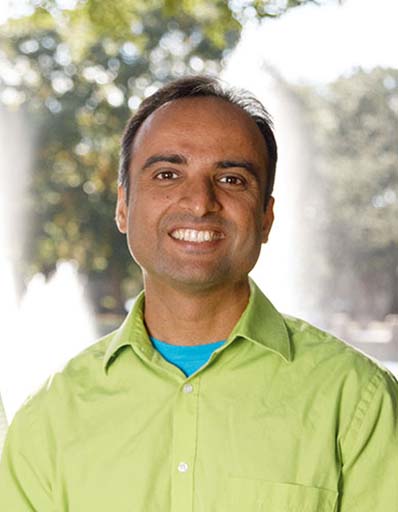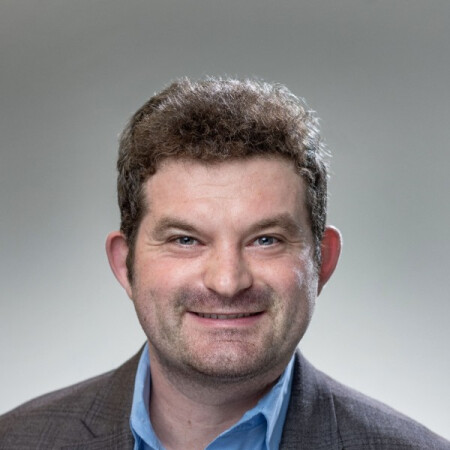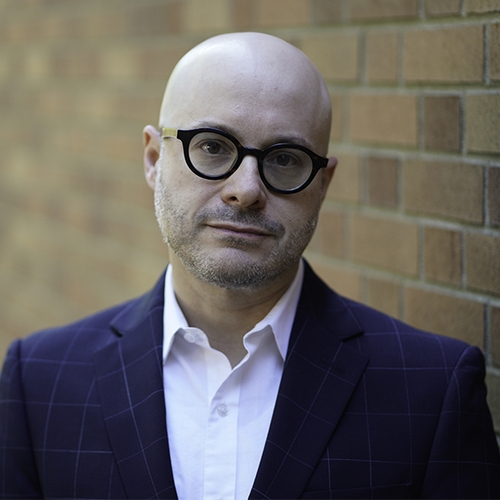
Christopher M. Federico is Professor of Political Science and Psychology at the University of Minnesota and holds the Arleen C. Carlson Professorship of American Government and Politics. He currently serves as President of the International Society of Political Psychology and was former Director of the University of Minnesota’s Center for the Study of Political Psychology. His work bridges political science and psychology, focusing on ideology, political preferences, and intergroup relations. Ph.D.: Social Psychology, University of California, Los Angeles, 2001 M.A.: Social Psychology, University of California, Los Angeles, 1996 B.A.: Psychology, University of California, Berkeley, 1995 Professor Federico’s research explores the psychological underpinnings of political ideology, emphasizing how personality, identity, and cognitive needs shape partisan preferences and intergroup dynamics. His work integrates quantitative methods to analyze polarization, authoritarianism, and collective narcissism. Recent studies examine anti-democratic attitudes among partisans, misinformation about critical race theory, and the role of affective polarization in political behavior. His recent publications highlight trends in political psychology, including experimental approaches to understanding moral foundations, the impact of epistemic motivation on policy preferences, and the intersection of religiosity and nationalism in Poland. These works reflect a focus on ideological asymmetry, psychological drivers of polarization, and the contextual factors influencing political behavior. 2007 Erik Erikson Award for Early Career Achievements (International Society of Political Psychology) 2007 Roberta Sigel Junior Scholar Paper Award (International Society of Political Psychology) 2009 Morton Deutsch Award (International Society for Justice Research) 2018 David O. Sears Book Award (International Society of Political Psychology) for Open Versus Closed As a leading figure in political psychology, Federico has co-authored foundational texts like Open Versus Closed: Personality, Identity, and the Politics of Redistribution (2017) and co-edited volumes honoring pioneers in the field. His research has been supported by extensive grants and collaborations, influencing debates on democratic citizenship, economic policy preferences, and the psychological roots of political polarization.