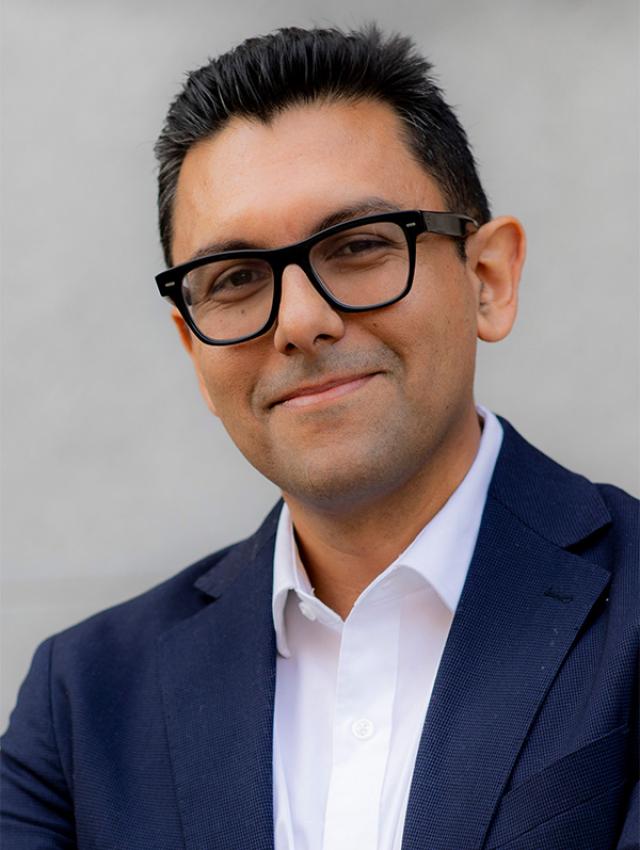
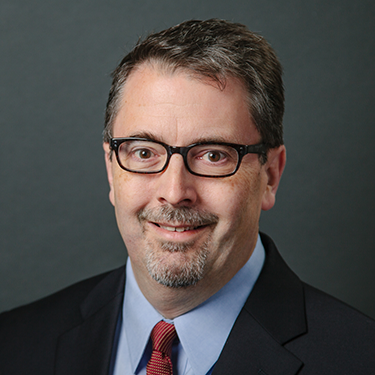
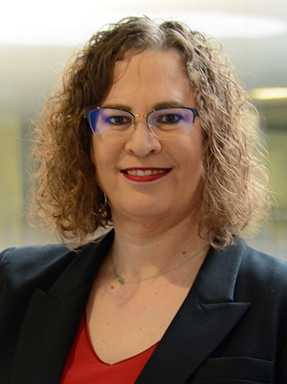
Felipe Severino is an Associate Professor of Business Administration at the Tuck School of Business, Dartmouth College. His research bridges corporate finance, entrepreneurship, and household finance, with a focus on real estate markets, credit risk, and financial distress. He teaches Corporate Finance in the MBA Program and has contributed to leading journals such as the Review of Financial Studies and the Journal of Financial Economics. PhD in Finance, Massachusetts Institute of Technology, 2014 MSc in Finance, Pontificia Universidad Católica de Chile, 2007 BSc in Economics, Pontificia Universidad Católica de Chile, 2005 His work examines mortgage market dynamics, household debt behavior, and the interplay between housing wealth and entrepreneurial activity. Key themes include financial intermediation, credit policy, and economic inequality. His publications highlight trends in housing debt cycles, bankruptcy protection, and mortgage crisis impacts. Collaborations with Manuel Adelino and Antoinette Schoar dominate his research output, focusing on regional banking risks and consumer finance. RFS Michael J. Brennan Best Paper Award Runner Up (2016)
Felipe Severino is an Associate Professor of Business Administration at the Tuck School of Business, Dartmouth College . His research focuses on the intersection of corporate finance , entrepreneurship , household finance , and real estate . His publications include studies on mortgage market dynamics, household debt, and credit policy. He collaborates frequently with scholars like Manuel Adelino and Antoinette Schoar . Scientific Awards : RFS Michael J. Brennan Best Paper Award Runner Up (2016) Contact Information: University : Tuck School of Business, Dartmouth College Email : felipe.severino@dartmouth.edu Phone : (603) 646-0290
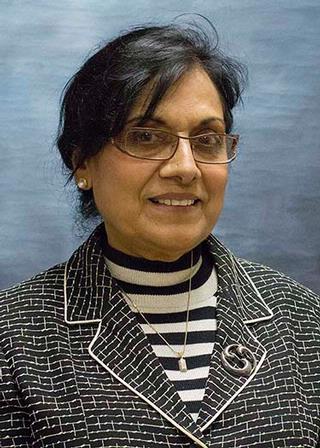
Savita Puri, M.B.B.S., M.P.H., serves as a Clinical Professor (Part-Time) in the Department of Imaging Sciences at the University of Rochester School of Medicine and Dentistry. A board-certified Nuclear Medicine specialist, she has dedicated her career to clinical education and applied research, mentoring radiology residents while advancing diagnostic imaging standards through evidence-based practice. Education Master of Public Health (MPH), University of Rochester, 2010 MBBS, All India Institute of Medical Sciences, India, 1968 Research Focus Dr. Puri's expertise centers on Nuclear Medicine and Oncologic Imaging , with pioneering work in PET/CT applications for cancer diagnosis. Her research addresses radiation safety in emergency settings, multimodal lesion characterization across organ systems, and clinical decision support for imaging protocols. She emphasizes translating technical findings into patient-centered care through resident education. Publication Trends Her 34+ publications reveal an evolution from foundational cardiac/thyroid imaging (1970s-1980s) to contemporary oncology applications (2000s-2010s). Recent work analyzes FDG-avid lesions in pancreatic, adrenal, and lymphoma contexts, highlighting PET/CT's role in detecting second primary tumors and optimizing emergency department imaging workflows. Awards and Recognition Letter of Appreciation (1997) Monroe County Powers Chapter 15 Award (1995) Excellence in Teamwork (1994) Vice President Gore's Hammer Award (1994) Award of Merit (1993) Citation by New York State Assembly (1993) Commendation Award for Quality Improvement (1990) Distinguished Service Award (1990) Bronze Medal for Perfusion Lung Scanning Exhibit (1975) Mentorship and Research Leadership Dr. Puri has guided residents in developing 15+ research projects resulting in national conference presentations and co-authored publications. She spearheaded an IRB-approved study on CT scan overutilization in emergency departments, demonstrating her commitment to evidence-based practice improvement and radiation risk mitigation. Professional Integration As part of the University of Rochester Medical Faculty Group and Accountable Health Partners network, she collaborates with regional healthcare systems to advance imaging standards and medical education across the Finger Lakes region.
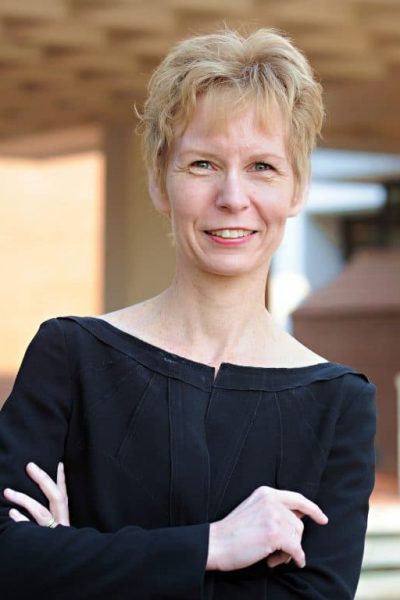
Jeannette Hofmeijer is a Full Professor in Clinical Neurophysiology and at the TechMed Centre, University of Twente. Her primary research areas include: Stroke (particularly ischemic stroke and treatment) Cardiac Arrest and its neurological consequences Brain Ischemia and neuronal damage mechanisms Neurorehabilitation and cognitive outcomes Recent publications (2025) focus on: Arterial collateral status in stroke treatment (MR CLEAN-NO IV trial) Automated collateral assessment in ischemic stroke Brain topology and cognitive outcomes after cardiac arrest Prediction of cognitive function and quality of life in cardiac arrest survivors This reflects a strong emphasis on translational research combining clinical neurology, advanced imaging, and computational analysis to improve neurological emergency outcomes. Scientific recognition includes: Prize (2012, unnamed) She has supervised 8 students and maintains active research engagement through oral presentations at major conferences, including work on ischemic cerebral damage mechanisms and neuronal failure in mild ischemia presented in 2012 and 2022. Her research is centered at the TechMed Centre, fostering interdisciplinary collaboration in medical technology development with national and international networks focused on stroke and cardiac arrest interventions.
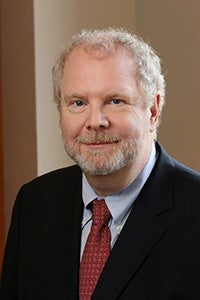
Carl S. Bjerre serves as the Wallace L. & Ellen A. Kaapcke Professor of Business Law at the University of Oregon School of Law, where he teaches courses ranging from first-year Contracts to Advanced Commercial Law. A nationally recognized authority on the Uniform Commercial Code (UCC), he actively shapes commercial law through leadership roles including membership on the Permanent Editorial Board for the UCC and gubernatorial appointment to the Uniform Law Commission. His educational background includes a J.D. magna cum laude from Cornell Law School and undergraduate studies in Literature and Philosophy at the University of California, Berkeley. Prior to academia, he practiced transactional finance law for six years at Cleary, Gottlieb, Steen & Hamilton LLP in New York City. Professor Bjerre's research centers on secured transactions, securities law, and UCC modernization, with particular expertise in Articles 8 and 9. His scholarship bridges theoretical legal principles with practical transactional applications, addressing critical issues like choice-of-law rules for intermediated securities, adverse claims, and international conventions including the Hague Securities Convention. This work reflects his commitment to harmonizing commercial law across jurisdictions while maintaining functional legal frameworks for modern finance. His recent publications (2020-2023) demonstrate sustained scholarly productivity with a focus on contemporary challenges in secured transactions and securities law. Key themes include the implementation of the Hague Securities Convention, resolution of adverse claims in collateral enforcement, and adaptation of UCC principles to evolving financial instruments – revealing a consistent trajectory toward enhancing legal certainty in complex commercial transactions. Professional honors include: Appointed member of the Permanent Editorial Board for the Uniform Commercial Code Gubernatorial appointee to the Uniform Law Commission Elected member of the American Law Institute Visiting Fellow at Oxford's Commercial Law Centre At Oregon Law, Professor Bjerre contributes significantly to the Business Law Program through teaching and curriculum development. His extensive involvement in national law reform projects – including service on Joint Drafting Committees for UCC revisions and participation in U.S. delegations for international securities conventions – demonstrates leadership that extends beyond traditional academic boundaries into practical legal development. While specific grant funding isn't detailed, his judicial citations (including a 2024 New York Court of Appeals decision involving $9 billion in Venezuelan bonds) confirm real-world impact of his scholarship. As a core faculty member of the Business Law Program, he participates in the program's academic initiatives and contributes to its reputation for excellence in commercial law education. His work with the Uniform Law Commission and American Law Institute positions him at the forefront of business law development, influencing both domestic and international commercial legal frameworks through sustained scholarly and practical engagement.
Julia Arciero is a Professor of Mathematical Sciences at Indiana University's School of Science. Her research focuses on applying mathematical models to physiological phenomena such as blood flow regulation, immune response dynamics, and vascular adaptation in diseases like glaucoma and peripheral arterial disease. She collaborates with clinicians and experimentalists to bridge theoretical and experimental approaches. Education: Ph.D. in Applied Mathematics, University of Arizona M.S. in Applied Mathematics, University of Arizona B.S. in Mathematics, University of Michigan Research Interests: Dr. Arciero develops models to study blood flow in the eye, inflammation in sepsis, transplant rejection, and vascular compensation post-occlusion. Her work integrates disciplines like ophthalmology, immunology, and biomedical engineering. Article Trends: Her recent publications emphasize glaucoma pathophysiology, systemic inflammation links to societal stress, and computational methods for disease modeling. Themes include interdisciplinary collaboration and translational applications of mathematical models. Awards: 2023 Kathryn J. Wilson Award for Leadership in Undergraduate Research 2021 Women’s Leadership Award Multiple teaching awards including Bernie Morrel and Trustees Awards Advising & Grants: Leads NIH and NSF-funded projects, including a REU program in applied mathematics. Collaborates on grants totaling over $5M, emphasizing undergraduate research and interdisciplinary training. Labs/Teams: Coordinates with ophthalmology and immunology groups at IU School of Medicine, Johns Hopkins, and University of Pittsburgh Medical School. Active in the Society for Mathematical Biology and SIAM.
Nora V. Demleitner, the Roy L. Steinheimer Jr. Professor of Law at Washington and Lee University School of Law, is a prominent scholar in criminal, comparative, and immigration law. She will become the first female president of St. John’s College’s Annapolis campus in January 2022, bringing extensive leadership experience as former dean of W&L Law and Hofstra University’s Maurice A. Deane School of Law. Her work focuses on sentencing, collateral consequences, and criminal justice reform. Accolades: Elected member of the American Law Institute Fellow of the American Bar Foundation Leadership Roles: Dean of W&L Law (2012–2015) Dean of Hofstra Law (2008–2012) Demleitner’s research emphasizes parole systems, victim/prosecutor influence in sentencing, and immigration law. Her recent commentaries in The Washington Post and The Hill highlight her advocacy for evidence-based release decisions and protections for whistleblowers. Her scholarship often bridges theoretical analysis with practical policy reform. Key Publications: 2021: Analysis of parole board dynamics in Virginia 2020: Reintroducing parole to reduce prison populations 2019: Impeachment procedures vs. criminal trials Education: J.D. from Yale Law School B.A. from Bates College LL.M. from Georgetown University Law Center
Mark Rempel is an Assistant Professor in the Department of Economics at the University of Toronto, with a joint appointment between the St. George and Mississauga campuses. He holds a PhD in Economics & Finance from the University of Wisconsin-Madison (2022), an MA from the University of Toronto (2012), and a B.A. from McGill University (2011). His research focuses on macroeconomics, financial economics, and industrial organization, particularly examining frictions in intangible assets, firm dynamics, and their implications for economic aggregates. He has held roles at the Bank of Canada and currently teaches PhD macroeconomic theory and Money/Banking courses. Research highlights include studies on patent litigation effects on innovation, CEO compensation, IPO decisions, and liquidity management in interbank markets. He has received grants including SSHRC (2024) and awards such as the Bank of Canada Graduate Student Paper Award (2019). His work has been published in the Review of Economic Studies and Journal of Money, Credit and Banking . Professional service includes organizing macroeconomics seminars at U of T and serving on admissions committees for the MFE program. His ongoing projects explore housing market frictions, DeFi leveraged trading, and the efficiency of patent litigation systems.
Paul Carlier is a Professor of Chemistry and Pharmaceutical Sciences at the University of Illinois at Chicago (UIC), holding the Hans W. Vahlteich Chair in Medicinal Chemistry. He serves as Director of UICentre, UIC’s campus-wide drug discovery initiative. Prior to UIC, he was a Professor of Chemistry at Virginia Tech (2007–2022). His research focuses on medicinal chemistry for global public health, particularly developing antimalarial drugs and combating antibiotic-resistant bacteria. Notable achievements include discovering novel antimalarial compounds and elucidating the mechanism of mefloquine action. Education: B.A. from Hamilton College (1983), Ph.D. from MIT (1988). Awards include the Jimmy Viers Teaching Award (2017) and the Hamilton College Alumni Achievement Medal (2005). He has led multiple NIH-funded projects, including a $3.7M grant for malaria drug development (2021–2026). His lab collaborates with institutions like Virginia Tech and the Bill & Melinda Gates Foundation. Teaching includes courses in medicinal chemistry and thesis supervision. Research interests span antimalarial drug discovery targeting Plasmodium falciparum, antibiotic development against Klebsiella pneumoniae, and drug metabolism studies. Over 260+ publications highlight his contributions to antiviral screening, enzyme inhibition, and structural biology. Professional roles include North America Regional Editor for Current Topics in Medicinal Chemistry and membership on the Cholinergic Mechanisms Meeting advisory board.
Dr. Danielle Bailey is an Associate Professor of Criminal Justice and Director of the Center for Excellence in Teaching and Learning at the University of Texas at Tyler. She holds a PhD in Criminology and Criminal Justice from the University of Nebraska at Omaha (2015), an MS in Forensic Science from The George Washington University (2010), and a BS in Forensic and Investigative Science from West Virginia University (2008). Her research focuses on sexual offending policy, collateral consequences of public policy, and qualitative methodologies. Notable projects include analyzing the socioeconomic impact of sex offender registration laws and testifying before legislative committees in Texas and Nebraska. Dr. Bailey teaches courses in criminal justice research methods, forensic science, and community corrections, emphasizing hybrid and online formats. She mentors undergraduate research projects, including studies presented at the UT Tyler Student Research Lyceum. Her courses integrate innovative methods like mock crime scene processing and courtroom testimony simulations. She also oversees the CETL, promoting pedagogical excellence through workshops and student engagement initiatives. Office: CAS 134 & LIB 127I Phone: 903.566.7432 Website: https://sites.google.com/uttyler.edu/drbailey Her recent publications explore advocacy efforts for sex offender policy reform, challenges faced by registered individuals in employment, and the psychosocial effects of registration laws on families. Dr. Bailey actively contributes to criminal justice education through curriculum development and student success initiatives.
Abbie Chapman is an Assistant Professor in the Department of Psychology at Binghamton University (SUNY). Her research focuses on understanding vascular contributions to cognitive impairment and dementia, particularly in the hippocampus. She investigates how age, hypertension, and menopause affect hippocampal neurovascular function, aiming to develop strategies to protect against hypoxic/ischemic injury and maintain neurocognitive health. Chapman’s lab employs advanced techniques such as pressure myography, laser Doppler flowmetry, and electrophysiology to study hemodynamic and cognitive consequences of vascular dysfunction. She emphasizes sex differences in hippocampal vulnerability, especially post-menopause, and explores interventions like apocynin treatment to mitigate cerebrovascular damage. Her educational background includes a PhD from the University of Vermont and a BS from the University of Maine at Orono. She actively mentors students, including Risa Kalish and Brian Deng, and collaborates across disciplines to address aging-related dementias and stroke mechanisms. Recent work highlights the role of oxidative stress and neuroinflammation in cognitive decline, with implications for preeclampsia and hypertension. Chapman’s achievements include mentoring award-winning undergraduates and advancing public awareness through media features like Woman’s World Magazine.
Jamie Buechler is an Adjunct Professor at the University of Denver Sturm College of Law, teaching Bankruptcy Appellate Advocacy. She is a seasoned bankruptcy attorney with over 25 years of experience representing small businesses, creditors, debtors, and trustees in complex bankruptcy cases and litigation. Her professional affiliations include service as a receiver overseeing business wind-downs and collateral liquidation. Education: B.A. in Political Science from the University of Colorado (1993); J.D. from the University of Denver College of Law (1999). Research interests focus on bankruptcy law, debtor-creditor dynamics, and corporate restructuring strategies. Her legal practice emphasizes appellate advocacy and ethical considerations in bankruptcy proceedings. Awards & Recognition: AV Peer Review Rating for Legal Ability and Ethical Standards Colorado SuperLawyer designation since 2020 Board Certification in Business Bankruptcy Law (American Board of Certification) Donald E. Cordova Distinguished Service Award (2014) for pro bono representation of debtors in bankruptcy litigation Community involvement includes board service at The Center on Colfax, supporting LGBTQ+ community initiatives.
Alec Ewald is an Associate Professor at the University of Vermont , affiliated with the College of Arts and Sciences and the Department of Political Science . His expertise lies in American Politics and Constitutional Law , with a focus on the collateral consequences of criminal convictions and their societal impacts. Educated at Tufts University (B.A.), University of North Carolina Chapel Hill (M.A.), and University of Massachusetts Amherst (Ph.D.). Professor Ewald’s research examines how criminal convictions restrict rights and privileges beyond incarceration, particularly in areas like voting rights , occupational licensing , and legal reintegration . His work spans topics such as felony disenfranchisement , collateral sanctions , and criminal justice policy , often analyzing the intersection of federal and state laws. Recent publications highlight the systemic barriers faced by individuals with criminal records, including misinformation challenges, carceral citizenship, and rights restoration through mechanisms like New York’s “Certificates of Relief.” His scholarship appears in journals like Criminology , Law & Social Inquiry , and Wisconsin Law Review . He has served as Interim Associate Dean of the Honors College (2014) and authored/co-edited books including The Way We Vote (2009) and Criminal Disenfranchisement in an International Perspective (2009).
Heather Hughes is a Professor of Law at American University’s Washington College of Law (WCL), specializing in commercial, business, and property law. She joined WCL in 2007 after practicing corporate law with Morrison & Foerster LLP and serving as a founding faculty member at Florida International University College of Law. Her research focuses on the intersection of emerging technologies (especially blockchain) and legal frameworks, with an emphasis on secured transactions, fintech policy, and legal education reform. Dr. Hughes holds a J.D. (cum laude) from Harvard Law School and a B.A. in History (with honors) from the University of Chicago. Her educational background combines rigorous legal training with interdisciplinary historical analysis, informing her approach to modern legal challenges. Her research interests span blockchain’s impact on legal systems, financial inclusion through technology, and the evolution of secured transactions law. Notable projects include analyzing blockchain’s role in collateral management, designing regulatory frameworks for digital markets, and rethinking student loan financing mechanisms. Her publications reflect a focus on technology’s legal implications, with recent articles exploring smart contracts, cryptocurrency regulation, and the future of secured transactions in a digital economy. She has received awards for both scholarship and teaching, including the WCL Excellence in Teaching Award (2019) and the Edwin A. Mooers Scholar Award (2017). While no student advisees are listed, her teaching contributions include developing curricula on digital-age legal practice and fintech compliance. Her work bridges academic research and practical legal challenges, advocating for adaptable frameworks that address technological advancements without stifling innovation.
Jorge Valiente Oriol is an architect, educator and co-founding member of GRANDEZA STUDIO, currently appointed as Adjunct Fellow at the University of Technology Sydney, School of Architecture. His work hybridises critical spatial practice, exhibition design and trans-disciplinary pedagogy to expose the epistemic and territorial violences embedded in extractive landscapes. Education & Scholarships M. Arch, Madrid Polytechnic School of Architecture (ETSAM), 2013 – Final thesis: Multiscale Strategies to Reactivate Transhumance in Spain Special Diploma in Territorial & Urban Planning, ETSAM Exchange scholarships at Technical University of Architecture (TU) & School of Fine Arts (UDK), Berlin, 2008 Guest researcher, Bauhaus Lab, Dessau, 2013 – exhibited Atlas of Realities, Sagunto Research Interests Valiente Oriol’s research interrogates ‘out-of-sightedness’ —the deliberate concealment of ecological, colonial and geopolitical violence within hegemonic spatial narratives. Operating across architecture, performance and visual culture, he develops speculative cartographies that render visible latent territorial disputes, from the Pilbara mining frontier to Korean artificial-reef borders. His recent installations and essays translate field evidence into multimedia allegories, inviting audiences to re-imagine liveable planetary futures beyond extractive logics. Publications & Exhibition Trends Since 2017 the corpus clusters around three entangled themes: (1) extractive geographies —analysing mining, reef-urbanism and fossil politics in Australia and South-East Asia; (2) climate spectacle —critiquing governmental green-washing through exhibition devices (Milan Triennale, Venice Biennale collateral); and (3) post-liberal urbanism —mapping neoliberal fatigue in port cities such as Valparaíso. Visual essays, co-authored with GRANDEZA STUDIO, consistently fuse architectural drawing, performance stills and critical text to operate simultaneously as scholarship and curatorial activism. Grants & Research Support The Plant – Contract research grant, New Landscapes Institute, May–July 2017 (with A. Sánchez-Velasco & G. Valiente-Oriol) Multiple Spanish national mobility scholarships for study at TU-Berlin, UDK-Berlin and Bauhaus Dessau Foundation Creative & Collaborative Practice GRANDEZA STUDIO functions as an itinerant research atelier whose outputs oscillate between peer-reviewed journals and internationally curated exhibitions. Notable productions include the Australian pavilion at the XXII Milan Triennale (2019), the Pilbara Interregnum installation for the 18th Venice Architecture Biennale (2023), and the forthcoming book Teatro della terra alienata (Bartlebooth, 2022). These projects position the collective as both critical interlocutor and practical respondent to climate collapse, colonial extractivism and crises of political imagination.