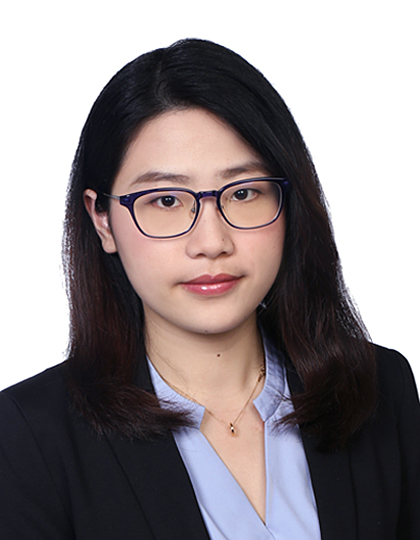
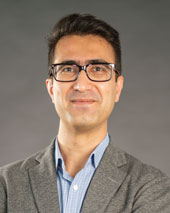
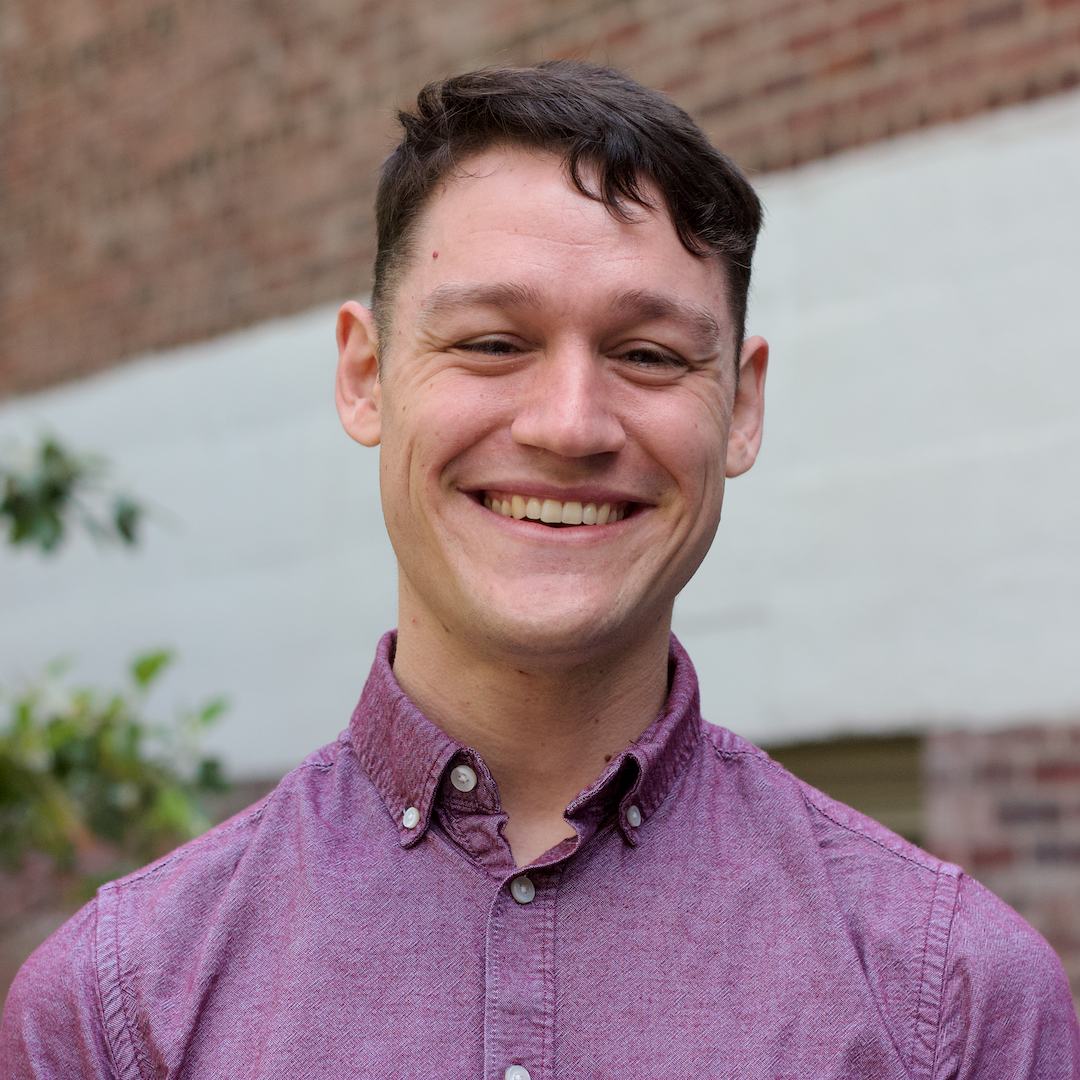
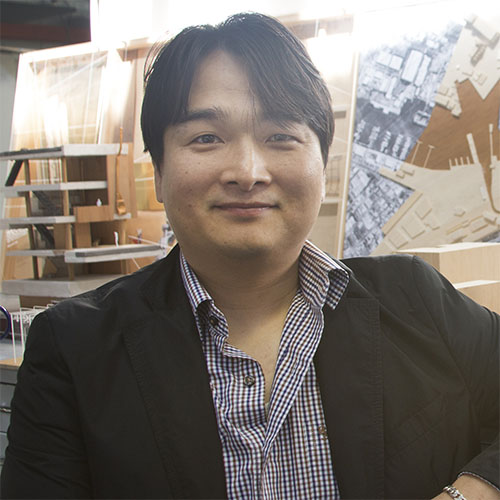
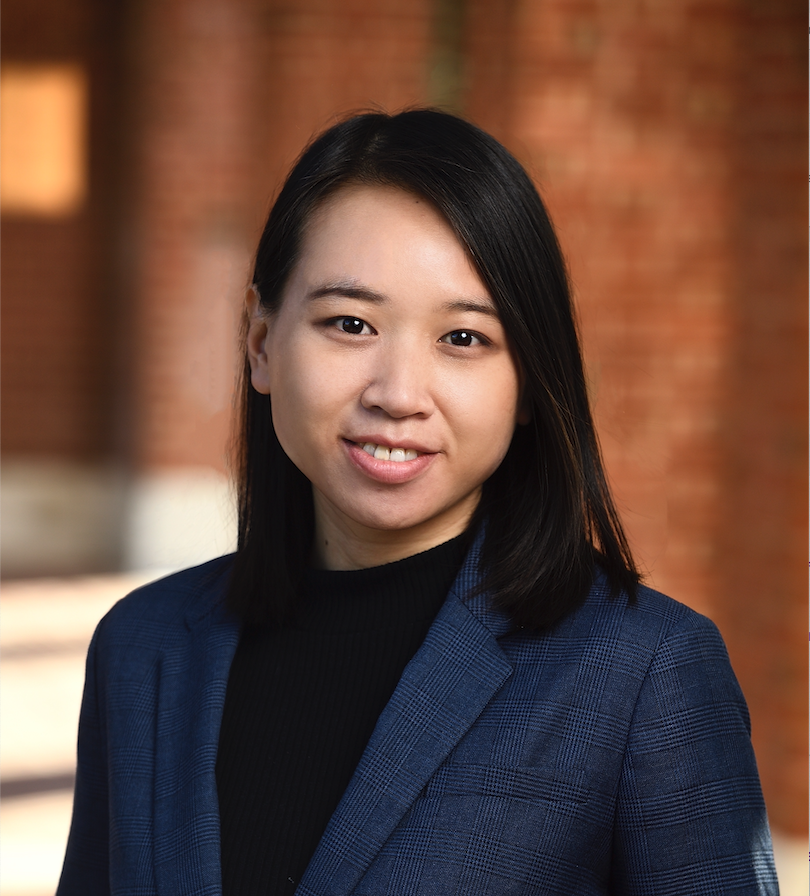
Yuan Tian is an Assistant Professor in the School of Computing at Queen's University, Faculty of Arts and Science. She holds a PhD in Information Systems from Singapore Management University (2017) and a B.Sc. in Computer Science from Zhejiang University (2012). Her research focuses on integrating heterogeneous data sources to enhance software engineering practices, including data mining, recommender systems, and social network analysis. Prior to Queen's, she was a data scientist at Living Analytics Research Centre (LARC), SMU. She has held visiting positions at Carnegie Mellon University, INRIA Paris, and SAIL Canada. Research Interests: Data Mining Software Engineering Social Network Analysis Information Retrieval Recommender Systems Computer Security Recent Research Trends: Her work emphasizes AI-driven solutions for software bug management, code translation, vulnerability detection, and developer behavior analysis. Notable contributions include leveraging LLMs for technical debt repayment and enhancing code vulnerability detection via Graph Neural Networks. Awards: SMU Presidential Doctoral Fellowship (2015-2016) Best Paper Award at SANER 2017 Grants & Advising: No formal advisees listed, but active in collaborative projects with industry and academic partners. Labs/Teams: Previously associated with SOAR Group at SMU and currently leads research in Queen's School of Computing.
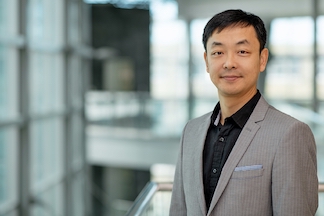
Yuanzhu Chen is a Professor in the School of Computing at Queen’s University, affiliated with the Faculty of Arts and Science. He previously served as Professor and Department Head at Memorial University of Newfoundland (2005–2021). His research focuses on computer networking, mobile computing, complex networks, and applied machine learning, emphasizing wireless innovation beyond traditional wired systems. He holds a PhD from Simon Fraser University (2004) and a B.Sc. from Peking University (1999). Education: PhD in Computing Science (Simon Fraser University, 2004); B.Sc. in Computer Science (Peking University, 1999). Earlier roles include Post-doctoral Researcher at Simon Fraser University (2004–2005) and leadership positions at Memorial University, including Department Head (2019–2021). Research Interests: Network Coding and Opportunistic Routing Mobile and Wireless Network Protocols Complex Network Analysis Machine Learning Applications Indoor Positioning Systems Social Network Dynamics Selected Awards: Recipient of Queen’s University President's Award for Distinguished Teaching. Lab Affiliation: Director of the Wireless Networking and Mobile Computing Lab (WineMocol). Active in collaborative projects involving smartphone sensors, community-based environmental monitoring, and stock market prediction using web data.
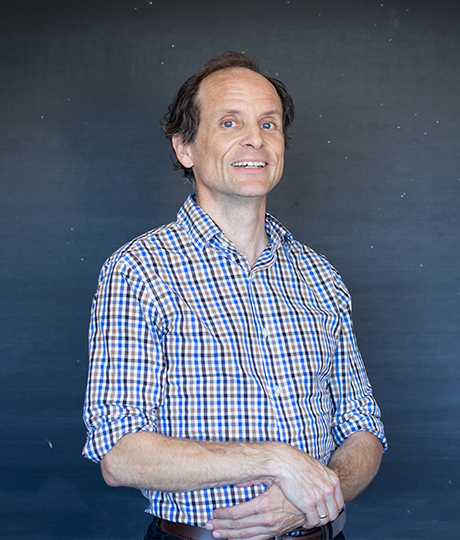
Ivon Arroyo is a Professor in the Department of Teacher Education & Curriculum Studies (TECS) at the University of Massachusetts Amherst. Her research focuses on integrating novel technologies into math and computational thinking education, emphasizing affective and metacognitive states. She develops intelligent tutoring systems, such as COVES, which personalize learning in real-time and utilize facial expression recognition to enhance engagement. Her work on WearableLearning explores embodied, physically active multiplayer games for K-12 classrooms, leveraging mobile devices and wearable technologies to create immersive learning experiences. Dr. Arroyo holds an Ed.D. (2003) and M.S. (2000) from UMass Amherst and a B.S. from Universidad Blas Pascal in Argentina (1995). She has been recognized with multiple awards, including Best Paper Awards at the 2009 International Conference on Artificial Intelligence in Education and the 2010 Educational Data Mining Conference, a Fulbright Fellowship (1996), and a 1994 undergraduate prize for computer vision research. Her research interests span interdisciplinary areas such as Learning Sciences , Computer Science , Data Science , and Psychology . She prioritizes culturally responsive pedagogical agents and cross-cultural studies in educational technology, particularly in Argentina, India, and the U.S. Her projects often address challenges in developing countries, including localization of tutoring systems to Spanish. Advising and grants are central to her work, with grants like the NSF CAREER Award (2020) supporting embodied math classrooms. She collaborates on teacher dashboard frameworks and explores ethical AI integration in education. Her labs focus on creating tools that merge computational innovation with theoretical learning science principles, emphasizing real-world applications like the WearableLearning Cloud Platform.
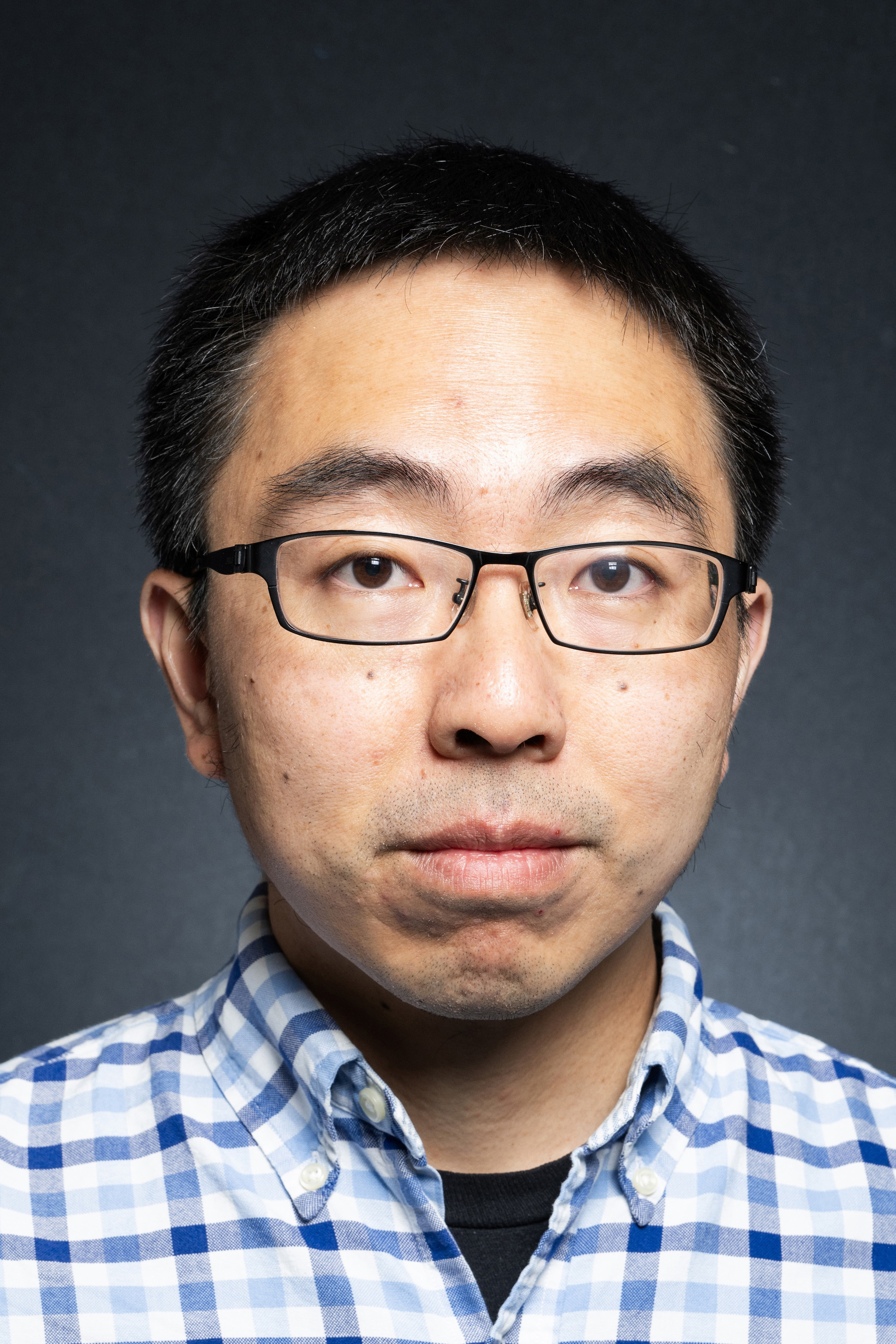
Xiaowen Dong is an Associate Professor in the Department of Engineering Science at the University of Oxford, affiliated with the Machine Learning Research Group and the Oxford-Man Institute. He is also a Tutorial Fellow at Lady Margaret Hall. Prior to Oxford, he was a postdoctoral researcher at MIT Media Lab and earned his PhD from EPFL. His research focuses on signal processing and machine learning for analyzing network data, with applications in social, urban, and financial systems. Education: PhD from École Polytechnique Fédérale de Lausanne (EPFL), Switzerland. Research Interests: Graph signal processing, geometric deep learning, network topology inference, computational social science, and urban computing. He has received awards including the Turing Fellowship and outstanding paper recognitions. His work spans theoretical advancements and practical applications in network analysis, with collaborations extending to institutions like MIT, EPFL, and the Alan Turing Institute. Notable achievements include contributions to understanding urban segregation, pandemic impacts on mobility, and financial network dynamics. He advises multiple doctoral and master's students across disciplines and actively organizes workshops and conferences in graph-based learning and network science.
Dr Marcus Keogh-Brown is an Associate Professor in the Department of Global Health and Development within the Faculty of Public Health and Policy at the London School of Hygiene & Tropical Medicine (LSHTM). His position is split between research focusing on macroeconomic modeling of health and serving as Deputy Programme Director for the school's public health distance learning program. Education: BSc in Mathematics and Statistics, Queen Mary University of London (1995-1998) MSc in Computer Studies, University of Essex (1998-1999) PhD in "A Statistical Model of Internet Traffic," Queen Mary University of London (1999-2004) PGCILT Modules 1 and 2, London School of Hygiene and Tropical Medicine (2008-2012) Dr Keogh-Brown's research focuses on analyzing the macro-economic impact of health disorders and developing macro-economic models in health contexts. His areas of interest include infectious diseases (SARS, influenza, COVID-19, tuberculosis, malaria) and non-communicable diseases (Alzheimer's Disease, Dementia). He specializes in health-related applications of Computable General Equilibrium (CGE) Modeling with GAMS, with current work on health and macroeconomic modeling of COVID-19, tuberculosis, child labor, and health-related food policies. His publication record shows a strong trend toward integrated macroeconomic-epidemiological modeling, particularly for infectious disease outbreaks and public health interventions. Recent work focuses on tuberculosis in India, Covid-19 impacts in Pakistan, and food policy interventions like the UK Soft Drinks Industry Levy. His research consistently applies economic modeling frameworks to evaluate the health and economic impacts of disease and health policies across multiple countries including Ghana, India, Thailand, Myanmar, UK, and China. Grants: Current: "Modelling the health social care and macroeconomic impacts of dementia policies in the UK" (NIHR, 2025-2026) Current: "Co-designing food system fiscal policy for healthy people and planet" (University of Oxford, 2022-2025) Completed: "COVID-19 vaccine scenario analysis for health economic and social impacts" (WHO, 2022) Completed: "Evaluation of the impact of the UK industry levy of sugar-sweetened beverages" (University of Cambridge, 2017-2023) Completed: "Macroeconomic Burden of Alzheimers in China" (Jansen Global Services LLC, 2014-2015) Dr Keogh-Brown is affiliated with several research centers at LSHTM including the Malaria Centre, Global Health Economics Centre, and Centre for Mathematical Modelling of Infectious Diseases. His collaborative work spans multiple countries and addresses critical intersections between health, economics, and policy.
Professor Bing Chu is an academic at the University of Southampton, actively contributing to research in control systems, robotics, and machine learning. They are a member of the Vision, Learning and Control Centre for Internet of Things and Pervasive Systems and the Centre for Robotics, focusing on interdisciplinary approaches that combine control theory with data-driven methodologies. Current research interests include: Iterative learning control Human-robot interaction Wind farm power optimization Robot behavior modeling Control system architectures Collaborative learning systems Recent publications highlight trends in data-driven control systems, human-robot interaction datasets, and optimization techniques for both continuous-time systems and wind energy applications. Professor Chu supervises multiple PhD students across robotics and electronic engineering, including Balint Gucsi, Haonan Shen, and Aleksander Wolski, while leading projects funded by Zhengzhou University and the Royal Society.
Patrick Brown is an Associate Professor at the University of Toronto , affiliated with the Department of Statistical Sciences and cross-appointed to the Centre for Global Health Research and St. Michael's Hospital . His research focuses on spatio-temporal data modeling , Bayesian inference , and non-parametric methods for spatial epidemiology and environmental sciences. Fields of Interest : Spatial Statistics, Cancer Statistics, Statistical Software Education : PhD from University of Lancaster His methodological work encompasses Bayesian inference for non-Gaussian spatial data, Gaussian Markov random fields, and computational techniques like INLA and MRA. Applied research themes include disease mapping, environmental risk assessment, and public health surveillance using real-world data sources such as electronic health records and wastewater monitoring . He has developed key R packages (mapmisc, geostatsp, diseasemapping) supporting spatial statistical applications. Current collaborative projects span diverse fields: Ultra-diffuse galaxy detection with astrophysical applications Multi-pollutant mortality studies in Canadian cities SARS-CoV-2 seropositivity tracking Homelessness population estimation using EHR Geospatial cancer risk tools for Nova Scotia His work bridges statistical innovation with global health challenges , emphasizing computationally efficient solutions for large-scale spatiotemporal datasets.
Brooks Casas, Ph.D., is a Professor at the Fralin Biomedical Research Institute at VTC, with joint appointments in the Department of Psychology (College of Science), Department of Biomedical Engineering and Mechanics (College of Engineering), and the Department of Psychiatry and Behavioral Medicine (School of Medicine) at Virginia Tech. He is also a College of Science Faculty Fellow, recognized for his contributions to decision neuroscience and computational psychiatry. Ph.D. in Psychology, Harvard University Postdoctoral Fellowship, Baylor College of Medicine Former Assistant Professor of Neuroscience and Psychiatry, Baylor College of Medicine Brooks Casas investigates the neural computations underlying social decision-making, focusing on how valuation, learning, and social preferences shape human choices. His research integrates decision neuroscience, behavioral economics, and social psychology to understand both normative and pathological decision processes. Key areas include trust, risk preferences, social influence, and impaired decision-making in psychiatric disorders such as substance abuse and borderline personality disorder. His lab employs fMRI, computational modeling, and longitudinal studies to explore these phenomena. His recent publications span topics such as machine learning applications in diagnosing borderline personality disorder, neural predictors of adolescent risk behaviors, and the role of cognitive control in substance use. His work often involves large-scale longitudinal studies, such as the decade-long investigation into early life adversity and brain development with Jungmeen Kim-Spoon. He has not received any explicitly mentioned scientific awards in the provided text. Casas leads the Casas Lab within the Center for Human Neuroscience Research and collaborates extensively with students and researchers across disciplines. His work is supported by grants from the National Institutes of Health and the Institute for Society, Culture, and Environment. He advises multiple graduate students and early-career researchers, contributing significantly to training in computational psychiatry and decision neuroscience. His lab, the Casas Lab, is part of the Fralin Biomedical Research Institute and focuses on human neuroscience research, particularly using neuroimaging and behavioral experiments to study social and economic decision-making.
Mehdi Farahani is an Assistant Professor at the C.T. Bauer College of Business, University of Houston, in the Department of Decision & Information Sciences. He holds a Ph.D. in Operations Management from the Jindal School of Management, The University of Texas at Dallas, and has previously served as an Assistant Professor at the University of Miami and as a Postdoctoral Associate at MIT's Center for Transportation & Logistics. His research focuses on Operations Management , with specialized interests in Socially-Responsible Operations , Service Operations , and Supply Chain Contracting . His work integrates sustainability, equity, and efficiency in operational decision-making, particularly in humanitarian and environmental contexts. The recent publications highlight a strong trend in sustainable and resilient operations, with applications in agriculture, infrastructure, cloud computing, and urban services. His research often involves modeling complex trade-offs under uncertainty and designing contracts or policies to improve system performance. Scientific Awards and Recognitions: Honorable Mention: POMS Humanitarian Operations and Crisis Management Best Paper Award Selected for presentation at the SIG Meeting on Service Operations MSOM 2021 Conference Featured in INFORMS Analytics Collections (formerly Editor's Cut) Mehdi Farahani advises on operations and supply chain research and contributes to graduate education through courses such as SCM 6301 (Supply Chain Management in Executive MBA) and SCM 7330 (Demand and Supply Integration). While specific grant details are not mentioned, his publication record in premier journals indicates strong research support and scholarly impact. He collaborates with leading researchers including M. Dawande, G. Janakiraman, and H. Gurnani. He is actively contributing to the advancement of operations management through high-impact research and academic engagement, with no indication of affiliation with a formal lab or research team beyond his published collaborations.
Andrew Head is an Assistant Professor at the University of Pennsylvania's Department of Computer Science, specializing in Human-Computer Interaction (HCI) and Programming. His work bridges interactive reading , math notation accessibility , and AI-assisted code comprehension . Affiliated with Penn HCI, PLClub, and MindCORE, he co-leads research with Danaé Metaxa and Benjamin Pierce. University of Pennsylvania Assistant Professor, Computer Science Affiliations: Penn HCI, PLClub, MindCORE His research focuses on interactive reading interfaces , AI-powered programming tools , and math notation analysis . Recent projects include: FreeForm : Interactive math notation editor Tyche : Property-based testing tools Explainable Notes : Medical note interpretation systems Publications in CHI , UIST , and ICSE demonstrate his systems-centric approach combining user studies with working prototypes. Notable awards include Best Paper at UIST 2024 and CHI 2022. Advising: Ph.D. Students: Alyssa Hwang, Litao Yan, Hita Kambhamettu, Jeff Tao, Jessica Shi Grants: $1M NSF grant for Property-based Testing Tools (2024) Teaching: Spring 2025: CIS 4120/5120 - Human-Computer Interaction Fall 2024: CIS 7000 - Interactive Reading
Yong-Bin Kang is a Senior Data Science Research Fellow at the ARC Centre of Excellence for Automated Decision Making and Society (ADM+S) at Swinburne University of Technology, affiliated with the School of Social Sciences, Media, Film and Education. He holds a PhD in AI from Monash University and leads numerous transdisciplinary research projects applying artificial intelligence to address complex societal challenges. Education: PhD in Faculty of IT, Monash University, Australia Dr. Kang's research focuses on Responsible AI and Society, with specific interests in developing Societal-AI platforms that integrate social data with ethical principles. His work spans healthcare, humanitech, education, financial planning, environmental health, and justice domains. He investigates how AI can enhance decision-making processes while promoting societal well-being, with particular attention to ethical implementation and human-centered approaches. His expertise encompasses AI, natural language processing, machine learning, and decision-making optimization. Analysis of Dr. Kang's recent publications reveals a strong trajectory toward socially responsible AI applications across diverse domains. His work consistently bridges technical AI capabilities with social implications, particularly focusing on ethical frameworks, community-centered design, and addressing societal inequalities through technology. The publications demonstrate increasing collaboration across disciplines including criminology, environmental science, mental health, and education. Dr. Kang is actively involved in significant research funding initiatives, with multiple ongoing projects that address critical societal challenges through AI. His supervision availability includes Doctorate (PhD) candidates, indicating his commitment to mentoring the next generation of researchers in AI and data science fields. Current Flagship Areas: Digital Capability Innovative Society Manufacturing Futures Sustainable Development Goals: Good Health and Well Being (SDG 3) Industry, Innovation and Infrastructure (SDG 9) Affordable and Clean Energy (SDG 7)
Professor Ewa Luger serves as Professor and Chair of Human-Data Interaction at the University of Edinburgh, co-Programme Director of AHRC’s Bridging Responsible AI Divides (BRAID), and codirector of the EPSRC Responsible NLP Centre for Doctoral Training. She actively bridges academia, policy, and industry through roles in the DCMS college of experts and Centre for Artificial Intelligence (Future of Privacy Forum). Her educational background spans: BA (Hons) in International Relations & Politics MA in International Relations PhD in Computer Science Luger’s research investigates social, ethical, and interactional dimensions of AI systems, with emphasis on policy design, user consent, and exclusion frameworks. She pioneers work on responsible AI implementation across critical domains including voice interfaces, journalism, public service media, and accounting institutions. Her specific research trajectories include: Responsible AI governance and ethical deployment Human-Data Interaction paradigms Intelligibility of AI for expert/non-expert users Security/safety of cloud/edge systems AI adoption readiness in professional contexts Language model applications in real-world settings Her scholarly recognition includes: Alan Turing Institute Fellowship Fellowship at Corpus Christi College, University of Cambridge Luger has secured over £40 million in research funding since 2016 through EPSRC, ESRC, AHRC, and DataLab grants. Current leadership roles span the AHRC BRAID programme, EPSRC Fixing the Future project, UKRI Digital Twinning Network, and Responsible NLP CDT. She founded the annual 'Conversations' workshop on chatbot research in 2015, fostering global academic-industry collaboration. Her interdisciplinary work operates through dynamic project teams including the Network Plus in Human Data Interaction, DCODE EU consortium, and BBC-focused PubVIA initiative, integrating computer science, social sciences, and humanities perspectives to address AI’s societal challenges.
JuHyun Lee is an Associate Professor of Architecture and Computational Design in the School of Built Environment at the Faculty of Arts, Design and Architecture (ADA), University of New South Wales (UNSW) Sydney, where they also hold the prestigious title of Scientia Academic. With a professional background in architecture and construction (1998-2002), they have held academic positions across Australia including a five-year post-doctoral fellowship at the University of Newcastle (2012-2017) and a senior research fellowship at the University of South Australia (2018), following earlier research and teaching roles in South Korea (2003-2011). Lee specializes in architectural design computing, design cognition, and urban complexity, integrating computational methods, cognitive science, and architectural theory to advance architectural intelligence and human-centered design. Their research spans architectural visualization, analysis and design methods, algorithm/protocol design, and data visualization with computational approaches. They have established a strong research program examining the intersection of language, culture, and design cognition, particularly focusing on cross-cultural design communication between Australia and Korea. Lee's recent publications demonstrate a clear trajectory toward increasingly sophisticated integration of computational methods with architectural design theory, particularly in the areas of shape grammar, space syntax, and machine learning applications. Their work shows consistent focus on practical applications of computational design methods to real-world architectural problems, with growing emphasis on cross-cultural collaboration and intelligent design systems. The research portfolio reveals a deepening engagement with AI and machine learning techniques applied to architectural design assessment and generation. Scientia Academic at UNSW Sydney Associate Fellow of the Higher Education Academy (AFHEA, 2020) As an educator, Lee develops cutting-edge courses in computational design and Building Information Modeling (BIM), integrating experiential learning and industry engagement. They have secured over $11 million in research funding, including multiple ARC Discovery Projects and an Australia-Korea Foundation grant. Lee co-directs the Advanced Architectural Analytics Laboratory (A 3 LAB), leading interdisciplinary research on design automation, spatial analysis, and machine learning applications in architecture, while also leading cross-cultural initiatives like the Australia-Korea Architects' Network (AKAN). Lee supervises multiple HDR students working on culturally sustainable urban design, socio-spatial patterns in public housing, and computational layout generation. Their research has significant implications for improving design communication across cultural boundaries and developing more coherent, clear, and accessible built environments through computational design approaches.
Anqi Liu is an Assistant Professor in the Department of Computer Science at the Whiting School of Engineering, Johns Hopkins University. She maintains significant affiliations with the Johns Hopkins Mathematical Institute for Data Science (MINDS) and the Johns Hopkins Institute for Assured Autonomy (IAA), while also collaborating extensively with the Center for Language and Speech Processing (CLSP) and the Laboratory for Computational Sensing and Robotics (LCSR). Her research focuses on developing principled machine learning algorithms for building reliable, trustworthy, and human-compatible AI systems in real-world applications. Key research areas include: Distributionally robust learning under covariate shift Uncertainty quantification for AI safety and fairness Safe exploration in control systems Fair machine learning under distribution shift Active learning under label shift Dr. Liu's work addresses critical challenges in high-stakes AI applications where reliability, safety, and societal impact are paramount. Her methods ensure AI systems remain robust to changing data environments, provide accurate uncertainty estimates, and incorporate human preferences in interactions. Analysis of her recent publications reveals a strong trajectory in trustworthy AI research with significant contributions to distribution shift handling, uncertainty quantification techniques, and safe decision-making frameworks. Her work bridges theoretical foundations with practical applications across healthcare, robotics, and social media analysis. Amazon Research Award Dr. Liu actively mentors eight PhD students and teaches specialized courses on Machine Learning for Trustworthy AI and standard Machine Learning at Johns Hopkins University, preparing the next generation of researchers to address critical challenges in AI safety and reliability.
Avi Wigderson is the Herbert H. Maass Professor in the School of Mathematics at the Institute for Advanced Study, Princeton. He is a leading authority in theoretical computer science, particularly computational complexity theory. Wigderson organizes the Computer Science and Discrete Mathematics (CSDM) program at the Institute, fostering interdisciplinary research at the intersection of mathematics and computer science. Wigderson earned his Ph.D. (1983), M.A. (1982), and M.S.E. (1981) from Princeton University. Prior to his current position, he held appointments at The Hebrew University of Jerusalem (1986-2003), Princeton University (1990-1992), Mathematical Sciences Research Institute, Berkeley (1985-1986), IBM Research (1984-1985), and University of California, Berkeley (1983-1984). Wigderson's research spans computational complexity theory, randomness and computation, algorithms and optimization, circuit complexity, proof complexity, quantum computation and communication, and cryptography. His work explores fundamental questions like whether mathematical creativity can be automated (P vs NP problem), the security of electronic commerce, the role of randomness in computation, and the potential of quantum mechanics to enhance computation. He has made significant contributions to understanding the power and limitations of efficient computation. Analysis of Wigderson's recent publications reveals a strong focus on optimization, complexity theory, and their mathematical foundations. His work connects diverse areas including non-commutative algebra, geometric complexity, graph theory, and quantum computing. A recurring theme is exploring whether fundamental computational problems like P vs NP can be addressed through optimization techniques such as gradient descent. His research shows increasing interdisciplinary connections between theoretical computer science, mathematics, and physics. ACM A.M. Turing Award (2023) Abel Prize (2021) Donald E. Knuth Prize (2019) Gödel Prize (2009) American Mathematical Society's Levi L. Conant Prize (2008) Rolf Nevanlinna Prize (1994) Yoram Ben-Porat Presidential Prize for Outstanding Researcher (1994) Bergman Fellowship (1989) Member, American Academy of Arts and Sciences Member, National Academy of Sciences While specific details about Wigderson's students are not provided in the source material, his extensive lecture series, workshops, and program organization suggest significant mentorship activities. His book "Mathematics and Computation" published by Princeton University Press serves as an educational resource for students and researchers. Wigderson has organized major programs at the Institute for Advanced Study including "Lower Bounds in Computational Complexity" (2018) and "Pseudorandomness" (2017), creating research opportunities for numerous scholars. Wigderson leads the Computer Science and Discrete Mathematics (CSDM) program at the Institute for Advanced Study, which brings together researchers from mathematics and computer science to explore fundamental questions in computation. His work with collaborators across multiple institutions has established connections between theoretical computer science and diverse fields including quantum information theory, algebraic geometry, and optimization. Recent projects focus on non-commutative optimization and its applications to computational complexity problems.