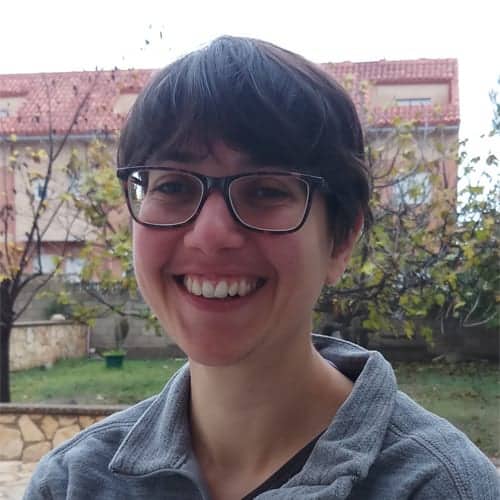
Amélie Desvars-Larrive is an Associate Professor in Infection Epidemiology at the University of Veterinary Medicine Vienna and a Faculty Member at the Complexity Science Hub (CSH) in Vienna, Austria. Her work bridges veterinary medicine, public health, and data science, with a strong emphasis on the One Health approach to understanding zoonotic and emerging infectious diseases. She holds a Doctor of Veterinary Medicine from the National Veterinary School of Toulouse, France, with a specialization in tropical diseases and epidemiology, and earned her PhD in epidemiology from the University of Saint-Denis, La Réunion, in 2013. Her professional journey includes eight years as a field epidemiologist and veterinary research engineer in the Indian Ocean region, focusing on livestock and wildlife diseases. She completed postdoctoral research at Umeå University, Sweden, on tularemia modeling, followed by work at the University of Veterinary Medicine Vienna on urban brown rats and their role in zoonotic disease transmission and antimicrobial resistance. Her research interests include infectious disease epidemiology, zoonotic diseases, veterinary public health, disease modeling, antimicrobial resistance, and the application of data science to animal and human health. She has led and contributed to major open data initiatives, such as the SARS-ANI dataset on SARS-CoV-2 in animals and the CSH’s global dataset on governmental pandemic responses. The most recent articles highlight a strong trend in One Health research, integrating veterinary, environmental, and public health data. Key themes include zoonotic pathogen surveillance (e.g., Leptospira, SARS-CoV-2, E. coli), network modeling of animal trade, biosecurity assessments, and policy analysis of national One Health strategies. The work spans diverse systems—from urban rats in Vienna to dairy cows in Rwanda—demonstrating a global and interdisciplinary approach to disease prevention. Scientific Awards and Recognition: Her work on national One Health strategic plans was featured as an Editors' monthly favorite on the Cell Press Sustainability Hub. Her research on SARS-CoV-2 in animals has been widely covered in international media, including the San Francisco Chronicle and Kurier. She co-developed the CSH’s COVID-19 Control Strategies List (CCCSL), one of the largest datasets of governmental pandemic interventions. Advising and Grants: While specific advisees are not listed, she collaborates extensively with multidisciplinary teams across institutions. She has secured funding for data-driven projects in One Health, including those supported by the Complexity Science Hub. Her work on SARS-ANI and zoonotic web visualization reflects strong grant-supported research initiatives. She actively mentors early-career researchers, as seen from her involvement in the CSH PostDoc Program. Labs and Research Teams: She is a key member of the Health Across Species research group at the Complexity Science Hub, which focuses on zoonotic disease dynamics. She also leads research within the Unit of Conservation Medicine and the Institute of Animal Hygiene and Veterinary Public Health at the University of Veterinary Medicine Vienna. Her team employs data science, network analysis, and field epidemiology to study urban wildlife, livestock, and pathogen transmission.