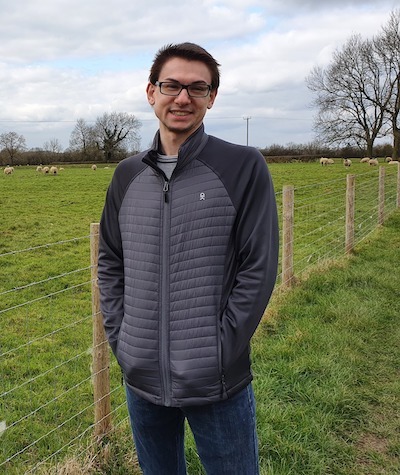
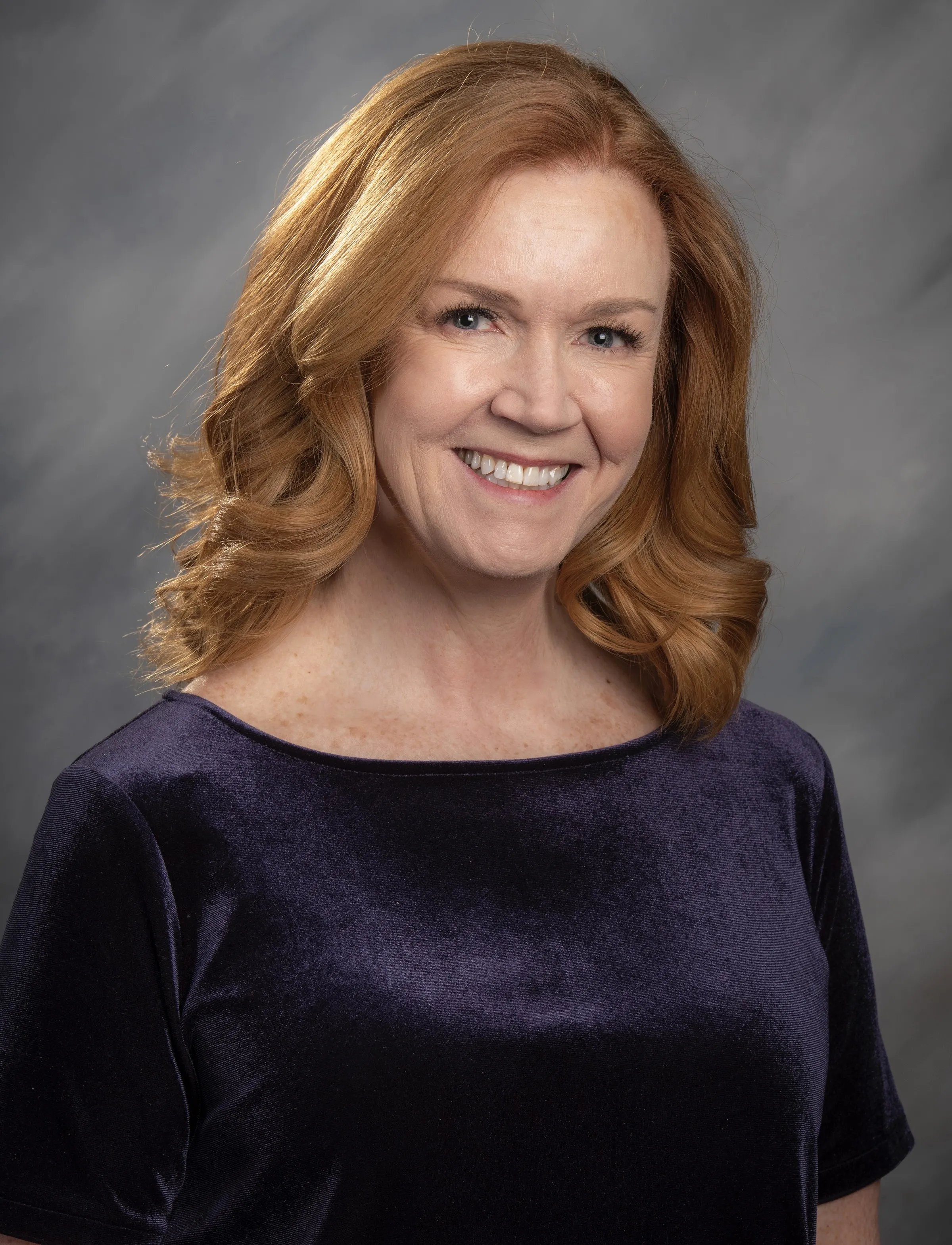
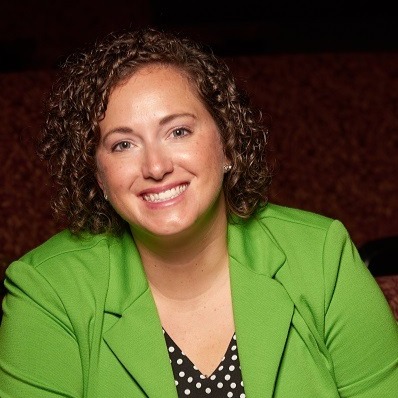
Dr. Nick Posegay is a Cambridge-affiliated researcher specializing in medieval Semitic languages and manuscript cultures. He completed his PhD as a Gates Cambridge Scholar under Prof. Geoffrey Khan and currently holds a Leverhulme Early Career Fellowship at the Faculty of Asian and Middle Eastern Studies. BA in Near Eastern Languages (University of Chicago) MA in Middle Eastern Studies (University of Chicago) PhD in Hebrew Studies (University of Cambridge) His research focuses on: Interfaith exchange in medieval Islamicate intellectual traditions Syriac scribal culture analysis Masoretic thought and Hebrew vocalization systems Genizah manuscript preservation and digitization Historical dialectology through Judaeo-Arabic texts Key contributions include collaborative studies on Qurʾanic fragments in Genizah collections and Tiberian-vocalized biblical translations. Scientific Honors: Leverhulme Early Career Fellowship
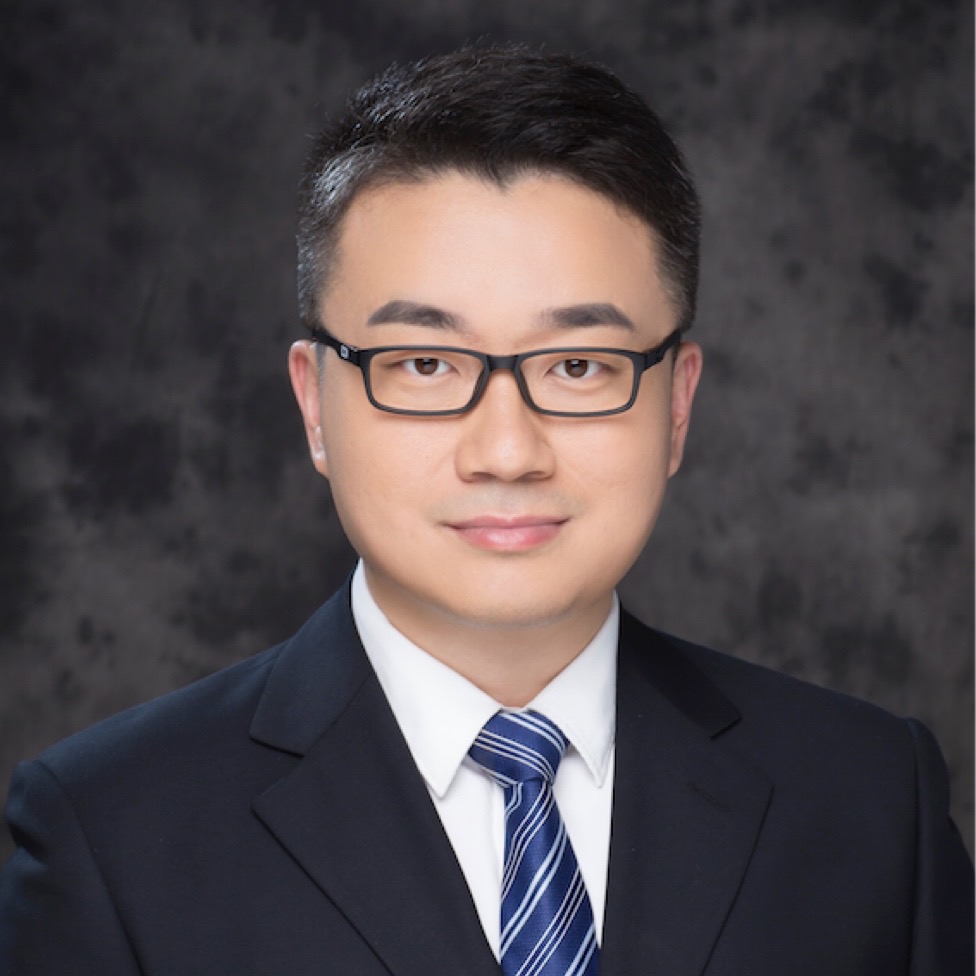
Zhiyuan Liu is a Tenured Associate Professor in the Department of Computer Science and Technology at Tsinghua University, Beijing, China. He has held this position since December 2021, having progressed through the ranks from Assistant Professor (2016-2017), Tenure-track Associate Professor (2017-2021), and Assistant Researcher (2013-2016). His academic journey at Tsinghua began with his undergraduate studies (2002-2006), continued through his PhD (2006-2011), and included a postdoctoral fellowship (2011-2013). Dr. Liu's research centers on Large Language Models , Natural Language Processing , Knowledge Graphs , and Social Computing . His work spans knowledge-guided NLP, representation learning, and practical applications in domains including legal intelligence and multimodal systems. He has made significant contributions to knowledge representation learning, network embedding techniques, and few-shot natural language processing methodologies. His publication record demonstrates a clear evolution toward large-scale language models and knowledge-integrated NLP systems. Recent work focuses on efficient pretraining and fine-tuning methods for LLMs, multimodal LLMs, tool learning with LLMs, and domain-specific large models for scientific intelligence. His research shows strong interdisciplinary applications, particularly in legal intelligence and social computing, with several papers receiving prestigious recognition including F5000 awards and conference best paper honors. First Prize of Qian Weichang Chinese Information Processing Science and Technology Award (2024) World Internet Conference Awards for Pioneering Science and Technology (2023, 2022) Wu Wenjun Artificial Intelligence Science and Technology Award (2023) First Prize of the State Natural Science Award (2022, 2020) MIT Technology Review 35 Innovators Under 35, China (2018) National Young Talents Program (2020) Dr. Liu has mentored over 20 PhD students and numerous Master's students, many of whom have received top honors including Tsinghua Outstanding PhD Theses, Beijing Outstanding Graduate awards, and Siebel Scholarships. His research is supported by major grants including the Key Program of the National Natural Science Foundation of China for 'Theories and Methods of Few-shot Natural Language Processing' (2023-2027), and the Beijing Municipal Science & Technology Commission project on 'Sparse Modular Large Model Technology' (2023-2025). He leads research in the Natural Language Processing Laboratory at Tsinghua University, where his team develops cutting-edge LLM infrastructure, knowledge computing systems, and applications in legal intelligence. The lab maintains strong industry collaborations with Tencent, Baidu, and AMD, and has contributed to several successful startups emerging from his research.
Dr. Anna Czypionka is a Lecturer and Postdoctoral Researcher in the Department of Linguistics at the University of Konstanz. Her research focuses on language comprehension across multiple levels, from single-word to discourse processing, with particular attention to interfaces between different linguistic components. She is actively involved with several research groups and projects including the Meaningful Silence and Noise (MeaNs) initiative, the German-Greek toolkit for Theory of Mind and Language in Autism (MiLA), the Center for Multilingualism, and the University of Wroclaw Questions at the Interfaces project (DFG Research Unit FOR2111). Dr. Czypionka is an alumna of the Konstanzia Fellowship, which supported her academic development. Her educational background includes extensive training in linguistics with a focus on experimental methodologies. Her primary research interests span language comprehension, sentence processing, multilingualism, language and autism, and interindividual differences in linguistic abilities. She employs diverse methodologies including EEG measurements, eye-tracking, self-paced reading, and various reaction time measurements, combining both lab-based and web-based techniques. Her work frequently explores processing at the syntax-pragmatics interface, examining how speakers navigate complex linguistic phenomena that require integration of multiple information sources. Analysis of Dr. Czypionka's recent publications reveals a consistent focus on experimental approaches to linguistic questions, particularly examining how speakers process complex linguistic phenomena at various interfaces. Her work spans multiple subfields including discourse particles, modal particles, case marking, animacy effects, and aspectual interpretation, primarily using German as the target language but also incorporating cross-linguistic comparisons with languages like Polish and Greek. A notable trend is her increasing focus on individual differences in linguistic processing and connections to autism spectrum disorder. Konstanzia Fellowship Dr. Czypionka collaborates extensively with researchers across institutions, particularly with Stephanie Durrleman and the Autism, Bilingualism, Cognitive and Communicative Development (ABCCD) group at the University of Fribourg. She has been involved in multiple funded research projects including the University of Konstanz Research Initiative project B06 on Interindividual variation at the syntax-pragmatics interface, the YKIDA project involving multiple universities, and the DFG Research Unit FOR2111. Her laboratory work takes place primarily in the Psycholinguistics lab and Neurolinguistics lab at the University of Konstanz, as well as the Center for Experimental Research on Natural Language. These facilities support her experimental research using various methodologies to investigate language processing phenomena.
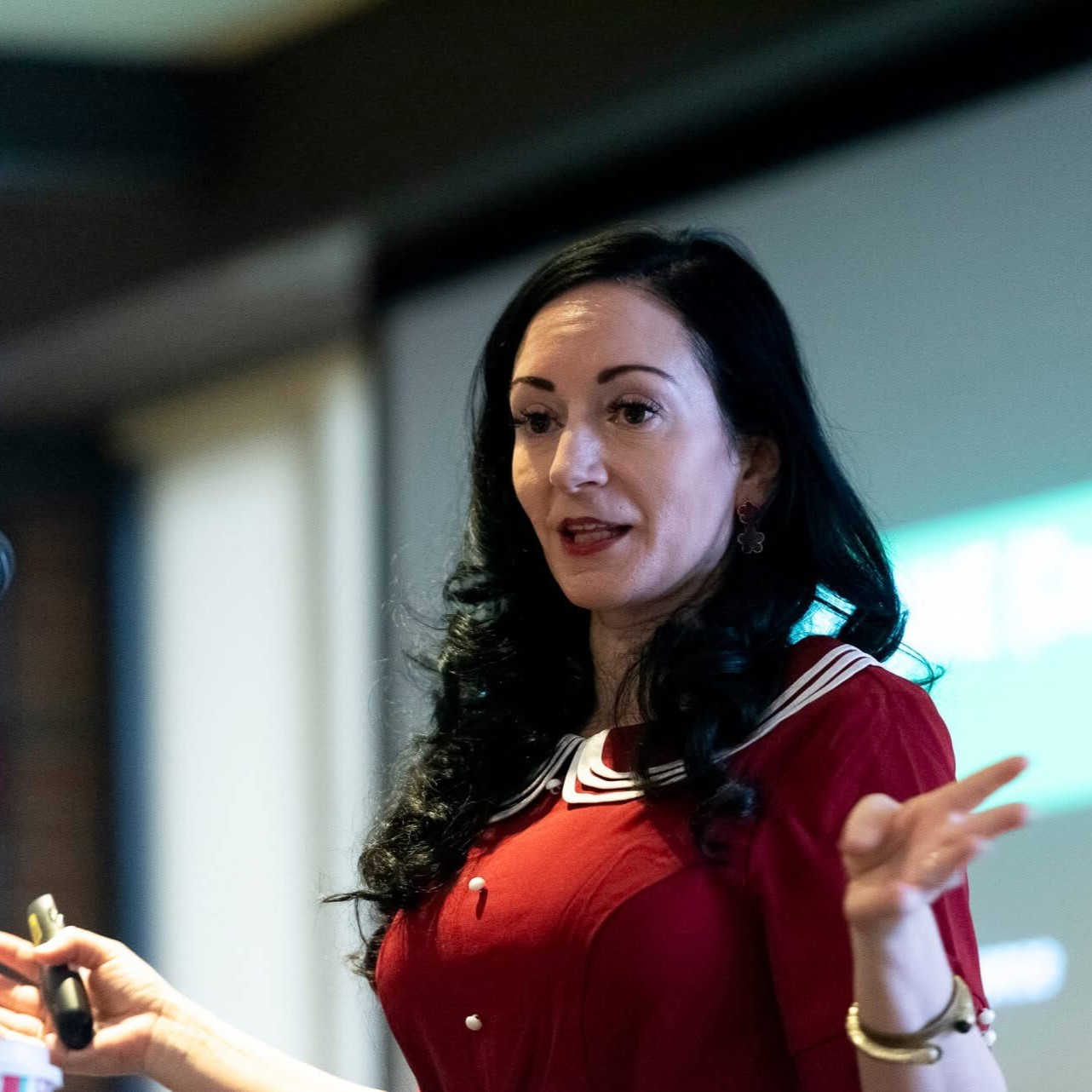
María Carmen Pinillos Salvador is an Associate Professor of Spanish Literature at the University of Navarra , affiliated with the Faculty of Philosophy and Letters and actively involved in the Department of Philology . Her academic career includes teaching roles in the Faculties of Humanities and Social Sciences, Education, and Psychology. She has served as a visiting professor at the Universities of Münster (Germany) and Toulouse (France), and previously directed the Institute of Spanish Language and Culture (ILCE), overseeing Spanish as a Foreign Language instruction. Education : Doctor, University of Navarra (1996), thesis on Calderón de la Barca's El cordero de Isaías Supervised by Dr. Ignacio Arellano Ayuso Research Interests center on Spanish Golden Age literature, particularly sacramental plays and burlesque comedies. Her work explores intertextuality in Calderón's plays, the influence of Augustinian thought, Dante's Divina Comedia , and emblematic literature. She specializes in colonial poetry, Domínguez Camargo, Agustín Moreto, and the intersection of doctrine and poetics in religious theater. Article Trends reveal consistent focus on: Calderón's dramaturgical techniques Intertextual connections between Spanish and European literature Evolution of sacramental play structures Baroque theatrical innovations Collaborative editorial projects Modern reinterpretations of classical texts Scientific Awards & Leadership Roles : President, Association of Spanish Teachers (APE) of Navarra Board Member, International Golden Age Association (AISO) 1999-2005 Board Member, International Association of Spanish and Novohispanic Theater (AITENSO) 2014-2023 Editorial Expert, Government of Navarra's Publishing Grants Evaluation Committee (2023-2024) Collaboration & Grants : Founding member of GRISO, TC/12, TriviUN, and Moretianos research groups Participated in ministerial and Government of Navarra research projects Co-editor of critical editions with Ignacio Arellano and international teams Contributed to theater education initiatives and museum-based academic collaborations Labs & Teams : Research Group: TriviUN Teatro, Literatura y Cultura Visual Collaborated with GRISO (Golden Age Studies) and AISO committees
Univ.-Prof. Dr. Ursula Verhoeven-van Elsbergen is a Senior Research Professor and Head of the Mainz Academy project "Ancient Egyptian Cursive Scripts (AKU)" at the Institute of Ancient Studies | Egyptology , Johannes Gutenberg University Mainz. Her academic career spans leadership roles in DFG-funded projects, international Egyptological associations, and interdisciplinary research initiatives. Her research focuses on Ancient Egyptian scripts , particularly hieroglyphic and hieratic cursive forms , with applications in digital humanities and material culture studies . Key projects include documentation of the Necropolis of Assiut and analysis of the Mammisi of Edfu . She contributes to the academic community through editorial work and international collaboration. Scientific awards include the Gutenberg Research College Fellowship Academy Prize of Rhineland-Palatinate Fondation Michela Schiff Giorgini Prize . She serves on advisory boards like the Central Directorate of the German Archaeological Institute and the review board of the German Research Foundation, with terminated roles such as Deputy Managing Director of the Institute of Ancient Studies and spokesperson for German-speaking Egyptology.
James McDermott is a part-time Lecturer in Creative Writing at the University of East Anglia, specializing in Scriptwriting. He is also a Tutor for National Theatre's New Views program and the Arvon Foundation, with extensive freelance teaching experience across the UK. Education: Postgraduate Certificate in Higher Education Practice (2022-2024), University of East Anglia MA in Scriptwriting (2015-2016), University of East Anglia BA in Scriptwriting & Performance (2012-2015), University of East Anglia McDermott's research focuses on Creative Writing, Scriptwriting, and Contemporary Theatre. His recent works include plays like Acid's Reign (2023) and Jab (2024), alongside poetry collections Wild Life (2023) and Father Myself (2025). His work spans theatre, radio, and television, often exploring LGBTQ+ themes and social issues. Scientific Awards: Malcolm Bradbury MA Scriptwriting Bursary (2015) Pulse Festival's Suitcase Prize (2017) Norfolk Arts Special Recognition Award (2022) Bruntwood Prize for Playwriting (Long-listed 2019) East Anglian Book Awards (Shortlisted 2023) New Angle Prize (Long-listed 2025) Snoo Wilson Playwriting Prize (Shortlisted 2016) Polari First Book Prize (Long-listed 2021) As a writer on EastEnders since 2021, McDermott contributes to television scriptwriting while maintaining a parallel career in poetry and stage plays. His work is published by Samuel French/Concord Theatricals, Polari Press, and Nine Arches Press.
Karen Holt is an Associate Professor at the School of Criminal Justice, Michigan State University, with a PhD (2015), MPhil (2012), MA (2009), and BS (2007) in Criminal Justice from John Jay College of Criminal Justice and DeSales University. Based in East Lansing, MI, her research intersects sexual deviance, media influence, and sexual violence, particularly within the BDSM community. Educational Background: PhD, MPhil, MA in Criminal Justice from John Jay College; BS in Criminal Justice from DeSales University. Research Focus: Explores pornography use among sexual offenders, harm dynamics in BDSM communities, situational factors in clergy abuse, and sextortion mechanisms. Her work bridges criminology with gender studies and digital forensic analysis. Current Research Trends: Analyzes digital crime (e.g., online sextortion, incel subcultures), media framing of violence, and the role of VR in exacerbating problematic behavior. Collaborates on cold case investigations and gender-based violence through academic-practitioner networks. Professional Affiliations: Active in the American Society of Criminology, Center for Gender in Global Context, Research Consortium on Gender-Based Violence, and the Association for the Treatment of Sexual Abusers (ATSA). Serves on ATSA Michigan chapter and Small Talk advocacy center boards. Recent Publications: Investigate digital crime patterns, pornography's societal impact, and trauma recovery in BDSM contexts, appearing in Violence and Victims , Sexual Abuse , and Journal of Behavioral Medicine .
Heather Albanesi is a Full Professor in the Department of Sociology at the University of Colorado Colorado Springs, College of Letters, Arts & Sciences. She has held significant administrative roles including Chair of Women’s and Ethnic Studies (2021-2025), Sociology Department Chair (2012-2018), and Graduate Director for the MA Sociology program (2006-2013). Her educational background includes: Ph.D. in Sociology, University of California, Berkeley M.A. in Sociology, University of California, Berkeley B.A., Wesleyan University Dr. Albanesi's research examines the intersections of gender, disability, and veteran experiences within educational contexts. Her work critically analyzes institutional barriers faced by student veterans with disabilities, explores constructions of sexual agency among youth, and investigates gender dynamics in early education. She teaches undergraduate and graduate courses spanning social theory, disability studies, veterans affairs, sexuality, and class stratification, demonstrating her interdisciplinary approach to sociological inquiry. Analysis of her publication timeline reveals sustained scholarly engagement with disability-veteran intersections since 2012, with increasing focus on AI implications in recent work. Her research methodology combines qualitative approaches with critical disability theory, consistently addressing systemic barriers in higher education while contributing foundational texts on feminist disability pedagogy. As Graduate Director (2006-2013), Dr. Albanesi mentored sociology MA students and shaped program curriculum. Her collaborative work with campus disability services and veteran support offices has informed institutional policy changes, particularly regarding accessibility accommodations for student veterans. She has secured internal university grants for veteran student support initiatives and participated in multi-institutional research consortia on military-connected learners.
Dimitrije D. Čvokić serves as Assistant Professor and Head of the Department of Computer and Information Sciences within the Faculty of Science and Mathematics at the University of Banja Luka. His academic leadership spans curriculum development across computer science and mathematics disciplines, with teaching responsibilities including Data Structures, Algorithms, Software Engineering, and Mobile Application Development. His research focuses on competitive hub location problems, bioinformatics tool development, and blockchain applications. Čvokić pioneered the integration of Linux-based bioinformatics tools like BioLinux and UGene into biology curricula, while developing novel optimization algorithms for Stackelberg games in logistics networks. His recent work explores large language model terminology standardization and blockchain-based property investment platforms. Analysis of his publication trends reveals a strong trajectory from theoretical optimization (2015-2020) toward applied computational solutions (2021-2024), with increasing interdisciplinary collaboration spanning public health, real estate, and linguistic computing. His work demonstrates consistent methodological rigor in operations research while adapting to emerging technological domains. As an academic advisor, Čvokić has mentored multiple thesis students including Aleksandar Vrhovac (Interval Arithmetic, 2023), Danijela Kovačević (Automatic Control Systems, 2023), and Nemanja Marjanović (CAPTCHA systems, 2022). His teaching innovations include introducing Python programming, RDKit cheminformatics tools, and BASH scripting into diverse science curricula across chemistry, biology, and geodesy programs. Čvokić established computational laboratories featuring specialized software environments including Chemistry Add-in for Word, ChemSketch, UGene, and NET Bio Extension for Excel. His cross-departmental collaborations have modernized computer science instruction across the university's technical and natural science programs through systematic integration of open-source tools and modern development frameworks.
Irena Ragaišienė is an Associate Professor at Vytautas Magnus University's Department of Foreign Language, Literary and Translation Studies. Her work intersects Intercultural Communication , Translation Studies , and Comparative Literature , with a focus on ideological impacts in translation, migrant narratives, and cultural identity. Expertise in Soviet-era censorship mechanisms Research on Lithuanian-British migrant literature Contributions to ecocriticism and gender studies Recent publications (2023-2024) examine media literacy pedagogy, post-Brexit migrant discourse, and intercultural identity in Lithuanian literature. Her 2019 book on IELTS preparation is widely used in language education. Collaborative work includes co-editing volumes on cultural dialogue and contributing to conferences in translation studies. She employs comparative text analysis and postmodern theoretical frameworks in her research.
Luisa Chierichetti is an Associate Professor of Linguistics and Spanish Language and Translation at the University of Bergamo's Department of Foreign Languages, Literatures and Cultures, where she has conducted research and teaching since 2005. She holds a PhD in Iberian Studies from the University of Bologna and a degree in Modern Foreign Languages and Literatures from the University of Milan. Her research focuses on discourse analysis with specialization in telecinematic discourse, legal/medical/tourism specialized discourse, corpus stylistics, linguistic analysis of humor, and Spanish grammaticographical tradition in Italy. As a Delegate for the Department for Quality and member of the CQIIA Board's Faculty Development section, she significantly contributes to academic administration. She teaches Spanish linguistics courses at undergraduate and graduate levels including LENGUA ESPAÑOLA Y TRADUCCIÓN LM I/II and LINGUA SPAGNOLA II/III. Her publication trends reveal consistent focus on corpus-based analysis of Spanish-language audiovisual texts, particularly examining characterization techniques, discourse strategies in television series (including "Patria" and "Vis a Vis"), and specialized discourse in tourism and media contexts. Recent works demonstrate increasing interdisciplinary connections between linguistics, media studies, and cultural analysis. Chierichetti actively participates in academic service as member of CERLIS, CORPLING, and TRADIES research groups, and serves on editorial boards of Cuadernos AISPI and CERLIS Journal. She regularly acts as referee for scientific journals and research institutions, demonstrating strong engagement with the international academic community. Her international research includes visiting professorships at Valencia and Alicante Universities through the STARS program and extensive Erasmus+ collaboration with Universidad Complutense de Madrid (2009-2017), reflecting substantial European academic integration.
Amanda Dawson, Ph.D., is an Assistant Professor and Head of the BFA Theatre Education Program in the Department of Theatre Arts at Utah State University's College of Arts & Sciences. She holds a Ph.D. in Theatre Studies from the University of Kansas (2016), an M.A. in Theatre from the University of Missouri-Kansas City (2012), and a B.S.E. in Theatre/Speech Education from the University of Central Missouri (2004). Her research explores theatre education methodologies, dramaturgical practices, and representations of military/veteran experiences in performance. Key focus areas include: Innovations in script analysis pedagogy Cultural memory of war in theatre Anti-racist approaches to teaching BIPOC plays Pandemic-era theatre adaptations Her scholarly publications demonstrate consistent emphasis on theatre as a tool for examining social issues, with recent works analyzing cultural trauma, inclusive pedagogy, and digital performance strategies during crises. Notable Awards: Caine College Diversity Faculty Award (2023) Joseph R. Roach Dissertation Award (2015) Ethel Hinds Burch Teaching Award (2013) Three additional teaching/research honors She directs the BFA Theatre Education program, advising undergraduate students and supervising theatre education initiatives. She serves as faculty advisor for the Student Production Association and Theatre Education Student Association. Professionally, she holds leadership roles in the Association for Theatre in Higher Education (Governing Council) and Literary Managers & Dramaturgs of the Americas (Bibliography Editor). Her creative work includes dramaturgy for the Lyric Repertory Company and direction of university productions.
Prof. Dr. Florentina Badalanova Geller is a leading scholar in Slavonic apocrypha and Byzantine studies, affiliated with the Topoi Collaborative Research Center (SFB) in Berlin. She spearheaded research in the “Spread of Knowledge” group (E-CSG-III) and the “Immaterial Causes and Physical Space” project (D-4-1), examining how parascriptural traditions shaped landscape perception and cosmological understanding within the Byzantine Commonwealth and Slavia Orthodoxa. Her research centers on the intersection of apocryphal literature, historical geography, and linguistic transmission, with particular focus on Slavonic receptions of Enochic texts, folk Islam in the Balkans, and multilingual dynamics in sacred writings. She investigates how “blasphemous rustic scriptures” and oral traditions influenced religious cosmography, revealing complex interactions between canonical and parascriptural narratives in medieval Slavic contexts. Analysis of her publications (2008-2014) shows a cohesive exploration of cosmological frameworks in apocryphal works, especially the Slavonic Apocalypse of Enoch, alongside studies of vernacular Qur’an translations and gendered readings of Genesis. Her methodology bridges philological rigor with cultural geography and history of science to decode “productive errors” in ancient knowledge systems. Prof. Badalanova Geller has organized pivotal academic forums including the “Enochic Chronotope” conference (2013), “Knowledge to Die For” (2011), and lecture series on mythographies of scripts (2018) and Judeo-Christian encounters (2016-2017). These initiatives foster international collaboration on esoteric knowledge transmission, calendrical systems in 2 Enoch, and the intertextuality of Slavonic biblical commentaries.
Stephanie Béreiziat-Lang is Acting Professor of Romance Philology at the University of Heidelberg since April 2024, holding the Chair of Prof. Dr. Robert Folger. She previously served as a Research Associate at the Collaborative Research Center 933 Material Text Cultures (2015-2024) and as a Research Assistant at Heidelberg’s Romance Department (2013-2015). Doctorate in Romance Philology (2009-2014) from Ludwig Maximilian University of Munich and Utrecht University Magister Artium in Romance Studies and Classical Archaeology (Munich, Tarragona, Bordeaux) Licence de Lettres Modernes in Spanish and French (Bordeaux III) Her research focuses on comparative literature , text-body relationships , and transculturality in pre-modern and modern Iberian literatures. She leads the DFG network An den Rändern der Moderne (2023-2025) and contributed to the SFB 933 Material Text Cultures project. Publications include a monograph on Translationen der décadence (Winter, 2015) and co-edited volumes on Transcultural Modernity (tranvía, 2017) and Somatic Writing (Brill, 2020). Scientific Awards: Doctoral scholarship from the Research Institute for History and Culture (OGC), University of Utrecht (2011-2013) She collaborates with scholars like Prof. Dr. Robert Folger and PD Dr. Michael R. Ott, focusing on material text cultures and interdisciplinary approaches to literary studies.
Marina Milner-Bolotin is a Professor at the University of British Columbia (UBC) Faculty of Education , specifically within the Department of Curriculum & Pedagogy . She has held faculty positions at UBC since 2009, previously serving at Ryerson University (2007-2009) and UBC Faculty of Science (2004-2007). Her research spans STEM education , educational technologies , physics pedagogy , and teacher professional development , with a focus on inquiry-based and technology-enhanced learning. Her work integrates science outreach through initiatives like the UBC Physics Olympics (20+ years) and the Family Math and Science Day (since 2010). She explores artificial intelligence in education, cross-cultural teacher development (e.g., Bangladesh, Nepal), and digital tools such as Phyphox and PhET simulations. Recent studies include analyzing adolescent wellbeing using PISA data and collaborative problem-solving metrics. She leads online graduate programs for science teachers and has presented at international venues like the Beijing Science Festival . Her research trends emphasize creative pedagogy , technology integration , and global partnerships to address equity in STEM. Despite no formal awards listed, her outreach and publications highlight her impact on teacher education and public science engagement.