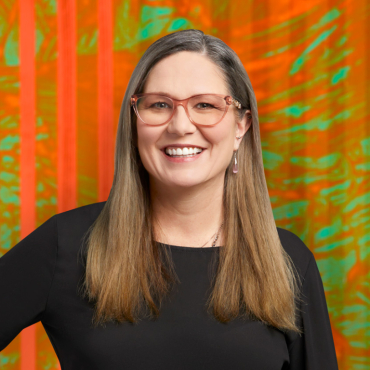
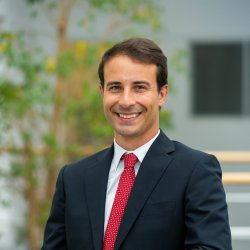
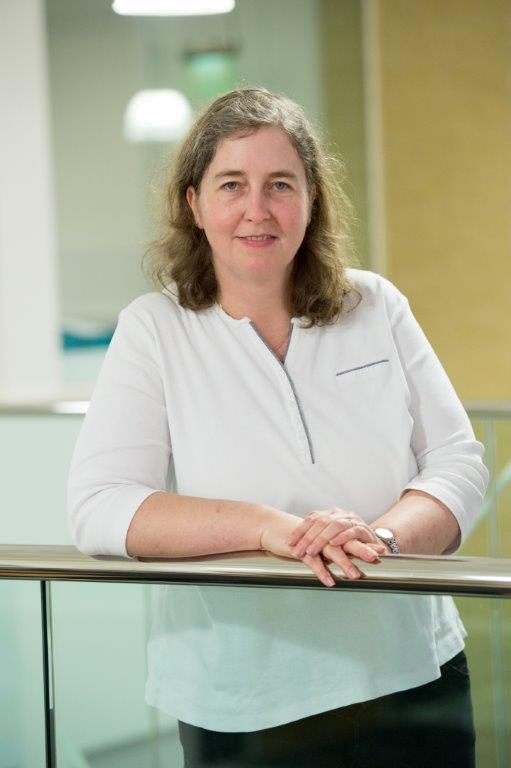
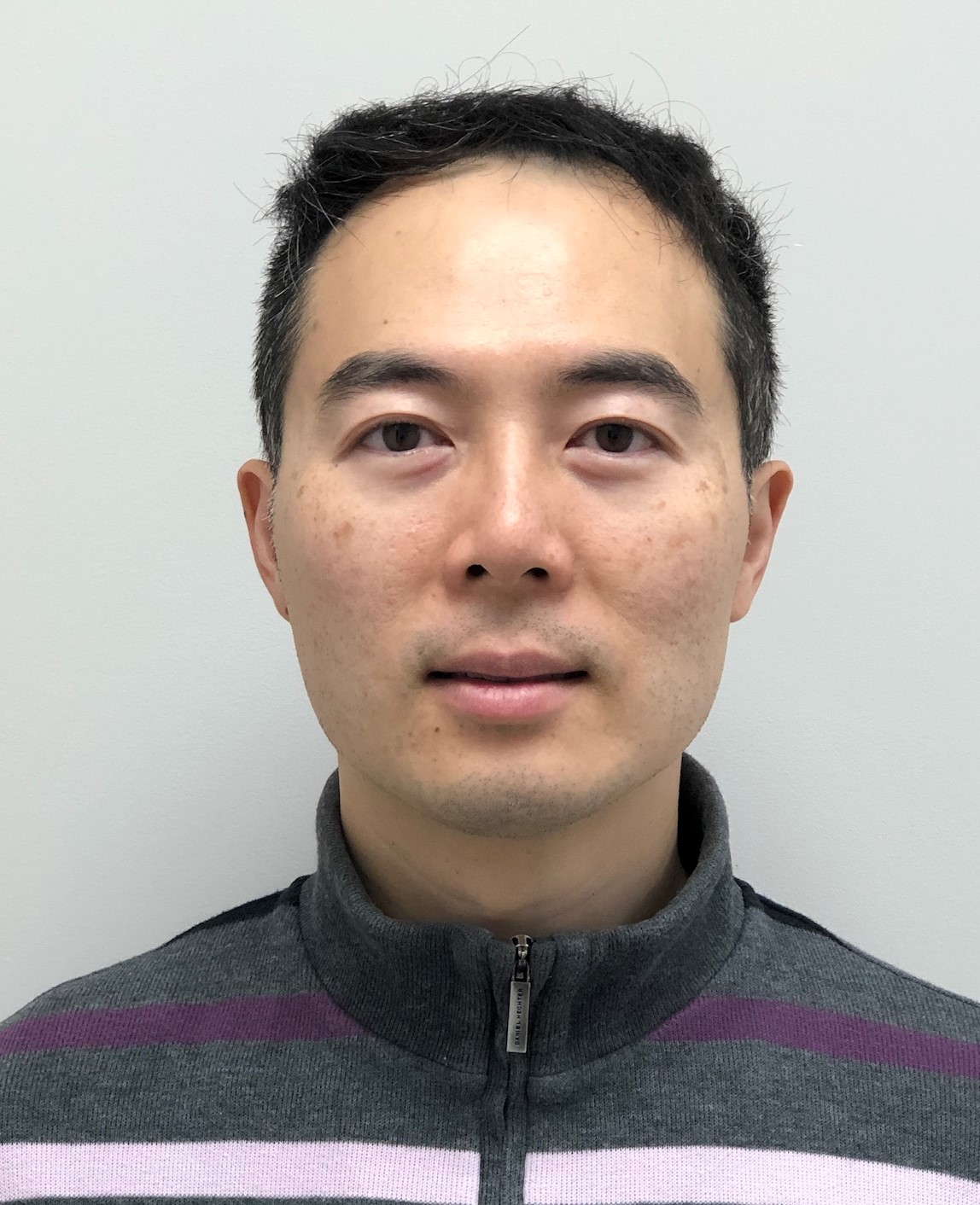
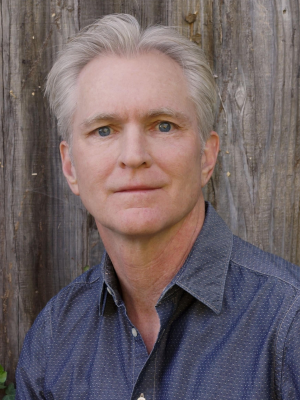
Heather Donofrio, Ph.D., is a Professor of Liberal Arts at Savannah College of Art and Design with a Ph.D. in Communication Theory from Florida State University. Her career spans academia (UWF, UCLA, Chapman) and industry, including roles as a federal resume writer and corporate trainer for SkillPath Seminars. Research interests include educational assessment, professional communication, and training effectiveness. She developed curriculum for UWF's Quality Enhancement Plan focusing on business communication excellence and has published extensively on hypermedia learning, work-life conflict, and online pedagogy. Honors include teaching award nominations and memberships in Phi Kappa Phi and Kappa Tau Alpha honor societies. Her pedagogical approach emphasizes practical communication skills and industry-aligned training.
Dr. David Green is a retired Associate Professor at the University of Cambridge's Cavendish Laboratory, affiliated with Churchill College as a Fellow. His career began with academic appointments in Cambridge and postdoctoral research in Canada. His primary research focuses on radio astronomy, including studies of Cygnus X-1/X-3 with the AMI telescope, low-frequency radio surveys via the GMRT, and Galactic supernova remnants. His work bridges astrophysics with interdisciplinary interests in music psychology, autism research, and cognitive neuroscience. Education: BA and PhD in Physics from the University of Cambridge Affiliations: Fellow, Churchill College Member of Cavendish Laboratory Research interests span astrophysical phenomena like radio emissions from compact objects and supernova remnants, alongside explorations of music preferences, empathic mechanisms in autism, and pandemic mental health dynamics. His recent work integrates large-scale data analysis to address questions in neurodevelopmental disorders and social cognition. Key contributions include studies on genetic correlates of autism, music's role in emotion regulation, and cross-cultural analyses of psychological constructs like theory of mind. Despite retirement, his publications continue to explore intersections between physics, psychology, and neuroscience. No academic awards or grants are explicitly listed in the provided texts. His advising record is not detailed here. The Cavendish Laboratory serves as his primary research hub, though collaborations extend globally through institutions like the Giant Meterwave Radio Telescope.
James Holly, Jr. is an Assistant Professor in the Department of Mechanical Engineering at the University of Michigan, College of Engineering. His research focuses on counteracting anti-Black racism in engineering education and practice through interdisciplinary approaches combining engineering, education studies, and Black studies. He holds a Ph.D. in Engineering Education from Purdue University (2018), an M.S. in Mechanical Engineering from Michigan State University (2014), and a B.S. in Mechanical Engineering from Tuskegee University (2011). Research interests include Black-centered design, eco-centric materials, pre-college engineering education, and sociotransformative frameworks. His work addresses systemic inequities by centering marginalized perspectives and challenging traditional epistemic foundations in engineering. Recent projects include the NSF CAREER Award-funded initiative “Learning from Black Intellectualism: Broadening Epistemic Foundations in Engineering Education to Empower Black Students and Faculty” . Holly has received notable recognition including the 2023 Provost’s Teaching Innovation Prize for his (Re)Politicizing Engineering Knowledge Through Racism-Conscious Instruction project. He actively engages with national organizations like the American Society for Engineering Education and National Society of Black Engineers. His advising style emphasizes student autonomy, weekly one-on-one meetings, and opportunities for teaching experience via GSI roles. He prioritizes annual progress reviews and encourages students to pursue internships aligned with their goals. Awards and grants include an Anti-Racism Grant from U-M’s College of Engineering (2022) and speaking engagements at the National Academy of Engineering’s Frontiers of Engineering Symposium. His work bridges critical theory with actionable pedagogical strategies, aiming to redefine engineering’s societal role through equity-centered practices.
Benjamin Kuipers is a Professor in the Department of Computer Science and Engineering at the University of Michigan. His research focuses on artificial intelligence, robotics, and the ethical implications of autonomous systems. He emphasizes human-like morality and ethical frameworks for robots, with contributions to navigation algorithms, tactile servoing, and trustworthiness in AI. Dr. Kuipers mentors PhD students with a focus on self-motivation and clear communication. He encourages internship experiences and teaching roles (e.g., GSI positions) to broaden professional development. His advising style adapts to students' progress, prioritizing intellectual leadership and publication impact over mere productivity metrics. Key research areas include social navigation, robot-human interaction, and developmental learning. He advocates for conferences like AAAI and ICRA to ensure visibility for research. His work bridges technical innovation with societal impacts, addressing challenges in autonomous vehicles and ethical AI governance. Although no explicit awards are listed, his contributions to AI ethics and robotics have positioned him as a thought leader in the field. He collaborates on projects like the spatial semantic hierarchy and cognitive mapping, emphasizing embodied intelligence and sensorimotor learning.
Jessica Lee is a Lecturer in the School of Psychology at the University of Sydney, focusing on cognitive processes related to learning and generalization. Her research integrates experimental, psychophysiological, and computational methods to explore how low-level associative mechanisms interact with higher-order reasoning. She holds a PhD from the University of Sydney and previously worked as a Postdoctoral Research Fellow and ARC DECRA Fellow at the University of New South Wales. Education: BSc, Honours, and PhD in Psychology (University of Sydney); Postdoctoral Research Fellow (UNSW, 2016–2020); ARC DECRA Fellow (UNSW, 2021). Research interests include individual differences in learning styles, rule-based generalization, and the neural underpinnings of associative processes. Her work has been recognized with awards such as the APS Rising Star and ARC DECRA. Key grants include 2023 New Academic Hire Startup Funding and 2020 DECRA award. She contributes to open science initiatives via GitHub repositories (e.g., allergist-task, Bayesian-curve-fitting) and collaborates with organizations like R-Ladies Sydney. Media coverage highlights her work on punishment insensitivity and caffeine withdrawal.
Dr. Phil McAleer is a Senior Lecturer at the University of Glasgow's School of Psychology & Neuroscience. His research focuses on improving statistics education in Higher Education, addressing negative attitudes toward statistics, and exploring how personality and emotion are conveyed through voices. He holds a B.Sc. (2002) and Ph.D. (2006) from the University of Glasgow, with postdoctoral work on intent perception and voice neurocognition. He has been a Lecturer since 2012, emphasizing reproducible research practices and teaching via the PsyTeachR initiative. His work spans over 40 publications, including contributions to journals like PLoS ONE , Perception , and Nature Reviews Psychology . He supervises multiple postgraduate students and actively participates in educational conferences and workshops. His research also examines student engagement and feedback strategies, leveraging technologies like MarkR software for enhanced academic feedback. Education: B.Sc. Psychology, University of Glasgow, 2002 Ph.D., University of Glasgow, 2006 (PACo Lab) Research Interests: Statistics education and reproducible practices Voice perception and social impressions Technology-enhanced learning and feedback systems Teaching Contributions: Developed open-source tutorials via PsyTeachR Promotes data skills and reproducibility in curricula Professional Activities: Member of the Voice Neurocognition and PACo labs Presenter at DARTP, TIER, and learning conferences
Dr. Dan Carroll is a Senior Lecturer in the School of Psychology at the University of Sheffield, affiliated with the Interdisciplinary Centre of the Social Sciences (ICOSS). He holds an MA from the University of Oxford and a PhD from the University of Birmingham. His research focuses on cognitive control development in children, particularly inhibitory control mechanisms and their interaction with symbolic understanding and strategic reasoning. Dr. Carroll teaches Developmental Psychology modules (PSY1004 and PSY2004) and supervises BSc/MSc research projects. He also mentors students through personal tutoring and oversees PhD applications in his research domain. His work spans cognitive flexibility, executive function assessment, and socioeconomic influences on cognitive development. Recent studies include investigations into hyperactivity screening discrepancies, attachment disorganization-schizotypy links, and executive function training efficacy in preschoolers. His interdisciplinary approach integrates developmental psychology with neuroscience and clinical applications. Dr. Carroll collaborates extensively, publishing in journals like Journal of Experimental Child Psychology and Cognitive Science . His research highlights the role of task conceptualization and response modes in optimizing inhibitory control performance in young children.
Kevin Leach is an Assistant Professor of Computer Science at Vanderbilt University's School of Engineering. His research focuses on designing dependable cybersecurity systems and software engineering practices that withstand sophisticated adversarial attacks. He holds a PhD from the University of Virginia (2016), where he received the Louis T Rader Outstanding Research Award. Prior to Vanderbilt, he was a research scientist and lecturer at the University of Michigan. Education: Ph.D. in Computer Engineering, University of Virginia MS in Computer Science, George Mason University BS with Distinction in Computer Engineering and Computer Science, University of Virginia His research investigates two core areas: leveraging hardware capabilities like Trusted Execution Environments for low-overhead security instrumentation, and understanding how developers and operators make decisions in adversarial environments. He has published over 30 refereed articles, 3 of which have received awards. Recent work includes studies on cognitive biases in cybersecurity competitions, AI-driven code assessment, and malware detection techniques. Awards: Louis T Rader Outstanding Research Award (2016) 3 award-winning papers (specific awards unspecified) His research bridges technical security mechanisms with human decision-making processes, emphasizing both system dependability and developer/operator awareness. Current projects include work on federated learning defenses, runtime security optimization for embedded systems, and ethical considerations in crowdsourced data labeling.
Dr. Sebastiano Massaro is an Associate Professor (Reader) at the University of Surrey's Surrey Business School, affiliated with the Centre of Digital Economy, Future of Work, and the Surrey Institute for People-Centred Artificial Intelligence (PAI). He holds an honorary Associate Professorship at the University of Warwick and previously led their Global Research Priority in Behavioral Science. His academic background includes a PhD in Management Science (UCL), MSc in Neuroimaging (Edinburgh), and degrees in Neuroscience and Healthcare Biotechnology. His research focuses on organizational neuroscience, exploring the interplay of affect and cognition in decision-making within healthcare contexts. He has pioneered frameworks integrating neuroimaging (fMRI, EEG) into entrepreneurship and management studies. Key contributions include developing methodologies for HRV analysis in organizational settings and applying AI/machine learning to healthcare challenges like COPD and heart failure diagnostics. Dr. Massaro has been awarded multiple accolades, including the Academy of Management's Early Career Achievement Award (2021) and Best Symposium Award (2022). He supervises PhD students in areas like healthcare innovation and entrepreneurship, and teaches advanced quantitative methods and leadership courses. His organizational neuroscience laboratory fosters interdisciplinary collaboration, addressing societal challenges through AI and behavioral interventions.
Dr. D.B. (Dennis) Veltrop is an Associate Professor of Corporate Governance (with Ius Promovendi) at the University of Groningen's Faculty of Economics and Business, Department of Accounting and Auditing — Management. His research focuses on corporate governance, board effectiveness, behavioral auditing, and strategic management. He co-founded BoardResearch.org and has expertise in board processes, top management team dynamics, and sustainability governance. Education and teaching include coordinating the Research Master courses 'Learning and Practicising Research' and 'Organization Theory for ReMa,' as well as supervising master theses in accounting and controlling. His work addresses UN Sustainable Development Goals, particularly environmental sustainability through CEO-director value alignment. Research interests span board-TMT conflict resolution, auditor resilience, and the impact of social networks on professional decisions. Despite no listed awards, his extensive publications (22+ articles) reflect contributions to governance and management literature. Collaborations include studies on governance interfaces, director monitoring, and audit quality.
Professor Sandra Nolte holds the position of Personal Chair and Heads the Department of Accounting and Finance at Lancaster University Management School. Her research focuses on empirical finance, applied econometrics, and behavioral finance, with specific interests in individual trading behavior, order flow dynamics, high-frequency sentiment indicators, and forecasting methodologies. She investigates how qualitative survey data can address nonlinear forecasting challenges involving misclassification and studies the learning patterns and rationality of individual forecasters. Her publications demonstrate strong focus on financial econometrics, market microstructure, and forecasting techniques, with recent work exploring high-frequency volatility modeling and factor investing strategies. The research spans theoretical econometrics and practical financial applications, consistently addressing market behavior and prediction methodologies. Awards: CQA 2023 Best Paper Award - Power Sorting She supervises PhD students including Marco Cinquetti and has led research projects on labor market surveys and econometric methods. She participates in research groups including the Centre for Financial Econometrics, Asset Markets and Macroeconomic Policy.
Simpson Wong is a Lecturer in Mental Health at the Wolfson Institute of Population Health, Queen Mary University of London, and Co-director of the MSc Mental Health: Cultural Psychology and Psychiatry. He is affiliated with the Unit of Psychological Medicine and the Centre for Psychiatry and Mental Health. His academic journey includes an undergraduate degree in Psychology at the University of Hong Kong, an MPhil on developmental dyslexia, and a DPhil at the University of Oxford focusing on twin studies in language and cognitive development. Over the past decade, he has led 28 interdisciplinary projects in behavioral/molecular genetics, mindfulness, virtual reality, bilingualism, and child development. He also holds a Master of Counselling and CertTESOL, applying these skills to improve mental health in schools and communities. Research interests span genetic influences on language, mindfulness interventions for ADHD and disadvantaged families, and innovative uses of virtual reality for social skills in autism. His work emphasizes special educational needs in children, including ADHD, autism, and developmental language disorders. Recent studies include exploring bilingualism in Chinese-English contexts and cardiovascular health initiatives targeting women. Professor Wong’s publications reflect a focus on translational research, merging genetics with applied interventions. His articles highlight trends in technology-driven therapies (e.g., VR for autism), health equity (women’s cardiovascular care), and cognitive development in multilingual settings. He is currently a Co-Principal Investigator for a project on early academic achievement assessments in Chinese, English, and mathematics. His teaching roles include co-directing postgraduate mental health programs and contributing to courses on psychological therapies. He integrates research into education by developing curricula and protocols for inclusive mental health practices.
Andrew Flanagin is a Professor in the Department of Communication at the University of California, Santa Barbara (UCSB). He previously served as Director of the Center for Information Technology & Society (CITS) at UCSB, focusing on research and education about technology’s cultural and social impacts. His work examines social influence in digital environments, including credibility assessment of online information, metacognition in information-saturated contexts, and collective action via technology. Flanagin holds a Ph.D. in Communication Theory from the University of Southern California (1996), an M.A. from the same institution (1995), and a B.A. in Sociology and American Studies from Yale University (cum laude, 1990s). Before academia, he worked as a Management Systems Consultant, Systems Analyst, and Technology Transfer Specialist. His research interests span digital media’s role in information sharing, credibility evaluation, and social organization. Recent work explores metacognitive effects of information access, toxicity in social media positivity, and misinformation dynamics. He teaches courses on social media, research methods, and communication theory. Flanagin’s publications include Kids and Credibility (2010) and Collective Action in Organizations (2012). His articles address topics like geospatial concordance in information evaluation, corrective information effects on political disinformation, and the interplay of cognitive and social influences in digital communication.
Felice Dell'Orletta is a researcher at the Institute of Computational Linguistics "Antonio Zampolli" (ILC), part of the Italian National Research Council (CNR). With numerous publications spanning from 2023 to 2025, Dell'Orletta is actively contributing to the field of computational linguistics and natural language processing. The researcher's work demonstrates strong collaboration with colleagues including Alessio Miaschi, Giulia Venturi, and Dominique Brunato across multiple projects. Dell'Orletta's research interests focus on the intersection of linguistics and artificial intelligence, particularly in the development and evaluation of Large Language Models. Key areas include linguistic profiling methodologies, text style transfer applications, and the analysis of text coherence across languages. The researcher has made significant contributions to Italian language processing, developing specialized techniques for adapting language models to the Italian linguistic context. The publication record shows a clear trend toward practical applications of NLP research, particularly in healthcare communication (reducing physician-patient expertise gaps), software engineering (feature extraction from mobile app reviews), and mental health assessment (linguistic markers of psychological conditions). Dell'Orletta's work bridges theoretical linguistic concepts with real-world AI applications, demonstrating both academic rigor and practical relevance. Dell'Orletta has been involved in multiple collaborative research projects, as evidenced by the extensive co-authorship network across publications. The research spans both technical NLP advancements and interdisciplinary applications in healthcare, education, and psychology. Recent work on linguistic profiling of LLMs represents a significant contribution to understanding the linguistic capabilities and limitations of current language models.
Jelena Kecmanovic is an Adjunct Lecturer at Georgetown University, focusing on clinical psychology, depression research, and interpersonal dynamics. Her work explores cognitive vulnerability to depression, rumination, social support, and the impact of trauma on relationships, particularly in refugee populations. Her research highlights the role of rumination as a central mechanism in depression, with studies on cognitive-interpersonal vulnerability and stress generation . Google Scholar publications from 1998 to 2010 focus on depressive disorders , trauma , and acculturation challenges .