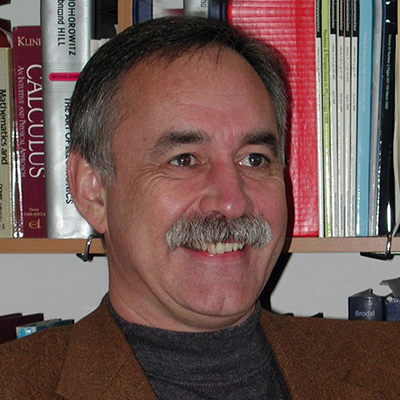
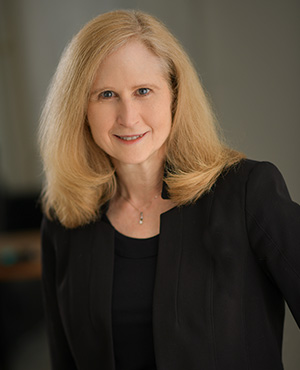
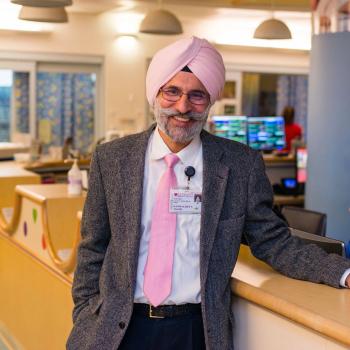
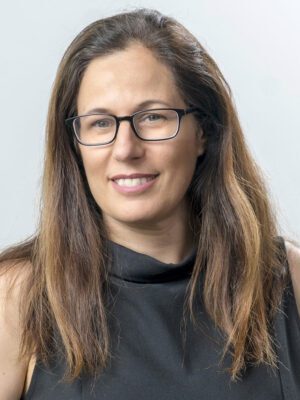
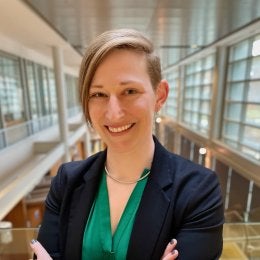
Evelyn Lake is an Associate Professor in the Department of Radiology and Biomedical Imaging at Yale University, with affiliations to the Wu Tsai Institute and Yale Biomedical Imaging Institute. Her research focuses on functional neuroimaging, particularly using rodent models to study brain connectivity, neurovascular coupling, and disorders like Alzheimer’s disease and autism spectrum disorder. PhD in Medical Biophysics, University of Toronto (2016) Postdoctoral Associate, Yale University (2019) BSc (Honors) in Biophysics, University of Guelph (2010) Her work spans multimodal imaging techniques (e.g., simultaneous Ca2+ and fMRI), examining how genetic mutations (e.g., PTEN, KATNAL2) affect cerebrospinal fluid dynamics and neuronal connectivity. She investigates longitudinal changes in Alzheimer’s models and methodological aspects of animal neuroimaging, such as sample size optimization and awake imaging protocols. Recent publications highlight her contributions to understanding autism-related white matter abnormalities, transdiagnostic connectome predictive modeling, and the impact of neurovascular uncoupling in awake mice. Collaborations include Todd Constable, Francesca Mandino, Xilin Shen, and Xenophon Papademetris.
Bertram Müller-Myhsok is a Research Professor and Research Group Leader at the Max Planck Institute of Psychiatry in Munich, Germany. His research focuses on statistical genetics and transcriptomic data analysis in psychiatric disorders, particularly major depression, PTSD, schizophrenia, and their treatment responses. He integrates machine learning with genetic and clinical data to develop predictive models and stratified treatment approaches. Professional activities include leadership roles in the International Max Planck Research School for Translational Psychiatry and collaborations with institutions like the Institut du Cerveau (Paris) and Bernhard Nocht Institute (Hamburg). His work spans genetic epidemiology, psychiatric genomics, and precision medicine, with over 400 publications in high-impact journals. Key research areas include identifying genetic risk factors for mental disorders, developing polygenic scores, and leveraging omics data to uncover disease mechanisms. He leads projects like Psych-STRATA, a Horizon Europe-funded initiative advancing personalized psychiatry through pharmacogenomics.
Istvan Mody is a Professor at the University of California, Los Angeles (UCLA) with appointments in the Department of Neurology and Department of Physiology . His research focuses on synaptic signaling in health and disease, including mechanisms of GABAergic transmission, calcium homeostasis, and their roles in neurological disorders such as epilepsy, Alzheimer's disease, Huntington's disease, stress, alcoholism, and postpartum depression. He utilizes advanced techniques like patch-clamp electrophysiology, neuroanatomical and immunohistochemical methods, and molecular biology in animal models and human brain tissue . Research Interests: Dr. Mody investigates the physiology, pharmacology, and pathology of synaptic transmission and extrasynaptic receptor activation , with a particular emphasis on GABA(A) receptors and their subunit-specific modulation. His work explores how disruptions in excitation-inhibition balance contribute to neurological diseases, including mechanisms of tonic inhibition , calcium signaling , and neurosteroid interactions . He also studies the effects of chronic stress and hormonal fluctuations on neural excitability and behavior. Publications Trends: Recent studies highlight his work on gamma oscillations in Alzheimer's models, microglial dynamics , and rehabilitation strategies for stroke. His lab develops optical tools like dqGEVI for neuronal activity monitoring and investigates human brain organoids to model network dysfunction in epilepsy and intellectual disability. Laboratory Location: 635 Charles Young Dr S, Los Angeles, CA 90095, United States.
Dr. Georgie Agar is a Lecturer at the School of Life & Health Sciences, Aston University , affiliated with the College of Health and Life Sciences and the Applied Health Research Group . Her research focuses on sleep disorders, self-injurious behavior, and caregiver impact in individuals with intellectual disabilities and rare genetic syndromes like Smith-Magenis and Angelman syndromes. Research Interests : Dr. Agar specializes in developing inclusive clinical assessment tools for sleep, pain, and behavior in neurodevelopmental populations. She employs mixed-methods, meta-analytic approaches, and longitudinal studies to explore sleep trajectories, behavioral conditioning models, and caregiver experiences. Publications : Her work spans sleep management in Smith-Magenis syndrome, overactivity metrics in genetic conditions, and systematic reviews on self-restraint in autism. Key journals include Molecular Autism , Orphanet Journal of Rare Diseases , and Research in Developmental Disabilities . Labs & Collaborations : She collaborates with the Aston Institute of Health & Neurodevelopment , focusing on neurodevelopmental research and cross-institutional partnerships in sleep and behavioral science.
Suvi Saarikallio is a Professor of Music Education at the University of Jyväskylä, Finland , affiliated with the Faculty of Humanities and Social Sciences and the Department of Music, Art and Culture Studies . She leads interdisciplinary research bridging music psychology, education, and therapy, with a focus on youth development, emotion regulation, and well-being. Research Groups: Centre of Excellence in Music, Mind, Body and Brain (2022-2029), Musiconnect (2022-2027) Key Projects: Music and You, Stress & music listening, MPACT (Music and Sports), Music and Cross-modal Associations, SOSUS (Social Sustainability for Children) Research Trends: Her recent publications explore music's role in emotional regulation, cross-modal perception, health outcomes, and educational applications. Themes include AI's impact on music evaluation, rhythm's connection to cognitive skills, and music's influence on stress and social-emotional development. Contact: suvi.saarikallio@jyu.fi
Jennifer Pfeifer is a Professor at the University of Oregon and co-Director of the Center for Translational Neuroscience within the College of Arts and Sciences, Department of Psychology. Her research spans developmental cognitive neuroscience, focusing on adolescence, puberty, self-concept, social cognition, emotion, motivation, and mental health. Her work integrates neuroimaging with behavioral and hormonal data to examine normative and atypical brain development, particularly how social processes and early adversity influence neurobiological models of adolescence. She has secured funding from NIMH, NICHD, NIDA, NSF, and other institutions. Recent publications analyze adolescent social reorientation, pubertal timing, self-disclosure mechanisms, and affective reactivity. Awards and student lists are not explicitly mentioned in the provided text. Her lab emphasizes translational neuroscience applications for mental health prevention and well-being promotion across the lifespan.
Lindsey Kent is a Professor at the University of St Andrews' School of Medicine, where she serves as Deputy Head and Director of Admissions. Her research focuses on the biological foundations of psychiatric disorders, particularly ADHD and developmental language disorders. Education: Medicine (Aberdeen University, 1989), PhD (University of Birmingham, 1998) Academic Appointments: Wellcome Trust Fellow (1999), University Lecturer (University of Cambridge, 2003), Reader (University of St Andrews, 2007) Research Trends: Dr. Kent's work explores psychiatric genetics, neurodevelopmental disorders, and molecular mechanisms through genome-wide association studies, exome sequencing, and genetic epidemiology. Key Collaborations: Psychiatric Genomics Consortium, EAGLE Consortium, 23andMe Technical Focus: ATP2C2 gene variants, TNR gene associations, polygenic risk architectures Awards: Fellow of the Higher Education Academy (2000) Academic Contributions: She has directed two Wellcome Trust-funded projects on ADHD genetics and co-authored over 91 peer-reviewed publications, including significant studies in Nature Communications and Human Molecular Genetics . Her editorial roles include serving on the American Journal of Medical Genetics board (2007–2014).
Lee H. Schwamm, MD is Associate Dean for Digital Strategy and Transformation at Yale School of Medicine and Senior Vice President & Chief Digital Health Officer for Yale New Haven Health System. He holds professorships in both Biomedical Informatics & Data Sciences and Neurology at Yale School of Medicine. Previously, he spent three decades at Mass General Brigham Health System where he served as Executive Vice Chair of Neurology, Director of the Center for TeleHealth at Massachusetts General Hospital, and Vice President for Digital Patient Experience and Virtual Care. Dr. Schwamm is an internationally recognized expert in stroke diagnosis, treatment and prevention, with particular expertise in telestroke and digital health applications in neurology. His research focuses on stroke in young patients, cryptogenic strokes, patterns of stroke care delivery, and addressing health inequities in stroke outcomes. He has been a pioneer in telehealth, especially in telestroke services, and has served as a policy advisor for the American Heart Association. His work has resulted in over 500 peer-reviewed publications with recent research emphasizing digital health solutions, AI applications in stroke care, social determinants of health impacts on stroke outcomes, and quality improvement in stroke care delivery. Under his leadership, the AHA Get with the Guidelines–Stroke Registry has grown into the world's largest stroke registry with over 8 million patient encounters. Fellow of the American Heart Association Fellow of the American Academy of Neurology Fellow of the American Neurological Association Digital health section editor for Stroke journal Member of Lancet Digital Health international advisory board Dr. Schwamm led the adoption of virtual care for 10,000 clinicians during the first six months of the COVID-19 pandemic, facilitating over 1.7 million virtual visits. He champions redesigning care delivery through a human-centered lens, leveraging technology to improve patient outcomes while reducing healthcare disparities. His educational background includes an AB in Philosophy from Harvard University (1985) and an MD from Harvard Medical School (1991), followed by neurology residency and stroke fellowship at Massachusetts General Hospital.
Angela Birnbaum is a Professor in the Department of Experimental and Clinical Pharmacology at the University of Minnesota College of Pharmacy. She serves as Associate Director of the Center for Clinical and Cognitive Neuropharmacology and is a Fellow of The American Epilepsy Society (FAES). Her research focuses on translational clinical pharmacology with emphasis on special populations including the elderly, pregnant women, children, and those with drug addiction. Dr. Birnbaum earned her PhD in Pharmacology (with a Neuroscience minor) from the University of Minnesota Department of Pharmacology. She completed her undergraduate studies with a Bachelor of Science and Medical Technology (BSMT) with chemistry minor from Ohio Northern University, along with a Bachelor of Biology (BS). She also completed a Medical Technology Internship at St. Rita's Medical Center and a Post-doctoral Fellowship in Clinical Neuropharmacology at the University of Minnesota. Her research program centers on pharmacokinetics and pharmacodynamics in special populations, with particular expertise in antiepileptic drugs. She investigates drug concentration variability and response across different patient groups, with significant work on medications like lamotrigine, carbamazepine, and lacosamide. Her laboratory operates as a Pharmacokinetics Laboratory Core for various grant projects and explores drug stability both in vivo and in vitro. Dr. Birnbaum's recent publications demonstrate a strong focus on pregnancy-related pharmacokinetics, particularly for antiepileptic medications, and pharmacokinetic considerations for vulnerable populations including neonates and critically ill patients. Her work combines pharmacometric modeling with clinical research to optimize drug dosing across diverse patient populations. Among her notable recognitions: Fellow of The American Epilepsy Society (FAES) Designation as Center of Excellence for Model-based Drug Development (MBDD) Certara Center of Excellence designation for her program Dr. Birnbaum has been principal investigator and collaborator on numerous research projects funded by the National Institutes of Health, pharmaceutical industry, instrumentation companies, and foundations. Her current projects include investigations into antiseizure medication exposure during pregnancy and breastfeeding, development of monoclonal antibodies to reverse fentanyl overdose, and clinical trials of multivalent opioid vaccine components. Her laboratory, the Birnbaum Laboratory for Translational Clinical Neuropharmacology, operates as both an independent research program investigating drug effects on cognition and a Pharmacokinetics Laboratory Core supporting multiple research projects. The lab incorporates Certara's Phoenix software suite into thesis and research projects, reflecting their expertise in model-based drug development.
Dr. Kanwaljeet S. Anand is a dual-appointed Professor of Pediatrics (Pediatric Critical Care) and Anesthesiology, Perioperative & Pain Medicine at Stanford University School of Medicine. As director of the Pain/Stress Neurobiology Lab and Jackson Vaughan Critical Care Research Fund, he serves as Editor-in-Chief of Pediatric Research and maintains active membership in Bio-X, MCHRI, and Wu Tsai Neurosciences Institute. Rhodes Scholar with D.Phil from University of Oxford Harvard postdoctoral fellowship and Boston Children's Hospital residency Founded Harmony Health Clinic - Arkansas' largest charitable medical-dental facility A translational researcher with 30+ years of impact, Dr. Anand established the first scientific framework for infant pain perception and developed novel pain assessment methodologies. Current research focuses on: Hair biomarker analysis for stress and social affiliation (cortisol/oxytocin) Machine learning systems for objective pain detection in non-verbal infants Biopsychosocial interventions for stress reduction in disadvantaged youth Neurotoxicity mechanisms of sedatives in developing brains Global NICU opioid usage patterns through the NeoOpioid Consortium His work has yielded over 260 publications and significant advances in: Pediatric pain management protocols Neonatal stress biomarker development Critical care neurobiology insights Community health initiatives AI-driven clinical decision support systems Scientific Recognition 9th Annual 'In Praise of Medicine' Public Address, Erasmus University (2014) Nightingale Excellence Award (2016) Honorary Doctorate from University of Örebro (2019) NIH SBIB-H82 Study Section Chair (2018) Multiple IASP and American Pain Society awards Swedish Academy of Medicine's Nils Rosén von Rosenstein Award (2009) St. Jude Endowed Chairholder (2010) As mentor to Med Scholar Anjali Gupta and advisor to numerous professional bodies, Dr. Anand maintains active clinical leadership in Pediatric Intensive Care while advancing computational approaches to pain detection through collaborations with Stanford's AI researchers.
Dr. Sharon K. Sagiv is an Adjunct Assistant Professor of Epidemiology at UC Berkeley's School of Public Health and an investigator at the Center for Environmental Research and Children’s Health. Her research focuses on prenatal and early-life environmental toxin exposures, particularly persistent organic pollutants, heavy metals, pesticides, and consumer chemicals, and their impacts on child neurodevelopment. She has extensively studied associations between environmental toxicants and neurodevelopmental disorders like ADHD and autism, alongside innovative work using functional neuroimaging to assess neural activity in exposed populations. Dr. Sagiv holds a PhD in Epidemiology from UNC Chapel Hill (2004), an MPH from Boston University (1998), and a BA in Biology from Franklin and Marshall College (1993). She has contributed to major cohorts such as CHAMACOS and Project Viva, examining long-term effects of pollutants like PFAS, organophosphates, and PBDEs. Her work bridges epidemiology, toxicology, and neuroimaging to advance understanding of environmental health risks. Research interests emphasize translational environmental health science, with a focus on pesticide mixtures, air pollution, and endocrine disruptors. Key themes include exposure assessment frameworks, functional neuroimaging outcomes, and developmental origins of health disparities. She teaches grant-writing seminars and collaborates globally on pesticide neurotoxicity studies in farmworker populations. Recent publications highlight links between prenatal PFAS exposure and metabolic outcomes, pesticide exposure and brain connectivity, and traffic pollution’s role in neurocognitive decline. Her research portfolio includes systematic reviews on air pollution health impacts and methodological innovations for assessing chemical mixtures in pregnancy. Dr. Sagiv’s work has policy implications for environmental regulations and public health interventions targeting vulnerable populations.
Lindsay C. Bowman is an Assistant Professor of Psychology at the University of California, Davis, and Principle Investigator of the Brain and Social Cognition (BASC) Lab within the Center for Mind and Brain. Her work bridges developmental psychology, neuroscience, and social cognition, focusing on neural and behavioral mechanisms underlying social understanding in infancy and childhood. Education: Ph.D. in Psychology, University of Michigan (2013) B.S. in Psychology, Queen’s University (2007) Research Interests: Dr. Bowman explores how the 'social brain' develops through interdisciplinary methods including EEG, ERP, and fNIRS. Her lab examines neural correlates of social cognition, emotion regulation, and theory of mind across developmental stages. Key themes include the interplay between biological, experiential, and conceptual changes shaping social behavior. Awards: Rackham Predoctoral Dissertation Fellowship (2012–2013) Natural Sciences and Engineering Research Council Scholarships (2008–2012) Outstanding Graduate Student Instructor Award (2013) Teaching & Mentorship: She teaches courses in Developmental Psychology and Cognitive Neuroscience. The BASC Lab actively involves undergraduate and graduate students in research, emphasizing participation from those aligned with its focus on social cognition and neural development. Lab Mission: The Brain and Social Cognition Lab investigates how neural systems underpin social understanding, using cutting-edge neuroimaging alongside behavioral observations. Research spans infancy through childhood, addressing questions about empathy, cooperation, and the neural foundations of social behavior.
Ruben Portugues is a Professor of Brain Circuit Function and Dysfunction at the Institute of Neuroscience, Technical University of Munich (TUM). He is a full member of the Graduate School of Systemic Neurosciences (GSN), an associate and advisory board member of the Munich Center for Neurosciences (MCN), and leads a research group focused on understanding the neural basis of behavior. His lab uses larval zebrafish as a model organism to investigate sensorimotor control, decision-making, and motor learning through whole-brain imaging and circuit analysis. His research interests lie at the intersection of systems neuroscience and behavior. He investigates how brain circuits process sensory information, integrate it with motor output, and enable adaptive and flexible behavior. Key areas include the function of the cerebellum, heading direction networks, sensorimotor transformations, and the neural mechanisms of decision-making. His lab employs cutting-edge techniques including custom-built microscopes, behavioral assays, and computational analysis. The recent publications and preprints from his lab demonstrate a strong trend in decoding distributed neural circuits underlying navigation and decision-making in zebrafish. There is a clear focus on identifying specific brain regions (e.g., interpeduncular nucleus, cerebellum) and cell types involved in processing visual, motor, and spatial information. The work increasingly emphasizes whole-brain functional imaging and the emergence of cognitive-like representations such as allocentric heading direction. FENS-Kavli Network of Excellence (FKNE) PhD Thesis Prize (awarded to student Luigi Petrucco) Ruben Portugues actively mentors PhD students, including current advisees Luigi Petrucco, Ot Prat, and Shuhong Huang, and has successfully graduated Dr. Elena Dragomir and Dr. Vilim Štih. His lab engages in extensive collaborations, hosts visiting researchers, participates in teaching (e.g., CSHL Imaging Course, Cajal Course), and secures resources for advanced research. The lab is known for building its own microscopes and software, fostering technical innovation. The Portugues Lab operates as a dynamic, interdisciplinary team that combines experimental neuroscience with computational and engineering approaches. They regularly hold retreats, participate in scientific events, and contribute to community initiatives like the Munich Brain Day. The lab is preparing to relocate to the Department of Neurobiology and Behavior at Cornell University, marking a new phase in its research trajectory.
Prof. Dr. Dr. Elisabeth Binder is the Director of the Max Planck Institute of Psychiatry and leads the Max Planck Research Group "Genes and Environment" in Munich, Germany. Her research focuses on molecular mechanisms underlying psychiatric disorders, particularly how genetic and environmental factors interact in disease development. Education: Medicine (University of Vienna), Neuroscience (Emory University) Affiliations: Max Planck Institute of Psychiatry, International Max-Planck Research School Translational Psychiatry, Graduate School of Systemic Neuroscience Research Interests: Elisabeth Binder investigates gene-environment interactions in psychiatric disorders, emphasizing early trauma and stress response. Her work employs next-generation sequencing, epigenetic analysis, and induced pluripotent stem cells to identify biological markers for disease prevention and treatment. Scientific Awards: Theodore Reich Young Investigator Award (2010) Max Hamilton Memorial Prize (2012) Eva King-Killam Research Award (2016) Carus Medal (2017) Ron the Kloet Award for Stress Research (2019) Leadership Roles: She is a member of the German National Academy of Sciences (Leopoldina), a Fellow of the American College of Neuropsychopharmacology, and serves on multiple international advisory committees and executive boards in psychiatry and neuroscience.
Rachel R. Romeo is an Assistant Professor at the University of Maryland in the Department of Human Development and Quantitative Methodology. She also holds courtesy appointments in the Department of Hearing and Speech Sciences and the Neuroscience and Cognitive Science program. She is affiliated with the Language Science Center, Field Committee in Developmental Science, Brain Behavior Institute, and Maryland Neuroimaging Center. Education: PhD from the joint Harvard/MIT Program in Speech and Hearing Bioscience and Technology MSc in Language Sciences from University College London BA in Psychology and Linguistics from the University of Pennsylvania Clinical licensure in Speech-Language Pathology from the MGH Institute of Health Professions Translational Postdoctoral Training in Neurodevelopment at Boston Children's Hospital and Harvard Medical School Research Interests: Rachel’s research examines how early experiences, both favorable and adverse, shape children’s neurocognitive and academic development, with a focus on language, literacy, and socioeconomic disparities. She integrates methods from developmental psychology, cognitive neuroscience, and educational interventions to address these questions. Scientific Awards: Young Investigator Award, Flux Society (2024) University of Maryland Research Impact Fellow (2023–2024) Faculty Mentor of the Year Award, UMD Neuroscience and Cognitive Science Program (2023) Early Career Research Contributions Award, American Speech Language Hearing Association (2023) Early Career Research Contributions Award, Society for Research in Child Development (2023) Rising Star, Association for Psychological Science (2021) Flux Congress Science of Learning Award, & Post-Doctorate Award (2019) Society for the Neurobiology of Language Postdoctoral Merit Award (2019) Society for the Neurobiology of Language Graduate Student Award (2017) UCL Language Sciences Dissertation Prize and Overall Achievement Award (2012) The Thouron Award (2011) Fulbright Fellowship (2011) Grants & Projects: Her research is funded by the National Institutes of Health (NIH), Institute of Museum and Library Services (IMLS), and UMD Brain Behavior Institute (BBI). Labs & Teams: Rachel directs the Language, Experience, and Development (LEAD) Lab and collaborates with interdisciplinary teams in developmental science and neuroimaging.