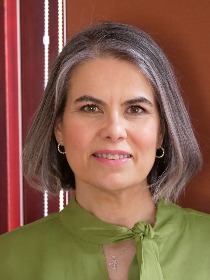
Jeffrey Schall is a Full Professor of Biology and Program Director of the Visual Neurophysiology Centre at York University. He holds the Canada Research Chair in Translating Neuroscience. His research focuses on neural mechanisms underlying behavior, integrating neurophysiological and computational approaches across multiple scales. Schall is a core member of the Centre for Vision Research and the Canada First Research Excellence Fund Connected Minds initiative. Education: PhD in Anatomy (University of Utah School of Medicine, 1986), postdoctoral training at MIT. Awards include the Troland Research Award, Sloan Foundation Fellowship, and AAAS Fellowship. He served as Vision Science Society President in 2019. Research interests include visual attention, executive control, error monitoring, and translational neuroscience applications in law. His work bridges basic science with applied studies in clinical populations like schizophrenia patients. Collaborative projects involve EEG/MEG analysis, cortical microcircuitry modeling, and neuromodulation techniques. Teaching: YU_NRSC 2100 Systems, Behavioral, and Cognitive Neuroscience. Active in interdisciplinary initiatives linking neuroscience with legal systems through scholarship and policy engagement.
J. Anthony Movshon is a Professor at New York University (NYU) in the Department of Psychology and a key member of NYU's Center for Neural Science (CNS). His research focuses on the primate visual system, particularly the encoding and decoding of visual information in cortical areas like V1 and MT, and its role in behavior and perception. Education: Doctorate in Visual Neurophysiology and Psychophysics from Cambridge University Research Interests: Movshon investigates the functional architecture of the visual cortex, emphasizing motion, form, and color processing. His work explores how neural activity relates to perceptual decisions and motor behavior, using electrophysiological recordings, neuroimaging, and computational models. He also studies developmental disorders like amblyopia and their impact on visual system organization. Publications: His recent work spans visual texture selectivity in V2, contextual modulation in neural responses, motion processing in MT, and decoding mechanisms in visual cortex. These studies employ interdisciplinary approaches blending neurophysiology, computational neuroscience, and cognitive modeling. Labs & Collaborations: Movshon leads the Visual Neuroscience Laboratory at NYU, collaborating with researchers such as Michael Hawken, Lynne Kiorpes, and Eero Simoncelli.
Antony Franklin is an Associate Professor and Head of the Department of Computer Science and Engineering at the Indian Institute of Technology Hyderabad (IITH), India. He leads the Networked Wireless Systems (NeWS) Lab and is actively involved in 5G research, wireless networks, and cybersecurity. He earned his Ph.D. from IIT Madras in 2010. Education: Ph.D. in Computer Science and Engineering, IIT Madras, 2010 Research Interests: His research spans wireless networks , 5G systems , mobile edge computing , low-latency transport protocols , and cybersecurity . He focuses on next-generation mobile systems, especially 5G, aiming to meet the demands of ultra-low latency, high data rates, and quality of experience for services like IoT, autonomous driving, and VR. He has been involved in developing testbeds and prototypes to validate real-world performance of 5G technologies, including network slicing, LTE-WiFi integration, and edge computing. Scientific Awards: Best Academic Demo Award, IEEE COMSNETS 2018 Second Best Paper Award, IEEE ANTS 2017 Grants & Projects: Network Slice Life-cycle Management for 5G Mobile Networks – SPARC, MHRD (2019–2021) DNS/IPv6 for IoT Security – NASSCOM (2018–2019) CCRAN: Energy Efficiency in Cloud RAN – Intel India (2018–2021) End-to-End 5G Test-Bed – DoT, GoI (2018–2021) M2SMART Smart Cities – SATREPS (2018–2023) Ultra-Reliable Low Latency Protocols – STINT, Sweden (2017–2018) Low Latency 5G Protocols – SERB ECR (2016–2019) Lab & Team: He leads the NeWS Lab (Networked Wireless Systems) at IITH, which focuses on 5G, wireless networks, and IoT systems. The lab is actively involved in developing real-world testbeds and publishing in top-tier conferences and journals.
Wim Gevers is a faculty member at the Université libre de Bruxelles (ULB) and leads the CS4S – Cognitive Control & Sleep laboratory within the CRCN research centre. His work bridges cognitive psychology, neuroscience and sleep research to understand how the brain exerts control over thoughts and actions and how sleep contributes to these processes. Research Interests Cognitive Control & Metacognition: Investigating how subjective experiences such as confidence and the "urge-to-err" guide strategic adjustments in behaviour. Working Memory & Ordinal Cognition: Examining how order information is maintained and manipulated, and how these processes relate to mathematical competence. Sleep, Memory & Decision Making: Exploring how sleep-dependent consolidation influences motor learning and decision strategies. Across his 2022–2025 publications a clear trend emerges: a focus on metacognitive monitoring —how humans evaluate their own cognitive states—and the role of emotional and temporal context in shaping those evaluations. Studies range from reaction-time introspection and confidence judgements in perceptual tasks to the impact of aging and depression on metacognitive accuracy. Doctoral Supervision & Mentoring Whitney Stee (PhD 2024) – Sleep-dependent structural brain reorganization & motor learning Gaia Corlazzoli (PhD 2024) – Subjective experience in decision-making Myrtille Dewulf (PhD 2023) – Ordinal coding mechanisms in working memory Rebeca Sifuentes-Ortega (PhD 2023) – REM sleep and memory reactivation All dissertations were defended at ULB, Faculté des Sciences psychologiques et de l’éducation, with Wim Gevers formally listed as Promotor . Laboratory & Collaborative Networks As head of CS4S, Gevers coordinates a multidisciplinary team that combines behavioural experimentation, EEG/MEG, computational modelling and sleep polysomnography. The lab is embedded in the larger CRCN ecosystem, fostering collaborations with groups such as CO3 (consciousness), LCLD (language & deafness), and UR2NF (neurofunctional imaging).
Yin Tat Lee is an Associate Professor at the Paul G. Allen School of Computer Science & Engineering , University of Washington, and a Senior Principal Researcher in Microsoft AI. His research spans convex optimization , convex geometry , graph algorithms , online algorithms , and differential privacy , with applications in machine learning and theoretical computer science.
Beatriz Noheda is a Full Professor of Functional Nanomaterials at the University of Groningen's Faculty of Science and Engineering, where she chairs the Solid State Materials for Electronics group at the Zernike Institute for Advanced Materials. She also serves as the founding Director of the Groningen Cognitive Systems and Materials center (CogniGron). Her academic journey began with a PhD in Physics from the Autonomous University of Madrid in 1996, followed by research positions at Brookhaven National Laboratory and various European institutions before joining Groningen through the prestigious Rosalind Franklin Fellowship program in 2004. Her research interests span the physics of functional materials with particular emphasis on ferroelectric, piezoelectric, and multiferroic thin films . She investigates the relationship between structure and functionality, focusing on nano-domain control through strain engineering and the unique properties of domain walls. Her work bridges fundamental physics with two promising application areas: piezoelectric energy harvesting for low-power electronics and the development of novel materials for neuromorphic computing . This dual focus reflects her vision of enabling the next technological revolution through materials science. Noheda's publication record shows a clear evolution from fundamental structural studies of ferroelectric materials toward cutting-edge research in hafnia-based ferroelectrics and neuromorphic computing materials. Her most recent work focuses on oxygen migration in hafnium-zirconium oxide systems, metal-insulator transitions in nickelates, and the development of novel ferroelectric phases suitable for next-generation electronic devices. These publications demonstrate her leadership in advancing the field from basic understanding toward practical applications in memory devices and cognitive computing systems. Fellow of the American Physical Society (2011) - awarded for fundamental structural studies of new phases in perovskite-type ferroelectric materials and domain nanostructures IEEE Robert E. Newnham Ferroelectrics Award (2020) - for outstanding contributions to understanding giant piezoelectricity in lead zirconate titanate Member of the Netherlands Academy of Technology and Innovation (AcTI) (2022) Elected Senior member IEEE (2021) Rosalind Franklin Fellowship (2004) - enabling her successful academic career in Groningen Noheda has secured substantial research funding throughout her career, including a Rosalind Franklin Fellowship (2004-2009), VIDI-NWO Fellowship (2004-2008), TOP-NWO project on Functional Nanowalls (2007-2012), multiple Zernike Institute Dieptestrategie grants, and a significant TOP-PUNT grant (2016-2021). She has supervised numerous students and early-career researchers, contributing to the development of the next generation of materials scientists. Her leadership extends to editorial roles on prestigious journals including Science, Physical Review Applied, and npj Quantum Materials. As Director of CogniGron, Noheda leads an interdisciplinary center focused on developing materials and systems for cognitive computing. Her team combines expertise in functional oxides, nanoelectronics, and neuromorphic engineering to create novel computing paradigms inspired by the human brain. The center represents a strategic initiative at the University of Groningen to position itself at the forefront of cognitive systems research.
Tanya P. Garcia, PhD is an Associate Professor of Biostatistics at the Gillings School of Public Health and Research Faculty in the UNC Neurology Huntington Disease Program at the University of North Carolina at Chapel Hill . She leads the Methods for INcomplete Data (MIND) Lab , focusing on statistical methods for handling censored, missing, or incomplete data in neurodegenerative disease progression studies. Education: PhD in Statistics, Texas A&M University MS in Statistics, University of Western Ohio MS in Industrial Engineering and Operations Research, UC Berkeley Research Interests: Specializing in High-Dimensional Variable Selection , Longitudinal Data Analysis , and Neurodegenerative Disease Modeling , her work develops reproducible statistical methods for Huntington's disease progression, improving clinical trial design and biomarker identification. Scientific Awards: American Statistical Association Fellow (2024) Landis Award for Outstanding Mentorship (2024) Roy R. Kuebler Award (2024) Gertrude M. Cox Award (2024) Leadership & Mentorship: Director of the MIND Lab, Chair-Elect of the Biometrics Section of ASA, and Tyson Academic Leadership Fellow (2023–2024). Her lab alumni have secured prestigious positions at institutions like Wake Forest University and Baylor University.
Paul O'Toole is a Professor of Microbial Genomics and Principal Investigator at the APC Microbiome Ireland, University College Cork. His research focuses on the gut microbiome's role in health, aging, and disease, particularly in the context of diet and probiotics. He leads projects like the ELDERMET study on elderly nutrition and the NU-AGE project exploring Mediterranean diets' anti-aging effects. He holds a BA (Mod.) from Trinity College Dublin and a PhD from Lund University, with postdoctoral training in Canada and New Zealand. Key grants include studies on dairy-derived microbiota, probiotic strain improvement, and microbiome analysis in aging populations. He has published extensively on Lactobacillus genomics, gut-brain interactions, and microbiome-driven health outcomes. His work bridges fundamental microbiology with clinical applications, emphasizing translational research. Scientific highlights include discovering microbiome links to cognitive decline, demonstrating dietary modulation of gut microbes to combat obesity, and identifying keystone species in healthy aging. He advocates for sustainability in conservation and food systems, reflecting his interdisciplinary approach to global health challenges.
John P. O'Doherty serves as the Fletcher Jones Professor of Decision Neuroscience within Caltech's Division of Humanities and Social Sciences, holding continuous faculty appointments since 2004 (Assistant Professor 2004-07, Associate Professor 2007-09, Professor 2009-present, Fletcher Jones Professor 2021-present). He previously directed the Caltech Brain Imaging Center (2013-17) and maintains affiliations with the T&C Chen Center for Social and Decision Neuroscience. His educational background includes a B.A. from University of Dublin, Trinity College (1996) and D.Phil. from University of Oxford (2000). His research focuses on computational and neural mechanisms of reward-based learning and decision-making , employing fMRI, intracranial recordings, and mathematical modeling to investigate how the brain solves complex decision problems through evolutionarily conserved algorithms. Key areas include Reinforcement learning systems (model-based/model-free arbitration) Observational and social learning mechanisms Neural representation of value, risk, and uncertainty Computational phenotyping of mental disorders Temporal dynamics of goal persistence Analysis of his 2023-2025 publications reveals dominant trends in computational psychiatry (problem gambling, autism traits), hierarchical decision-making, and neuroeconomic modeling of social behavior. His work consistently integrates cross-species computational frameworks with human neuroimaging to identify transdiagnostic mechanisms. While specific awards beyond his endowed professorship aren't detailed, his leadership as Brain Imaging Center Director and prolific high-impact publications demonstrate significant recognition. Current advising includes graduate researcher Sneha Aenugu on goal-persistence projects, with administrative support from Mary A. Martin (mmartin@caltech.edu). His active research program continues to pioneer computational approaches to understanding decision pathologies.
Marc V Fuccillo is an Associate Professor of Neuroscience at the Perelman School of Medicine, University of Pennsylvania, where he leads a research laboratory focused on understanding the neural circuit mechanisms underlying behavioral control. His work bridges molecular, synaptic, and behavioral approaches to investigate how striatal circuits regulate mouse behavior from simple motor patterns to complex goal-directed actions. Fuccillo holds dual appointments in the Neuroscience and Cell and Molecular Biology Graduate Groups at Penn and maintains an active laboratory investigating the synaptic and circuit basis of neuropsychiatric disorders. Education: B.A. in Molecular and Cellular Biology and Music Performance (Violin) from Brown University (1998) Ph.D. in Developmental Genetics from New York University School of Medicine (2007) M.D. from New York University School of Medicine (2008) Fuccillo's research centers on the synaptic and circuit mechanisms of behavioral control, with particular emphasis on striatal circuits. His laboratory employs a range of technologies including mouse genetics, in vitro electrophysiology, in vivo imaging, and quantitative behavioral analysis to explore how neural circuits of the striatum regulate behavior and how disruptions in these circuits contribute to neuropsychiatric disorders. His work has particularly focused on autism-associated abnormalities in behavioral control, examining how synaptic adhesion molecules like neuroligins and neurexins shape circuit function and behavior, with significant findings regarding D1 dopamine receptor positive medium spiny neurons in the nucleus accumbens. Analysis of Fuccillo's recent publications reveals a strong focus on striatal circuit function across multiple dimensions. His work spans molecular neuroscience (examining synaptic adhesion molecules), cellular physiology (studying specific neuron types in striatal circuits), systems neuroscience (mapping circuit connectivity), and behavioral neuroscience (quantifying motor learning and decision-making). A unifying theme is how disruptions in specific molecular pathways lead to circuit-level abnormalities that manifest as behavioral phenotypes relevant to neuropsychiatric disorders, with particular attention to autism, OCD, and schizophrenia models. Scientific Recognition: Publications in high-impact journals including Nature Neuroscience, Current Biology, Cell Reports, and Neuron Research supported by multiple NIH grants including NIMH F32, NIMH K01, and HHMI Gilliam Fellowship awards for lab members Fuccillo actively mentors a diverse group of trainees including postdoctoral fellows, graduate students, and undergraduates. His laboratory has produced numerous successful alumni who have gone on to faculty positions, medical residencies, and graduate programs at prestigious institutions. His mentoring approach emphasizes technical skill development across multiple neuroscience disciplines while fostering independent scientific thinking. Current research in his lab is supported by NIH funding focused on understanding the molecular architecture of striatal circuits and their role in behavioral control, with three major research directions exploring molecular logic of striatal circuits, circuit mechanisms of behavioral control, and striatal dysfunction in neuropsychiatric disease models. The Fuccillo Laboratory operates within the Department of Neuroscience at the University of Pennsylvania, with access to state-of-the-art facilities for molecular, electrophysiological, imaging, and behavioral neuroscience research. The lab maintains active collaborations with other neuroscience research groups at Penn and beyond, creating a rich intellectual environment for studying the neural basis of behavior. Current research directions include investigating whether there is a molecular logic to striatal circuit composition, how striatal circuits shape behavioral control, and what mouse models of autism, schizophrenia, and OCD can reveal about striatal circuit dysfunction in disease pathophysiology.
Frank L. Hammond III serves as Assistant Professor at Georgia Tech's Woodruff School of Mechanical Engineering since April 2015, directing the Adaptation Robotic Manipulation (ARM) Laboratory. A Carnegie Mellon PhD graduate, he previously held postdoctoral positions at MIT and Harvard as a Ford Fellow. His interdisciplinary work bridges mechanical engineering, biomedical applications, and computational design. Education Ph.D. in Mechanical Engineering, Carnegie Mellon University M.S. in Mechanical Engineering, University of Pennsylvania M.S. in Electrical Engineering, University of Pennsylvania B.S. in Electrical Engineering & Biomedical Engineering, Drexel University Hammond's research pioneers adaptive robotic manipulation (ARM) systems that operate in unstructured human environments through bioinspired computational design. His lab develops xenomorphic (non-biomorphic) robots using soft pneumatic actuation, flexible electronics, and machine learning to achieve biological-level versatility. Key application domains include wearable human augmentation devices , haptic-enabled surgical teleoperation , and autonomous soft platforms for medical and industrial use. The ARM methodology integrates empirical biomechanics characterization with simulation-driven optimization and rapid prototyping. Analysis of his 15 most recent publications (2023-2025) reveals three dominant trends: (1) Medical rehabilitation breakthroughs through intention-driven exoskeletons with soft bioelectronics, (2) Novel locomotion strategies for soft robots in complex environments (sand, water, cluttered spaces), and (3) Advanced haptic feedback systems leveraging multimodal sensory substitution for proprioceptive restoration. These works consistently bridge biomechanics, control theory, and human factors. Awards Ford Postdoctoral Research Fellowship at Harvard School of Engineering Hammond actively mentors graduate researchers including PhD candidates Lucas Tiziani (soft actuators) and Bangyuan Liu (earthworm robotics), and Master's student Alex Hart (pediatric haptics). His lab secures research funding for projects like tunable mechanical interfaces for neuropathy treatment and cognition-focused wearable devices, with strong industry and clinical partnerships evident in co-authored medical device publications. The ARM Lab maintains robust collaborations across Georgia Tech's robotics, neuroscience, and biomedical engineering communities. The Adaptation Robotic Manipulation Laboratory operates from Whitaker Building Room 4102, housing specialized facilities for soft robot fabrication (3D printing, shape deposition manufacturing) and biomechanics testing. Current projects include pediatric haptic feedback displays, biomimetic swimming robots, and kirigami-skinned earthworm robots for subsurface locomotion. The lab emphasizes translational research with multiple pending medical device patents and active participation in K-12 STEM outreach programs.
Juliana Cohen is a Professor in Nutrition and Public Health at Merrimack College’s School of Nursing and Health Sciences. Her research focuses on school nutrition policies, health disparities, and dietary interventions to improve child health outcomes. She founded the NOURISH Lab , which evaluates policies to reduce diet-related disparities in children, funded by NIH and foundations. Her work has influenced USDA school meal standards and the Community Preventive Services Task Force recommendations. Education : Sc.D. in Nutrition (Harvard), M.Sc. in Human Development and Health (Harvard), B.A. in Italian Studies (Emory) Research Areas : School nutrition, behavioral economics, health disparities, diet-cognition links Her recent publications analyze universal free school meals, chemical exposure in meals, and pandemic impacts on food programs. Awards include NIH K01 funding and Obesity Society fellowship.
Dr. Qing Zhou is a Professor of Psychology at the University of California, Berkeley, and Director of the Culture and Family Study Lab. He received his Ph.D. from Arizona State University and specializes in understanding how cultural context, family dynamics, and temperament influence children's socio-emotional, academic, and executive function development, with a focus on immigrant families. Key research interests include: Developmental psychopathology Temperament and emotion regulation Family socialization and parenting Impact of bilingualism on child development Cultural values and migration effects on adjustment His work employs multi-method approaches, including questionnaires, behavioral observations, and neuropsychological testing, with ongoing projects like the NICHD-funded longitudinal study on dual language learners and the Chau Hoi Shuen Foundation-supported grandparent involvement research. Collaborations include scholars at UC-Davis, UC-Merced, Wellesley College, and institutions in France and Taiwan. Dr. Zhou has trained numerous students, including current doctoral candidates Xinyi Chen, Erika Roach, and Christopher Gys, as well as alumni at institutions like Harvard, Stanford, and UCSF. His lab's publications emphasize cross-cultural comparisons, longitudinal designs, and intervention implications for immigrant youth.
Ellen Riloff serves as Department Head and Professor in the Department of Computer Science at the University of Arizona, where she leads research at the intersection of natural language processing (NLP) and artificial intelligence. Her work bridges theoretical advancements with real-world applications in social computing, planetary science, and crisis response systems. Education: Ph.D. in Computer Science, University of Massachusetts at Amherst (1994) Research Focus: Dr. Riloff specializes in affective computing and information extraction , developing techniques to recognize emotion, social cues, and embodied expressions in text. Her methodologies frequently employ bootstrapping, stacked learning, and semantic lexicon induction. Recent projects address crisis informatics (e.g., social cue recognition in emergencies) and interdisciplinary applications like the Mars Target Encyclopedia for planetary science data extraction. Publication Trends: Analysis of her 15 most recent publications (2021–2025) reveals three dominant trajectories: (1) affective event modeling in social contexts with applications to crisis response; (2) domain-specific NLP for planetary science and food systems; and (3) advanced language model techniques including retrieval-augmented generation and multi-view prompting. Her work increasingly integrates deep learning with traditional linguistic features. Grants and Leadership: Dr. Riloff has directed multiple NSF-funded projects, including RI: Small: Recognizing Implicit Personal States in Natural Language (2016) and RI: Small: Acquiring Domain Knowledge from Text through Cooperative Bootstrapping (2010). These initiatives pioneered bootstrapping frameworks for affective event recognition and information extraction. She also co-organized the Workshop on Pattern-based Approaches to NLP (2023), highlighting her leadership in advancing hybrid NLP methodologies. Collaborative Infrastructure: She co-developed the Mars Target Encyclopedia—a large-scale information extraction system that processes planetary science literature to create structured databases of Mars surface targets. This project demonstrates her commitment to building reusable scientific infrastructure through NLP.
Rotem Karni, PhD, is an Associate Professor of Genetics at the Perelman School of Medicine, University of Pennsylvania, Philadelphia. He leads a research lab focused on understanding how alternative RNA splicing contributes to cancer and genetic diseases, with a strong emphasis on translating these findings into RNA-based therapies. Karni's lab develops decoy oligonucleotides, small molecules, and splice-switching technologies to modulate splicing factors and enhance immunotherapy. Education BSc in Biological Chemistry from The Hebrew University of Jerusalem (1997) PhD in Biological Chemistry from The Hebrew University of Jerusalem, Israel (2002) Postdoctoral Fellowship at Cold Spring Harbor Laboratory, NY (2002-2007) Karni's research explores the deregulation of alternative splicing in oncogenesis, particularly how splicing factors like RBFOX2 and S6K1 influence metastasis, DNA repair, and immune checkpoint modulation. His team investigates m6A RNA modifications for stabilizing mutant genes, with applications in Duchenne Muscular Dystrophy and pancreatic cancer. The lab's work is commercialized through biotech companies: SKIP Therapeutics, Andlit Therapeutics, and RNAble. Selected Research Trends RNA mis-splicing and neoantigen generation (2025) Splicing factor inhibition for tumor suppression (2023) Metastatic splicing signatures in pancreatic cancer (2023) Immune checkpoint splicing in cancer immunotherapy (2021) m6A modulation for mRNA stabilization (2023) Advising & Collaborations Karni has mentored numerous PhD and postdoctoral researchers, many of whom now hold leadership roles in academia, biotech, and medical institutions globally. His lab collaborates extensively on projects involving RNA innovation, including partnerships with the Institute for RNA Innovation. Contact Department of Genetics & Institute for RNA Innovation, One uCity Square, Room 4018, Philadelphia, PA 19104 Phone: 215-898-5072 Email: Rotem.Karni@Upenn.edu