Jason Chin is a Researcher at the University of Cambridge, affiliated with the Centre for Chemical and Synthetic Biology. His work focuses on systematic genetic code reprogramming and synthetic biology, enabling site-specific incorporation of unnatural amino acids into proteins across diverse organisms. He has pioneered orthogonal translation pathways and quadruplet codon reading systems. Institution: University of Cambridge Research Focus: Genetic code expansion, protein engineering, post-translational modifications Key Techniques: Orthogonal ribosomes, photocrosslinkers, fluorogenic labeling His research spans applications in E. coli , yeast, mammalian cells, and whole organisms like C. elegans and D. melanogaster , addressing processes such as embryonic development, tumor biology, and neuronal plasticity. Publications highlight advancements in orthogonal tRNA synthetase systems, codon compression, and in vivo protein labeling. No scientific awards or students are explicitly mentioned in the provided text.
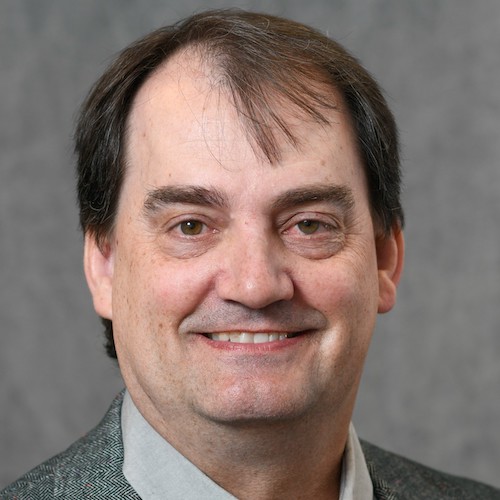
Spencer Muse is a Professor in the Department of Statistics at North Carolina State University (NC State). He currently serves as the Director of the Statistics Undergraduate Program and the Director of the Bioinformatics Graduate Program. His work focuses on integrating statistical methodologies with biological data analysis, particularly in molecular evolution and genetics. He is affiliated with the Bioinformatics Research Center and contributes to interdisciplinary collaborations within the university. Spencer Muse holds a Ph.D. in Statistics and Genetics from NC State University, earned in 1993. His educational background merges advanced statistical training with genetic research, enabling him to address complex problems at the intersection of quantitative sciences and biology. His primary research interests include Bioinformatics , Statistical Genetics , and Molecular Evolution . He specializes in developing computational tools for evolutionary hypothesis testing and refining models that account for substitution rate variations and alignment errors. His work aims to improve the accuracy of selection analyses and parameter estimation in genetic datasets. Muse’s recent articles emphasize advancements in evolutionary analysis frameworks, including alignment error correction, substitution rate modeling, and software development (e.g., HyPhy, PowerMarker). These tools are widely used in studying viral, plant, and microbial genomes, enhancing the understanding of evolutionary processes and genetic diversity. No scientific awards or honors are explicitly mentioned in the provided information. His contributions to education and research administration highlight his role in shaping academic programs and fostering student development in quantitative biology and bioinformatics. In advising and grants, while no specific students or grants are listed, Muse’s leadership in undergraduate and graduate programs suggests active mentorship roles. His software contributions (e.g., HyPhy, PowerMarker) reflect significant grant-funded research. He is also part of the Administration Faculty group, overseeing departmental and programmatic activities. Muse is affiliated with the Department of Statistics and the Bioinformatics Graduate Program. His office is located in SAS Hall 5276, and he maintains a professional website linked to his profile.
Tomas Strucko is a researcher in the Department of Biotechnology and Biomedicine at the Technical University of Denmark (DTU), specializing in synthetic biology and metabolic engineering with a focus on yeast species including Saccharomyces cerevisiae and Komagataella phaffii . He develops advanced genetic tools for efficient strain engineering, particularly CRISPR-Cas systems. Academic employee at DTU Member of Synthetic Biology section Research Interests: Design and optimization of microbial cell factories Development of CRISPR-based genome editing platforms Metabolic pathway engineering for chemical production High-throughput strain construction techniques Comparative yeast genetics Laboratory evolution for metabolic adaptation Notable Contributions: Co-developed CRI-SPA (CRISPR-based strain production automation), created oligonucleotide-mediated editing systems for Komagataella phaffii, and pioneered gene amplification techniques through DNA repair mechanisms. His work has been cited 15 times across 5 publications in 2023-2024. Students: Supervised PhD candidate Porcayo Loza in yeast-based algal biomass conversion projects. Project Affiliations: Engineered yeast strains for bulk chemicals from algal biomass (2015-2022) Designer yeast library for metabolic engineering (2014-2016) Vanillin production cell factory development (2010-2014)
Dr. Shi-Zhen WANG is an Associate Professor at the Department of Chemical and Biochemical Engineering, College of Chemistry and Chemical Engineering, Xiamen University, China. She holds a PhD from Zhejiang University (2009) and a BSc from Fuzhou University (2004). Her research focuses on biocatalysis, enzymatic engineering, and biosynthesis of chiral compounds. Education: PhD (Zhejiang University), BSc (Fuzhou University) Current Position: Associate Professor, Xiamen University Previous Roles: Assistant Professor (Xiamen University), Postdoctoral Fellow (MIT), Visiting Scholar (Hamburg University of Technology) Her research involves controlled assembly of multi-enzyme systems for biosynthesis, discovery of novel enzymes from extremophiles , and graphene-based biosensors . Recent publications demonstrate expertise in enzyme immobilization, cofactor regeneration, and biocatalytic pathway engineering for pharmaceutical and chemical production. Publications highlight trends in multi-enzyme cascades , extremophile enzyme applications , and bioinspired immobilization techniques . Key methodologies include peptide linker fusion, metal ion substitutions, and biomineralization approaches.
Michael Lawson is an Assistant Professor in the Department of Chemistry and Biochemistry at the University of California, Los Angeles (UCLA), where he leads the Lawson Lab focused on eukaryotic translational quality control mechanisms. His research integrates structural, biochemical, and computational approaches to investigate ribosome-mRNA interactions and mRNA decay pathways. Dr. Lawson's research centers on how ribosomes and decay factors distinguish between normal and defective mRNAs during translation, with particular emphasis on premature stop codon diseases affecting 11% of heritable human disorders. His lab employs biochemical reconstitution , structural techniques , and biophysical assays to dissect molecular mechanisms of translational termination and mRNA surveillance. Key interests include ribosome dynamics, release factor function, and the structural basis of quality control decisions. Recent publications reveal a consistent focus on translation termination fidelity and ribosome-associated decay pathways , with significant contributions to understanding eukaryotic termination mechanisms through structural and kinetic analyses. His work bridges bacterial and eukaryotic systems to uncover fundamental principles of mRNA quality control. The Lawson Lab maintains an active mentoring program with graduate students including Michelle Thaxton, Marcella Mirabelli, Jake Cozy, Aubrey Emmi, Adrian McFarland, Izaiah Cole, and Morgan Grimes. Student achievements include CMB and CBI awards recognizing research excellence in computational and biomedical sciences. Located within UCLA's Chemistry and Biochemistry department, the lab operates as a dynamic research hub utilizing cutting-edge biochemical and structural methodologies to advance understanding of translational quality control mechanisms and their therapeutic implications.
Professor Shubiao Wu is an academic at the University of New England (UNE) within the School of Environmental and Rural Science . His interdisciplinary expertise spans poultry health and nutrition , molecular biology , plant genetics , and nutrigenomics . He teaches courses in biochemistry and genetics and has over AU$8 million in research grants since 2015. Education: PhD in Molecular Mapping and Reproduction of Olives, University of Adelaide (2002) MSc in Plant Reproductive Biology, Inner Mongolia University BSc in Botany, Lanzhou University His research focuses on gut microflora and intestinal health in poultry, particularly necrotic enteritis and nutrigenomics . He also investigates plant genetics (e.g., maize genomics) and energy systems in feed formulation. A key trend in his 2023–2025 publications includes evaluating feed additives (probiotics, organic acids, enzymes) to mitigate necrotic enteritis, transcriptomic responses to nutritional interventions, and microbiome dynamics in poultry. Professor Wu serves as Associate Editor of Animal Nutrition and Academic Editor of PLOS ONE , with extensive peer-review contributions to journals like Nucleic Acids Research and Microbial Ecology . He has supervised over 30 PhD/MSc students and collaborated with institutions including CSIRO , RMIT , and Henan Agricultural University . His lab team includes researchers such as Dr. Sarbast Qassim (molecular biology), Dr. Kosar Gharib (gut health), and Dr. Sosthene Musigwa (net energy systems). Current projects involve antibiotic alternatives , energy utilization optimization , and microbiome-modulating feed additives , funded by entities like Adisseo France and Kemin Animal Nutrition .
Carl Marcus Torbjörn Wäneskog is a Postdoctoral Researcher at the Novo Nordisk Foundation Center for Biosustainability, Technical University of Denmark (DTU), specializing in synthetic biology tools for yeast engineering. His research bridges computational and experimental approaches to solve challenges in microbial cell factory development. His primary research domains include: Synthetic Biology and Genetic Engineering Yeast and Bacterial Cell Factory Development Non-optimal Codon Usage and tRNA Optimization High-Throughput Screening Methodologies Dual-Species Protein Expression Systems Dr. Wäneskog's work demonstrates strong interdisciplinary integration between computer science and molecular biology, particularly in developing AI-assisted high-throughput methods for genetic analysis. His research addresses critical bottlenecks in industrial biotechnology related to protein expression across different microbial hosts. His scientific contributions have been published in leading journals including mBio and Biotechnology Progress, with his work showing significant interdisciplinary reach across synthetic biology, computer science, and immunology/microbiology domains as reflected in his research fingerprint metrics. Dr. Wäneskog actively collaborates with researchers across multiple institutions, as evidenced by his co-authorship with scientists including Hoch-Schneider, Garg, Kronborg Cantalapiedra, and Jensen. His work has garnered attention from both academic researchers and industry professionals in the synthetic biology field.
Laurence Hurst is a Professor in the Department of Life Sciences at the University of Bath , where he leads research at the Milner Centre for Evolution and Centre for Mathematical Biology . His work bridges mathematical, bioinformatic, and experimental approaches to evolutionary genetics. Research Focus : Selection on synonymous mutations, gene order evolution, genomic redundancy, codon usage bias, and long non-coding RNA dynamics. Key Collaborations : Projects funded by The Evolution Education Trust, The Royal Society, MRC, and Biotechnology and Biological Sciences Research Council (BBSRC). Methodologies : Integrates systems biology, computational genomics, and experimental validation. SDG Contributions : Work indirectly supports UN Sustainable Development Goals through advancing genetic understanding for health and environmental applications. Notable Trends in Publications : Recent articles examine protein evolution mechanisms, retroviral co-option in human embryogenesis, transgene design optimization, and bacterial adaptation via epistasis. These studies highlight interdisciplinary applications of genetics, molecular biology, and computational methods. Laboratory & Affiliations : Affiliated with the Milner Centre for Evolution and Centre for Mathematical Biology, focusing on evolutionary dynamics and genomic systems biology.
Metodi Traykov is an Associate Professor at the Department of Informatics, New Bulgarian University (NBU). He holds a PhD in Informatics and Computer Science, having completed his doctoral thesis on Mathematical Models and Algorithms for Predicting the Spatial Structure of Proteins at South-West University 'Neofit Rilski'. He has been a faculty member at NBU since 2019 and previously served as an Assistant at South-West University from 2013 to 2018. Education: Bachelor's and Master's in Informatics, South-West University 'Neofit Rilski' (2012–2013) PhD in Informatics, South-West University 'Neofit Rilski' (2017) Teaching: Leads courses in Programming, Object-Oriented Programming, Data Structures, Java, and Algorithms at NBU Guest lectures at American University in Bulgaria on Website Development, C# Programming, and Python Research: Focuses on Bioinformatics, protein structure prediction, optimization algorithms, and genetic code properties Developed mathematical models for protein folding and virtual reality applications Collaborates with researchers like Ivan Trenchev, Rossen Mavrevski, and Nikolina Pencheva Recent Publications: Explores computational methods in protein structure analysis and optimization algorithms Interdisciplinary work in virtual reality, cultural heritage preservation, and biostatistics
Christoph Griesbeck is a Professor and Head of the Biotechnology Department at MCI - The Entrepreneurial University, leading study programs in Biotechnology & Food Engineering since 2011. He also serves as Innovation Hub Coordinator for Food, Biotechnology & Circular Economy at Ulysseus (since 2020). His career includes roles as Head of Biotechnology at MCI (2006–2011), Postdoc at the University of Regensburg (2002), and doctoral work in Biochemistry. Education: Dr. rer. nat. in Cell Biology & Plant Physiology (University of Regensburg, 2001), Dipl.-Biochem. (University of Regensburg, 1998). Research focuses on algal biotechnology, microbial protein expression systems, biodegradation of plastics, and circular economy. He has authored/co-authored over 30 peer-reviewed articles and book chapters, with recent work on Ideonella sakaiensis PET degradation and UV-enhanced carotenoid production. Notable awards include Bavarian Innovation Award nomination (2006) and Business Plan Competition victory (2006). He reviews for journals like Molecular Biology Reports and serves on DECHEMA’s Algal Biotechnology Division advisory board. Supervised over 80 students (BSc/MSc), including recent theses on AI in enzyme engineering and anti-inflammatory algal extracts. Active in conference organization (e.g., 8th Summerschool on Advanced Biotechnology) and industry collaborations.
Dr. Wesley Freppel is a Research Fellow at Griffith University's Institute for Biomedicine and Glycomics, focused on molecular virology and virus-host interactions. He holds a Ph.D. in Virology and Immunology from INRS (Canada) and M.Sc. degrees from Aix-Marseille University and the University of Strasbourg (France). His research examines the replication dynamics of +ssRNA viruses, including flaviviruses and alphaviruses, and their manipulation of host cell processes like mitochondrial dynamics and metabolism. He leads multidisciplinary projects to develop antiviral therapies and optimize diagnostic methods. Education: Ph.D. Virology and Immunology, INRS, Canada M.Sc. Human Pathology, Aix-Marseille University, France M.Sc. Cellular Physiopathology, University of Strasbourg, France B.Sc. Cellular and Molecular Biology, University of Strasbourg, France Research Interests: +ssRNA viruses, flavivirus/alphavirus pathogenesis, cell metabolism, viral replication mechanisms, and antiviral drug development. His work bridges virology, cell biology, and biochemistry to address pandemic threats like SARS-CoV-2, Zika, and Ross River virus. Funded Projects: Includes grants from Griffith University and external agencies for studies on flavivirus-peroxisome interactions, panflaviviral therapeutics, and alphavirus-induced arthritis. Recent awards include travel grants to the American Society of Virology and Australasian Virology Society. Media Contributions: Authored articles on viral immunity, antiviral treatments, and pandemic responses for public health awareness. Contributed to optimizing SARS-CoV-2 saliva testing during the pandemic, achieving 20,000 weekly tests in Montreal hospitals. Advising & Grants: Current associate supervisor for a doctoral project on host-pathogen interfaces. Secured over AUD 300,000 in internal grants for virology research. Collaborates with Prof. Lara Herrero's lab, ranked #1 in Ross River virus research. Labs & Teams: Member of Griffith University's Institute for Biomedicine and Glycomics, part of a team advancing viral diagnostics and therapeutic strategies.
Nik Nair is an Associate Professor at Tufts University's School of Engineering , affiliated with the Department of Chemical and Biological Engineering . He also holds a Graduate Faculty appointment at the Genetics, Molecular and Cellular Biology program within Tufts' Graduate School of Biomedical Sciences (GSBS). Education: Ph.D. in Chemical & Biomolecular Engineering (University of Illinois, 2010) M.S. in Chemical & Biomolecular Engineering (University of Illinois, 2006) B.S. in Chemical & Biomolecular Engineering (Cornell University, 2003) Research Focus : The Nair Lab pioneers synthetic biology and systems bioengineering approaches to rewire microbial physiology for applications while uncovering evolutionary design principles. Key areas include protein engineering , metabolic engineering , and biofuel synthesis , with recent breakthroughs in tagatose production and spore-based biocatalysis . Articles highlight expertise in enzyme optimization, codon bias, and synthetic regulons. Scientific Contributions span 15 recent publications (2023-2025) in topics from biocatalyst engineering on Bacillus subtilis spores to predictive modeling of codon-mediated resource allocation. His work bridges industrial biotechnology and biomedical applications , particularly through collaborations in cellular agriculture and antimicrobial therapy . Awards : Senior Member, National Academy of Inventors (2025) Advising & Grants : Actively mentors students/postdocs (e.g., PhD candidate Aaron Love, postdoc Damayanti Chakravarty). His lab participates in Tufts' Cellular Agriculture Consortium with David Kaplan and Kyong Lee, securing NIH grant support highlighted in NYTimes coverage. Lab & Professional Activities : Leads the Nair Lab at Tufts, focusing on microbial engineering for biocatalysis, bioremediation, and cultivated meat. Maintains active collaborations via Twitter , Bluesky , and journals like RSC Chemical Biology , with field leadership in synthetic biology societies.
Prof. Dr. Sophia Rudorf is a Professor in the Department of Computational Biology at the Institute of Cell Biology and Biophysics, Faculty of Natural Sciences, Leibniz University Hannover. Her research focuses on the intersection of computational methods and molecular biology, particularly in understanding protein synthesis mechanisms and gene expression regulation. Her research interests center on computational modeling of biological processes, with particular emphasis on mRNA translation, codon usage optimization, and ribosome profiling. Dr. Rudorf employs advanced computational techniques to analyze protein synthesis dynamics, gene expression patterns, and the relationship between codon usage and translational efficiency. Her work bridges theoretical modeling with experimental validation to uncover fundamental principles of cellular processes. Analysis of her publication record reveals a consistent focus on protein synthesis mechanisms, with evolving methodologies from basic kinetic modeling to advanced computational approaches incorporating machine learning and high-resolution profiling techniques. Her research spans from fundamental studies of translation kinetics to applied work in protein expression optimization. Dr. Rudorf currently leads the "Matrix Evolution" project (2024-2027), a collaborative effort focused on hierarchically structured bio-inspired matrices. She has also completed significant projects including research on chloroplast translation apparatus dynamics in plants and algae (2021-2025), a programming language education initiative (2022-2023), and a BEREIT funding project (2024).
Russell Zaretzki serves as a Heath Faculty Fellow in the Department of Business Analytics & Statistics at the Haslam College of Business, University of Tennessee, Knoxville. His research bridges industry and academia through predictive analytics and business intelligence applications, with expertise spanning applied statistics, big data, and healthcare analytics. His educational foundation includes: Ph.D. in Statistics from Cornell University (2004) M.S. in Statistics from Cornell University (1999) B.S. in Physics from the University of Michigan (1995) Zaretzki's research integrates computational statistics and data mining across diverse domains. His work demonstrates exceptional versatility in applying statistical methodologies to software engineering ecosystems (e.g., developer behavior analysis), genomic evolution (e.g., codon usage modeling), financial risk assessment, and healthcare outcomes. This interdisciplinary approach emphasizes real-world problem solving through predictive modeling and large-scale data analysis. Recent publications reveal a pronounced trend toward methodological innovation in open-source software analytics and biological data science, with increasing focus on ensemble learning techniques and mutation-selection modeling. His work consistently addresses data quality challenges in version control systems while expanding into healthcare applications like oral mucositis dynamics. Recognition includes the prestigious Heath Faculty Fellowship. While specific advising activities remain undocumented, his publication record indicates active mentorship through collaborative research projects. His work on infrastructure initiatives like the World of Code project suggests leadership in developing research frameworks for software ecosystem analysis. Zaretzki maintains significant involvement with the World of Code research initiative, which provides infrastructure for mining open-source version control data at scale, indicating leadership in computational research infrastructure development.
Dr. Koenraad M Van Doorslaer is an Assistant Professor at the University of Arizona's School of Animal and Comparative Biomedical Sciences since 2016. He holds a PhD in Biomedical Sciences from Albert Einstein College of Medicine and completed postdoctoral work at NIH's National Institute of Allergy and Infectious Disease. PhD: Evolution of papillomavirus carcinogenicity (Albert Einstein College of Medicine) MS: Biomedical Sciences (Albert Einstein College of Medicine) BS: Biomedical Sciences (University of Leuven, Belgium) His research focuses on the evolutionary mechanisms behind papillomavirus oncogenicity, combining molecular virology with computational analysis. Key projects examine: Differential pathogenicity in papillomavirus genera Immune evasion through nucleotide composition changes HPV genome integration patterns in cancers Host restriction factors like TLR9 Evolutionary constraints on viral core genes Development of bioinformatic tools (PaVE 2.0) Recent publications analyze: HPV integration signatures in cervical/vulvar cancers TLR9-virus coevolution in bats Evolutionary taxonomy updates for Papillomaviridae 3D tissue models for virus-host interaction studies Non-mammalian papillomavirus diversity (fish, plants) Role of PRMT1 in HPV lifecycle regulation Scientific recognition includes: 2022 Excellence in Postdoctoral Mentoring Award 2021-2020 award nominations 2017 DNA Tumor Virus Meeting oral presentation award Teaching contributions span multiple courses in: Medical Molecular Virology Principles of Molecular Mechanisms Research conferences and dissertation supervision 3D tissue culture methodology